
MINI Clubman Export Buying Guide for Overseas Dealers
Export buying guide for MINI Clubman dealers: compare petrol trims, understand live pricing and MOQ, plan shipping, homologation and RHD sourcing.
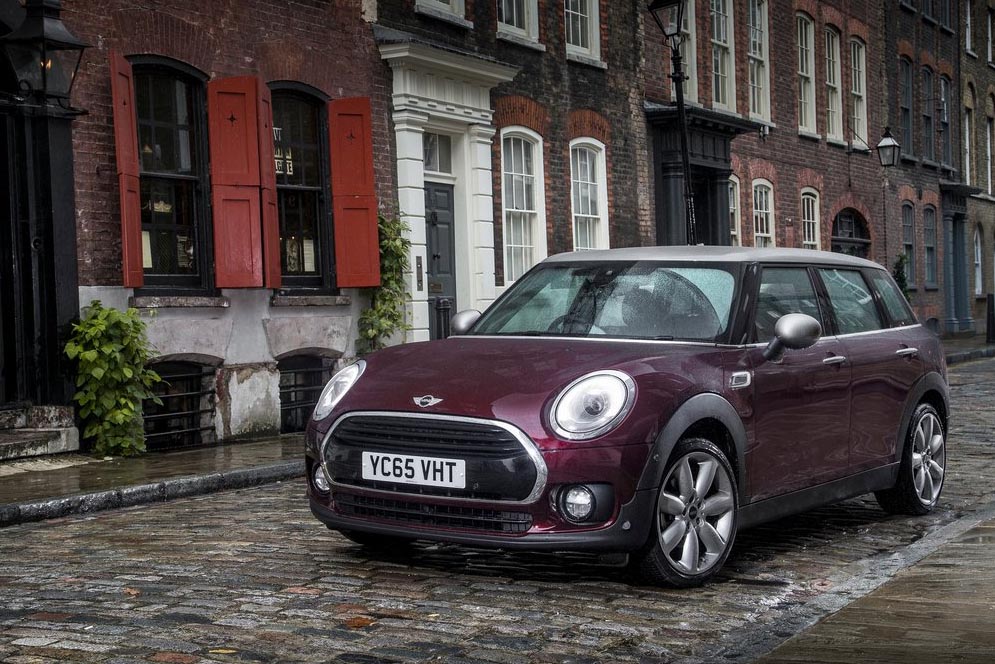
At a glance
- The Clubman pairs a five-door body and split rear doors with a compact footprint.
- Cooper, Cooper S, John Cooper Works and named editions serve different buyer priorities.
- New and used choices should be judged by condition, history, warranty and documentation.
- Live prices and MOQ must be confirmed for each unit, with freight and duties separated.
- LHD/RHD availability and destination-country homologation belong in the pre-purchase check.
Why the MINI Clubman matters for export markets
The MINI Clubman occupies a useful middle ground between a conventional city hatchback and a compact family vehicle. Its five-door body, split rear doors and upright luggage area make it more practical than MINI’s two-door Cooper, while its footprint remains easier to manage than many crossovers. For overseas dealers, that combination supports a clear retail story: premium, design-led motoring with more everyday usability than the brand’s best-known coupe-style models. It also gives hotel, airport and urban fleet customers a more sensible five-passenger alternative without losing the visual identity that helps it stand out in a showroom.
Global demand for the Clubman is strongest where buyers value compact dimensions, premium branding and expressive design rather than the lowest possible purchase cost. European and other developed-road markets are natural destinations because the model’s road manners, compact turning circle and urban dimensions align well with dense traffic. Demand can also arise in markets where imported premium hatchbacks are treated as a lifestyle purchase, provided the importer handles local registration, insurance and parts support properly. The model is less compelling where consumers expect standardized fleet platforms, abundant local servicing, or low-cost replacement parts.
Export buyers should treat demand as segment-specific rather than universal. A dealer in a dense city may find the Clubman’s maneuverability and parking footprint persuasive, while a regional importer may need to demonstrate the split tailgate, flexible rear seating and higher cargo practicality in showroom demonstrations. Marketing should not rely on MINI badge recognition alone: explain the five-door layout, equipment level, service arrangements and total ownership proposition in the destination language. The same car can therefore need different specification emphasis, wheel presentation and service promises in different countries and markets.
- Five doors, compact footprint.
- Split-tailgate access.
- Premium aftersales essential.
Model range, trims and powertrain variants: how the lineup is structured and how to choose
MINI has offered the Clubman across several generations, so a listing title alone is not enough to identify the car. The model line has included Cooper and Cooper S versions with 1.5T, 1.6T and 2.0T petrol engines, plus John Cooper Works derivatives and named editions such as Classic, Racing, Geek Edition, Connoisseur, Hampton and Bond Street. Older R55-era cars, facelift F54-era cars and newer F60-era cars should be compared as separate mechanical and equipment packages. Engine output, automatic or manual gearbox choices, dimensions, safety equipment and luggage details can differ substantially.
The Cooper is the volume-oriented starting point, while Cooper S adds the sportier engine, chassis, brake and equipment package. John Cooper Works represents the highest-performance branch and may be supplied in special ALL-IN or other specification forms. Named editions primarily differentiate paint, wheels, trim and cabin equipment; they can be desirable to collectors, but they should not be assumed to deliver a different fundamental powertrain without checking the VIN and build sheet. For fleet procurement, that distinction matters because parts, insurance categories and servicing can vary even when model badges appear similar.
Choose by market and use rather than by the most powerful badge. A city-focused importer may prioritize the Cooper’s lower purchase position, compact dimensions, automatic availability and fuel economy; a performance-oriented buyer may justify Cooper S or John Cooper Works through chassis capability and brand image. Verify engine displacement, turbocharged or naturally aspirated status, transmission, drive system, emissions equipment and option content on the exact unit, because export listings can mix facelift terminology from different model years. The build sheet and physical inspection should resolve any ambiguity before funds are committed.
- Cooper: balanced entry point.
- Cooper S: performance focus.
- JCW: enthusiast branch.
New vs used MINI Clubman: how export inventory is structured and how buyers choose
Export inventory for a long-running nameplate is rarely a single standardized product. Dealers may encounter ex-stock cars, parallel-import vehicles, nearly new demonstrator stock and used units returned from overseas markets. The correct comparison starts with each vehicle’s condition label, model year, mileage, ownership history, service records and title status. A low model number or familiar trim name does not by itself establish whether a car is new, used or dealer-maintained. That matters for depreciation, warranty eligibility, import-age rules, reserve pricing and the condition disclosure expected by the destination importer downstream.
New or effectively new Clubmans are generally easier to reconcile: they normally offer clearer warranty pathways, known delivery history and less uncertainty about wear. The advantage is not automatic, however. Ask whether the warranty is transferable outside China, whether the car has been registered, whether VAT or other taxes were paid at origin, and whether any remaining manufacturer coverage is documented. For combustion versions, also request a cold-start check and evidence of recent service. These checks protect an importer from assuming that a late-model badge equals a fully documented, road-ready vehicle.
Used Clubmans can make sense where the buyer values a lower acquisition point, an established specification or a vehicle already adapted for local roads. Evaluate them more conservatively: inspect the subframe, suspension, engine mounts, brakes, tires, cooling system, accident evidence and service history, especially on older R55 or F54 examples. Compare the remaining useful life of the car with the likely cost of importing, registering and maintaining it; a low purchase price can be erased by repairs, compliance work or unsold stock. A condition report should therefore influence the final bid directly.
- Condition outweighs model year.
- Verify mileage, history, title.
- Inspect used cars mechanically.
How export pricing works: the factors behind a live listing price, and how to read one
A MINI Clubman export price is rarely explained by the model badge alone. The model year and generation set the baseline, while trim, engine, transmission, options, color, condition, mileage, ownership and market demand affect the amount a supplier will accept. Exchange rates can change the home-currency equivalent, and freight, insurance, port handling, customs charges and taxes sit outside some headline figures. Buyers should separate vehicle price from landed cost before comparing offers. A sound comparison uses the same Incoterm, currency, condition standard and documentation scope for every candidate quoted vehicle.
Read a live listing field by field rather than treating the displayed amount as a final delivered price. Check what the seller calls the vehicle price, whether freight and export documentation are included, what deposit and payment milestones apply, and whether the stated minimum order quantity is unit-specific. The ChinaCarDirect live listing is the source for the current vehicle amount and unit-specific MOQ; a written quotation should then name the VIN or SKU, trim, engine, gearbox, steering position, condition, origin, destination and Incoterm so the comparison basis is unambiguous before any deposit.
The most reliable price comparison follows the same commercial formula from vehicle to landed cost. Start with the live vehicle amount, add the agreed international transport and insurance, then add origin handling, destination port or terminal charges, customs duties, taxes and local delivery or registration costs. Ask for validity dates and payment terms because FX and sailing schedules can move. For a multi-car purchase, calculate the effect of removing vehicle-specific options, consolidating configurations and avoiding destination charges that would not apply to the intended channel. This reveals the true cost per vehicle.
- Separate vehicle and landed costs.
- Match currency and Incoterm.
- Compare like-for-like offers.
MOQ, ordering and payment: single units vs consolidating a container
Minimum order quantity is a commercial condition attached to a particular listing, not a permanent property of the MINI Clubman. Some suppliers will release an individual vehicle for a single-car order; others set a lot requirement, especially when vehicles are grouped for shipment. Buyers should open each live listing and confirm the displayed MOQ, whether mixed trims are allowed and whether the quantity applies per model, color or production batch. The RFQ should state the intended quantity so the seller can price the actual order rather than a generic catalogue assumption.
A container can improve freight efficiency for a multi-vehicle order, but consolidation requires more control than a single-unit purchase. Separate vehicles by engine, gearbox, emissions configuration, steering side and destination homologation needs; do not assume one approval covers every unit in the container. Agree the loading plan, sequence of VINs, access to inspection, insurance responsibility and who bears damage or delay. For a trial shipment, one carefully selected vehicle may reduce exposure and provide data on parts, quality and customer demand before a larger order is committed with fewer variables in play.
The ordering workflow should move from specification to written commitment in clear stages. Review the live listing, request a written quotation and pro forma invoice, verify the beneficiary and contracting party, then agree the deposit, balance trigger, inspection right, production date, cancellation terms and refund process. Payment methods and credit terms vary by seller, so confirm them rather than assuming a platform policy. Before release, match the invoice to the selected VIN and obtain the agreed export documents; for a dealer order, retain inspection photographs and a signed handover record for every vehicle.
- MOQ is listing-specific.
- Group compatible configurations.
- Match invoices to VINs.
Shipping, homologation and market compliance caveats: LHD/RHD and import rules by country
Steering configuration is the first sourcing question for many Clubman imports because LHD and RHD cars are not interchangeable everywhere. The live listing should identify the configuration, and the seller should provide photographs of the steering wheel, instrument cluster and controls. A conversion changes the physical arrangement but does not automatically satisfy local type approval, emissions rules, lighting requirements or insurance conditions. For RHD markets, verify whether the vehicle was factory-built for that side or genuinely converted and documented before paying a specialist premium. Local registration can still refuse it.
Transport cost and lead time depend on the vehicle count, origin and destination ports, sailing frequency, booking space, seasonality, congestion, cargo dimensions, fuel surcharges and the chosen Incoterm. A specialist vehicle carrier or roll-on/roll-off route may suit mixed, low-volume consignments; containerization may be more efficient for compatible units but requires a compliant loading plan. Quote origin handling, terminal fees, insurance, customs brokerage, destination charges and inland delivery separately. Transit time is only one variable: booking confirmation, port release, inspection and registration can materially extend the vehicle’s time to sale for dealers.
Import compliance is country-specific and should be closed before the vehicle ships. Depending on the market, the importer may need a VIN check, customs valuation, import permit, duty and tax payment, emissions compliance, safety or type approval, and a roadworthiness or conformity certificate. European buyers should confirm the applicable whole-vehicle approval and age-related rules; US buyers should address federal and state requirements; other markets may require local inspection or emissions testing. Used-car age restrictions and the availability of a Certificate of Conformity can materially change whether a particular Clubman is importable.
- Confirm steering side early.
- Model all import charges.
- Complete approval before shipment.
Who should buy the Clubman — and who should pick a different vehicle
The Clubman fits buyers who want a premium, recognisable car with better everyday access than a two-door MINI. The split rear doors make loading into the boot easier, the five-door layout suits passengers, and the relatively compact body remains convenient in cities. It is particularly relevant to urban dealers, lifestyle buyers, company-car drivers and fleet programmes that value design and branding without moving into a larger, less manoeuvrable premium SUV. A clear rear-door demonstration can make the practical case at the showroom. It also rewards buyers who understand its unconventional layout.
It is a poorer fit where low running cost, long electric range, abundant cargo volume or off-road ability is the priority. A buyer in a market with strict zero-emission mandates should investigate current electrified alternatives rather than purchase a petrol Clubman on the assumption that it satisfies future policy. Very large families may prefer a conventional estate or crossover with easier rear-seat access and more luggage flexibility. Buyers focused on maximum performance per outlay should also compare hot-hatch rivals, because the Clubman’s premium design does not guarantee the lowest purchase or running cost.
Within the Clubman range, buyers should match trim to expectations. Cooper suits cost-conscious premium buyers, Cooper S suits drivers who value response and chassis focus, and John Cooper Works serves enthusiasts. Older examples can make sense for design-led buyers with a sound maintenance plan, but they carry greater age-related compatibility and condition risk. Before importing, confirm local parts support, workshop familiarity with MINI electronics, insurance acceptance and residual-value demand; a fashionable badge cannot compensate for weak aftersales support. In markets with limited MINI coverage, those services can determine ownership feasibility more than the trim badge.
- Best for urban premium buyers.
- Poorer for budget-first fleets.
- Older cars need service planning.
Main rivals and how the Clubman compares
The closest alternatives split into practical mainstream hatchbacks and premium compact cars. A Volkswagen Golf offers a more rational package, familiar engines and straightforward servicing, but less of the MINI’s split-door theatre and distinctive cabin. An Audi A3 Sportback competes on premium finish, efficiency and mainstream serviceability, while the Clubman gives more visual character and a different body solution. A BMW 1 Series is another credible premium compact, with a different driving character and, where offered, rear-wheel-drive appeal or a handling proposition the front-wheel-drive Clubman cannot match for drivers who prioritize dynamic response.
Comparison should be based on the actual brief, not badge prestige. For a dealer needing a volume product with straightforward servicing and a broad parts network, the Golf may be easier to stock. A buyer prioritising quiet, polished premium presentation may prefer the A3. A driver seeking established rear-wheel-drive handling and a more conventional three-door or five-door silhouette may prefer the BMW 1 Series. The Clubman wins when its unusual split tailgate, expressive design and MINI identity create a demonstrable customer reason to visit the showroom rather than merely browse online.
Price, specification and running costs must be compared on equivalent terms. Review the live Golf, A3 and 1 Series offers available to your market alongside the Clubman, using the same condition, mileage, warranty, freight and Incoterm assumptions. The lower vehicle price of one rival may be offset by different insurance, fuel, parts or compliance costs, while the Clubman may command a different residual profile. The right rival is the vehicle that meets the buyer’s space, performance, brand and aftersales needs at the lowest realistic total cost, not the model with the most attractive badge.
- Golf: rational practicality.
- A3: polished efficiency.
- BMW: conventional performance.
Live MINI Clubman export inventory
View all listings →Real units currently on ChinaCarDirect with per-unit asking prices and MOQ. Availability updates live from the catalogue.
How to buy a MINI Clubman from China
-
1
Define the destination brief
Specify the destination country, required steering side, trim, engine preference, intended use and target landed-cost budget before comparing vehicles.
-
2
Shortlist live inventory
Use the live Clubman listings to compare model generation, engine, gearbox, condition and equipment. Do not rely on trim badges or model-year references alone.
-
3
Verify the exact vehicle
Request the VIN or SKU, photographs, mileage, service history, title status, option list and export-document details for every shortlisted car.
-
4
Request an itemized quotation
Ask for a vehicle-specific quotation stating currency, Incoterm, freight scope, origin handling, insurance, taxes, duties, payment milestones and quote validity.
-
5
Confirm MOQ and payment terms
Check the listing-specific MOQ, whether configurations can be mixed, the deposit, balance trigger, cancellation terms and refund procedure. Record these terms in the pro forma invoice.
-
6
Inspect before release
Use a professional pre-shipment inspection to verify condition, VIN, engine, mileage, warning lights, fluids, brakes, tires and export paperwork. Retain dated photographs and the signed inspection report.
-
7
Book freight and clear import
Confirm the loading method, carrier, insurance, shipping documents and destination broker before departure. Complete customs, duty, tax, conformity and local registration checks before releasing the vehicle to customers.
Clubman vs rivals
| Volkswagen Golf | A more rational mainstream compact hatchback with familiar engines and straightforward servicing. Choose it when practicality, cost consistency and easy ownership outweigh the Clubman’s distinctive design and split-tailgate appeal. |
|---|---|
| Audi A3 Sportback | A polished premium alternative offering efficient engines and a conventional five-door layout. It suits buyers focused on refinement and mainstream serviceability rather than the Clubman’s more expressive body design. |
| BMW 1 Series | A close premium compact for drivers seeking conventional body choices and rear-wheel-drive handling where offered. The Clubman instead prioritizes front-wheel-drive packaging, split-rear-door access and stronger visual character. |
Frequently asked questions
How is MINI Clubman export pricing determined?
Export pricing is set at the unit level by model year and generation, trim, engine and transmission, options, mileage and condition, then adjusted for exchange rates and market demand. The vehicle price may or may not include origin handling, freight, insurance, customs duties and local taxes, so request an itemized quote under a stated Incoterm. Current binding vehicle amounts and unit-specific MOQ are shown in the live listings on ChinaCarDirect, while final commercial terms should be confirmed in the RFQ.
What engine and powertrain options should I expect?
The Clubman petrol range includes 1.5T, 1.6T and 2.0T applications across Cooper, Cooper S and John Cooper Works grades, while some older cars use a 1.6-litre petrol engine. Because these are combustion vehicles, there is no battery-electric range figure to use in the comparison. Confirm displacement, output, turbocharging, gearbox and emissions equipment on the exact listing.
Are new or used MINI Clubmans better for export?
New or effectively new cars usually provide clearer service history, warranty position and condition, while used examples can suit buyers targeting a lower acquisition point or a specific older configuration. A used Clubman needs closer scrutiny for mileage, accident repair, maintenance, corrosion and model-specific parts compatibility. Treat the condition label and inspection report as more important than the age or trim badge.
What is the MOQ for a MINI Clubman order?
MOQ is set by the individual listing and may permit a single vehicle or require a batch, depending on the seller and shipment plan. Confirm it on the live listing and in the pro forma invoice, including whether models or configurations can be mixed. State your required quantity in the RFQ before payment so the supplier confirms the binding terms.
What affects shipping time and cost?
Shipping time and cost depend on origin and destination, vehicle count, booking space, carrier schedule, port congestion, seasonality, cargo dimensions, insurance and the Incoterm. RoRo or specialist vehicle transport may suit mixed consignments, while containerization can suit compatible groups. Customs release and local registration can add time beyond the ocean transit.
Are spare parts available for imported Clubmans?
MINI spare parts are generally available through MINI and specialist channels, but availability for older R55 or F54 cars, special editions, electronic modules and right- or left-hand-drive conversions can vary by region. Identify VIN-specific parts early and ask the supplier to include critical service items or recommended spares in the quotation. Do not assume a local dealer will hold stock for a newly imported model.
Can I buy an RHD MINI Clubman and where is it available?
RHD availability depends on the exact vehicle, source market and whether the car was factory-built for that configuration or professionally converted. Review current steering-side photographs and documents in the live listings, and confirm that a conversion does not compromise local approval, lighting or insurance requirements. Do not rely on a Clubman title alone.
How do I order a MINI Clubman from China?
Start with the live Clubman listings, compare the specified engine, trim, gearbox, steering side, condition and documents, then send the desired VIN or SKU in an RFQ. Request a written quotation, pro forma invoice, payment schedule, inspection terms, Incoterm and export-document list before paying a deposit. Confirm the selected vehicle and handover documents before release for shipment.
Ready to source the MINI Clubman?
Send a MINI Clubman RFQ with your destination, steering preference, trim and required quantity for a current unit-specific quotation.
Request a quote