
MINI Countryman Export Buying Guide for Dealers
Buy a MINI Countryman from China with clear guidance on trims, petrol variants, export pricing, MOQ, shipping, homologation and importer due diligence.
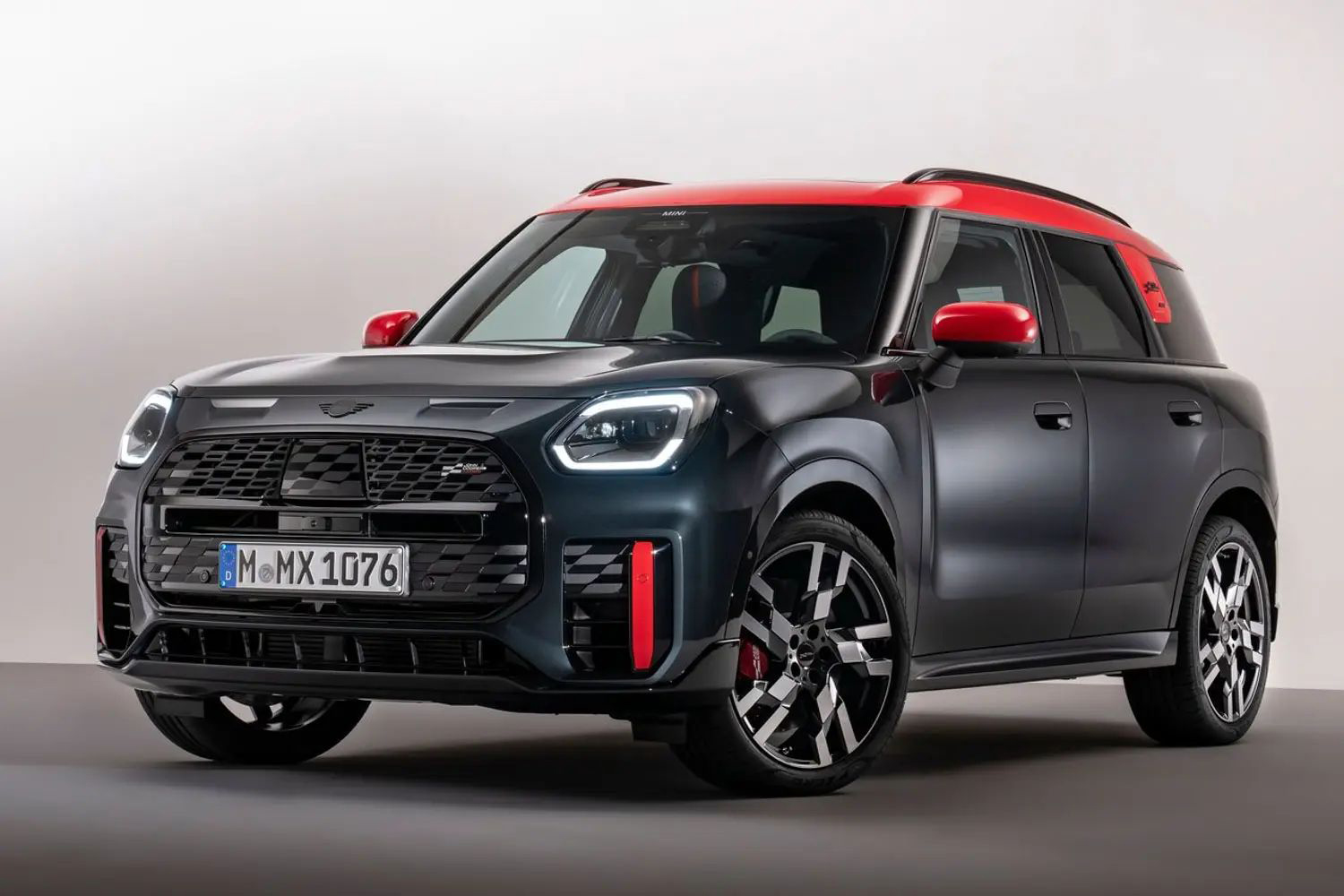
At a glance
- The Countryman pairs MINI design with a five-door, compact-crossover format suited to urban retail and fleet use.
- The export-relevant trim ladder runs from Cooper through Cooper S to John Cooper Works, with front-wheel drive and ALL4 options.
- Engines span 1.5T, 1.6L, 1.6T and 2.0T petrol units, so tax, fuel and parts needs should guide selection.
- New cars offer current specification and warranty potential; used cars offer lower entry cost but greater condition risk.
- Export price must be read with Incoterm, freight, tax and compliance costs, while MOQ and availability are confirmed per live listing.
Why the MINI Countryman matters for export markets
The MINI Countryman occupies a distinctive middle ground between a premium city car, a five-door hatchback and a compact crossover. Its upright body, rear doors and usable luggage area make it more practical than a conventional MINI hatch, while its relatively compact footprint helps it fit urban use, parking structures and fleet operations. For overseas buyers, that combination creates clear appeal: MINI character and higher seating without moving into the larger, more expensive SUV classes. It is especially relevant for dealers seeking a differentiated product rather than another anonymous small SUV.
Global demand for the model is best understood through use cases rather than a single sales forecast. The Countryman suits buyers who want a recognisable premium badge, easy maneuverability and everyday family flexibility. Its higher ride position can improve visibility and confidence on imperfect roads, although buyers should not assume that elevated styling means off-road capability. The available Cooper, Cooper S and John Cooper Works nameplates also allow importers to serve different budgets and customer expectations within one model family. This flexibility helps importers build a sales ladder without changing architecture.
For a MINI Countryman for export, the commercial opportunity is not simply moving cars from China to another market. Importers must assess local brand recognition, premium-tax treatment, fuel availability, spare-parts support and the availability of homologated versions in the destination country. The Countryman can earn attention in markets that value compact dimensions, right-hand-drive availability or distinctive design, but those same markets may impose strict registration and emissions rules. A disciplined importer therefore treats demand indicators, serviceability and compliance as one decision. Exportability improves when local aftersales and homologation can support the brand.
- Compact five-door format with a practical hatch-style cargo area.
- Distinctive design supports a stronger retail proposition.
- Screen markets for brand, tax, fuel, parts and residual values.
Model range, trims and powertrain variants: how the lineup is structured and how to choose
MINI Countryman specs vary by generation, so a buyer should read the model year and trim together rather than assume one global specification. The petrol Countryman range discussed here includes 1.6-litre naturally aspirated Cooper engines, 1.5-litre and 1.6-litre turbocharged units, and 2.0-litre turbocharged engines. Cooper is the broader entry name, Cooper S adds a more performance-oriented specification, John Cooper Works is the flagship, and ALL4 identifies the all-wheel-drive versions. Package names such as Artist, Explorer, Traveler and Equipment Package may add equipment rather than a fundamentally different vehicle platform or market position.
Drivetrain is often the first practical choice. Front-wheel-drive Cooper models can be simpler to purchase and operate, while ALL4 versions add traction-oriented hardware for markets with wet roads, snow or poorer surfaces. John Cooper Works versions combine performance tuning with their own equipment and, depending on year and market, may be offered with or without ALL4. Do not infer all-wheel drive from the John Cooper Works badge alone. Confirm the exact designation, axle arrangement, tyre specification and factory options against the VIN and live listing before pricing or homologation planning.
Engine choice should follow the destination market, not simply the largest displacement shown in the catalogue. A 1.5T or 1.6T Cooper may suit fleets seeking lower operating cost and straightforward parts support, while a 2.0T Cooper S or John Cooper Works better serves performance-focused retail customers. Turbocharged engines can have different servicing, cooling and fuel requirements from naturally aspirated versions. Since tax bands, fuel quality and emissions rules vary, compare the VIN specification, fuel consumption data and local running costs before selecting a trim for import.
- Cooper, Cooper S and John Cooper Works form the main trim ladder.
- ALL4 identifies all-wheel drive; verify the VIN.
- Match engine choice to local fuel, tax and servicing needs.
New vs used MINI Countryman: how export inventory is structured and how buyers choose
A used MINI Countryman can be a rational export purchase when the importer values a known vehicle history, a lower entry outlay or access to older body styles and trims. Export inventory is not homogeneous: it can include older naturally aspirated Cooper cars, earlier turbocharged Cooper S and John Cooper Works versions, and newer 2.0T performance models. Used units also carry greater variation in mileage, paint, interior condition and repair history. The right comparison is therefore like-for-like: same generation, engine, drivetrain, equipment, condition and expected residual value in the target market.
New vehicles offer a cleaner ownership proposition, current factory specification and, when the seller supports it, clearer warranty coverage. They can also carry less immediate depreciation, although an imported vehicle may still lose value because buyers prefer locally approved models or established after-sales networks. Used cars can provide better value where age-related price reductions outweigh uncertainty, but they are usually harder to standardise for fleet resale. Inspect service records, cold starting, fluid condition, tyres, accident repairs, paintwork and software functions before treating a used listing as equivalent to a new vehicle.
Buyers sourcing a used MINI Countryman should request the VIN, registration documents, service invoices, photos of the underbody and engine bay, and evidence of any work. Compare the declared equipment list with the actual cabin and exterior, and confirm that the seller has the right to export the vehicle. Local import rules may treat age, emissions or previous registration differently, so a cheap used purchase can become expensive after compliance work. For a MINI Countryman wholesale programme, set one inspection standard across every unit rather than relaxing it for higher-value trims.
- Used purchases demand service, repair and underbody evidence.
- New imports may depreciate where locally approved models dominate.
- Apply one inspection standard across every wholesale unit.
How export pricing works: the factors behind a live listing price, and how to read one
This MINI Countryman export price guide starts with one principle: the displayed vehicle price is only part of the acquisition decision. A live quote can move with model year, Cooper, Cooper S or John Cooper Works specification, engine, ALL4 drivetrain, mileage, condition, paint, factory options and whether the unit is new or used. Performance editions and heavily optioned cars generally carry a different value proposition from basic vehicles, but the relationship is not fixed. The listing for each VIN is the correct place to confirm the seller’s asking terms and inclusions.
The commercial terms may also sit outside the headline figure. Export prices can be quoted on an ex-works basis, with the importer arranging freight and insurance, or under an Incoterm that transfers more responsibility to the seller. Ocean freight, terminal handling, documentation, inspection, insurance, inland transport, duty, VAT and local registration can materially change the landed cost. Exchange-rate movements may also affect how a China-based price is displayed or settled. Ask for a written quote that states the currency, Incoterm, validity period and included documents, and identifies every excluded charge.
To compare MINI Countryman listings fairly, open the live inventory, record the VIN or SKU, then normalise the entries into a landed-cost worksheet. Check whether the price is for the vehicle alone and whether freight, export clearance, sea insurance, port charges, pre-shipment inspection and local taxes are added. Also verify what new, used or export-ready means in that listing, because condition labels can conceal a parallel import or a vehicle awaiting service. Use the live listing as the starting point, not as proof of compliance or final delivered cost for your market.
- Start with each live listing and a VIN-level quote.
- Confirm freight, insurance, inspection, port and tax inclusions.
- Compare every quote under the same Incoterm and currency.
MOQ, ordering and payment: single units vs consolidating a container
MOQ for MINI Countryman wholesale purchasing is set at the seller and SKU level, so it must be confirmed in the live listing and purchase documents. A buyer may be able to purchase a single serialized vehicle, whereas some suppliers or special configurations may require a batch, a mixed-model allocation or a full container. Ask whether the MOQ applies per model, trim, colour or production batch. If a single unit is offered, confirm that its VIN, production status and expected dispatch date remain reserved until the order is accepted in writing.
Single-unit orders suit dealers testing demand, fleet pilot programmes and buyers consolidating several Countrymans from different sellers into one shipment. They also expose the buyer to more variation because each vehicle is older, differently equipped or in a different condition. Container consolidation can improve freight efficiency and give a buyer more control over a coherent retail batch, but it raises capital exposure, demurrage risk and the need for accurate container planning. Compare the freight saving with inventory financing, warehousing and slower-moving trim risk rather than treating container volume as automatically cheaper.
Payment terms should be documented before funds move. A purchase contract or pro forma invoice should identify the exact vehicle, price, currency, MOQ, payment schedule, Incoterm, inspection standard, refund conditions and expected document set. For a larger order, a staged payment linked to inspection and documentation can reduce exposure; bank-transfer details should be verified directly against the seller’s invoice and company identity. Do not rely on a duplicated listing photograph or a generic chat response as proof of availability. Acceptance should require matching VINs, clear titles and a signed handover record.
- Confirm MOQ per seller, SKU, trim and production batch.
- Treat a single-vehicle order as a controlled pilot.
- Tie final payment to inspection, documents and handover.
Shipping, homologation and market compliance caveats: LHD/RHD and import rules by country
Shipping a MINI Countryman begins with confirming whether the vehicle is left-hand drive or right-hand drive. Steering side cannot be assumed from the trim name, and changing it is expensive and may affect conformity. Dealers serving the UK, Australia, New Zealand, Japan and other right-hand-drive markets must establish whether a compliant RHD example exists or whether conversion is lawful for that vehicle. Also check whether the destination accepts the engine, emissions system, lighting, speedometer and equipment supplied in China; local conversion should never be assumed to cure a failed type approval.
Import compliance is country-specific and may cover customs valuation, duties, VAT or sales tax, VIN checks, emissions standards, roadworthiness, insurance and age restrictions for used vehicles. The importer may need a certificate of origin, commercial invoice, packing list, bill of lading, vehicle documents and evidence of ownership before customs clearance. Ask the freight forwarder or local customs broker to confirm the tariff classification and document requirements for the exact VIN. If the vehicle needs modification, lighting adaptation or a local emissions certificate, complete that work through an approved process before registration.
Complete vehicles are commonly moved by roll-on/roll-off vessel or container, and the practical method depends on vehicle dimensions, sailing availability and the buyer’s consolidation plan. Request the transportability dimensions, securing instructions and any loading constraints in advance, especially for modified or low-clearance examples. Freight cost varies with route, vessel space, fuel surcharges, terminal fees, insurance and inland delivery. The importer should also allow time for export clearance, pre-shipment inspection, loading, transit, customs, port handling and final delivery, without relying on a guaranteed transit time that may change for the selected sailing.
- Verify steering side before choosing for an RHD market.
- Check local rules on emissions, lighting, VIN and age.
- Confirm dimensions, tariffs and documents with logistics professionals.
Who should buy the Countryman — and who should pick a different vehicle
The Countryman is a strong fit for dealers and fleet buyers that need a premium-looking compact crossover with space for daily work and passengers. It works particularly well for urban fleets, company-car programmes, boutique hotel or rental operations, and retail customers who value design, compact dimensions and the familiarity of the MINI badge. ALL4 can improve confidence in poor weather, but it should not be marketed as a serious off-roader. Buyers should match the vehicle to ordinary road use, secure luggage requirements and realistic local service coverage and operating budgets.
It is less suitable when purchase cost, maximum cargo volume, minimal fuel use or the broadest service network is the priority. A MINI dealer must be comfortable supporting a badge carrying higher expectations than mainstream compact SUVs. Fleet managers should review residual-value assumptions, insurance categories, tyre availability and parts lead times before committing volume. For high-mileage duty cycles, a hybrid crossover may be more economical; for commercial cargo, a van or purpose-built utility vehicle will usually be more useful; for rugged terrain, a dedicated four-wheel-drive model is the safer choice.
The best decision rule is to separate image from utility. Choose the Countryman when its design, compact footprint, practicality and driver appeal are central to the brief, then specify the engine and drivetrain around local conditions. Avoid it when the business case depends only on headline acquisition cost or where a complex premium badge creates service costs the importer cannot sustain. A live-market test, parts quotation and total-cost calculation will reveal more than brochure positioning. If the Countryman cannot earn a suitable local price, select a rival with clearer fleet economics.
- Best for urban fleets, company cars and design-led retail.
- ALL4 assists poor weather but is not off-road equipment.
- Poor fit for maximum cargo, minimum fuel use or heavy duty.
Main rivals and how the Countryman compares
The Volkswagen T-Roc is one of the closest mainstream alternatives for buyers who want a similar five-door compact-crossover format but less brand-specific character. It is generally easier to position as a volume product and may fit buyers who prioritise conventional packaging, familiar ownership costs and broader trim planning over MINI styling. The Countryman offers a distinctive design and a performance image through Cooper S and John Cooper Works versions. For a fleet, the T-Roc is often the more conservative commercial choice, whereas the MINI has stronger appeal at retail.
The Toyota C-HR competes in the compact crossover segment with a focus on fuel efficiency, particularly where hybrid powertrains are available. It is attractive to fleet and import programmes that value Toyota’s reputation, aerodynamic shape and running-cost proposition. The Countryman counters with a more upright, practical cabin image, rear-seat and luggage flexibility, and a broader performance-oriented trim ladder. Neither model is universally superior: the Toyota can be the rational low-consumption choice, while the MINI suits customers who put design and driving character first. Tax treatment should guide the final decision.
The Jeep Renegade is the most rugged-looking alternative in this group, with 4x4 versions in some markets and a practical, upright body. It can appeal to buyers who value utility and off-road styling more than MINI refinement or performance branding. The Countryman generally presents a more premium, design-led proposition, with Cooper S and John Cooper Works giving access to sportier character. For severe use, neither should be judged by appearance alone; verify ground clearance, drivetrain, local parts support, warranty terms and the actual duty cycle before the final import decision.
- T-Roc: more conventional for mainstream fleet programmes.
- C-HR: stronger efficiency case where suitable hybrids exist.
- Renegade: more utility-focused, especially for 4x4 buyers.
Live MINI Countryman export inventory
View all listings →Real units currently on ChinaCarDirect with per-unit asking prices and MOQ. Availability updates live from the catalogue.
How to buy a MINI Countryman from China
-
1
Define the market and vehicle brief
Set the destination country, required steering side, expected use, preferred engine, ALL4 requirement and total-cost priorities. Include fuel quality, tax treatment, parts support and registration conditions in the brief.
-
2
Shortlist live inventory
Use the current MINI Countryman listings to compare model year, VIN, trim, drivetrain, mileage, condition and equipment. Keep separate worksheets for every candidate rather than relying on the trim name alone.
-
3
Request an itemised RFQ
Ask for the vehicle price, currency, Incoterm, validity period, freight basis, included documents and excluded charges. Request a landed-cost estimate for the intended destination and state the required steering side.
-
4
Verify identity and compliance
Confirm the VIN, ownership documents, engine specification, steering side and export eligibility. Have the destination’s customs broker or type-approval specialist review emissions, lighting and other market requirements.
-
5
Agree written order terms
Review the pro forma invoice, MOQ, Incoterm, payment milestones, refund terms and document list. Verify the seller’s identity and bank beneficiary details directly against the invoice before sending funds.
-
6
Inspect before final acceptance
For a used vehicle, use a third-party inspection and review service history, cold start, fluids, tyres, body, underbody and accident-repair evidence. For a new vehicle, confirm production status, factory specification, option list and any transit or storage damage.
-
7
Ship, clear and hand over
Use a forwarder to confirm loading method, dimensions, securing, insurance, freight, export clearance and customs documents. Match VINs at handover, complete clearance and retain the signed inspection, payment and shipping records.
Countryman vs rivals
| Volkswagen T-Roc | The T-Roc is a mainstream five-door compact-crossover alternative with a more conventional ownership proposition and easier fleet planning. The Countryman is the stronger choice for distinctive design and Cooper S or John Cooper Works performance character; the T-Roc is usually the more conservative commercial fit. |
|---|---|
| Toyota C-HR | The C-HR is compelling where efficient hybrid versions and Toyota familiarity matter. The Countryman offers a more upright, practical image and performance trims, so choose the C-HR for fleet economics or the MINI for design and driving character. |
| Jeep Renegade | The Renegade is the more utility-oriented alternative, with 4x4 versions in some markets and a rugged-looking package. The Countryman is more design-led and performance-branded, but neither should be chosen for severe off-road use without verifying the drivetrain and duty-cycle suitability. |
Frequently asked questions
How is the MINI Countryman export price determined, and where is the live price?
Export pricing is driven by the exact vehicle’s year, trim, engine, ALL4 designation, mileage, condition, options and whether it is new or used. The headline price may exclude freight, insurance, inspection, port, duty and VAT charges. Open the current MINI Countryman live listings for the per-unit asking price, then request an itemised quote under your chosen Incoterm.
Which MINI Countryman engine and powertrain options should export buyers compare?
The petrol range discussed here includes 1.6-litre naturally aspirated engines and 1.5T, 1.6T and 2.0T turbocharged units. Cooper, Cooper S and John Cooper Works form the main trim ladder, while ALL4 identifies all-wheel drive. These are combustion vehicles, so compare fuel consumption and local tax bands rather than battery-electric range.
Is a new or used MINI Countryman better for export?
A new Countryman provides current factory specification and may have clearer warranty coverage, but it can depreciate faster where locally approved models dominate. A used MINI Countryman can offer a lower entry outlay and access to older trims, but condition, repair history and import eligibility become larger risks. Inspect and document every used unit at the same standard.
What is the MOQ for MINI Countryman orders?
MOQ is set by the seller and SKU, and it may allow a single vehicle or require a batch. Check the live listing and pro forma invoice for the requirement, including whether it applies by trim, colour or production batch. For multiple vehicles, document how they will be allocated and consolidated.
What controls shipping time and cost?
Shipping time and cost depend on route, vessel space, vehicle dimensions, port handling, fuel surcharges, insurance, documentation and inland delivery. Export clearance, pre-shipment inspection, loading, customs and final transport each add stages to the schedule. Ask the forwarder for a route-specific estimate and the charges excluded from it.
Can buyers obtain spare parts for an imported Countryman?
Parts compatibility depends on VIN, generation, engine, transmission and trim, so exact identification is essential before ordering. Ask the seller and authorised MINI service network for availability, part numbers, lead times and landed cost, and check whether the destination has a franchised or capable independent workshop. Do not assume an imported specification is supported by every local dealer.
Is a right-hand-drive MINI Countryman available for export?
Right-hand-drive availability depends on production batch and market, so it must be confirmed for the specific vehicle rather than inferred from the model name. If only left-hand-drive stock is available, ask local specialists whether conversion is lawful and can pass inspection. Steering-side conversion can add substantial cost and may affect insurance or registration.
How do I buy a MINI Countryman from China?
Start with the live Countryman listings, shortlist by VIN, and send an RFQ stating the destination, required steering side, trim and budget. Request a pro forma invoice, written MOQ and payment terms, itemised shipping basis, and third-party inspection before final payment. After shipment, use the signed handover and customs documents to complete clearance and registration.
Ready to source the MINI Countryman?
Request a current MINI Countryman quote with the exact VIN, confirmed MOQ, chosen Incoterm and an itemised landed-cost estimate.
Request a quote