
MINI Electric Mini Aceman Export Buying Guide
MINI Electric Mini Aceman export guide for overseas dealers: compare trims, pricing logic, MOQ, shipping, compliance and key alternatives before purchase.
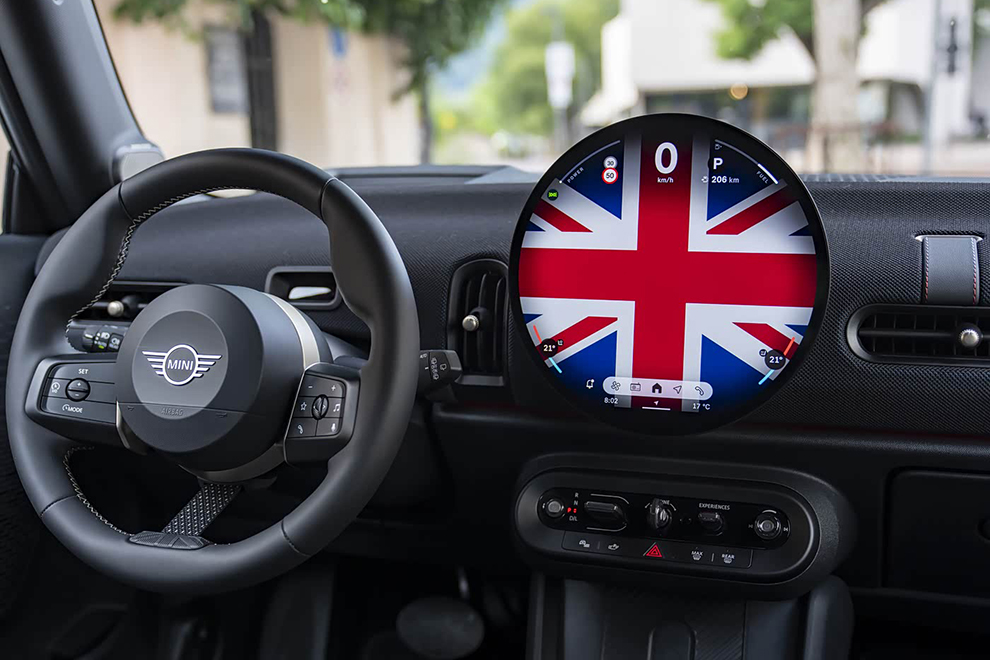
At a glance
- The Aceman is a compact, five-seat battery-electric SUV aimed at style-conscious urban and company-car buyers.
- E Classic, SE Artist and SE Racer trims differ in equipment and market specification, so VIN-level verification is essential.
- Export pricing must be assessed as landed cost, including freight, duties, taxes, compliance and local support.
- Single-unit and consolidated orders have different capital and freight trade-offs; MOQ is confirmed per seller.
- RHD availability, road approval and parts support must be checked before committing to an imported vehicle.
Why the MINI Electric Mini Aceman matters for export markets
The MINI Electric Mini Aceman occupies an unusual place in the export market: a compact, battery-electric MINI SUV with a design-led identity and a format suited to urban retail. It is not a fleet van or long-distance expedition vehicle; instead, it targets buyers who want MINI character, compact dimensions and electric running costs in one package. For overseas dealers, that positioning creates appeal among company-car customers, boutique EV retailers and drivers moving away from compact crossovers. Its import case, however, depends more on local approvals, charging access and after-sales support than on styling alone.
Demand for this model should be assessed by segment rather than assumed from MINI’s global badge. The Aceman competes for customers who normally compare premium subcompact EVs, mainstream electric crossovers and styled city cars. That gives an importer a broader audience, yet the brand’s dealer footprint may be thinner than that of the largest volume manufacturers in some destination countries. Buyers should therefore test local brand recognition, residual-value expectations and workshop support before committing to fleet-scale distribution. An online presentation cannot compensate for unavailable technicians, diagnostic software or battery service.
China-origin supply is relevant because the Aceman is MINI’s compact electric SUV offering, and it gives overseas buyers a route into a distinctive model without sourcing a larger, more expensive derivative. That does not make every imported specification commercially viable. The importer must align steering configuration, charger equipment, software and approvals with the destination market, then estimate the real cost of registration and servicing. In practical terms, the strongest export case is a well-equipped, correctly configured unit entering a market with established MINI support and realistic expectations for parts availability.
Model range, trims and powertrain variants: how the lineup is structured and how to choose
The lineup should be read first as an equipment-and-market hierarchy, not just as a list of visual names. E Classic and E Classic Edition are generally positioned as the more straightforward specification, while SE Artist and Model SE Artist indicate a higher equipment or trim level. SE Racer Edition adds a distinctive appearance and equipment package. Names can change between model years and sales markets, so the listing title alone is insufficient: ask for the VIN, build sheet, standard-equipment list and any market-specific options before treating two similarly named vehicles as equivalent for purchase.
Powertrain choice should be verified at the unit level. Across the range, the Aceman is a battery-electric, front-wheel-drive compact crossover, but motor output, battery capacity, usable range and charging details can differ by trim and production version. Published range may also use a different test cycle from the standard applied in the destination country. Require the seller to state the battery gross and usable capacity, motor power, charging ports, supplied cables and the range figure with its test standard. Do not compare that figure with an importer's WLTP or local certified value.
The practical choice is between minimising acquisition complexity and obtaining the equipment, output and styling needed to win a particular customer. An E Classic-based car may be easier to position as an entry model, while an Artist or Racer can carry a higher perceived specification and command stronger showroom appeal when demand is brand-sensitive. Racer branding should not be assumed to mean a unique battery or higher power output; verify the build sheet rather than extrapolating from the badge. This discipline prevents a visual package from being mistaken for a mechanical upgrade.
- Verify the VIN and build sheet.
- Check the official range test cycle.
- Compare charging hardware and cables.
New vs used MINI Electric Mini Aceman: how export inventory is structured and how buyers choose
New inventory is normally the cleaner route for an importer because the vehicle can be matched to a known production specification and accompanied by factory documentation. Its advantage is strongest when the destination country has an authorised MINI service structure able to honour the applicable warranty. That guarantee is not automatic across borders, so ask whether the warranty is transferable, which components it covers and whether regional service participation is required. A new car may also age in storage, so battery condition, transport preparation and delivery documentation still matter at the port.
Used Aceman units can make sense for a dealer seeking a lower entry cost or a buyer comfortable with depreciation, but the inspection must go beyond paint, tyres and interior wear. Request the battery state-of-health report, charging tests, mileage verification, service history, accident evidence and recall completion. Confirm that software, digital services and the original user interface are suitable for the destination. An apparently complete used listing should also be checked for flood exposure, trim damage, battery-module repair or replacement, and inconsistencies between the VIN, build plate and service records.
The export catalogue can include newly built vehicles and used examples, but the label on a marketplace should be treated as the start of verification rather than the end. Ask whether a unit is factory-new, demonstrator, dealer stock or previously registered, and request documents for each category. For a dealer, the choice depends on cash exposure, holding period and warranty service. For a fleet buyer, a documented used unit with verifiable history may be more rational than waiting for a new slot, provided charging, range and residual assumptions remain realistic.
- Confirm factory status and warranty.
- Inspect battery health and repairs.
- Match documents to the VIN.
How export pricing works: the factors behind a live listing price, and how to read one
A live export quotation is the starting point of a larger landed-cost calculation, not necessarily the amount payable after arrival. The vehicle price can move with production year, trim, battery or motor version, options, colour, source condition and currency exchange rates. Mileage and condition become relevant to used units. On top of the vehicle price, freight, marine insurance, terminal handling, export documentation, inland transport, import duty, taxes, registration and local compliance work can all change the commercial result. Charger equipment, software and warranty assumptions should be itemised, not promised vaguely.
The Incoterm defines where responsibility and cost transfer between seller and buyer, so comparing two quotes requires reading the named term, not just the headline amount. An ex-works price may leave the buyer to arrange export handling and freight; an FOB or CIF quote may include different stages and inclusions. Ask whether the charger, export declaration, inspection, insurance, port charges, taxes and documentation are included. Also clarify the quote currency, validity period, payment milestones and whether any deposit is refundable. A lower vehicle figure can therefore produce a higher total acquisition cost.
On ChinaCarDirect, use the live inventory as the reference: current price, MOQ and availability are shown per unit, while the written quotation should reconcile them with the specification. Check whether the displayed amount is an ex-vehicle price, whether it is marked as a sale price and whether the same trim includes different equipment or sourcing terms. Compare like with like: production year, range or battery specification, mileage, condition, colour, included charger, Incoterm and destination. If the numbers differ, ask for a line-by-line explanation rather than assuming the lowest headline is the cheapest compliant vehicle.
- Read the Incoterm and inclusions.
- Compare like-for-like specifications.
- Use current live listing figures.
MOQ, ordering and payment: single units vs consolidating a container
MOQ is a seller or shipment term, not a fixed property of the Aceman model. Some marketplace offers can be bought as individual vehicles, while direct factory, dealer-group or consolidated freight arrangements may impose a larger minimum. Read the quantity field and written offer for each vehicle, and ask the seller to confirm in a pro forma invoice whether the quoted unit price assumes one car or a batch. This matters because freight economics, allocation priority and production-date flexibility change when a buyer moves from a single unit to a container.
A single-unit purchase suits a dealer testing demand or an owner buying for personal use. It limits inventory exposure and avoids tying up several cars in one trim or colour, but the buyer normally bears a less favourable per-vehicle freight rate and more of the fixed export cost. A consolidated container can reduce unit logistics cost and improve allocation, yet it concentrates risk in slow-moving stock. Before ordering a group, compare realistic selling times, working-capital carry, storage, local taxes and the possibility of mismatched specifications across the batch during transit.
A safe wholesale order starts with a written specification sheet and a pro forma invoice that states the vehicle, quantity, price basis, Incoterm, production period, payment schedule and handling steps. Buyers commonly use a deposit followed by a balance stage linked to document readiness or inspection, but the sequence must be agreed rather than assumed. Verify ownership and export-ability of the unit, name the party receiving payment, and retain the signed contract, build sheet and inspection evidence. Then use the ChinaCarDirect contact channel to request binding terms for the intended units.
- Confirm MOQ in writing.
- Link payments to documents.
- Model container stock-turn risk.
Shipping, homologation and market compliance caveats: LHD/RHD and import rules by country
Shipping an electric Aceman is broadly similar to exporting any finished vehicle, but the battery makes carrier documentation and condition reporting especially important. Sea freight is commonly the economical choice for multiple cars, while roll-on/roll-off, rail or air may suit smaller lots or urgent movements. Request the route, vessel or carrier, estimated port-to-port and door-to-door stages, insurance coverage and charging arrangements at both ends. Battery state of charge, declared weight, securing points and the availability of suitable loading equipment should be confirmed with the forwarder rather than improvised at origin.
Steering configuration is a critical sourcing question. China-origin vehicles are commonly left-hand drive, but the Aceman is sold into markets with different configuration requirements, so a buyer must confirm the hand of the vehicle rather than infer it from the port of loading. If the destination requires right-hand drive, obtain an RHD example that was manufactured and approved for that configuration. Converting an LHD car after export adds cost and risk and may affect insurance, warranty, safety documentation and parts planning. Confirm whether the seller can evidence the configuration with photographs and papers.
Import compliance is destination-specific, and a Chinese-market listing is not itself evidence of road approval elsewhere. Before contracting, check VIN visibility, type-approval requirements, safety and battery rules, local charging-connector or voltage compatibility, software and data provisions, language, lighting, insurance and registration taxes. Local authorities may require inspections or modifications that should be costed before shipment. Make the release of funds conditional on the agreed compliance plan, and avoid describing a vehicle as fully road-ready until the destination authority or an accredited inspection adviser confirms it in writing for that destination market.
- Confirm LHD or RHD early.
- Check destination approval requirements.
- Define freight and insurance scope.
Who should buy the Electric Mini Aceman — and who should pick a different vehicle
The Aceman is a persuasive choice for an urban dealer or company-car customer who values compact dimensions, distinctive styling and electric efficiency over maximum practicality. It can serve as a premium city car, a small-fleet demonstrator or a lifestyle EV where workplace charging is reliable. It makes sense for buyers who want a smaller alternative to a MINI Countryman and prefer lower running costs. The decision should be based on route realism: if travel is short, charging is controlled and the MINI network is credible, its design-led proposition has practical value.
It is a weaker fit for operators needing long highway mileage, heavy payload, extensive rural coverage or rapid charging during every stop. Compact EVs can also become costly to operate where parts are scarce, technicians cannot access platform diagnostics or insurance premiums are high for a low-volume model. A fleet that values uptime should require a service-level agreement covering battery faults, software issues and replacement-part lead times. For commercial users, residual values and battery warranty assumptions may matter more than the vehicle’s original list positioning at the point of resale.
Buyers needing more room, longer range, higher payload or a broader service network should consider a larger electric crossover, a hybrid SUV, or a combustion-engine compact SUV. Those alternatives may be less distinctive, but they can offer simpler charging expectations, wider parts availability and stronger fleet familiarity. The Aceman remains most rational when its styling and packaging are central to the customer proposition, while charging, range and aftersales requirements are modest and well understood. A test drive and route-cost comparison should precede any order in the destination market under local conditions.
- Suitable for urban company-car use.
- Weak for heavy or remote duty.
- Match alternatives to operating needs.
Main rivals and how the Electric Mini Aceman compares
The Volvo EX30 is a close conceptual competitor: a compact, design-led electric SUV intended to challenge premium city cars with efficient packaging and strong visual appeal. The EX30 may appeal to buyers who prefer a more conventional Scandinavian brand identity and want to compare charging, software and range treatments independently. MINI’s advantage is its distinctive character and established model recognition; Volvo can offer a different showroom proposition. Neither should be selected on headline range alone, because motor, battery, test cycle and destination specifications need direct comparison on an actual unit.
The Hyundai Kona Electric is a mainstream alternative with a familiar compact-SUV silhouette and a broader electrification proposition across many markets. Buyers may prioritise established servicing, practical charging planning and a less premium-priced model over MINI styling. The trade-off is that the Kona Electric’s shape and brand experience may be less emotionally distinctive, and equipment can vary by market just as with the Aceman. Importers should compare local warranty coverage, electrical inspection access and parts supply rather than assume the larger manufacturer network automatically guarantees lower ownership costs after import.
The Kia EV3 occupies the same small electric-crossover territory, with a modern design and packaging intended to make electric mobility more mainstream. It can be attractive to a dealer seeking a less badge-led alternative, while the Aceman offers a more individual MINI identity and a distinctive compact-SUV silhouette. Availability, powertrain versions and after-sales arrangements differ by country, so neither model should be declared the universal winner. The fairest choice is made from like-for-like destination specifications, landed costs, warranty terms, charging performance and realistic parts support in the chosen market alone.
Live MINI Electric Mini Aceman export inventory
View all listings →Real units currently on ChinaCarDirect with per-unit asking prices and MOQ. Availability updates live from the catalogue.
How to buy a MINI Electric Mini Aceman from China
-
1
Define the destination and operating requirement
Identify the destination country, required steering side, charger setup, typical routes, payload and aftersales expectations. These conditions determine which Aceman specifications are commercially suitable.
-
2
Shortlist MINI Electric Mini Aceman export inventory
Review the live ChinaCarDirect Aceman listings and compare matching trims, production years, equipment and condition. Use each listing’s current price, MOQ and availability, then shortlist units that fit the planned market.
-
3
Verify MINI Electric Mini Aceman specs
Request the VIN, factory build sheet, battery details, motor output, official range test cycle, charging equipment and market options. Confirm that the listed trim description matches the physical vehicle.
-
4
Request a binding quotation
Ask for a pro forma invoice covering unit price, quantity, MOQ, Incoterm, freight inclusions, payment stages, production timing and export-document responsibilities. Clarify every destination charge that is excluded.
-
5
Inspect and document the vehicle
Use a pre-shipment inspection to verify the VIN, condition, mileage, battery presentation, charging function and included equipment. Retain photographs, inspection findings and the agreed specification sheet.
-
6
Complete destination compliance review
Confirm local registration, type approval, RHD or LHD requirements, charging compatibility, insurance and any modifications before shipment. Obtain written advice from the relevant authority or an accredited inspection adviser.
-
7
Contract, ship and register
Pay against the agreed milestones, appoint a forwarder and verify the final shipping and customs documents. Complete local registration and confirm that warranty, servicing and parts arrangements are operational before customer delivery.
Electric Mini Aceman vs rivals
| Volvo EX30 | The EX30 is a close design-led compact electric-SUV competitor with a more conventional Scandinavian showroom identity. MINI is the stronger choice for buyers prioritising distinctive character, while Volvo may appeal where its brand positioning and local dealer proposition align better. |
|---|---|
| Hyundai Kona Electric | The Kona Electric offers a more mainstream compact-SUV alternative that may suit buyers prioritising familiar fleet operation and established service support. The Aceman is more appropriate for customers who place greater value on styling and a premium, individual brand identity. |
| Kia EV3 | The EV3 targets the same small electric-crossover audience with modern packaging and a less badge-led proposition. The Aceman has greater differentiation for design-conscious buyers, but the final decision should follow like-for-like destination specifications and aftersales comparisons. |
Frequently asked questions
How is MINI Electric Mini Aceman export pricing determined?
The live quote reflects the specific vehicle’s year, trim, equipment, condition, battery or motor version and seller terms, but it is not automatically a landed cost. Freight, insurance, terminal charges, import duty, taxes, registration, compliance work and local delivery must be added or assigned under the agreed Incoterm. Check ChinaCarDirect’s live Aceman listings for the current per-unit price and request a written landed-cost quotation for your destination.
What powertrain, battery and range should I verify?
The Aceman is a battery-electric, front-wheel-drive compact SUV. Confirm exact battery capacity, motor output, charging equipment and official range from the VIN, build sheet and seller rather than relying on a trim name. Ask for gross and usable battery capacity, motor rating, connector, supplied cables and the range test cycle, such as CLTC or a destination-market cycle.
Is a new or used MINI Electric Mini Aceman better for export?
A new Aceman is generally easier to document as factory stock and may benefit from factory warranty support, but cross-border warranty validity must be confirmed. A used unit can reduce acquisition cost, yet battery condition, mileage, repair history, software and regional suitability become more important. Compare the same trim and specification, and use a pre-shipment inspection plus VIN-level document check before accepting either.
What is the MOQ for a MINI Electric Mini Aceman order?
MOQ depends on the seller’s route and order type rather than being a permanent model rule. A marketplace listing may permit an individual vehicle, while factory or consolidated shipments can impose batch quantities. Read the quantity terms on the live listing and have the applicable MOQ and total quantity stated in the pro forma invoice.
How long does shipping an Electric Mini Aceman take, and what does it cost?
Cost and time depend on the route, origin and destination ports, carrier, container availability, customs clearance, insurance, battery handling and inland delivery. A lower freight quote may exclude terminal, documentation or destination charges, so request both port-to-port and door-to-door options with inclusions. Lead times vary with sailing schedules, port congestion and compliance work, so request current estimates for the intended route.
How are spare parts supplied for an imported MINI Electric Mini Aceman?
Ask the seller or destination MINI dealer for a parts list covering service items, charge cables, diagnostic access, battery modules and model-specific electronic components. Confirm availability, lead times and the authorised repair route in writing before purchase. After-sales support should also influence the decision between a new vehicle and a used example.
Is a right-hand-drive MINI Electric Mini Aceman available from China?
Do not assume steering configuration from the country of origin; many China-origin examples are left-hand drive, while RHD availability can vary. Require the VIN, photographs and factory specification before contracting, especially for a right-hand-drive destination. If no RHD unit is available, assess local conversion and its effects on cost, insurance, warranty and homologation before proceeding.
How do I buy a MINI Electric Mini Aceman from China?
Shortlist vehicles from the live ChinaCarDirect Aceman inventory, verify the VIN and build sheet, and request a written quotation specifying price, MOQ, Incoterm, payment milestones and freight inclusions. Complete the inspection and destination-compliance review before the final payment. Use the ChinaCarDirect contact page to submit the destination, configuration and quantity for an RFQ and binding offer.
Ready to source the MINI Electric Mini Aceman?
Send ChinaCarDirect your destination, required configuration and quantity for a current MINI Electric Mini Aceman quotation and live inventory shortlist.
Request a quote