
MINI Electric Mini Jcw Aceman Export Buying Guide
Evaluate MINI Electric Mini Jcw Aceman trims, export pricing, MOQ, shipping, homologation and rivals before ordering from China through live listings.
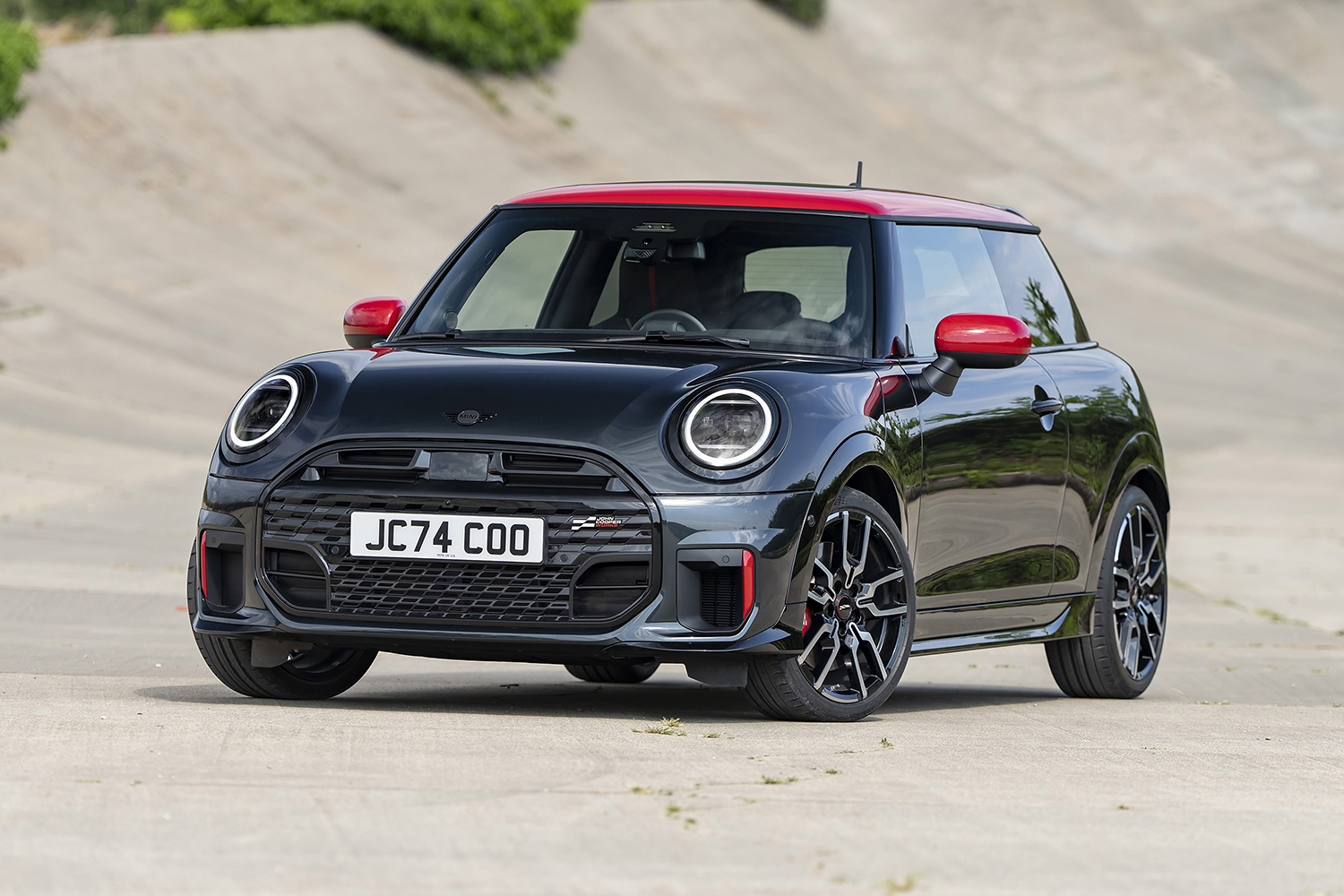
At a glance
- The MINI Electric Mini Jcw Aceman is a design-led premium compact electric SUV suited to differentiated retail and company-car programmes.
- The John Cooper Works trim adds performance-led appeal, but motor, battery, range and equipment must be verified for each production variant.
- New and used examples require different evidence: factory configuration and warranty for new vehicles; history, battery condition and inspection for used vehicles.
- Live export pricing depends on specification, condition, exchange rates, freight, insurance, duties and the chosen Incoterm.
- Homologation, steering configuration, parts support and destination charging infrastructure are as important as the vehicle itself.
Why the MINI Electric Mini Jcw Aceman matters for export markets
The MINI Electric Mini Jcw Aceman sits in the premium compact electric SUV segment, combining MINI’s design and driver-focused positioning with the packaging of a small crossover. For export buyers, it is more relevant as a differentiated retail product than as a fleet model. Dealers can use its distinctive styling, electric powertrain and John Cooper Works identity to target customers who want an EV that does not look like a conventional hatchback. That positioning can broaden a showroom’s appeal, but it should be matched to charging access, service capability and ownership costs.
Demand for this model in an export market will be shaped less by headline specification alone than by how MINI is positioned against European SUVs and mainstream electric crossovers. Urban buyers may value its compact footprint and expressive design, while company-car programmes can reward a distinctive badge and electric image. Before committing, an importer should examine local subsidies, parking policies, electricity tariffs, charging-network coverage and the expected residual value of the exact variant. Those factors determine whether MINI’s brand appeal creates demand or merely creates higher acquisition and support costs.
The John Cooper Works version adds a performance-oriented halo to the Aceman proposition, making it relevant for importers seeking a sportier flagship rather than a basic fleet specification. That halo can improve showroom appeal, but buyers should not treat the trim name as proof of a particular motor output, battery capacity, acceleration figure or equipment. Those details can differ by market and model year. The safest export decision is to compare the specification, charging data, warranty and homologation status of each vehicle, then confirm that the variant can be supported in the destination country.
- Distinctive premium compact EV positioning.
- JCW adds performance-led showroom appeal.
- Charging and support remain decisive.
Model range, trims and powertrain variants: how the lineup is structured and how to choose
The Aceman nameplate is structured around an all-electric compact SUV, and the vehicle identified under this export model is the John Cooper Works derivative. A JCW listing should therefore be evaluated as a specific performance-oriented model rather than as a generic MINI electric SUV. Within a model family, buyers may encounter differences in production period, market equipment, battery or range variant, charging specification, steering-hand configuration and included options. Because catalogue data alone may not expose every variation, the request for quotation should identify the exact vehicle and require the seller to confirm the relevant build details in writing.
Choosing among Aceman trims is clear when the brief is visual and dynamic: JCW is the natural selection for buyers who want that brand expression. It may be the wrong choice for a fleet operator whose priorities are maximum usable range, the simplest software environment, lower energy demand or a lower budget. Where the market offers other trims or powertrain configurations, compare them against the JCW on total cost rather than assuming that the most sporting version is automatically more efficient. For a used vehicle, condition and battery health can alter the comparison more than the original trim badge.
A sound selection process starts with five checks: usable range under local conditions, charging compatibility, drivetrain layout, equipment needed for registration, and the warranty and parts network. Ask for the homologation data, battery warranty terms, charging cable equipment, software status and a clear description of any market-specific modifications. For fleet use, also compare load capacity, charging downtime and service intervals with operational requirements. For a dealer test vehicle, verify that the specification can be reordered or replenished; a one-off imported configuration may be attractive but difficult to sustain if subsequent customers want the same variant.
- Verify trim and powertrain per vehicle.
- Balance JCW character against running needs.
- Check warranty and parts support.
New vs used MINI Electric Mini Jcw Aceman: how export inventory is structured and how buyers choose
Export inventory for the MINI Electric Mini Jcw Aceman can be assessed by condition, age, equipment and readiness for the intended destination rather than by a simple new-versus-used count. New units generally offer the clearest ownership history and the strongest factory-warranty pathway, while used examples may suit buyers focused on immediate acquisition or a specific used-car programme. ChinaCarDirect presents unit-level listings, so the correct question is not whether one broad category is “better,” but whether the exact vehicle shown in the live inventory matches the buyer’s technical, commercial and homologation requirements.
A new vehicle reduces uncertainty about prior accidents, modifications and battery use, but it does not eliminate export risk. Transit damage, incorrect equipment, unsuitable steering configuration or incomplete documentation can still make a new car unsuitable. Used units may provide a lower entry cost or access to a specification no longer offered, but buyers should expect closer inspection of paint, body structure, tyres, software, battery state of health and service history. Treat the condition assessment as central to valuation, not an optional inspection after the vehicle has already been selected.
Buyers should request the VIN or chassis number, model-year and trim confirmation, production specification, odometer reading where applicable, title or ownership documents, battery report, charging test evidence, photographs and a declaration of modifications. For any used example, also seek an independent inspection and confirmation that the battery warranty is transferable and remains valid in the destination. For a new example, verify that the expected production specification was actually delivered. These checks make it easier to compare vehicles on the same basis and to reject a listing that looks attractive but is difficult to register, insure or support.
How export pricing works: the factors behind a live listing price, and how to read one
An export price is not a fixed property of the MINI Electric Mini Jcw Aceman. It moves with model year, JCW specification, battery or range version, options, condition, mileage where relevant, and whether the seller is exporting new or previously registered stock. Currency movements affect the quote, while freight method, destination, insurance, taxes and the selected Incoterm determine the landed cost. The useful comparison is therefore like-for-like: the same trim, condition, equipment and trade term. A lower vehicle line can still produce a higher total cost after logistics and compliance expenses.
On a live listing, read the displayed amount as the starting point for that unit and check what the seller includes in it. A vehicle-only quote may use an EXW-style basis, while another may include port handling, inland transport or sea freight under another Incoterm. Confirm the currency, tax treatment, validity period, milestones and any charges that are excluded. Also check whether the specification includes the equipment required for the destination rather than assuming that a JCW description is complete. Current, binding price and availability should be taken from the unit’s live listing.
For a professional purchase, build a landed-cost worksheet with separate lines for the vehicle, vehicle-specific options, inland origin handling, export documentation, freight, insurance, destination charges, customs duties, taxes and local registration. Ask the seller and forwarder to define every line and identify which party bears risk at each handoff. Record the exchange rate and quote expiry used in the calculation, because a revised rate can alter the final cash requirement even when the vehicle remains unchanged. Use the ChinaCarDirect live inventory as the transaction starting point, then obtain a written quotation tied to the selected unit.
- Compare like-for-like vehicles and Incoterms.
- Separate vehicle price from landed cost.
- Check currency, expiry and exclusions.
MOQ, ordering and payment: single units vs consolidating a container
Minimum order quantity is set by the seller, route and commercial terms rather than by the model name alone. Some export offers may accept a single vehicle, while other sellers or consolidated shipments may set a lot requirement, especially where vehicle volume, storage or freight economics dominate. A dealer testing demand can ask whether one unit can be purchased directly or placed into a shared consolidation programme; a fleet buyer may need a dedicated container. Because terms can change between sellers and inventory lots, the current MOQ must be confirmed for the selected listing rather than inferred from a general vehicle guide.
Payment mechanics should be settled before the vehicle is committed. The seller should issue a pro forma invoice identifying the exact vehicle or agreed allocation, specification, Incoterm, currency, deposit, balance trigger, payment method and refund conditions. Buyers should verify the contracting entity and payment beneficiary, retain signed sale documents and avoid sending funds based only on a listing description or informal message. Credit terms, escrow arrangements and inspection-linked payment milestones may be negotiable in larger transactions, but the protections and recourse must be written down. Any bank charges, withholding tax or currency-conversion costs should also be assigned clearly.
Container consolidation can improve freight efficiency, but it adds allocation and inspection complexity. Agree in advance who selects each vehicle, who pays for rejected units, how differing specifications or colours will be handled, and who owns the vehicles until loading. Each unit should still have its own VIN-level identity, condition record, document set and export declaration. For a single-unit order, ask about protective preparation, insurance coverage from origin to destination and what happens if the vehicle arrives with damage or nonconformity. Clear remedies are more valuable than a low headline price because they define the cost of failure.
Shipping, homologation and market compliance caveats: LHD/RHD and import rules by country
Electric vehicles are not automatically exempt from destination-market approval. An importer should confirm local type-approval or registration requirements, VIN and identification checks, safety and electromagnetic compliance, battery and charging rules, software requirements, insurance, road taxes, emissions-related charges and any local inspection programme. Exact obligations depend on the importing country and can include documentary translation, certificate-of-conformity processes or modifications. The vehicle’s original homologation does not necessarily transfer directly. Provide the VIN early to the relevant authority or an experienced local compliance partner so that potential non-approval is identified before freight or payment reaches an irreversible stage.
Left-hand-drive and right-hand-drive availability is a separate sourcing decision that must be confirmed at unit level. A China-origin vehicle may not match the steering configuration required in its intended market, and converting the wrong configuration can affect homologation, safety, parts availability and residual value. RHD buyers should request evidence of factory RHD production or a documented conversion pathway, including steering, lighting, display, control and safety-system compatibility. If a dealer intends to sell the same specification in several countries, it may be simpler to source market-matched examples separately rather than convert every vehicle after arrival.
Shipping a battery-electric vehicle requires coordination among the seller, freight forwarder, carrier and customs broker. The forwarder should confirm the approved transport method, battery documentation, securing requirements, route, insurance and any restrictions at transshipment points. Landed charges can include terminal handling, documentation, customs brokerage, duties, VAT or sales tax, port inspection, storage and demurrage. Build a contingency for delays because port congestion or compliance queries can extend the timeline. Keep the original bill of lading or transport document, vehicle handover record, export declaration and release documents together so the importer can prove ownership and compliance at each stage.
- Check destination approval before shipment.
- Confirm RHD configuration or conversion route.
- Include duties, delays and battery logistics.
Who should buy the Electric Mini Jcw Aceman — and who should pick a different vehicle
The Electric Mini Jcw Aceman is a strong fit for an overseas buyer seeking a premium, design-led compact EV with a sporty character rather than the lowest-cost transport. It suits urban retail customers, company-car drivers, hospitality groups and demonstration fleets that want a recognisable premium product and can manage charging internally. Dealers may also find it effective against a visually similar electric crossover because its MINI identity is immediately distinguishable. These advantages are most valuable where charging infrastructure is reliable, local service is available and the target customer values styling and driving character enough to support the vehicle’s positioning.
A different vehicle is usually more sensible when the buyer cannot rely on dependable charging, travels long distances between charging opportunities, or needs the lowest possible acquisition and operating cost. High-mileage work fleets should prioritise range consistency, cargo utility, repair simplicity and parts availability over the JCW badge. Buyers moving into regions with extreme temperature or rough-road conditions should assess thermal management, tyre availability and warranty repair networks. The Aceman is also not an automatic choice for large families or commercial users requiring substantial luggage or payload capacity; a larger electric SUV or purpose-built van may provide a better business case.
Before ordering, map the vehicle against five operational thresholds: usable range with a realistic safety margin, charging time required at the depot or home, annual mileage, maintenance and insurance cost, and expected residual value. Compare the total cost of ownership rather than the vehicle quotation alone. A pilot unit can validate customer appeal, charging compatibility and parts service before a larger order, provided the importer is prepared to absorb the test vehicle’s carrying cost. For fleet conversion, standardize one approved specification and confirm that the seller can repeat it. If those conditions cannot be met, choose a more purpose-oriented competitor.
- Strong for premium urban and retail use.
- Poorer fit where charging is uncertain.
- Pilot before fleet-scale commitment.
Main rivals and how the Electric Mini Jcw Aceman compares
The MINI Electric Mini Jcw Aceman competes in a crowded premium electric crossover set, where buyers can usually choose between a design-led British brand, a German prestige marque and a Scandinavian alternative. The BMW iX2 is the closest conceptual rival for customers seeking a compact premium electric SUV with familiar driver-focused imagery and established service expectations. The Mercedes-Benz EQA targets a similar need with a more traditional luxury presentation, while the Volvo EX30 competes as a smaller, design-forward premium EV. Exact dimensions, range, performance and equipment depend on variant and market, so no rival should be dismissed from badge or headline claims alone.
Against the BMW iX2, the MINI’s principal distinction is character: compact dimensions, expressive styling and the JCW performance identity can create stronger visual appeal for a fashion-conscious buyer, while BMW may offer a broader dealer and service proposition in some markets. Against the Mercedes-Benz EQA, MINI generally presents a younger, more energetic image, whereas EQA buyers may prioritise a more conservative premium-badged ownership experience. The Volvo EX30 occupies a different design and packaging proposition, so it is most relevant when buyers prioritise minimalist Scandinavian design and a smaller footprint rather than MINI-specific driving personality.
A fair comparison should use destination-ready versions of each model, not catalogue brochures. Check the battery and range variant, charging equipment, drivetrain, standard options, warranty, local homologation, real-world charging assumptions and expected service costs. Include insurance, residual-value uncertainty, parts lead times and the availability of technician training in the total-cost calculation. For a retailer, compare the likely customer fit and expected order-to-delivery cycle; for a fleet, compare uptime, charging operations and specification consistency. The MINI becomes the stronger choice when its design and JCW identity materially improve demand and the buyer can support them professionally.
- BMW iX2: direct premium-SUV rival.
- Mercedes-Benz EQA: traditional luxury alternative.
- Volvo EX30: smaller design-led EV.
Live MINI Electric Mini Jcw Aceman export inventory
View all listings →Real units currently on ChinaCarDirect with per-unit asking prices and MOQ. Availability updates live from the catalogue.
How to buy a MINI Electric Mini Jcw Aceman from China
-
1
Set the destination and operating brief
Define the destination country, required steering configuration, charging infrastructure, expected annual mileage and delivery timeline before selecting a vehicle.
-
2
Review live unit records
Compare photographs, VINs, trim names, production details, condition information and seller documentation across the live ChinaCarDirect inventory.
-
3
Request an itemized RFQ
Ask the seller for a unit-specific quotation showing the vehicle price, currency, Incoterm, payment milestones, validity period and excluded destination charges.
-
4
Run destination compliance checks
Confirm homologation, customs classification, taxes, insurance and steering-hand requirements with a destination-market compliance partner before committing funds.
-
5
Lock the order and payment terms
Ensure the pro forma invoice identifies the vehicle or allocation, documents, warranty, MOQ, inspection rights, refund terms and responsible payment beneficiary.
-
6
Inspect and arrange logistics
Complete the agreed pre-shipment inspection, secure transport and insurance, export the required documents and track customs clearance through final delivery.
Electric Mini Jcw Aceman vs rivals
| BMW iX2 | The iX2 is a direct premium electric SUV alternative for buyers who prioritize the BMW badge and a more conventional prestige-SUV proposition. MINI is likely to appeal more strongly where compact proportions, expressive styling and the JCW identity can improve showroom differentiation. |
|---|---|
| Mercedes-Benz EQA | The EQA serves a similar premium compact-EV buyer with a more traditional luxury presentation. MINI offers a younger and more performance-oriented image, so the stronger choice depends on local dealer support, specification and total ownership cost. |
| Volvo EX30 | The EX30 is a smaller, design-forward premium EV with a distinct Scandinavian character. It is most relevant to buyers seeking minimalist styling and urban packaging, while MINI is the better fit for buyers who prioritize the JCW identity and its sportier crossover positioning. |
Frequently asked questions
How is the export price determined?
The price reflects the exact vehicle specification, model year, condition, options, exchange rate, freight method, insurance, destination charges and selected Incoterm. Current binding amounts are shown on each live ChinaCarDirect listing and should be confirmed through a written quote before payment.
What powertrain and range should I expect?
The MINI Electric Mini Jcw Aceman is a battery-electric compact SUV with a John Cooper Works derivative. Exact motor output, usable battery capacity, rated range and charging capability can differ by production and market, so request the VIN-linked specification and range certification for the selected vehicle.
Is a used MINI Electric Mini Jcw Aceman better value?
A new vehicle provides clearer ownership history and a more direct factory-warranty pathway, while a used example may suit buyers seeking immediate acquisition or a particular used specification. Used vehicles require closer scrutiny of condition, battery health, modifications, service records and import documentation.
Can I order one MINI Electric Mini Jcw Aceman?
MOQ depends on the seller, inventory route and commercial terms. Some offers may accept a single vehicle or shared consolidation, but the buyer should confirm the requirement directly for the chosen live listing before paying a deposit.
What determines shipping time and cost?
Shipping time depends on vehicle readiness, inland transport, port processing, sailing or trucking availability, customs clearance and destination inspections. Cost can include freight, insurance, documentation, terminal handling, duties, taxes, storage and demurrage, so request an itemised landed-cost quotation.
Are spare parts available for the Aceman?
Parts can generally be ordered against the vehicle identification number, but availability, diagnostic compatibility and lead time depend on the production specification and destination market. Buyers should confirm body, charging and electronic-component support with the relevant MINI distributor and seller before importing the vehicle.
Is a right-hand-drive MINI Electric Mini Jcw Aceman available?
RHD availability must be confirmed for each listing because it cannot be assumed from the model name or origin country. If a market-matched factory RHD unit is unavailable, obtain an approved conversion assessment and confirm local homologation before ordering.
How do I order the MINI Electric Mini Jcw Aceman from China?
Begin with the live inventory, select a vehicle and request an RFQ tied to its VIN or agreed allocation. Verify specification, documents, homologation, steering configuration, MOQ and payment terms; complete inspection and payment conditions before booking insured transport and export documentation.
Ready to source the MINI Electric Mini Jcw Aceman?
Request an RFQ for a specific MINI Electric Mini Jcw Aceman listing with your destination, steering-hand requirement, quantity, Incoterm and inspection needs.
Request a quote