
Mitsubishi Asx Export Buying Guide for Overseas Buyers
Compare Mitsubishi Asx trims, engines and drivetrains, learn how export pricing, MOQ, shipping and compliance work, then request a current vehicle-level quote.
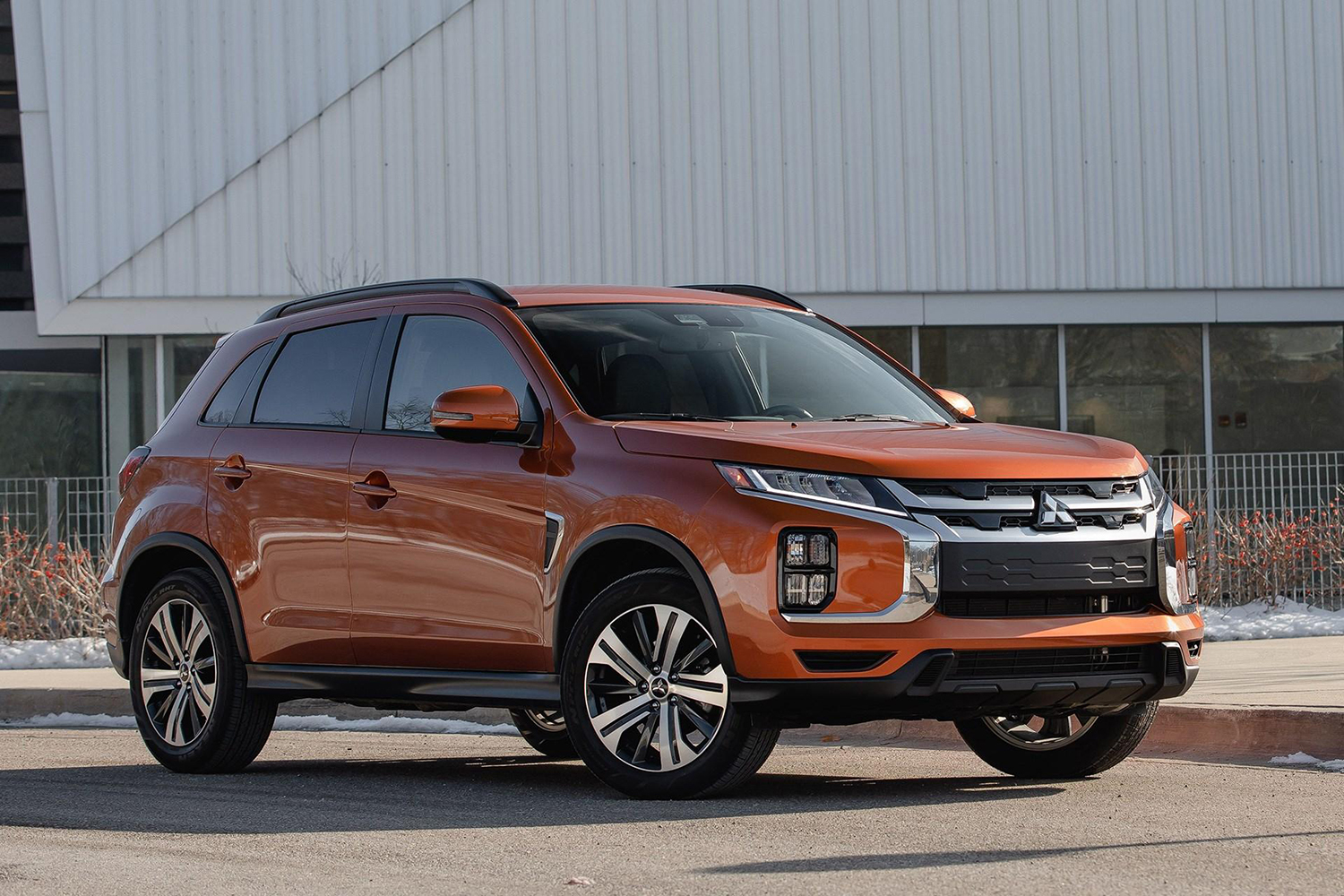
At a glance
- The Asx is a conventional compact crossover SUV built around 1.6-litre and 2.0-litre petrol powertrains.
- Manual and CVT choices let buyers match driver preferences to local demand, with selected all-wheel-drive availability.
- Model year, trim, condition, mileage and equipment should be evaluated separately before comparing export quotes.
- A live listing price is only one component of landed cost; Incoterms, freight, insurance, taxes and destination charges also matter.
- Confirm steering side, homologation, import eligibility and parts support before ordering for a particular country.
Why the Mitsubishi Asx matters for export markets
The Mitsubishi Asx occupies a useful middle ground in the compact crossover market: it combines a relatively manageable footprint with a higher driving position and more useful cargo space than a typical hatchback. Its long-standing presence in Europe and the Asia-Pacific region gives overseas buyers an established model nameplate rather than an unfamiliar Chinese niche product. For importers and dealers, that recognition can support customer confidence and easier comparison with competing crossovers in the same price-led segment. The key is to compare mechanically similar versions rather than assume every market's Asx has identical equipment or homologation.
For overseas buyers considering a Mitsubishi Asx for export, its appeal lies in straightforward petrol powertrain choices and a choice of manual or CVT depending on trim. That combination is useful in markets where acquisition cost, familiar servicing and broad fuel availability matter more than battery electrification. The Asx is not an off-road specialist or a premium lifestyle SUV; instead, it targets practical buyers who want visual presence, passenger capacity and versatile loading without moving into a more expensive segment. Its value proposition is based on fit, running simplicity and total ownership rather than headline performance.
The export case nevertheless depends on matching the Chinese-supplied car to the destination. Model years and trim names can reflect a Chinese domestic line-up rather than the exact specification sold by Mitsubishi under the same name in Europe, Japan or other markets. Overseas distributors should therefore verify powertrain, emissions treatment, safety equipment, axle configuration, steering side and local type approval before treating the vehicle as a drop-in alternative to a domestic ASX. This is especially important for fleet tenders, where registration rules and after-sales parts can determine whether an attractive purchase is actually usable.
- Practical compact-SUV positioning
- Petrol, manual and CVT choices
- Homologation varies by market
Model range, trims and powertrain variants: how the lineup is structured and how to choose
The supplied Asx range is organized around two petrol displacements, two transmission types and two- or all-wheel-drive layouts, subject to trim. The 1.6-litre versions pair a manual gearbox with two-wheel drive and span entry-oriented Standard and Fashion naming through Progressive, Pioneer and Agile editions. The 2.0-litre manual Comfort extends that combination, while many 2.0-litre CVT variants are offered with two-wheel drive. The range also includes a 2.0-litre CVT all-wheel-drive Premium version, giving buyers a distinct traction choice rather than a blanket model-level specification. Confirm every linked vehicle because descriptive trim text can change between model years.
For an importer, engine and gearbox selection should start with the buyer brief rather than with badge prestige. A 1.6-litre manual car is the simplest specification to evaluate for markets where manual vehicles remain familiar, servicing is locally accessible and fleet drivers may be comfortable with a clutch. A 2.0-litre with CVT reduces driver effort and may suit commercial use, stop-start traffic or customers who prefer automatic convenience. Because performance, tax bands, insurance and fuel costs differ by market, compare the complete specification and operating case against local alternatives, not only the displacement label.
The AWD Premium trim is worth isolating when a buyer’s market has harsh wet conditions, unpaved access or a need for stronger traction, but AWD should not be interpreted as off-road equipment without checking the actual system and tyres. For two-wheel-drive versions, buyers should compare the Standard, Fashion, Progressive, Pioneer, Smart Leader, Premium, Navigation, Elite, Luxury and special editions only after confirming what each listing includes. Trim labels can signal hierarchy, yet they do not replace an equipment sheet, service-history review or physical inspection for the exact model year and condition.
- 1.6L manual, 2WD
- 2.0L manual or CVT
- Selected AWD Premium
New vs used Mitsubishi Asx: how export inventory is structured and how buyers choose
Export inventory for the Asx can be structured around model year, condition classification and trim. Live offers may include newer vehicles alongside older, higher-mileage examples, and cars presented as new, but those terms describe the listing record rather than an automatic guarantee of local registration history or import eligibility. A dealer sourcing for resale should therefore treat model year as the first sorting layer, then compare the exact trim, engine, gearbox and drive layout. Only after those fields are aligned and documentation is complete is it sensible to compare condition, mileage or equipment differences.
Choosing between a vehicle described as new and one described as used requires a different risk model. A new listing offers the simplest starting point for wear, service history and presentation, but buyers should confirm whether it is a current production car, a parallel import, a demonstrator or another category. A used Mitsubishi Asx may be attractive where budget and model coverage matter, yet it brings questions about mileage, repairs, paint, previous owners and whether the odometer and condition records are credible. A used vehicle’s lower purchase price can be offset by predictable maintenance needs.
Age should be evaluated separately from new or used labels because an older low-mileage car and a newer high-mileage example can require different economics. The strongest used purchase is often one with complete service records, matching replacement parts, clean underbody and body inspection, verified VIN, and evidence that the seller can transfer ownership and export the vehicle. Ask whether the engine, transmission, air-conditioning and safety systems have been inspected beyond routine maintenance. For fleet buyers, also review remaining-life assumptions for tyres, brakes, suspension and other wear items before contracting.
- Sort year before condition
- Verify VIN and ownership
- Inspect wear and service history
How export pricing works: the factors behind a live listing price, and how to read one
A live Mitsubishi Asx export price should be read as a vehicle-specific commercial quote, not a permanent catalogue price or a guarantee of landed cost. The vehicle’s age, exact trim, engine and transmission, drivetrain, condition, mileage and equipment all affect its base value. In addition, exchange-rate movement, supplier margin, inspection, payment terms, inland transport, insurance, ocean freight, destination charges and the selected Incoterm can materially change what a buyer ultimately pays. Compare quotations only after confirming whether each seller has included the same services and landed-cost elements or exclusions.
When opening a live listing, read the title and specification line before looking at the displayed amount. Confirm whether Elite, Premium or another label refers to the same equipment level across model years, and whether CVT, manual and two-wheel or all-wheel drive are accurately shown. Next identify what the amount covers: vehicle only, domestic port, FOB, CIF or another basis. Ask whether customs duty, VAT or sales tax, destination terminal fees, insurance, inspection and registration are excluded. Confirm whether the price is firm, negotiable or conditional; ChinaCarDirect’s live inventory shows the current per-unit price.
Price comparison should use a like-for-like landed calculation rather than the smallest headline figure. Build one worksheet that adds the stated Incoterm scope, international freight, insurance, destination charges, taxes and any modification or inspection costs, then compare it with landed costs from other suppliers. Ask for an itemized proforma invoice and verify bank details, payment milestones and vehicle identity. Negotiate around a target landed cost or total purchase budget, not an isolated listing number. If a price changes before payment, request a written revised quotation and confirm whether deposits remain transferable.
- Compare equal Incoterms
- Request itemized quotes
- Confirm before payment
MOQ, ordering and payment: single units vs consolidating a container
Minimum order quantity is a listing-level commercial term, not something a buyer should infer from the model name or assume for every seller. Some export offers are prepared for one vehicle, while others ask for a batch or container quantity. Read each live vehicle’s stated MOQ and obtain written confirmation before reserving funds; current price, MOQ and availability appear in ChinaCarDirect’s live inventory. One-unit purchasing can suit a dealer testing demand, an importer building a model range or a fleet buyer replacing a small number of units. Bulk purchasing may improve commercial terms but creates more exposure to slow-moving trim choices.
Consolidating a wholesale container can reduce freight cost per vehicle, but it requires stronger planning than simply ordering more units of one trim. Separate buyers may combine a 1.6-litre manual vehicle with selected 2.0-litre CVT cars, yet each holds a different configuration, document pack, delivery timing and market value. A container also adds loading, securing and damage controls that matter more as units become harder to inspect after loading. Clarify who arranges consolidation, pays freight and duties, bears port and demurrage risk, and can release a unit if one shipment is delayed.
Ordering mechanics should follow a written sequence: select the vehicle, request a proforma invoice and verify its identity, agree the MOQ, deposit, balance and shipment terms, then receive matching export and shipping documents. Never treat a screenshot, message or deposit request as a substitute for a formal invoice and vehicle-level records. Confirm the seller’s legal identity, ownership or procurement authority, export eligibility, and whether the unit can be released to an independent inspection. Payment methods, intermediary roles and buyer identity checks vary by seller and jurisdiction, so the buying process should be documented rather than assumed.
- Check each listing's MOQ
- Use a formal invoice
- Document title and payment
Shipping, homologation and market compliance caveats: LHD/RHD and import rules by country
Shipping begins before a truck leaves the Chinese premises. Confirm whether the vehicle is delivered under its own power, and whether preparation, pre-delivery inspection, PDI, storage, port handling, insurance or securing costs sit inside the quoted scope. Finished vehicles are commonly moved by RoRo or container logistics, but the route affects cost, transit time, exposure to handling damage and the availability of suitable slots. Inspect and photograph the car immediately before loading, including wheels, glass, mirrors, panel gaps and underbody where visible. Ensure the booking confirms securing, insurance and the identity of the cargo.
Steering configuration is a critical sourcing filter for the Asx because Chinese production is predominantly left-hand-drive. A buyer for a right-hand-drive market should not assume that a visually similar ASX is locally compliant or suitable. Confirm whether the unit is factory right-hand-drive, whether the steering, pedals, driver controls and instrument arrangement suit local practice, and whether local registration requires changes that affect safety or warranty. Even in a left-hand-drive market, check local rules on headlamps, emissions, indicators and equipment approvals. These are not cosmetic preferences; they affect registration and usability in the destination.
Import rules vary by country and can change. A European buyer must consider EU type approval or individual import rules, VAT, customs duty, emissions requirements and any used-vehicle age restrictions. The United Kingdom has a framework separate from the EU, while Gulf, African, Southeast Asian and Australasian markets apply their own homologation, safety, emissions and taxation regimes. A Chinese specification does not automatically carry destination approval, and new status does not remove customs or registration checks. Before contracting, confirm the VIN, emissions standard, import category, age eligibility, duty and tax treatment, required documents and registration route with a licensed broker or authority.
- Inspect before loading
- Confirm steering side
- Check local approval
Who should buy the Asx — and who should pick a different vehicle
The Asx is a strong candidate for an overseas dealer seeking a recognizable, mainstream compact SUV that can be sold on practical value rather than prestige. It also fits a fleet buyer that values a conventional petrol powertrain, a choice of manual and automatic-style CVT operation, and a manageable vehicle category. Buyers in urban or suburban markets may prioritize easy manoeuvring, practical luggage capacity and purchase simplicity rather than the lowest running cost. The 2.0-litre AWD Premium option adds a logical choice where extra traction may matter, provided its exact system is locally supported.
A dealer building an accessible range may start with the 1.6-litre manual versions because they represent a comparatively straightforward specification. An importer targeting customers who value reduced drivetrain complexity may favor 2.0-litre CVT vehicles for easier everyday use, while the 2.0-litre manual Comfort provides a narrower bridge between those choices. Used sourcing can work for price-sensitive resale, provided the buyer budgets for inspection, immediate servicing and uncertain history rather than treating it as a bargain without due diligence. A pilot purchase can reveal parts and resale demand before a larger order.
The Asx is not the right answer for every buyer. Those seeking a battery-electric or plug-in hybrid should compare models designed for that powertrain and the charging infrastructure available at home and en route. A buyer needing seven seats, a high payload, commercial-duty durability, advanced driver-assistance features or a true off-road platform should move to a larger SUV, commercial van or specialist model. Dealers should also be honest when local safety, warranty or emissions standards make the Asx less competitive than a newer rival or offer weak parts support.
- Strong for value-focused dealers
- Useful for mixed fleet needs
- Not an EV or seven-seat answer
Main rivals and how the Asx compares
The closest external comparisons will vary by destination, but three credible compact crossover rivals are the Nissan Qashqai, Toyota Corolla Cross and Hyundai Kona. All compete for similar mainstream buyers, yet their local powertrains, equipment and service propositions differ. Compare the Asx against equivalents rather than range leaders: a Qashqai may offer a different blend of cabin, hybrid and conventional choices, while the Corolla Cross places strong hybrid availability and Toyota support in many markets. A buyer should decide whether the Asx’s transmission range, model-year choice and sourcing route justify switching brands.
Against the Qashqai, the Asx is a rational choice when the local comparison car is a hybrid, automatic or higher specification that exceeds the buyer’s operating priorities. Its 1.6-litre manual options provide a route for fleets that still favor a simple pedal layout, and the 2.0-litre CVT range offers a comparable automatic-style choice for broader retail demand. The Qashqai may appeal where a buyer values a more modern hybrid proposition or particular cabin and infotainment strengths, but the comparison must be made on the exact market variant rather than the badge.
The Corolla Cross may be the safer service-network choice for buyers who prioritize established manufacturer support and hybrid options, whereas the Asx can offer a broader manual-versus-CVT choice within the sourced range. The Hyundai Kona competes with a more emphatic styling approach, compact footprint and market-specific equipment, but a buyer should compare cargo practicality, warranty, parts access and the exact engine against local alternatives. Across all three, the Asx is most compelling when its selected configuration is competitively priced after freight and taxes, supported by local servicing, and matched to real customer demand.
- Nissan Qashqai: direct benchmark
- Toyota Corolla Cross: hybrid rival
- Hyundai Kona: compact alternative
Live Mitsubishi Asx export inventory
View all listings →Real units currently on ChinaCarDirect with per-unit asking prices and MOQ. Availability updates live from the catalogue.
How to buy a Mitsubishi Asx from China
-
1
Set the destination-market brief
Name the country, steering side, powertrain, transmission, drivetrain, budget and timeline before you buy Mitsubishi Asx from China. Separate vehicle price from freight, tax, duty and registration so requirements remain comparable.
-
2
Search and shortlist live inventory
Use the live Mitsubishi Asx inventory and compare the exact model year, trim, engine, gearbox, drive layout and condition. Open each unit record because the same trim name may not represent identical equipment across years.
-
3
Verify identity and history
Request the VIN, production date, photographs, ownership evidence and service records. For used units, ask specifically about accidents, repainting, odometer consistency and mechanical inspection.
-
4
Request a proforma and landed-cost quote
Ask for the MOQ, payment schedule, Incoterm, freight basis, insurance scope and document list. Confirm the current per-unit price, MOQ and availability in the live inventory, then compare equivalent quotations.
-
5
Complete payment and title checks
Verify the seller’s legal identity, export authority and receiving bank details against formal documents. Use the agreed proforma invoice and retain every receipt and vehicle-level record.
-
6
Inspect before shipment
Use an independent pre-shipment inspection to check condition, fluids, warning lights, tyres, brakes, underbody and VIN. Approve corrective work or claims before the balance payment where the contract permits.
-
7
Book shipping and clear import
Confirm the port, sailing date, insurance, securing and document handover with a licensed forwarder. Before arrival, complete destination homologation, customs, tax or duty, registration and steering-side checks through local specialists.
Asx vs rivals
| Nissan Qashqai | A direct compact-SUV benchmark with a different market-specific mix of conventional and electrified powertrains. The Asx may suit buyers prioritizing manual availability or a simpler petrol-CVT choice, while Qashqai buyers may prioritize newer hybrid and cabin propositions. |
|---|---|
| Toyota Corolla Cross | A strong rival where Toyota dealer support and hybrid options influence the decision. The Asx offers a broader manual-versus-CVT sourcing choice and a selected AWD configuration, but the exact local variant and landed cost should determine the better fit. |
| Hyundai Kona | A more compact, style-led alternative with market-dependent engine and equipment choices. Compare cargo space, warranty, parts access and purchase cost, because the Asx’s broader listed transmission range may be more useful to certain fleet buyers. |
Frequently asked questions
How is Mitsubishi Asx export pricing determined, and where can I see the live price?
Each vehicle’s price reflects its model year, trim, powertrain, condition, mileage and commercial terms. Freight, exchange rates, insurance, Incoterms, destination charges and taxes can change the landed cost. ChinaCarDirect’s live inventory shows the current per-unit price, while a written proforma invoice should confirm the full commercial scope.
What Mitsubishi Asx engine, transmission and drivetrain options are available?
The represented range includes 1.6-litre and 2.0-litre petrol engines, with manual and CVT transmissions depending on the trim. Most versions are two-wheel drive, while a 2.0-litre CVT AWD Premium variant is also represented. Confirm the exact configuration in the selected vehicle listing.
Should I choose a new or used Mitsubishi Asx?
A new-listed vehicle generally reduces uncertainty about wear and service history, but its import category and history still need verification. A used Mitsubishi Asx can offer better acquisition economics, but buyers should budget for inspection, potential repairs and documentation risk. Age, mileage and condition should be evaluated separately.
How does MOQ work when ordering an Asx wholesale?
MOQ is a vehicle- or seller-level commercial term, not a fixed characteristic of the Asx model. Some offers are prepared for individual vehicles, while a wholesale container requires several units and more coordinated planning. Check each live listing’s current MOQ and obtain written confirmation before paying.
What affects Mitsubishi Asx shipping time and cost?
Origin and destination ports, vessel or RoRo capacity, container configuration, route distance, insurance, handling, documentation and customs timing all affect logistics. A buyer’s shipping scope also depends on the selected Incoterm. Vehicle condition and securing reduce damage risk but add preparation and inspection requirements.
Are spare parts available for the Asx in my destination market?
Parts support depends on whether the Asx is officially distributed in the destination and whether the vehicle matches the local specification. Buyers should ask the authorized distributor to confirm VIN-specific parts availability, ordering channels and expected fulfillment. Do not assume that a global Mitsubishi name guarantees local stock or rapid delivery.
Is a right-hand-drive Mitsubishi Asx available for export?
Right-hand-drive availability depends on the individual vehicle and source, so it should not be assumed from general model listings. Ask for the steering-side specification, photographs and confirmation of local registration suitability. A left-hand-drive conversion may be possible in some markets, but safety, warranty and homologation implications must be checked locally.
How do I buy Mitsubishi Asx from China?
Start with the live Mitsubishi Asx inventory, shortlist vehicles by model year, trim, powertrain and condition, and request a formal proforma invoice. Verify the VIN, ownership, export eligibility, MOQ, payment terms and inspection arrangements before paying. Arrange freight, insurance, customs and destination registration only after the vehicle and paperwork are confirmed.
Ready to source the Mitsubishi Asx?
Send your destination, trim, drivetrain, quantity and timing requirements to ChinaCarDirect for a current vehicle-level quote.
Request a quote