
Mitsubishi Lancer Export Buying Guide for Dealers
Buy a Mitsubishi Lancer from China with a clear view of trims, engine options, export pricing, MOQ, shipping, compliance and rival vehicles for trade buyers.
At a glance
- The Lancer serves both mainstream compact-sedan and performance-led Evo niches.
- Source trims include 1.6L, 1.8L, 2.0L and 2.0T engines, with manual and selected CVT applications.
- Condition, registration history and documentation matter more than a new or used marketplace tag alone.
- Export prices must be separated from freight, insurance, duties, compliance work and inland charges.
- MOQ, payment terms and unit availability should be confirmed on each live listing.
- RHD availability varies, so steering side and local homologation must be checked before commitment.
Why the Mitsubishi Lancer matters for export markets
The Mitsubishi Lancer occupies a place in the compact-sedan export market: it combines four-door usability with a model family associated with motorsport-inspired engineering and an enthusiast following. That gives buyers two distinct routes. A Lancer EX can serve as a fleet or dealer car, while Evo-badged versions appeal to drivers who value the marque's performance heritage. Overseas demand therefore divides between practical transportation and a performance or collector niche. For export managers, the distinction matters because regular EX trims address volume, while sportier editions require parts, insurance and homologation assessment.
Unlike a family sedan marketed only on economy, the Lancer benefits from a badge and silhouette that remain recognizable in markets where Japanese cars are already familiar. Its rear-drive-era image and Evo heritage can make it more emotionally appealing than an anonymous fleet choice, even when the selected vehicle is front-wheel drive. For independent dealers, that distinction can improve retail appeal; for fleet buyers, however, the practical case depends on availability, fuel economy, maintenance access and total cost rather than image alone. That discipline prevents a badge from obscuring unit economics.
A Mitsubishi Lancer for export is most compelling when the source specification fills a clear gap in the importer's portfolio. The Chinese-market EX range includes practical 1.6L and 1.8L cars, while 2.0L and 2.0T derivatives cater to buyers seeking stronger performance or a particular Evo identity. Exporters should assess those roles separately: mass-market sedans compete on price, condition and running costs, whereas performance derivatives may bring stronger emotional demand but also more questions about provenance, insurance and local road legality. Buyers should therefore segment customer demand before selecting a model year or trim.
- EX sedans for fleet buyers
- Evo variants for enthusiast niches
- Match trim to customer segment
Model range, trims and powertrain variants: how the lineup is structured and how to choose
The Lancer range uses four-door sedan bodies, with the EX forming the volume-oriented family and Evo IX or Evolution X-badged cars representing the performance branch. Listing names show 1.6L, 1.8L, 2.0L and 2.0T engine choices. Transmissions include manuals on selected trims and CVTs on selected 1.8L versions. Buyers should read the trim label rather than infer equipment from displacement, because Chinese edition names combine engine, gearbox and comfort or styling package. This matters when a model is marketed overseas under a familiar Lancer name but was configured for another home market.
Manual-versus-CVT choice is a practical decision for a right-hand-drive or left-hand-drive export program. A manual can be straightforward for buyers comfortable with a clutch and may suit markets with manual familiarity, while a CVT reduces driver effort and simplifies stop-start urban use. Neither choice automatically establishes better fuel economy or maintenance cost. Confirm the gearbox type, engine output, cooling package and service history on the exact vehicle, especially if the unit is presented as an Evo-badged or premium-edition listing. Trim differences can materially alter comfort, equipment and resale appeal.
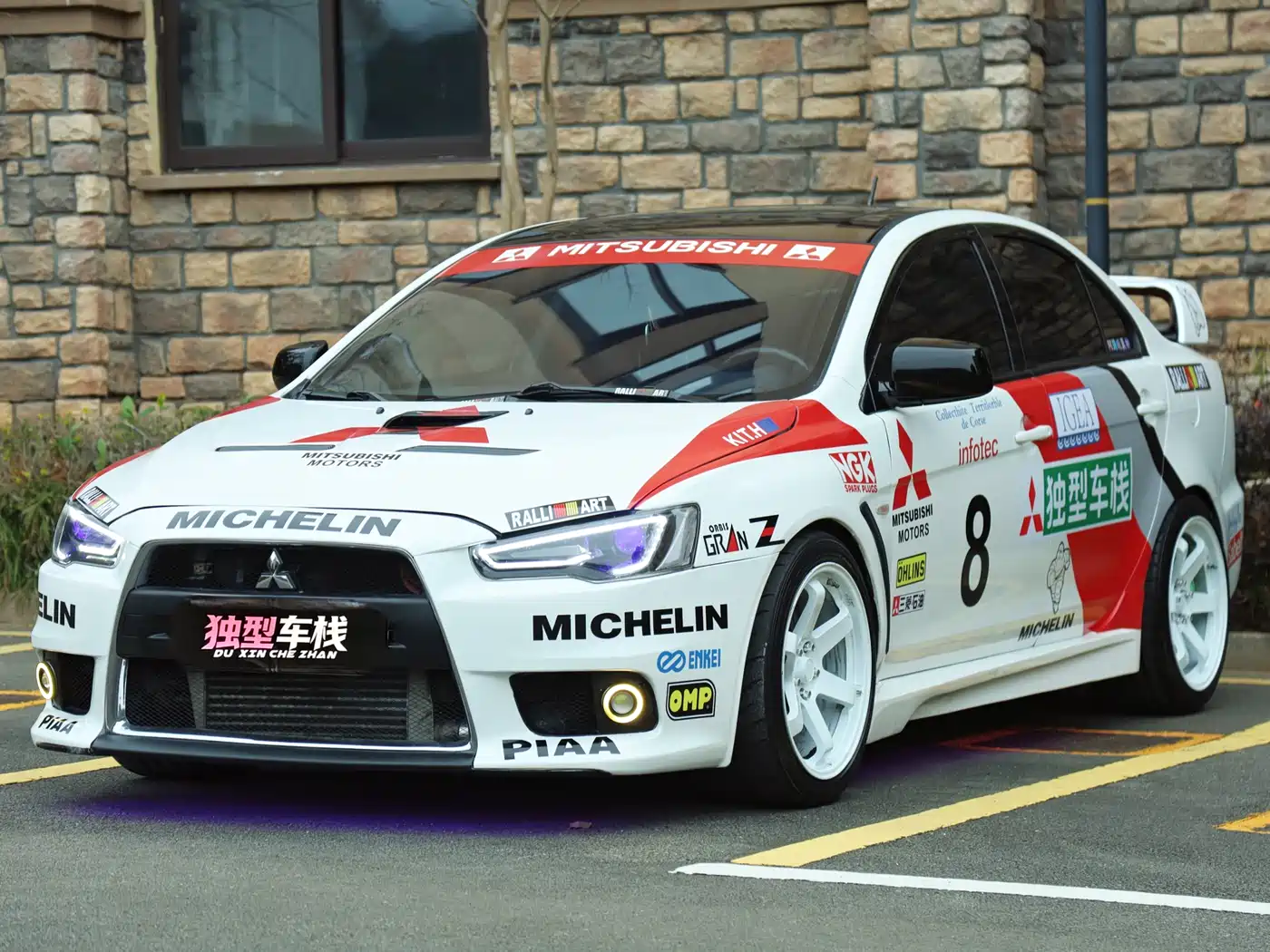
Trim names carry signals. Fashion, Trend, Zhishang, Zhixuan, Racing Edition, Black & White Replica, EVO IX and Evolution X BBS appear in the source catalogue, but these labels do not translate automatically into equivalent names overseas. For Mitsubishi Lancer specs verification, request the sales brochure or equipment list, confirm whether the car is EX or Evo-bodied, and check that the engine, transmission, axle ratio and body designation agree. That avoids paying for a special-edition appearance that is not documented. Also confirm whether the named performance or styling package was factory-installed.
- 1.6L, 1.8L, 2.0L and 2.0T
- Manual and selected CVT
- Verify trim and provenance
New vs used Mitsubishi Lancer: how export inventory is structured and how buyers choose
Chinese export catalogues often mix model years, source-market trims and condition labels in ways that differ from a local dealership forecourt. A vehicle described as new may be an old production year held as dealer stock, while a used unit can be an ex-fleet car with a documented history. The useful question is therefore not simply whether it is new, but whether it is unregistered, dealer-prepared, or previously registered. Ask for the first-registration date, production date, odometer status, title or ownership documents, and the reason it entered export inventory. These checks matter.
For a used Mitsubishi Lancer, condition should be judged as a system rather than by paint alone. Inspect bodywork, engine bay, suspension, cabin wear, tires, battery, cooling system, gearbox operation and evidence of previous collision or flood repair. An older car may have lower purchase cost but more maintenance uncertainty, while a newer dealer-prepared vehicle can simplify handover yet still be an aging model once it reaches the destination. Compare expected service parts, warranty position and resale timing on a five-year ownership view. Neither category should be assumed to include export warranty.
Buyers using a Mitsubishi Lancer wholesale purchase often need a mixed fleet, so stock structure should be handled by variant rather than by a single new-versus-used label. Group candidates by engine, gearbox, body, model year, condition and documentation, then allocate selected units to the markets with the clearest demand. An Evo-specialist buyer may tolerate a narrower but more accurate selection, while a fleet operator may prioritize consistent specification and replacement-parts availability. Always verify the condition shown on the live unit record before placing it in a quotation or final contract.
- New may be an older year
- Used needs documented evidence
- Allocate by variant and market
How export pricing works: the factors behind a live listing price, and how to read one
A Mitsubishi Lancer export price guide should separate the seller's unit price from the buyer's landed cost. The live asking price may reflect model year, exact trim, engine and transmission, mileage or condition, originality, documentary readiness, and the scarcity of a special Evo derivative. Market movement also matters: the seller's cost base can change with the relevant exchange rate and procurement conditions. Because a listing is a transaction input rather than a complete import quotation, buyers should not treat it as the final amount payable at the destination. Confirm what that amount covers.
Freight and trade terms can move the landed figure substantially. Ro-Ro, container and specialist transport methods have different handling patterns, while port charges, insurance, documentation, inspection, storage and inland delivery add separate layers. Incoterms also define where responsibility transfers; EXW, FOB, CIF and other terms should not be treated as interchangeable. Request a written quotation that states the vehicle price, payment timing, shipping method, destination charges, taxes or duties, and what is excluded. The same unit can therefore produce different totals depending on the contract, route, destination and inland scope.
To read a live Mitsubishi Lancer listing, first confirm model year and full trim, then compare condition, mileage, engine, gearbox and documents. Ask whether the displayed amount is an asking price, a negotiable price, or a deposit, and whether shipping is included. Use the current [Mitsubishi Lancer listings](https://chinacardirect.com/products?q=Lancer&brands%5B%5D=63) to obtain per-unit facts, then build a separate landed-cost worksheet. For a wholesale purchase, apply the same checklist to every vehicle so that apparent savings do not disappear through freight, compliance work or unexpected condition issues before any payment is released in full.
- Separate unit and landed cost
- Check Incoterms and exclusions
- Use live listing amounts
MOQ, ordering and payment: single units vs consolidating a container
Order mechanics depend on the seller's listing terms, and a buyer should read the current minimum order, availability status and payment schedule on each live record rather than assume a catalogue-wide rule. Some vehicle offers can be purchased one unit at a time, which suits a test-stock importer, a dealer taking one customer order, or a fleet pilot. Others are better suited to consolidated purchasing. Because availability changes, the figures and conditions shown on the live listing are the binding reference for that particular vehicle. They should be reconfirmed before contracting.
A single-unit purchase should be treated as a complete export case: the vehicle, transport slot, documents, inspection, payment milestones and customs plan must align. Consolidating a container can reduce some fixed freight costs per vehicle, but mixed trims or model years may complicate loading plans, parts ordering and onward sale. It can tie up more capital in vehicles not yet matched to buyers. Model the cash cycle and carrying cost, not just freight per unit, before deciding whether consolidation improves the business case. A smaller mixed shipment can offer flexibility.
For a Mitsubishi Lancer wholesale order, the normal sequence is to shortlist units, request a written quotation, verify documents, agree a deposit and balance schedule, complete pre-shipment inspection, and authorize release for transport. Payment protection should be tied to the seller's identity, the selected vehicle and the agreed milestones. Use the [ChinaCarDirect request form](https://chinacardirect.com/contact) to ask for an RFQ, but do not send funds until the vehicle reference, specification, Incoterm, delivery terms and cancellation conditions are reconciled in writing. This protects the transaction if the listing or commercial terms change.
- Read MOQ per listing
- Model consolidation cash
- Tie payments to milestones
Shipping, homologation and market compliance caveats: LHD/RHD and import rules by country
Chinese-market Lancer cars are commonly supplied in left-hand-drive form, and right-hand-drive availability can be limited and inconsistent across model years and trims. Do not assume a live listing can be converted without cost or delay. A steering conversion can involve sourcing opposite-hand components, electrical compatibility work, altered steering geometry and safety considerations. Some buyers prefer to import a left-hand-drive car for private or specialist use, but fleet registration or resale may depend on local steering-side rules. Confirm availability and compliance before committing to any funds or shipping plans. The sourcing decision should not be rushed.
Import compliance is country-specific and can involve age limits, emissions standards, roadworthiness, customs valuation, tariff or VAT treatment, local type approval, insurance, and rules for modified vehicles. Chinese trim names and equipment do not automatically make a car eligible for registration elsewhere. Buyers should ask the importer or local authority which documents are required and whether the powertrain, emissions system, lighting, safety equipment and modifications meet the destination's rules. Do not assume a Chinese plate, certificate or original registration document transfers directly. Advice must precede shipping; it cannot follow it later.
Shipping should be planned around the vehicle's condition and the route. Secure loading, lashing, moisture protection, insurance and a pre-shipment inspection help reduce transit and arrival disputes; enclosed transport may be preferred for valuable Evo cars or weather-sensitive inventory. Ocean freight is generally the economical standard for volume, while roll-on/roll-off, container or specialist services can suit different unit sizes and urgency. Allow time for export clearance, booking, port handling, customs and inland delivery, and remember that each stage can affect both schedule and total cost. The same applies to insurance coverage.
- Confirm LHD or RHD
- Check local road legality
- Secure loading and inspection
Who should buy the Lancer — and who should pick a different vehicle
The Lancer is a strong candidate for an importer seeking a recognizable Japanese sedan with both mainstream EX versions and a distinctive Evo alternative. It suits dealers that can serve two audiences: customers wanting a practical manual or CVT compact, and enthusiasts looking for a specific Lancer or Evo character. It may be less suitable for operators whose priority is the lowest lifecycle cost, maximum fuel efficiency or the broadest global parts network. The sourcing decision should therefore be driven by customer fit and service capability, not badge recognition alone.
A fleet buyer should favor the Lancer when a sedan format, service conventions, manual availability and manageable dimensions fit local road and duty-cycle requirements. Buyers operating in hot climates, high-altitude locations or severe-duty fleets should examine cooling, engine condition, emissions and support more closely than the trim badge. Performance derivatives can be attractive to rental or specialist channels, but purchase and insurance costs, model-specific parts and homologation questions can make them a weaker economic choice for fleet use. A test purchase can validate parts lead times before rollout.
Buyers who need a hybrid, plug-in hybrid, battery-electric car, a large seven-seat vehicle, a body-on-frame pickup or a modern SUV should choose a different product. Those requirements change the powertrain, packaging, loading and compliance profile too much for a Lancer sedan to substitute. Likewise, a buyer focused on the latest driver-assistance systems, comprehensive dealer warranty support or highly standardized global fleet specification may find newer mainstream rivals easier to support. The Lancer is strongest as a deliberate compact-sedan or performance-niche choice, not as a substitute for a different body style or use case.
- Strong for compact and Evo
- Test parts support first
- Match needs to other vehicles
Main rivals and how the Lancer compares
The Honda Civic is the closest mainstream alternative for buyers who prioritize a modern compact sedan, efficient automatic options, broad international recognition and a large parts and service ecosystem. The Lancer counters with stronger Evo heritage and, for selected cars, a more collectible identity. For a fleet, the Civic may be easier to support where dealer networks are mature; for an enthusiast importer, a documented Lancer or Evo can create a more distinctive retail proposition. Neither badge removes the need to verify the exact imported specification and equipment carefully before sale.
The Toyota Corolla competes on reputation for efficiency, durability, resale and very broad support, with hybrid availability in many markets giving it an advantage where fleet emissions rules favor electrified powertrains. The Lancer offers manual and CVT choices and a more performance-led image, but buyers should compare real fuel consumption, parts pricing and service access for the exact engine. Choose the Corolla for conservative running economics and widespread after-sales support; choose the Lancer when its character and availability better match the market. Neither choice guarantees cheap maintenance or easy parts access.
The Mazda 3 is another close sedan competitor, with a reputation for refined road manners, driver-focused interiors and a stronger modern-design appeal in several export markets. The Lancer generally has a more visible performance lineage, particularly in Evo form, while the Mazda 3 may be easier to position to customers seeking contemporary styling and normal family-sedan practicality. Buyers should compare equipment, safety, fuel economy and parts support rather than assume the badge determines value. A dealer carrying several brands can use these distinctions to match the right car to each buyer.
- Civic: mainstream rival
- Corolla: efficiency and support
- Mazda 3: design and dynamics
Live Mitsubishi Lancer export inventory
View all listings →Real units currently on ChinaCarDirect with per-unit asking prices and MOQ. Availability updates live from the catalogue.
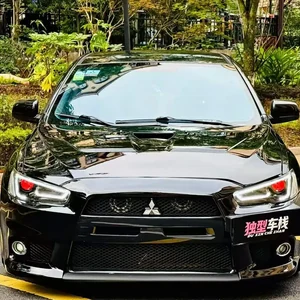
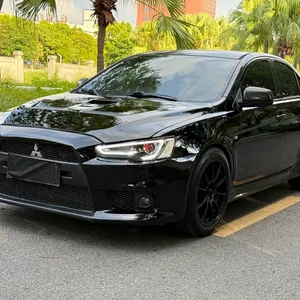
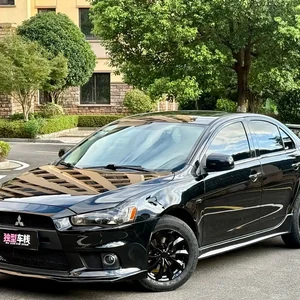
Mitsubishi Lancer EX 2016 1.8L Manual Black & White Replica Edition
How to buy a Mitsubishi Lancer from China
-
1
Define the target market and use case
Write down the destination country, steering-side requirement, budget logic, engine and gearbox preference, and whether the vehicle is for fleet, retail or Evo resale. This prevents an attractive but unsuitable listing from entering the shortlist.
-
2
Review and filter live listings
Use the Mitsubishi Lancer live inventory to compare model year, full trim, engine, transmission, condition and documented equipment. Treat every listing as a separate vehicle because specifications and seller terms can differ.
-
3
Verify identity, condition and documents
Request the VIN or chassis number, production and registration details, odometer status, ownership documents, service history and export qualification. For older or performance cars, seek original catalogues, photographs and an independent inspection.
-
4
Request a written landed quotation
Ask for the unit price, currency, payment milestones, Incoterm, freight method, insurance, inspection, port charges, duties or taxes and inland delivery. Separate seller charges from destination costs so comparisons remain valid.
-
5
Confirm MOQ and reserve in writing
Check the MOQ and availability on the exact listing, then reconcile any consolidation plan with the vehicle mix and loading capacity. Tie the deposit to the selected unit, agreed specification, delivery terms and cancellation conditions.
-
6
Inspect before shipment
Approve a pre-shipment inspection covering body, engine, transmission, steering, brakes, tires, fluids, warning systems and included equipment. Resolve discrepancies before authorizing release, and photograph the vehicle and loading process.
-
7
Ship, clear and complete registration
Use the agreed Incoterm, secure suitable transport and retain insurance and shipping records. Work with a customs broker and local authority on import, emissions, roadworthiness, registration and any required modifications before delivery.
Lancer vs rivals
| Honda Civic | The Civic is a stronger all-round choice for buyers prioritizing modern cabin technology, efficient powertrain options and a very broad service network. The Lancer is more distinctive for Evo heritage, but imported-spec support and condition should be checked carefully. |
|---|---|
| Toyota Corolla | The Corolla is usually the lower-risk fleet choice because of its efficiency, durability reputation, resale appeal and wide parts network; hybrid availability can suit stricter emissions markets. Choose the Lancer when manual or CVT character, a particular trim or Evo appeal outweighs the Corolla's stronger standardization. |
| Mazda 3 | The Mazda 3 competes through modern styling, refined road manners and a driver-focused cabin, often appealing to retail buyers seeking a contemporary compact. The Lancer makes more sense for an importer with a clear performance or rally-heritage niche, where its distinctive identity can justify specialist sourcing. |
Frequently asked questions
How is Mitsubishi Lancer export pricing determined?
Live export pricing is built from the unit's model year, trim, engine and transmission, condition or mileage, originality, documentation and market supply, then adjusted for exchange rate, freight, insurance, trade terms, taxes and inland charges. The per-unit asking amount and current terms appear in the live Mitsubishi Lancer listings; request a separate written landed quotation for the destination.
Which Mitsubishi Lancer engine and transmission options are available?
The source range includes 1.6L, 1.8L, 2.0L and 2.0T gasoline engines, with manual transmissions on several trims and CVT on selected versions. Evo IX and Evolution X-badged cars form the performance-oriented branch. Confirm the exact engine, gearbox, output and drivetrain on the unit because trim names alone do not provide a complete specification.
Should I buy a new or used Mitsubishi Lancer?
New may mean an unregistered or dealer-prepared vehicle rather than a recent model year, while used status should prompt a detailed history and condition review. Compare purchase price, expected maintenance, warranty, documentation and resale timing over the ownership period. Verify first-registration, production, odometer and title information on the live listing before agreeing terms.
What is the MOQ for a Mitsubishi Lancer wholesale order?
The MOQ is set by the selected listing and seller terms, not by a universal rule that applies to every Lancer. Some offers can be bought individually, while a mixed or full-container purchase may suit higher-volume importers. Read the MOQ shown on the live unit record and confirm any minimum mix, deposit and allocation before payment.
How long does shipping take and what does it cost?
Shipping time and cost depend on origin and destination ports, transport mode, vessel or vehicle capacity, route congestion, documentation, customs inspection, port handling, insurance and inland delivery. A standard ocean shipment is generally suited to volume, while specialist transport can suit urgent or valuable cars. Obtain a route-specific quotation rather than relying on a generic schedule.
Are Mitsubishi Lancer spare parts available?
Parts support depends on the exact engine, transmission, trim and destination. Evo-specific components may require specialist sourcing, while Chinese-market EX fittings may not match other-country Lancer versions. Before purchase, identify common service items, verify supplier access and ask the seller for known part numbers, maintenance records and recommended suppliers in the destination market.
Can I buy a right-hand-drive Mitsubishi Lancer from China?
Right-hand-drive Lancer availability can be limited and is not guaranteed for every model year, trim or Evo derivative. Check the live listing for steering side, and do not assume a conversion is homologation-neutral or cost-neutral. Confirm local rules, safety implications, insurance and registration before ordering an LHD car for an RHD market.
How do I order a Mitsubishi Lancer from China?
Start with the live Mitsubishi Lancer listings, shortlist by market and specification, and request an RFQ for the exact unit or fleet mix. Verify the vehicle, documents, condition, MOQ and payment milestones in writing, complete inspection, and then authorize transport under the agreed Incoterm. Use ChinaCarDirect's request form to obtain current unit details and a destination-specific quotation.
Ready to source the Mitsubishi Lancer?
Request a Mitsubishi Lancer export quotation with the exact vehicle, a landed-cost breakdown and the compliance checks required for your destination.
Request a quote