
Mitsubishi Lancer Ex Export Guide for Dealers and Fleets
Buy Mitsubishi Lancer Ex from China with guidance on trims, pricing logic, MOQ, shipping, compliance and the best export use cases for dealers and fleets.
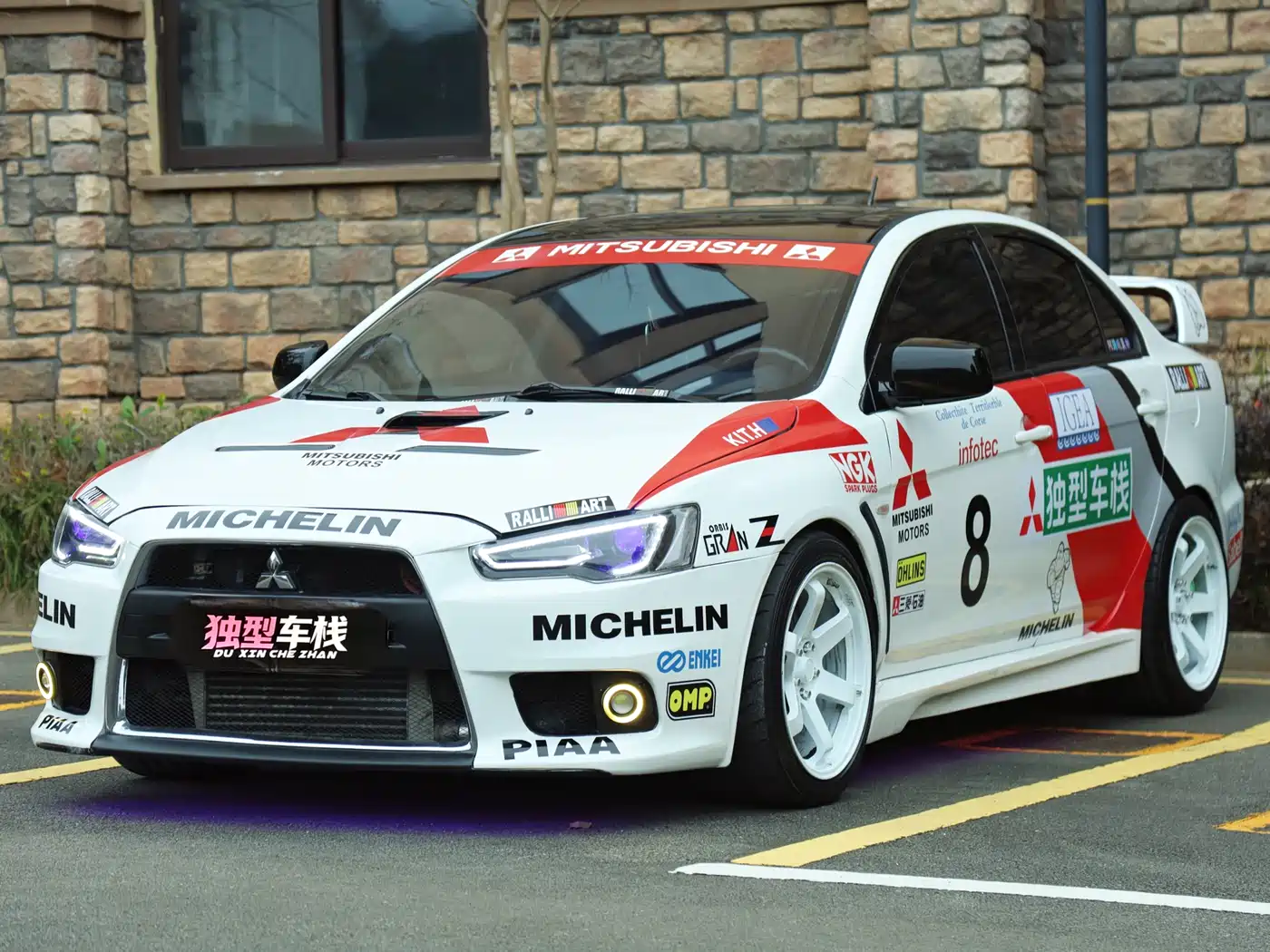
At a glance
- The Lancer Ex is a China-market compact sedan with 1.6L, 1.8L and 2.0L gasoline engine options.
- Manual and CVT choices let buyers balance driver control, convenience and fleet suitability.
- New-to-market status does not necessarily mean a recent model year, so condition must be verified unit by unit.
- Export cost depends on the exact vehicle, document status, Incoterm, freight, taxes and destination charges.
- Right-hand-drive availability and destination-country homologation require confirmation before ordering.
Why the Mitsubishi Lancer Ex matters for export markets
The Mitsubishi Lancer Ex is a China-market compact sedan built around a straightforward proposition: four-door practicality, a choice of small gasoline engines, and transmissions that range from manuals to CVTs. For overseas dealers, that combination can make it relevant as an affordable stock alternative to newer compact sedans. Its export appeal is strongest where buyers prioritize purchase cost, familiar mechanical layout and straightforward refurbishment over the latest digital cabin features. Exact specification varies by trim and model year, so always verify the individual vehicle, documents and equipment before import begins.
Demand for this type of vehicle is not uniform across export markets. A dealer may target a budget-conscious private buyer, a fleet operator, or resellers seeking an inexpensive second car, while the strongest opportunity depends on taxes, age limits, fuel policy and the availability of more recent vehicles. The Lancer Ex's compact dimensions and established sedan layout can fit fleet and family use, but importing an older China-spec car does not create a bargain after compliance and logistics costs are included. Registration, parts support and resale also determine commercial sustainability.
The model's relevance also depends on transparency. Chinese-market trim names may be translated differently across listings, and equipment can change even within the same engine and gearbox combination. Buyers should therefore evaluate the live listing's photographs, exact trim designation, production year and available documents rather than infer condition or specification from the Lancer Ex name. That discipline is especially important for mixed-model-year purchasing, where apparently similar sedans can differ in mechanical detail, interior equipment and import documentation. It allows like-for-like quote comparisons instead of comparisons based on marketing labels alone.
- 1.6L, 1.8L, 2.0L engines.
- Manual or CVT priorities.
- Unit-level trim checks.
Model range, trims and powertrain variants: how the lineup is structured and how to choose
The export-facing range is organized around three displacement families: 1.6L, 1.8L and 2.0L gasoline engines. Within them, buyers will encounter manual and CVT pairings, and the 1.8L is commonly offered with both in this market. Trim labels such as Trend, Fashion, Zhishang, Zhixuan, Racing and Charm describe market-specific packages rather than a single international hierarchy. Equipment and naming should therefore be checked against the exact listing, not inferred from the wording alone. A request for the vehicle specification sheet, VIN-linked photographs and option list gives the importer a firmer basis for comparison.
Choosing an engine should start with the buyer's market and customer profile. The 1.6L version can suit fleets that place greater emphasis on operating economy and lower acquisition cost, while the 1.8L offers a middle option with broad trim availability. The 2.0L versions appear with manual transmissions and may suit buyers wanting a more relaxed driving character, but no output, fuel-consumption or payload conclusion should be made without the vehicle's own documentation and a road test. Local tax bands can also outweigh nominal engine capacity. Compare them on total operating cost.
Transmission choice is equally practical. A manual can appeal to drivers accustomed to that layout, particularly where a straightforward gearbox supports easier servicing and predictable resale among informed buyers. A CVT prioritizes ease of use and smooth low-speed driving, which may suit rental, sales and mixed-experience fleets. Neither type should be selected by badge alone: inspect shift quality, clutch engagement, CVT hesitation and service history, then confirm that the transmission is the one covered by the listing's VIN and export documents. Ask for cold-start evidence and a documented maintenance record.
- Three gasoline displacements.
- Manual or CVT.
- VIN-linked equipment checks.
New vs used Mitsubishi Lancer Ex: how export inventory is structured and how buyers choose
Chinese export inventory can place vehicles into condition categories that differ from the buyer's home-market terminology. A car described as new may mean new to the exporter rather than a recent model year, especially when the original market already includes older, new-stock sedans. Model year therefore should not be treated as a proxy for mileage or condition. Buyers should read the condition declaration, odometer disclosure, production date and supporting photographs together, then ask for confirmation in the sales contract. The same discipline protects buyers comparing different sellers and markets directly.
A new-to-market vehicle offers the advantage of a more clearly defined condition, allowing a dealer to present it consistently without negotiating around wear and prior repair. It may also avoid the repair reserve associated with an older used vehicle, although that advantage should not be confused with modern reliability or a transferable factory warranty. Confirm whether any warranty exists, who provides it, whether it follows the vehicle after export and whether used-car warranty terms differ. Inspection should still cover pre-shipment condition, storage or display damage, and clear photographs of any flaws.
A used Lancer Ex can make sense where the buyer accepts uncertainty in exchange for a lower acquisition outlay and already understands the likely refurbishment budget. Useful checks include VIN and title consistency, independent odometer evidence, accident repair, paint thickness, suspension condition, fluid leaks, engine cold start, manual clutch operation or CVT behavior, and underbody corrosion. For fleet use, calculate expected downtime and maintenance reserves rather than focusing only on the purchase price. A small pilot purchase is often more informative than committing to a large mixed batch before scaling.
- Condition is not model year.
- Inspect mileage and repairs.
- Pilot before scaling.
How export pricing works: the factors behind a live listing price, and how to read one
A live Lancer Ex listing price is a starting point for a transaction, not automatically the buyer's landed cost. The amount can move with trim, engine displacement, transmission, model year, mileage, condition, equipment, ownership-document status and the seller's terms. Currency movements also matter when an overseas buyer pays in a different currency. For wholesale and commercial orders, the number of units ordered may influence the seller's commercial terms, but each buyer should request a written quotation tied to a specific vehicle or clearly defined batch. Always request a written, vehicle-specific quotation instead.
The Incoterm tells both parties where responsibility and cost transfer. EXW generally leaves the buyer to arrange collection from the seller's location; FOB normally places responsibility at the named origin port; CIF adds freight and insurance to a named destination under the stated terms. These labels do not include every destination charge or local tax. Ask whether the displayed amount includes export clearance, terminal handling, documentation, vehicle loading, insurance, inland haulage and customs brokerage, because otherwise two apparently comparable quotes can represent different scopes of supply. Clarify every exclusion in writing.
To read a live listing, match the model code, engine, gearbox, body, steering side and equipment to the seller's photos and identification details. Look for the asking currency, unit condition, odometer status, MOQ, quote-validity period, included accessories, payment milestones and export-readiness statements. Current per-unit prices and availability should be confirmed in ChinaCarDirect's [live Lancer Ex listings](https://chinacardirect.com/products?q=Lancer%20Ex&brands%5B%5D=63), not from an old article or cached screen. For a mixed fleet, request vehicle lines and a consolidated logistics total so cost allocation remains auditable. Ask for the scope on the pro forma invoice.
- Specifications move quote levels.
- Define Incoterm and all charges.
- Use live listings.
MOQ, ordering and payment: single units vs consolidating a container
MOQ is the seller's commercial minimum for a stated configuration, and it should be checked on each listing or in the quotation rather than assumed for the model. Some exporters accommodate vehicle-by-vehicle orders, while others offer mixed-unit lots or require a larger shipment. Single-unit purchasing lowers inventory exposure and provides a useful test of quality, but unitized freight and fixed export charges can make the landed cost less efficient. A larger consolidation can improve shipping economics, yet it also concentrates capital in slower-moving model years. Confirm whether mixed trims are permitted.
Before reserving stock, define the mix by model year, engine, transmission, condition and acceptable maximum landed cost. A dealer who needs steady turnover may prefer common configurations, while a distributor serving several submarkets may diversify. Consolidation should also account for demurrage, storage, pre-carriage and inland delivery: a vehicle that reaches the port earlier does not necessarily reach the customer earlier. Obtain the seller's cut-off time, loading plan and documentation sequence so the batch does not sit at the terminal waiting for paperwork. Include buffer for inspection and document corrections before loading.
An order process starts with a pro forma invoice identifying the vehicle or batch, price basis, MOQ, deposit, balance, inspection milestone, documents and Incoterm. The buyer should verify the seller's legal identity and bank instructions through an independent contact channel, then place funds only against a signed contract. The final balance is linked to satisfactory pre-shipment inspection and receipt of agreed export documents. Cancellation, replacement, refund, title-transfer and delay terms should be stated before payment, particularly when vehicles are being financed or consolidated for resale. Keep every approval in writing.
- Confirm MOQ per quotation.
- Validate demand before consolidation.
- Tie balance to inspection.
Shipping, homologation and market compliance caveats: LHD/RHD and import rules by country
China-origin Lancer Ex examples are commonly left-hand-drive, so steering configuration is an early check for a buyer serving a right-hand-drive market. A factory right-hand-drive conversion may be difficult to source, and a conversion adds cost, lead time and homologation questions. It can also affect safety, electrical, safety-belt and dashboard work. Do not accept a converted vehicle merely from a photograph: request the conversion invoice, installer records, altered-VIN documentation where applicable and evidence that the completed car can be approved locally. Local rules may reject non-standard modifications even if roadworthy elsewhere.
Import compliance is destination-specific and should be settled before the vehicle is loaded. The seller should also confirm that the vehicle meets applicable Chinese export-eligibility and documentation rules. Check VIN and identity documents, customs classification, tariff and tax treatment, emissions standards, noise requirements, safety and type approval, local registration categories, insurance and any used-vehicle age or residual-value restrictions. A vehicle presented as new may still be treated for customs or registration purposes according to its manufacture year, so condition wording cannot resolve every rule. Obtain a written assessment from a local customs broker or vehicle-homologation specialist using the exact VIN before paying the balance in full.
Shipping method affects both cost and vehicle condition. Ro-ro, container and flat-rack arrangements have different loading requirements, security practices, exposure and handling interfaces. Enclosed transport may reduce weather and road-damage risk, but securing a vehicle inside a container requires the correct lashing and clearance procedures. Confirm whether the quotation includes origin handling, lashing, port charges, marine insurance, destination terminal fees and inland delivery. The importer should also plan receiving equipment, customs clearance and an inspection buffer before promising any fleet customer a delivery date for a vehicle sold as new.
- Confirm steering side.
- Check VIN-specific homologation.
- Separate freight and destination fees.
Who should buy the Lancer Ex — and who should pick a different vehicle
The Lancer Ex can suit dealers serving price-sensitive private buyers, local rental operators and fleet purchasers that need a conventional four-door sedan with manageable servicing. The available engine and gearbox choices make it possible to build a simple tiered offer around capacity and driver preference. It is particularly relevant where the buyer can inspect vehicles, maintain a parts relationship and price the vehicle after import and refurbishment. It is less attractive where buyers expect current platforms, advanced driver assistance or an electric powertrain as standard in the competitive set today.
Fleet suitability depends on duty cycle and local rules. A sedan can be effective for urban passenger transport, staff vehicles or rental programs where luggage capacity and fuel consumption matter more than high ground clearance. Before ordering, compare load requirements, expected annual distance, idling profile, towing needs and maintenance intervals with competing models. Confirm commercial registration, insurance classifications, emissions requirements and any fleet operator rules. A low acquisition price can still be poor economics if downtime, parts lead time or fuel use is higher than expected in local operation carefully.
Buyers should choose a different vehicle when the use case rewards newer technology, stronger residual-value recognition or broader international parts support. The Lancer Ex is an older-platform Chinese-market model, so age-related condition, regional specifications and limited model-specific trim familiarity can be disadvantages. It may be the wrong choice for a buyer needing right-hand drive without conversion, electrified efficiency, advanced safety systems, a modern infotainment interface or substantial cargo capacity. A pilot unit, local market test and landed-cost comparison are more reliable than assuming a purchase price will overcome those constraints.
- Value-focused sedan and fleet use.
- Inspection and parts planning.
- Modern safety may favor rivals.
Main rivals and how the Lancer Ex compares
The Toyota Corolla is one of the closest global alternatives because it occupies the same compact-sedan segment and is widely recognized by private and fleet buyers. Corolla generations commonly offer a choice of manual and automatic transmissions and, in many markets, hybrid alternatives that may better address fuel-efficiency priorities. The Lancer Ex can offer a different Chinese-market specification and potentially a lower acquisition basis, but Corolla generally benefits from broader international recognition, a larger parts ecosystem and stronger resale familiarity. Compare the exact imported generation, not only the model badge.
The Nissan Sylphy is a relevant comparison in China and Asian export markets because it competes for compact-sedan buyers with an emphasis on cabin space, comfort and accessible technology. Depending on the generation and local market, a Sylphy may be newer or offer more modern equipment than an older Lancer Ex. Conversely, the Lancer Ex may provide a lower-cost route to a four-door sedan and various manual configurations. Neither is cheaper after freight, taxes, homologation and local preparation, so landed-cost and resale evidence should guide the final commercial purchasing decision.
The Honda Civic offers a stronger alternative when the buyer places more value on a sportier driving character, higher-grade cabin finish or a model with broad international recognition. Across generations, Civic powertrain and equipment choices differ considerably, so an exact comparison is essential, particularly when a lower-priced used example is being considered. The Lancer Ex usually makes more sense to a cost-conscious importer comfortable with Chinese specifications and local inspection. The Civic makes more sense when brand familiarity, resale expectations and a newer product outweigh the initial cost difference consistently.
- Corolla: global recognition and resale.
- Sylphy: comfort and modern equipment.
- Civic: driving character and refinement.
Live Mitsubishi Lancer Ex export inventory
View all listings →Real units currently on ChinaCarDirect with per-unit asking prices and MOQ. Availability updates live from the catalogue.
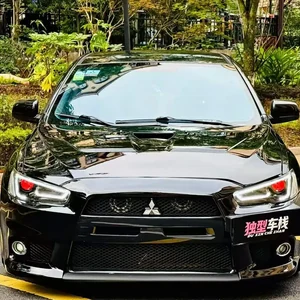
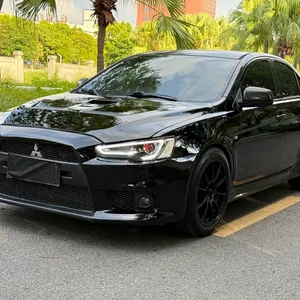
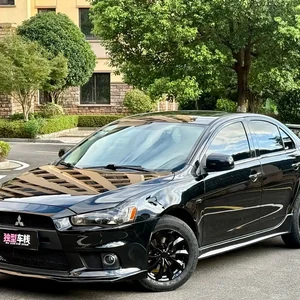
Mitsubishi Lancer EX 2016 1.8L Manual Black & White Replica Edition
How to buy a Mitsubishi Lancer Ex from China
-
1
Define the destination and use case
State the destination country, expected customer, annual distance, load requirements and preferred sales channel. Include local tax, registration and fleet rules in the brief so unsuitable configurations are screened before the shortlist is built.
-
2
Shortlist the exact configuration
Choose among the 1.6L, 1.8L and 2.0L engines and between manual and CVT according to operating needs. Match the trim to required equipment rather than relying on translated luxury or comfort labels.
-
3
Review the live listing and identity
Open the live inventory and match the model code, engine, gearbox, steering side, condition and identification number to the photographs. Ask the seller for the production year, odometer statement, options list and export documents.
-
4
Request a written landed-cost quote
Ask for a vehicle-specific or batch quote showing the price basis, Incoterm, MOQ, payment milestones, export handling, freight, insurance, terminal fees and inland delivery. List every required exclusion so quotes can be compared on the same scope.
-
5
Validate export and import compliance
Have the seller confirm Chinese export eligibility and the documents available for the individual vehicle. Obtain destination-country advice on VIN, customs, taxes, emissions, safety, age limits and registration before funds become non-refundable.
-
6
Contract, inspect and pay
Use a signed pro forma invoice and verify bank details independently. Tie the balance to a satisfactory pre-shipment inspection, matching identification documents and an agreed document set, with cancellation and replacement terms stated.
-
7
Consolidate, ship and receive
Decide whether to ship one unit or combine compatible vehicles, then confirm the loading method, securing, cut-off time, marine insurance and port plan. Plan customs clearance, receiving equipment and an inspection buffer before the vehicle is released.
Lancer Ex vs rivals
| Toyota Corolla | A stronger fit when buyers prioritize global brand familiarity, broad parts support and strong resale expectations; the Lancer Ex may be more attractive when acquisition cost and China-specific specifications matter more. |
|---|---|
| Nissan Sylphy | The closest China-market comfort alternative, often better suited to buyers seeking newer cabin equipment. The Lancer Ex may provide a lower acquisition basis and a different selection of manual configurations. |
| Honda Civic | A better fit for refined, driver-focused positioning and international recognition; the Lancer Ex makes more sense for value-focused importers who accept an older platform and local inspection requirements. |
Frequently asked questions
How is Mitsubishi Lancer Ex export pricing determined?
The live asking amount reflects the exact vehicle, trim, engine, transmission, model year, condition, mileage and seller terms; exchange rates can also alter the final outlay. Landed cost may add export handling, freight, insurance, terminal charges, inland delivery, taxes and customs fees depending on the Incoterm. Check the [live Mitsubishi Lancer Ex listings](https://chinacardirect.com/products?q=Lancer%20Ex&brands%5B%5D=63) for the current per-unit price and request a written quote with all inclusions and exclusions.
What engine and transmission options are available?
The China-market range includes 1.6L, 1.8L and 2.0L gasoline engines, with manual and CVT versions depending on trim. No battery capacity or electric range applies to this powertrain. Confirm output, fuel consumption, drivetrain and dimensions against the selected vehicle because exact specifications vary.
How do new and used Lancer Ex vehicles compare?
New-to-market examples may provide more predictable condition, but the term does not necessarily mean recent production; an older Chinese-market car can still be classified as new stock. Used examples may reduce acquisition outlay but transfer more condition, repair and downtime risk. Compare VIN-level evidence, inspection findings, warranty transfer and expected refurbishment, not only the model-year label.
How does MOQ work for a China vehicle order?
MOQ is set by the seller for the listing or negotiated batch and may differ between unit purchases and consolidated shipments. Ask for the MOQ, mixed-unit rules, deposit, balance trigger, cancellation terms and allocation method in writing. Do not infer a fixed model-wide minimum from a catalogue or article.
What affects shipping time and cost?
Shipping time and cost depend on the origin port and vessel schedule, vehicle condition, transport method, securing requirements, insurance, terminal handling, destination port, customs clearance and inland delivery. A consolidated vehicle shipment can alter freight efficiency, but it may also increase storage and demurrage exposure. Request an origin-to-door schedule and charge schedule tied to the chosen Incoterm.
Are spare parts available?
Mechanical parts may be available, but Chinese-market Lancer and Lancer Ex components may not match global Lancer part numbers or regional wiring and trim. Before ordering, verify the VIN, engine, transmission and production year against supplier catalogues, and ask for a sourcing lead time for wear items. A local parts relationship can materially improve workshop efficiency.
Is right-hand-drive availability a problem?
Do not assume availability: China-origin Lancer Ex examples are commonly left-hand-drive, and factory right-hand-drive cars may be difficult to source. A conversion can add cost, lead time and homologation obligations, especially in markets that inspect altered vehicles. Provide the destination country and steering requirement when requesting listings so the seller can confirm a compliant unit.
How do I order a Mitsubishi Lancer Ex from China?
Define the destination, use case, engine, transmission, condition and budget, then shortlist units in the live inventory. Request a unit-specific pro forma invoice and written specification, verify export eligibility and local homologation, and inspect the vehicle before final payment. Agree the Incoterm, documents, payment milestones, shipping plan and receiving arrangements before placing funds.
Ready to source the Mitsubishi Lancer Ex?
Send your destination, preferred engine and transmission, condition and shipping term through the [RFQ form](https://chinacardirect.com/contact) for a unit-specific export quote.
Request a quote