
Nezha Auto S Export Buying Guide for Overseas Buyers
Buy a Nezha Auto S from China: compare trims, range, export pricing, MOQ, shipping, homologation and rivals for global dealers and importers.
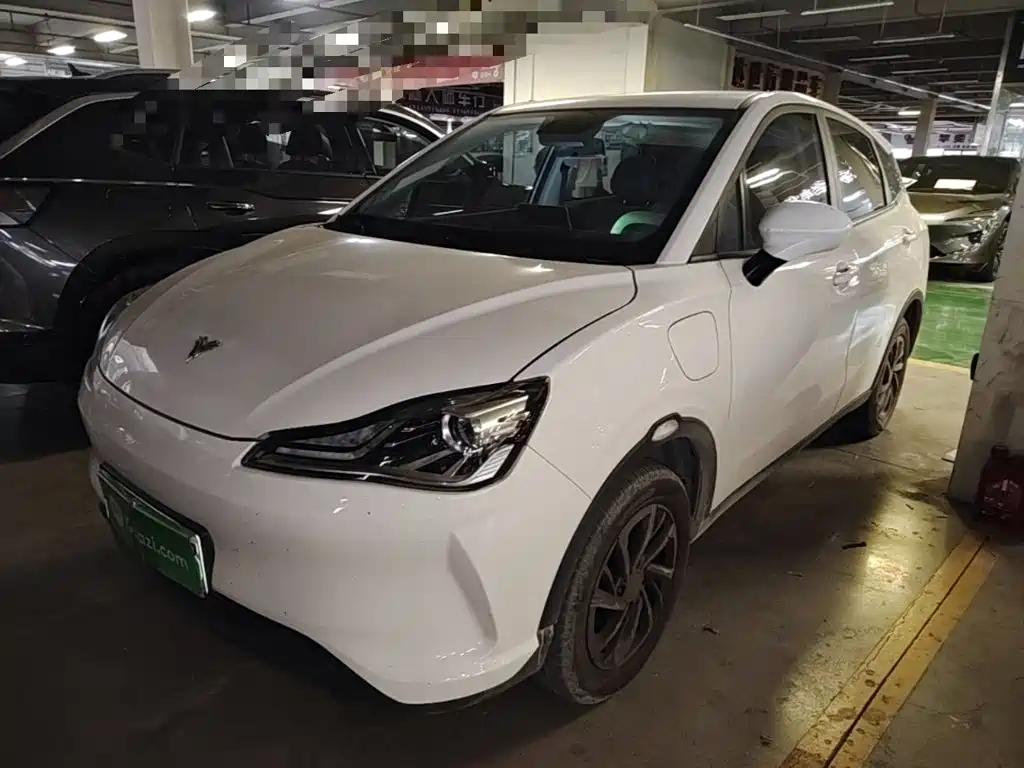
At a glance
- The Nezha Auto S is a compact crossover with pure-electric and extended-range branches for overseas dealer and fleet evaluation.
- Trim names cover 520 km, 650 km and 715 km BEV variants, including rear- and all-wheel-drive configurations.
- Extended-range versions require separate checks of engine, fuel use, charging and servicing.
- Chinese-market CLTC range labels are shortlisting data, not guaranteed export-certified range.
- Live listings and written quotes should confirm unit condition, price, MOQ, steering side and export terms.
Why the Nezha Auto S matters for export markets
The Nezha Auto S is a compact crossover that gives overseas importers access to a China-designed electric SUV family rather than a niche, one-configuration export oddity. Its relevance comes from the combination of practical packaging, multiple range-labelled powertrain choices and technology-focused positioning at a value-oriented level. For dealers, that can make the S a credible candidate for urban fleets, ride-hailing platforms and company-car programmes, provided the imported specification is converted and homologated correctly for local registration, charging standards and after-sales support, rather than relying on domestic assumptions before launch in the destination market.
Demand for vehicles in this segment is shaped less by fashion than by operating economics. A compact EV can suit buyers with predictable daily routes and access to dependable charging, while an extended-range version can ease range anxiety for regional fleets that cannot charge every vehicle overnight. The S also gives importers a way to build a model family around familiar platform logic: the visible trim names include several rear-wheel-drive versions and a 650 km Large Edition with all-wheel drive. However, those benefits depend on local electricity prices, duty treatment and service capability, not just headline specification.
For export planning, the S should be treated as a product platform, not simply a quoted vehicle. Buyers should compare the powertrain branches, then test whether the intended trim passes local type approval, charger compatibility, insurance classification and residual-value expectations. Chinese-market range labels help compare configurations in the home catalogue, but they are not automatically the certified range or consumption shown overseas. Export certification requires destination-market testing and documentation, while an importer may use its own test cycle. Verified local certification should take priority over catalogue assumptions in fleet procurement.
- Compact crossover for urban fleets
- EV and range-extender options
- Local homologation first
Model range, trims and powertrain variants: how the lineup is structured and how to choose
The visible S trim names divide into two useful decision paths: pure-electric models with 520 km, 650 km or 715 km range labels, and an extended-range version carrying a 1,160 km label. Within the pure-electric branch, rear-wheel-drive editions cover the 520 km and 715 km groupings, while a 650 km Large Edition is listed with all-wheel drive. These are catalogue identifiers, so first confirm which body and powertrain the seller matched to the S on each unit-specific live listing before paying a deposit or freight. Reconcile the trim name with the vehicle identifier and photographs.
Within the 520 km pure-electric group, the catalogue shows RWD Edition, Lite Edition and AR-HUD Edition names. The RWD Edition gives a clearly identified baseline for buyers prioritising range-label consistency; the Lite designation may point to different equipment; AR-HUD signals an augmented-reality head-up display. Because equipment can move between export batches, verify the exact feature list rather than assuming every AR-HUD vehicle has the same cameras, software or options. Check those claims against VIN-linked documents, the condition report, the seller's written confirmation and any software entitlement before any shipment begins.
For an extended-range buyer, the 1,160 km label is a configuration identifier, not a promise of 1,160 km of electric-only driving. Range-extender vehicles normally combine an electric motor with a combustion engine that generates energy when the battery is depleted, but the engine, fuel tank, battery capacity and drive cycle are not specified here. Ask for those figures and the live listing, then compare total fuel use, charging requirements and service arrangements relevant to the destination market rather than choosing on headline range alone. Compare those figures with actual duty-cycle simulations at the outset.
- 520 km RWD trims
- 715 RWD, 650 AWD
- Verify extended-range operation
New vs used Nezha Auto S: how export inventory is structured and how buyers choose
Export inventory for this model should be evaluated by condition, age and specification rather than by a simple new-versus-used label alone. A unit presented as new should have a clean inspection record, consistent panel finish, protected interior, verified odometer and a complete set of documents. A used vehicle can make more sense when its battery condition, software state and service history are transparent and its lower acquisition cost is large enough to offset shorter remaining warranty life in the importing market, after freight, tax and compliance costs are included. Retain those records in the purchase file.
New Chinese-market units may carry equipment that is unfamiliar to local technicians, while used examples can also carry unresolved software, warranty or cosmetic issues. Ask whether the battery has a documented state of health, whether high-voltage repairs have been completed, and whether the vehicle has been on registered roads or used for ride-hailing. For fleet use, inspection should also cover tyres, brake discs, suspension noise, cabin wear and the condition of charging equipment. A pre-purchase inspection should be performed by a technician familiar with electrified vehicles and the model's software for local use.
Because availability changes, buyers should not infer a permanent supply structure from one online catalogue view. Use the live Nezha Auto inventory to compare what is actually offered, ask the seller to separate genuine new stock from demonstration or parallel-import units, and request written classification. If the S is being bought for resale, provenance and condition consistency can be as important as the acquisition price; if it is being bought for a small fleet, a uniform specification may reduce training and parts complexity across dealers and workshops before committing funds.
- Inspect new units
- Evidence for used units
- Standardise fleet specifications
How export pricing works: the factors behind a live listing price, and how to read one
A live Nezha Auto S listing price is not simply the Chinese retail price converted into another currency. It is a transaction signal that can reflect model year, trim level, range or powertrain branch, production specification, mileage, condition, seller terms and the commercial conditions attached to the inquiry. For used units, depreciation, repair history and remaining warranty are especially important. For new units, factory status and whether the unit is genuinely available for export matter more than a catalogue headline. Read each line against the images, identifiers and stated terms in writing.
Currency conversion introduces another variable because the quoted currency, exchange-rate timing and the seller's pricing date may differ from the buyer's funding date. Freight is also not always embedded: the Incoterm determines which party pays for loading, carriage, insurance, customs and delivery, while port charges, storage and inland transport can sit outside the headline. A buyer comparing two live listings should therefore normalise the quote before declaring one cheaper than the other. Use a written quote that states currency, Incoterm, validity period, payment milestones and every excluded charge before comparison.
Do not rely on a saved search result or a previous conversation as a binding price. Open the current listing, confirm the referenced vehicle identifier, note any sale condition, then request a formal quotation for the intended quantity and destination. ChinaCarDirect's live inventory is the place to check exact per-unit pricing and availability, while an RFQ gives the importer an opportunity to confirm freight assumptions, export documentation and any volume conditions that cannot be inferred from the listing page. A quote should carry a validity date, named Incoterm and payment deadline.
- Compare configuration and condition
- Normalise Incoterm and currency
- Use written live quotes
MOQ, ordering and payment: single units vs consolidating a container
MOQ should be read as the minimum quantity a seller will accept for that particular transaction, not as a permanent property of the model. A marketplace listing may allow one vehicle, while a factory or consolidator may impose a batch condition for a particular price, colour, specification or payment route. Ask the counterparty in writing which quantity is being quoted, whether that minimum applies per SKU, per production run or to the consolidated order, and what happens if one unit in the group is unavailable before funds are committed or cargo is booked.
Ordering one unit through a marketplace is useful for a test vehicle, a demonstrator or a small reseller order. The buyer selects the live unit, reviews its identifier and condition, agrees the commercial terms, supplies payment and export information, and pays through the agreed channel. A written invoice or order confirmation should identify the vehicle, price, currency, Incoterm, payment deadline and cancellation terms so that the purchase is not based on an informal chat message. Keep a copy of every payment instruction and reconcile it with the signed contract before sending funds.
Consolidating several vehicles can improve freight planning and reduce the cost per unit, but it transfers more responsibility to the importer. All units should match on configuration if they will share training, resale channels or parts planning; otherwise build a specification matrix and disclose every difference to the customer. Confirm how deposits, balances, cancellations, inspection, storage and demurrage are allocated if the container is only partly loaded or a vehicle fails its destination inspection. Payment terms should also state who bears loss or damage during each transport leg and transfer point before dispatch.
- Confirm MOQ scope
- Match invoice to unit
- Check before consolidation
Shipping, homologation and market compliance caveats: LHD/RHD and import rules by country
China-origin vehicles are commonly presented in left-hand-drive form, and the S listings should not be assumed to include a right-hand-drive version. Steering configuration, instrument and infotainment layout, lighting, cooling, charging equipment and local safety equipment may all need to match the destination market. An importer should request photographs and written confirmation of the steering side before booking. A conversion performed after sale can add cost, delay homologation and create stock that is harder to resell, so record the intended configuration in the contract and avoid expensive post-delivery work on imported units.
Type approval is country-specific. Depending on the market, an importer may need a local conformity assessment, emissions or noise compliance where applicable, cybersecurity and software update provisions, safety-equipment checks, registration documents, customs valuation and proof of origin. Electric-only and range-extended versions can also face different energy, fuel or taxation treatment. None of the catalogue range labels certifies the vehicle for a particular country, so local regulatory advice should precede any large order. The same model name does not mean two exports have identical equipment, documentation or road legality abroad or shipping.
Charging compatibility is a practical compliance issue for the pure-electric S. Confirm the inlet, voltage, alternating-current charging capability, supplied cables and whether mobile or destination charging is required; do not assume a Chinese-market connector or protocol will suit the target market. For an extended-range unit, also verify fuel standards and servicing capability. Shipping documents should describe the vehicle consistently, and any modification should be approved before the car enters commercial service. The importer should also plan charger installation, software support and a realistic handover inspection schedule for launch and budget for it.
- Confirm steering side
- Secure local type approval
- Check charging and fuel
Who should buy the S — and who should pick a different vehicle
The S is a strong candidate for importers seeking a modern compact crossover with a choice of pure-electric and extended-range configurations, especially where fleet routes are predictable and local charging can be controlled. It can suit a dealer building an accessible EV range, a company refreshing a mixed urban fleet, or a ride-hailing operator comparing energy cost with vehicle uptime. The strongest business case comes when the chosen trim, charging plan and residual-value assumptions are aligned before the vehicle reaches the port and are backed by properly supported local technicians.
Different vehicles are more logical when the mission exceeds the S's practical envelope. Buyers needing a larger cargo area, more commercial-duty capability or a proven service network may prefer a larger SUV, pickup or van. Operators with long routes but no charging infrastructure should assess the extended-range option carefully, including fuel use and servicing, rather than treating headline range as a substitute for planning. Buyers focused on the lowest purchase price may also need to compare smaller models and simpler trims once duties, freight and warranty costs are included properly at the outset.
The S may be a poor match for a buyer who cannot support its software, high-voltage components or unfamiliar trim electronics, or who requires a warranty structure already established in the destination market. It also needs a credible route for residual value: a niche model with limited local recognition can be harder to place after the first lease cycle. Before committing, speak to an independent inspector, local repairer and insurer, and calculate total cost over the intended ownership period rather than comparing purchase cost alone, including downtime and resale risk.
- Best for urban fleets
- Needs local technical support
- Alternatives for heavy duties
Main rivals and how the S compares
The closest alternatives depend on whether the buyer wants a battery-electric or extended-range compact SUV. The BYD Yuan Plus, sold in many markets as the Atto 3, is a mainstream compact electric crossover with broad international recognition; it is attractive where an established brand and service footprint reduce execution risk. The Nezha Auto S differentiates through its range-labelled EV and extended-range choices and value-oriented specification, but its importer should compare warranty, parts and homologation support directly against the same destination-market duty, charger and fleet-cost assumptions before ordering or signing anything.
Leapmotor C10 is a closer like-for-like rival because it competes in the same compact crossover class and is also offered with battery-electric and range-extended concepts. It may be the safer choice in a market where the importer already has Leapmotor parts, technician and residual-value support. The S should be preferred when its exact specification and delivered commercial terms create a clear advantage, not merely when its catalogue range number looks larger on paper. Ask both suppliers to quote the same steering side, charger, warranty and delivery terms in writing for a fair comparison.
Deepal S07 is another relevant Chinese-brand competitor, particularly for buyers considering an extended-range compact SUV. Its appeal lies in a comparable new-energy product strategy, while the Nezha S offers listed 520 km, 650 km and 715 km pure-electric branches plus a 1,160 km extended-range label. These catalogue figures are useful for shortlisting, but the final decision should compare certified local range, charging speed, service access, insurance and total cost rather than headline specifications alone. A structured quotation and inspection should form the basis for the award to the importer.
- BYD Yuan Plus/Atto 3
- Leapmotor C10
- Deepal S07
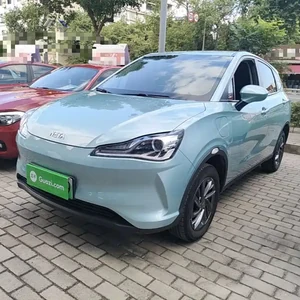
Live Nezha Auto S export inventory
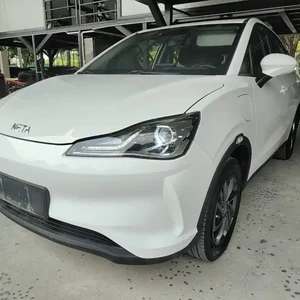
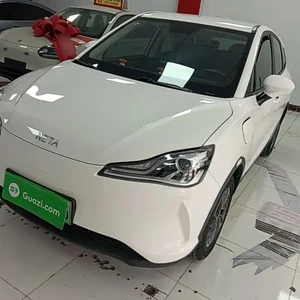
View all listings →Real units currently on ChinaCarDirect with per-unit asking prices and MOQ. Availability updates live from the catalogue.
How to buy a Nezha Auto S from China
-
1
Define the destination use case
Confirm the destination country, steering requirement, charger standard, route profile, fleet policy and applicable type-approval route before selecting a powertrain.
-
2
Search the live S inventory
Review current Nezha Auto S units and filter for the required range branch, drivetrain, model year and vehicle condition. Use the listing details only as the starting point.
-
3
Verify the exact vehicle
Match the trim name, vehicle identifier, photographs, mileage, options and documents to the unit you intend to buy. Request written confirmation for anything not visible.
-
4
Build a comparable quotation
Ask for unit-level pricing with the currency, Incoterm, freight assumptions, payment milestones, validity date and export-document scope stated clearly.
-
5
Complete inspection and payment
Use an independent or qualified inspector to check condition, battery information, software and high-voltage history. Pay only against a formal invoice or order confirmation.
-
6
Secure compliance documents
Confirm registration, conformity, customs, origin, insurance and charging requirements with the destination-country authorities or a qualified import adviser.
-
7
Book freight and handover
Agree loading, carriage, insurance, terminal handling and customs responsibilities. Schedule arrival, charging or fuel preparation, inspection and local registration before releasing the vehicle.
S vs rivals
| BYD Yuan Plus / Atto 3 | A mainstream compact electric crossover with stronger international brand recognition, which can reduce service and resale risk in established markets. The Nezha Auto S offers broader range-labelled powertrain choice and may provide stronger value, but only if local parts, warranty and homologation support are secured. |
|---|---|
| Leapmotor C10 | A direct compact-SUV competitor available with battery-electric and range-extended concepts. Choose the C10 where an importer already has established technician and parts support; consider the S when its exact specification and delivered commercial terms offer a clearer advantage. |
| Deepal S07 | A comparable Chinese new-energy compact SUV, particularly relevant to extended-range fleet buyers. The S differentiates through 520 km, 650 km and 715 km BEV branches and an AWD option, while the final choice should depend on certified local range, charging, service access and total cost. |
Frequently asked questions
How is the export price for a Nezha Auto S determined?
A live price can move with model year, trim, powertrain or battery version, mileage, condition, exchange rates, freight and the selected Incoterm. It may be a seller's asking price rather than a final delivered, duty-paid amount. Check the current per-unit figure in ChinaCarDirect's live listings and request a written destination-specific quotation.
What powertrain and range options are listed for the S?
The trim structure includes BEV labels of 520 km, 650 km and 715 km, with RWD and AWD versions, plus an extended-range trim carrying a 1,160 km label. These are Chinese-market CLTC-style identifiers and do not guarantee the same certified range after export. Battery capacity, motor output, charging and destination certification must be confirmed per listing.
Is a used Nezha Auto S worth considering?
A new vehicle reduces uncertainty about wear and prior use, while a used example may offer a different year, trim or lower acquisition cost. The decision should include battery condition, software state, service history, remaining warranty and inspection findings, not mileage alone. Compare the complete landed and ownership cost.
What is the MOQ for a Nezha Auto S order?
MOQ is transaction-specific rather than a permanent model rule. A single unit may be available through the live marketplace, while a factory or consolidator may apply a batch condition. Ask whether the minimum applies per SKU, production run or consolidated shipment, and obtain the quantity terms in writing.
What factors determine shipping time and cost?
Origin and destination ports, sailing or road schedules, customs clearance, congestion, terminal handling, insurance, inland haulage and the Incoterm all affect the result. Longer routes, documentation corrections or port delays can increase both time and cost. Request a shipment-specific freight and customs plan before payment.
How are spare parts handled for exported Nezha Auto S vehicles?
Confirm parts availability for the exact trim, including high-voltage, charging, body and electronic components, before committing to a fleet order. Ask how software issues, warranty claims and damaged parts will be supported in the destination market. A local technician should review the parts and service plan before launch.
Is a right-hand-drive Nezha Auto S available?
A right-hand-drive version should not be assumed from an overseas-facing catalogue. Review the live unit's photographs and obtain written confirmation of the steering side, equipment and export readiness. If the vehicle is not configured for the destination market, assess the cost and approval implications of conversion before ordering.
How do I order a Nezha Auto S from China?
Open the live inventory, select a relevant unit, verify its specification and condition, and submit an RFQ with the destination, quantity and required Incoterm. Compare the written commercial terms with the live listing, complete inspection and payment formalities, then prepare compliance and freight documentation. No vehicle should be dispatched until identity, payment and shipping records reconcile.
Ready to source the Nezha Auto S?
Send your destination, quantity and required powertrain to ChinaCarDirect for a unit-specific Nezha Auto S quotation.
Request a quote