
NIO Ec6 Export Buying Guide for Overseas Dealers
Buy NIO Ec6 from China with clear guidance on battery and range choices, export pricing, MOQ, shipping, compliance, rivals and live vehicle quotes.
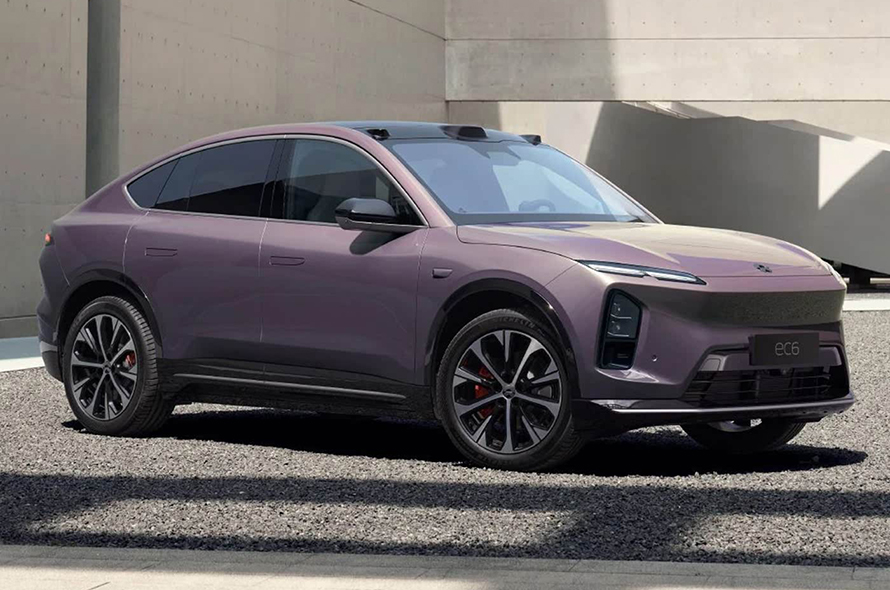
At a glance
- The Ec6 is a premium compact battery-electric SUV with 75 kWh and 100 kWh battery choices represented in the model range.
- Listing labels include 430KM and 605KM range designations, but the applicable test cycle, usable capacity and real-world range should be confirmed for each vehicle.
- A model year is not the same as condition: confirm new, unregistered or used status, mileage, registration history and battery health.
- Export pricing is unit-specific and destination-specific; use the live inventory for current figures and a written quotation for landed cost.
- The strongest case is where charging, homologation and trained aftersales support exist; overseas access to NIO’s battery-swap ecosystem should not be assumed.
Why the NIO Ec6 matters for export markets
The NIO Ec6 sits in the premium compact electric SUV segment, giving overseas buyers an alternative to more familiar global EV nameplates. Its appeal is not simply “Chinese EV value”; it combines a premium five-door cabin, electric all-wheel-drive hardware and a choice of battery configurations in a relatively compact package. That makes it relevant to importers building a premium electric crossover range, especially where the Ec6 brand has enough recognition to justify specialist marketing. It also suits company-car programmes where image and operating-cost policy matter more than minimum purchase price alone.
Export demand should be assessed by segment and infrastructure, however, not by the scale of NIO’s home-market popularity. The Ec6 is a China-origin product, and its exact appeal abroad depends on local service capability, charging access, software language and whether buyers value a distinctive Chinese alternative. A dealer should ask whether the model can be supported after sale before treating it as a volume line. A fleet buyer should also separate a strong first impression from the harder issue of long-term residual-value support in its destination country over several model years.
The Ec6 is most attractive when the destination market already supports premium EVs and the importer can provide transparent handover, software support and a clear battery warranty. Its domestic battery-swap ecosystem is a genuine brand differentiator in China, but an exported vehicle should not be assumed to retain access to that ecosystem abroad. Buyers should therefore value the complete proposition—vehicle, charging method, parts, diagnostics and aftersales—rather than judging it solely by the claimed range label. Those checks often outweigh minor trim advantages. That discipline protects the purchase and resale.
- Premium EV importer fit.
- China cabin and AWD appeal.
- Swap access overseas uncertain.
Model range, trims and powertrain variants: how the lineup is structured and how to choose
NIO Ec6 listings use several labels, so buyers should not treat “75kWh,” “100kWh,” “430KM” and “605KM” as interchangeable descriptions. The battery figures identify pack capacity, while the range designations identify a particular claimed-range version or trim. Model years also carry different equipment and software. Because the label may abbreviate the original sales name, the safest method is to reconcile the listing title, vehicle identification document, battery declaration, option list and photographs before calculating suitability for a route. The nominal range figure also omits the test cycle, usable capacity, weather effects and real-world efficiency.
The 75 kWh and 100 kWh versions should be evaluated as different capacity and cost tiers rather than as one interchangeable Ec6 specification. The smaller pack can suit buyers with dependable charging and moderate route lengths; the larger pack may reduce charging stops on long intercity travel. Neither decision should rely on range alone: payload, climate, speed, elevation, towing and the destination’s charging network all alter consumption. Ask the seller for battery capacity, rated and usable capacity, thermal-management equipment and the exact range test protocol before any payment is made.
Sport editions and named commemorative versions can add visual, equipment or software distinctions, but they should not be valued by badge alone. Compare the exact equipment list against the buyer’s use case, focusing on driver-assistance functions, cabin equipment, audio, comfort and wheel size. For a business buyer, software and interface support may matter more than a cosmetic package; for a private customer, the fit of the seats, luggage capacity and ride quality may lead. Confirm whether features are active, market-specific or dependent on an account or network connection in the destination market.
- Match pack to route.
- Verify range protocol.
- Audit equipment and software.
New vs used NIO Ec6: how export inventory is structured and how buyers choose
Export inventory for the Ec6 can mix model years, range packages and battery versions, so the first task is to separate age from condition. A vehicle carrying an earlier model year may still be described as new or unregistered, while a later production year does not prove that a used unit has been maintained well. Read the condition category, delivery status and registration history rather than inferring either status from the name. On ChinaCarDirect, the live Ec6 listings are the place to confirm the current mix and the exact status of each unit.
A new or unregistered Ec6 generally offers the cleanest route to warranty continuity and a predictable delivery condition, but buyers must still verify production date, odometer, paint, glass, panel gaps and any storage or transport damage. A used NIO Ec6 may cost less, yet the relevant risk moves to battery health, high-voltage repair history and whether software has been updated consistently. Ask for the battery state-of-health report, service records, accident disclosure, charging history where available and confirmation that the high-voltage safety inspections were completed, ideally through independent inspection reports where possible.
The best choice depends on whether the objective is immediate fleet deployment, a demonstration vehicle or speculative resale. New inventory reduces uncertainty but locks capital into a depreciating model and a specific battery/trim combination. Used inventory can improve acquisition economics, yet it requires technical due diligence and may offer less predictable warranty support. Neither route should be chosen solely from a discount badge: build a total-cost comparison covering inspection, compliance work, shipping, parts availability and likely remarketing time. A live listing remains useful only when its supporting documents can be independently checked.
- Separate age from condition.
- Check battery health.
- Compare total cost.
How export pricing works: the factors behind a live listing price, and how to read one
The NIO Ec6 export price guide starts with one principle: the vehicle price is an indication for a specific unit, not a permanent model-wide tariff. Year, trim, battery version, mileage, condition, ownership history and seller terms all influence the live figure. Exchange rates, freight, marine insurance, port charges, destination taxes and the selected Incoterm can further change the landed total. Use the current live inventory for the binding per-unit price, MOQ and availability, then request a written quotation stating exactly what is included and what remains payable on arrival in the destination country.
Reading a live listing means comparing like with like. First confirm model year, exact trim, battery capacity, range designation, drivetrain and options; then check mileage, condition, location, availability, MOQ and the named Incoterm. Look for photographs of the vehicle identification number, dashboard, odometer, bodywork, battery compartment and charging socket rather than relying only on attractive marketing images. A lower figure may reflect an older configuration, different battery, different documentation or seller terms—not necessarily better value. Ask for a quotation tied to the listing identifier so the vehicle cannot be silently substituted.
A landed-cost worksheet prevents the vehicle figure from hiding the real commitment. Start with the agreed vehicle price, then add inland transport, export documentation, international freight, insurance, destination handling, customs duties, taxes, registration and any required charging or steering conversion. Some charges may already sit inside the stated Incoterm, so avoid double-counting them. Ask the seller or forwarder for the charge schedule, currency, payment deadline and validity of the quote. For a dealer, also include delivery preparation, warranty reserve and financing cost before approving the purchase order. Compare alternatives using the same worksheet.
- Compare equivalent vehicles.
- Build landed cost.
- Get listing-specific quotes.
MOQ, ordering and payment: single units vs consolidating a container
MOQ is the smallest quantity a seller will accept under its commercial terms, and it may be tied to a model, battery version, color or production batch. Some suppliers will quote a single vehicle, while others are set up for container lots; this must be confirmed in the quotation rather than assumed from a platform field. For NIO Ec6 wholesale buyers, a single-vehicle request is useful for testing demand or creating a demonstrator. Container consolidation can improve freight efficiency, but it also concentrates capital, working-capital requirements and unsold-stock risk in one shipment.
The safest ordering sequence is a written specification, seller quotation, pro forma invoice, deposit, production or inspection confirmation, balance payment, document handover and release against final documents. Before paying, verify the beneficiary entity, payment method, bank charges, cancellation terms, warranty start date and whether the vehicle has already been sold. Use an agreed inspection checkpoint for the actual vehicle and retain evidence of its identity at that stage. Balance should not be released merely because a photograph or production update has been received; it should correspond to the contractual inspection and shipping milestones.
Wholesale planning should begin with a vehicle mix, not a generic container quantity. Grouping the same battery and trim can simplify parts planning, homologation review and buyer education, while a controlled mix may serve different customer segments better. Confirm how many units the seller will allocate against each production batch, how serial numbers are assigned and which units appear on the final packing list. Use an experienced customs broker and freight forwarder to coordinate export declarations, port handling and delivery. Consolidation improves tax and logistics only where retail demand is clear.
- Confirm MOQ in writing.
- Use milestone inspection.
- Plan container mix.
Shipping, homologation and market compliance caveats: LHD/RHD and import rules by country
Chinese-market approval does not automatically make an Ec6 road-ready in another country. Import rules, type approval, VIN checks, local safety and electromagnetic requirements, software and data provisions, charging standards, warranty rules and registration categories can all affect eligibility. Duties and taxes depend on the destination country’s classification and policy, including how the vehicle is treated as new or previously registered. A buyer should obtain a written local compliance assessment before paying for transport. The importer, customs broker and vehicle-conversion specialist should each confirm their part of the process and document their advice.
Steering configuration is a frequent source of late-project errors. China-origin examples are commonly left-hand drive, while many importing markets require right-hand drive; the exact market can also specify lighting, indicators, mirrors, wipers, parking sensors, plate positions and control labels. A factory right-hand-drive build is preferable to a late conversion because it can be validated as a complete vehicle. If conversion is permitted, use an approved specialist and confirm effects on safety, warranty, software and residual value. Never assume that flipping the steering wheel or changing a display makes the vehicle compliant.
EV shipping adds technical and documentary requirements beyond ordinary vehicle freight. The carrier must accept the battery and its declared dangerous-goods status, with supporting test summaries and shipping papers arranged where required. The loading plan, lashing, moisture protection, port handling and secure storage all affect handover condition; some routes also impose a maximum state of charge for maritime transport. Compare roll-on/roll-off and container options by route, availability, handling risk and total landed cost, not by freight rate alone. Insurance should cover the vehicle throughout transit and the agreed storage period.
- Get local homologation advice.
- Check steering and plug.
- Verify battery freight papers.
Who should buy the Ec6 — and who should pick a different vehicle
The Ec6 fits an overseas buyer who wants a premium compact BEV, has reliable charging and can support a China-origin vehicle over its ownership life. It is particularly relevant to an importer testing a premium electric crossover segment, a company-car programme with charging at home, or a customer seeking a more distinctive alternative to established global badges. The decision should be supported by local service access, diagnostic capability, software help and parts supply. A buyer focused only on acquisition price may struggle to use, maintain and resell the vehicle well.
It is a weaker choice without dependable charging, local parts or trained high-voltage support, or where an approved right-hand-drive version and charging interface are essential but unavailable. Large work fleets may also prefer simpler service arrangements and broader technician coverage. Short urban routes with reliable charging can reduce the value of the largest battery, while severe temperature variation and high-speed travel can make charging time and real-world range more important than trim styling. In those cases, a rival with a stronger local service footprint may be the more rational purchase.
Before scaling an Ec6 programme, run a structured pilot rather than relying on the brochure range. Calculate route energy from usable battery capacity and observed consumption, then add a conservative allowance for weather, speed, load and charging losses. Verify the proposed service partner’s access to diagnostics, high-voltage training and common wear parts, and test the charging connector and payment process. For a dealer, compare the Ec6’s residual-value risk with rivals having deeper local sales. If the vehicle cannot be supported and insured attractively in the destination market, choose the alternative with the clearest lifecycle.
- Strong premium company-car fit.
- Needs charging and service.
- Pilot before scaling.
Main rivals and how the Ec6 compares
The Tesla Model Y is the Ec6’s clearest global-segment rival because both are premium electric crossovers aimed at private buyers and company fleets. The Model Y generally benefits from stronger global brand recognition, a more established charging and resale proposition, and simpler buyer reassurance in markets with broad local support. The Ec6 differentiates through its China-origin design and cabin, dual-motor configuration and battery-choice strategy. An overseas importer should compare local service coverage, charging access, software language and realistic resale assumptions; for a mainstream fleet buyer, those ecosystem factors may matter more than trim character.
The Hyundai Ioniq 5 is another credible premium compact EV crossover, especially where Hyundai’s local dealer network and charging architecture appeal to fleet buyers. Its cabin packaging, usable cargo area and charging-focused design can serve commercial users well. The Ec6 offers a different proposition: a China-developed premium SUV with strong dual-motor appeal and a broader high-end visual identity. Neither is automatically the better export vehicle. Compare the exact destination-market versions, battery and charging provisions, warranty, parts supply and aftersales reach rather than treating badge reputation as a substitute for due diligence.
The XPeng G6 is a closer China-origin alternative for buyers already comfortable with Chinese EV technology. It competes for the same modern electric-SUV audience, so compare usable range, charging curve, motor delivery, software, warranty and realism of local support. NIO’s premium cabin and China battery-swap brand strengthen the Ec6’s identity, while buyers prioritizing a simpler comparison may prefer a rival with a more established sales footprint in their country. The final choice should follow destination-specific service and compliance assessment, not assume every Chinese EV badge carries the same local support risk.
- Model Y: global benchmark.
- Ioniq 5: charging benchmark.
- XPeng G6: China-origin peer.
Live NIO Ec6 export inventory
View all listings →Real units currently on ChinaCarDirect with per-unit asking prices and MOQ. Availability updates live from the catalogue.
How to buy a NIO Ec6 from China
-
1
Define the destination-market use case
Record the destination country, steering requirement, charging network, typical routes, passenger or cargo needs and expected aftersales coverage. Use these requirements to screen the Ec6 before comparing individual vehicles.
-
2
Compare matching live Ec6 listings
Review the current inventory by model year, trim, battery version, range label, mileage, condition and listing identifier. Compare vehicles with equivalent configurations rather than relying on the broadest headline specification.
-
3
Request a listing-specific RFQ
Ask for the vehicle price, MOQ, availability, Incoterm, payment schedule, documentation scope and destination-country landed-cost estimate in writing. Tie the quotation to the chosen listing to prevent an unapproved substitution.
-
4
Complete compliance and condition checks
Confirm local type approval, LHD/RHD suitability, charging compatibility, VIN details and customs treatment. For a used vehicle, obtain an independent inspection and battery state-of-health report before payment.
-
5
Set payment and inspection milestones
Use a written pro forma invoice and tie the balance payment to the contractual inspection and shipping milestones. Verify the seller entity, beneficiary account, warranty start date and cancellation terms before transferring funds.
-
6
Book freight and verify handover
Use an experienced forwarder to arrange battery-compatible transport, insurance, export declarations and port handling. Match the final packing list to the inspected vehicles and review condition photographs before accepting delivery.
Ec6 vs rivals
| Tesla Model Y | The Model Y is the closest global-segment benchmark, with widely recognized branding and stronger charging, service and resale familiarity in many established EV markets. The Ec6 offers a more distinctive China-origin premium cabin and dual-motor battery-choice proposition, but buyers should give greater weight to local aftersales reach and long-term support. |
|---|---|
| Hyundai Ioniq 5 | The Ioniq 5 is a credible premium compact EV crossover, especially for fleet buyers familiar with Hyundai’s dealer network and charging-focused architecture. The Ec6 differentiates through its China-developed design and premium identity, while the Ioniq 5 may offer a clearer service proposition where Hyundai is more established. |
| XPeng G6 | The G6 is the closest China-origin peer for buyers already comfortable with Chinese EV software and hardware. Both should be judged on exact battery, charging, warranty and local-support terms; the Ec6 has a more established premium and battery-swap identity in China, while overseas support reach needs individual verification. |
Frequently asked questions
How is the NIO Ec6 export price determined?
The export price is set for the individual vehicle, not by a permanent Ec6 price list. Model year, trim, battery version, mileage and condition, exchange rates, freight, insurance, taxes, port charges and the Incoterm can all change the amount. The current per-unit vehicle price appears in the live ChinaCarDirect Ec6 listings; request a written, listing-specific quote for the final commercial terms.
What powertrain and range should I expect from the NIO Ec6?
The Ec6 is a battery-electric SUV, with dual-motor electric all-wheel drive used on applicable versions and 75 kWh or 100 kWh battery options represented in the model range. Export listings also carry 430KM and 605KM range designations, but these should not be treated as guaranteed real-world range until the test cycle and usable capacity are confirmed. Ask for battery details, motor outputs, charging compatibility and the exact range standard for the vehicle being quoted.
Should I buy a new or used NIO Ec6?
New or unregistered inventory generally offers simpler warranty and condition expectations; a used NIO Ec6 can offer a different acquisition profile but shifts risk toward battery health, repair history and software condition. Model year alone does not prove either status. Compare registration history, mileage, battery report, service and accident records, inspection results and total landed cost.
How does MOQ work when buying NIO Ec6 wholesale?
MOQ is set by the seller and can depend on model, trim, battery, color or production batch. A buyer may request a single-vehicle quotation for a pilot or negotiate a container allocation, but the applicable minimum and whether mixed configurations are allowed must appear in the written quotation. Do not assume a platform field or another buyer’s order establishes your MOQ.
What affects NIO Ec6 shipping time and cost?
Shipping time and cost depend on origin and destination locations, carrier schedules, vehicle and battery acceptance, loading method, handling, insurance, customs clearance and delivery distance. Roll-on/roll-off and container choices have different availability and handling risks, and maritime battery rules may constrain state of charge. Obtain a route-specific freight quotation and confirm the agreed Incoterm and shipment terms.
Are spare parts and aftersales available for an exported Ec6?
Spare-parts support depends on the destination, model year and the seller’s relationship with NIO’s supply chain. Before ordering, ask for common wear-part lead times, diagnostic access, high-voltage training, warranty-parts support and a fallback sourcing route. An importer without a credible service and parts plan should reconsider the model regardless of the vehicle price.
Can I buy a right-hand-drive NIO Ec6?
China-origin Ec6 examples are commonly left-hand drive, while right-hand-drive availability depends on the destination and whether a factory or locally approved RHD version can be sourced. A conversion can affect safety approval, software, warranty and residual value. Confirm steering, lighting, controls, charging connector and local type approval before placing the order.
How do I order a NIO Ec6 from China?
Start with the live Ec6 inventory, choose a unit or configuration that matches the route, and send a request for quotation stating the destination, Incoterm, MOQ and compliance needs. The seller should return a listing-specific price, vehicle identity, payment schedule and estimated shipping plan. After technical inspection, homologation review and payment milestones, the vehicle moves to export documentation, freight booking and final handover. Use the RFQ channel for the current commercial details.
Ready to source the NIO Ec6?
Send an RFQ for a specific NIO Ec6 listing and request both the vehicle quote and a destination-country landed-cost breakdown.
Request a quote