
Nissan Navara Export Buying Guide for Overseas Buyers
Export Nissan Navara from China with a practical guide to trims, powertrains, pricing, MOQ, shipping, compliance, rivals and used-unit checks.
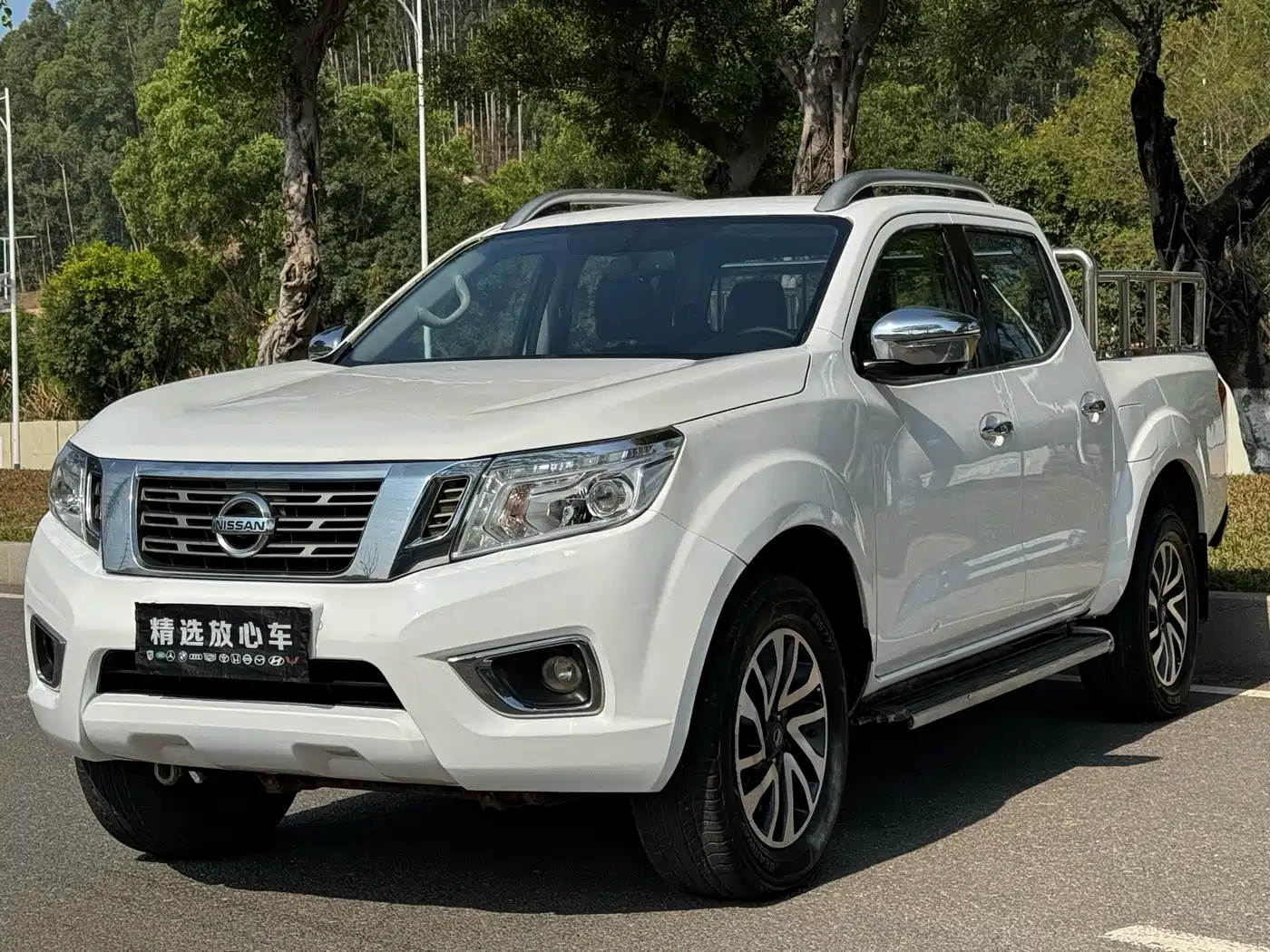
At a glance
- The Nissan Navara is a mid-size pickup that combines commercial bed utility with a relatively passenger-oriented driving package.
- Listed 2.5L QR25 versions span automatic and manual transmission and 2WD, 4WD/4x4 and AWD-labelled configurations.
- Buyers looking to buy Nissan Navara from China should compare new and used examples by verified condition, specification and total landed cost.
- A Nissan Navara export price guide must separate vehicle value from freight, insurance, duties, taxes and the selected Incoterm.
- Current per-unit price, availability and MOQ should always be confirmed on ChinaCarDirect's live listings before payment.
Why the Nissan Navara matters for export markets
The Nissan Navara occupies the middle of the pickup market, combining a cargo bed with the ride and equipment expected by business users who do not want a bare utility truck. That balance matters in construction, agriculture, utilities, rural service work and fleet operations, where driving comfort can affect driver productivity. Its established model name also helps buyers compare parts, service expectations and resale positioning, although support still depends on the destination country. Dealers should assess payload, towing and drivability, not treat trim badges as proof of complete operational suitability.
For overseas buyers, the appeal is not a universal specification but the ability to match cab, bed, powertrain and drivetrain to a duty cycle. A two-wheel-drive unit may suit level roads and payload-focused use, while a four-wheel-drive version can add traction where access roads are unpaved or slippery. Automatic transmissions lower driver workload for fleet use, and manual options may appeal where familiarity and operating economics take priority. These are use-case distinctions, not universal rules. The deciding evidence should come from verified documents, not assumptions based on the model's reputation.
A ChinaCarDirect buyer is sourcing vehicles for another market, so total suitability matters more than showroom novelty. Check local fuel availability, registration rules, taxation, insurance classes, loading access and the availability of technicians familiar with the selected Nissan platform. A pickup that meets the duty cycle and can be legally registered is more valuable than a higher-specified version that creates compliance or parts problems. The live inventory should therefore be treated as the starting point for market-by-market due diligence. Confirm configuration, condition and paperwork with the supplier before committing funds.
Model range, trims and powertrain variants: how the lineup is structured and how to choose
The export-facing Navara line represented in vehicle names is centered on the 2.5-litre QR25 engine, with automatic and manual transmissions and two- or four-wheel-drive configurations. Trim labels include Luxury, Premium, Elite and Max, but the labels alone do not prove the equipment on every vehicle. Some listings use 4WD, others use 4x4, and AWD wording appears on some variants. Buyers should treat these as marketplace identifiers to confirm against the individual vehicle's specification sheet rather than assuming every similarly named trim has identical regional equipment or factory options across markets.
Automatic 2WD Luxury, Automatic 4WD Premium and 4x4 Luxury or Premium versions form the choice set for practical comparison. A 2WD configuration can reduce complexity and may suit fleets working on sealed roads; a 4WD version is more relevant where traction, uneven surfaces or remote access matter. Manual models can suit drivers accustomed to them while automatics are easier for mixed-ability operators. The right choice should follow route conditions, driver experience and cargo demands rather than prestige. Before ordering, confirm the axle ratio, lock type and any regional equipment differences.
Because the Navara is a combustion-powered pickup, there is no battery pack, electric range or charging specification to compare for these listings. Fuel consumption and usable range instead depend on the confirmed engine, transmission, load, tires, driving conditions and local fuel quality; none should be inferred from a trim name. For fleet calculations, request the vehicle's capacity and consumption documents, then test the figures against realistic routes. For a Nissan Navara specs review, the listing remains more reliable than generalized model-level claims. Ask the seller to resolve discrepancies.
- 2.5L QR25 gasoline powertrain focus
- Automatic and manual transmission options
- 2WD, 4WD and AWD-labelled variants
New vs used Nissan Navara: how export inventory is structured and how buyers choose
ChinaCarDirect's export inventory can include new and used Nissan Navara vehicles, but the meaningful comparison is condition-adjusted rather than based on the condition label alone. A new listing offers a more standardized starting point, established warranty terms where applicable and no prior fleet-use history disclosed. A used listing can offer a different acquisition outlay for a known configuration and may fill a fleet requirement sooner. Neither is automatically cheaper on a landed-cost basis because condition repair risk, freight and local charges vary. Compare the same drivetrain, trim and comparable condition.
For a used Nissan Navara, the purchase file should reconcile model year, trim, drivetrain, transmission, mileage and condition with the VIN or chassis record. Inspect the frame and body for accident repair or corrosion, review service history, and test cold starts, leaks, steering, braking and the automatic or manual transmission. Check tires, suspension, driveline condition and four-wheel-drive engagement where fitted. A low listing price is not a substitute for inspection when heavy work or a long service life is expected. Request evidence for repairs and verify that faults are disclosed.
New vehicles require a different form of due diligence. Confirm production or model year, options, delivery condition, warranty terms and whether the listing represents a road-ready vehicle rather than a pending or in-transit unit. Compare expected lead time against the buyer's launch schedule, and ask whether pre-delivery inspection, registration and warranty servicing can be handled in the destination country. For any order, use the current listing and supplier-confirmed documents as the binding record. A binding record should reconcile every option affecting price, operation and compliance before a deposit is paid.
- Match model year, trim, mileage and condition
- Request VIN-level documents and inspection evidence
- Check warranty and lead-time validity
How export pricing works: the factors behind a live listing price, and how to read one
A Nissan Navara export price guide should explain how a live quote is built, because the headline figure for one unit may not represent the final landed cost. The vehicle's age, trim, engine and transmission, drivetrain, mileage, condition, ownership history and fitted options affect its value. A 4WD luxury vehicle and a manual 2WD work truck are not directly comparable, even when both are called Navara. Condition adjustments can be substantial for used units, so the same model year alone is not enough to establish value before freight is added.
Exchange rates, domestic transport, export handling, inspection, insurance, freight, port charges and the selected Incoterm can all change the amount payable. Taxes and duties may sit outside the seller's quote and depend on the destination's classification of the vehicle, fuel, age and commercial use. Compare offers only after confirming whether each one includes or excludes these items. Request a written quotation that states the vehicle identity, condition, quantity, Incoterm, destination and payment schedule, then recalculate the landed figure using local charges. Responsibility for each charge should be unambiguous in writing.
To read a live listing correctly, open the individual vehicle record rather than relying on a category headline. Confirm the SKU, model year, trim, drivetrain, transmission, condition, mileage and quantity; then check whether the displayed amount is an asking price, a sale price or a quote basis. Current binding amounts are shown on ChinaCarDirect's live listings. Buyers seeking a Nissan Navara wholesale order should ask for a unit-specific total and clarify how price changes if the selected vehicle is unavailable. Do not treat an expired catalogue figure as an offer.
- Compare like trim, drivetrain and condition
- Separate vehicle price from landed charges
- Confirm Incoterm, quantity and quote validity
MOQ, ordering and payment: single units vs consolidating a container
The MOQ is shown for each live vehicle and can depend on the supplier's packing and release method; it should not be assumed from a model-level catalogue. Some professional importers buy a single vehicle for a trial, while others reserve a batch or consolidate several units into one container. A one-unit purchase gives flexibility but exposes the buyer to per-vehicle freight and handling costs. A larger consolidated order may improve freight efficiency, yet it increases capital exposure and the number of units that must be inspected and reconciled before shipment.
Before requesting a quote, decide whether the order is a test unit, a matched fleet batch or mixed stock for resale. Matching trim, drivetrain and gearbox simplifies training, spare-parts planning and eventual remarketing, while mixed inventory offers more choice but more variation. Ask the supplier for the release quantity, unit allocation method and any loading or documentation requirements. In a consolidation, each vehicle should retain a unique SKU and condition record so that one unit's price or condition cannot be confused with another. Request approval for substitutions before they occur.
Payment terms should connect the deposit, inspection milestone and balance to the sales contract. A pro forma invoice should identify each vehicle, the agreed amount, Incoterm and payment dates, while the balance method should reflect the inspection and shipping-document process agreed by both parties. Use the payment channel and beneficiary details supplied through the verified supplier contact, and avoid sending funds to an unverified account. For a ChinaCarDirect RFQ, submit the destination, quantity and required configuration so the quote can be built around a shipment.
- Check the MOQ on each live vehicle
- Match units when consolidating a shipment
- Verify beneficiary and contract details
Shipping, homologation and market compliance caveats: LHD/RHD and import rules by country
Shipping method and total cost depend on vehicle dimensions, destination ports, sailing schedules, port charges, insurance and the Incoterm agreed with the supplier. Pickups may move in a vehicle carrier or by container when dimensional and loading rules permit, and a specialist freight forwarder should confirm the practical option. Export preparation can include securing loose tools, protecting interior surfaces and dealing with fluids or battery isolation under the carrier's rules. Obtain the booked vessel or carrier, cut-off dates and required documents before assuming the vehicle can be loaded safely.
Steering configuration is a sourcing check. Left-hand-drive and right-hand-drive examples may appear in export channels, but availability depends on the batch, production market and supplier inventory; a model name alone does not prove the configuration. State the required side in the RFQ and require photographs of the steering wheel, instrument cluster and VIN plate. An RHD buyer should not assume that every Navara listing is RHD, nor should an LHD buyer accept a substitute without confirming compatibility with local registration and insurance requirements. This check prevents a costly late mismatch.
Import rules are destination-specific and cannot be settled by the engine label or export documents alone. The buyer may need to address emissions, noise and safety standards, VIN or plate recognition, customs valuation, age restrictions, taxes, quotas, insurance and commercial registration. Ask the supplier for the homologation documents they can provide, but confirm acceptance with a customs broker or authority before committing. If a locally approved model is required, an imported Nissan Navara may need approval or modification, so never assume Chinese-market compliance guarantees legal registration elsewhere without local review.
- Specify LHD or RHD before payment
- Confirm route, carrier and document cut-offs
- Validate homologation with destination authorities
- Include freight, duty and insurance in landed cost
Who should buy the Navara — and who should pick a different vehicle
The Navara is a strong candidate for importers serving contractors, farms, utilities, rural trades and mixed commercial fleets that need a usable cargo bed without moving to a heavy truck. Its mid-size format can be easier to drive and park than larger pickups while retaining the utility expected from a work-oriented vehicle. Buyers who value an established model name, a choice of automatic or manual versions and 2WD or 4WD configurations have several sensible ways to assemble a fleet. Suitability depends on matching payload and towing needs to local rules.
It is less suitable when the buyer needs maximum carrying or towing capacity, a refrigerated body, heavy-duty snow equipment or a controlled municipal fleet specification. A dealer should also consider a passenger SUV or van if road-car comfort, enclosed cargo security or more seating is more important than bed utility. Buyers committed to electrification should assess charging access and duty-cycle economics because these combustion-powered listings do not provide a battery range option. A used example may suit a smaller trial fleet, while a new vehicle may fit warranty-sensitive commercial users.
The most disciplined purchase decision starts with an operating profile: payload, towing, route surface, average trip length, driver turnover and local ownership cost. Translate those needs into a shortlist of body, drivetrain and gearbox combinations, then verify each vehicle's documents and condition. Include downstream costs such as fuel, insurance, maintenance, road taxes, registration and resale preparation. This approach can make a mid-size pickup the economic choice, but it also exposes when a smaller van, a heavy-duty truck or a rival pickup with better local parts support would be more rational.
Main rivals and how the Navara compares
The Toyota Hilux is perhaps the closest global benchmark for a mid-size pickup, with broad configuration coverage and a strong presence in many markets. Buyers should compare the exact Hilux variant homologated for their destination, including its bed, cab, drivetrain, engine and commercial tax treatment. Hilux can be attractive where dealer familiarity and parts access are decisive. The Navara's case is strongest when a buyer values its particular 2.5-litre automatic or manual offering and a driving package that feels more passenger-car oriented, rather than simply copying the rival's market reputation.
The Ford Ranger is a direct competitor for fleet buyers that value broad body, engine and driving configurations. A fair comparison must be made between local-approved versions because load ratings, towing limits, tax bands and equipment can differ by market. Ranger may be the choice for a buyer already familiar with its service network or resale demand. Choose the Navara when its verified condition, drivetrain, automatic transmission or trim value better matches the mission and when its total ownership case has been calculated for the destination and local fleet use.
The Isuzu D-Max is a relevant rival for commercial buyers, particularly where a diesel option and working reputation align with local expectations. It merits consideration in markets with established Isuzu service coverage and suitable registered variants. By contrast, the listed Navara emphasis on the 2.5-litre QR25, automatic and manual choices, and Luxury, Premium, Elite or Max labels gives importers a different trim mix. The final decision should compare the exact destination-approved vehicles, including acquisition, fuel, compliance, parts, service and resale—not a generic brand ranking, using verified documents and local evidence.
- Compare destination-approved configurations, not brochure ranges
- Include fuel, tax, service and resale costs
- Test parts access for each shortlisted model
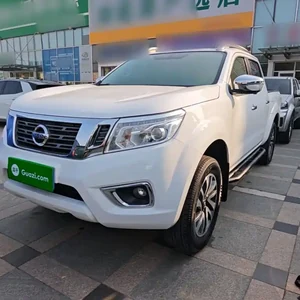
Live Nissan Navara export inventory
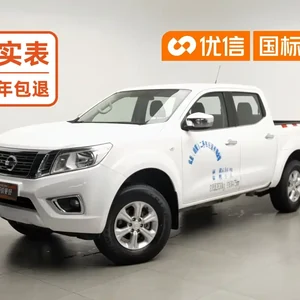
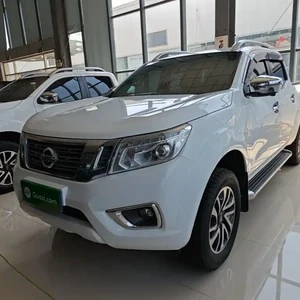
View all listings →Real units currently on ChinaCarDirect with per-unit asking prices and MOQ. Availability updates live from the catalogue.
How to buy a Nissan Navara from China
-
1
Define the operating requirement
Record payload, towing, route surface, cab and bed needs, transmission preference and destination country. This prevents a visually attractive trim from being selected ahead of fleet requirements.
-
2
Filter the live inventory
Use the Nissan Navara listings and compare model year, trim, drivetrain, transmission, condition and mileage. Open the individual record; category pages do not replace unit-specific confirmation.
-
3
Request documents and inspection evidence
Ask for VIN or chassis details, a specification sheet, service history where relevant, photographs and inspection findings. For used units, request evidence of accident repair, corrosion, leaks, tire, braking and driveline condition.
-
4
Build the landed quote
Ask the supplier to state vehicle price, MOQ, allocation, Incoterm, freight, insurance, port charges, tax and duty responsibility, and payment milestones. Treat local taxes and duties as separate until confirmed by destination rules.
-
5
Verify the order and payment
Review the pro forma invoice, beneficiary details, cancellation terms and inspection clause against the selected SKU. Pay only through the verified channel and retain the contract, inspection report and correspondence.
-
6
Prepare loading and import
Confirm LHD or RHD, VIN, plate recognition, homologation documents, carrier booking, cut-off dates and customs broker requirements. Complete agreed export preparation, then reconcile vehicle condition and documents before release.
Navara vs rivals
| Toyota Hilux | The Hilux is a leading global benchmark in this class, with market-specific body, engine and drivetrain choices that may benefit from extensive local service familiarity. Choose it when its locally approved configuration, parts access or resale network outweighs the Navara's specific 2.5-litre and trim advantages. |
|---|---|
| Ford Ranger | The Ranger is a direct competitor with broad configurations and a recognizable international model name. It may suit buyers already familiar with its service or resale market; the Navara is more compelling when its verified drivetrain, automatic transmission or trim better matches the duty cycle. |
| Isuzu D-Max | The D-Max is a credible work-focused rival, especially in markets where diesel versions and established Isuzu servicing align with demand. The Navara offers a different mix through its 2.5-litre QR25, automatic and manual versions; compare local-approved specifications and ownership costs before choosing. |
Frequently asked questions
How is the Nissan Navara export price determined?
Export pricing starts with the vehicle's year, trim, engine and transmission, drivetrain, mileage, condition and options. Exchange rates, domestic handling, freight, insurance, port charges, taxes, duties and the Incoterm can change the final payable amount. Check the current Nissan Navara live listings on ChinaCarDirect for the per-unit price, then request a written quote that states what is included.
What engine and powertrain options are available?
The export inventory shown here includes 2.5-litre QR25 versions with automatic or manual transmission and 2WD or 4WD configurations; some names also use 4x4 or AWD wording. These are combustion-powered vehicles, so there is no battery range or charging figure to compare. Confirm the exact engine, gearbox, driveline and consumption documents for the selected vehicle.
Should I buy a new or used Nissan Navara?
A new example offers a more standardized condition and may carry clearer warranty arrangements, but it does not remove the need for specification verification. A used vehicle can reduce the acquisition outlay and provide a known configuration, but mileage, wear, accident history and repair risk require careful inspection. Compare equivalent trims and include condition risk, freight, tax and expected maintenance in the landed-cost calculation.
What is the MOQ and can I order a single unit?
The MOQ is set on the live vehicle and may reflect a supplier's packing or release rule. A single-unit purchase may be possible when the listing permits it, while a batch or container consolidation can require several matching vehicles. Do not assume a catalogue-wide MOQ: check the quantity field on the selected listing and have the supplier confirm any allocation, substitution and release conditions in the quote.
What affects shipping time and cost?
Shipping time and cost depend on route, port and vessel schedules, vehicle dimensions, documentation, cargo preparation, insurance, port charges and the agreed Incoterm. Transit can change through congestion, customs or sailing substitutions, so obtain a current freight quotation rather than a fixed delivery promise. The seller should identify the carrier, booking, cut-off dates and documents required for release.
How do I source spare parts for an imported Navara?
Match spare parts to the exact trim, model year, drivetrain, gearbox and production batch, using the supplier's part number or original equipment reference where possible. Ask whether parts are available before committing to a vehicle, and confirm that aftermarket alternatives meet local safety and emissions requirements. Parts can be consolidated with the vehicle shipment where the carrier permits, but compatibility should never be assumed from the Nissan badge alone.
Is right-hand-drive Navara availability guaranteed?
RHD examples depend on the production batch and individual supplier inventory; they are not guaranteed by the model name. State the required steering side in the RFQ and request clear photographs of the steering wheel, instrument cluster and identification plate before payment. Also verify local registration and insurance treatment, because mechanical availability does not by itself establish legal importability.
How do I order a Nissan Navara from China?
Start with a live ChinaCarDirect listing, confirm the unit specification and condition, and submit an RFQ with destination, quantity, LHD or RHD requirement and Incoterm preference. Review the written quote, vehicle allocation, inspection right, payment milestones and shipping documents before paying a deposit. The final invoice and agreed documents should match the selected vehicle and the live listing record.
Ready to source the Nissan Navara?
Send ChinaCarDirect your destination, quantity, LHD or RHD requirement and preferred Navara configuration for a current unit-specific quote.
Request a quote