
Nissan GT-R Export Buying Guide for Overseas Dealers
Nissan GT-R export buying guide for overseas dealers, covering trims, powertrain choices, used-car checks, live pricing, MOQ, shipping and market compliance.
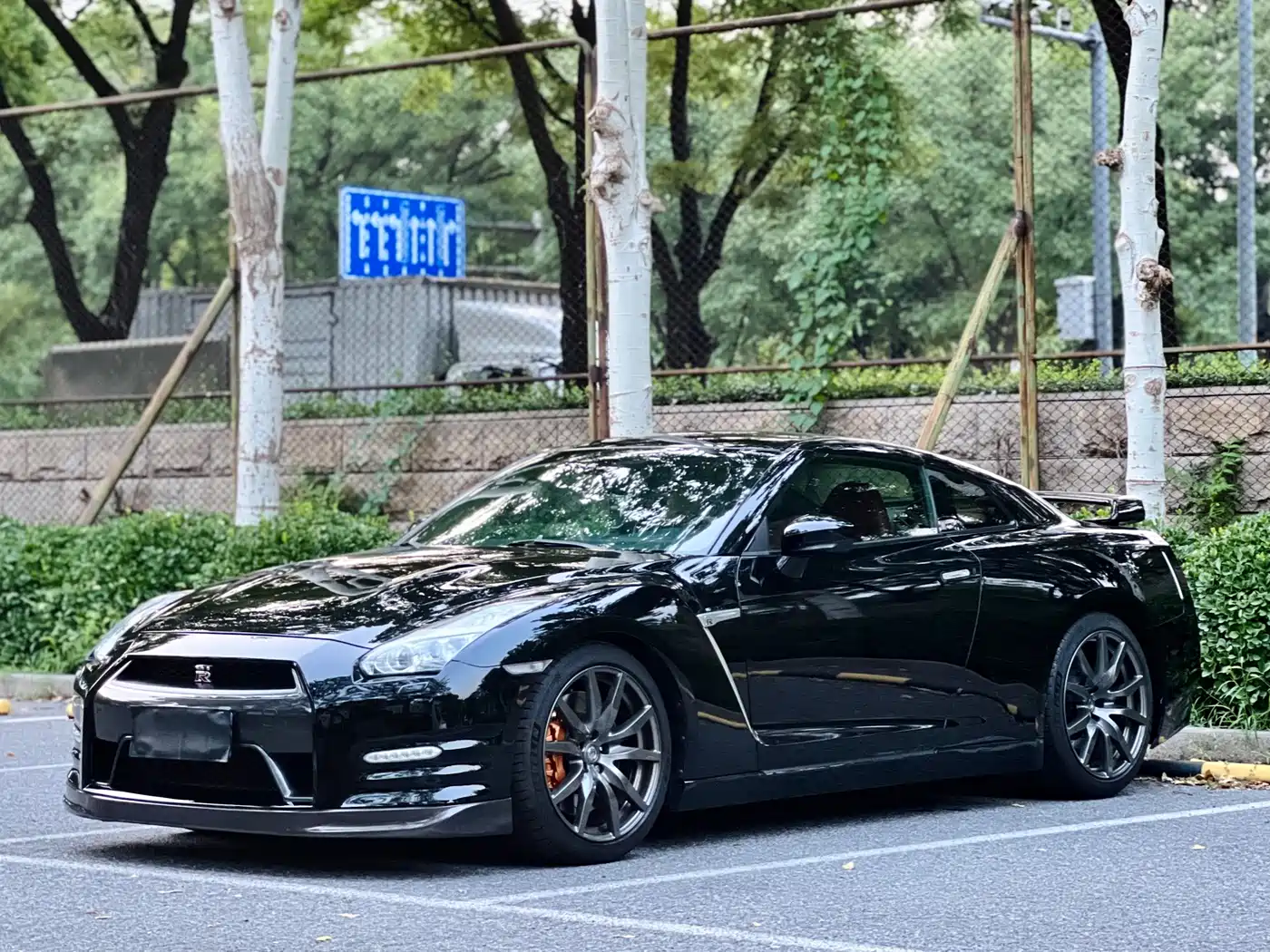
At a glance
- The R35-era GT-R pairs a front-mounted 3.8-liter twin-turbo V6 with a six-speed dual-clutch transmission and all-wheel drive.
- Its 2+2 coupe layout broadens the supercar proposition, while specialist running costs limit it to a narrower ownership profile.
- Premium, Flagship, Base and special-interior labels require VIN-level confirmation because export specifications can differ by source market.
- A new-versus-used choice should be driven by documented provenance, condition and service history rather than category labels alone.
- Use live inventory for current per-unit pricing and MOQ, then add freight, duties, insurance and compliance costs for a landed comparison.
Why the Nissan Gt-r matters for export markets
The Nissan Gt-r occupies a distinctive place in the performance-car market: a high-output, all-wheel-drive sports coupe that combines rapid acceleration with a usable 2+2 cabin and long-distance touring ability. That combination gives it broader appeal than many two-seat, mid-engine halo cars. For overseas dealers, it is a recognizable performance product with strong visual and brand appeal. Its export proposition nevertheless depends on careful market matching, compliance planning and specialist after-sales support. The model can suit customers who need occasional rear seating and all-weather confidence, although those benefits should not be confused with true off-road capability.
Demand is not simply a function of headline performance. Export buyers also assess whether the car fits local driving habits, fuel availability, parking constraints and service capability. The Gt-r is most persuasive where performance is sold as an all-season grand tourer rather than a track-only machine. It can also support premium dealership positioning, corporate hospitality fleets and affluent private buyers. A specialist importer, however, should resist assuming global recognition automatically creates immediate local demand. Marketing should therefore be model-specific: the car’s age, specification and service proposition may matter as much as its performance badge.
Against that backdrop, the GT-R should be presented as a carefully sourced niche product rather than a generic supercar. The most attractive examples combine coherent factory specification, documented service history, clear title and ownership and photos that verify the actual vehicle. Less obvious examples can be attractive to knowledgeable buyers but require deeper inspection and acceptance of model-specific maintenance. The export decision must therefore balance aspiration against long-term ownership risk. Buyers who want to buy Nissan Gt-r from China should treat a live listing as the starting point, not a substitute for inspection and the destination market’s rules.
- 2+2 grand-touring layout with all-wheel-drive traction
- Strong brand appeal, but specialist rather than mass-market demand
- VIN-level condition and provenance checks are essential
Model range, trims and powertrain variants: how the lineup is structured and how to choose
The export lineup should first be read as an R35-era Nissan GT-R range with different market trims and equipment packages. Visible listing names include Base Model, 3.8T Premium Edition, 3.8T Flagship Edition and Luxury Brown-Red Interior variants. Those labels are useful starting points, not substitutes for VIN-level verification. Across the range, the defining layout is a front-mounted 3.8-liter twin-turbocharged V6, six-speed dual-clutch automatic and all-wheel drive. This layout supports the model’s balance of acceleration, traction and touring usability. It is a gasoline powertrain, so electric range is not an applicable purchase criterion.
Trim choice should begin with mechanical condition, then cosmetic preference. Premium and Flagship examples may differ in factory equipment, upholstery and specification, but a trim name alone does not prove the condition of individual parts. Luxury Brown-Red Interior versions can add visual appeal, yet buyers should verify whether the cabin is original and whether all specified materials are present. The Base Model label may indicate a different equipment level rather than a mechanically different GT-R. Because export catalogues can mix trims from different source markets, compare documents, photos and option lists before selecting.
Power output and minor calibration can vary by market and model year, so buyers should not rely on a generic headline figure. The stable decision points are the 3.8-liter twin-turbo V6, six-speed dual-clutch and all-wheel-drive system, plus confirmation that all components are present and operate correctly. There is no EV range variant to choose for this vehicle; fuel consumption and usable range depend on condition, wheel and tire choice, driving style and local fuel availability. Ask the seller for the VIN, production date, equipment list, service records and a current cold-start demonstration.
- Core mechanical identity: 3.8-liter twin-turbo V6
- Six-speed dual-clutch automatic and all-wheel drive
- Trim labels vary by source market; verify VIN and equipment
New vs used Nissan Gt-r: how export inventory is structured and how buyers choose
Export inventory is separated into new and used categories, but the label must be interpreted as a selling claim rather than proof of the vehicle’s history. Newer catalogue entries may represent formally described new vehicles, while older examples can carry different provenance and condition classifications. For the Gt-r, buyers should focus on the year description, condition, mileage if stated and seller documentation rather than the category badge alone. Parallel imports, reconditioned vehicles and self-described “new” units can look similar in a search result. Only documented vehicle history can establish what the designation means.
A buyer choosing a new-described GT-R should ask whether it has ever been registered, road-operated or modified, and how residual warranty is handled. The appeal is simpler presentation and potentially more predictable initial condition, but history may still be incomplete. A used example can be better value for a buyer who accepts visible wear and prioritizes inspection and service evidence over cosmetics. Performance cars are often maintained or modified by enthusiasts, so prior-ownership records and inspection findings can outweigh age labels. Compare quotes on equivalent condition, not simply the newest or lowest advertised headline.
Remote purchase raises the importance of a consistent inspection protocol, especially for a high-performance coupe. Ask for a cold start, operation of every electronic function, an underbody inspection, photographs of known wear areas, and evidence of accident repair, aftermarket exhausts or tuning. Service records should connect to the VIN and reveal consistent servicing, while ownership gaps need explanation. Where local inspection is impractical, consider an independent pre-shipment inspection and a contract that makes the standard binding. Walk-around and compression or leak testing should be agreed before final payment.
How export pricing works: the factors behind a live listing price, and how to read one
An export price for a Nissan Gt-r is not a fixed factory value and should be read as a transaction-specific quote. The model year, trim, factory options, condition, mileage, service history and ownership status can materially affect value, while exchange rates and shipping costs influence the landed total. In addition, import duties, taxes, port fees, insurance and destination compliance work may sit outside the advertised figure. Sellers may also price differently according to Incoterm, delivery scope and payment terms. Therefore, the export price guide should be used as a methodology, not a number.
When reading a live ChinaCarDirect listing, compare the VIN or stock reference, year, trim, condition, mileage and every visible option against similar examples. Check whether the displayed amount is an asking price, dealer price or sale price, and whether it includes domestic transport, export documentation, customs clearance or international freight. Ask for the applicable Incoterm named on the pro forma invoice rather than relying on an unexplained “export” label. A quote that appears lower but excludes freight, tax and compliance may be less economical than a higher, transparent quote.
Buyers should build a landed-cost worksheet with the vehicle price, inspection, transport, insurance, duties, taxes, port handling and registration shown separately. Request written validity for the quote and clarify whether a deposit is refundable and when the balance becomes due. Market conditions can move between initial inquiry, shipment and arrival, so the contract should state which exchange-rate or repricing mechanism applies. Live inventory is where the current binding per-unit price and availability must be confirmed, while scenario analysis should remain deliberately assumption-based. In other words, compare like-for-like landed offers rather than headline numbers.
- Compare year, trim, options, condition, mileage and history
- Confirm whether freight, tax and clearance are included
- Use the live listing for the current per-unit quote
MOQ, ordering and payment: single units vs consolidating a container
Minimum-order requirements are seller- and listing-specific, so a Nissan Gt-r export price guide should not imply a universal catalogue quantity. The live unit page should state whether one vehicle can be ordered directly or whether the seller groups stock under a commercial lot. For a niche performance model, a single-unit purchase may be easier to justify than excess inventory, but the terms still need written confirmation. Ask whether the quoted MOQ applies to each trim or the seller’s whole export batch, and whether mixed trims or model years can share one shipping consolidation.
Container consolidation can reduce per-vehicle transport overhead when several buyers agree on a shared origin and delivery plan. For GT-R units, however, it adds complexity because each vehicle may differ in trim, condition, paperwork or final destination, requiring separate contracts and customs entries. Financing several high-value cars also ties up capital and increases exposure if a buyer defaults or a unit fails inspection. Consolidation makes more sense for an importer buying meaningful wholesale stock or for buyers sharing an agent at the same port. Individual specialist purchases should compare freight savings against administration and risk.
A safe ordering sequence starts with identity and vehicle verification, followed by a written pro forma invoice and sales contract. The contract should identify the exact vehicle or VIN, trim, condition, price, Incoterm, payment milestones, inspection standard, required documents and what happens if the vehicle fails inspection or cannot be exported. Use verified corporate details and a protected payment method with documented refunds rather than informal transfers to individuals. Confirm title, ownership, liens, export eligibility, clearance and insurance before releasing final payment, keeping every document in one file for the transaction.
Shipping, homologation and market compliance caveats: LHD/RHD and market compliance caveats
Import begins with steering configuration because the GT-R is offered in left-hand-drive and right-hand-drive forms depending on source market. China export listings should state the hand of drive clearly, and buyers should verify it from the steering wheel, dashboard and VIN rather than infer it from a photograph. Right-hand-drive availability is not guaranteed for every trim or live listing, so confirm before paying. Import rules are country-specific, including age and emissions limits, safety requirements, customs value rules and the registration process. Road legality in the origin country does not guarantee straightforward local registration.
Homologation and paperwork should be treated as a project, not an administrative afterthought. Request the VIN, production date, original sales invoice or ownership documents, emissions and conformity information, service history and any export permission required in the source market. The receiving authority may require inspection, emissions testing, noise measurement or modification approval, while some markets restrict what may be imported under a given age category. Ask a qualified local customs broker to confirm documents and probable routes before committing. Altered exhausts, non-original wheels, suspension changes and tinted glass can affect compliance, value or insurance.
Transport planning should account for low ground clearance, low-profile tires and performance hardware rather than treating the GT-R as a generic enclosed car. Ask the forwarder about vehicle-height limits, tie-down requirements, secure loading and routes requiring special handling. Sea freight is often cost-efficient for one car, but insurance, transit time and destination charges vary; specialist enclosed transport may be faster and more expensive. Combine shipping with pre-shipment inspection, customs advice and original-document retention. The goal is not merely to land the car, but to preserve its condition, legality and market value.
- Confirm left- or right-hand drive before contracting
- Local homologation and customs rules vary by destination
- Plan secure transport around low-profile performance hardware
Who should buy the Gt-r — and who should pick a different vehicle
The Gt-r suits buyers who want a recognizable supercar alternative with all-wheel-drive traction, strong acceleration and the practical benefits of a 2+2 coupe. It is particularly relevant for importers serving customers who need occasional rear-passenger space or more wet-weather confidence than a rear-drive sports car provides. Company hospitality and executive fleets may find the combination of image and usability useful, provided fleet policies and local taxation are checked. For enthusiasts, it offers a coherent high-performance package rather than a collection of cosmetic changes. That breadth is its central export selling point.
It is a poor fit for buyers whose priority is minimum running cost, maximum cargo space, high fuel efficiency or easy city parking. The powertrain can demand premium fuel, while insurance, tires, servicing and depreciation may be substantial for a high-output car. Rear seats are secondary rather than a reason to choose it over a luxury sedan or SUV. Buyers focused primarily on track use should confirm that the specific car’s brakes, cooling, tires and modification history are appropriate. It is also a poor choice when cross-border parts support or local technician access is weak.
Before ordering, an overseas buyer should model the total ownership proposition, not merely the purchase quote. Ask for current market parts prices for tires, fluids, filters, brakes and scheduled service items, plus realistic lead times for unavailable components. Local labor rates, insurance classification, tax treatment and inspection requirements can be as decisive as the vehicle itself. A strong residual market may help, but specialist demand is narrower than for mainstream cars. This makes condition, provenance and after-sales support more important to long-term value. The narrow buyer pool also rewards transparent condition reporting.
- Best for buyers wanting supercar pace with 2+2 usability
- Weak fit for lowest running cost and maximum practicality
- Service access and parts planning strongly affect ownership
Main rivals and how the Gt-r compares
The closest alternatives are not mechanical twins because the GT-R combines a front-mounted turbocharged engine with four-seat grand-touring usability. Its broader supercar peers include the Porsche 911 Turbo, Mercedes-AMG GT 63 S and Audi R8 V10 Performance. Each offers a different identity through design, dynamics and brand positioning, so comparison should focus on priorities rather than one headline figure. The GT-R is distinctive for combining all-wheel drive, a high-capacity cabin and a turbocharged V6. It is less conventional than a mid-engine exotic, although its rear seats remain a secondary consideration.
Against the Porsche 911 Turbo, the GT-R offers a more overtly supercar-style design, a more usable four-seat cabin and a different engineering proposition. The Porsche has a more established global sports-car identity, while the Nissan is immediately recognizable by its all-wheel-drive layout and turbocharged V6 character. Buyers who value a familiar badge and extensive service familiarity may prefer the Porsche; those seeking more visual drama and rear-seat utility may prefer the GT-R. Neither brand removes the need to verify the exact imported vehicle’s history, specification and local compliance before shipment.
Against the Mercedes-AMG GT 63 S and Audi R8 V10 Performance, the GT-R generally emphasizes accessible all-weather pace and a usable rear cabin over the drama of a mid-engine layout. The Mercedes and Audi offer stronger emotional and design differentiation with compact proportions, but their ownership and sourcing propositions differ by market. A buyer should compare seating needs, cargo practicality, service access and genuine homologation rather than assuming badge value guarantees suitability. The right test is a documented purchase that remains compliant, valuable and enjoyable after all landed costs are paid.
- Porsche 911 Turbo: more conventional global sports-car identity
- Mercedes-AMG GT 63 S and Audi R8 V10 Performance: mid-engine alternatives
- Compare seating, service, compliance and landed cost
Live Nissan Gt-r export inventory
View all listings →Real units currently on ChinaCarDirect with per-unit asking prices and MOQ. Availability updates live from the catalogue.
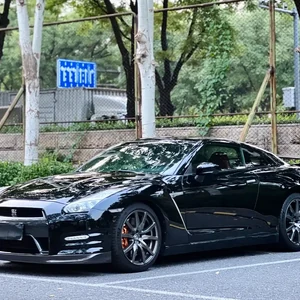
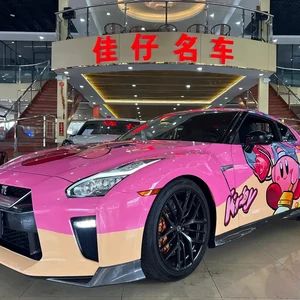
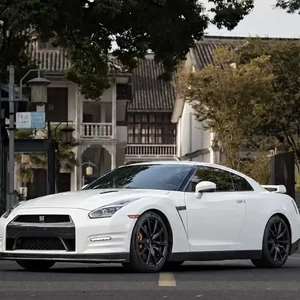
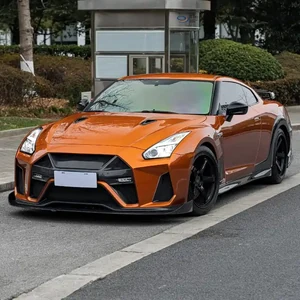
Nissan Nissan GT-R 2014 3.8T Premium Edition (Brown-Red Interior)
How to buy a Nissan Gt-r from China
-
1
Choose the destination and steering layout
Confirm the destination country, left- or right-hand-drive requirement and likely registration route before shortlisting vehicles. A locally compliant destination configuration cannot be assumed from the listing title.
-
2
Shortlist an exact vehicle
Use the live Nissan Gt-r inventory to review the VIN or stock reference, model year, trim, condition, mileage and seller description. Compare multiple listings rather than relying on one exceptional example.
-
3
Confirm trim and mechanical identity
Request the equipment list, production information and clear images of the powertrain, cabin, wheels and body. Check that the expected 3.8-liter twin-turbo V6, dual-clutch transmission and all-wheel-drive system are represented correctly.
-
4
Order inspection and a landed quote
Request an independent inspection and a written, itemized quotation identifying the Incoterm and any exclusions for freight, insurance, tax, customs and clearance. Compare complete landed scenarios rather than vehicle prices alone.
-
5
Validate title and compliance
Have the VIN, ownership documents, invoices, service records and export permissions reviewed by the seller and a qualified destination-market customs broker. Resolve age, emissions, safety and modification questions before final payment.
-
6
Pay under a written contract
Use verified seller details, protected payment channels and agreed deposit and balance milestones. State the inspection standard, document requirements, refund conditions and remedies if the vehicle cannot be exported.
-
7
Book transport and retain export records
Select a carrier experienced with performance vehicles and confirm secure loading, tie-downs, insurance and destination charges. Keep the original invoice, title documents, inspection report and shipping file for registration and future resale.
Gt-r vs rivals
| Porsche 911 Turbo | The 911 Turbo may suit buyers who prioritize an established global sports-car identity and familiar service network. The GT-R is visually more supercar-like and emphasizes all-wheel-drive V6 character, but the two should be compared by exact market specification, condition and landed ownership cost. |
|---|---|
| Mercedes-AMG GT 63 S | The AMG GT 63 S is a more design-led, rear-engine alternative with a closely related performance purpose. The GT-R emphasizes all-wheel-drive traction, turbocharged V6 character and a conventional front-engine layout, while both cars retain limited rear-seat and cargo practicality. |
| Audi R8 V10 Performance | The Audi R8 V10 Performance competes through dramatic styling and a mid-engine V10, although availability varies by market and production status. The Nissan offers a more conventional coupe shape, all-wheel drive and a defined 2+2 layout for buyers focused on usability rather than a rare mid-engine experience. |
Frequently asked questions
How is the Nissan Gt-r export price determined?
Export pricing reflects year, trim, equipment, condition, mileage, service history, ownership status, exchange rates and the agreed Incoterm. Freight, insurance, duties, taxes, port charges and compliance work may sit outside the vehicle price, so compare landed totals. Current per-unit prices and availability are shown on the live ChinaCarDirect listings.
What engine, transmission and range does the Gt-r have?
The GT-R uses a front-mounted 3.8-liter twin-turbocharged V6 with a six-speed dual-clutch automatic and all-wheel drive. It is a gasoline vehicle, so EV driving range does not apply; usable range depends on the fuel tank, condition, tires and driving. Rated output and calibration can vary by market and year, so verify the VIN documentation.
Is a new-described Gt-r always better than a used one?
No. New classification may provide cleaner presentation and more predictable initial condition, but registration history, modifications and warranty treatment still require verification. A used example can offer better value when supported by strong inspection results, documented service history and clear ownership.
What is the MOQ for a Nissan Gt-r wholesale order?
MOQ is set by the seller and listing, so there is no universal Nissan Gt-r wholesale quantity to assume. A specialist unit may be offered individually, while a batch seller may require more. Check the MOQ on the live unit and reproduce it in the pro forma invoice and sales contract.
What affects shipping time and cost?
The transport route, vehicle dimensions, loading method, insurance, port charges, customs work, documentation and destination-handling requirements all affect the result. Sea freight is often economical for one vehicle, while specialist enclosed transport can offer a different balance of speed, security and cost.
Can spare parts be sourced for an imported Nissan Gt-r?
Parts support depends on the destination and the car’s age, specification and service history. Common service consumables may be easier to obtain, while trim-specific or accident-repair components can take longer, so verify supplier access before committing to a vehicle that needs substantial work.
Is right-hand-drive Nissan Gt-r availability guaranteed?
No. Right-hand-drive availability depends on the source market, model year and trim, and it is not guaranteed for every live listing. Confirm the steering configuration from the VIN and physical vehicle before paying, then check whether that configuration is acceptable for local registration and use.
How do I order a Nissan Gt-r from China?
Shortlist an exact vehicle, request current photographs and documents, commission an inspection and obtain a written landed quotation. After verifying title, export eligibility and destination compliance, use a protected payment process under a contract that identifies the vehicle and remedies for failure. The seller can then arrange booking, export clearance and transport against the agreed Incoterm.
Ready to source the Nissan Gt-r?
Request current Nissan GT-R export quotes, unit photographs and VIN-level documentation through ChinaCarDirect.
Request a quote