
Nissan Kicks Export Guide for Overseas Buyers
Nissan Kicks export guide for dealers and fleet buyers: compare trims, pricing factors, MOQ, shipping, compliance and direct purchase options.
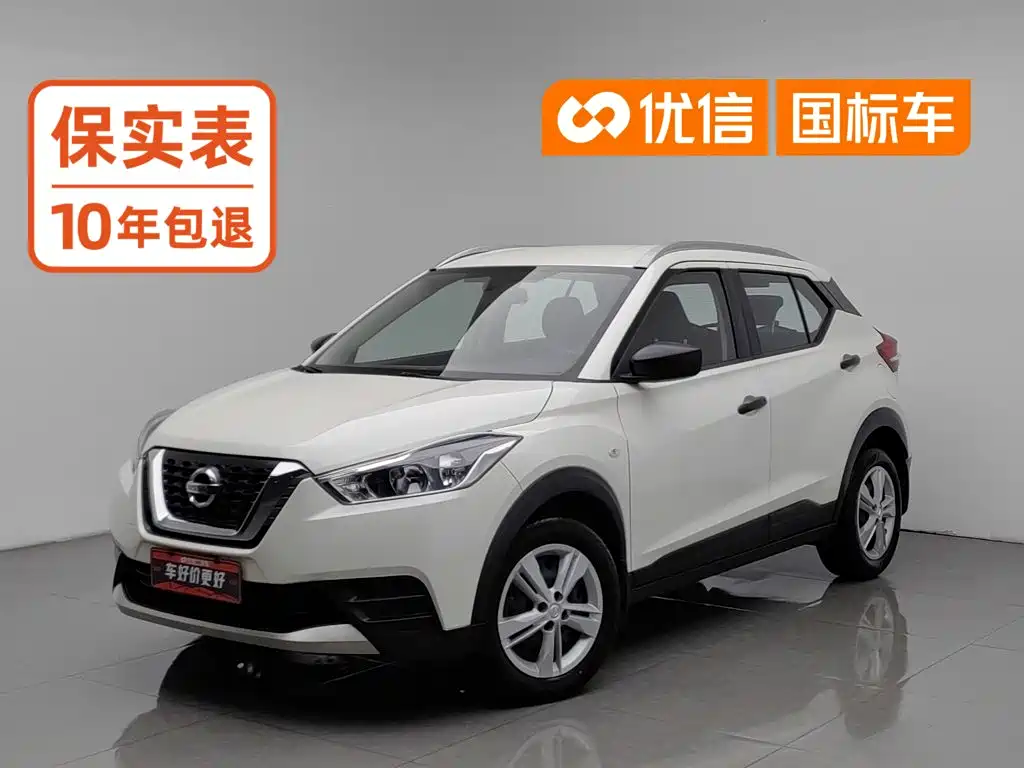
At a glance
- The Kicks is a front-wheel-drive compact crossover built around a 1.5L petrol engine.
- CVT and manual variants suit different driver and fleet preferences.
- Trim labels are market-specific, so verify equipment, VIN and build details.
- New and used units involve different inspection, preparation and warranty considerations.
- Landed cost includes more than vehicle price: freight, insurance, duties, taxes and compliance.
- Check each live listing for the current unit price, MOQ and availability.
Why the Nissan Kicks matters for export markets
The Nissan Kicks sits in the subcompact or compact crossover segment, combining a relatively compact footprint with SUV cues that appeal to private buyers and fleets. Its export relevance is practical: a 1.5L petrol powertrain is familiar to many markets, while the five-seat format suits urban transport, commercial use and mixed paved-road duties. For overseas dealers buying Nissan Kicks from China, the appeal lies in adding an economical Nissan-badged vehicle without moving into the cost and footprint of a larger SUV. That positioning also creates a clearer comparison set against small crossovers from Hyundai, Kia and Ford.
Global demand for the Kicks is less about a single specification than its ability to serve several buyer missions. A dealer can use one model family for private customers, company fleets and ride-hailing, while buyers who value ground clearance and a raised driving position may prefer it to a low sedan. The model’s continued presence in multiple international markets also gives some buyers confidence in Nissan’s brand recognition, resale conventions and service ecosystem, although aftersales support still needs verification before inventory is committed or vehicles enter service in the target market.
For fleet buyers, operating rather than acquisition cost is the central question. The 1.5L engine, available with CVT or manual transmission depending on trim, offers a choice between convenience and mechanical simplicity. A CVT can reduce driver workload in stop-and-go traffic; a manual may appeal where familiarity or fleet policy favors it. Neither choice removes the need to verify fuel economy, maintenance intervals, payload and local fuel standards on the exact unit. The same model name can also carry different equipment levels and market-specific homologation, so configuration discipline matters as much as headline power.
- Compact urban crossover format.
- CVT and manual options.
- Confirm aftersales support.
Model range, trims and powertrain variants: how the lineup is structured and how to choose
The Kicks export range represented through China is structured around 1.5L petrol versions, with CVT-equipped trims across much of the range and a manual variant also available. Names such as Smart Edition, XV, Luxury, Fashion, Cool Enjoy and Spirited/Dynamic identify market packages rather than a single global trim hierarchy. Because equipment labels may not map cleanly to another country, buyers should compare the written equipment list, VIN and build information rather than infer features from a translated badge. A verified specification sheet is more valuable than a marketing-style trim name for procurement decisions.
The powertrain decision is more consequential than the badge. The 1.5L naturally aspirated engine is paired with a CVT on many trims, while the XE Manual CoolDrive listing shows that a manual alternative exists. CVT units are generally easier for broad international driving familiarity and urban traffic; manual units can suit drivers or fleets that want direct gear selection. Neither gearbox should be selected solely from the listing title: confirm the actual transmission, engine code, clutch condition, service record and roadworthiness on each vehicle before final payment is released in full.
Smart Connect and SmartLink-labelled versions point to an infotainment-oriented package, while Luxury and Fashion-labelled trims should be treated as market-specific grades until their contents are documented. Overseas buyers should obtain a complete option list covering infotainment, air conditioning, safety equipment, wheels, upholstery and driver-assistance functions, then compare those items with local expectations. If equipment is missing or incorrect, insist on written confirmation and an inspection before shipment. This is especially important where software language, electrical standards or regional safety requirements differ. The same trim name can conceal different content across production periods.
- Verify VIN and powertrain.
- Trim names vary by market.
- Request documented equipment lists.
New vs used Nissan Kicks: how export inventory is structured and how buyers choose
Export stock can include new dealer units, ex-demonstration vehicles and used cars entering the channel through trade-in or fleet disposal. New vehicles generally offer more consistent paint, interior condition and wear history, whereas used vehicles can suit buyers seeking a lower acquisition basis or a specific year configuration. Neither category is automatically safer for import: a newer car may have less long-term reliability history, while an older used unit needs closer scrutiny of wear, previous repairs, missing equipment and the validity of any remaining warranty. Transferability also varies by market and supplier.
For a used Kicks, the inspection should move beyond appearance. Ask for engine oil, coolant, brake, tyre and transmission evidence; verify that the VIN matches the dashboard and documents; and check for accident repair, flood exposure, corrosion or dashboard warning codes. A used unit may also carry a lower vehicle price but a higher preparation budget because of service, tyres, cosmetic work or missing accessories. Compare that likely total cost with a newer alternative, rather than comparing only the headline selling price, under the same delivery and compliance assumptions as the benchmark.
New inventory is usually easier to standardize for fleet presentation and resale, especially when several units must share paint, trim and equipment specifications. It can also make pre-delivery inspection and accessory planning more straightforward because wear and prior repairs are absent from the record. However, age is not the only quality variable: storage exposure, low-voltage battery or fluid condition, production date, shipping damage and incomplete dealer preparation can affect any unit. Fleet buyers should apply the same inspection standard regardless of the new or used label before vehicles are committed to a launch.
- Used units need deeper checks.
- New units ease standardization.
- Compare preparation cost, not price.
How export pricing works: the factors behind a live listing price, and how to read one
A Nissan Kicks export price reflects several interacting variables rather than a fixed price for the model name. Production year, trim grade, 1.5L engine specification, CVT or manual gearbox, mileage, condition, paint choice and equipment all affect value. For used cars, service history and repair evidence can move the equation further. Sellers may also adjust quotations for sourcing costs, exchange rates or market demand, so units with similar names should not be assumed to have equivalent terms until the live vehicle is inspected and the quote reconfirmed in writing.
Buyers must establish what the listing price includes. One quotation may cover the vehicle only, while another may incorporate inland transport to the origin port, export clearance, documentation, marine insurance or freight under a named Incoterm. Destination handling, customs duty, taxes, registration and compliance work may sit outside the displayed vehicle price. Ask the seller to provide a written landed-cost breakdown so a cheap vehicle is not offset by freight, storage, repair or import charges that were never compared against the intended delivery port and date for proper contingency planning.
The correct way to read a live listing is to treat it as the starting point for a transaction-specific quote. Confirm the VIN, model year, trim, gearbox, mileage, condition, steering side, included accessories and production status; then compare the Incoterm and every stated charge against the buyer’s destination. Currency conversion alone does not make two offers equivalent because payment timing, bank charges and the exporter’s risk allocation may differ. Use current per-unit prices on ChinaCarDirect, request a written quotation, and reconfirm the binding amount before placing funds or issuing shipping instructions.
- Separate vehicle and freight costs.
- Confirm Incoterm and duties.
- Reconfirm live pricing in writing.
MOQ, ordering and payment: single units vs consolidating a container
Minimum order quantity is a commercial and operational decision, so it should be read on each unit rather than assumed for the Kicks model. Some export listings may be available to a single professional buyer, while others require multiples, a mixed batch or a full-container quantity. A one-unit purchase can suit a dealer testing demand or a fleet filling a small need; consolidating vehicles can reduce handling, inspection and freight costs per unit, but it increases capital exposure and the need to keep every vehicle saleable at a consistent specification.
For a multi-vehicle wholesale order, standardize the mix before requesting freight. Decide the required year band, trim hierarchy, gearbox, color, equipment and acceptable condition, then ask the supplier to allocate VINs against that brief. A written pro forma invoice should identify each vehicle, the agreed unit price, quantity, Incoterm, payment schedule, production or stock status, inspection rights and documents required. Avoid approving a generic container total: individual allocations can differ, and a substitution can create resale or compatibility problems if it is not disclosed before payment or contradicted by the final packing list.
Payment sequencing should follow evidence and risk, not simply habitual percentages. A buyer can reserve the allocated VIN after receiving the pro forma invoice, pay only through the agreed channel, and make the balance conditional on inspection, document verification and satisfactory loading evidence. The precise deposit, balance triggers, acceptable payment method and cancellation terms are transaction-specific, so they must appear in writing. For unfamiliar counterparties, verify business identity, bank-account ownership and the exporter’s authority to sell before transferring funds, and retain every invoice and inspection record for later destination claims or dispute resolution.
- Check each listing’s MOQ.
- Assign VINs to the brief.
- Condition payment on inspection.
Shipping, homologation and market compliance caveats: LHD/RHD and import rules by country
Sea freight is the usual starting point for a complete Kicks shipment, with containerized or roll-on/roll-off handling selected according to the vehicles’ dimensions, origin port, carrier and cargo plan. Kicks units are ordinarily carried as finished vehicles rather than loose parts, so securement, lashing, drainage, weather exposure and handling at both terminals matter. Freight cost varies with route, vessel space, booking timing, terminal charges, insurance, port pairs and the number of units that can be consolidated. The delivery date should be calculated from these stages, not from the payment date alone.
Before choosing left- or right-hand drive, check the actual vehicle rather than the country of sale. The Kicks range has been produced for different steering configurations, and Chinese export stock may not match the importer’s road pattern. Request clear photographs of the steering wheel and VIN plate, and state the required configuration in the purchase order. A mismatch can limit registration, affect availability of controls or require costly conversion and inspection. RHD demand should therefore be handled through a confirmed VIN allocation, not assumed from the model name or a generic market photograph.
Import eligibility is determined by the destination authority, not by the seller’s assurance that a vehicle is “export ready.” Buyers should obtain an official or specialist compliance opinion covering VIN and title documents, customs classification, emissions, noise, safety, software and local type approval. Chinese-market equipment may not directly satisfy European, British, North American or other national rules. In the United States, a Chinese-market Kicks should not be assumed equivalent to a locally approved Nissan Rogue Sport. Modification, bond, inspection or refusal risk must be priced before the vehicle is committed.
- Verify VIN-specific steering side.
- Check destination type approval.
- Separate tax and compliance costs.
Who should buy the Kicks — and who should pick a different vehicle
The Kicks is a strong candidate for overseas dealers serving price-conscious city buyers who want SUV styling without the operating footprint of a larger vehicle. It also suits mixed fleets that need a conventional petrol powertrain, modest urban running costs and straightforward maintenance. A manual version may be appropriate where manual-transmission familiarity is valued, while CVT versions can reduce driver workload across mixed traffic. The decisive question is whether the target market values the Kicks’ compact crossover format more than the brand, refinement or powertrain alternatives it displaces. Local operating evidence matters.
It may be a poor fit for buyers whose priorities cannot be met by a 1.5L non-hybrid crossover. Those seeking battery range, plug-in charging or zero-emission compliance should choose an EV or electrified alternative instead. Operators needing heavy towing, high payload, commercial-duty durability, serious off-road capability or a large van-like cargo bay should also look elsewhere. The Kicks is designed around passenger mobility and paved-road use, so fitting it to those workloads would trade flexibility for a lower purchase price without addressing the actual requirement that the vehicle was not designed around.
Geography, infrastructure and service capability should also decide the outcome. Markets with broad Nissan service coverage, reliable petrol supply and established import infrastructure tend to make ownership easier. In remote or high-altitude regions, parts availability, fuel quality and engine calibration under local conditions deserve specific investigation; a naturally aspirated engine’s output may be less suitable where significant altitude correction is required. For fleet programs, pilot the exact specification, confirm maintenance intervals and parts access, and avoid scaling volume until real operating feedback supports it in that market before scaling further.
- Strong for urban petrol fleets.
- Weak for EV or heavy-duty needs.
- Pilot local operating conditions.
Main rivals and how the Kicks compares
The closest alternatives depend partly on how the Kicks is sold in the destination market, but compact crossovers from Hyundai, Kia and Ford provide the most relevant comparisons. Each competes on a similar need: an affordable, fuel-efficient, raised-body vehicle for private buyers and small fleets. Their ranking changes with safety equipment, ride comfort, boot usability, warranty, dealer support and local incentives. A Kicks sourced from China should therefore be judged on delivered specification and support, not simply on the familiar model badge or a visual resemblance at all in a stock brochure.
Against the Hyundai Venue, the Kicks generally offers a more substantial cabin and footprint for buyers who prioritize passenger room and a more substantial road presence. The Venue can still be attractive where a lower acquisition cost, compact parking footprint and efficient urban package lead the brief. Neither model removes the need to compare local safety ratings, warranty coverage and aftersales reach. For an importer, parts supply and the ability to support the model over several years may matter more than a small advantage visible at launch and during resale.
The Kia Stonic is another close alternative for style-conscious buyers and fleets comparing equipment levels within the same price and size class. The Kicks may appeal through its more traditional crossover shape, usable space and established Nissan identity, while Stonic specification and incentives can shift the commercial case. The Ford EcoSport, meanwhile, places relatively strong emphasis on practical loading and compact-SUV utility. Against either, the Kicks should win only if its selected trim, landed cost, service support and regulatory suitability are stronger for the intended market rather than by badge alone.
- Venue: smaller value alternative.
- Stonic: similar style-led rival.
- EcoSport: practical loading alternative.
Live Nissan Kicks export inventory
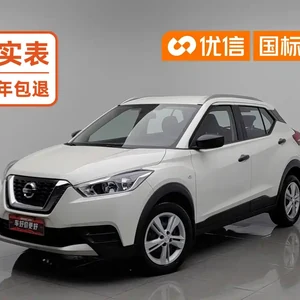
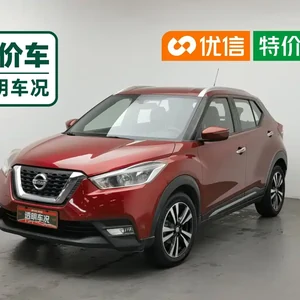
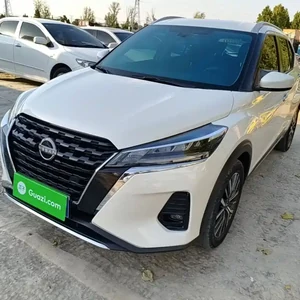
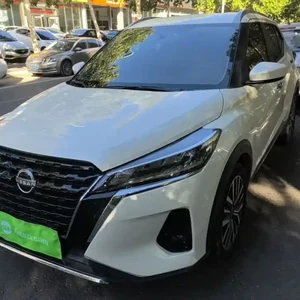
View all listings →Real units currently on ChinaCarDirect with per-unit asking prices and MOQ. Availability updates live from the catalogue.
How to buy a Nissan Kicks from China
-
1
Define the destination brief
Specify the destination country, LHD or RHD requirement, preferred trim and transmission, quantity, intended use and budget categories for freight, tax and compliance.
-
2
Shortlist live Kicks listings
Use ChinaCarDirect’s live Kicks listings to compare the current per-unit price, MOQ, availability, year, trim, gearbox, condition and available VIN or build information.
-
3
Request a written quotation
Ask for vehicle price, inland transport, export clearance, freight, insurance, destination charges, Incoterm, quote validity and the complete payment schedule.
-
4
Verify compliance and parts support
Confirm VIN and title documents, steering configuration, local type approval, emissions requirements, customs treatment and aftersales access before committing funds.
-
5
Confirm allocation and payment terms
Require a pro forma invoice that allocates each VIN, records the agreed condition and makes the final payment conditional on inspection and satisfactory documentation.
-
6
Complete pre-shipment inspection
Inspect or commission an independent check of the VIN, exterior, interior, fluids, tyres, warning codes, accessories and service records, with photographs retained.
-
7
Book freight and complete import
Agree the Incoterm, securement and insurance arrangements, export the vehicles, clear customs and complete local registration, inspection and delivery formalities.
Kicks vs rivals
| Hyundai Venue | The Venue is a smaller, value-focused compact crossover that can suit buyers prioritizing parking ease and lower acquisition outlay. The Kicks generally offers more passenger room and a larger footprint, so the decision should turn on trim equipment, delivered cost and local support rather than badge. |
|---|---|
| Kia Stonic | The Stonic competes directly in size, style and equipment-conscious fleet buying. The Kicks may suit buyers wanting more usable space and Nissan identity, while local Stonic incentives and service access can reverse that advantage. |
| Ford EcoSport | The EcoSport is a practical compact-SUV rival with a strong loading focus. Choose between them by comparing boot usability, safety equipment, powertrain familiarity, parts support and the landed cost of the exact imported specification. |
Frequently asked questions
How is the Nissan Kicks export price determined?
The export price is built from the specific vehicle’s year, trim, 1.5L engine and transmission, condition, mileage, equipment, exchange rate, freight, insurance and the agreed Incoterm. Current per-unit price, MOQ and availability are shown in ChinaCarDirect’s live Kicks inventory, but they are the starting point for a written, destination-specific quote rather than a guaranteed landed cost.
What engine, transmission and range does the Kicks have?
The vehicles represented in this range use a 1.5L naturally aspirated petrol engine, with CVT on many grades and a manual option on selected variants. They are combustion-engine vehicles, so battery capacity and electric driving range are not applicable; confirm the exact engine and gearbox from the VIN and listing.
Should an overseas buyer choose a new or used Nissan Kicks?
New units generally provide more consistent condition and simpler fleet standardization, while used units can offer a different year-and-price position but need more history and condition checks. Compare preparation, repair, warranty and inspection costs as well as the vehicle price, and do not assume factory warranty coverage transfers to the destination.
What is the MOQ for buying a Nissan Kicks from China?
MOQ is set by the seller and transaction rather than by the Kicks name. A live unit may permit a professional single-unit purchase, while a bulk or container order can require a larger quantity or mixed batch; read the MOQ on the selected listing and obtain written confirmation before ordering.
What determines Nissan Kicks shipping time and cost?
Shipping time and cost depend on origin and destination ports, sailing schedule, transshipment, terminal handling, cargo volume, booking space, insurance and customs clearance. Vehicle preparation and documentation should be included in the delivery schedule, and freight should be quoted separately from the vehicle price.
Are spare parts available for exported Nissan Kicks vehicles?
Parts availability depends on the vehicle’s exact trim and production period, not only the Nissan Kicks name. Ask the supplier for VIN-based parts confirmation, common wear-item availability, diagnostic support and expected lead times for trim-specific components; also verify that parts can be imported and serviced in the destination market.
Is a right-hand-drive Nissan Kicks available for export?
Right-hand-drive Kicks units may be available, but Chinese export stock should not be assumed to have the steering configuration required in every market. Check the VIN-specific photographs and specification, confirm allocation before payment, and verify that the chosen configuration satisfies local registration and type-approval rules.
How do I order a Nissan Kicks through ChinaCarDirect?
Start with the live Kicks listings, select matching vehicles, and send the destination, quantity, trim, gearbox and Incoterm requirement through the RFQ page. The supplier should return a written per-unit quote, MOQ, allocation, payment milestones and required documents; verify those terms and complete inspection and shipping steps before final release.
Ready to source the Nissan Kicks?
Send your destination, trim, quantity and Incoterm requirements for a current unit-by-unit Nissan Kicks quotation.
Request a quote