
Nissan Livina Export Buying Guide for Overseas Buyers
Buy a Nissan Livina from China with guidance on petrol trims, export pricing, MOQ, shipping, compliance, rivals and live unit quotes for importers.
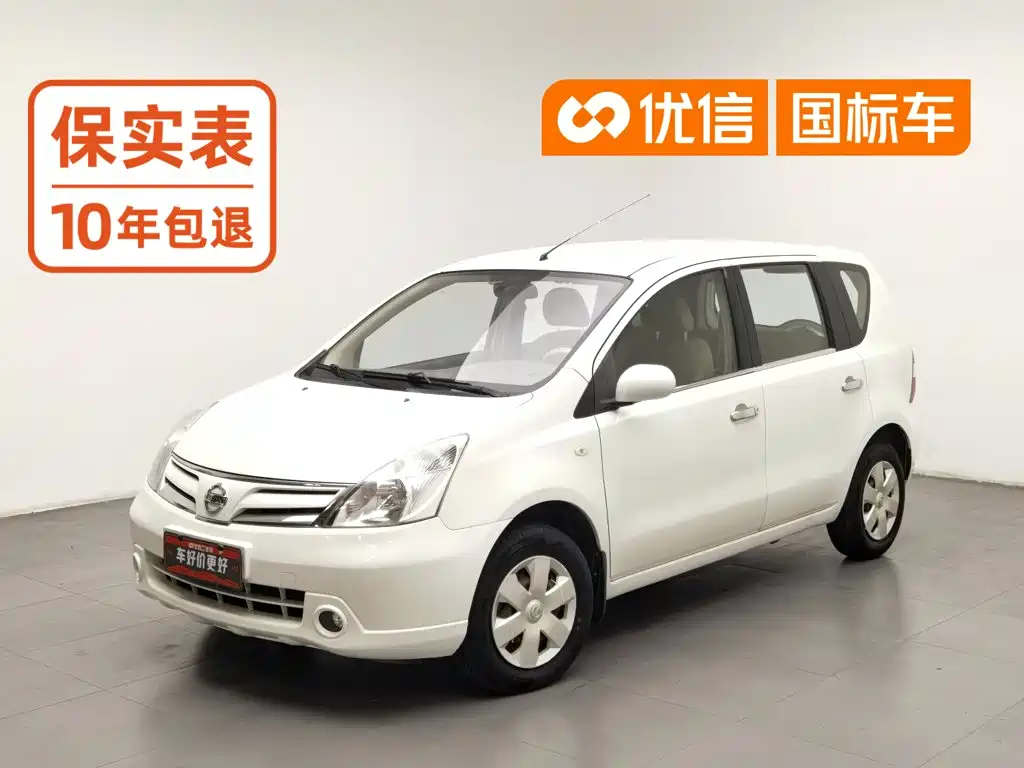
At a glance
- The Livina is a compact MPV that combines passenger-car maneuverability with flexible people-and-luggage capacity.
- Export specifications cover multiple petrol engine sizes with manual, CVT and automatic transmission choices.
- Trim labels are market-specific, so VIN-level verification is essential before comparing vehicles or quotes.
- New-old-stock status does not make an older model year mechanically newer, making age-related inspection essential.
- Buyers should compare landed cost, compliance requirements and long-term parts support rather than the vehicle price alone.
Why the Nissan Livina matters for export markets
The Nissan Livina occupies a useful middle ground between a passenger car and a larger multipurpose vehicle. Its compact MPV format gives overseas dealers a people-carrying option for buyers who need more usable space than a sedan or hatchback but not the size and road footprint of a full-size SUV. That positioning makes the Livina relevant to family-oriented importers, transport operators and fleet buyers whose passengers or luggage change from trip to trip. It is practical to assess in markets where compact vehicles are easier to finance, park and operate.
The model’s appeal is not built around one export configuration. Chinese-market listings can include petrol engines with different displacements, manual and automatic transmissions, and equipment grades whose names may not translate neatly into other markets. Buyers should therefore treat the Nissan Livina as a family of vehicles rather than assume that every unit marked “Comfort” or “Sharp” has the same mechanical or equipment content. The first question is not which badge sounds most premium, but which engine, gearbox, steering side and cabin equipment fit the destination fleet and operating plan.
For exporters, the strongest demand case comes from matching a versatile body style to practical operating conditions. The Livina can serve as a family MPV, shared-transport vehicle or light luggage carrier, making it easier to place than a narrowly specialized van. Demand is not automatic: local preferences for steering configuration, fuel economy expectations, parts support and safety rules can decide whether it becomes a mainstream seller or remains a niche import. Validate resale prospects with local fleet operators before committing to volume, rather than infer demand from Nissan branding alone.
Model range, trims and powertrain variants: how the lineup is structured and how to choose
Within the Chinese export range represented by Livina offerings, the core divide is between 1.6-litre and 1.8-litre petrol powertrains, with manual, CVT and conventional automatic options appearing across different model years and trims. Names such as XE, XL, Comfort, Sharp, Joy and JinRui describe market-specific grade structures rather than a universal global hierarchy. An importer should decode the full vehicle name, then inspect engine designation, gearbox type and equipment list. This avoids treating an old naming label as equivalent to a trim badge sold under a different Nissan model name.
For a fleet that values straightforward operation, familiar manual controls, or a simpler transmission option, a manual 1.6 can be attractive where local driving patterns and service skills support it. The 1.6 CVT emphasizes smoother urban use and easier clutch management for drivers moving between frequent stops, while the 1.8 automatic provides a different displacement and torque character for buyers preferring that engine. These are buying priorities, not proof that one gearbox is more durable: duty cycles, maintenance history, cooling, towing needs and fuel availability should guide the choice.
Trim choice should be treated as an equipment audit rather than a price ladder. Export names suggest themes such as Comfort, Standard, Smart, Premium, All-round and CVT, but the underlying equipment can change with model year and source market. Ask for a photo set, VIN, specification sheet and a view of the dashboard and cargo area. Check air conditioning, infotainment, reversing aids, seat flexibility, wheel and tyre condition, and whether every control works. If these details are absent, treat the unit as unverified and request evidence before paying a balance.
- Decode engine, gearbox and equipment.
- Verify steering side by VIN.
- Compare exact model-year specifications.
New vs used Nissan Livina: how export inventory is structured and how buyers choose
Chinese export inventory for the Livina can include vehicles presented as new across several model-year generations. That wording can refer to unregistered old-stock units rather than recent production, so a buyer should separate “new” condition from vehicle age. The catalogue also mixes model years and trim labels, which means an apparent condition description cannot tell the whole story. For any unit, the dependable checks are the production year on the VIN, odometer reading, physical condition, prior registration status and documentary history before any payment or final shipment commitment is made.
A vehicle sold as new can be attractive where it offers lower use, a cleaner handover process and a simpler cosmetic story. Those advantages are most relevant when the unit has been stored properly and has a complete, consistent set of documents. They are less meaningful if seals, fluids, tyres, batteries or interior surfaces show age-related deterioration. Conversely, a genuinely used example may be easier to evaluate if its mileage, service history and wear are documented, and it may carry less depreciation. Neither category automatically represents better value for buyers.
Used imports require a risk assessment, especially because a cabin and folding rear rows can hide scuffs, cargo damage or neglected interior wear. Inspect paint under daylight, compare panel gaps and paint depth, examine seat bases and load anchors, and review the underside for corrosion, fluid residue and suspension wear. Ask whether the odometer has been verified and whether service records cover same VIN. For either new-old-stock or used stock, a pre-shipment inspection should test cold start, cooling, brakes, steering and gearbox operation before the vehicle is released for export.
- Separate production age from sales condition.
- Verify odometer, history and VIN consistency.
- Inspect cargo areas and mechanical operation.
How export pricing works: the factors behind a live listing price, and how to read one
A Nissan Livina export price is not a single fixed market value. It begins with the vehicle’s commercial description—model year, engine, transmission, grade, condition, mileage, options and availability—then adds the transaction structure chosen by seller and buyer. Exchange-rate movements, origin handling, documentation, inland transport and international freight can all affect the final quote. Because the same trim name can cover different equipment across years, two headline figures are not directly comparable until their inclusions and exclusions have been reconciled. The quote should also state its currency, validity period and destination basis.
Buyers should distinguish a listing’s vehicle line from the landed cost of putting that vehicle into service. Import duty, value-added or sales tax, port charges, local haulage, insurance, registration and compliance work may sit outside the displayed export amount, depending on the Incoterm and destination. A lower source price can therefore produce a higher total cost after certification or freight. Build a worksheet separating vehicle price, origin costs, sea or air freight, insurance, duties, taxes and dealer margin. Use the customs broker’s guidance rather than assuming another country’s rules apply.
To read a live listing effectively, open the individual Nissan Livina record rather than relying on a general catalogue impression. Confirm the VIN or unit reference, model year, engine and gearbox, condition, mileage, steering side, equipment, seller location, and whether the displayed amount is for one vehicle or a larger package. Check the stated MOQ, Incoterm, freight exclusions, payment schedule and quote validity. Exact price, MOQ and availability are binding only in the current live inventory on ChinaCarDirect, so obtain a written quotation for the selected unit before budgeting or placing funds.
- Compare like-for-like vehicles and inclusions.
- Separate export price from landed cost.
- Request a written, dated unit quotation.
MOQ, ordering and payment: single units vs consolidating a container
MOQ is a seller transaction term, not a permanent attribute of the Nissan Livina. One listing may accept a single unit, while another may be structured around a batch, model mix or container consolidation. Read the live product record for its current MOQ, but confirm it directly because terms can change with inventory and production planning. For a dealer needing several vehicles, compare not merely the per-unit figure, but the total commitment required for the desired mix and whether the seller will hold units while the shipment is being assembled.
Wholesale buyers consolidating Livinas in one container can reduce freight and handling cost per vehicle, but this changes the buying risk. A mixed container may contain model years, transmissions, trims and cosmetic conditions, making it harder to promise a uniform fleet or an attractive retail presentation. Agree the required configuration in writing, including acceptable substitutions and inspection rights. Dealers that need one demonstrator, a small rental batch or a tightly specified corporate order may obtain better control through separate purchasing, clearer inspection rights and staged releases than through an undifferentiated bulk shipment.
A typical export transaction moves through specification confirmation, written pro forma invoice, deposit, stock verification, inspection, balance payment and release against agreed shipping documents. The exact sequence depends on the seller, while payment method, cancellation terms and refund conditions should be stated rather than assumed. Verify the seller’s identity and payment beneficiary, preserve the VIN-level specification, and reference the contract or invoice number with every payment. Avoid sending funds based only on a chat message or unverified bank-transfer instruction, especially while the vehicle is moving through inspection or export formalities.
- Check MOQ on each selected listing.
- Define substitutions before consolidating cargo.
- Verify beneficiary and contract references.
Shipping, homologation and market compliance caveats: LHD/RHD and import rules by country
Steering configuration is a first-order sourcing criterion for the Livina. Left-hand-drive and right-hand-drive vehicles may be described differently across export platforms, and availability can vary by source market and listing. A right-hand-drive unit is not automatically easier or cheaper to import because local approval, safety-equipment and registration rules still apply. Likewise, converting the steering side is not a routine production-line switch: it can affect safety, wiring, controls, warranty and compliance. State the required side in the RFQ and verify it from the VIN, photographs and seller’s written specification before shipment.
The Livina is an MPV, so it may travel in a vehicle carrier or as cargo in a container, subject to the carrier’s acceptance and the origin port’s handling method. Ocean freight is the economical choice for volume; air freight can reduce transit time but has stricter weight, dimension and cost constraints. Total logistics cost also depends on origin inland haulage, port charges, terminal handling, securing, insurance, destination clearance and last-mile delivery. Ask for a shipment plan that identifies every handoff rather than comparing freight quotes without the same scope.
Import eligibility must be checked against the destination country’s rules for used or older vehicles, emissions, roadworthiness, VIN identification, customs valuation, safety equipment, and vehicle or passenger-car classification. Depending on the market, a buyer may need a certificate of origin, export declaration, customs paperwork, ownership evidence, or a roadworthiness or conformity assessment. Local authorities may also restrict model year or require modifications that affect suitability. Treat homologation and registration as separate from transport: obtain written guidance from the broker or authority before committing, and budget for inspection, certification or adaptation.
- Specify LHD or RHD before payment.
- Confirm local import and homologation rules.
- Price every logistics and clearance handoff.
Who should buy the Livina — and who should pick a different vehicle
The Livina is a strong candidate for overseas dealers serving families, ride-hailing or hotel-shuttle operators, and fleet managers who value a compact people carrier with flexible interior space. It is useful where the operating plan needs one vehicle to move both people and luggage rather than a dedicated cargo van. For private buyers, a car-like footprint and MPV practicality can be persuasive. The strongest case appears when fuel quality, road conditions, parts access and a realistic resale channel support the model; a strong badge cannot compensate for weak aftersales support.
It is a less suitable choice for buyers who require all-wheel drive, serious off-road capability, a high unladen payload, premium crash-safety certification, or a plug-in powertrain and charging network. The Livina’s passenger-car platform and available engine options do not answer those needs, and importing outside local homologation rules can make the initial saving irrelevant. Heavy fleet users should verify payload, roof-load limits, towing approval and durability for their actual duty cycle. If these checks fail, a locally approved alternative may cost more initially but reduce compliance and operating risk materially.
A decision can be reduced to five gates: legal importability, mechanical configuration, fit for payload and passengers, acceptable condition and documentation, and a landed cost supported by resale evidence. Compare the Livina with local alternatives on the same basis, including registration, fuel, maintenance, insurance and resale rather than purchase price alone. A fleet buyer should model utilization and downtime; a dealer should test demand with local operators. If the Livina passes all gates, it can be a versatile, lower-complexity alternative; if it fails one, a trim cannot rescue the model.
- Best for mixed passenger-and-luggage duties.
- Unsuitable for AWD or heavy-payload needs.
- Decide on total operating and resale cost.
Main rivals and how the Livina compares
The closest alternatives depend on body style and buyer priorities as much as on price. The Toyota Wish is a larger, seven-seat people carrier with a Toyota identity, making it relevant to families and operators who prioritize cabin volume and dealer familiarity. The Honda Freed occupies a smaller urban-MPV niche and may appeal where compact dimensions and maneuvering matter more than luggage flexibility. The Daihatsu Terios is a compact people-carrier alternative in export regions. None is equivalent in condition, specification or local support, so compare the variant and landed cost.
Against these rivals, the Livina’s distinguishing case is its combination of a compact MPV format, a Nissan marque and a mix of petrol engine and transmission configurations. That variety can help an importer cover different price points or customer preferences without changing vehicle architecture. Manual versions may suit buyers comfortable with conventional controls, while CVT and automatic options can better serve mixed-driver fleets. However, Toyota or Honda may have aftersales familiarity, and Daihatsu may have a regional fit. Support and parts access should carry more weight than badge comparisons.
Choose the Livina when compact dimensions, flexible passenger use and a confirmed mechanical specification matter more than prestige or the latest body design. Choose the Wish for a larger multi-row format, the Freed for a smaller city-oriented package, or the Terios when its regional parts network and seven-seat proposition better match the route to market. Before ordering, compare actual units rather than brochure silhouettes: verify seating flexibility, cargo tie-downs, air conditioning, visibility, service access and wheel-and-tyre packages. A short driver briefing or pre-delivery inspection can prevent an apparently attractive trim from becoming a poor fleet fit.
Live Nissan Livina export inventory
View all listings →Real units currently on ChinaCarDirect with per-unit asking prices and MOQ. Availability updates live from the catalogue.
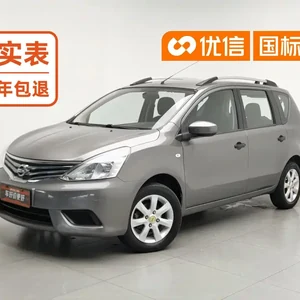
Nissan Livina 2010 Model Joy Edition 1.6L Automatic All-round Type
How to buy a Nissan Livina from China
-
1
Filter the live Livina inventory
Use the live listings to identify units matching the required model year, engine, transmission, trim and steering side. Do not rely on a trim badge alone because equipment naming changes across model years.
-
2
Submit a specification-based RFQ
Provide the selected unit reference, destination country, required configuration, intended use and preferred Incoterm. Ask the seller to confirm any unavailable detail in writing.
-
3
Verify the unit and seller
Request the VIN, production year, odometer reading, ownership status, equipment list and export documents. Confirm that the seller’s legal identity and payment beneficiary match the agreed transaction record.
-
4
Review the written quotation
Compare the vehicle price, MOQ, freight basis, insurance, payment milestones, inspection rights and quote validity. Request a landed-cost worksheet showing which destination charges are excluded.
-
5
Pay only against agreed milestones
Follow the contract’s deposit and balance schedule, and reference the pro forma invoice with every payment. Review refund, cancellation and substitution conditions before transferring funds.
-
6
Approve the pre-shipment inspection
Specify checks for paint, interior wear, odometer, cold start, cooling, brakes, steering, transmission and included equipment. Record any defects or required corrections before the balance is released.
-
7
Complete shipping and clearance
Confirm the carrier, Incoterm, insurance, document set, destination broker and registration process. Keep the vehicle released only after inspection, payment and export documentation conditions are satisfied.
Livina vs rivals
| Toyota Wish | The Wish is generally larger and designed around a seven-seat MPV layout, so it suits buyers prioritizing cabin volume and Toyota dealer familiarity. It may be less attractive when compact dimensions, easier parking or a lower-complexity sourcing brief matters. |
|---|---|
| Honda Freed | The Freed is a smaller urban-focused MPV with a strong reputation for maneuverability and efficient city use. It is a logical alternative for compact fleets, although luggage capacity and equipment should be checked for the exact variant. |
| Daihatsu Terios | The Terios is a close compact people-carrier competitor, particularly where Daihatsu has established regional recognition. The Livina can offer a wider selection of engine and transmission configurations, but local parts access should determine the better long-term fit. |
Frequently asked questions
How is Nissan Livina export pricing determined?
Export pricing is built from the unit’s year, trim, engine, transmission, condition, mileage, options and the seller’s commercial terms. Freight, insurance, inland handling, exchange-rate effects, duties and taxes may be included or excluded depending on the Incoterm. Check the live Nissan Livina inventory on ChinaCarDirect for the current per-unit amount, then request a written quotation that fixes the specification and landed-cost inclusions.
Which Nissan Livina engine and transmission options are available?
The Livina export range is petrol-powered, with 1.6-litre and 1.8-litre engines and manual, CVT or conventional automatic transmissions appearing across model years and trims. There is no EV range or battery specification to evaluate for this vehicle. Confirm the exact engine, gearbox, steering side and equipment on the selected unit because names such as Comfort or Sharp are not uniform across model years.
Is a new Nissan Livina always better than a used one?
New-old-stock vehicles may offer lower use and simpler handover, but their age can still create storage, seal, fluid, tyre or battery deterioration. A used example may have more visible wear yet clearer mileage or service evidence and potentially less depreciation. Compare condition, history, warranty position and inspection results rather than choosing from the sales label alone.
What is the MOQ when buying a Nissan Livina from China?
MOQ is set by the seller and shown for each live listing; it is not a fixed model-wide rule. One unit may be possible, while a batch or container may carry its own terms. Confirm the MOQ, specification mix, inspection rights and reservation period in writing before paying.
What determines Nissan Livina shipping time and cost?
Transit time and cost depend on origin, carrier method, container or vehicle-carrier space, port handling, insurance, destination clearance and inland delivery. Ocean shipping is generally suited to volume, while air freight may shorten transit but has tighter weight and cost constraints. Obtain a door-to-door or port-to-door freight plan with each handoff identified.
Can spare parts be sourced for an imported Nissan Livina?
Parts availability depends on the engine, gearbox, model year and trim, while body panels and interior parts may follow different local supply patterns. Confirm the VIN and part numbers before shipment and ask the seller what service literature, keys or accessories accompany the vehicle. The destination’s Nissan dealer network is the best guide to long-term support.
Is right-hand-drive Nissan Livina availability guaranteed?
Right-hand-drive availability depends on source market, unit and local homologation, so it should never be assumed from the model name. State LHD or RHD in the RFQ and verify the steering side from the VIN, photographs and the seller’s written specification. Local safety and registration rules must also be checked independently.
How do I buy a Nissan Livina from China?
Start with the live Nissan Livina listings, select a unit, and send its reference with the required year, engine, transmission, steering side, destination and Incoterm through the RFQ desk. Review the written specification, pro forma invoice, MOQ, payment milestones, inspection plan and shipping documents before paying. Release the balance only after the agreed inspection and export documentation are satisfactory.
Ready to source the Nissan Livina?
Request a VIN-level Nissan Livina quotation and current per-unit terms through the ChinaCarDirect RFQ desk.
Request a quote