
Nissan Nv200 Export Buying Guide for Overseas Buyers
Buy Nissan Nv200 from China with clear guidance on trims, 1.6L engine options, live export pricing, MOQ, shipping, inspection, and market compliance.
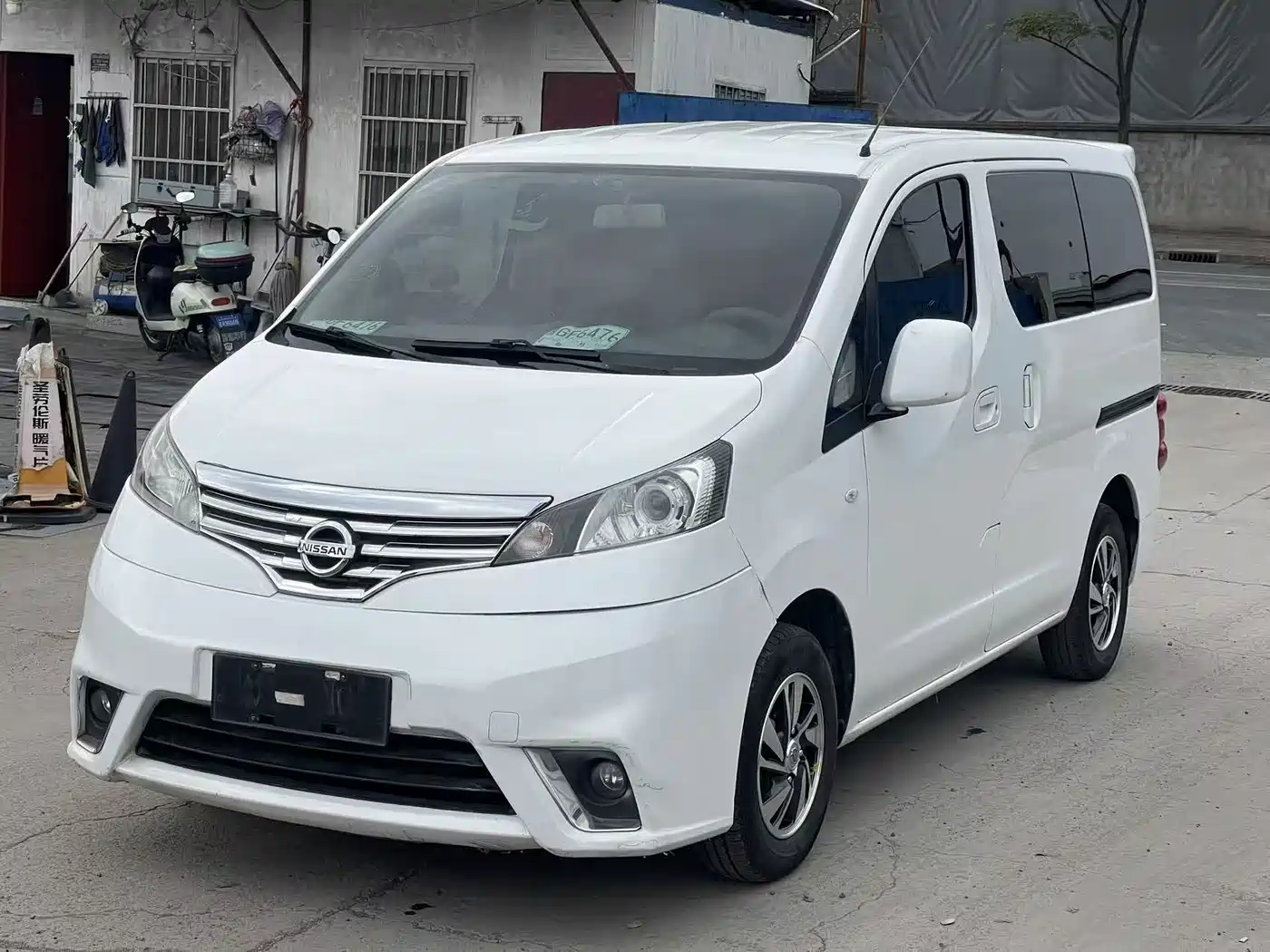
At a glance
- The Nv200 is a compact, one-box MPV suited to mixed passenger and light-cargo operations.
- The visible export range centers on 1.6-litre petrol engines with manual or CVT transmissions.
- New units reduce condition uncertainty, while used units require careful inspection and maintenance transparency.
- MOQ, price, and availability are unit-specific, so buyers should confirm each live listing and written quote.
- Steering side, emissions approval, customs treatment, and local aftersales support must be checked before ordering.
Why the Nissan Nv200 matters for export markets
The Nissan Nv200 sits in the compact MPV/van segment, combining a one-box body with the flexibility to carry passengers, goods, or both. That dual role makes it relevant to overseas dealers serving family transport, hotel and airport shuttles, light delivery duties, and fleet buyers needing more capacity than a passenger car. Its appeal is practical rather than prestige-oriented: accessible loading, a flexible interior, and a compact footprint that suits busy commercial environments. For importers, the Nv200 can provide a straightforward model family across multiple trims and available market-specific seating configurations.
The export opportunity is strongest where buyers want a versatile commercial vehicle without moving into a much larger van. Dealers can position a passenger-oriented version for family and shared-mobility use, or emphasize load-carrying capability for local delivery businesses. The listing range associated with China-origin examples includes 1.6-litre petrol versions, manual and CVT choices, and seating descriptions for 223-seat and 232-seat configurations. Those visible trim differences matter because fleet buyers should match the vehicle to licensing, passenger comfort, luggage volume, and duty-cycle requirements rather than buying on model name or trim badge alone.
Global demand should also be assessed against local alternatives and import policy, not assumed from the model’s history. A destination with restrictive emissions rules, high used-vehicle taxes, or strong preferences for right-hand-drive products may require a different sourcing strategy. Before committing, compare total landed cost, certification effort, parts support, and resale prospects against locally sold compact MPVs. The Nissan Nv200 is most compelling to an overseas buyer when its packaging, running costs, and available configuration solve a clear operational need, while the importing channel can lawfully deliver and support the chosen version.
- Match capacity to use.
- Compare landed compliance.
- Check local support.
Model range, trims and powertrain variants: how the lineup is structured and how to choose
The Nv200 export lineup is centered on 1.6-litre petrol powertrains, with listings structured around manual and CVT transmissions rather than electric variants. Across the visible range, trim names include Zunya, Luxury, Premium, Deluxe, facelift, and revised-edition labels, sometimes paired with China IV or China V emissions wording. Those labels identify market or equipment packages, but they do not by themselves tell an overseas importer which specification is homologated for the destination. A buyer should therefore read each unit description as a separate configuration, not assume every Nv200 carries the same equipment.
Transmission choice is the first practical split. Manual units may suit buyers focused on purchase cost, mechanical simplicity, or drivers familiar with a conventional gearbox; CVT versions may be easier for frequent urban use and can reduce driver workload in stop-and-go traffic. The Nv200’s front-wheel-drive architecture is a fit for its compact platform, but payload, towing needs, and commercial registration should be checked against the exact vehicle. Do not infer load capacity, engine output, or gross vehicle weight from the 1.6-litre badge alone, because these figures vary by market and configuration.
Seating is the second major decision. The 223-seat and 232-seat labels visible in Chinese listings indicate passenger-oriented configurations, while seating, seat-fold arrangements, luggage capacity, and interior equipment depend on the market version. Fleet customers should compare usable capacity after luggage is loaded, not just the headline seat count. For cargo use, ask whether the vehicle has a passenger-carrier or panel-van body, what the floor length and load width are, and whether bulkhead or seat mounting points meet local rules. If a dimension is not stated in the live listing, request it in writing.
- Confirm gearbox.
- Validate seat layout.
- Treat China labels cautiously.
New vs used Nissan Nv200: how export inventory is structured and how buyers choose
Export inventory for the Nissan Nv200 is structured across both new and used vehicles, with model-year variation adding another layer. New examples offer the advantage of newer production, current specification, and a more straightforward condition story, although the exact equipment still depends on trim and market. Used vehicles can provide a lower entry point and may be practical for fleet buyers with planned replacement cycles. The key is not simply to choose new or used, but to compare remaining service life, maintenance evidence, wear, and suitability for the buyer’s route intensity.
Used Nv200 sourcing calls for stricter inspection. Ask for exterior and interior photographs, underside images, cold-start video, engine and transmission behavior, service records, and evidence of accident repair. Review tire age and wear, brake condition, fluid leaks, suspension noise, air-conditioning output, door operation, and the condition of seat mechanisms and seat belts. A 223-seat or 232-seat passenger configuration should be checked carefully for worn seat bases, damaged hinges, and inconsistent interior condition. An apparently attractive used-vehicle price can be outweighed by downtime, unscheduled repairs, or a failed local roadworthiness inspection.
New units are easier to assess when documentation, option list, and production consistency are clear, but buyers should still inspect the vehicle before shipment and confirm whether it is unregistered, demonstration stock, or intended for export. For either condition, request a VIN or chassis number, production date, service history, and a description of cosmetic condition. Match the unit to the application: newer vehicles make sense where downtime is expensive, while a well-maintained used example may be rational where utilization is moderate and the importer can manage maintenance and parts transparently.
- Compare operating cost.
- Inspect used units.
- Verify identity and status.
How export pricing works: the factors behind a live listing price, and how to read one
A Nissan Nv200 export price is not a fixed market rate; it is generated from the characteristics of the specific unit and the deal structure around it. The vehicle’s model year, trim, manual-versus-CVT transmission, seating configuration, condition, mileage, and new-or-used status can create differences. Export-market demand and the availability of comparable inventory also affect negotiation. Currency movements matter because the vehicle cost may be converted or settled in a currency other than the buyer’s own. The correct comparison is therefore vehicle-to-vehicle on the same specification basis, not a headline price taken out of listing context.
Freight and transaction terms form a second layer. Shipment distance, route, container utilization, vehicle securing, marine insurance, port handling, documentation, and inland transport can change the landed total. Incoterms determine where responsibility and cost transfer between seller and buyer, so a buyer should not assume that two displayed figures represent the same offer. Ask whether the quote is vehicle-only, port-to-port, or includes onward delivery, and confirm which taxes, duties, and charges remain the importer’s responsibility. Destination charges can vary with engine size, emissions class, vehicle age, and local policy in force.
To read a live listing correctly, start with the exact year and configuration, then verify condition, mileage if applicable, transmission, seats, and equipment. Compare several like-for-like units, document any repairs, replacements, or negotiated inclusions, and note whether a quoted figure includes vehicle preparation or only the vehicle. Request a written proforma quotation identifying the unit, price basis, MOQ, payment schedule, validity period, and delivery scope. Current price, availability, and MOQ are shown on each ChinaCarDirect live listing and should be confirmed there before the buyer commits funds or freight instructions.
- Compare like-for-like.
- Separate landed costs.
- Confirm terms in writing.
MOQ, ordering and payment: single units vs consolidating a container
MOQ determines whether a buyer purchases a vehicle or commits to a larger lot. A one-vehicle MOQ can suit a dealer testing demand, a fleet taking a pilot unit, or an importer consolidating several models; a seller may instead require a batch for certain trims or sourcing conditions. Do not infer a universal Nv200 MOQ from the catalogue because seller, model year, condition, configuration, and negotiation can change the terms. Read the MOQ on the live listing and include it in the RFQ so the supplier quotes the same commercial structure you intend to order.
For a Nissan Nv200 wholesale program, consolidating several Nv200 units into one container can improve vehicle utilization and spread freight, port, and handling costs across more units. It can give a reseller a stock mix for common trims and seating layouts. The trade-off is increased cash exposure, more quality-control work, and exposure to slow sales: if several units share the same age or specification, market demand may weaken after the shipment lands. Mix different years or configurations only when each has a customer, because a container is not automatically profitable merely because its freight rate per vehicle appears lower.
Ordering should proceed through a sequence: select a unit or agreed stock plan, complete a pre-shipment inspection, verify identification and documents, pay according to an agreed schedule, and release shipment only after the inspection and paperwork are satisfactory. Ask whether the deposit is refundable, when the balance is due, which party arranges freight, and what happens if the vehicle differs from the agreed description. Payment milestones should correspond to inspection and document milestones rather than relying on a promise. ChinaCarDirect’s contact channel can be used to submit an RFQ with year, trim, transmission, seating, condition, destination, and Incoterm.
- Check unit MOQ.
- Match units to buyers.
- Tie payment to inspection.
Shipping, homologation and market compliance caveats: LHD/RHD and import rules by country
Shipping begins with matching the vehicle’s configuration to the destination’s legal and practical requirements. Steering position is a first check: China-origin examples are commonly left-hand-drive, while some markets require or strongly favor right-hand-drive. Do not assume a conversion is permissible or cost-effective. Before shipment, obtain the destination country’s rules for used imports, engine and emissions standards, roadworthiness, customs valuation, VAT or GST, insurance, age limits, and commercial licensing. Rules can differ by country, vehicle class, and intended use, so the importer or local compliance adviser should confirm the route before funds are committed.
Chinese trim labels such as China IV or China V refer to source-market emissions nomenclature and must not be read as automatic approval in another jurisdiction. Inspect lighting, seat belts, mirrors, glazing, wipers, anti-theft equipment, and other regulated features, and confirm engine, fuel, and emissions documentation matches the chassis. Left-hand-drive and right-hand-drive requirements affect local usability, insurance, and parts support. A conversion or modification may add cost, create inspection risk, and affect warranty or residual value. For fleet use, check passenger-carrier rules, load restraints, accessibility needs, and commercial registration requirements.
Freight planning should compare RoRo, containerized, and specialist vehicle-carrier options where available, but the practical choice depends on exact vehicle dimensions, route frequency, port handling, and urgency. Shipping dimensions must come from the selected unit and carrier rather than a generic size assumption. Confirm the loading method, voyage plan, insurance coverage, destination charges, and delivery point. Upon arrival, allow time for customs clearance, conformity checks, registration, and any remediation. Document handover with a condition report and photograph the vehicle at every custody transfer. Inspection findings should be resolved before the vehicle is released.
- Verify steering side.
- Verify emissions.
- Plan clearance checks.
Who should buy the Nv200 — and who should pick a different vehicle
The Nv200 is a strong fit for overseas buyers who need one vehicle to cover passenger transport and light cargo duties without moving to a much larger van. It suits family-shuttle operators, hotels, airport transfers, community transport, last-mile delivery businesses, and dealer customers looking for a compact one-box MPV. The 1.6-litre petrol range is familiar territory for many service fleets, while manual and CVT choices allow the buyer to match driver preferences and operating conditions. A buyer should also value flexible seating and straightforward loading more than sporty performance or premium refinement.
It is less suitable for buyers who require motorway refinement, high towing capacity, an electric zero-emission fleet, premium cabin materials, or guaranteed right-hand-drive availability without conversion. Used units may be a poor fit where downtime from parts delays or deferred maintenance is unacceptable and where no workshop network exists. For heavy loads, construction sites, or temperature-controlled work, a commercial van or purpose-built platform may be more appropriate. The decision should be based on payload and route data, licensing, operating cost, and service support in the destination market—not simply the advertised seat count or trim badge.
Before finalizing a purchase, test the business case with a worked framework. Enter annual distance, payload, passenger turnover, fuel use, maintenance, downtime, and residual value into a local-currency operating model. Add import cost, compliance work, insurance, and the selling price for the exact configuration. Compare the result with the most relevant available MPV or van, including its resale liquidity and spare-parts network. The Nissan Nv200 earns its place when it lowers acquisition or operating complexity for the intended job; otherwise, a larger or more specialized competitor may reduce lifecycle cost.
Main rivals and how the Nv200 compares
The Nissan Nv200’s closest alternatives depend on whether the buyer prioritizes cabin space, brand familiarity, local support, or value. The Toyota Noah is a credible MPV comparison for buyers who want a larger, substantial people carrier and can accommodate its packaging, price position, and parts ecosystem. The Hyundai H-1, also known in some markets by a Starex or Grand Starex badge, offers another established one-box choice with a strong van and shuttle reputation. These models should be compared on the same destination, duty cycle, and homologation basis as the Nv200 rather than judged from brochure specifications.
JAC Refine is a directly comparable value-oriented compact MPV, particularly for buyers considering Chinese sourcing and flexible passenger layouts. The trade-off is one seen across the segment: a lower acquisition proposition may be offset by different resale expectations, model-year availability, trim consistency, and the depth of aftersales support in the buyer’s country. The Nv200 benefits from Nissan’s established brand identity and an MPV history, but brand recognition alone does not guarantee parts availability or residual value. Evaluate local mechanics, warranty handling, corrosion protection, and service intervals for the actual model and year.
A useful comparison sheet should include cargo length with the seats in the intended layout, payload, passenger comfort on routes, turning radius, fuel-consumption evidence, maintenance access, safety equipment, and compliance work. Then add purchase price, freight, duty, tax, insurance, and expected resale value rather than comparing showroom-style figures. The Nissan Nv200 is most persuasive in the compact, petrol-powered, mixed-use segment, particularly where manual or CVT choice and multiple seating configurations are valuable. A buyer who values passenger room or local aftersales depth may prefer a larger rival; one focused on value may evaluate Nissan and JAC on landed economics.
- Noah: more space.
- H-1: service network.
- Refine: value focus.
Live Nissan Nv200 export inventory
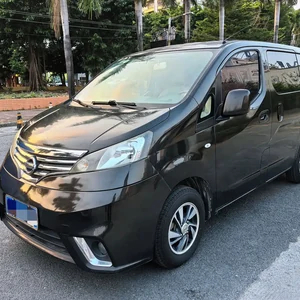
View all listings →Real units currently on ChinaCarDirect with per-unit asking prices and MOQ. Availability updates live from the catalogue.
How to buy a Nissan Nv200 from China
-
1
Define the operating requirement
Write down the destination, route intensity, passenger count, luggage needs, payload, transmission preference, and new-or-used condition. This keeps the search tied to an application rather than a trim badge.
-
2
Compare the live Nv200 inventory
Use the Nv200 listings search to compare matching units by year, trim, transmission, seating, condition, and seller terms. Treat the displayed price and availability as the current unit-level reference and open the record for full details.
-
3
Request a written quotation
Send an RFQ stating the exact configuration, quantity, destination port, and preferred Incoterm. Ask the seller to confirm MOQ, price basis, deposit, balance timing, quotation validity, and inclusions.
-
4
Check destination compliance first
Confirm steering side, emissions, age limits, registration, commercial use, tax and duty treatment, and conformity requirements with the local authority or a broker before paying. China IV or China V wording alone is not destination approval.
-
5
Inspect and verify identity
For a used vehicle, commission an independent inspection covering structure, engine, transmission, brakes, suspension, tires, air conditioning, seats, and fluids. For any unit, verify the VIN or chassis number, production date, service records, options, and export status.
-
6
Agree freight and payment
Obtain a proforma invoice with the Incoterm and shipment scope, together with insurance, loading, port, and inland arrangements. Tie deposit and balance payments to agreed inspection and documentation milestones.
-
7
Track arrival and release
Monitor booking, loading, sailing, customs clearance, conformity checks, and registration. Photograph the vehicle at pickup, discharge, and handover, and resolve discrepancies before releasing it for service.
Nv200 vs rivals
| Toyota Noah | The Noah generally offers a larger passenger cabin and is a natural choice where maximum seating room takes priority over the Nv200’s more compact footprint. The Nv200 may suit more compact urban operations, but landed cost, local support, and homologation should determine the better fit. |
|---|---|
| Hyundai H-1 | The H-1 has an established van and shuttle role and may suit operators prioritizing cargo volume, local service recognition, or a stronger market presence. The Nv200 provides a smaller mixed-use package, so payload and utilization should decide the comparison. |
| JAC Refine | The Refine is a close value-oriented MPV rival for buyers already comfortable with Chinese sourcing. The Nv200 may benefit from stronger Nissan recognition in some markets, but aftersales access, parts supply, residual value, and exact configuration support should guide the decision. |
Frequently asked questions
How is the Nissan Nv200 export price determined, and where is the live price?
The live price reflects the specific vehicle and its commercial terms, including year, trim, transmission, seating, condition, mileage, and market demand. Freight, insurance, Incoterms, exchange rates, duties, taxes, and inland delivery should be added separately to calculate landed cost. Open the current ChinaCarDirect Nv200 listings for the binding per-unit price, availability, and MOQ, then request a written quotation before budgeting.
What engine and transmission options are available?
The visible Nv200 export range is built around 1.6-litre petrol engines, with manual and CVT transmissions depending on trim. Because this is an internal-combustion model, there is no battery or charging specification to compare; operating range depends on fuel use, load, and driving conditions. Confirm the exact output and tax class in the live unit listing because market specifications vary.
Should I buy a new or used Nissan Nv200?
New units generally minimize uncertainty around production condition and service history, while used units can reduce acquisition cost and suit planned replacement cycles. Used Nv200s need closer inspection for accident repair, wear, mechanical condition, and passenger-compartment or seat-system defects. Choose based on route intensity, downtime cost, service evidence, and workshop capacity rather than condition labels alone.
What is the MOQ for an Nv200 order?
MOQ is seller- and unit-specific and may permit a single vehicle or require a batch. Check the MOQ on the selected live listing and state the intended quantity in the RFQ so the supplier quotes the correct structure. If consolidating units into a container, ensure every vehicle has a clear customer because mixed ages or specifications can slow sell-through.
What determines shipping time and cost?
Shipping time depends on origin and destination ports, carrier schedules, customs clearance, congestion, route, and whether the vehicle ships with other cargo. Cost is influenced by loading method, distance, container or carrier space, insurance, securing, port charges, documentation, and inland delivery. Obtain a quotation under a stated Incoterm and confirm whether any charges remain outside the quoted scope.
How are spare parts and aftersales support managed?
Parts planning starts with the exact model year, engine, transmission, and market version because parts catalogues and availability can differ. Before importing, ask the seller for recommended maintenance items, part numbers where available, and any shipping or aftersales arrangement. Also verify local Nissan support or a specialist workshop, as brand availability does not guarantee immediate parts supply in every country.
Is a right-hand-drive Nissan Nv200 available?
China-origin examples are commonly left-hand-drive, but steering configuration must be confirmed for each unit and destination. Some markets require RHD, while conversion cost, legality, inspection, insurance, and resale effects must be evaluated locally. Availability of a suitable RHD Nv200 should therefore be checked in live inventory and with the supplier before assuming it can be ordered.
How do I order a Nissan Nv200 from China?
Start by searching the live Nv200 inventory, selecting a unit or defining a wholesale quantity, and submitting an RFQ with destination, port, trim, transmission, seating, condition, and Incoterm. Ask for the unit identity, current price, MOQ, payment milestones, inspection rights, documentation, and freight scope in a proforma quotation. Payment and shipment should proceed only after those terms and destination-market compliance are confirmed.
Ready to source the Nissan Nv200?
Send ChinaCarDirect an RFQ with your destination, required seating and transmission, condition preference, quantity, and Incoterm for a current Nissan Nv200 quote.
Request a quote