
Nissan Qashqai Export Guide for Overseas Buyers
Buy Nissan Qashqai from China with practical guidance on trims, 1.3T and 2.0L options, pricing, MOQ, compliance, shipping and rival models for overseas buyers.
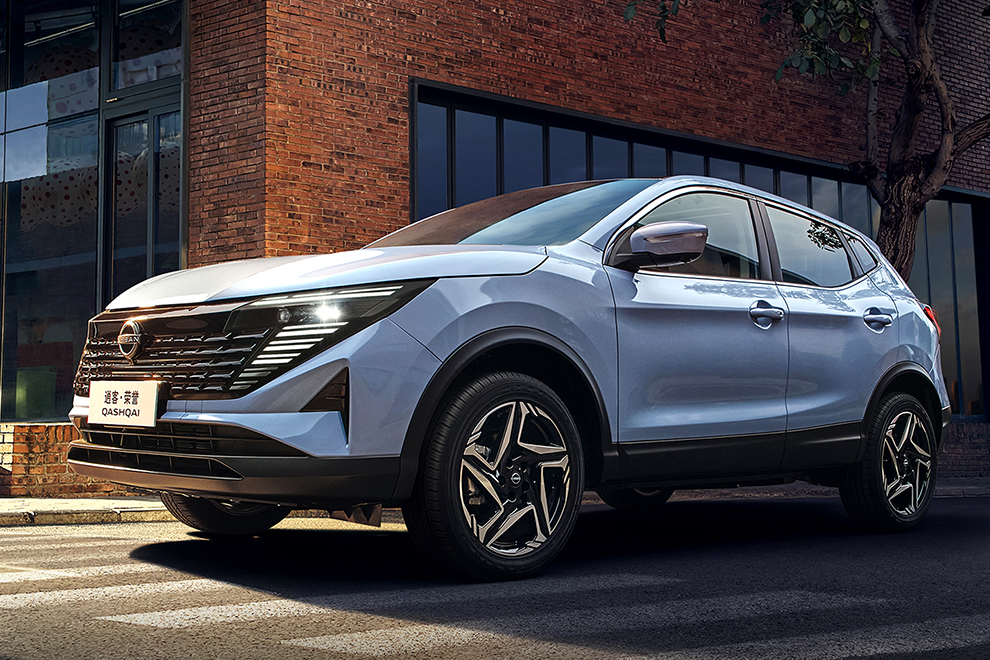
At a glance
- A mainstream five-seat compact crossover suited to private buyers and mixed fleets.
- A recognizable global model name can reduce dealer customer-education effort.
- China-origin options center on 1.3T and 2.0L petrol engines, mainly CVT, with selected manuals.
- Smart, Luxury, Elite and XV tiers vary by model year and market.
- New and used choices carry different warranty, inspection, depreciation and compliance risks.
- Use unit-level live listings for current price, MOQ and availability; confirm RHD or LHD before ordering.
Why the Nissan Qashqai matters for export markets
The Nissan Qashqai sits in the mainstream compact-crossover segment, combining five-door packaging with the raised seating and adaptable load area expected by family and fleet buyers. Its moderate footprint makes it easier to park and maneuver than many larger crossovers, while five seats support commuting, staff transport and light commercial duties. For overseas importers, the Qashqai offers a recognizable model without the cost and complexity of a premium European SUV, a balance that matters where buyers want SUV presence but manageable fuel, insurance and servicing costs for routine daily use.
The Qashqai has a long-standing presence in international markets, particularly in Europe and the United Kingdom, where it has become a familiar family crossover. That recognition can reduce customer-education effort for a dealer and supports the appeal of a Nissan badge in many fleet tenders. However, a vehicle sourced from China is not automatically identical to a Japanese-, European- or Middle East-market Qashqai. Equipment, infotainment, emissions equipment, trim names and available mechanical configurations may differ by production year and destination, so market-by-market verification is essential before quoting a vehicle to customers.
For export channels, the Qashqai works best when treated as a platform rather than a single specification. China-origin stock can cover different production years, equipment tiers and petrol powertrains, allowing a distributor to build a compact fleet around one badge while varying equipment for budget, executive and family customers. That flexibility must be balanced against homologation work and keeping parts and service procedures aligned. Buyers should compare current live inventory by year, trim, engine, transmission and steering position rather than relying on a generic model-page photograph or an overseas-market brochure.
- Five-seat compact-crossover format.
- Recognizable global model nameplate.
- Destination-specific verification required.
Model range, trims and powertrain variants: how the lineup is structured and how to choose
The China-market Qashqai range is organized around named editions such as Smart, Luxury, Elite, XV Comfort, XV Premium Luxury, XV+ Leading and Sincere, with Classic-badged versions also appearing. These labels are not a universal global trim chart: their equipment content and even their availability can change with model year and facelift status. The practical lesson is to compare the exact edition, not infer features from its name. A live listing should be checked for standard equipment, optional equipment, seat upholstery, infotainment functions and safety technology before the vehicle is shortlisted.
Mechanically, the export-relevant range centers on petrol engines: a 1.3-litre turbocharged option and a 2.0-litre option, paired mainly with a continuously variable transmission. Certain variants also appear with five- or six-speed manual transmissions. Most are front-wheel-drive, or described as two-wheel-drive in some listings. Buyers should not select by displacement alone: torque delivery, gearbox behavior, fuel use, maintenance familiarity and local parts support all affect fleet economics. Ask for the engine code, transmission type, drivetrain and any market-specific calibration in the vehicle file before committing to a mixed-model order.
A sensible choice starts with the destination market and customer profile, then narrows to one shortlist of equivalent vehicles. A city fleet may prioritize the smaller 1.3T and lower running costs, while a motorway-oriented distributor may favor the 2.0L for relaxed performance; neither conclusion replaces a road test or verified fuel-consumption record. For a dealer order, keep engine, gearbox, trim and major equipment consistent where possible, because that simplifies training, spare-part planning and resale. For a private buyer, comfort, visibility, boot usability and service access may matter more than the badge or trim hierarchy.
- Smart-to-XV trim hierarchy.
- 1.3T and 2.0L petrol.
- CVT and selected manuals.
New vs used Nissan Qashqai: how export inventory is structured and how buyers choose
China’s export channel can contain both newer, largely standardized vehicles and used Qashqais from earlier production periods. The structure is therefore a choice between two different risk profiles. A new vehicle offers a more consistent condition, known mileage and clearer warranty path, subject to confirming whether the warranty is transferable and effective in the destination. A used vehicle may offer a lower entry point, but the buyer inherits age-related depreciation, wear and potentially incomplete service history. Condition and paperwork must be assessed unit by unit rather than inferred from model year.
For a used Nissan Qashqai, the inspection should be more forensic than a simple clean-car check. Verify the VIN against the listing and import documents, confirm service records, inspect paint thickness, panel alignment, tyres, brakes, suspension and underbody condition, and test the engine and automatic transmission. For manual cars, check clutch operation and gear engagement. Cold-start behavior, warning lights, fluid leaks, air-conditioning performance and evidence of previous commercial use can reveal issues that photographs and trim names cannot. Reconditioning costs should be included in the landed-cost comparison before purchase, not after arrival.
New does not automatically mean locally certified, and used does not automatically mean non-compliant. A China-market Qashqai may carry specifications, software or lighting arrangements intended for another market, while used vehicles can face stricter age, emissions or documentation rules. Buyers should compare warranty scope, delivery preparation, road tax assumptions and parts availability before choosing. For mixed fleets, separate new and used purchases in approval and require individual inspection reports. The advantage of live inventory is that a buyer can filter for condition and specification instead of accepting an undefined batch.
- New: consistent condition.
- Used: detailed inspection.
- Age and emissions rules vary.
How export pricing works: the factors behind a live listing price, and how to read one
A Nissan Qashqai export price guide should start with the vehicle itself: production year, exact trim, engine, transmission, drivetrain, options, condition, mileage and whether the unit is new or used. Then come transaction variables such as the seller’s currency, exchange rate at invoicing, payment terms, documentation, insurance and freight. Destination charges may sit outside the displayed vehicle price, including ocean freight, port charges, customs duty, taxes, delivery and local inspection. Always establish the Incoterm and included cost items before comparing one offer with another or treating a listing headline as a landed quote.
When reading a live ChinaCarDirect listing, first confirm that the amount relates to the specific vehicle rather than a generic starting point. Check model year, trim, engine and transmission, condition, mileage, steering position and availability. Then review MOQ, deposit, payment stages, shipping terms and any fields needing confirmation. Treat the displayed amount as a starting reference, because destination, Incoterm, payment method or vehicle selection may require a revised quote. Exact price, MOQ and availability are shown per unit in ChinaCarDirect’s live inventory; use the seller’s confirmed quotation for binding figures.
The most reliable comparison is a like-for-like landed-cost worksheet. Put candidate vehicles on one page, normalize them to the same destination, Incoterm, currency and payment terms, then add known freight, duty, tax, insurance, port and inland-delivery costs. Separate unavoidable charges from estimates requiring broker or authority confirmation. This explains why visually similar Qashqais can have different quotes and helps buyers negotiate on identifiable items rather than an unexplained headline. Because stock, exchange rates and transport costs move, use live listings for the present asking price and obtain a refreshed quote before paying.
- Vehicle attributes set base value.
- Incoterm and destination alter totals.
- Use unit-level live quotes.
MOQ, ordering and payment: single units vs consolidating a container
MOQ is a commercial term that varies by offer, so the Nissan Qashqai wholesale process should not be judged from a model name alone. Some unit-level sellers may accept a single-vehicle order, while other sellers, importers or consolidated programs may impose a batch requirement. Read the MOQ on the live listing and include it in the written quote; if unclear, ask before selecting a vehicle. A dealer can request a mixed allocation of Qashqai trims or colors, but the supplier must confirm that arrangement and how payment and shipment will be divided.
Container consolidation changes the purchasing equation, but it is not automatically cheaper. A mixed container can spread freight, documentation and handling across several units and match trim levels to different customers. It also locks more capital into aging stock and creates unit-level inspection pressure. Before loading, define the allocation of VINs to buyers, set inspection and photography standards, and reconcile every unit with its invoice. Compare the consolidated rate with the freight method for a smaller shipment; the higher unit economics of a small-volume move may still be the better commercial choice.
A controlled order normally moves through specification confirmation, written quotation, deposit, production or stock confirmation, inspection, balance payment and release against shipping documents. The precise sequence can vary, so define it in the pro forma invoice rather than assuming standard terms. Verify the seller’s legal identity, the registered vehicle description and the ownership documents that will travel with the consignment. Use a traceable payment method and understand cancellation, refund and title-transfer provisions. ChinaCarDirect’s RFQ process is useful for obtaining vehicle-level details and a refreshed quote before any funds are committed.
- MOQ varies by seller.
- Consolidation needs unit allocation.
- Define payment and release terms.
Shipping, homologation and market compliance caveats: LHD/RHD and import rules by country
Steering configuration is a critical first check. China-origin Qashqais may be offered in left-hand-drive or right-hand-drive form depending on the unit and production specification, and a listing labeled for one market is not proof of suitability for another. RHD availability therefore varies across live inventory rather than forming a blanket model feature. Confirm the position from photographs, VIN documents and the supplier. Also check whether lighting, infotainment, emissions equipment and software are intended for the destination. A conversion or local compliance correction can add cost and delay if the wrong vehicle was selected.
Each destination has its own import and homologation rules. Authorities may require VIN-level documents, customs clearance, emissions or type approval, safety conformity, local taxes, duties, quota or age restrictions, and registration of the exact powertrain and equipment. Used-vehicle imports can face additional age, mileage or emissions tests, while a China-market software and lighting specification may not satisfy local rules without approval. Engage an experienced import broker and confirm the current requirements with the destination authority before committing. Responsibility for conversion, inspection and paperwork should be stated in the quotation rather than left as an implied post-arrival cost.
Transport choice should match quantity, urgency and vehicle value. Ro-Ro is practical for larger homogeneous volumes, containerization offers greater separation and can suit mixed cargo, while groupage or consolidated services may reduce the barrier for smaller purchases. Landed cost and transit time depend on ports, transport schedules, congestion, terminal handling, insurance, security, vehicle preparation and inland delivery. Photograph the vehicle before loading, complete a pre-shipment inspection, verify export and customs documents, and ensure the insurer covers the agreed Incoterm. Confirm the booking and charges in writing so a port-to-port quote is not mistaken for clearance and final delivery.
- Verify steering side.
- Confirm local approval.
- Match transport to volume.
Who should buy the Qashqai — and who should pick a different vehicle
The Qashqai is a strong candidate for overseas dealers seeking a mainstream, five-seat compact crossover with a recognized name and a relatively manageable footprint. It fits mixed fleets where customers want SUV seating and useful luggage capacity without moving into a large, premium or seven-seat model. It can also suit company-car and staff-fleet programs where ease of purchasing, broad trim choice and manageable servicing are priorities. The best fit is a buyer who values balanced packaging and brand familiarity over the lowest acquisition cost or a specific electric powertrain requirement.
Importers should also consider whether the Chinese specification fills a real gap. A dealer can use different Smart, Luxury, Elite and XV-type editions to cover price-sensitive and better-equipped customers, provided those editions meet local rules. Fleets may prefer consistent equipment to simplify insurance, driver familiarization and parts planning. Private buyers may appreciate the higher seating position, five-seat practicality and CVT convenience. Those advantages will not compensate if local parts support is weak, the steering position is wrong, or the total landed cost exceeds a more suitable rival in the target market.
The Qashqai is a poor choice for a buyer whose core requirement is battery-only operation, a seven-seat cabin, commercial load capability or a precisely homologated European specification. Such customers should compare an approved electric crossover, a larger three-row SUV, a commercial vehicle or a locally certified alternative instead. It can also be wrong when the budget depends entirely on the cheapest purchase without provision for inspection, repair or compliance. Before ordering, write down non-negotiable criteria—powertrain, seats, steering, safety, emissions, cargo, warranty and parts support—and reject a Qashqai that cannot satisfy them.
- Strong for compact-crossover fleets.
- Broad trim choice for dealers.
- Unsuitable for electric-only needs.
Main rivals and how the Qashqai compares
The Hyundai Tucson is a close class and budget alternative, but it should be compared with the exact market specification. It often competes with the Qashqai through a similarly mainstream five-seat crossover format, while powertrain and equipment choices vary by country. A Qashqai buyer seeking familiar Nissan service, CVT-led simplicity and a broad choice of China-origin trims may prefer the Qashqai, whereas a Tucson listing may offer a different engine mix or equipment set. Decide on verified specifications and landed cost, not on segment labels, brochures or assumptions for either model.
The Toyota Corolla Cross is relevant where fuel efficiency and hybrid availability matter most. Its powertrain strategy is more explicitly oriented toward electrified operation in many markets, whereas the China-origin Qashqai choices covered here are petrol engines with CVT or manual transmissions. That makes the Corolla Cross attractive for buyers focused on routine fuel use, while the Qashqai may offer more straightforward engine-size and trim choices. Local tax treatment, parts availability and homologation can outweigh the apparent technology advantage, so both models need a market-specific total-cost comparison before either is imported.
The Mazda CX-30 is a useful alternative for a buyer who places more emphasis on styling and a premium cabin impression within the compact-crossover class. The Qashqai’s edge in this comparison is its broad named-edition structure and the availability of 1.3T, 2.0L, CVT and manual combinations in the source market, allowing different customer and fleet needs to be matched. CX-30 availability and specifications differ by destination, while the Qashqai still requires a careful local compliance check. Whichever model is selected, compare boot space, safety specification, service access and total ownership cost.
- Hyundai Tucson: direct rival.
- Toyota Corolla Cross: hybrid rival.
- Mazda CX-30: styling rival.
Live Nissan Qashqai export inventory
View all listings →Real units currently on ChinaCarDirect with per-unit asking prices and MOQ. Availability updates live from the catalogue.
How to buy a Nissan Qashqai from China
-
1
Set the destination specification
Record the destination, steering side, seating, engine preference, tax regime and homologation route. This prevents a locally unsuitable Qashqai from entering the shortlist.
-
2
Filter the live inventory
Search by year, trim, powertrain, transmission and condition, then open the exact unit record. Use its photographs, description, MOQ and availability to identify what still requires confirmation.
-
3
Verify vehicle-level details
Request the VIN, engine and transmission codes, drivetrain, mileage, equipment, ownership and inspection records. For used vehicles, verify service history and inspect condition before paying.
-
4
Build a like-for-like quote
Ask sellers to quote the same destination, Incoterm, currency and payment method. Separate the vehicle amount from freight, duty, tax, insurance, port and delivery charges.
-
5
Complete the compliance pre-check
Confirm RHD or LHD, VIN documents, emissions and type-approval needs, used-car age rules and local registration with the destination authority or broker. Assign any conversion work and cost in writing.
-
6
Secure the order
Obtain a pro forma invoice stating the VIN or allocation, MOQ, deposit, balance, refund terms, ownership documents, inspection and dispatch basis. Pay through a traceable method only after the seller and vehicle are verified.
-
7
Inspect, dispatch and receive
Approve a pre-shipment inspection and image record, check export documents and insurance, then reconcile the delivered vehicle with its invoice and registration file. Retain inspection, payment and shipping records for customs and resale support.
Qashqai vs rivals
| Hyundai Tucson | A close mainstream class alternative with specifications that vary by market. The Qashqai may be easier for a buyer seeking familiar Nissan service, CVT-led simplicity and a broad China-origin trim range, while the Tucson may offer a different engine mix. |
|---|---|
| Toyota Corolla Cross | A hybrid-oriented alternative that can appeal where fuel efficiency is a priority. The China-origin Qashqai options covered here rely on petrol engines with CVT or manual transmissions, so local taxation and operating costs should determine the better fit. |
| Mazda CX-30 | A style-led compact crossover with a stronger premium-cabin positioning in many markets. The Qashqai provides a broader named-edition and powertrain selection for fleet and dealer planning, subject to destination-specific compliance. |
Frequently asked questions
How is Nissan Qashqai export pricing determined?
Pricing is built from vehicle attributes—year, trim, engine, transmission, condition and mileage—plus currency, freight, insurance, Incoterms, duties, taxes and local charges. A live vehicle amount may not include every landed cost, so request a written quote naming the destination and Incoterm. ChinaCarDirect’s live Qashqai listings show the current per-unit price, MOQ and availability; the seller’s confirmed quotation is binding.
Which engine and powertrain options are available?
The China-origin vehicles represented here use petrol powertrains: a 1.3-litre turbocharged engine or a 2.0-litre engine, mainly with CVT and, in selected cases, five- or six-speed manuals. Most are front-wheel drive or two-wheel drive, depending on trim. Output and calibration can differ by year and market, so check the exact engine code and transmission in the unit file.
Should an overseas buyer choose a new or used Nissan Qashqai?
New vehicles generally offer more consistent condition, known mileage and a clearer warranty route, although the warranty must be transferable and valid locally. Used vehicles can reduce the entry cost but require VIN, service-history, accident, wear and mechanical inspection, and may face stricter import age or emissions rules. Compare total landed and expected maintenance costs rather than the purchase amount alone.
How does MOQ work for a Nissan Qashqai order?
MOQ is set by the seller and the specific listing or program; it is not a universal Nissan Qashqai rule. Some offers may accept one vehicle, while others require a batch, and a mixed trim allocation must be confirmed directly. Read the MOQ on the live listing and include it in the pro forma invoice and RFQ before paying.
What determines shipping time and cost?
Shipping time and cost depend on origin and destination, transport mode, vessel or truck schedule, congestion, terminal handling, vehicle preparation, insurance, customs and inland delivery. Ro-Ro suits larger volumes, containers provide separation and can carry mixed cargo, and groupage can reduce the barrier for smaller orders. Ask for a quote that states exactly which port, customs and delivery services are included.
Are spare parts available for China-origin Qashqais?
Spare-parts support depends on the destination’s Nissan network and whether the vehicle’s generation, engine and trim are locally common. Before ordering, request the VIN and engine and transmission codes, then ask a local dealer to confirm availability or alternatives for common wear items. A China-market specification may require a part cross-reference, so overseas availability should not be assumed.
Is a right-hand-drive Nissan Qashqai available for export?
Right-hand-drive Qashqais may be available, but availability depends on the individual unit and production specification rather than the model name. Confirm the steering position in the listing, VIN record, photographs and written quotation before committing. Choosing an LHD vehicle for an RHD market can introduce conversion and compliance costs, as well as delays.
How do I order a Nissan Qashqai from China?
Start with the live Qashqai inventory, choose a unit or define the desired mix, and send the VIN-level specification, destination and Incoterm in an RFQ. Ask the seller to confirm price, MOQ, payment stages, ownership documents, inspection, export documents and dispatch estimate in writing. After the compliance review and a refreshed quote, pay only against agreed milestones and retain the final vehicle and shipping file.
Ready to source the Nissan Qashqai?
Submit an RFQ with your destination, steering requirement, trim mix and target quantity for a vehicle-level Nissan Qashqai quote and compliance checklist.
Request a quote