
Nissan Sylphy Export Buying Guide for Overseas Buyers
Buy a Nissan Sylphy from China with practical guidance on trims, 1.6L, e-POWER and EV options, export pricing, shipping, MOQ and compliance.
At a glance
- The Sylphy is a compact Chinese-built sedan with strong relevance to distributors, company fleets and urban resale programs.
- The sourcing choice spans 1.6-litre gasoline, e-POWER series-hybrid and zero-emission BEV versions, depending on market demand.
- Chinese trim labels require VIN-level confirmation because equipment and availability differ by configuration.
- Export pricing is driven by the selected unit, logistics and Incoterms; buyers should compare a full landed cost.
- Steering configuration, charging compatibility and destination-country homologation must be settled before an order.
Why the Nissan Sylphy matters for export markets
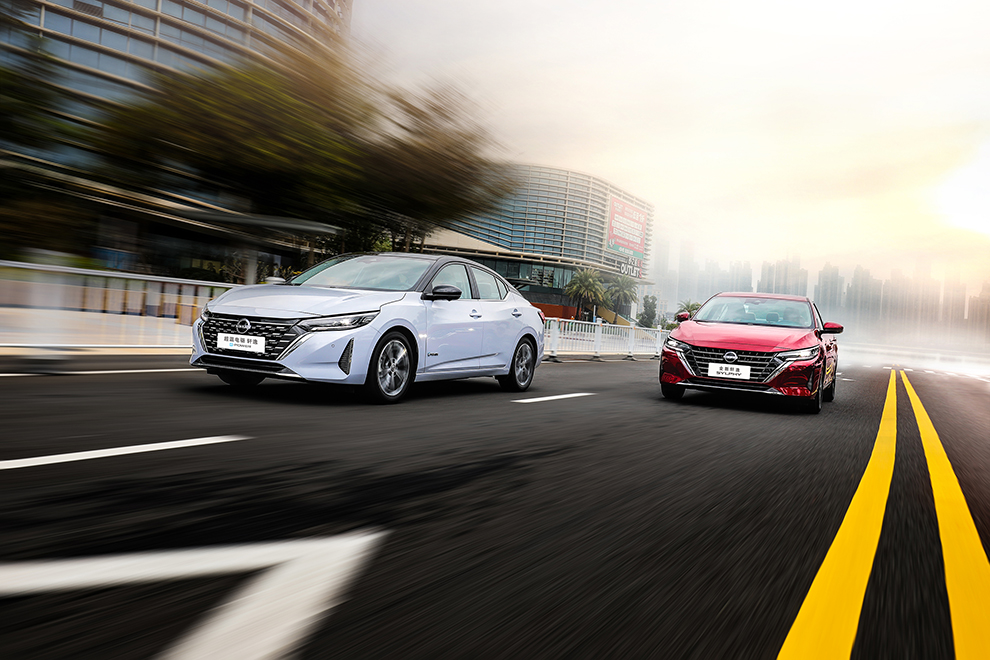
The Nissan Sylphy sits in the compact-sedan segment, a category that remains relevant to overseas dealers because it combines a familiar three-box format, practical cabin space and a powertrain strategy centered on fuel efficiency. Chinese-built examples commonly center on a 1.6-litre gasoline engine, while the domestic range also includes e-POWER and zero-emission variants. That combination gives importers several operating routes rather than one fixed specification. For fleets, its appeal lies in manageable operating costs, familiar service requirements and a standardized body style that supports multi-market purchasing and resale planning with confidence.
The model's export relevance also comes from how readily its size can be adapted to different markets. A compact sedan is easier to place than a large luxury sedan in urban fleets, while the Sylphy's restrained packaging can suit company cars, airport operations, ride-hailing businesses and distributor stock programs. Buyers should nevertheless compare each source-market version rather than assuming that a Chinese trim has the same equipment, emissions standard or service procedure as a domestic-market Sylphy sold elsewhere. This distinction matters when calculating operating cost or planning a multi-market rollout for the importer.
Global demand is not driven by one universal specification. Instead, it reflects whether a dealer can source a vehicle that meets local registration rules, fits its customers' budgets and can be maintained without creating an impractical parts burden. The Sylphy's broad Chinese trim and powertrain selection gives buyers room to negotiate that fit. Treat the model as a platform decision—body size, drivetrain, safety, software and after-sales support—not as proof of export suitability. In practice, match every order to a documented vehicle rather than a broad model description.
- Fleet-ready compact sedan.
- Combustion, e-POWER and BEV routes.
- Verify destination-market specifications.
Model range, trims and powertrain variants: how the lineup is structured and how to choose
Chinese Sylphy naming is extensive and can initially look harder to decode than the global range. Labels such as Classic, XE, XL and XV indicate trim families, while Comfort, Delight, Joy, Deluxe, Premium, Luxury, Smart Drive and Intelligent describe differing equipment or positioning. These names are market-specific: an overseas buyer should use them to identify the actual vehicle, then confirm features from photographs, the original sales specification and the VIN rather than assuming equivalent grade names abroad. A listing labeled only Premium is not a complete equipment description for procurement.
The combustion-oriented core is a 1.6-litre gasoline model, most often paired with a CVT, with a manual variant also appearing in the Classic 1.6XE Comfort line. For buyers prioritizing straightforward operation, the CVT is easier to specify consistently across trims, but the final choice should account for equipment, condition and resale market. Engine output figures may differ by market and calibration, so treat the live specification sheet as more authoritative than a generic model-year article. Do not order a powertrain by brochure shorthand when the destination has specific performance or emissions expectations.
Electrified choices require careful segmentation. The e-POWER name identifies Nissan's series-hybrid approach, in which the wheels are driven electrically while combustion-generated or stored energy supports the system; it should not be described as a battery electric vehicle. Separate zero-emission listings represent BEV versions. For either, confirm the exact battery capacity, usable range, charging interface, on-board charging equipment and efficiency from the specific listing, because those facts are not interchangeable between trims or model years. This distinction is essential when judging route suitability, charging access, tax treatment and local customer expectations.
- 1.6L gasoline core.
- CVT common; manual offered.
- e-POWER is not BEV.
- Verify EV battery, range, charging.
New vs used Nissan Sylphy: how export inventory is structured and how buyers choose
Chinese export inventory can contain both factory-new vehicles and previously registered cars, and the two categories should be compared as different procurement propositions. New examples are generally the cleaner starting point for fleet standardization: appearance, mileage and warranty terms can be more straightforward to establish. The trade-off is that model-year availability and specification allocation must be confirmed for the live unit, rather than inferred from a broad catalogue or a vehicle that is merely marked as available. Ask for a VIN-level confirmation of new status, production date and any prior registration.
Used Sylphys can make sense when a buyer prioritizes a lower acquisition outlay, a specific older configuration or immediate access to a vehicle already held in China. The key is to treat condition as a separate workstream. Inspect bodywork, interior wear, tyres, service records, fluid leaks, battery or charging faults for an EV, and evidence of accident repair. For a combustion car, verify that the engine starts cleanly and that the CVT or manual shifts as expected. A pre-shipment inspection should be tied to the agreed contract and recorded in photographs.
The decision should also include downstream resale cost. A newer or lower-mileage car may ease fleet financing and reduce immediate refurbishment, but it may command a higher purchase commitment; a used vehicle can leave more budget for preparation and shipping. Dealer buyers should compare a standardized fleet specification with a mixed stock plan for the independent aftermarket. Whichever route is chosen, confirm ownership documents, import eligibility, service history and warranty portability before paying. This matters when one order will be divided among submarkets with different expectations for condition and presentation.
- New aids fleet standardization.
- Used requires inspection.
- Check documents and EV health.
How export pricing works: the factors behind a live listing price, and how to read one
A Nissan Sylphy export price is not a fixed wholesale tariff or a universal amount for the badge. It is the outcome of the particular vehicle's model year, trim, powertrain, production specification, mileage, condition, ownership history and visible options. New-versus-used status also changes risk and inspection scope. For an EV, battery version, condition and remaining usable capacity can materially influence value; for any vehicle, repairs, documentation and delivery timing can affect the final commercial terms. The listing is therefore a starting reference for a specific unit, not a substitute for a binding quotation. Currency movements may also affect the amount presented overseas.
Logistics can move the final landed cost as much as the vehicle quote. The charging method, origin port, destination port, inland haulage, insurance, inspection, document fees and Incoterm all affect what the buyer ultimately pays. Duties, VAT or sales tax, registration charges and emissions penalties may sit outside the vehicle price and depend on the destination country. When comparing suppliers, ask for a landed-cost breakdown that separates vehicle cost, inland transport, freight, insurance, taxes and any compliance work. This prevents a low listed amount from masking a higher amount payable after delivery.
To read a live listing properly, open the individual unit rather than relying on a category headline. Confirm the year, exact trim, transmission, powertrain, mileage or new status, VIN, equipment, seller location and stated shipping terms. Ask what is included in the displayed amount and whether the seller can quote the selected Incoterm. For a multi-vehicle order, request unit-specific pricing because trim and condition can differ. ChinaCarDirect's live inventory is where to verify the current per-unit asking price, availability and quote inputs; use those figures for a current buying decision.
- Price each VIN.
- Calculate landed cost.
- Confirm Incoterms.
MOQ, ordering and payment: single units vs consolidating a container
Minimum order quantity depends on the seller's route, not simply on the Sylphy model name. A marketplace purchase may be possible for one vehicle, while a factory allocation or prepared export lot may require several units. Treat the MOQ shown for each listing as the commercial starting point, then confirm it in the quotation. Buyers wanting to test demand can order a mixed set of trims or model years; buyers filling a container can optimize allocation for a common specification. Consolidation can improve freight efficiency but reduces flexibility if demand changes.
A one-unit order suits a dealer testing a market, a fleet buyer replacing a small number of vehicles, or an importer assembling a mixed retail lot. The buying sequence should define the vehicle specification, inspection standard, payment milestones, refund conditions, documentation package, shipping method and delivery terms before funds are committed. A written pro forma invoice should identify the unit and any repair or preparation work. This creates a record for disputes and makes comparison with a multi-unit offer easier. It also shows whether the quoted terms apply to the selected VIN.
Payment structure should follow the risk at each stage. A common sequence is an agreed deposit, verification or inspection, balance payment tied to documentary handover, and then freight settlement. The exact sequence is negotiable, but the refund mechanism, who holds the vehicle, inspection rights and title documents must be clear. For container consolidation, specify how vehicles are allocated, how mixed damage or missing-document claims are handled, and who bears storage or demurrage if shipping or customs clearance is delayed. Those terms matter more when the shipment contains several trims with different values.
- Confirm listing MOQ.
- Use written milestones.
- Link payment to inspection.
Shipping, homologation and market compliance caveats: LHD/RHD and import rules by country
Shipping choice begins with the vehicle's dimensions, destination port, route and urgency. A complete car may move by roll-on/roll-off vessel, container or, where suitable, flat rack; e-POWER and BEV variants still require securement and battery-related transport controls. Transit time, frequency and cost vary by sailing schedule, consolidation strategy, origin handling and inland connections. Ask for the planned route, cutoff date, insurance coverage and tracking method so arrival can be planned rather than treated as an open-ended estimate. Confirm who handles port delivery and customs release before the vehicle is committed.
The biggest compliance distinction is steering configuration. A left-hand-drive car cannot simply be treated as a right-hand-drive alternative, and a right-hand-drive conversion may affect equipment layout, homologation and parts support. Chinese-market availability does not prove that a particular steering configuration is available for a destination. State LHD or RHD requirements at the RFQ stage, request photos of the steering position and instrument cluster, and have the exact configuration checked by the destination importer before shipping. Requirements for emissions, safety equipment, VIN plates, lights, glass, noise and charging equipment can also differ by country.
Import rules should be settled before the vehicle is committed. The buyer needs a clear path for customs classification, duties, taxes, registration, emissions testing and local safety or charging standards, along with responsibility for rejected or modified shipments. Chinese VI naming in a trim does not automatically satisfy every overseas standard. For EVs, verify charging voltage, connector and adapter arrangements; for combustion cars, check local emissions categories. An experienced destination broker or compliance specialist should review the VIN and option list before the final payment. This review can prevent costly shipment delays.
- Specify LHD or RHD.
- Check homologation.
- Verify charging and emissions.
Who should buy the Sylphy — and who should pick a different vehicle
The Sylphy is a strong candidate for cost-conscious distributors, company-car programs, airport and municipal fleets, and dealers serving urban customers who value a conventional sedan with manageable packaging. The 1.6-litre gasoline, CVT-led range is straightforward to communicate and maintain, while e-POWER can suit buyers seeking a more distinctive electrified option without specifying a BEV. A zero-emission version may appeal where charging access and local incentives are established. Suitability depends more on infrastructure and policy than badge appeal. Test the model against duty cycles, route lengths, charging access and resale expectations.
It may be a poor fit for buyers prioritizing premium cabin materials, high-output performance, all-terrain capability or a large towing package. A traditional BEV may also be unsuitable where charging standards, cold-weather range management or service support are weak. Independent aftermarket buyers may prefer a model with better-documented configurations in their own country. Likewise, a fleet operator that values a long service record across many markets may prefer a locally built rival with a deeper parts network. The Chinese Sylphy is most compelling when its specification and support plan are explicit.
The strongest purchase case combines a clear buyer segment with a complete compliance and aftersales plan. For a fleet, standardize one powertrain and trim family where possible, retain service manuals and common parts, and calculate residual value against realistic local alternatives. For a distributor, test one or a mixed group of units, document customer feedback, and scale only after checking registration, servicing and resale. The model can work as an export product, but its success depends on disciplined matching rather than volume alone. Specification discipline prevents an attractive car becoming costly stock.
- Fleet and distributor fit.
- Urban sedan strength.
- Limited premium or off-road fit.
Main rivals and how the Sylphy compares
The closest segment alternatives depend on the destination, because Toyota Corolla, Volkswagen Lavida and Hyundai Elantra are offered in different configurations across markets. The Corolla is a strong efficiency-and-resale benchmark, with hybrid choices in many regions. The Lavida is a direct China-market family-sedan competitor, while the Elantra often competes on value, design and equipment. Each has a locally established identity that the Chinese-built Sylphy must earn through specifications, compliance and after-sales support. Do not compare the Chinese-built car with an overseas model of the same name without checking exact configuration equivalence.
Against the Corolla, the Sylphy's distinguishing point is access to a Chinese-market portfolio that includes conventional 1.6-litre versions, e-POWER and zero-emission listings. The Corolla may have the stronger global service recognition and broader local hybrid availability, so those advantages should be weighed carefully. Against the Lavida, the comparison is closer in size and family-sedan use; the deciding factors are trim equipment, powertrain preference, price, delivery and dealer support. Neither badge guarantees the better imported vehicle. For fleets, total cost, uptime, parts planning and resale should carry more weight than badge familiarity alone.
The Elantra comparison is similarly practical: it is a value-oriented compact sedan, while the Sylphy's e-POWER and BEV availability can provide greater powertrain differentiation for certain markets. Conversely, the Elantra may be easier for some importers to support through established local channels. A sound decision uses the same checklist for all three—destination homologation, real-world running costs, service parts, insurance categories, residual demand and confirmed delivery terms. The best rival is the one your market can support after the vehicle arrives, not automatically the newest or lowest quoted alternative. Use verified local evidence.
- Corolla benchmark.
- Lavida rival.
- Elantra alternative.
Live Nissan Sylphy export inventory
View all listings →Real units currently on ChinaCarDirect with per-unit asking prices and MOQ. Availability updates live from the catalogue.
How to buy a Nissan Sylphy from China
-
1
Define the destination brief
Record the required steering configuration, powertrain, equipment level, budget, port and local compliance priorities. Separate the customer's target market from any planned secondary resale market.
-
2
Shortlist live inventory
Open the current Nissan Sylphy listings and compare individual units. Each live listing is the source for the current per-unit asking price, MOQ and availability.
-
3
Verify the exact vehicle
Request the VIN, model year, trim, transmission, powertrain, mileage or new status, equipment photographs and ownership documents. For an EV or e-POWER car, obtain the applicable battery, range and charging information.
-
4
Build a landed quotation
Ask for a written quote separating the vehicle, inland transport, freight, insurance, document fees, Incoterm and destination taxes where applicable. Obtain unit-specific terms for a multi-vehicle purchase.
-
5
Approve inspection and payment
Agree the inspection standard, refund conditions, document package and payment milestones before paying. Release the balance only after the agreed inspection and documentation milestones are met.
-
6
Book and insure the shipment
Approve the vessel or alternative transport method, securement requirements, insurance, tracking process and cutoff arrangements. Confirm responsibility for origin handling, freight settlement, port charges and customs clearance.
-
7
Complete clearance and delivery
Provide the destination importer with the required commercial, title and vehicle documents before arrival. Complete registration, conformity and inspection procedures, then inspect the vehicle against the agreed condition before release.
Sylphy vs rivals
| Toyota Corolla | The Corolla is a globally familiar efficiency and resale benchmark with strong hybrid relevance in many markets. The Sylphy differentiates through its Chinese-market e-POWER and zero-emission sourcing options, but local Corolla support may be easier to find. |
|---|---|
| Volkswagen Lavida | The Lavida is a close China-market family-sedan competitor by size and use, so equipment, powertrain choice, delivery and service support should decide. The Sylphy offers a broad listing choice spanning combustion and electrified configurations. |
| Hyundai Elantra | The Elantra competes on value and equipment and may offer deeper local aftersales familiarity for some importers. The Sylphy is attractive when buyers specifically need the Chinese 1.6L, e-POWER or BEV configurations. |
Frequently asked questions
How is Nissan Sylphy export pricing determined?
Pricing is unit-specific: model year, trim, powertrain, battery version, mileage, condition, ownership history and equipment influence the vehicle's asking price. Freight, insurance, inland transport, port charges, Incoterm, exchange-rate movements and destination taxes can change the landed cost. Check the current Nissan Sylphy listings for each live asking price, then request a written quotation for the selected unit.
Which Nissan Sylphy engines and powertrains can be sourced for export?
The represented Chinese range includes 1.6-litre gasoline cars with CVT or manual transmission, e-POWER series-hybrid versions and separate zero-emission BEV listings. e-POWER is not the same as a battery electric vehicle. Exact battery capacity, usable range, charging system and output must be checked on the specific live listing.
Should an overseas buyer choose a new or used Nissan Sylphy?
New vehicles generally simplify fleet standardization, condition documentation and warranty administration, while used vehicles may suit a lower initial outlay or a specific older configuration. Used examples require closer inspection of wear, service history, ownership documents and, for EVs, battery and charging condition. The better choice depends on budget, resale expectations and inspection findings for each unit.
What is the MOQ when ordering a Nissan Sylphy from China?
MOQ is seller and listing-specific. A single-unit marketplace order may be available, while a factory allocation or prepared export lot can require multiple vehicles, so confirm the current MOQ on each live listing and in the quotation. For a container order, specify how each unit is allocated and protected.
How long does shipping take and what determines the freight cost?
Transit time and freight depend on origin and destination ports, sailing frequency, consolidation, route, insurance, vehicle handling and inland haulage. A complete car may move by roll-on/roll-off vessel, container or suitable flat-rack transport. Ask for the planned route, cutoff, tracking arrangements, insurance and all destination charges so the delivery plan is complete.
Are Nissan Sylphy spare parts available for export models?
Chinese-market Sylphy trims may use equipment and part codes that differ from vehicles sold in other regions, particularly with e-POWER or EV systems. Request a parts-reference check for the exact trim and model year, identify common service items and assess local technician access. Electrified versions also require diagnostic support and appropriate high-voltage safety capability.
Is a right-hand-drive Nissan Sylphy available from China?
An LHD Chinese Sylphy should not be assumed to be an RHD vehicle. Some destinations require or strongly favor RHD, while others accept LHD for particular vehicle classes. State the required configuration in the RFQ and confirm the steering position, VIN and local homologation before ordering.
How do I order a Nissan Sylphy for export?
Begin with the live Nissan Sylphy inventory, shortlist units by VIN and specification, and request a written quote with the destination, Incoterm, MOQ and payment milestones. After approving inspection and document requirements, complete the agreed payment stages and shipping process. The destination importer should then handle customs clearance, registration and final conformity checks.
Ready to source the Nissan Sylphy?
Request a tailored Nissan Sylphy export quotation with VIN-level specifications, current pricing, MOQ, Incoterm and delivery options.
Request a quote