
Nissan Teana Export Buying Guide for Overseas Dealers
Plan a Nissan Teana purchase from China with practical guidance on trims, engines, export pricing, MOQ, shipping, compliance, rivals and current inventory.
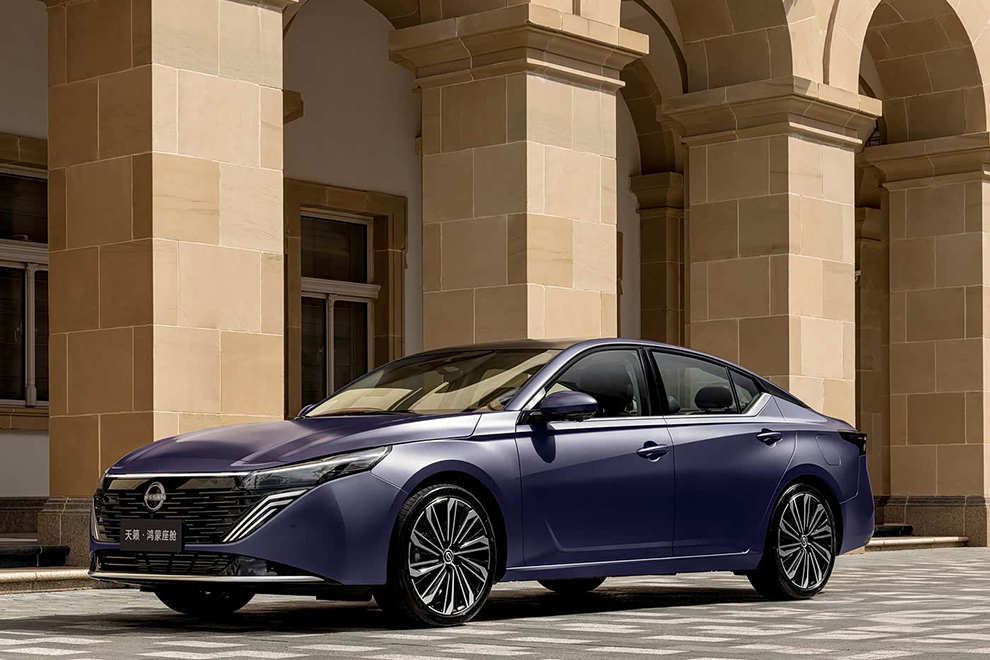
At a glance
- The Teana is a comfort-focused midsize sedan suited to executive, rental and company fleets.
- Export choices include 2.0L, 2.5L and 2.0T gasoline variants across numerous market-specific trims.
- New cars support fleet standardization; used cars require condition, history and mechanical scrutiny.
- Compare total landed cost using the live listing price, Incoterm, freight, duties and taxes.
- MOQ, payment, shipping and homologation requirements must be confirmed for each order and destination.
Why the Nissan Teana matters for export markets
The Nissan Teana is a front-wheel-drive midsize sedan built around comfort, spaciousness and conventional three-box styling. It matters to overseas buyers because it combines a familiar Nissan model name with the generous cabin and equipment level associated with the Chinese market. For dealers, it is a practical candidate for executive transport, airport transfers, hotel fleets and company-car programs where rear-seat comfort and climate-control equipment matter more than sporty handling. Its long-serving nameplate helps buyers who already recognize Nissan, while the four-door format fits established fleet-procurement categories in many destination markets.
The model's export appeal is strongest when the importing market values cabin refinement, rear-seat space and a mature Nissan service proposition. Executive and chauffeur buyers may prioritize sound insulation, ride comfort, climate control and rear-seat usability, while rental operators can concentrate on durability and standardized trim procurement. A dealer should separate these use cases from performance-led demand: the Teana is primarily a comfort-oriented family and business sedan, not a sports model. It also offers company-car clients a more familiar and conventional proposition than niche models with unfamiliar badges or complex powertrains.
Global demand should not be assumed to be uniform. The Teana is better known in parts of Asia and selected other markets than in North America or Western Europe, so resale prospects depend heavily on local brand recognition, spare-parts access and the importer's ability to support the model. Buyers should treat China availability as the easy part and test demand through pre-sales before committing to a large consignment. A mixed model-year plan can reduce risk, but only if each unit has a target customer and a realistic margin after freight and taxes.
Model range, trims and powertrain variants: how the lineup is structured and how to choose
Chinese-market Teana naming is more useful as a hierarchy than a simple global trim chart. The export range includes 2.0L XL Comfort and Comfort Edition cars, facelifted versions, TLS and Upper grades, Smart Advance or Smart Enjoyment editions, XE Fashion cars, and selected 2.5L Leading or 2.0T models. Names can change between years, so buyers should compare equipment, condition and mechanical specification rather than assume that XL denotes one identical specification worldwide. This avoids paying for prestige wording when the features do not match the buyer's practical requirement or service needs.
Engine choice is the clearest mechanical split. The 2.0L family is a core option and should suit buyers seeking the conventional balance of purchase cost, fuel use and availability. The 2.5L option offers a larger displacement for buyers who prefer additional flexibility, while the 2.0T editions target customers wanting a more responsive character. Because output figures, transmission type and regional calibration are not reliably inferred from the trim title, those items must be confirmed in the vehicle-specific listing and documentation. Ask for the VIN and original build sheet before payment.
For fleet buyers, standardization should take priority over chasing the newest badge. Select the engine, transmission, steering configuration and core equipment package that can be supported and resold locally, then decide whether higher-spec comfort or safety technology justifies a premium. Dealer technicians should verify cooling, infotainment and electrical compatibility, because China-market equipment can differ from Nissan equipment sold elsewhere under the same model name. A common specification simplifies parts ordering, staff training and customer explanations, while reducing the risk that a feature-rich trim becomes difficult to resell in the destination market.
- Confirm the engine on each vehicle
- Treat trim names as market-specific
- Match specifications to local support
New vs used Nissan Teana: how export inventory is structured and how buyers choose
A Nissan Teana for export can be sourced as a new vehicle or a used example, and the two routes solve different commercial problems. New units are easier to describe, standardize and reconcile with fleet specifications; they may also have clearer warranty pathways when the importer can support them. Used cars can provide access to older, well-equipped models at a lower acquisition cost, but every unit requires closer inspection because wear, prior repairs and remaining service life become part of the product. The choice should follow the intended holding period.
New inventory is most suitable for a dealer building a consistent rental or company fleet, where common keys, trim, colour and service procedures reduce downtime and training costs. A used unit may suit an importer seeking a specific generation or equipment level, or a buyer comfortable with refurbishment. Used sourcing should be judged on documented mileage, service intervals, VIN history, accident repair, paint condition, cabin wear and mechanical inspection rather than model year alone. A lower entry price can be consumed by tax, repairs, reconditioning and slower resale if defects were missed.
Live inventory is the only reliable source for the current balance of new and used Teana offers. Compare each vehicle's description, condition disclosure, photographs, seller location, age and quoted commercial terms before assuming two similarly named listings are equivalent. For a mixed fleet, separate factory-new purchases from inspected used purchases in your costing model, and do not market them under the same warranty or residual-value assumptions. A clear unit-level file also makes it easier to explain the sale price while preserving what the importer accepted and promised to the customer.
- New cars favor fleet standardization
- Used cars require detailed inspection
- Check condition and seller terms
How export pricing works: the factors behind a live listing price, and how to read one
A Nissan Teana export price guide should be read as a pricing method, not a fixed market quote. The vehicle's model year, generation, trim, engine and transmission form the starting point. Mileage and condition affect a used car, while specification and presumed delivery status affect a new one. After the vehicle value is set, exchange-rate movements, seller margin, inspection, inland transport, port charges, ocean freight, insurance and the selected Incoterm can materially change the amount payable. Buyers should separate the vehicle's quoted condition from the full landed-cost calculation before comparing offers.
Incoterm choice determines where responsibility transfers. An ex-works price leaves the buyer responsible for collection and nearly the entire journey; FOB and CIF arrangements place defined port obligations and marine-insurance responsibilities on seller or buyer according to the named term. A live listing may show an attractive vehicle figure without clearly including destination charges, so ask for a written quotation that states the delivery term, payment currency, documentation, validity period and any charge that is excluded. Comparing two listings is meaningful only after their delivery scopes and currencies have been normalized.
Use the live Teana listings on ChinaCarDirect for the current per-unit price and availability, then build a comparison sheet around total acquisition cost. Add the chosen transport mode, destination handling, customs duties, taxes, registration, compliance work and warranty reserve. Negotiate the vehicle price separately from logistics when possible, and verify whether a discount changes the Incoterm, documentation package or payment timing. The right quote is not simply the lowest displayed number; it is the most transparent offer for the vehicle specification. For recurring orders, retain comparable assumptions so exchange and freight movements remain clearly visible.
- Compare equivalent vehicles
- Normalize currency and Incoterm
- Verify each live listing price
MOQ, ordering and payment: single units vs consolidating a container
Nissan Teana wholesale purchasing may involve a single unit, a mixed model-year batch or a consolidated container order. Some sellers quote individual vehicles, while others set a minimum vehicle count for a containerized booking or provide a better rate for larger volume. The minimum is commercial, not universal: read it on each live listing and written quotation, and confirm whether it applies to one model or the combined order. A buyer seeking a rare trim should not let a container minimum force clearly unsuitable vehicles into the approved sourcing plan.
Single-unit buying is useful for testing the model, supporting a small fleet or filling a gap in a mixed shipment. It offers flexibility but may not secure the seller's transport economics. Consolidating units can improve freight efficiency and give the importer leverage, but it concentrates cash, delay and resale risk. Model the delay between payment, loading and arrival against the vehicle's earning cycle, and include a contingency if one unit in the batch is unavailable. This matters when several units share the same finish but differ in grade or condition.
A controlled order sequence reduces disputes. Confirm the selected VIN or production specification, receive a pro forma invoice and sales contract, verify the beneficiary and payment method, pay against the agreed milestone, complete a pre-shipment inspection, and release the balance only after documents and vehicle condition are confirmed. Payment protection should be proportionate to the order: an unsecured balance carries more risk than a staged transaction, and credit-card or platform protections may not apply to every seller or market. Use a written change-control process if the seller substitutes a vehicle.
- Check the MOQ on each quote
- Weigh single-unit against container orders
- Use staged, inspection-linked payments
Shipping, homologation and market compliance caveats: LHD/RHD and import rules by country
Shipping begins only after the vehicle and trade terms are settled. Importers must confirm whether the Teana is finished for left- or right-hand-drive use, because that affects sourcing, parts and the intended market. A Chinese vehicle not configured for the destination's required steering position should not be assumed suitable, and mechanical conversion is not a substitute for homologation or local safety compliance. RHD availability must be checked in the live listing. Ask the seller for a steering-position photograph and VIN-matched build information before committing funds to the order or vehicle.
Import rules are destination-specific. Depending on the country, a vehicle may need emissions conformity, safety or type approval, customs inspection, a valid VIN and ownership documents, proof of origin, translated manuals or labels, registration support, and evidence of age or emissions eligibility. Local rules can restrict used imports or require modifications. An importer should obtain a regulatory checklist from a customs broker or local authority before loading, because compliance failures can cause delays, storage charges or refusal at the border. The importer, not only the seller, must accept local obligations.
Freight cost and lead time depend on origin and destination ports, vessel or roll-on/roll-off routing, container availability, customs workload, weather, port congestion, insurance and documentation readiness. Vehicle dimensions and cargo configuration can affect transport options, so ask the freight forwarder to plan the VIN rather than estimate from the model name. Use the seller's shipping estimate only as a starting point, then obtain a forwarder booking quote and track milestones through collection, export, transit, arrival and clearance. Allow time for inspection, repairs and missing-document resolution before assuming the sailing date.
- Verify VIN-matched steering configuration
- Complete destination approval before loading
- Have a forwarder quote the route
Who should buy the Teana — and who should pick a different vehicle
The Teana is a good fit for importers and fleet operators seeking a comfortable, conventional sedan with a recognizable marque and a selection of Chinese-market specifications. It is especially relevant where airport and executive transfers, rental fleets, hotel cars or employee transport form the core demand. Buyers who value rear-seat comfort, a full-size trunk, climate amenities and gasoline operation will find its proposition easier to justify than one built around hybridization or battery-electric range. The model can offer more equipment than a basic fleet sedan without moving into a luxury brand.
A Teana may be the wrong choice for an importer in a market with strict zero-emission fleet mandates, limited gasoline infrastructure, or buyer preference for a hybrid powertrain. It may also suit poorly if the dealer needs a small city car, a true seven-seat utility vehicle, a performance-focused model, or a right-hand-drive product unavailable in the intended configuration. Those requirements should be defined before comparing badges, because no discount compensates for an unsuitable product. A mixed import plan may work only with clearly separated target segments and clear margin assumptions.
The right alternative depends on the market rather than a universal ranking. A Toyota Camry or Honda Accord may be easier to reposition where brand awareness and residual demand are stronger; a Nissan Altima can be attractive where Nissan support and familiarity matter. Hybrid sedans may suit fuel-cost-sensitive operators, while a battery-electric model may be necessary for local incentives. In every case, compare landed specification, parts support, compliance and resale economics rather than showroom equipment. The Teana wins when its equipment, availability and landed value outweigh local unfamiliarity in the destination market.
Main rivals and how the Teana compares
The Toyota Camry is the closest benchmark for buyers who know the Teana primarily as a comfortable midsize family sedan. The Camry often carries stronger international recognition, and hybrid availability can be attractive where fuel economy is a priority. The Teana can offer a different mix of Chinese-market equipment and acquisition value, but its importer should verify local service familiarity and resale demand. Neither model should be chosen solely on brochure content; destination brand strength and parts network are decisive. For fleets, compare running-support assumptions as well as purchase price.
The Honda Accord competes as another established midsize sedan with an international footprint. Buyers may prefer it for a particular local trim, powertrain option, dealer network or resale benchmark, while the Teana may provide broader access to particular Chinese-origin equipment grades. A Japanese-built Accord and a China-built Teana should not be treated as identical global products: emissions, safety equipment, software, steering configuration and homologation can differ by factory and model year, and each must be checked for the destination. Test parts interchangeability claims rather than assuming shared components across factories.
The Nissan Altima is the most direct alternative for a buyer seeking a comparable midsize Nissan sedan. It may offer a more familiar global proposition in some destinations, which can simplify marketing and parts planning, although availability and specification still vary by market. The Teana's distinction lies in China-focused trim breadth and comfort-oriented presentation. If local buyers recognize the Altima more readily, the Teana may need stronger pricing discipline and a narrower target for premium equipment, fleet management or executive use. A landed-cost and residual-value model is more reliable than brand prestige.
- Camry: stronger global brand recognition
- Accord: established trim-specific alternative
- Altima: closest global Nissan alternative
Live Nissan Teana export inventory
View all listings →Real units currently on ChinaCarDirect with per-unit asking prices and MOQ. Availability updates live from the catalogue.
How to buy a Nissan Teana from China
-
1
Set the destination requirement
Define the destination country, LHD or RHD configuration, passenger or fleet use, fuel needs and local compliance before choosing a trim. This prevents an unsuitable or non-compliant unit from entering the order.
-
2
Search the live inventory
Use the live Teana listings to compare model year, exact trim, engine, condition, photographs, seller location and VIN availability. Shortlist vehicles against the same specification rather than relying on the trim title alone.
-
3
Request a comparable quotation
Ask each shortlisted seller for the vehicle price, currency, Incoterm, MOQ, payment schedule, documentation, freight scope and quote validity. Normalize the figures into a landed-cost comparison before selecting.
-
4
Confirm local compliance
Have a customs broker or local authority check emissions, safety or type approval, VIN, ownership and origin documents, age rules, taxes and used-import restrictions. Do not release final payment until written approval is obtained.
-
5
Contract and pay
Approve a pro forma invoice and sales contract naming the exact vehicle or build specification, inspection standard, delivery term and handling of substitutions. Verify the beneficiary and use staged payment terms appropriate to the transaction.
-
6
Inspect before release
Use an independent pre-shipment inspection to verify condition, VIN, options, odometer reading and visible repair history. Release the balance only after discrepancies and documents are resolved to the contract standard.
-
7
Book freight and clear customs
Give the forwarder the actual vehicle details and agreed Incoterm, then track collection, export, transit, arrival, customs and registration. Archive the invoice, contract, inspection report and shipping documents for warranty and resale support.
Teana vs rivals
| Toyota Camry | The Camry often has greater international recognition and can offer hybrid choices where fuel economy is a priority. The Teana may provide Chinese-market equipment and acquisition value, but it is stronger for buyers who have verified local parts support and demand. |
|---|---|
| Honda Accord | The Accord is an established midsize alternative with market-specific trims and powertrain choices. It may be the safer resale proposition in markets with a strong Honda dealer network, while the Teana offers a broader China-focused equipment pool for buyers seeking comfort and value. |
| Nissan Altima | The Altima is the closest global Nissan comparison and may be more familiar to local buyers, simplifying marketing and parts planning in some markets. The Teana stands apart through its China-focused trim range and comfort-led positioning, so the decision should follow local recognition, homologation and residual demand. |
Frequently asked questions
How is Nissan Teana export pricing determined?
Export pricing starts with the vehicle's year, trim, engine and transmission, condition and delivery status. Exchange rates, freight, insurance, port charges, duties and Incoterms can change the final payable amount. Check the live Teana listings for current per-unit pricing and request a written landed-cost quotation with the delivery scope defined.
Which Nissan Teana engines and transmissions are available?
The export range includes 2.0L and 2.5L gasoline engines, with selected 2.0T editions. These are combustion-engine sedans, so there is no battery range or charging specification to evaluate; confirm the exact transmission, output and build specification on the individual listing because trim names vary by year.
Should I buy a new or used Nissan Teana?
New Teanas suit fleet standardization and may have clearer warranty routes; used cars can offer access to specific generations or equipment at a lower acquisition cost. Used units require stricter checks of mileage, service history, accident repair, condition and mechanical integrity, and should not receive the same warranty or residual-value assumptions.
What is the MOQ for a Nissan Teana order?
MOQ is set by the seller and order type: a single vehicle may be accepted, while a container booking may require a minimum count or mixed batch. Read the MOQ on the live listing and written quotation because it can differ between a single-unit purchase and a consolidated wholesale order.
How long does Teana shipping take and what drives the cost?
Shipping time and cost depend on the port pair, vessel or RoRo routing, container space, customs clearance, congestion, weather, insurance and documentation readiness. A vehicle-specific freight quote is more reliable than a generic model estimate, and the importer should allow for inspection and document correction before the promised sailing date.
How are Nissan Teana spare parts and aftersales handled?
Order parts using the VIN and verify that the seller or importer stocks the required engine, trim, body and electronic components. Chinese-market Teanas can differ from vehicles sold in other regions, so assess local Nissan support and cross-border lead times before promising fleet uptime.
Can I buy a right-hand-drive Nissan Teana for export?
Right-hand-drive availability depends on the specific vehicle and current sourcing. Check each live listing for steering configuration and ask the seller for VIN-matched evidence; do not assume a left-hand-drive Chinese car can simply be converted or homologated for RHD use.
How do I order a Nissan Teana from China?
Start with the live Nissan Teana listings, shortlist exact vehicles, request an RFQ, and compare the written quote, MOQ, Incoterm and payment schedule. After the specification and destination compliance are confirmed, use a contract, staged payment, pre-shipment inspection and freight booking; release the balance only against the agreed documents and vehicle condition.
Ready to source the Nissan Teana?
Send your destination, required steering configuration, preferred trim and target quantity to request a current Nissan Teana quotation.
Request a quote