
Nissan Patrol Export Buying Guide for Dealers and Fleets
Buy a Nissan Patrol from China with practical guidance on trims, new and used options, export pricing, MOQ, shipping, compliance and rival SUVs.
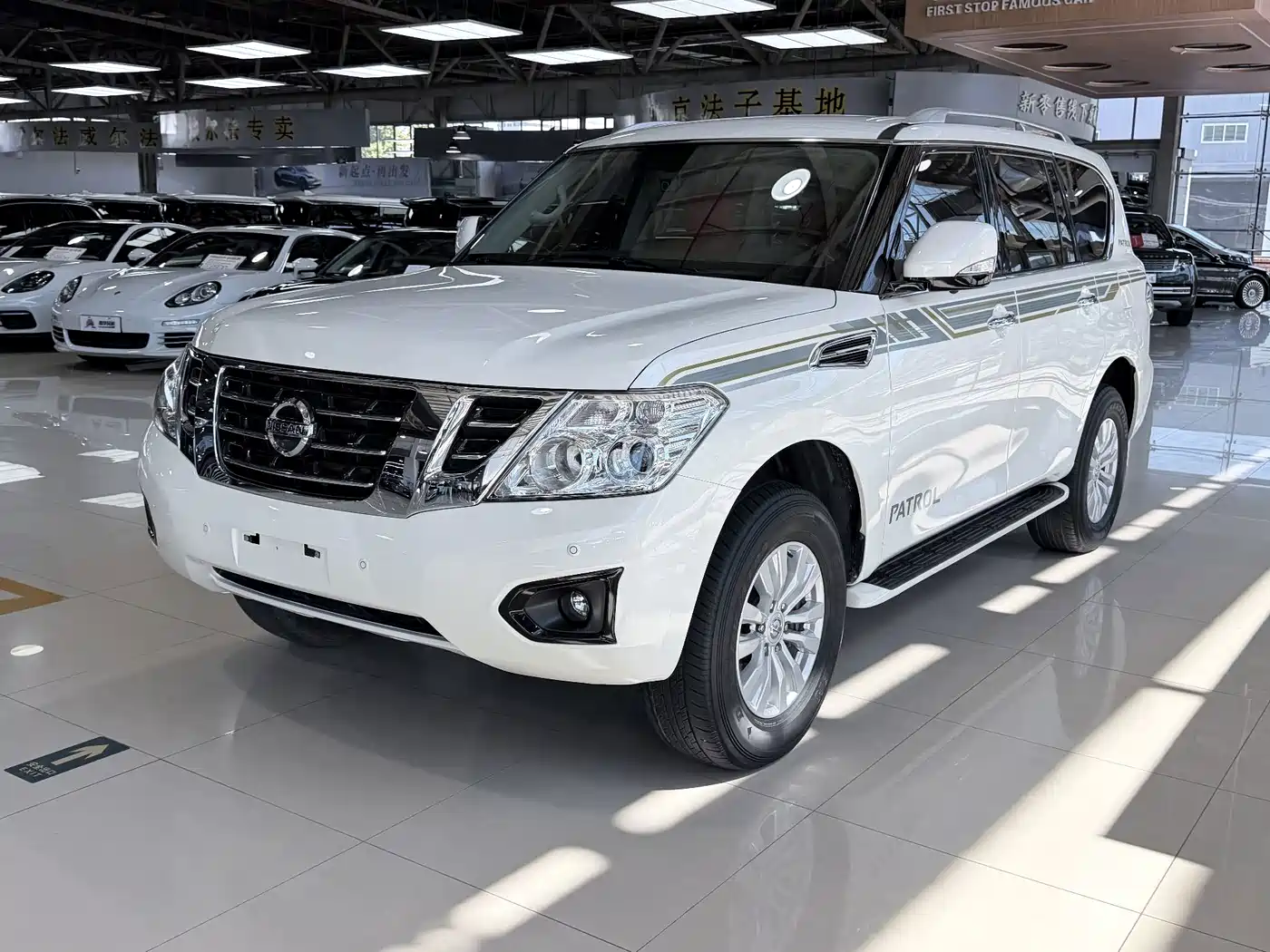
At a glance
- The Patrol serves buyers seeking a full-size, seven-seat SUV with a traditional automatic powertrain and four-wheel drive.
- The export range includes 4.0-liter gasoline Y62 vehicles, while some Armada-branded entries use the 5.6-liter engine.
- Trim value depends on equipment, market origin and condition rather than the name alone.
- Used purchases can suit individual importers and fleets, but inspection and document checks are essential.
- Treat each live listing as the source for the current vehicle price, MOQ and availability, then calculate the landed cost.
Why the Nissan Patrol matters for export markets
The Nissan Patrol occupies a useful position for overseas buyers: a full-size, body-on-frame SUV that combines seven-seat flexibility with traditional four-wheel-drive credentials. In the export market, it is especially relevant to buyers seeking a Middle East-style 4.0-liter gasoline vehicle, while listings also include Armada-branded 5.6-liter versions. That combination gives importers a recognizable, practical platform rather than a niche model, but market-specific differences still matter. It has historical recognition in markets where large, durable SUVs are used for official, hospitality and fleet duties, provided the imported specification is suitable for local operation. For a dealer, that means assessing the vehicle as a product family, not treating every Patrol-branded listing as identical.
Demand for the Patrol is usually driven by a practical requirement: carrying seven people, equipment and luggage without moving into a smaller utility class. Buyers such as regional dealers, government contractors, hospitality operators and mixed fleets value the combination of cabin space, road presence and a conventional automatic powertrain. A 4.0-liter V6 provides a straightforward gasoline option, while some Armada-linked entries use a 5.6-liter V8. Which one fits is less about displacement alone and more about fuel availability, duty cycle and parts planning at the destination.
The Patrol is not automatically the right export purchase because its badge is familiar or because one quote appears lower than another. Middle East, US-specification and parallel-import descriptions can point to different equipment, documentation histories and steering arrangements. A disciplined buyer should verify the VIN, production year, engine designation, seat count, options and import documents before treating the listing as a saleable asset for a particular country. This discipline protects the buyer from assuming that four-wheel drive, factory equipment or homologation status can be inferred from the model name alone.
- Full-size body-on-frame SUV
- 4.0-liter gasoline core
- Verify market specification
Model range, trims and powertrain variants: how the lineup is structured and how to choose
The export-facing Patrol line-up is structured around Y62-era vehicles, most commonly described in listings as 4.0-liter, automatic, seven-seat models. Trim names such as XE Middle East Version, Leadership, LinkedIn Edition, Platinum and Flagship indicate different equipment packages, but they are not a universal global hierarchy. Buyers should compare the exact option list—interior, infotainment, climate control, safety equipment and exterior treatment—rather than assuming that a higher-sounding trim is mechanically superior. Some names may also reflect parallel-import or regional packages, so factory literature and the VIN-linked build record should guide any premium decision.
Some vehicles are titled Patrol while carrying 5.6L Armada designations, including Standard, Invincible Fleet and Flagship-related names in the export catalogue. The Armada label can describe the related full-size platform, but a buyer should not use the badge alone to determine body generation, drivetrain or market origin. Confirm the engine, automatic gearbox, seating, VIN, model year and physical condition in the live listing. This is especially important when one vehicle will anchor a mixed export order. A request for the build plate, identification documents and clear photographs should form part of pre-contract verification.
Choice should begin with the operating brief rather than the trim badge. A fleet carrying equipment across poor surfaces may prioritize durable equipment and straightforward service; a chauffeured or executive buyer may focus on cabin appointments; a distributor may need a version already familiar to local technicians. Confirm four-wheel drive, steering position, fuel type, seat configuration, spare-wheel arrangement and installed options for every candidate. Exact power output, emissions data and dimensions can differ by specification, so use the live listing and manufacturer build information rather than general online assumptions instead.
- Compare equipment, not names
- Separate Patrol and Armada
- Confirm steering and 4WD
New vs used Nissan Patrol: how export inventory is structured and how buyers choose
New Patrol exports generally represent the lower-risk end of the condition spectrum, but the label alone does not tell the whole story. A new vehicle may be a current dealer demonstrator, an unregistered stock unit or a parallel-import vehicle sourced or specified for another market. Confirm the seller’s definition of new, the production date, delivery mileage, warranty coverage and whether the invoice identifies the vehicle as new. The same discipline applies to a recently registered unit: it may look new but still carry registration, usage or conformity issues history.
Used Patrol inventory is a different procurement opportunity. The export catalogue contains used examples from several Y62 periods, including 4.0-liter Middle East versions and parallel-import vehicles, and it also includes later used Armada-branded 5.6-liter entries. For each vehicle, mileage is only the first condition variable. Buyers should examine service history, chassis and body condition, interior wear, tire age, accident repairs, fluid leaks, electrical faults and whether the odometer reading is supported by records. The absence of visible damage is not enough when the buyer needs a dependable vehicle for revenue-producing work.
The right comparison is total exposure, not a simple new-versus-used rule. A new unit usually offers less initial wear uncertainty and more consistent specification across a fleet, while a used vehicle can reduce acquisition cost when its condition is properly evidenced. New imports can still be expensive after freight, tax and compliance work; used units can become costly if repairs, missing documents or unsuitable steering arrangements emerge. Decide from a written specification, an inspection, a document review and a destination-specific landed-cost calculation for each vehicle before placing the export order.
- New lowers wear uncertainty
- Used needs condition evidence
- Compare landed exposure
How export pricing works: the factors behind a live listing price, and how to read one
Export pricing is a calculation, not a permanent model price. The live amount can move with production year, trim, engine, mileage, condition, market specification, seller terms and the currency movement applied at quotation or settlement. Freight, marine insurance, port handling, inland transport and import charges may sit outside the displayed vehicle amount. Incoterms also determine where responsibility passes. Therefore, compare the vehicle price and the landed cost separately; a lower listing figure is not necessarily a cheaper vehicle in the destination market. Ask every seller to state inclusions in writing.
Read a Nissan Patrol listing line by line rather than reacting to the headline price. Confirm the year, exact trim, engine and gearbox, seating, steering side, mileage, condition, options, VIN availability, location and any repair disclosure. Review photographs for body alignment, interior wear and visible damage, but treat them as supporting evidence rather than an inspection. Also establish whether the displayed amount includes tax, export documentation, transport or terminal charges. A current, binding quotation should identify the vehicle or stock reference, the Incoterm and the period for which the terms remain valid.
To compare like with like, build a worksheet for each candidate. Put the vehicle amount in one column, logistics and insurance in another, then add destination taxes, duties, registration, compliance work and expected preparation costs. Use the same exchange-rate basis and delivery scope for every seller, and recalculate before payment because currency and sailing quotes can change. Exact price, MOQ and availability are shown per unit in the live inventory on ChinaCarDirect; use those current figures as the starting point, then request a written quote for the intended configuration in question.
- Separate vehicle and freight
- Normalize exact specifications
- Revalidate FX and Incoterms
MOQ, ordering and payment: single units vs consolidating a container
Minimum order quantity is set at the offer level, so check the MOQ displayed on each live Nissan Patrol listing and have the seller confirm it in the quotation. One-unit purchasing may be available for some vehicles, while a particular seller, production batch or shipment program may require more. Do not assume that the catalogue behaves uniformly, and do not rely on an old enquiry response after a vehicle has been sold. If a buyer needs one vehicle, the correct question is whether that exact listing permits a single-unit order, not what an undated market summary says.
Consolidation can improve control when several Patrol units are moving to the same destination, but it changes the risk profile. Vehicles intended for one fleet should have compatible documents, steering arrangements, finishes and service expectations. Confirm how units will be grouped, which documents travel with the shipment, and who is responsible for loading, lashing and receiving. Container capacity depends on actual vehicle dimensions and securement requirements, so calculate with the specific units rather than assuming a fixed number will fit. Mixed destinations or specifications usually require separate transport arrangements instead.
A sound ordering sequence starts with a written specification, not a payment reference alone. Ask the seller to confirm the matching unit, price, MOQ, Incoterm, production year, engine, mileage, condition and document package. Review the pro forma invoice and sale contract, then agree the deposit, balance, inspection, release and refund conditions in writing. Payment methods, accepted currency and bank charges vary by seller, so verify them directly and use the contract reference for every transfer. A buyer should never treat a general catalogue message as a substitute for a unit-specific order confirmation.
- Confirm listing-level MOQ
- Consolidate compatible units
- Document payment milestones
Shipping, homologation and market compliance caveats: LHD/RHD and import rules by country
Vehicle shipping begins with the origin port and ends with release at the destination, with several handoffs in between. A full-size SUV may travel by roll-on/roll-off vessel or, where feasible, in a container, but the method must suit the vehicle, carrier and destination. Marine insurance, export handling, terminal charges, inland haulage and destination fees can sit under different Incoterms. Freight quotations should specify pickup location, vessel or container service, port pair, ready dates, and who arranges customs clearance. Securement and discharge responsibilities are part of the plan, not incidental details.
Steering configuration is a critical early filter. Middle East, North American and other regional Patrol versions may have different hand-of-drive arrangements, and the listing name does not guarantee one. State the required side before contracting and verify the steering wheel, instrument cluster, lighting, controls and relevant VIN data. A conversion may involve more than moving components and can affect safety, warranty, registration and reliability, so do not assume it is lawful or practical in the destination. Where suitable RHD stock is limited, allow more sourcing time and consider whether a locally supported alternative is more sensible.
Import rules are destination-specific and cannot be settled by the vehicle badge alone. The importer may need to address emissions, noise, safety, VIN identification, customs valuation, taxes, duties, age restrictions, type approval and rules covering parallel imports or used vehicles. Requirements can change, so ask a licensed customs broker or local compliance specialist to review the exact model year and specification before the vehicle is committed or paid for in full. A pre-shipment inspection should then verify the VIN, engine, transmission, options, condition, mileage, warning lamps, fluids, accessories and matching export documents. Photograph the inspection and define the remedy if the vehicle differs from the contract.
- Match steering first
- Check destination approval
- Inspect before release
Who should buy the Patrol — and who should pick a different vehicle
The Patrol is a strong candidate for dealers and fleet buyers that need a full-size, seven-seat, four-wheel-drive SUV with a conventional gasoline powertrain. It makes particular sense where buyers already recognize Nissan Patrol or Armada versions, where the receiving market supports the required parts and service ecosystem, or where duty involves carrying people and equipment over demanding roads. It is also a logical flagship or hospitality vehicle when a buyer wants a commanding full-size platform without moving to a passenger car. The decisive test is whether that capability matches local demand and operating conditions.
Dealers should choose a Patrol when the seven-seat layout, traditional automatic transmission and available 4.0-liter or 5.6-liter choices serve the target customer. Fleet operators should account for utilization, luggage security, fuel availability, maintenance intervals, parts lead times and the ability to standardize drivers and service procedures across mixed model years. A mixed fleet can lower entry cost, but it complicates training, resale and parts planning; a uniform fleet may be easier to operate even if each purchase requires more careful selection. The strongest buyer has a clear use case and a documented total-cost model, not merely a desire for a large SUV.
A different vehicle is usually better when the operating brief prioritizes fuel economy, easier urban maneuverability, lower acquisition exposure, a different brand ecosystem or a cargo platform without three-row passenger capacity. A hybrid SUV may reduce fuel use but changes the powertrain and service proposition; a smaller crossover may be easier to import and stock; a commercial van may provide more load space with less SUV styling. Before rejecting the Patrol, check actual fuel availability and expected utilization, since a robust four-wheel-drive platform can still make economic sense when it is correctly matched to the work.
- Seven-seat 4x4 capability
- Better for planned fleets
- Weak for urban economy
Main rivals and how the Patrol compares
The closest alternatives to a full-size Patrol are the Toyota Land Cruiser, Chevrolet Tahoe and Ford Expedition, although the right comparison depends on body size, powertrain, seating and destination-market availability. The Land Cruiser is a principal full-size rival, with a global reputation for durability, broad regional recognition and established support networks. The Tahoe represents a large American-style SUV with substantial passenger and cargo capability, while the Expedition targets families, executive transport and fleet users who prioritize cabin space and full-size utility. None is a perfect substitute without checking local rules, parts support and fuel.
Against the Land Cruiser, the Patrol offers an alternative Nissan purchase path and access to 4.0-liter V6 and 5.6-liter V8 listings in the export channel. The Land Cruiser may carry a stronger brand and resale proposition in some markets, but that outcome depends on specification, condition and local demand; no model guarantees resale strength. The Tahoe and Expedition often present larger, more overtly premium cabin and cargo packages to American-style buyers. Compare fuel consumption, service intervals, parts availability and homologation for the exact imported version, because shared body size does not make operating costs equivalent.
The best decision is a weighted one. Buyers prioritizing Toyota’s local service ecosystem and brand recognition may favor the Land Cruiser; those wanting a distinctive full-size import with a seven-seat gasoline configuration may favor the Patrol. A Tahoe can suit buyers focused on a broad American-style SUV package, while the Expedition can appeal where three-row space and road presence drive the decision. Before placing an export order, run the same checklist on every candidate: destination approval, steering side, VIN and documents, condition, parts plan, live vehicle price and a like-for-like landed quote.
- Land Cruiser: Toyota support
- Tahoe: full-size utility
- Expedition: three-row space
Live Nissan Patrol export inventory
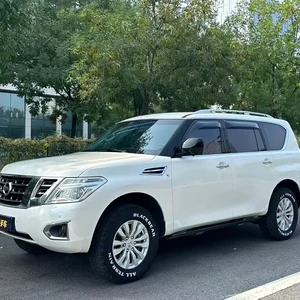
View all listings →Real units currently on ChinaCarDirect with per-unit asking prices and MOQ. Availability updates live from the catalogue.
How to buy a Nissan Patrol from China
-
1
Define the destination and rules
Name the destination country, arrival port, intended use, steering side and homologation route before selecting a vehicle. Have a local customs or compliance specialist confirm age, emissions, safety and document requirements.
-
2
Choose the Patrol configuration
Decide between the 4.0-liter V6 and 5.6-liter V8, seven-seat layout, automatic transmission and four-wheel drive. Confirm the exact Y62 or Armada designation and the equipment required by your market.
-
3
Review the live inventory
Open current Nissan Patrol listings and compare year, trim, engine, mileage, condition, steering position and options. Check each listing individually because exact price, MOQ and availability are shown per unit.
-
4
Request a unit-specific quotation
Send the seller your destination and required configuration, then request a written quote identifying the vehicle, price, MOQ, condition, Incoterm, payment terms and quote-validity period.
-
5
Verify the vehicle and documents
Before final payment, review the VIN, build information, title, import status, service history and a detailed inspection report. Ensure the physical engine, gearbox, seating, options and condition match the contract.
-
6
Confirm MOQ and payment terms
Confirm whether the selected listing accepts a single unit or requires consolidation, and identify which unit carries the MOQ. Review the pro forma invoice, deposit, balance, inspection, release and refund conditions before transferring funds.
-
7
Arrange shipping and clearance
Book insured transport with clearly defined pickup, destination, Incoterm and ready dates. Coordinate pre-shipment documentation, customs brokerage, port handling, discharge and registration in the destination country.
Patrol vs rivals
| Toyota Land Cruiser 300 | A direct full-size rival for buyers seeking a seven-seat 4x4 with strong Toyota recognition and local support. The Patrol provides an alternative Nissan route with 4.0-liter V6 and 5.6-liter V8 export options; compare parts availability, fuel choices and landed cost. |
|---|---|
| Chevrolet Tahoe | An American full-size alternative for buyers focused on passenger space, cargo utility and road presence. The Patrol may suit distributors seeking a Nissan product and 4.0-liter configuration, but dimensions, equipment, fuel and compliance must be checked for the imported version. |
| Ford Expedition | Competes for family, executive and fleet buyers where three-row space and full-size utility are priorities. The Patrol offers a distinct Nissan alternative, with right-hand-drive examples available only in suitable production and market configurations. |
Frequently asked questions
How is the Nissan Patrol export price determined?
A Patrol’s export price is driven by production year, trim, engine, mileage, condition, market specification, seller terms, currency movement and the scope of transport or export services. Exact current per-unit prices are shown in the live Nissan Patrol inventory on ChinaCarDirect, not in this guide. Request a written quotation tied to a specific vehicle and confirm whether freight, insurance, tax and terminal charges are included.
What engine and powertrain options are available?
The export range includes 4.0-liter gasoline V6 Patrols with automatic transmissions; related listings may use the Patrol name with 5.6-liter V8 Armada designations. These are combustion vehicles, so battery capacity, electric range and charging figures do not apply. Confirm the engine, gearbox, four-wheel-drive system, seat count and steering side for the exact listing.
Should an overseas buyer choose a new or used Nissan Patrol?
A new unit generally reduces initial wear uncertainty and can help standardize a fleet, while a used unit may offer a lower acquisition outlay when supported by evidence. Neither status alone proves suitability: verify mileage, service history, accident repair, options, title, import eligibility and warranty status. Compare the fully landed cost and risk for each vehicle rather than applying a blanket new-versus-used rule.
What is the MOQ for a Nissan Patrol export order?
MOQ is set by the individual offer, seller and shipment arrangement, so the exact current requirement appears with each live inventory record and should be repeated in the quotation. A buyer may be able to order one unit from some listings, while another offer may require several. If several vehicles are needed, ask how they can be consolidated and which unit bears each MOQ.
What determines Nissan Patrol shipping time and cost?
Shipping time and cost depend on origin and destination ports, vessel or container schedules, cargo handling, vehicle dimensions, insurance, Incoterms, documentation and customs clearance. Secure loading and discharge can also affect both timing and charges. Obtain a freight quotation tied to the chosen vehicle, pickup point and destination rather than relying on a generic shipping estimate.
Are spare parts readily available for imported Patrols?
Parts support varies by destination and by the Patrol or Armada market version, so the vehicle badge alone does not guarantee a fast match. Before importing, identify the engine and trim, obtain the VIN and build information, and ask local dealers or suppliers to confirm common service parts and lead times. For a fleet, standardize on compatible versions and carry a realistic spares list.
Is right-hand-drive Nissan Patrol availability limited?
Right-hand-drive availability depends on the production year and regional specification, and not every Patrol configuration is offered in that form. Review the live inventory for right-hand-drive examples, then confirm the configuration in the vehicle record and quotation before paying. If suitable RHD stock is limited or a conversion would be required, allow additional time and obtain local approval and safety advice.
How do I order a Nissan Patrol from China?
Start by reviewing the live Nissan Patrol listings, shortlist vehicles by year, trim, engine, seating and steering, and send one request with your destination and required configuration. Ask the seller to verify the matching unit, current price, MOQ, condition, documents, Incoterm and payment milestones. Complete the agreed inspection and document review, arrange insured shipping, and use the country’s licensed customs broker for clearance.
Ready to source the Nissan Patrol?
Request a unit-specific Nissan Patrol quote and current live-inventory details through the ChinaCarDirect RFQ team.
Request a quote