
Nissan Sunny Export Buying Guide for Overseas Buyers
Nissan Sunny export buying guide for overseas dealers and fleet buyers: compare 1.5 trims, manual or CVT, pricing, MOQ, shipping and compliance.
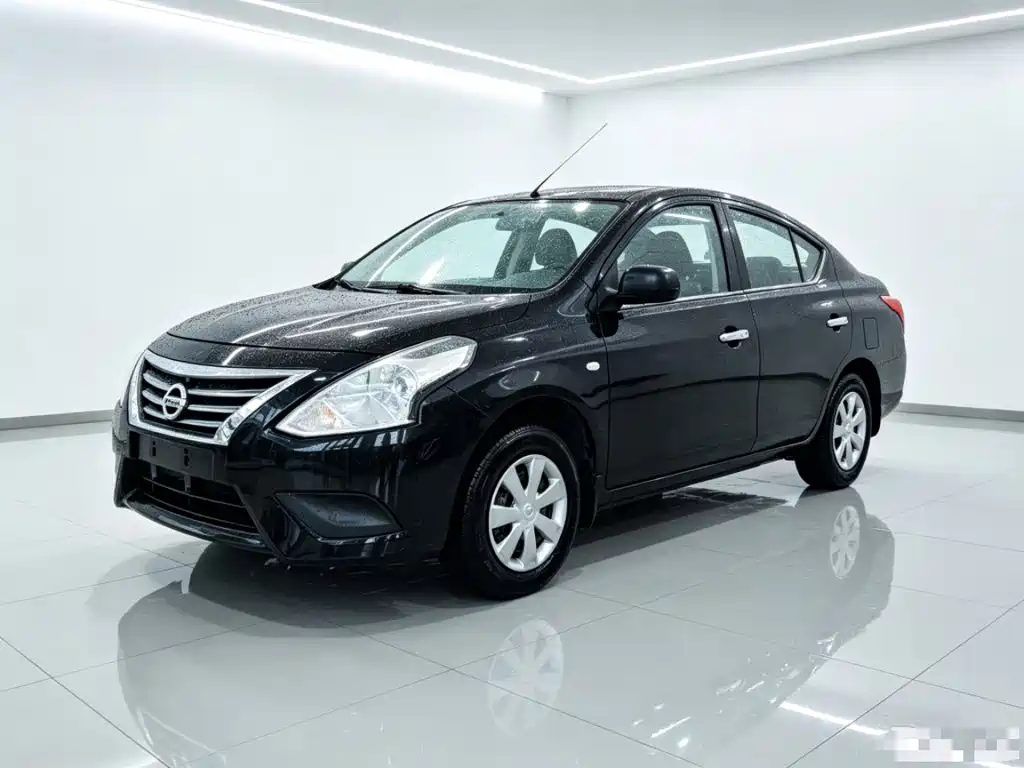
At a glance
- The Nissan Sunny is a compact petrol sedan suited to fleet, rental and value-led retail buyers.
- The core choice is between 1.5XE and 1.5XL specifications and manual or CVT transmission.
- New cars support consistency, while used cars require document, history and independent condition checks.
- Live inventory and written quotations should control current availability and commercial terms.
- Confirm steering side, destination compliance, MOQ and landed cost before ordering.
Why the Nissan Sunny matters for export markets
The Nissan Sunny sits in the compact petrol-sedan segment, where overseas buyers typically value purchase economy, usable cabin space and straightforward fleet operation more than premium styling or high-performance capability. Its familiar Nissan nameplate and conventional sedan layout support demand among independent distributors, rental companies, ride-hailing operators and private buyers seeking a practical second car. For export channels, the key attraction is not a niche feature but the combination of value-oriented sedan positioning and broadly understandable ownership needs. That makes model-year planning, running-cost expectations and destination-market compliance more important than headline equipment.
The Sunny also fills a useful gap between a basic city car and a larger family sedan. Buyers can source it for fleet replacement, supervised driving, staff transport or entry-level retail programmes, where ease of maintenance and parts familiarity often matter. Its four-door format is more practical for passengers and luggage than a small hatchback, while its compact dimensions should make port handling and inland transport easier than for a full-size sedan. These are operational advantages, not a substitute for checking the exact vehicle and its market positioning before shipment.
For a Nissan Sunny for export, demand is strongest when the vehicle is matched to a clear operating case. A distributor may favor a recognizable badge and simple specification; a fleet buyer may prioritize manual availability, durability of wear items and easy resale into the local used-car segment. The Sunny is less compelling where buyers expect advanced driver assistance, electrified powertrains, all-wheel drive or a high-capacity cargo platform. Evaluating it as a value-led compact sedan, rather than as a premium car, keeps the buying decision commercially realistic for importers and fleet operators alike.
- Compact sedan for fleets and retail buyers.
- Focus on operating simplicity, not badge prestige.
- Match the vehicle to local demand.
Model range, trims and powertrain variants: how the lineup is structured and how to choose
The export-facing Sunny range is organized around the 1.5-litre petrol engine, with 1.5XE and 1.5XL designations used across different equipment and edition packages. Comfort, Comfort Edition, Leading Edition, Master, Elite and Luxury labels appear in the line-up, but their exact contents should not be assumed from the badge alone. Some changes may reflect equipment, branding or market specification. Buyers should therefore compare the live listing's standard-equipment list, options and photographs rather than infer features from a trim name. Ask the seller to confirm any differences in a written quotation.
Transmission choice is the clearest practical split within the range. Manual versions suit buyers with experienced drivers, routes involving limited stop-start traffic, or fleets that want to avoid the acquisition and servicing costs associated with more complex automatics. A CVT is generally easier for frequent urban traffic and can reduce driver fatigue. Neither choice makes a vehicle inherently cheaper to operate until fuel use, tire wear, maintenance assumptions and resale demand in the destination market are considered for the exact car and for the way it will actually be used.
Trim selection should start with the buyer and the destination rather than with the most decorative equipment label. XE is the core designation in the range, while XL denotes another version level that may be positioned above it, subject to the actual specification. For an importer, a narrower, fleet-friendly configuration can simplify parts planning and customer explanations; for a retail dealer, visual and convenience equipment may improve marketability. Verify seat trim, infotainment, climate control, safety equipment and exterior details on the selected unit, and record them in writing before placing a deposit.
- 1.5-litre petrol engine across XE and XL.
- Manual for simplicity; CVT for convenience.
- Verify equipment on the individual unit.
New vs used Nissan Sunny: how export inventory is structured and how buyers choose
Export inventory for the Sunny can include both new vehicles and previously registered cars, and the right channel depends on whether the importer is building retail stock or supplying a specific fleet replacement. A new unit offers a more uniform specification and avoids making mileage, wear and prior ownership part of the initial selection. It can also simplify customer presentation and warranty handling when valid coverage is available. The useful question is whether that consistency justifies the individual vehicle's purchase and preparation cost compared with a carefully selected used car.
Used Sunny units can make fleet procurement more economical when the importer accepts an established vehicle age and visible wear. However, the apparent purchase saving is only useful if mechanical condition, documentation and remaining service life support the intended resale or operating cycle. Ask for the VIN, registration documents, ownership history, service records, tax or lien status, current odometer reading and evidence of inspection. A lower transaction value can be erased quickly by transmission work, unplanned repairs, missing equipment or compliance costs identified before the unit is committed to the order.
A sound pre-purchase inspection is the decisive control for any used export vehicle. It should cover cold starting, idle quality, oil and fluid leaks, brakes, steering, suspension, tires, battery condition, air conditioning, road test and underbody corrosion. Examine panel alignment and paint evidence for accident repair, and check that the VIN on the body, paperwork and export declaration matches. Buyers buying without a local inspection should consider an independent pre-shipment inspection and a contract that makes the documented condition part of the order, with any remedies clearly defined before shipment.
- New cars suit standardized fleet specifications.
- Used cars require document and condition checks.
- Inspect independently before committing funds.
How export pricing works: the factors behind a live listing price, and how to read one
A Nissan Sunny export price should be read as a transaction built from several variables, not as a permanent value attached to the model name. The vehicle's age, trim, transmission, equipment, mileage, condition and new-versus-used status affect the seller's asking position. Currency movements can also alter an otherwise unchanged offer. Most importantly, confirm whether the quoted figure covers only the vehicle at the stated Incoterm or also includes inland handling, export charges, freight, insurance and destination-side costs. The scope must be clear before comparing offers from different suppliers, and the same terms should be requested from each one.
To calculate true landed cost, start with the agreed vehicle price and add every item required to reach legal import and dealer-ready status. Depending on the route, that may include inland transport, export terminal handling, freight, marine insurance, port charges, customs valuation, duty, tax, registration, compliance work and dealer margin. A lower ex-works vehicle price can produce a higher landed total after these items. Ask for a written pro forma invoice and quotation that separates vehicle cost, logistics, taxes and any optional services so the importer can compare like with like.
ChinaCarDirect's live Nissan Sunny listings are the place to verify the exact current price, MOQ and per-unit availability, because a published guide cannot represent changing inventory or exchange-rate effects. Open the relevant listing, record the model year, trim, transmission, condition, mileage and stated terms, then check whether the price excludes shipping and import charges. Request a refreshed quote before paying if the listing is older than the sales discussion. Treat the written quote and agreed invoice as the controlling commercial documents, not a saved search result or an earlier message without context.
- Separate vehicle price from landed cost.
- Confirm Incoterm, freight and tax exclusions.
- Use refreshed written quotes.
MOQ, ordering and payment: single units vs consolidating a container
MOQ in a Nissan Sunny purchase means the smallest quantity the seller or shipping channel is prepared to release under the quoted terms. It may differ by seller, vehicle status, destination and whether the vehicle is moving alone or as part of a consolidated consignment. A live listing can indicate a minimum, but an importer should never assume that every supplier, condition and destination will use the same rule. The quantity requirement and any per-unit or per-container conditions should appear in the quotation and pro forma invoice before contracting.
Buyers looking to buy Nissan Sunny from China should assess single-unit or mixed-quantity orders when cash flow, local demand and shipping economics do not justify a full container. Ask whether the seller permits that structure, who pays the consolidation and terminal charges, and how units are allocated when several buyers share space. A Nissan Sunny wholesale programme can move from a priority launch vehicle to a larger consignment as registrations and sales data justify it, limiting exposure while preserving room to scale into a fuller container when demand is proven.
Container consolidation can reduce freight cost per vehicle, but it adds specification, allocation and condition risk. Do not combine manual and CVT cars, different trim levels or sharply mixed ages without agreeing the exact allocation and inspection method in advance. Confirm the vehicle securing plan, protection from movement and weather, and insurance coverage for loading and sea carriage. Payment should be tied to documented milestones, with the beneficiary, deposit, balance trigger, title-transfer process and refund terms stated in a formal agreement. Verify banking details through a trusted channel before sending funds.
Shipping, homologation and market compliance caveats: LHD/RHD and import rules by country
Shipping a Sunny overseas begins with confirming that the vehicle is suitable for the destination's registration system, not merely that it can be transported. Chinese-market examples may be supplied in left-hand-drive form, so buyers in right-hand-drive markets must verify steering configuration, lighting, mirrors, controls and any required conversion before committing. A left-hand-drive vehicle can still be attractive for markets that accept it, but modifying it later may add cost and affect homologation. Obtain the VIN, specification sheet and photographs, and require written confirmation of handedness for the exact unit being shipped.
Import compliance varies by country and can depend on engine size, emissions standard, vehicle age, customs valuation, safety requirements and whether the car is treated as new or used. Importers should check the local rules for duties, taxes, VAT or GST, emissions, roadworthiness, inspection, registration, age restrictions and proof of ownership before the vehicle ships. Some markets restrict particular powertrains or require testing that applies only after import. Because rules change and interpretations vary by authority, obtain a broker's or regulator's written pre-clearance rather than relying on a general web checklist.
Logistics planning should cover both the voyage and the vehicle's condition at arrival. Depending on the route, a compact sedan may travel in a container or by roll-on/roll-off vessel, with actual method and sailing schedule confirmed by the freight forwarder. The order should state loading, discharge, terminal, customs-clearance and delivery responsibilities, plus insurance and the process for recording damage. Before dispatch, photograph the exterior, interior, odometer and underbody, retain inspection evidence, and ensure the bill-of-lading description, VIN and commercial invoice are consistent. Arrival inspection should occur promptly before final acceptance.
- Confirm LHD or RHD suitability.
- Pre-clear destination import requirements.
- Document condition before loading and arrival.
Who should buy the Sunny — and who should pick a different vehicle
The Sunny is most suitable for buyers who can articulate a straightforward need: a compact, petrol-powered sedan for staff fleets, rental operations, supervised mobility or entry-level retail customers in a market where parts support and running costs matter. It can be especially practical for distributors filling a value-led segment rather than a premium showroom. Manual models may serve drivers already familiar with them, while CVT versions may reduce workload in congested traffic. The right decision is operational fit, not simply the lowest vehicle-level quotation or the most elaborate specification involved.
It is less suitable for buyers whose core requirement is an electric powertrain, long-distance range without frequent charging, all-wheel drive, heavy towing, a large cargo area or an advanced driver-assistance package. Those needs call for a different vehicle class rather than a higher Sunny trim. Nor is a used Sunny automatically the safer choice for a buyer unable to inspect it: condition uncertainty and cross-border logistics can outweigh the lower vehicle acquisition cost. In such cases, select the powertrain and platform first, then narrow the model to local demand.
Before committing to a purchase programme, test the Sunny against local operating assumptions. Compare fuel economy, insurance, maintenance, parts lead times and expected resale with the compact sedans already in the market. For fleet use, ask drivers about visibility, comfort, luggage capacity and the acceptability of manual or CVT operation. For retail use, examine equipment against customer expectations and local safety rules. A small trial with a selected unit, followed by careful sales analysis, can prevent a bulk order from locking the importer into the wrong specification too early.
- Strong fit for value-focused fleets.
- Manual for familiarity; CVT for urban ease.
- Poor fit for EV, AWD or towing needs.
Main rivals and how the Sunny compares
Toyota Corolla is the closest global benchmark for buyers seeking a mainstream compact sedan with a strong reputation for durability, broad fleet acceptance and established parts channels. It is often the safer resale choice in markets where Corolla demand is already deep, but the purchase price and hybrid options may sit above the Sunny's value proposition. The comparison should be configuration-specific: petrol and manual versus CVT, equivalent equipment, and the landed cost after local taxes. The Sunny makes more sense when lower acquisition cost is the priority for the buyer.
Hyundai Accent is another direct competitor in the affordable compact-sedan category and may appeal to buyers who value a more modern-looking cabin, contemporary infotainment and a broad expectation of equipment at a given price. The Sunny counters with a straightforward Nissan-badged alternative and should be evaluated on total delivered value rather than badge image alone. Compare warranty treatment in the destination, replacement-part lead times, fuel use and expected fleet resale. Where the Accent offers a stronger local service network, the Sunny needs a clear ownership-cost or sourcing advantage to win.
Kia Rio competes most directly with the Sunny on compact dimensions, value-oriented positioning and suitability for small-business or fleet use. Depending on the destination, buyers may find the Rio's specification, safety presentation or resale profile more attractive, while the Sunny can offer a more economical route to the same basic transport task. Do not compare brand names alone: check engine, transmission, warranty, safety equipment, parts availability and taxes in the destination market. The best choice is the model whose verified configuration and landed cost best match local demand and budgets.
Live Nissan Sunny export inventory
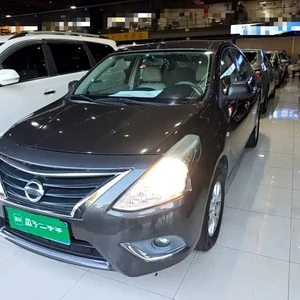
View all listings →Real units currently on ChinaCarDirect with per-unit asking prices and MOQ. Availability updates live from the catalogue.
How to buy a Nissan Sunny from China
-
1
Define the buying brief
Set the destination, registration requirements, preferred trim, transmission, condition and planned purchasing cycle. Include fleet-driver needs, parts coverage and the intended resale market.
-
2
Shortlist live vehicles
Use the live Nissan Sunny inventory to compare model year, trim, transmission, condition, mileage, equipment and seller terms. Open each listing to confirm its current price, MOQ and availability.
-
3
Request documents and photographs
Ask for the VIN, ownership or factory documents, service records, equipment list, steering configuration and proposed shipping port. For used vehicles, request inspection evidence and clear photographs of the body and interior.
-
4
Build an itemized landed quotation
Separate vehicle cost, inland transport, terminal handling, freight, insurance, duties, taxes, registration, conversion and dealer margin. Confirm the Incoterm and which party bears each charge.
-
5
Inspect and secure the unit
Use an independent pre-shipment inspection, particularly for a used vehicle, and make the documented condition part of the sales contract. Verify the beneficiary and payment milestones before transferring funds.
-
6
Arrange export and shipping
Agree the pro forma invoice, title-transfer process, export declaration, bill of lading, insurance and vehicle-securing plan. Retain signed condition records and shipment evidence for the consignee.
-
7
Clear and accept delivery
Coordinate customs clearance, duties, conformity checks and registration through the appointed broker. Inspect the vehicle against the pre-shipment record before final acceptance and document any discrepancy.
Sunny vs rivals
| Toyota Corolla | The Corolla is the global benchmark for durability, fleet acceptance and resale depth, but it often carries a higher acquisition cost. The Sunny is the stronger alternative when value-oriented purchasing and a simpler specification are the main priorities. |
|---|---|
| Hyundai Accent | The Accent competes directly in the affordable compact-sedan class and may appeal through its modern cabin and infotainment presentation. The Sunny should win where its landed cost, parts sourcing or fleet suitability creates a measurable ownership advantage. |
| Kia Rio | The Rio is a close value-sedan competitor for small businesses and fleets, with destination-specific strengths in equipment, safety and resale. The Sunny is more attractive when its verified configuration, replacement-part plan and delivered cost better match local demand. |
Frequently asked questions
How is Nissan Sunny export pricing determined?
A live price reflects vehicle age, trim, transmission, condition, mileage, equipment, currency conditions and the seller's terms. Freight, insurance, handling, duties and taxes can change the landed cost, so confirm whether a quote is vehicle-only or delivered under a stated Incoterm. Check the current per-unit price and availability in the live Nissan Sunny listings, then request a written quotation before placing funds.
What engine and powertrain does the Nissan Sunny use?
The export range uses a 1.5-litre petrol engine with either a manual or CVT, depending on trim. It is not an EV configuration, so there is no battery capacity or electric range to evaluate; fuel consumption and emissions vary by unit and should be checked in the listing. Exact output, drivetrain and equipment should be confirmed for the selected vehicle.
Should an overseas buyer choose a new or used Nissan Sunny?
A new car offers a uniform specification and can simplify retail presentation and fleet planning, while a used car may reduce acquisition cost but carries condition and documentation risk. For a used unit, request the VIN, ownership and service records, inspect it independently and make the documented condition part of the contract. Compare total landed and operating costs rather than vehicle price alone.
How does MOQ work for Nissan Sunny orders?
MOQ is the minimum quantity a seller will release under the quoted terms and may vary by listing, seller, destination and shipping method. Ask whether a single unit or mixed-quantity order is accepted, and whether a consolidated container reduces or adds charges. Check the applicable minimum in the live listing and have it repeated in the pro forma invoice before payment.
What affects shipping time and cost for a Nissan Sunny?
Cost and transit time depend on origin and destination ports, sailing frequency, space, terminal handling, insurance, documentation, customs clearance and any delivery or conversion work. Congestion, weather and route changes can alter schedules, so ask the forwarder for current routing and milestone dates. The quotation should identify the Incoterm and separate freight and destination charges from vehicle cost.
Can spare parts for a Nissan Sunny be ordered from China?
Parts can be matched by VIN, model year, trim, engine, transmission and steering configuration, but Chinese-market Sunny components may not be interchangeable with parts for vehicles sold in the destination country. Ask for original and compatible part numbers, stock confirmation and a shipping estimate before ordering. For a fleet, maintain high-wear service items only after confirming fitment and warranty implications.
Is right-hand-drive Nissan Sunny available for export?
Do not assume right-hand-drive availability from a general Sunny listing. Chinese-market cars may be left-hand drive, while a buyer in a right-hand-drive country may need an RHD example or a compliant conversion, depending on local rules. State the destination and steering requirement when reviewing live inventory, then obtain written confirmation of the unit's configuration and any conversion cost.
How do I order a Nissan Sunny from China?
Start by choosing a destination, trim, transmission, condition and purchasing quantity, then shortlist the relevant live listings. Request the VIN, condition report, ownership or factory documents, an itemized written quotation and the applicable MOQ before paying. Complete the agreed payment milestones, coordinate export documents and shipping, and inspect the vehicle on arrival before accepting delivery.
Ready to source the Nissan Sunny?
Send ChinaCarDirect your destination, trim, transmission, condition, quantity and Incoterm for a current Nissan Sunny export quote.
Request a quote