
Ora Good Cat GT Export Buying Guide for Dealers and Fleets
Compare Ora Good Cat Gt trims, range options, used-car condition, export pricing, MOQ, shipping and compliance before ordering from China with confidence.
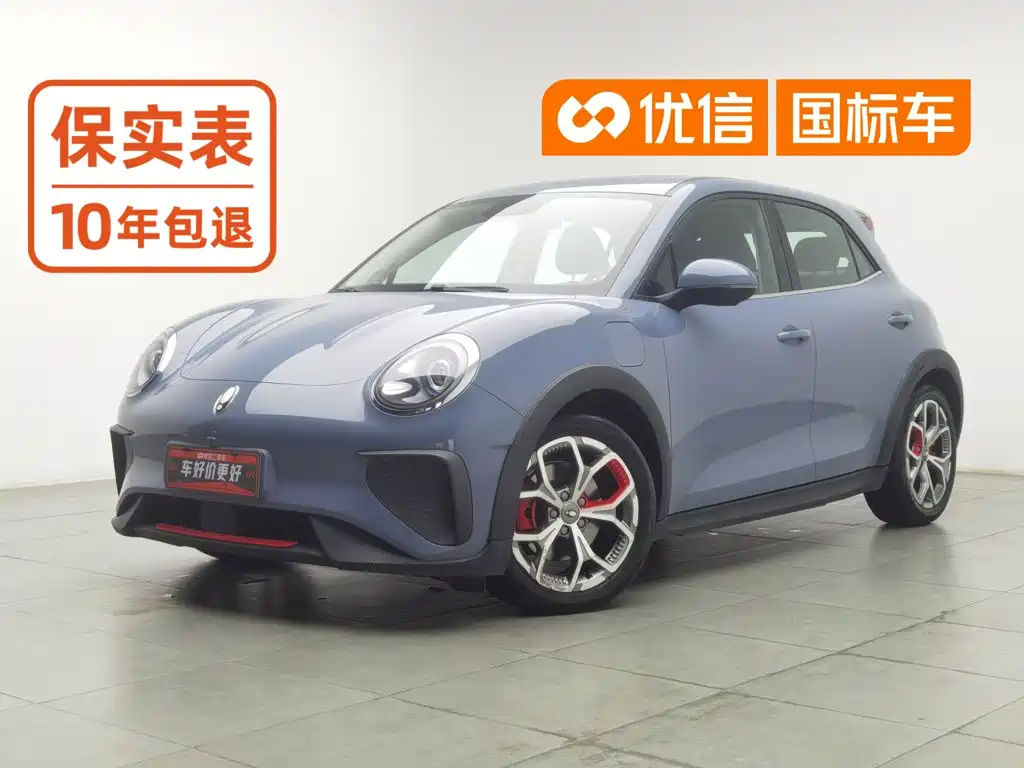
At a glance
- A compact battery-electric hatchback with distinctive retro styling for urban dealer and fleet programmes.
- Mulan Edition choices include 401 km, 430 km and 480 km range labels; confirm the applicable test cycle.
- New and used vehicles require different checks: warranty and build evidence versus battery health, mileage and repair history.
- Export quotes move with year, trim, condition, currency, freight and Incoterm; current per-unit figures appear in live listings.
- LHD/RHD configuration, local homologation, charging compatibility and aftersales support must be secured before an order.
Why the Ora Good Cat Gt matters for export markets
The Ora Good Cat Gt occupies an attractive middle ground in the compact electric hatchback segment: it combines recognizable retro-inspired styling, practical five-door packaging and a choice of battery-range labels without moving into a large premium price bracket. That positioning gives overseas dealers something more distinctive than a generic city EV. It can serve as a design-led showroom product, a commuter-car offering for urban customers, or a mixed fleet where operators want an efficient vehicle with a clear visual identity. Its export appeal is therefore less about homologation volume than about matching a differentiated product to local showroom strategies.
For buyers, the model’s attraction begins with the balance between usable range labels and compact exterior size. Listings use Mulan Edition names and identify 401 km, 430 km and 480 km range variants, but those figures should be treated as configuration identifiers until the seller confirms the applicable test cycle and standard equipment. This matters because real-world charging access, climate, load and driving style determine whether a higher-labelled variant delivers a meaningful advantage over the shorter-range versions in a particular fleet. It is a fleet-planning question, not merely a catalogue comparison.
Demand is likely strongest where buyers want an affordable-looking premium design and dealers need a compact BEV that can be demonstrated easily in an urban showroom. Fleets should be more cautious: a visually distinctive car does not by itself guarantee strong residual values, rapid parts delivery, broad workshop support or uncomplicated tax treatment. Before importing, assess the destination’s charging network, insurance classification, service coverage and local incentives, because those operational realities can outweigh a modest difference in the vehicle’s quoted specification. They also determine whether the model fits the market at all.
- Retro styling supports showroom differentiation.
- Compact dimensions suit urban portfolios.
- Range choice should follow duty-cycle analysis.
Model range, trims and powertrain variants: how the lineup is structured and how to choose
The Good Cat Gt is a battery-electric compact hatchback, and the export listings centre on the Mulan Edition family. Visible configurations include 401 km Standard Range, Premium, Luxury and Prestige versions, plus 430 km Prestige and Luxury versions and a 480 km Long Range version. Names are useful for matching like-for-like units, but they should not be treated as complete equipment lists. Ask for the original build specification, option sheet and battery warranty terms. Trim labels can change equipment details between model years, so an earlier car should not be assumed to match a later Luxury or Prestige description simply because the names match.
Range selection should begin with the range label and then move to real operating conditions. The 401 km versions offer the broadest visible choice of equipment levels; the 430 km versions occupy the middle of the listed lineup, while the 480 km Long Range designation targets buyers prioritising distance over feature level. These are catalogue distances, not guaranteed operational distances. Temperature, speed, load, tyre choice and reliance on rapid charging all affect achieved range, so compare routes and charging habits rather than ranking versions by the largest number alone across a local fleet.
Because the trim list does not supply battery capacity, motor output, charging rate or curb weight, do not infer those figures from the range names or from photographs. For fleet calculations, request battery kWh, usable and rated capacity, motor power and torque, drive layout, AC/DC charging limits, connector type, curb weight, turning circle and tyre specification. A battery-health report is especially important for used cars, while a new vehicle’s warranty and the seller’s ability to substantiate build details are the relevant equivalents. Those data also determine payload, route suitability and charging investment.
- Match range version to route length.
- Confirm battery, motor and charging data.
- Compare model-year equipment, not labels alone.
New vs used Ora Good Cat Gt: how export inventory is structured and how buyers choose
Export inventory for the Ora Good Cat Gt may contain new vehicles, demonstrator cars, former fleet units and previously owned vehicles. The model year is only a starting point because registration history, mileage, service records and cosmetic condition can differ substantially. On a used listing, ask whether the odometer is verified and whether the vehicle has had fleet use, charging abuse, accident repair or battery work. For a new car, verify that it is genuinely unregistered and identify the manufacturer warranty that will remain valid after export. The same trim name should not lead a buyer to assume equivalent depreciation or condition.
The central used-EV trade-off is cost against uncertainty. A lower acquisition quote may be offset by battery degradation, expensive cosmetic repair, near-term replacement tyres, missing equipment or weaker warranty support. A new or nearly new unit reduces condition risk but may not reduce compliance risk: age is only one part of import eligibility. For high-mileage business use, inspect the underbody, brake condition, cabin wear and charging history as carefully as the battery report. Ask for cold-weather or high-heat operation evidence if the vehicle comes from a harsh climate where such evidence exists.
Buyers should compare total ownership evidence rather than the year badge. A structured inspection should include battery state of health, high-voltage warning labels, charging faults, software version, tyre age, service history, title documents and VIN consistency. Also request unedited photographs of the battery compartment, interior, dashboard display and any repaired panels. If the seller cannot substantiate these points, treat the unit as a higher-risk purchase and reflect that uncertainty in the commercial terms rather than relying on a descriptive listing title. A clear evidence trail should be a condition of purchase.
- Verify registration and ownership history.
- Obtain battery-health evidence.
- Match warranty cover to export use.
How export pricing works: the factors behind a live listing price, and how to read one
A live Ora Good Cat Gt export price is a vehicle-specific commercial quote, not a fixed model price. The starting figure should reflect variables visible in the listing: model year, Mulan trim, 401 km, 430 km or 480 km range version, mileage, condition, ownership history, colour, options and whether the unit is new or used. For used vehicles, battery condition and repair history can materially affect value. Buyers should compare equivalent units, because a lower headline price on a higher-range or better-condition vehicle may not represent the better purchase. Always confirm the currency and whether the figure is negotiable.
The Incoterm is as important as the vehicle specification. Depending on the seller’s terms, the quoted amount may exclude international freight, marine insurance, export documentation, terminal handling, inland transport, import duty, VAT or GST, registration and local dealer margin. Build a landed-cost worksheet that starts with the vehicle price, adds each destination charge, then adds taxes and fees that apply under local law. Obtain the HS classification and written confirmation of duty treatment rather than assuming that electric makes a vehicle duty-free. Eligibility and rate must be checked locally in advance.
Market conditions also move between quotations. Supplier cost, the seller’s access to a specific unit, currency exchange rates, freight space, sailing schedules and the volume being purchased can all change the final commercial terms. Use the live Good Cat Gt listings as the point of truth for current per-unit pricing, then ask for a written quote tied to the chosen VIN or listing. A screenshot or verbal estimate is not a binding quote; request validity, payment milestones, exclusions and the Incoterm in writing before transferring funds. This discipline also makes competing offers genuinely comparable.
- Compare like-for-like trim and condition.
- Confirm currency, Incoterm and quote validity.
- Separate vehicle cost from landed charges.
MOQ, ordering and payment: single units vs consolidating a container
MOQ should be treated as a per-listing commercial term, not a permanent property of the Ora Good Cat Gt. Some sellers may quote one vehicle, while a factory-fresh batch, special colour or a supplier’s export allocation may carry a larger minimum. The live listing should be checked for its stated quantity requirement, and the seller should confirm it in the quotation. If a dealer wants several units, ask whether the MOQ applies to one trim, one model year, one specification or the total order, because mixing trims can change the answer.
A one-unit purchase is practical for testing market demand, supporting a showroom and securing a particular range version. The buyer should specify the required configuration in writing and ask whether the vehicle will be consolidated with other orders or shipped alone. Consolidation may reduce the freight burden per vehicle, but it also means the delivery schedule and condition handover can depend on other consignments. Confirm the packing plan, cargo dimensions, loading method and responsibility for handling at destination before treating the freight rate as final. Insurance must follow the same ownership point.
A wholesale order for multiple vehicles should be managed as a specification schedule rather than a blanket model order. Assign each VIN or allocation to a trim, range version, year, condition, colour, equipment list and destination, and require a signed commercial invoice that matches those details. Payment structures commonly separate an order deposit from the balance after inspection or shipment milestones, but the exact sequence is contractual. Use a verified company account, obtain pro forma documents, confirm refund terms and avoid releasing funds against an informal chat promise. A contingency for damage or documentation errors is wiser than an arbitrary balance assumption.
- Confirm MOQ for the exact listing.
- Allow for mixed-trim batch allocation.
- Tie payment milestones to inspections.
Shipping, homologation and market compliance caveats: LHD/RHD and import rules by country
Do not assume that a Chinese-market Good Cat Gt can simply be driven or registered in the destination country. Steering configuration, VIN, charging connector, voltage assumptions, software functions and factory equipment must be checked for left-hand-drive and right-hand-drive markets. Ask for a clear photograph of the steering position and the original build plate, plus confirmation that the vehicle is configured for the intended market. If an RHD unit is required, secure that requirement before payment rather than assuming a conversion will be permitted, economical or homologated. Conversions can also affect warranty coverage.
Importability is a country-by-country process. The buyer may need a type-approval certificate, customs clearance, proof of origin, registration papers, a battery declaration such as the relevant UN 38.3 documentation, and evidence that the charger or on-board charging equipment meets local electrical rules. EV incentives may depend on residency, price bands, battery eligibility, carbon reporting or local production conditions. Treat any tax benefit or incentive as conditional until the importer or local counsel confirms it in writing for the exact VIN. A vehicle’s Chinese origin does not settle those questions in advance.
Shipping cost and timing depend on the Incoterm, route, container availability, freight season, port charges, insurance and the distance from the discharge port to the buyer. EVs are transported as battery-powered vehicles, and battery declarations, declared charging equipment, secure lashing and export packing must be handled correctly. Before dispatch, agree on inspection timing, photographic condition records, spare-key arrangements and responsibility for customs clearance. For a fleet programme, local workshop capability and parts lead times should be assessed before committing to a volume. Clear freight coordination and insurance allocation matter throughout the route.
- Verify LHD/RHD before contracting.
- Obtain destination-specific type approval.
- Plan battery documentation and secure loading.
Who should buy the Good Cat Gt — and who should pick a different vehicle
The Good Cat Gt fits a buyer who values compact electric packaging and distinctive styling, operates urban routes, and can support a BEV’s charging and service requirements. It is especially relevant to a dealer building a design-led city-EV range, a hospitality or company-car programme with predictable daily mileage, or a buyer wanting a visually memorable second vehicle. The key qualification is infrastructure: where charging is reliable and vehicles return to a depot, the model can make sense even if its real-world range is lower than the catalogue label in practice.
A different vehicle is usually wiser for a buyer whose priorities are maximum range between charges, heavy payload, seven-seat flexibility, cold-weather confidence, or the strongest possible residual-value and aftersales network. Large families may need a larger crossover or estate with more rear-seat and luggage room; long-distance operators may prefer a vehicle with a larger usable battery and faster charging strategy. If local service coverage is thin, a better-established export brand may reduce downtime even when its design is less distinctive. Do not let the Good Cat Gt’s visual appeal substitute for a route and duty-cycle assessment.
Fleet buyers should choose on total cost, uptime and residual demand rather than on the lowest acquisition quote. Model the required charging power, expected electricity consumption, maintenance, tyre replacement, insurance and likely remarketing time, and ask the seller for evidence that the chosen vehicle can meet those assumptions. A small mixed-fleet trial can reveal customer acceptance and workshop learning, but it should be paired with a service plan. For a large volume order, the buyer should also secure allocation continuity and a parts-support commitment, and confirm export documentation support directly.
- Strong fit for urban, design-led BEV fleets.
- Best where charging access is dependable.
- Match service support to fleet scale.
Main rivals and how the Good Cat Gt compares
The BYD Dolphin is one of the most relevant compact BEV hatchback comparisons for an overseas buyer because it pursues a similar urban, family-and-fleet proposition with multiple range and equipment configurations. Depending on the destination, the Dolphin may carry greater brand recognition and a broader service expectation, while the Good Cat Gt’s strongest differentiator is its retro-inspired design and Mulan trim presentation. Neither should win automatically: compare certified range, charging, safety equipment, warranty, service access and landed cost for the destination. Local residual demand can matter more than showroom appeal.
The MG4 EV is another practical alternative for buyers who prioritise a conventional compact electric hatchback and an established export-sales channel. Its buying decision is often shaped by market-specific trim availability, charging performance, software support and service reach. The Ora Good Cat Gt may appeal more where individuality and visual appeal are priorities, whereas an MG4 may be easier for a mainstream fleet buyer to justify internally. Confirm each vehicle’s exact configuration rather than comparing model names or generic range figures. The fleet’s duty cycle should always lead the comparison.
The Dongfeng Box is a closer value-oriented Chinese alternative for importers already familiar with that marque, offering a compact electric hatchback proposition in a similar broad market position. Its fit can be attractive where the buyer has local parts and workshop support, while the Good Cat Gt offers a more distinctive design proposition and a clearly stated Mulan range-and-trim structure. Service-network depth, certification, charger compatibility and parts availability can outweigh styling, so include those costs and risks in any rival comparison. Do not assume badge familiarity equals local readiness.
- BYD Dolphin: brand and service benchmark.
- MG4 EV: mainstream fleet alternative.
- Dongfeng Box: value-oriented Chinese rival.
Live Ora Good Cat Gt export inventory
View all listings →Real units currently on ChinaCarDirect with per-unit asking prices and MOQ. Availability updates live from the catalogue.
How to buy a Ora Good Cat Gt from China
-
1
Set the destination and duty cycle
State the destination, port, required LHD/RHD configuration, daily mileage, charging plan and intended vehicle mix. This establishes which homologation and range decisions apply before comparing quotations.
-
2
Shortlist the exact configuration
Choose the Mulan Edition, range version, model year, condition and equipment priorities, then review the current live inventory for a matching unit. Do not treat a similar trim name as proof of identical equipment.
-
3
Request supporting evidence
Ask for the VIN, build sheet, ownership record, service history and warranty terms. For used vehicles, request battery state-of-health results, charging-fault information and photographs of repaired or high-voltage areas.
-
4
Build a written landed quote
Request a vehicle-specific quotation stating currency, Incoterm, validity, MOQ, payment milestones and included documentation. Separately list freight, insurance, port charges, inland transport, duty, VAT or GST and registration costs.
-
5
Check homologation and compatibility
Confirm LHD/RHD, charging connector, voltage requirements, type approval, import documents and local incentive conditions for the exact vehicle. Obtain confirmation from the importer or relevant local authority where the requirement is uncertain.
-
6
Inspect and secure the allocation
Use an agreed inspection process covering battery condition, high-voltage safety, tyres, bodywork, mileage and VIN consistency. After resolving discrepancies, secure the assigned VIN and release funds only to a verified account against written milestones.
-
7
Arrange freight and import clearance
Agree the loading plan, battery documentation, cargo insurance, condition records, customs responsibilities and destination transport. Complete registration and establish a local parts and workshop plan before releasing vehicles to customers.
Good Cat Gt vs rivals
| BYD Dolphin | The Dolphin is a close compact BEV hatchback alternative for urban, family and fleet buyers, with destination-dependent strengths in brand recognition and service reach. The Good Cat Gt differentiates through retro-inspired styling and its Mulan trim presentation, while certified range, charging, warranty and local support should decide the result. |
|---|---|
| MG4 EV | The MG4 EV may be easier for a mainstream fleet to justify because of its established export-sales route and conventional compact-hatchback format. The Good Cat Gt is the stronger choice when visual differentiation matters, subject to market-specific configuration, homologation and servicing checks. |
| Dongfeng Box | The Dongfeng Box is a relevant Chinese-made compact electric hatchback alternative, particularly for importers with an existing Dongfeng service network. The Good Cat Gt offers a more distinctive design and clearly structured Mulan range-and-trim choices, but parts access, certification and charger compatibility may outweigh styling. |
Frequently asked questions
How is Ora Good Cat Gt export pricing determined?
The live price reflects the individual vehicle’s year, Mulan trim, range version, mileage, condition, history and commercial terms. Currency exchange rates, freight, insurance, port charges and the selected Incoterm also affect the landed total. Check the current live listings on ChinaCarDirect for the per-unit quote, then request a written, validity-dated quotation for the chosen vehicle.
What powertrain and range options does the Good Cat Gt have?
The Good Cat Gt is a battery-electric vehicle. Export listings identify Mulan Edition configurations with 401 km, 430 km and 480 km range labels, including several equipment grades. Exact battery capacity, motor output, charging rates, connector and test-cycle information should be confirmed from the selected vehicle rather than inferred from the trim name.
Is a used Ora Good Cat Gt better than a new example?
A new example generally offers more predictable condition and a clearer warranty position, while a used vehicle may reduce acquisition cost but adds battery, mileage and repair uncertainty. The better choice depends on the route, local incentives, warranty portability and the inspection evidence available for each unit.
What is the MOQ for an Ora Good Cat Gt wholesale order?
MOQ is specific to the seller, allocation and listing rather than a permanent model-wide rule. Some offers may accept a single vehicle, while batch orders can carry conditions for model year, trim, colour or total quantity. Confirm the requirement in the written quotation before paying a deposit or arranging freight.
What determines shipping time and cost for the Good Cat Gt?
Shipping time and cost depend on the Incoterm, freight route, container availability, port charges, cargo insurance, inland transport and the delivery schedule agreed with the carrier. Battery-powered vehicles also require correct declarations, packing and secure loading. Obtain an all-in freight quotation rather than relying on the vehicle listing alone.
Are spare parts available for exported Ora Good Cat Gt vehicles?
Parts support varies by destination and depends on the importer’s stock, diagnostic access, model-year differences and proximity to an Ora service centre. Before ordering, request a parts list for the selected trim and confirm high-voltage components, software support, warranty channels and expected replenishment arrangements.
Is a right-hand-drive Ora Good Cat Gt available for export?
RHD availability depends on the specific vehicle and seller, so it should not be assumed from the model name. Ask for the steering-side photograph, VIN and original build specification before committing. Any steering conversion must be reviewed for homologation, safety, warranty and registration implications in the destination country.
How do I order an Ora Good Cat Gt from China?
Start with the live Good Cat Gt listings, select a configuration that matches the destination and request an RFQ tied to the listing or VIN. Require a written quote, MOQ, Incoterm, payment milestones and export-document list, complete the agreed inspection, and then release payment and freight instructions only after the vehicle and terms are confirmed.
Ready to source the Ora Good Cat Gt?
Send your destination, required trim, condition and quantity to request a written Ora Good Cat Gt export quotation.
Request a quote