
Porsche Boxster Export Buying Guide for Overseas Buyers
Buy a Porsche Boxster from China with confidence: compare trims, engines, pricing factors, shipping and compliance, then request a tailored export quote.
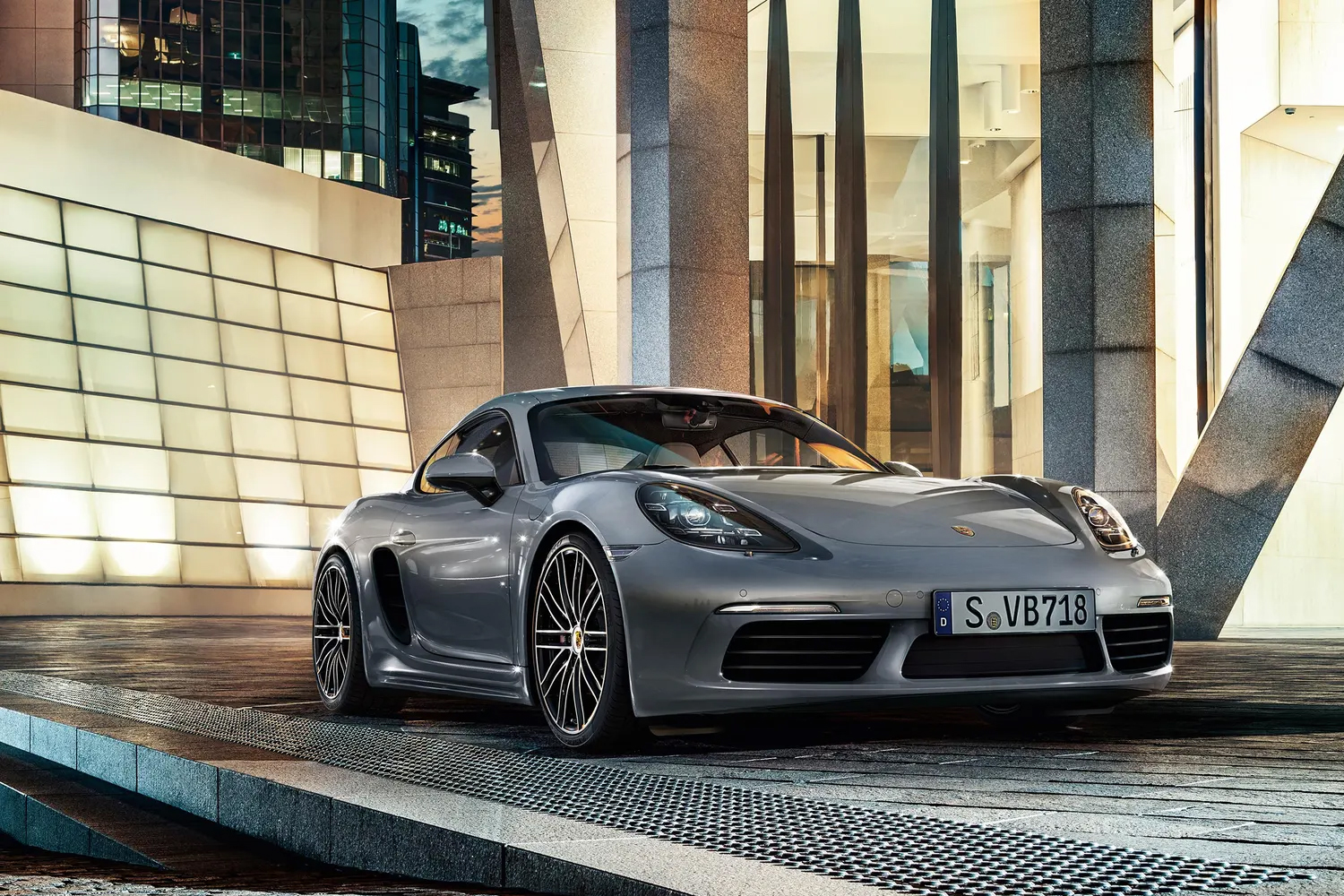
At a glance
- A compact, two-seat, rear-wheel-drive roadster with strong lifestyle appeal.
- 981 and 718 generations offer materially different engine and equipment layouts.
- Manual and PDK choices suit different driver preferences and operating patterns.
- New and used cars require separate documentation, inspection and warranty checks.
- LHD or RHD configuration can determine suitability in the destination market.
- Dealer consolidation may improve commercial terms but increases logistical exposure.
Why the Porsche Boxster matters for export markets
The Porsche Boxster occupies a distinctive place in the global sports-car market: a compact, two-seat, rear-wheel-drive roadster with Porsche engineering and a premium badge, without the dimensions of a full-size flagship. For buyers seeking a Porsche Boxster for export, that combination appeals to driving enthusiasts, lifestyle buyers and dealers seeking a recognisable premium convertible. The model gives importers a focused proposition rather than a broad catalogue: one body style with several engine, transmission and roof configurations. It is a niche export product, so demand, parts planning and destination approval should be settled before inventory is committed.
For overseas dealers, the Boxster can serve as a halo product: a car identifiable in a showroom and attractive during test drives and road events. Open-top driving and a two-seat layout make it easier to position around lifestyle experiences than utilitarian fleet use. Although many buyers in overseas markets prefer right-hand drive, the steering arrangement must be confirmed for the vehicle and destination. Configuration choice affects the buyer pool, resale strategy and homologation plan. Boxster exports are therefore best managed as a specified niche line, not a container of mixed convertibles.
The appeal also comes with obligations. A Boxster is a performance car with specialist service requirements, including tires, brakes, suspension checks and attention to the roof mechanism and corrosion-prone areas. Buyers should expect closer inspection than a used-vehicle import and should verify service history, chassis identity and ownership documents before committing capital. The same discipline protects private buyers and dealers because a poorly documented premium car can lose value. Used Boxsters may offer stronger value, while declared-new units may reduce some uncertainty, yet both require destination compliance and a clear warranty position.
- Compact rear-wheel-drive roadster.
- Premium niche for lifestyle dealers.
- Condition drives value.
Model range, trims and powertrain variants: how the lineup is structured and how to choose
The Boxster line spans two design eras in the vehicle’s history, and the export mix can include cars from both. Earlier 981-series cars are associated with flat-six options including 2.7-litre and 2.9-litre engines and a 3.4-litre version, while later 718-series cars centre on 2.0-litre turbocharged four-cylinder and 2.5-litre turbocharged four-cylinder applications. The trim labels in available Boxster listings include the Boxster T, the S, Style and anniversary editions, and a Spyder derivative. This mix makes model year the essential first filter because a similar exterior can conceal materially different mechanical layouts and equipment.
Choosing an engine should begin with use case, not badge alone. The 2.0-litre turbocharged model is the entry point for buyers balancing open-top appeal with fuel use and operating cost, while the 2.5-litre turbo option adds a performance and chassis character. Cars with the 2.7-litre or 2.9-litre naturally aspirated engines and the 3.4-litre version appeal to buyers prioritising a six-cylinder layout and traditional roadster character. These are qualitative choices: exact output, torque figures and equipment should be checked against the specific year and listing rather than assumed from a trim name.
Transmission and roof choice complete the purchase equation. By year and trim, the Boxster has been offered with a six-speed manual or Porsche’s seven-speed PDK dual-clutch automatic. A manual appeals to buyers who value driver involvement, while the PDK can suit those seeking city use or driving with fewer manual inputs. The roadster uses a fabric soft top, while Spyder identifies the retractable-hardtop version. Option packages can change equipment but should not be confused with a different powertrain. Confirm the VIN specification sheet, options list and roof type before ordering.
- Match 981 and 718.
- Verify engine and gearbox.
- Confirm roof configuration.
New vs used Porsche Boxster: how export inventory is structured and how buyers choose
Export inventory is easiest to navigate when condition is treated as a verified commercial attribute rather than a simple new-or-used label. A declared-new car can be an older production vehicle, and an advertised used car can have very different mechanical condition, mileage and provenance. Buyers should therefore read the year, manufacture date, condition description, odometer disclosure, photos and available inspection record together. The same unit may appear in more than one search record, so use the chassis or VIN and all listing identifiers to confirm that quotations concern the same physical vehicle.
Used Boxsters can be attractive when the underlying car has been properly maintained and the purchase price reflects genuine depreciation. Compare service history, accident repairs, suspension and brake condition, tyre age, roof operation and evidence of corrosion rather than mileage alone. Low mileage does not compensate for hard use and an expensive repair history, while a higher-mileage car with documented care may be sounder. Ask whether the odometer reading is verified and whether accident or flood damage has been disclosed. Independent inspection remains essential even for a vehicle advertised in excellent condition.
A new vehicle can reduce age-related wear, but newness does not remove the need for a pre-delivery inspection, warranty verification or destination compliance. For a used car imported into a dealer’s market, margins may depend on sourcing and reconditioning rather than vehicle margin alone. For a private buyer, the better choice is whichever car has stronger documented condition at the lowest sensible total cost. Compare dealer fees, transport, insurance, warranty cover and expected maintenance, not only vehicle price. A dealer should model remarketing time because a specialist niche can take longer to sell.
- Verify condition labels.
- Inspect service and corrosion.
- Compare ownership costs.
How export pricing works: the factors behind a live listing price, and how to read one
A live Boxster export quote should be treated as a transaction-specific price, not a permanent catalogue rate. The vehicle base is influenced by production year, trim, engine, transmission, mileage, condition, paint, factory options and export readiness. Exchange-rate movements, international freight, marine insurance, port handling, documentation and the chosen Incoterm can alter the landed total. Ask whether each item is included rather than assuming the displayed listing price is payable on arrival. A comparison is meaningful only if quotes use the same currency, destination scope, tax assumptions and delivery terms for the buyer.
Reading a live listing correctly means separating the seller’s vehicle price from the complete acquisition cost. Confirm model year, trim, engine, gearbox, mileage, condition and every claimed option before comparing quotations for similar cars. Cross-check the chassis or VIN against the proposal and invoice because duplicate search entries can refer to one SKU rather than separate cars. A credible quote should state currency, validity, payment milestones and what happens if the vehicle becomes unavailable. If those elements are missing, treat the figure as an enquiry starting point rather than a binding offer.
Price negotiation is most effective when linked to commercial terms rather than a request for the lowest number. Buyers can compare total cost across sellers using one destination, currency and Incoterm while separating vehicle differences from logistics and taxes. For a larger wholesale order, volume may improve terms yet consolidation also increases exposure to port delays and damage. Exchange rates may move between quotation and settlement, so identify the payer and the currency in which the balance is due. Use the live Boxster listings as the source for current per-unit quotes.
- Compare like-for-like terms.
- Confirm freight inclusions.
- Check live per-unit quotes.
MOQ, ordering and payment: single units vs consolidating a container
A single-unit Boxster purchase and a multi-car Porsche Boxster wholesale order follow different commercial routes, although the underlying process is similar. For one vehicle, the buyer may reserve a specific chassis, request a deposit and receive a written proforma invoice with the balance linked to inspection and release. For several vehicles, the seller may offer consolidated commercial terms, but availability must be confirmed unit by unit rather than assumed from a headline quantity. Confirm the MOQ: ask whether it is fixed or negotiable for the selected configuration and local destination requirements.
Consolidating vehicles into one container can improve purchasing efficiency, but it is not simply a larger version of buying one car. A dealer must reconcile model year, specification, steering position and destination rules because mixed configurations may have different commercial value. Dimensions and weight determine loading capacity, while the plan must also account for securing, clearances and safe access. Independent pre-loading inspection should check every chassis, interior, roof and engine bay, with existing damage recorded. Larger shipments may offer efficiencies while increasing the financial impact of one delayed or damaged unit.
Payment terms should be documented before funds are sent. A written proforma invoice should identify the vehicle or vehicles, identifiers, agreed price and currency, deposit, balance, deadlines and cancellation conditions. Verify the seller name, bank account, beneficiary and delivery documents against the commercial terms rather than relying on informal messages. Payment channels may carry fees or conversion costs. For transactions, escrow or independent verification may be discussed, although availability depends on the seller and route. Release should follow inspection, document checks and shipping coordination rather than a calendar promise alone.
- Confirm listing-specific MOQ.
- Match consolidation to destination.
- Use staged payment milestones.
Shipping, homologation and market compliance caveats: LHD/RHD and import rules by country
Steering configuration is one of the consequential destination checks because the Boxster is sold in left-hand-drive and right-hand-drive forms, and availability for each is not uniform. A Chinese-origin vehicle should never be assumed suitable merely because its original domestic market is predominantly left-hand drive. For a right-hand-drive country, confirm the steering position, seat arrangement and local preference before reserving. Resale can be easier with a configuration aligned to demand and road rules. If a conversion is considered, use a qualified specialist and obtain written confirmation of feasibility, legality and safety before paying.
Homologation is country-specific and cannot be completed by a checklist. Import authorities may consider VIN or chassis identity, emissions, noise, tyre and safety requirements, vehicle-age restrictions, used-import permissions, customs classification and registration eligibility for privately imported or dealer-sourced cars. Duties, sales tax, VAT, emissions charges and insurance can outweigh an apparent export discount and are destination responsibilities not guaranteed in a seller’s quotation. Before contracting, provide the VIN and specification to a customs broker or qualified importer who can confirm the applicable route. Keep written advice because rules and enforcement can change.
Shipping planning should define who arranges and pays for collection, export clearance, ocean carriage, unloading, insurance and handling. Container or roll-on/roll-off movement may be possible depending on carrier and vehicle, but neither route eliminates damage risk. Secure lashing, inspection, pre-loading photographs and a condition report reduce disputes and provide claims evidence. Review cargo cover and the deductible alongside route time, port congestion, customs holds and demurrage. At destination, arrange a pre-delivery inspection before accepting the vehicle and document discrepancies immediately. Keep export declaration, invoice, bill of lading, ownership documents and vehicle identifiers consistent.
- Confirm LHD or RHD.
- Obtain local import advice.
- Document freight and claims.
Who should buy the Boxster — and who should pick a different vehicle
The Boxster fits buyers who value driving involvement, open-air use and Porsche identity more than cargo capacity or passenger accommodation. It suits an enthusiast with one passenger who wants a sports car without moving to a larger two-seat platform. For a dealer it can work as a premium lifestyle product for a defined segment rather than a volume fleet solution. Its open-top configuration makes it emotionally distinctive in test drives and marketing. That positioning supports a buyer proposition, but it does not remove specialist service costs and potentially lower sales volumes.
A different vehicle is better when practicality is the priority. Families should consider a coupé, estate, SUV or larger 2+2 convertible because the Boxster offers two seats and limited luggage room. Buyers focused on fuel economy, low running costs or commuting should compare a smaller efficient model rather than accepting performance costs for a weekend car. Severe winters, rough roads or cargo needs can make a fixed-roof vehicle more sensible. An EV buyer seeking zero tailpipe emissions should not assume the Boxster is electrified; it is a gasoline roadster.
The decision should compare total cost of ownership rather than purchase price alone. Budget for fuel, premium tyres, periodic servicing, brake and suspension work, insurance and eventual repairs while considering depreciation and the time required to market a specialist car. A dealer should stress-test the business case against slower stock turns, carrying costs and currency exposure. If the objective is to provide a broad fleet, an easier-to-service mainstream model may deliver commercial results. For a private buyer, the better vehicle is the one that satisfies the driving use without making ownership unpredictable.
- Best for two-up open-top use.
- Poor for family or cargo use.
- Allow for service and turnover.
Main rivals and how the Boxster compares
The closest alternatives depend on how the Boxster is positioned and whether the buyer prioritises compact proportions, roof style or outright performance. The BMW Z4 is the most direct modern rival in the compact two-seat roadster class, while the Mercedes-AMG SL and Jaguar F-Type Convertible offer competing combinations of prestige, power, design and open-top appeal. These are not perfect substitutes because they occupy different price bands, carry different engines and offer different roof and practical attributes. A meaningful comparison must therefore use similar buyer requirements in the destination market, not badges alone.
Against the BMW Z4, the Boxster is generally the more overtly driver-focused and carries a distinctive two-seat roadster identity. The Z4 may appeal to buyers who place greater emphasis on load space and a more conventional two-seat layout. Engine character, manual availability, option content and local service economics can outweigh badge preference, so test drives should settle the balance. Against the Mercedes-AMG SL and Jaguar F-Type Convertible, the Boxster is usually the more compact and less exotic proposition, while those rivals may offer a broader performance range. Equipment, condition and pricing alter the result.
For a dealer, the Boxster can be a choice when the brief prioritises a lightweight-feeling open-top sports car and a recognisable Porsche identity. It is less suitable for a showroom built around power without higher running costs, or for buyers who need family seating. Compare service intervals, tyre sizes, brake consumables, option complexity and availability of parts, not only acceleration figures. Local taxation, insurance and used-car depreciation may change the competitive balance. Test the shortlisted Boxster against the rival in local conditions, then model the resale proposition for the market you serve.
- BMW Z4 is closest.
- SL and F-Type broaden choice.
- Compare local ownership costs.
Live Porsche Boxster export inventory
View all listings →Real units currently on ChinaCarDirect with per-unit asking prices and MOQ. Availability updates live from the catalogue.
How to buy a Porsche Boxster from China
-
1
Define the destination and use case
Identify the destination country, required LHD or RHD configuration, import route and whether the purchase is for private use, retail resale or fleet resale. Set the desired model generation, engine, transmission, roof and condition before comparing vehicles.
-
2
Shortlist the live Boxster inventory
To buy a Porsche Boxster from China, review the live listings and compare cars using one destination and consistent specifications. Use the VIN or chassis number to confirm that similarly named records refer to the same vehicle.
-
3
Verify identity, specification and condition
Confirm model year, trim, engine, gearbox, mileage, options, ownership status and declared damage through the listing and supporting documents. For a used car, request service records and arrange independent inspection.
-
4
Request a comparable written quote
Ask for a quote showing the vehicle amount, currency, payment milestones, freight, insurance, port charges, documentation and Incoterm. Clarify which destination taxes and charges are excluded and how long the quotation remains valid.
-
5
Confirm MOQ, title and payment
Confirm the seller’s MOQ for the selected vehicle or consolidated order, the intended ownership structure and the proforma invoice details. Do not release funds until the vehicle identifiers, beneficiary and cancellation terms match the written agreement.
-
6
Complete homologation and import checks
Provide the VIN and full specification to a qualified customs broker or importer in the destination country. Confirm eligibility, emissions and safety requirements, registration rules, insurance and all applicable taxes or duties.
-
7
Inspect, insure and release the vehicle
Use a pre-loading inspection, condition report, secure-lashing plan and appropriate cargo insurance before shipment. Coordinate a destination inspection and document discrepancies before accepting delivery.
Boxster vs rivals
| BMW Z4 | The Z4 is the closest modern alternative for a compact two-seat convertible buyer, with a strong emphasis on load space and a more conventional roadster layout. The Boxster is the more character-led, driver-focused choice for buyers prioritising Porsche identity and open-top involvement. |
|---|---|
| Mercedes-AMG SL | The SL is generally larger, more powerful and more image-oriented, with greater cabin and luggage volume than the Boxster. It suits buyers seeking a grand roadster, while the Boxster is generally more compact and potentially less costly to operate. |
| Jaguar F-Type Convertible | The F-Type Convertible shares the two-seat open-top proposition but adopts more dramatic grand-tourer proportions and a broad performance range. The Boxster is the more compact, focused alternative for buyers who prioritise driving involvement over outright power. |
Frequently asked questions
How is Porsche Boxster export pricing determined?
A live quote reflects the vehicle’s year, trim, engine, gearbox, mileage, condition and options, together with currency movements, freight, insurance, handling and the selected Incoterm. Ask whether the displayed amount covers only the vehicle or includes logistics and destination charges. Review the live Boxster listings for the current per-unit figure, then request a written quotation with the destination and payment terms.
What engine and powertrain options are available?
The Boxster is a gasoline, rear-wheel-drive roadster, so electric range and battery figures do not apply. Listed applications include 2.0L and 2.5L turbocharged engines, along with 2.7L, 2.9L and 3.4L naturally aspirated engines, depending on generation. Six-speed manual and seven-speed PDK transmissions have also been offered, so verify the exact year, trim and gearbox in the live listing.
Should I buy a new or used Porsche Boxster?
A declared-new vehicle can reduce age-related wear, while a well-maintained used car may offer stronger value. Compare warranty position, service history, condition, documentation and complete ownership cost rather than relying on the condition label alone. A used Boxster should receive a more detailed mechanical and corrosion inspection.
How does MOQ work on a Boxster order?
Do not assume a catalogue-wide MOQ because the requirement can depend on the seller, vehicle, configuration and destination. A single-vehicle purchase may be possible, but the selected listing must confirm its current MOQ and terms. A multi-car wholesale order may have different availability, payment and consolidation conditions.
What affects shipping time and cost for a Boxster?
Origin collection, export clearance, vessel or roll-on/roll-off availability, port congestion, customs holds, destination handling, insurance and currency movements all affect the landed cost. Longer routes or difficult seasonal conditions can extend transit and increase storage or demurrage exposure. Obtain a quote that defines the Incoterm and clearly states which logistics charges are included.
Can spare parts be sourced for an exported Porsche Boxster?
Parts must be matched by model year, generation, engine and trim, so an identical-looking component may not be interchangeable. Confirm availability, lead time, shipping method and import charges before purchasing the vehicle. China-origin sourcing should not be assumed to guarantee rapid local parts support in the destination country.
Is right-hand-drive Porsche Boxster availability limited?
RHD availability varies by model year, trim and market, and it should never be assumed for a Chinese-origin listing. Confirm the actual steering position and the local preference before reserving. If a conversion is considered, obtain written confirmation from a qualified specialist that it is safe, legal and technically feasible.
How do I buy a Porsche Boxster from China?
Shortlist vehicles from the live listings, request a written quote for your destination, and verify the VIN, specification, ownership and condition. Agree the MOQ, proforma invoice, deposit, balance and inspection process before paying. Complete destination-specific compliance checks and shipping coordination, then release the vehicle after the agreed documentary and physical inspections.
Ready to source the Porsche Boxster?
Request a tailored Porsche Boxster export quote with your destination, configuration, Incoterm and required quantity.
Request a quote