
Porsche Cayenne Export Guide for Overseas Buyers
Porsche Cayenne export guide for overseas buyers: compare trims, powertrains, new and used options, live pricing factors, MOQ, shipping and compliance.
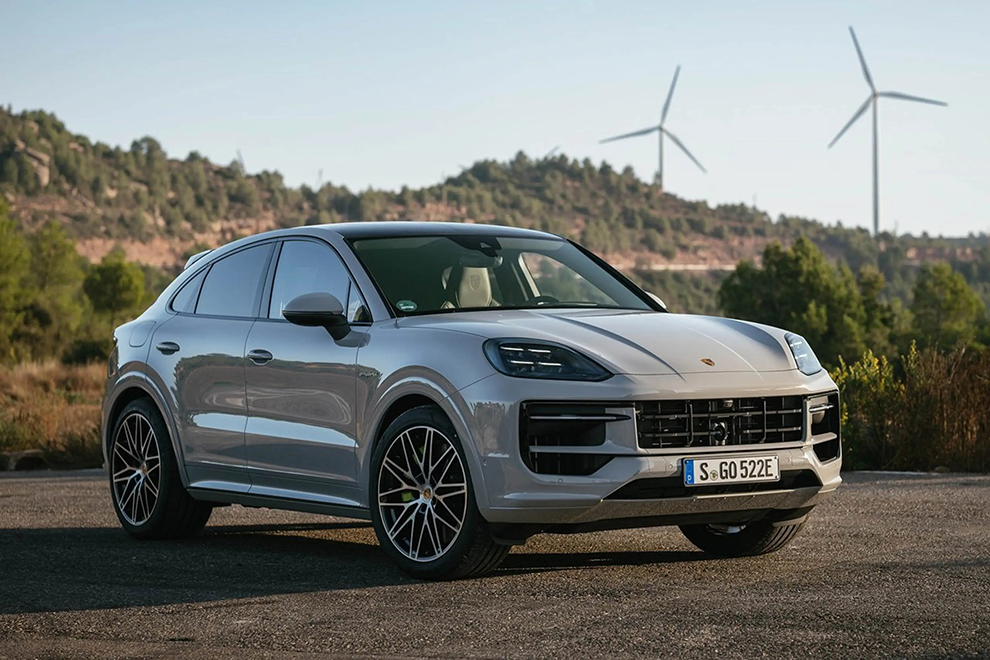
At a glance
- The Cayenne combines sports-car-derived performance with practical five-door SUV utility.
- The lineup spans gasoline engines, a plug-in hybrid, SUV and Coupé bodies, and several performance grades.
- New inventory supports standardization, while used vehicles require detailed condition and document checks.
- Live export pricing changes with specification, condition, market conditions, freight, tax, and Incoterms.
- RHD availability, homologation, and shipping scope must be confirmed for the destination market.
Why the Porsche Cayenne matters for export markets
The Porsche Cayenne occupies a useful middle ground between a road-focused premium SUV and a full-size luxury off-roader. Its combination of sports-car-derived performance, five-door practicality and long-distance comfort gives it broader appeal than a low-slung performance coupé, while remaining more driver-focused than comfort-led family SUVs. For export buyers, that balance is often easier to reposition than an exotic niche model because it serves both executive and family use cases. It also gives importers room to compare powertrain, body style and equipment without leaving the model family, simplifying sourcing across different markets.
Global demand for the Cayenne is supported by several practical use cases. Dealers can offer it as a premium family SUV for affluent customers who need luggage space and usability, while performance-oriented buyers may prefer V8 derivatives, the Turbo or GTS, or the E-Hybrid. The SUV and Coupé body styles create distinct audience segments, allowing an importer to match market preferences rather than relying on a single specification. Local preferences for steering position and fuel policy will determine the strongest mix. A balanced export plan should reflect those differences instead of copying the domestic mix.
For an overseas buyer, the Cayenne’s value proposition is strongest when the vehicle can serve dual purposes: daily driver appeal and a credible high-end alternative to larger luxury SUVs. Its performance image supports positioning in markets where brand prestige matters, while the practical body and available powertrain choices broaden the customer base. The main commercial risk is overpaying for a specification that local buyers do not value, so trim, options, condition, and handover support matter as much as the model badge. This becomes especially important when importing for resale rather than for personal use or private collection.
- Confirm body, performance and target-market demand.
- Build a focused trim and body assortment.
- Balance driving character with daily utility.
Model range, trims and powertrain variants: how the lineup is structured and how to choose
When comparing Porsche Cayenne specs, the range is organized around performance labels, including Cayenne 3.0T, S 2.9T, Turbo 4.0T, GTS 3.6T, Turbo GT 4.0T, and the older S 4.8L designation. Buyers will also encounter SUV and Coupé bodies, Platinum or special-edition packages, and an E-Hybrid 2.0T plug-in hybrid. Because names and equipment can change by model year and market, the listing description should be treated as the configuration reference rather than the badge alone. A buyer comparing similar listings should check engine label, body style, gearbox, mileage or new status, equipment, and market specifications.
For conventional gasoline models, the 3.0T is the broadest starting point for buyers who want Porsche performance without moving to the most costly derivatives. The S and GTS labels point toward a different balance of output and chassis character, while Turbo and Turbo GT versions serve buyers prioritizing stronger acceleration and a more performance-oriented specification. Since the available inventory mixes model years, it is sensible to compare the actual powertrain, transmission, drivetrain, options, and condition of each vehicle rather than assuming every nominally similar trim is equivalent. That comparison is especially important for older S and Turbo cars.
The E-Hybrid 2.0T changes the buying question from pure combustion performance to a combined power strategy. It can suit markets with strong interest in electrified vehicles, urban efficiency, or tax and emissions incentives, but total ownership depends on charging access, electricity costs, and the buyer’s real driving pattern. Do not select it solely from battery or range claims: verify usable electric range, charging capability, fuel consumption, battery condition on used examples, and local plug-in-hybrid rules for the exact vehicle. The same discipline applies when comparing Coupé and standard SUV bodies for the target market.
- 3.0T: broad performance entry point.
- S, GTS, Turbo and Turbo GT: specialized dynamics.
- E-Hybrid 2.0T: check charging and incentives.
New vs used Porsche Cayenne: how export inventory is structured and how buyers choose
ChinaCarDirect’s export catalogue can include Cayenne vehicles described as new or used, and the practical difference is more important than the label. A new vehicle is normally evaluated by factory specification, expected delivery timing, warranty or after-sales arrangements, and consistency with local preferences. A used vehicle is valued on condition, mileage, service history, remaining life, and whether its specification can still be marketed competitively. Buyers should ask for the underlying vehicle documents rather than relying on the condition statement alone. The final choice should follow the target buyer and expected holding period.
A used Porsche Cayenne purchase demands a stricter inspection because age alone does not reveal the condition of a premium SUV. Ask for exterior and interior photographs, panel and paint condition, tyre condition, service records, diagnostic information, and evidence that no auction, salvage, or flood designation applies. A model-year-specific check is especially important for vehicles sold in multiple markets over time, since equipment, emissions hardware, software, and homologation details may not match a newer example or the buyer’s destination rules. A pre-purchase inspection by an independent specialist is the practical control before commitment.
New inventory can help standardize a dealer’s offering, but it does not remove import risk. Production timing, factory options, homologation, accessories, and handover documentation must match the buyer’s sales plan. Used vehicles can offer an accessible route to the same family or allow buyers to source a body and engine combination, yet that route places more risk on inspection, parts support, and residual-value management. The better choice depends on capital, risk appetite, and after-sales capability rather than simply vehicle age alone. For fleet use, total cost may outweigh badge appeal.
- New: standardized specification and presentation.
- Used: inspect records and service life.
- Match condition to buyer risk tolerance.
How export pricing works: the factors behind a live listing price, and how to read one
A live Porsche Cayenne export price is the result of several interacting variables, not a wholesale tariff or model-year formula. The vehicle’s year, trim, engine and battery version, body style, mileage, condition, and equipment all influence its value. Market conditions matter: exchange rates, supplier stock, vehicle age, and the level of demand for that configuration can move the asking level. A buyer should therefore treat the displayed amount as the vehicle-specific commercial reference for the agreed configuration, not a universal “Cayenne price” for the destination market or buyer profile alone before contracting.
Read each Cayenne listing as a specification sheet and commercial offer at the same time. Confirm model year, trim, body style, engine or hybrid system, mileage for used cars, condition notes, equipment, and whether any displayed amount includes only the vehicle. Then check what is excluded: domestic transport, export documentation, insurance, port charges, freight, taxes, and destination compliance work. For an E-Hybrid, also check charging equipment, battery information, and whether the quoted vehicle includes the expected accessories for the destination. Ask the seller to clarify every ambiguous inclusion in writing before any commitment is made.
The most reliable comparison is a like-for-like landed-cost worksheet. Place the current live listing amount beside estimated freight, insurance, inspection, port, inland transport, tax, duty, registration, and compliance costs, while noting which party bears each item under the agreed Incoterm. Separate the seller’s vehicle price from costs created by the buyer’s destination and specifications. This method makes two Cayennes genuinely comparable and reveals whether a lower asking amount is offset by a less favorable shipping or regulatory position. It also creates a clearer negotiation brief before discussing purchase terms in detail.
- Compare matching year, trim, body and condition.
- Separate vehicle price from landed costs.
- Use live listings for current quotes.
MOQ, ordering and payment: single units vs consolidating a container
Ordering a Porsche Cayenne from China usually starts with a specific vehicle rather than a blind production slot. The live listing provides the commercial reference, after which the buyer should confirm minimum order quantity, payment currency, payment stages, reservation terms, and the seller’s cancellation or refund policy. Those terms should be agreed for the selected vehicle, because package, condition, and supplier circumstances can differ. Do not assume that a catalogue-wide MOQ, discount, or payment schedule automatically applies to every Cayenne listing. Written confirmation protects the buyer before funds are committed or released.
For wholesale planning, a single-unit purchase suits a dealer testing demand, a buyer acquiring a specific specification, or an importer consolidating several vehicles with another supplier. Consolidation can improve freight planning and reduce per-vehicle shipping overhead, but it also concentrates cash, space, and resale risk in a larger batch. The importer must allocate container capacity, coordinate delivery windows, and manage differences in condition or trim. A smaller mixed shipment often offers more flexibility, provided each seller’s documentation and release timing can be reconciled. Careful vehicle selection should precede shipping consolidation, while allocation planning should follow.
Payment structure should mirror the transaction’s risk. A deposit can secure a unit, while the balance may be linked to inspection, export release, or shipping milestones, depending on the agreed terms. For a containerized order, staged payments should correspond to events and documented releases, not vague promises about “completion.” Verify the beneficiary details, invoice contents, refund mechanism, and ownership-transfer sequence. Any bank charge, intermediary fee, or currency conversion cost should also be visible in the final comparison. A pro forma invoice should state the vehicle, price, terms, and readiness clearly.
- Confirm MOQ and payment terms per listing.
- Match batch size to freight and cash flow.
- Link payments to documented milestones.
Shipping, homologation and market compliance caveats: LHD/RHD and import rules by country
Shipping method should reflect urgency, value, and the number of vehicles. Enclosed transport generally gives greater protection from weather and handling damage, while Ro-Ro or open-deck options can change the economics for an established importer; suitability depends on the vehicle, port, carrier, and destination rules. The quotation should identify pickup, terminal handling, insurance, documentation, destination charges, and delivery scope. For high-value Cayennes, security, tracking, vehicle condition checks at loading and discharge, and agreed responsibility for damage are especially important. Do not select the cheapest method before confirming its exclusions in writing.
Steering configuration is one of the first destination checks. A left-hand-drive Cayenne may suit many markets, but right-hand-drive demand exists elsewhere; a China-sourced vehicle should not be assumed to be available in the configuration required locally. Confirm whether the steering position is original or converted, and whether the conversion affects safety systems, wiring, warranty, or resale positioning. If a factory right-hand-drive example is required, search specifically for it and allow the longer sourcing and homologation path rather than treating conversion as equivalent to the original product and approval status precisely.
Import rules are not standardized, so compliance work must be confirmed for the destination, model year, and powertrain. The importer may need to address emissions standards, safety equipment, VIN and document checks, customs classification, duties, taxes, registration, and insurance. Plug-in-hybrid Cayennes can attract rules different from those applied to gasoline vehicles, and used imports may face additional age, emissions, or inspection requirements. Use a licensed customs broker or compliance specialist before committing, then retain approval for the configuration and shipment. Approval should cover the exact vehicle, not merely the model.
- Verify steering configuration before purchase.
- Check homologation by year and powertrain.
- Record loading condition and damage liability.
Who should buy the Cayenne — and who should pick a different vehicle
The Cayenne is a strong fit for buyers who want a premium SUV with credible sports-car performance, a recognisable marque, and enough everyday utility for family or executive use. It works especially well in markets where road handling, acceleration, and brand image have commercial value, and where a dealer can maintain suitable vehicles rather than only selling occasional orders. A fleet buyer should still test whether the same vehicle can carry passengers, equipment, and luggage efficiently enough to justify the premium carefully in the intended operating environment before making a commitment.
For importers, the Cayenne can work in several channels: prestige dealership stock, specialist performance-SUV sales, and selected fleet programs where executive or premium duty-cycle requirements justify the cost. A mixed approach is often sensible, with the 3.0T providing a relatively conventional entry point and higher derivatives or the E-Hybrid serving narrower customer needs. Stocking too many highly specified cars raises holding cost and slows sell-through, while carrying only base versions can leave profitable specialist demand unmet. Align trim mix with verified local enquiries and realistic service support, parts supply, and financing in practice.
Some buyers should choose a different vehicle. A large family needing third-row space may prefer a three-row luxury SUV, while a business requiring the lowest operating cost may find a plug-in hybrid or smaller premium crossover more rational than a performance Cayenne. Off-road users focused on low-speed capability may need a dedicated off-road model, and buyers whose priority is simple ownership may favor a more serviceable brand. The Cayenne makes the most sense when performance, prestige, and practicality must coexist and the importer is prepared for premium after-sales costs over time.
Main rivals and how the Cayenne compares
The BMW X5 is the Cayenne’s closest all-round rival because it combines a premium SUV format, comparable performance variants, and strong recognition in business and family contexts. Buyers who prioritize rear-seat space, a broader dealer-service network, or a more traditional luxury-SUV presentation may prefer the X5. The Cayenne’s counterargument is its more overtly sports-car-derived driving character and the appeal of a distinctive Porsche badge. For a dealer, the actual choice should follow confirmed customer preference and parts economics, not brand image alone. In each market, test both against local demand and evidence.
The Mercedes-Benz GLE occupies adjacent territory with a focus on cabin comfort, premium presentation, and a broad mix of body and powertrain choices across its generations. It can be persuasive where buyers prioritize a lounge-like interior, rear accommodation, or the availability of larger seating configurations in certain markets. The Cayenne typically appeals more to drivers who want a sharper, performance-led experience and a model identity strongly associated with driving. Compare the precise derivative, equipment, and ownership package because family size and local preferences can often reverse the decision before purchase.
The Audi Q8 is a useful comparison for buyers attracted to a coupé-like SUV shape, and it shares the same premium-performance territory. Its design and model character may have greater appeal in markets focused on styling, while the Cayenne benefits from a more performance-led identity. Neither should be chosen from appearance alone: evaluate usable luggage space, visibility, ride comfort, service access, software, and parts support. Among these rivals, the Cayenne is strongest for a buyer who wants Porsche-specific character together with genuine SUV utility without losing daily usability in practice.
- BMW X5: space, comfort and service reach.
- Mercedes-Benz GLE: cabin and family flexibility.
- Audi Q8: coupé styling and premium credentials.
Live Porsche Cayenne export inventory
View all listings →Real units currently on ChinaCarDirect with per-unit asking prices and MOQ. Availability updates live from the catalogue.
How to buy a Porsche Cayenne from China
-
1
Set the market and vehicle brief
Define the destination market, preferred body style, powertrain, performance level, condition, and aftersales support required. Include local driving conditions, charging access, and customer preferences before selecting a trim.
-
2
Screen the live Cayenne inventory
Review current Porsche Cayenne listings by year, trim, body style, condition, and mileage. Use each live listing for the current per-unit price, stated MOQ, vehicle inclusions, and seller contact details.
-
3
Verify identity, condition and documents
Request the VIN, production details, option list, service records, and photographs before committing. For a used vehicle, commission an independent inspection covering paint, tyres, diagnostics, fluids, and structural condition.
-
4
Request a landed-cost quotation
Ask for a written quotation separating the vehicle from freight, insurance, documentation, port charges, inland delivery, duties, taxes, and compliance work. Confirm the Incoterm and exactly which costs belong to the seller and buyer.
-
5
Confirm homologation and steering
Check LHD or RHD availability, emissions rules, safety requirements, VIN treatment, customs classification, and registration requirements for the exact vehicle. Obtain local compliance advice before paying the balance.
-
6
Agree MOQ and payment protections
Confirm the selected listing’s MOQ, deposit, balance milestones, cancellation terms, inspection rights, refund mechanism, and ownership-transfer sequence. Ensure every term appears on the invoice and purchase agreement.
-
7
Release, ship and track
Complete the final inspection, release payment, and verify export documents before loading. Record vehicle condition, secure transport responsibilities, insurance coverage, tracking arrangements, and destination receiving responsibilities.
Cayenne vs rivals
| BMW X5 | The X5 is a close all-round alternative for buyers prioritizing rear-seat space, a more traditional premium-SUV format, and established family-car familiarity. The Cayenne is more compelling when sports-car-derived driving character and Porsche-specific brand appeal are central to the purchase. |
|---|---|
| Mercedes-Benz GLE | The GLE is often stronger for buyers focused on cabin comfort, rear accommodation, and larger seating configurations in certain markets. The Cayenne better serves drivers who want a sharper, more performance-led SUV identity. |
| Audi Q8 | The Q8 competes directly through coupé-inspired styling and premium-SUV positioning, potentially appealing more in design-focused markets. The Cayenne offers a more performance-led identity while retaining practical five-door utility. |
Frequently asked questions
How is the Porsche Cayenne export price determined?
The amount reflects the vehicle’s year, trim, body style, engine or hybrid version, mileage and condition, options, and broader market variables such as exchange rates and demand. Freight, insurance, port charges, taxes, duties, registration, and compliance work affect landed cost and may sit outside the listing. Review the current per-unit amount and inclusions in ChinaCarDirect’s live Cayenne listings before requesting a binding quotation.
Which Cayenne powertrain should an overseas buyer choose?
Gasoline choices include 3.0T, 2.9T S, 3.6T GTS, 4.0T Turbo or Turbo GT, and older 4.8L S applications, depending on year. The E-Hybrid 2.0T is the plug-in-hybrid option. Compare usable electric range, charging, fuel use, and local incentives using the exact live listing rather than a model-wide range claim.
What are the trade-offs between a new and used Porsche Cayenne?
New vehicles offer more standardized specifications and can simplify dealer presentation, but production, options, and handover must match the destination plan. Used vehicles can widen trim and body choice or improve acquisition economics, while placing more risk on condition, mileage, service history, and document verification. A specialist pre-purchase inspection is essential for a used export purchase.
How does MOQ work when buying a Porsche Cayenne?
MOQ is set in the terms of each selected listing and must be confirmed before a deposit. A single-unit order may suit a trial or specific-specification purchase if the listing permits it, while a wholesale batch requires freight capacity and more working capital. Do not infer a catalogue-wide MOQ or discount from other Cayenne listings.
What determines Cayenne shipping time and cost?
Shipping time and cost depend on origin and destination ports, carrier schedule, vehicle method, terminal handling, documentation, customs clearance, inland delivery, and shipment consolidation. Enclosed transport can reduce weather and handling exposure for a premium vehicle, while the final quote should define insurance and damage responsibility. Ask for a written door-to-door or port-to-port breakdown under the intended Incoterm.
How should spare parts and service be planned?
Spare-parts planning should begin with the vehicle’s VIN, model year, engine or hybrid version, and original equipment list. Parts may need to be ordered, and software or regional configuration can complicate interchangeability, so verify references before promising a repair. Include parts and service requirements in the RFQ so the supplier can confirm what support is available.
Is a right-hand-drive Porsche Cayenne available from China?
Right-hand-drive availability depends on the specific vehicle and current inventory; it should not be assumed from the model name. Search the live listings for a factory right-hand-drive example or ask the RFQ desk to source one. If a left-hand-drive car is converted, verify safety systems, wiring, approvals, warranty implications, and resale positioning before shipping.
How do I order a Porsche Cayenne from China?
Start by defining the target market, body style, powertrain, and condition, then review the live Cayenne inventory and select a specific vehicle. Verify the listing, documents, condition, MOQ, payment stages, exclusions, and export scope before paying a deposit. Use the RFQ desk to request a written quotation and shipping plan, then complete payment only against agreed milestones.
Ready to source the Porsche Cayenne?
Send ChinaCarDirect your target Porsche Cayenne specification and destination for a current, itemized export quotation.
Request a quote