
Porsche Macan Export Buying Guide for Overseas Buyers
Buy a Porsche Macan from China with a clear guide to trims, powertrains, export pricing, MOQ, shipping, homologation, compliance, and key rivals.
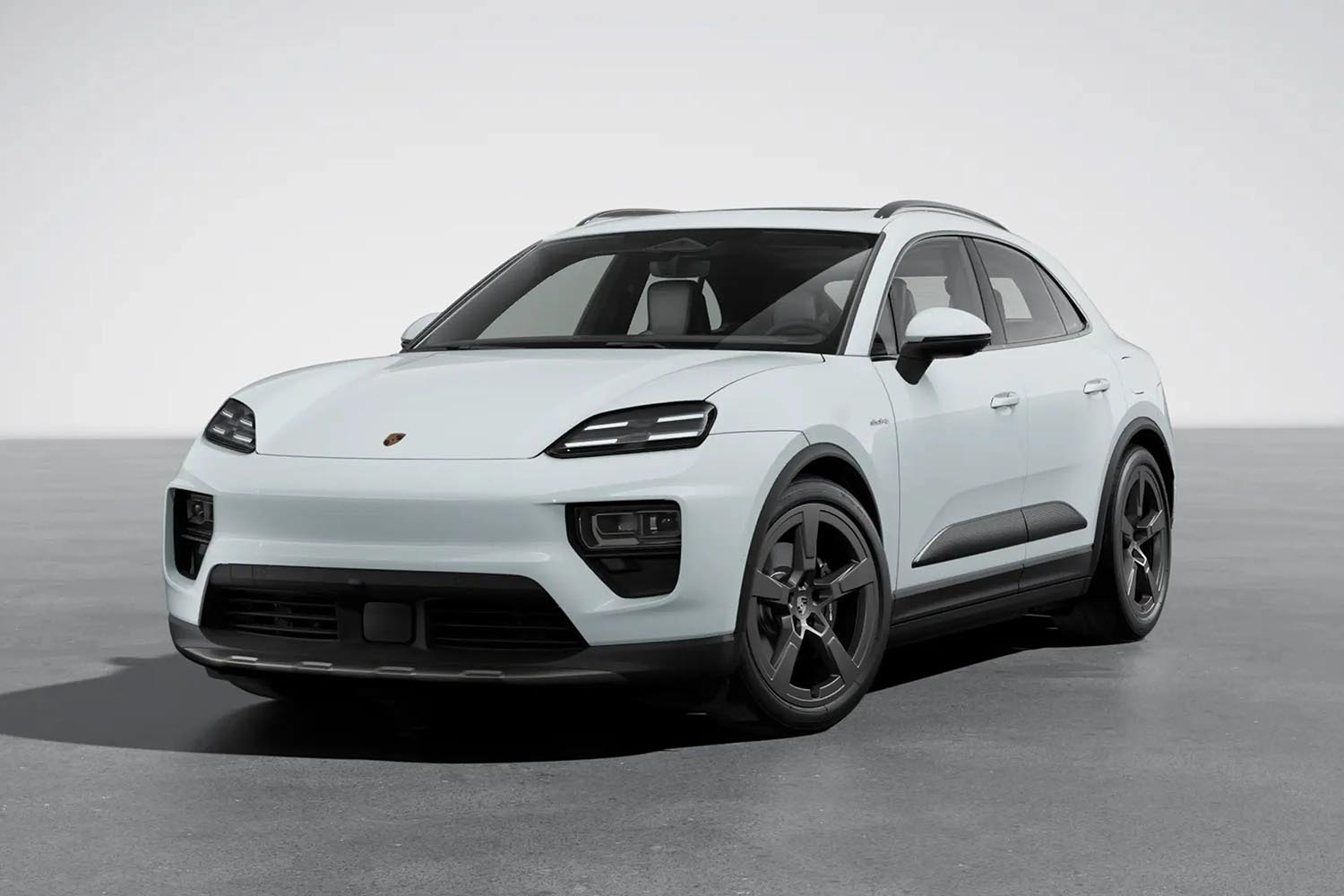
At a glance
- The Macan combines Porsche’s performance-led positioning with practical compact-SUV dimensions for international dealers.
- The export line-up includes 2.0T, 2.9T, 3.0T, S, GTS, Turbo, special-edition and Long Range labels, subject to model-year differences.
- Used examples can suit value-conscious buyers, but age, condition, service records and generation differences require close review.
- Live per-unit prices depend on the exact vehicle, while freight, insurance, taxes and compliance costs must be calculated separately.
- Confirm MOQ, payment milestones, ownership documents and delivery terms with each seller before committing funds.
- Destination homologation, steering configuration and charging infrastructure must be validated before a Macan is dispatched.
Why the Porsche Macan matters for export markets
The Porsche Macan occupies a position in the premium compact SUV segment: it combines Porsche identity and driver focus with the everyday usability expected of a sport utility vehicle. That combination explains its relevance in export markets, where overseas dealers need a recognizable premium product that is more practical than a full-size luxury SUV. Buyers attracted to prestige, a performance-oriented road manner and compact proportions often find the Macan more focused than a comfort-first premium SUV. It is particularly relevant to international procurement and specialist retail activities for dealers worldwide.
Demand also benefits from the Macan’s broad market history. Available export material can include the earlier Macan S 3.0T and newer 2.0T, GTS, Turbo and electric derivatives, giving importers different propositions. That variety helps a dealer serve several channels: a performance-oriented used car for an executive fleet, a current-generation SUV for retail customers, or a long-range electric model for markets with mature charging networks. The key is to identify the generation and exact specification rather than treating every Macan as equivalent in the same buyer decision. Compare like with like.
For an overseas buyer, a Porsche Macan for export must justify itself through commercial clarity as much as product appeal. A local dealer must match the vehicle’s engine or battery version, steering side, equipment, condition and documentation to the intended customer and registration regime. Fleet buyers should also consider residual-value expectations, parts support and intensive use. A clear brief reduces the risk that an attractive-looking Macan becomes costly to register, equip or maintain after reaching its destination. Treat live inventory as a sourcing database, not proof of suitability.
- Porsche identity, compact-SUV usability.
- Match generation and trim to market.
- Verify condition and provenance.
Model range, trims and powertrain variants: how the lineup is structured and how to choose
The line-up is best understood by separating model families from trim labels. Across generations represented in export listings, names include Macan 2.0T, Macan S 3.0T, Macan S 2.9T, Macan GTS 2.9T, Macan Turbo 2.9T, special editions and Macan Long Range. Engines, transmissions, body details and equipment can change over time. Buyers should therefore match Porsche Macan specs to the model year and VIN, not assume that 2.0T badges or GTS badges represent the same vehicle before comparing price, equipment or suitability. Check each VIN before finalizing any purchase commitment.
For combustion vehicles, the 2.0T is the efficiency- and purchase-cost-oriented entry point, while the 2.9-litre and 3.0-litre variants sit higher in the performance hierarchy. Macan S and GTS names have appeared with different displacement labels, and the Turbo represents the most performance-focused naming in this group. These are useful positioning clues, not a substitute for the specification sheet. Confirm output, gearbox, drivetrain, exhaust details, wheels and options in the VIN-specific record before placing an order or agreeing the final vehicle condition with the supplier.
The Long Range label introduces the battery-electric branch of the Macan family. It should be evaluated on usable range, charging interface, battery condition and the charging infrastructure actually available to the buyer, not on the name alone. Because battery capacity, rated range and charging details vary by market and model year, request the vehicle data tied to the VIN. An electric Macan may suit fleets with controlled depot charging, while a combustion model can be simpler where charging coverage is limited. Home charging and route planning remain separate concerns.
- 2.0T anchors combustion offerings.
- S, GTS and Turbo signal performance.
- Long Range needs VIN-specific data.
New vs used Porsche Macan: how export inventory is structured and how buyers choose
New and used Macans should be separated by condition and commercial origin, not just by a marketplace label. Dealer-new vehicles may be unregistered or lightly registered, while “used” stock can come from private owners, leasing fleets or corporate fleets. Each origin affects the evidence available: factory status, service history, odometer reading, prior registrations and export history. Treat every vehicle as individually assessable until its VIN, title and condition report have been checked, even when several listings appear similar. The trim name can conceal different generations, equipment levels and maintenance histories.
A used Porsche Macan can make sense when the buyer values the core vehicle, accepts earlier technology and wants a lower acquisition commitment than a new example. First-generation cars in the market include the Macan S 3.0T, so buyers should understand that this label may not match a later S model. Inspect tyres, brakes, suspension components, fluid leaks, cabin wear and accident evidence. Also check whether software, infotainment or parts support is less convenient than on a newer car. Budget for near-term maintenance, not just the purchase transaction.
A dealer-new Macan reduces age-related uncertainty and may carry a factory warranty, but the warranty’s geography, transferability and coverage must be confirmed for the importing country. Check whether the vehicle was ever registered, whether VAT or other recoverable taxes were settled, and whether cosmetic condition matches the stated status. Options, paint, protection films and delivery preparation can also create meaningful value differences. For fleet use, compare warranty support with uptime rather than assuming local service is included. Ask for the warranty document and complete handover file in writing.
- Dealer-new and used differ.
- Older S labels need generation checks.
- Service records and titles matter.
How export pricing works: the factors behind a live listing price, and how to read one
A Porsche Macan export price guide should begin with one principle: the displayed amount is a vehicle-specific asking point, not a universal market value. The model year, exact trim, engine or battery version, mileage, condition, factory options and the seller’s location all influence it. Exchange-rate movements can also change how a China-based asking price appears to an overseas buyer. Use the live listing to establish the seller’s current quote, then calculate the separate costs required to bring that precise vehicle into service and build a defensible operating budget at the destination.
When reading a live Macan listing, match all identifying information before interpreting the quote. Record the VIN, model year, declared trim, engine displacement, transmission, drivetrain, fuel or battery type, mileage, condition grade and every listed option. Confirm whether the figure includes VAT or export documentation, and whether it is an FOB, CIF, DAP or other Incoterm. A photographed vehicle, duplicate advertisement and exact description can clarify identity, but the pro forma invoice and vehicle documents remain the binding references. Ask the seller to resolve any discrepancy before paying a deposit.
The export price is the landed cost, so build the calculation in stages. Start with the live per-unit vehicle quote, then add international freight, marine insurance, export handling, destination port or terminal charges, customs duties, taxes, registration, inspection and modification work where applicable. Local dealer margin and aftersales preparation should also be modelled. Obtain a written quotation that separates vehicle price, transport and destination charges; otherwise it is impossible to tell whether a change reflects the Macan itself or the logistics. It also creates a defensible budget for the importer.
- Price starts with exact vehicle.
- Check export-charge inclusion.
- Compare total landed cost.
MOQ, ordering and payment: single units vs consolidating a container
Minimum order quantity is a seller-level condition and must be read on each live vehicle or supplier record. A buyer seeking one Macan should ask whether that specific unit can be reserved directly, while a dealer planning several vehicles should request tiered terms for different quantities. Do not infer a catalogue-wide MOQ from general platform practice, and do not treat a listing as reserved merely because the vehicle is visible. Have the quantity, configuration, delivery window, cancellation terms and payment milestones written into the pro forma invoice before any payment.
Consolidating a container can reduce the freight cost per vehicle, but it changes the procurement task. Several Macans may be grouped by chassis configuration or purchased from different suppliers, then handed to one freight forwarder, provided ownership, payment and title documents remain clear for every unit. Mixed consignments should record each VIN and trim against its own invoice. Full-container loading may suit planned dealer stock, while less-than-container or shared space can suit a smaller order, although the latter can require more handling and coordination and longer planning for all consignments.
Payment structure should reflect control over the vehicle and the documents. A common sequence is a modest deposit, inspection evidence, payment of the balance against verified handover documents, and release against an agreed shipping milestone, but the exact sequence is negotiable. Confirm the legal seller, bank beneficiary, invoice issuer and refund terms, especially when an intermediary handles the export. Specify the currency, validity period and Incoterm. A signed contract should state what happens if the VIN differs, freight space changes, inspection fails or a vehicle is damaged before loading eventually.
- MOQ belongs to each supplier offer.
- Confirm single-unit reservation in writing.
- Consolidate with VIN-level records.
Shipping, homologation and market compliance caveats: LHD/RHD and import rules by country
Steering configuration is the first cross-border check. China-market Macans are commonly left-hand drive, but the exact vehicle must be confirmed; buyers for right-hand-drive markets may need a factory-built RHD car or an approved conversion. Check steering-wheel position, pedal arrangement, instrument functions, infotainment language, climate controls, lighting and other equipment. Do not alter a vehicle merely to make a listing look local. A conversion can affect safety, homologation, warranty, residual value and the ability to secure insurance in the destination country without local regulatory or importer approval being granted beforehand.
Import rules are determined by the destination country, not by the vehicle’s origin alone. The importer may need a VIN check, customs classification, proof of ownership, emissions compliance, type approval, a roadworthiness inspection, local registration and payment of duties or taxes. Used vehicles can face additional age, emissions or inspection restrictions, while electric versions may require battery or charging documentation. A vehicle can clear transport formalities yet still fail registration. Obtain a written view from a customs broker or homologation specialist before committing the vehicle to shipment to the buyer.
Logistics documentation should be prepared before the vehicle leaves its origin. The export file commonly includes the sales or ownership invoice, vehicle certificate, VIN, export declaration, keys, maintenance records and insurance instructions, where applicable; the exact set depends on the route and destination. Confirm whether the Macan is containerized, carried as break-bulk or moved by roll-on/roll-off, and whether this affects loading security. For an electric Macan, declare the battery status and shipping category accurately. Photograph the vehicle, meter and packed condition at handover for dispute protection, traceability and claims-handling support.
- Verify steering side and equipment.
- Check registration rules before sale.
- Prepare export documents.
Who should buy the Macan — and who should pick a different vehicle
The Macan best fits a buyer who wants a premium, driver-focused compact SUV and values Porsche identity, resale positioning and a vehicle that can cover executive and private use. It is especially relevant to dealers serving customers who want sports-car character without much of the bulk of a larger luxury SUV. The 2.0T can suit mixed fleets where everyday running matters, while S, GTS or Turbo variants suit customers who prioritize performance. An electric Long Range becomes relevant when charging access and environmental policy align with the intended fleet.
A different vehicle is more sensible when the mission prioritizes maximum cargo volume, seven-seat flexibility, serious off-road ability or the lowest operating cost. Luxury full-size SUVs offer more space, while electrified mainstream models can be more efficient in markets with strong charging coverage. Buyers needing a workhorse should choose durability and payload over a premium badge. Similarly, a customer without a secure charging arrangement may favor a combustion Macan. The decision should compare total operating cost, service access, insurance class and regulatory fit, not only purchase price.
For importers, the Macan is a strong candidate when the vehicle can be supported by the destination’s premium network and the dealer can source service and parts efficiently. Review whether the intended model year has a straightforward spare-parts path in the destination, whether software and diagnostic tools are accessible, and whether common wear items are locally available. For a used Macan, insist on a documented inspection and service history. For a new car, verify warranty transfer. These checks often determine the real ownership experience more than minor trim differences.
- Macan suits premium, driver-focused buyers.
- Choose rivals for cargo or efficiency.
- Local servicing affects ownership value.
Main rivals and how the Macan compares
The BMW X3 is one of the Macan’s most direct rivals because both occupy the premium compact SUV class, yet they emphasize different propositions. The X3 generally appeals to buyers prioritizing cabin space, everyday practicality and access to a broad service network. The Macan tends to suit drivers who place more weight on Porsche’s performance image and steering character. Equipment varies by market, so a fair wholesale comparison should match model year, drivetrain, condition, mileage and the major options rather than contrasting badge value alone in the target market specifically.
The Mercedes-Benz GLC competes for the same customer through a stronger emphasis on premium comfort, cabin presentation and mainstream luxury familiarity. Buyers prioritizing a serene road environment, rear-seat hospitality or established local Mercedes support may prefer it. The Macan is generally the more dynamically focused and compact-looking alternative, which can matter for a dealer seeking a performance-led display car. Compare the precise GLC derivative with the selected Macan because engine labels, drivetrain and standard equipment differ across countries and model years before any decision is finalized.
The Audi Q5 is another close alternative, offering a more understated premium-SUV proposition, powertrain choices and a configuration-oriented buying approach. It can be attractive to buyers who prioritize understated presence, technology or fleet practicality over an overtly sporting image. The Macan’s case rests more on Porsche-specific character and performance positioning. For a Porsche Macan wholesale decision, evaluate the rivals against the same mission—daily use, fleet policy, charging access, servicing and residual-value expectations—rather than assuming the Macan wins every comparison automatically in every market for the intended customer segment.
- BMW X3 prioritizes practicality.
- Mercedes-Benz GLC emphasizes comfort.
- Audi Q5 offers understated appeal.
Live Porsche Macan export inventory
View all listings →Real units currently on ChinaCarDirect with per-unit asking prices and MOQ. Availability updates live from the catalogue.
How to buy a Porsche Macan from China
-
1
Define the destination and operating scenario
Record the destination country, import route, passenger and cargo needs, charging access and preferred powertrain. These constraints prevent a visually suitable Macan from becoming non-compliant or impractical.
-
2
Select the correct generation and trim
Compare the 2.0T, S, GTS, Turbo or Long Range proposition against your fleet policy. Confirm that the label, model year and equipment belong to the same vehicle generation.
-
3
Review the live unit
Use the live listings to check the VIN, model year, trim, engine or battery version, mileage, condition, options, seller location, MOQ and current per-unit price. Treat the listing and written invoice as the commercial references.
-
4
Verify identity, ownership and condition
Request ownership documents, the vehicle certificate, odometer evidence, service records, photographs and export-eligibility information. Reconcile every document with the VIN before paying a deposit.
-
5
Request a landed-cost quotation
Ask the seller or forwarder to separate vehicle cost, freight, insurance, export handling, destination charges, taxes, registration and inspection. Include dealer preparation and expected aftersales costs in the budget.
-
6
Agree MOQ, payment and order documents
Confirm whether the specific listing can be reserved individually or must be consolidated. Put the quantity, deposit, balance, inspection condition, Incoterm, delivery window and cancellation terms in a signed pro forma invoice.
-
7
Inspect, ship and complete registration
Complete a pre-shipment inspection and record the vehicle’s condition and meter. Then coordinate export documents, freight, customs clearance, destination homologation and registration before customer delivery.
Macan vs rivals
| BMW X3 | The X3 competes directly in the premium compact SUV class and may suit buyers prioritizing rear-seat and cargo practicality, service-network access and a less overtly sports-focused image. The Macan is the stronger choice for Porsche character and driver engagement, but the comparison should be made trim by trim. |
|---|---|
| Mercedes-Benz GLC | The GLC places greater emphasis on comfort, cabin presentation and familiar luxury-brand ownership, making it a credible choice for chauffeur or executive use. The Macan generally offers a more compact, driver-focused alternative, subject to equipment and market availability. |
| Audi Q5 | The Q5 provides an understated premium-SUV option with a configuration-led buying approach and may appeal to fleet customers prioritizing technology and practicality. The Macan offers stronger Porsche-specific performance positioning for buyers seeking a more distinctive retail proposition. |
Frequently asked questions
How is the Porsche Macan export price determined?
Pricing starts with the exact vehicle’s model year, trim, engine or battery version, mileage, condition, options and seller location. Currency movements and commercial freight terms can also change the apparent export quote. Current per-unit price and availability are shown in the live Porsche Macan listings; request destination charges and a written landed-cost breakdown separately.
Which Porsche Macan specs should I confirm before buying?
The export line-up includes 2.0T, 2.9T and 3.0T combustion labels, plus Macan Long Range for the electric branch. Because trim names span generations, confirm the engine or battery version, transmission, drivetrain, range and charging details in VIN-specific documents.
Should an overseas buyer choose a new or used Porsche Macan?
A dealer-new vehicle reduces age-related uncertainty but may not have a warranty that transfers to the destination. A used example can reduce the acquisition commitment but requires closer scrutiny of mileage, service history, accident evidence, wear and generation-specific parts support.
How does MOQ work for a Porsche Macan order?
MOQ is a commercial condition set within each seller’s offer rather than a permanent rule for the model. Ask whether the specific unit can be reserved individually, and confirm the required quantity, configuration and payment terms in the pro forma invoice. Larger dealer orders may qualify for consolidated freight terms.
What determines Macan shipping time and cost?
Origin and destination, transport mode, available freight space, documentation, seasonality, insurance, port charges and customs procedures all affect the shipment. Avoid relying on a fixed transit promise; request a route-specific schedule and landed quote tied to the booked sailing or vehicle movement.
Can spare parts be sourced for an imported Macan?
Parts support depends on the model year, specification and destination service network. Before buying, confirm access to the relevant Porsche parts channel, common wear items, diagnostic software and likely replacement lead times. Service records are especially useful when assessing a used vehicle.
Is a right-hand-drive Porsche Macan available from China?
China-market Macans are commonly left-hand drive, so right-hand-drive availability must be confirmed for each unit. A factory-built RHD vehicle is generally preferable to a conversion because local safety, registration and insurance rules may restrict modified vehicles.
How do I order a Porsche Macan from China?
Select a VIN-specific vehicle from the live listings, request documents and a landed quotation, then agree MOQ, payment, inspection and Incoterms in writing. Complete pre-shipment inspection, export documentation, freight booking, customs clearance and destination registration before releasing the vehicle to the customer.
Ready to source the Porsche Macan?
Request a VIN-specific Porsche Macan quotation and landed-cost breakdown from the ChinaCarDirect RFQ team.
Request a quote