
Škoda Yeti Export Buying Guide for Overseas Buyers
Compare Škoda Yeti specs, trims and export pricing, then learn how to source, verify, ship and import this compact SUV from China with confidence.
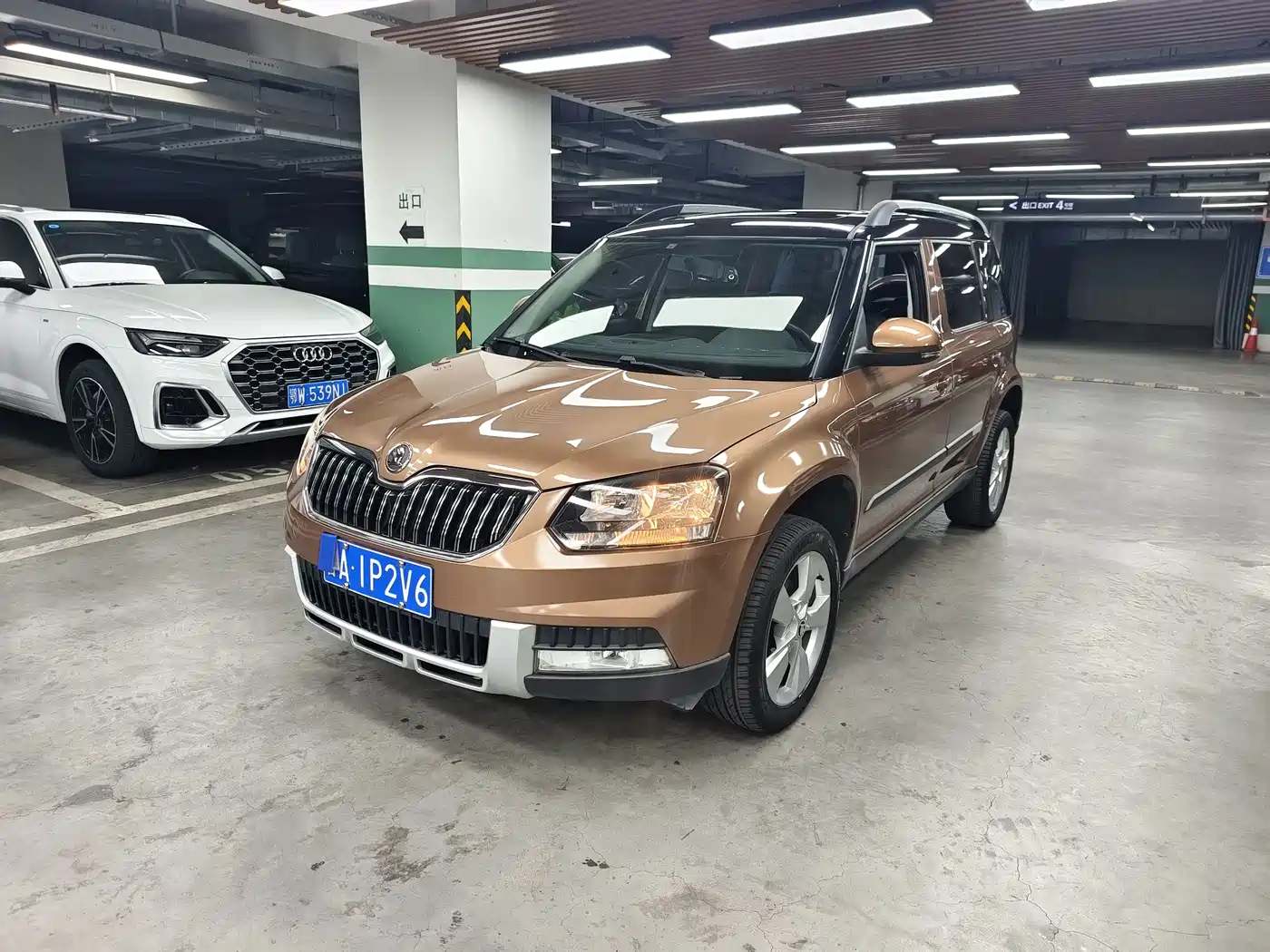
At a glance
- A compact five-door SUV combining an upright, practical cabin with a manageable footprint.
- The export-oriented lineup spans 1.4 TSI, 1.8 TSI/1.8T and TSI280 designations, with manual or DSG choices.
- Chinese-market trim labels differ from European equivalents, so verify equipment on each vehicle.
- Live export prices vary by model year, trim, condition, specification and delivery terms.
- Single-unit sourcing may be available where a listing permits it; MOQ, payment and availability must be confirmed per SKU.
- RHD availability, homologation and destination-country import rules require checks before ordering.
Why the Škoda Yeti matters for export markets
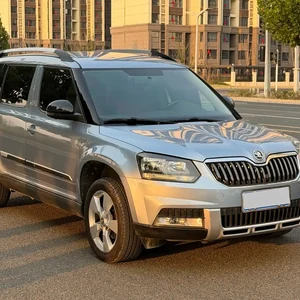
The Škoda Yeti sits between a city hatchback and a larger family SUV. Its upright five-door body, elevated cabin and practical rear compartment make it an accessible proposition in markets where buyers want SUV presence without a difficult-to-park footprint. The model was developed for Europe and produced in China, so Chinese-built examples give overseas dealers a recognizable European nameplate backed by China’s production and parts ecosystem. It is not positioned as a performance flagship; its value rests on packaging, durability and everyday usability for private buyers, company fleets and mixed-surface daily use.
Demand for the Yeti comes from buyer groups that value simplicity over novelty. Dealers can serve urban customers with one compact SUV while also offering drivers higher ground clearance and a more upright seating position for construction routes, regional travel or poor surfaces. Fleets often like the straightforward controls, durable cabin and relatively manageable size, while families benefit from the usable rear seats and boot. In colder or rougher markets, the Škoda badge and established model reputation can reduce perceived risk, although buyers should still verify local parts and service support.
For export strategy, the Yeti is strongest when the brief is a value-oriented compact crossover rather than the newest technology platform. Chinese-market versions can differ from European specifications in equipment, trim names and regional content, so an overseas buyer should treat the live vehicle description as controlling evidence. Ask for VIN, production details, service history, photographs and an itemized equipment list before assuming that a named edition includes a particular feature. This disciplined approach matters most for dealers reselling to customers who will compare service costs and resale value, not merely purchase price.
Model range, trims and powertrain variants: how the lineup is structured and how to choose
The lineup visible in export listings is organized around petrol powertrain designations: 1.4 TSI, 1.8 TSI or 1.8T, and the TSI280 designation. These are paired with a conventional manual gearbox or Škoda’s DSG dual-clutch automatic. Trim names include Polar, Pioneer, Advance, Forward Edition, Explorer and Premium Edition, with combinations such as TSI280 DSG Advance, 1.4TSI DSG Forward Edition and 1.4TSI Manual Polar. Because these labels come from the Chinese-market model, they should not be translated directly into equivalent European trim codes. Confirm the engine badge, gearbox and fitted options on the individual vehicle.
Choosing an engine and transmission should follow duty cycle rather than badge hierarchy alone. The 1.4 TSI is the efficiency-oriented option for buyers prioritizing fuel use, lower running costs and light urban work. The 1.8 TSI and 1.8T entries provide a higher-output route for heavier loads, air-conditioned fleets or drivers who value stronger performance, but exact power figures should be checked in the Škoda Yeti specs for the selected listing. A manual appeals to buyers wanting mechanical simplicity and broad repair familiarity; DSG prioritizes convenience, especially in stop-and-go traffic and relaxed cruising.
Trim selection is mainly an equipment decision because the Yeti’s basic mechanical architecture changes less between versions. Polar, Pioneer, Advance, Forward, Explorer and Premium labels can signal different combinations of wheels, upholstery, infotainment, climate control, lighting and convenience equipment. Compare the photographed car, not a generic trim chart, and identify whether features are standard, optional or absent. For fleet buyers, a simpler specification can simplify parts and resale planning; for retail customers, cabin comfort, climate systems and visible safety equipment may matter more than the most decorative trim label on the actual unit.
- 1.4 TSI: efficiency-oriented choice
- 1.8 variants: higher-output route
- Manual and DSG serve different duties
- TSI280: confirm exact output
New vs used Škoda Yeti: how export inventory is structured and how buyers choose
ChinaCarDirect’s live catalogue should be treated as a unit-by-unit sourcing channel rather than a fixed annual model range. Each available vehicle can carry a new or used status, and the displayed description may combine model year, trim, engine, gearbox, condition and location. The fact that a vehicle is described as new does not by itself answer every delivery question; ask whether it is dealer stock, an import vehicle, or another category and whether it is road-ready. Similarly, a used Yeti should be judged from its actual odometer, service records and inspection evidence.
A vehicle presented as new is attractive to buyers who want less uncertainty around wear and immediate fleet deployment. It may also be easier to standardize when several units need similar equipment. The trade-off is that “new” can refer to sales status rather than a detailed manufacturing history, so buyers should still inspect paint, tyres, cabin wear, underbody condition and production labels. Ask for any remaining manufacturer warranty and confirm whether the odometer, date and handover process are documented. For commercial users, delivery condition is part of the purchase specification, not a minor detail.
A used Škoda Yeti can be the sensible choice for a dealer seeking established nameplate appeal at a lower acquisition outlay, but age transfers risk to the buyer. Check mileage against the model year, service intervals, fluid changes, accident repair, paint thickness, tyre condition, suspension noise and DSG service history where a manual is not fitted. Inspect for rust in the underbody, wheel arches and cabin seals, especially if the vehicle comes from a wet or coastal environment. The right comparison is expected downtime and warranty exposure versus the price of a newer alternative.
- Verify status and condition on every unit
- Used vehicles need history and inspection evidence
- New vehicles still need delivery-condition checks
How export pricing works: the factors behind a live listing price, and how to read one
Škoda Yeti export pricing results from several variables rather than a fixed model-level tariff. Model year, trim, engine, transmission, mileage, condition, equipment, paint, ownership status and the seller’s location all affect a live asking price. Market demand and exchange-rate movement can influence the quote, while preparation, storage and documentation may be added. Because two units can share a trim name yet differ in age or condition, never benchmark one listing against another without matching those fields. The current per-unit figure on the live inventory is the correct starting point for an offer.
When reading a live listing, separate vehicle price from delivered cost. Confirm whether the quote uses EXW, FOB, CIF or another Incoterm basis, and whether it includes export preparation, inland transport, marine insurance, loading, terminal charges or only the vehicle. Check what remains: customs clearance, import duty, VAT or sales tax, registration, inspection and delivery to the final dealer. Ask for recent photographs, VIN, odometer and a written condition report. A lower displayed price can produce a higher landed cost if logistics or compliance work remains incomplete before any deposit is paid.
For a workable Škoda Yeti export price guide, build comparable quotations instead of chasing the lowest visible number. Create a shortlist with the same engine, gearbox, condition standard and delivery term, then ask ChinaCarDirect for an itemized quotation. Review payment currency, validity, document copies, inspection rights and repair obligations that could change the payable amount. Overseas buyers should also model residual risk: a poor import decision can outweigh a modest difference between similar vehicles. Live listings provide current price and availability; a formal RFQ is the right route for final landed-cost assumptions.
- Match year, trim, gearbox and condition
- Confirm Incoterm and quotation inclusions
- Add duties, tax, freight and inland delivery
MOQ, ordering and payment: single units vs consolidating a container
MOQ depends on how the vehicle is sold. A marketplace listing may be offered to individual buyers, while a supplier preparing a batch may impose a model, trim or quantity minimum for allocation. Read the MOQ attached to the SKU and include it in the written quotation; do not assume that a category or earlier inquiry defines your terms. For a trial shipment, a single unit can test residual demand and parts support without tying up a consignment. For a dealer with turnover, a mixed vehicle consignment or container may improve freight efficiency.
Container consolidation can lower vehicle cost per unit by combining compatible Yetis with other export-ready models, but it creates coordination risk. Agree the grade, color, condition and documentation standard before release, and confirm how long cargo will remain available for loading. Ask who controls customs clearance, pre-shipment inspection, insurance and the treatment of a rejected or damaged vehicle. Consolidation may involve a freight forwarder or vehicle exporter rather than the marketplace directly, so contracts and payment flows should match. A clear allocation sheet is essential when several buyers contribute to one container.
The normal ordering sequence begins with a live SKU and ends with document release, but each step should be recorded. Request a pro forma invoice stating the vehicle, price, MOQ, currency, Incoterm, payment schedule, production or condition details, document list and delivery estimate. Pay only against agreed terms and a verifiable seller identity, then authorize inspection and shipment. Confirm cancellation, refund and title-transfer rules before funds are committed. For Škoda Yeti wholesale purchasing, standardize the specification, inspection checklist and handover process so retail staff receive consistent vehicles from the supplier.
- Check MOQ on the selected SKU
- Match terms before paying a deposit
- Document inspection and release milestones
Shipping, homologation and market compliance caveats: LHD/RHD and import rules by country
Transport planning starts with the vehicle’s dimensions, weight, condition and origin. A Yeti may be handled in an enclosed vehicle carrier or, where routes and consolidators permit, roll-on/roll-off shipping; neither option should be assumed until the freight provider confirms the loading standard. Inspect and photograph the exterior, roof, glass, tyres, underbody and interior before loading, and check fluid levels and visible leaks. Transit time and cost vary with sailing schedules, port congestion, season, fuel surcharges, insurance, handling and inland distance, so obtain a current written quotation for the complete route.
Steering configuration is a sourcing check because Chinese-market production is predominantly left-hand drive, while some Yeti examples may be right-hand drive or specified for another destination. Confirm the position from photographs, VIN and paperwork before purchase. Check that the steering wheel, pedals, driver display, lighting, speedometer and equipment suit the destination. Converting a left-hand-drive car to right-hand drive is invasive, uneconomic and may affect homologation, so it should not be treated as routine preparation. If a buyer requires RHD, specify that in the RFQ and use only a unit documented as suitable.
Import compliance is destination-specific. The receiving country may apply age limits for used cars, VIN and title checks, emissions or type-approval rules, safety-equipment requirements, customs valuation, duty, VAT or sales tax, inspection, insurance and registration procedures. Chinese domestic approval does not automatically establish compliance in Europe, Africa, the Middle East, Asia or the Americas. Ask the importer or customs broker to classify the vehicle before committing, and confirm whether used imports face restrictions or additional testing. Keep original documents, production-date evidence, photographs and repair records available throughout the customs clearance process.
- Verify steering side before committing
- Validate destination homologation and used-car rules
- Record pre-loading and customs inspections
Who should buy the Yeti — and who should pick a different vehicle
The Yeti fits value-focused importers, small dealer groups and fleet operators that need a compact SUV rather than the lowest-cost urban hatchback. It is relevant where drivers combine paved commuting with rougher regional roads, need useful rear-seat and luggage space, or value a conventional petrol powertrain where charging is limited. The manual option may suit maintenance-conscious buyers, while DSG can reduce driver workload in dense traffic. A pilot purchase is advisable before a fleet order because local repair capability and residual demand determine whether vehicle value is commercially real in practice.
It is less suitable for buyers whose priorities are the latest driver assistance, newest infotainment, electrified drivetrains or long-term manufacturer support. Those seeking the lowest operating cost in a city may prefer a smaller petrol car or an EV supported by a charging network. Buyers needing more cargo volume, greater towing capability or a full-size family SUV should compare a larger model rather than accept compromised packaging. If RHD availability is essential, local parts support is limited, or emissions rules favor new-energy vehicles, another model may create fewer compliance and ownership problems.
The decision should be made on operating economics and supportability, not purchase price alone. Check fuel consumption, insurance class, tyre and service costs, spare-parts lead times, workshop capability and resale demand in the destination market. Ask the supplier for the VIN, maintenance history and equipment list, then have the importer validate registration and taxation. For dealers, consistency can be as valuable as low acquisition cost: one well-specified Yeti that customers understand may be easier to stock than several visually similar editions with unexplained equipment differences. A test sale provides better evidence for wholesale expansion.
- Best for value-focused mixed-use fleets
- Unsuitable where EV policy drives compliance
- Consider newer rivals for advanced safety
Main rivals and how the Yeti compares
The Dacia Duster is a close budget rival because it combines a small SUV footprint with rugged, value-focused positioning. It may appeal where buyers care more about visible utility, simple serviceability and low acquisition cost than about a more car-like Škoda environment. Yeti ownership can attract dealers already serving Škoda customers or buyers who prefer the brand’s established European reputation and the option of manual or DSG transmission. Neither vehicle guarantees cheap ownership: parts, labor, fuel and resale support vary more by country than by badge, so compare service evidence locally.
The Nissan Qashqai represents a modern crossover alternative, especially when the buyer wants newer safety technology, comfort, connectivity or electrified powertrain choices that the older Yeti architecture cannot provide. The Yeti can remain attractive where the goal is a lower-cost used example, straightforward petrol motoring or a compact dealer product with an upright shape. Qashqai availability, tax treatment and support are market-dependent, so compare the generation and configuration. A buyer choosing newness should not accept an older Yeti merely because its acquisition outlay looks favorable; long-term ownership may favor the newer rival.
The Kia Sportage is a segment rival with a family-crossover image and often a broader sales and service presence. It can be better for buyers prioritizing warranty terms, newer safety systems or a wider selection of model years and powertrains. The Yeti’s advantage is often straightforward value in older petrol examples, compact maneuverability and Škoda nameplate appeal. Final selection should compare the car’s specification, landed cost, parts availability and expected resale rather than generic brand rankings. For fleet buyers, a pilot of the two options is more defensible than choosing on badge alone.
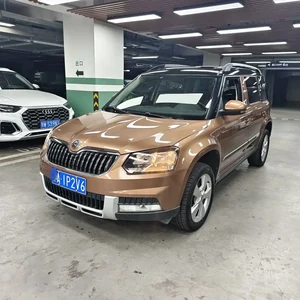
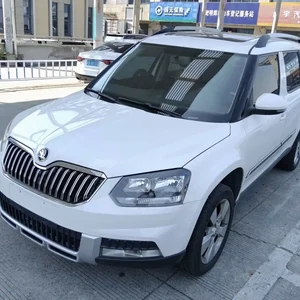
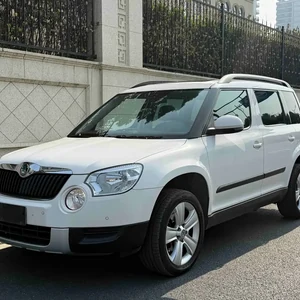
Live Škoda Yeti export inventory
View all listings →Real units currently on ChinaCarDirect with per-unit asking prices and MOQ. Availability updates live from the catalogue.
How to buy a Škoda Yeti from China
-
1
Set the destination and use case
Define the destination country, steering side, road conditions, passenger or cargo needs and local emissions rules before selecting a vehicle.
-
2
Filter the live Škoda Yeti inventory
Compare model year, engine, transmission, trim, condition, mileage and location using the current ChinaCarDirect listings.
-
3
Request a complete per-unit quotation
Ask for the VIN, photographs, odometer, condition report, price, MOQ, document list, payment terms, Incoterm and delivery estimate.
-
4
Verify specification and compliance
Confirm the fitted options, steering configuration, VIN, production details and destination-country import eligibility with the seller and local broker.
-
5
Confirm MOQ and payment mechanics
Review the SKU-level MOQ, currency, deposit, balance schedule, cancellation terms and refund conditions in a signed pro forma invoice.
-
6
Approve inspection and loading
Record the vehicle condition before shipment, including paint, tyres, glass, underbody, interior, fluids and any visible damage.
-
7
Clear, register and deliver
Track customs clearance, duties, taxes, insurance, registration and inland delivery, then reconcile the vehicle against the inspection record.
Yeti vs rivals
| Dacia Duster | The Duster is a close value-led compact-SUV rival, often attractive for buyers prioritizing simple utility and rugged styling. The Yeti stands out for its Škoda badge, car-like character and choice of manual or DSG, but parts and resale support still depend on the destination. |
|---|---|
| Nissan Qashqai | The Qashqai is generally a more modern alternative with newer safety, comfort and electrified options. Choose it when technology and newness matter more than the potential value of an older petrol Yeti. |
| Kia Sportage | The Sportage combines a similar compact-SUV class with a more contemporary family-crossover presentation and may have broader local support. The Yeti can suit importers seeking straightforward value, while the Sportage may better serve buyers prioritizing warranty and modern equipment. |
Frequently asked questions
How is the Škoda Yeti export price determined?
An export quote combines the vehicle’s model year, trim, engine, transmission, condition, mileage, options, location and seller terms. Exchange rates, export preparation, freight, insurance, duties, taxes and registration can change the landed total, so confirm the Incoterm and what the quote includes. ChinaCarDirect’s live Škoda Yeti listings show the current per-unit price; request an RFQ for binding landed-cost assumptions.
Which Škoda Yeti engines and transmissions are available?
The export lineup includes 1.4 TSI, 1.8 TSI/1.8T and TSI280 designations, paired with manual or DSG dual-clutch transmissions depending on trim. The 1.4 TSI generally suits efficiency priorities, while the 1.8 variants offer more output. Because output, emissions and exact equipment vary, read the Škoda Yeti specs on the individual listing and confirm any TSI280 figures before ordering.
Should an overseas buyer choose a new or used Škoda Yeti?
New units reduce wear uncertainty and make fleet standardization easier, but delivery condition and any warranty must still be documented. Used Yetis can lower acquisition cost while transferring age-related maintenance, repair and residual-value risk to the buyer. Compare the complete cost, inspection evidence and local support rather than relying on the new or used label alone.
Is there an MOQ for buying a Škoda Yeti from China?
MOQ is set at the listing or supplier level and can depend on model, trim and shipment plan. A single-unit purchase may be available where a specific SKU permits it, while container consolidation may carry batch conditions. Check the MOQ in the live listing and repeat it in the pro forma invoice before paying a deposit.
What determines Škoda Yeti shipping time and cost?
Shipping time and cost depend on origin and destination ports, carrier or RoRo availability, sailing schedule, congestion, season, insurance, handling, customs and inland delivery. Vehicle dimensions, weight and condition also affect the loading method. Request a written, door-to-door or port-to-port quotation that states the Incoterm and every included or excluded charge.
Are spare parts available for an exported Škoda Yeti?
Spare-parts availability depends on the exact engine, trim, VIN and destination market. For older Yetis, confirm whether parts are available through Chinese, European or local Škoda channels and whether identifiers match before importing anything. Keep the factory part number and supplier contacts with the vehicle file, and test common service items before a fleet order.
Can overseas buyers obtain a right-hand-drive Škoda Yeti?
Chinese production is mainly left-hand drive, but a right-hand-drive unit must be explicitly documented rather than assumed. RHD availability changes and is not guaranteed for every trim or market. Specify RHD in the RFQ, then verify steering position, VIN, pedals, instruments and destination-market compatibility before shipment.
How do I order a Škoda Yeti from China?
First choose the target specification and destination compliance needs, then compare live listings. Request a per-unit quotation with photos, VIN, condition report, documents, Incoterm, MOQ and payment terms. After verifying seller details, pay under a signed agreement, approve pre-shipment inspection, release the vehicle and complete customs clearance and registration.
Ready to source the Škoda Yeti?
Request a current Škoda Yeti quotation with vehicle details, document checks, Incoterm and shipping options on ChinaCarDirect.
Request a quote