
Subaru Impreza Export Guide for Dealers and Fleet Buyers
Guide for overseas dealers buying a Subaru Impreza from China: compare trims, used options, live export pricing, MOQ, shipping and compliance.
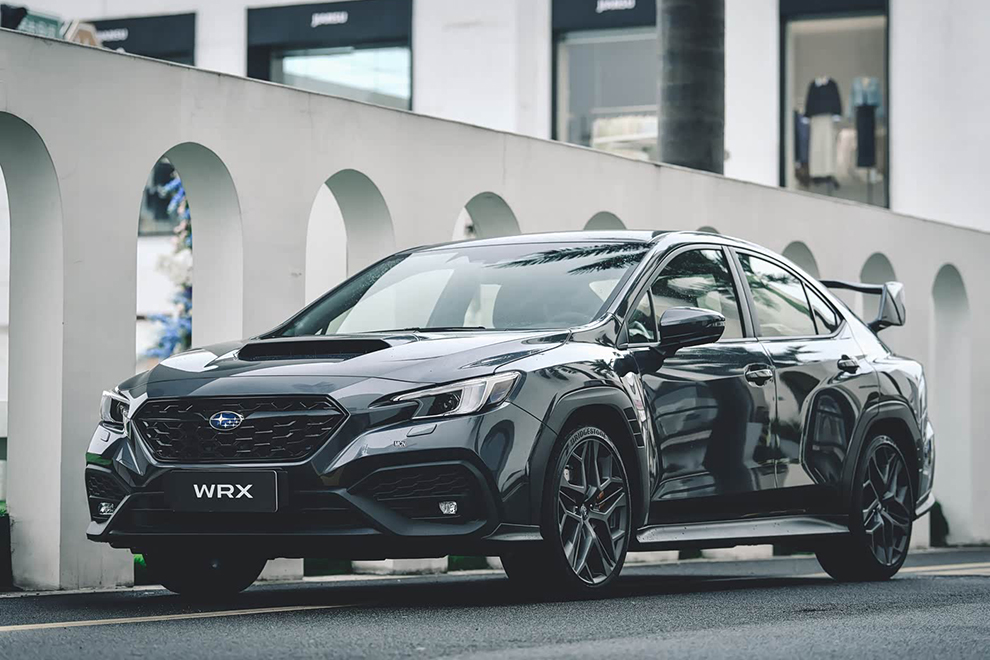
At a glance
- The Impreza combines compact packaging, boxer engines and Subaru's all-wheel-drive identity across sedan and hatchback versions.
- The 2.0R branch suits lower-complexity fleet use, while WRX and STi versions target performance buyers.
- Manual and automatic choices vary by generation and market, so gearbox and equipment must be confirmed per unit.
- Export cost depends heavily on vehicle condition, Incoterm, freight route, insurance, taxes and destination compliance.
- Current unit price, availability and MOQ should always be taken from the live ChinaCarDirect listing and a written quote.
Why the Subaru Impreza matters for export markets
The Subaru Impreza occupies a useful middle ground for overseas buyers: a compact car with a broad serviceable reputation, boxer-engine choices and an all-wheel-drive-centered model range. Its appeal is not tied to one use. Dealers can position a naturally aspirated 2.0R as a lower-complexity fleet option, while WRX and STi versions provide stronger performance appeal for specialist buyers. The mix of sedan and hatchback also gives importers room to serve different markets without changing the underlying marque. That flexibility is especially valuable when demand must be forecast across climates, budgets and regulatory regimes.
Demand for the Impreza usually comes from four practical sources: daily-use buyers who value standard all-wheel drive, performance customers attracted by the WRX badge, fleets needing a compact body, and buyers seeking the hatchback's cargo flexibility. In colder or wet regions, traction can be a decisive selling point; in markets with mild climates, buyers may instead emphasize low ownership complexity or availability of parts. Export demand therefore depends on local weather, fuel prices, driving habits and the credibility of the importer's after-sales support before export inventory is committed to any shipment.
For a dealer, the Impreza is attractive only when the sourcing channel can explain the vehicle's origin and condition. Year, trim badge, transmission, steering side and market of origin can materially change suitability, and a model name alone does not settle those questions. Chinese export supply may include vehicles sourced outside Subaru's official domestic retail programme, so importers should validate the chassis identity, ownership trail and documents rather than treating a listing title as proof of local-market specification. This diligence protects resale value and avoids costly surprises at the border.
- Compact AWD-led positioning
- Sedan and hatchback choices
- WRX and STi enthusiast appeal
- Market-dependent resale demand
Model range, trims and powertrain variants: how the lineup is structured and how to choose
Impreza naming can be confusing because it covers more than one product tier and several body styles. The 2.0R versions represent the everyday branch of the range, while the 2.0T WRX Sedan, 2.5T WRX and 2.5T WRX STi labels identify turbocharged performance derivatives. Sedan and hatchback configurations also carry different practicality and marketing value. Buyers should separate the model family from generation, chassis code, engine output and factory specification before comparing vehicles or asking for a quote. A listing that omits those identifiers should be treated as incomplete rather than exceptionally attractive.
For a 2.0R car, the central questions are operating simplicity, fuel use, availability of parts and suitability for ordinary fleet duty. A manual transmission can appeal to buyers who value engagement or lower-cost servicing, but an automatic may be easier for mixed-ability drivers. WRX cars sit closer to the enthusiast end, combining turbocharging with the Impreza platform and a more performance-oriented drivetrain. The lower numerical engine designation alone does not make one vehicle cheaper after freight, tax, insurance and compliance work once landed correctly in the vehicle's destination market.
The STi badge signals the most driver-focused branch in the listings, but it is not a substitute for a roadworthiness inspection. Buyers should confirm the exact engine, gearbox, drivetrain, braking specification, body and any factory or aftermarket modifications. Wheel condition, suspension noise, oil leaks, cooling-system condition and evidence of accident repair matter as much as the attractive designation. For a mixed fleet, one conservatively specified 2.0R may be easier to support than several highly tuned cars, especially when parts standardization and technician familiarity are priorities across several destination markets with one support policy.
- 2.0R: everyday branch
- 2.0T WRX: turbo sedan
- 2.5T WRX and STi: performance
- Manual and automatic options
New vs used Subaru Impreza: how export inventory is structured and how buyers choose
New and used Impreza vehicles should be separated by evidence, not by a badge on a marketplace page. A genuinely new, unregistered vehicle should have a consistent production date, factory identification, low recorded distance and complete accompanying documents. An older parallel import or ex-fleet car may be presented differently and can carry prior registration, wear or market-specific equipment. Ask the supplier to explain every vehicle's classification and chronology; a model year alone cannot establish whether it is factory-fresh, previously registered or eligible for your market before any funds are committed.
Used Impreza supply can be attractive for buyers who want proven mechanicals, lower acquisition cost or access to a trim that is no longer sold new. The trade-off is that age brings uncertainty about maintenance history, corrosion, fatigue, prior modifications and the scarcity of model-specific trim parts. A low purchase quote may also lose its advantage after repairs, recertification or return logistics. Conversely, a new vehicle avoids some immediate refurbishment work but may still be an older production unit and may carry a higher acquisition and carrying cost for buyers.
The best selection method is a vehicle-file comparison. Match the VIN or chassis number, manufacture and registration dates, odometer reading, engine and gearbox codes, trim equipment, accident history and documents for each candidate. Ask for dated photographs, cold-start video, service records and an independent inspection where the value warrants it. If a unit is labeled new but shows an old production or registration date, resolve that discrepancy in writing. Clear records improve lender confidence, insurer acceptance and the importer's ability to market the car honestly to professional wholesale buyers.
- Condition needs documentary proof
- Used: lower entry, more uncertainty
- New-to-stock: not always current
- VIN-level comparison
How export pricing works: the factors behind a live listing price, and how to read one
An Impreza export price is built from the vehicle's market value plus the cost of putting that exact unit into the buyer's hands. The first layer includes model year, generation, body style, trim, engine, gearbox, mileage, condition, originality, options and whether the unit is documented for export. A matching badge does not guarantee equivalent equipment or condition. Dealer-grade vehicles with complete papers, desirable transmissions and visible preparation usually deserve closer scrutiny than an unfinished car carrying a vague description. A quote should itemize the distinction rather than hide it in a single headline figure.
The logistics layer may include inland haulage, export handling, documentation, vehicle-carrier or container freight, transport insurance and destination charges. Currency movements can alter the supplier's local cost and therefore the quote presented to an overseas buyer. Incoterms define responsibilities: an EXW quotation may exclude most export and international legs, while FOB, CIF and delivered terms allocate different portions of cost and risk between seller and buyer. Always identify the named place, covered services and the party responsible for customs clearance, because similar listing headlines can cover different scopes of service.
To read a live quote, open the specific unit rather than relying on a category page or an old email. Confirm the stated price basis, validity period, vehicle identity, included documents and what happens if the inspection reveals a discrepancy. Ask whether shipping, insurance, duty, taxes and registration are included or excluded. ChinaCarDirect's live Impreza listings are the controlling source for current unit-level price, availability and MOQ; treat a provisional estimate as a working budget until the supplier confirms it against the chassis number and agreed commercial terms in writing.
- Vehicle condition sets the base
- Incoterm changes the total
- Freight and FX move quotes
- Live unit listing is binding
MOQ, ordering and payment: single units vs consolidating a container
Minimum order quantity is a commercial term to confirm on the selected listing, not a permanent property of the Impreza model. Some exporters or stock partners will release one vehicle for a test order, while others require a larger purchase or assign vehicles only within a shipment programme. Buyers should request the MOQ in writing together with unit price, payment milestones, cancellation terms and the exact quantity being reserved. A one-unit purchase can lower exposure and allow market testing, but it may not receive the same freight rate as a consolidated vehicle order.
Container consolidation spreads fixed charges over more vehicles and can make each unit more economical, but it changes the buying risk. The importer must judge whether demand is strong enough to turn the inventory quickly, whether mixed years and specifications will complicate remarketing, and whether financing or working capital can be tied up during transit and clearance. Secure vehicles should be grouped with compatible specifications, realistic reserve prices and a pre-agreed sales plan. Consolidation is not automatically cheaper once inspection, repositioning, demurrage, storage and unsold-stock costs are included at destination.
A sound order flow is quote, verification, inspection, payment, documentation and release to transport. Before paying, bind the vehicle identity and condition to the contract, define the inspection standard, set a remedy for mismatches and state which party handles export and import paperwork. Use payment methods and escrow arrangements that offer traceability, and confirm refund or cancellation terms if the unit fails inspection or cannot be shipped. For a larger order, use a unit schedule with photographs and chassis numbers rather than relying only on a batch description in the contract.
- Confirm MOQ per quote
- Test with one unit
- Consolidate for freight efficiency
- Document each chassis number
Shipping, homologation and market compliance caveats: LHD/RHD and import rules by country
Steering configuration is a first-order export check. A left-hand-drive car cannot simply be assumed suitable for a right-hand-drive market, and a right-hand-drive conversion may affect safety, ergonomics, parts availability and inspection approval. Ask for the original steering side and a photograph of the steering wheel and instrument cluster, then confirm whether the destination expects LHD or RHD. Availability also varies because some Impreza generations and performance editions were built for particular markets. A title that says WRX or STi does not establish handedness or local homologation before shipping begins either.
Import rules can be stricter than the seller's export paperwork. The destination may apply age limits, emissions standards, roadworthiness tests, VIN or registration checks, safety requirements, customs valuation, duty, VAT or other taxes. Used vehicles can face especially different treatment from factory-new stock, while modified or historically significant performance cars may attract additional scrutiny. The importer should obtain a written local compliance assessment before contracting, including any emissions or noise documentation. Rules change by country and sometimes by engine, year and vehicle category, so a general statement from an overseas office is insufficient.
Vehicle-carrier shipping is commonly suited to self-propelled cars, while container freight may suit higher-value vehicles or consolidated mixed cargo. Neither choice fixes the landed cost: route availability, sailing frequency, port congestion, fuel surcharges, insurance, terminal handling, customs brokerage, storage and destination taxes all matter. Confirm whether the quote covers door-to-door service or only the port leg, and allocate a realistic inspection window before the carrier departs. Photograph loading, seal the transport unit where applicable and retain the bill of lading or carrier receipt for the claim and customs file.
- Confirm LHD or RHD
- Check age and emissions rules
- Price door-to-door scope
- Retain transport evidence
Who should buy the Impreza — and who should pick a different vehicle
The Impreza fits dealers serving regions where all-wheel drive, a compact footprint and established Subaru recognition support resale. It is especially relevant for mixed fleets that need one passenger-car platform with sedan and hatchback options, provided trims and transmissions are standardized sensibly. Performance dealers can use WRX or STi cars to reach enthusiast buyers who value turbo response, manual availability and rally-bred positioning. Fleets should test total cost, including insurance, maintenance and residual value, rather than assuming the badge alone guarantees low operating costs in every target destination market.
The Impreza is less suitable for buyers whose priorities are zero-emission operation, very low energy costs, minimal maintenance or the newest driver-assistance and passive-safety technology. It is also a weak choice where used-car age restrictions exclude older chassis, where right-hand-drive supply cannot be secured, or where a hot-derivative badge creates higher insurance and repair exposure than the fleet can absorb. Large families needing more space may prefer a larger sedan or crossover, while urban users focused on parking ease may find a more compact hatchback easier to own day to day.
A decision should follow use case, not trim prestige. Compare delivered cost, local taxes, fuel availability, service intervals, parts lead times, insurance, technician access and expected resale demand for each destination. For fleet uniformity, a naturally aspirated 2.0R with a common transmission may be more rational than a mixed performance-heavy order. For specialist retail, a documented WRX or STi with the correct gearbox, body and condition can justify a narrower market. Walk away when compliance, inspection or parts support cannot be secured before committing working capital to the shipment plan.
- Good for AWD-demand regions
- Useful for mixed fleets
- Poor for EV-first buyers
- Avoid where age bans apply
Main rivals and how the Impreza compares
The Impreza competes in two overlapping groups, so the right rival depends on the vehicle being bought. A 2.0R sedan or hatchback is judged against efficient compact cars on price, comfort, economy and practicality. A WRX or STi is judged against hot sedans and hatchbacks on engine output, handling, transmission, brakes, exclusivity and driver appeal. Because Subaru's combination of turbocharging, boxer packaging and all-wheel drive is distinctive, a buyer may accept less power or a different body style in exchange for lower operating cost or wider service support at home.
The Mitsubishi Lancer Evolution is the closest conceptual rival: a turbocharged, all-wheel-drive compact performance sedan with a similar enthusiast proposition. Its specialist parts base and limited local availability can be disadvantages, while the Impreza family offers broader body and trim choices. The Volkswagen Golf GTI is a strong hot-hatch alternative for buyers prioritizing a manual or familiar front-wheel-drive handling character, packaging and broader global recognition. The Honda Civic Type R serves performance-focused hatchback buyers who want a modern, high-output design, though it does not provide the Impreza's standard all-wheel-drive layout.
None is automatically cheaper to import or operate. The Lancer may appeal where its badge carries strong demand, the Golf GTI may have better parts familiarity in many markets, and the Civic Type R may be more attractive to drivers prioritising the latest chassis. An Impreza makes sense when all-wheel-drive capability, the WRX or STi identity, manual availability and the particular body style outweigh local brand recognition. Check each rival's local registration history, tax band, insurance, parts support and stock depth before committing, because availability and compliance can outweigh headline performance.
- Lancer Evolution: closest concept
- Golf GTI: global hot hatch
- Civic Type R: modern performance
- Compare landed ownership, not badges
Live Subaru Impreza export inventory
View all listings →Real units currently on ChinaCarDirect with per-unit asking prices and MOQ. Availability updates live from the catalogue.
How to buy a Subaru Impreza from China
-
1
Define the destination and use case
Decide the required steering side, body style, engine tier, transmission and operating environment before shortlisting vehicles. Separate everyday fleet needs from specialist performance demand.
-
2
Search the live Impreza inventory
Review the current Subaru Impreza listings by model, trim, year, gearbox, condition and specification. Open individual records rather than relying on category-level descriptions.
-
3
Request a unit-specific quotation
Quote the exact chassis number and destination, specifying the required Incoterm and whether inspection, freight, insurance and customs work are included.
-
4
Verify identity, condition and documents
Match the VIN, production and registration dates, odometer, engine and gearbox, service history and export paperwork. Resolve any condition discrepancy in writing before payment.
-
5
Agree MOQ and payment terms
Confirm the current MOQ, unit allocation, payment milestones, cancellation rules and treatment of inspection discrepancies. For a consolidated order, attach a vehicle schedule to the contract.
-
6
Complete destination compliance review
Have the importer confirm age, emissions, safety, registration, customs and tax requirements for the destination. Record whether the vehicle is LHD or RHD and whether conversion is acceptable.
-
7
Book transport and release documents
Approve the inspection, complete payment and agree the loading date and freight scope. Retain transport, customs and vehicle-identity documents throughout shipment and clearance.
Impreza vs rivals
| Mitsubishi Lancer Evolution | It is the closest conceptual rival for turbocharged, all-wheel-drive compact performance sedans and appeals to dedicated enthusiasts. The Impreza range offers more body and trim choices, but local parts depth and registration eligibility for an older Lancer may be more restrictive. |
|---|---|
| Volkswagen Golf GTI | The Golf GTI is a practical hot-hatch alternative for buyers who prioritize packaging, a manual option and front-wheel-drive handling character. The Impreza offers an all-wheel-drive-centered proposition and a distinct boxer-engine identity, but the Golf may enjoy better local brand familiarity. |
| Honda Civic Type R | The Civic Type R is a strong choice for performance-focused hatchback buyers seeking a modern, high-output design and established enthusiast appeal. The Impreza provides standard all-wheel-drive positioning and a broader mix of sedan, hatchback and non-performance applications. |
Frequently asked questions
How is Subaru Impreza export pricing determined?
Export pricing combines the unit's vehicle value with export handling, freight, insurance, exchange-rate effects, destination charges and the selected Incoterm. Year, trim, engine, gearbox, mileage, condition, originality and paperwork can all change the quote. Open the relevant ChinaCarDirect live listing for the current unit-level price, price basis, availability and MOQ, then request an RFQ for the exact vehicle and destination.
What engine and range does the Subaru Impreza have?
The Impreza in this export context is a gasoline internal-combustion car, not an EV, so battery capacity, electric range and charging figures do not apply. Depending on generation and trim, listings may identify 2.0R naturally aspirated, 2.0T WRX turbocharged or 2.5T WRX/STi turbocharged boxer engines, with manual or automatic transmissions. Confirm the engine and gearbox in the live unit record rather than inferring output from the badge.
Should an overseas buyer choose a new or used Impreza?
New-to-stock can reduce immediate refurbishment needs and may provide more consistent factory presentation, but it does not prove that a unit is recent or never registered. A used Impreza may offer a lower entry point or access to a discontinued trim, while adding uncertainty around wear, prior modifications and repairs. Compare the VIN, production and registration dates, odometer, service records, condition report and export documents before choosing.
What is the MOQ for buying a Subaru Impreza from China?
MOQ is set by the supplier, vehicle and shipment arrangement, not by the model name, and the live listing should show the current requirement. A buyer may be able to reserve one unit for market testing, while a container order may have different terms and freight economics. Ask for MOQ, unit allocation, payment milestones, cancellation rules and price treatment in the written quote.
What affects Impreza shipping time and cost?
Shipping time and cost depend on origin and destination ports, sailing or flight schedules, congestion, fuel surcharges, cargo handling, insurance and customs clearance. Vehicle-carrier versus container service, the Incoterm and any inspection or repair delay can materially change the landed cost. Ask for a door-to-door or port-to-port scope with charge inclusions, quote validity and booking lead time shown in the current proposal.
Are spare parts available for exported Impreza vehicles?
Impreza parts support varies by generation, trim and destination country, and performance editions may require model-specific items. Before buying, ask the supplier to verify common service parts, right-hand-drive or local-market components and expected lead times for the exact chassis. A strong local Subaru network can reduce downtime; where support is limited, factor lead time and interchangeability into residual value and fleet purchase decisions.
Is right-hand-drive Subaru Impreza availability limited?
RHD availability depends on the specific Impreza generation and market version; a WRX or STi listing does not automatically mean a right-hand-drive car. Ask the seller for the original steering configuration and clear photographs, then verify that it matches the destination and can be registered without an unacceptable conversion. If RHD supply cannot be confirmed, broaden the search to LHD destinations or choose another model available locally.
How do I order a Subaru Impreza for export?
Start with the live Impreza listings, shortlist by body, engine, gearbox, condition and destination, then request an RFQ against the specific chassis number. Before payment, confirm documentation, inspection, MOQ, Incoterm, insurance, payment milestones, cancellation terms and destination compliance. After the agreed inspection and payment, the seller should coordinate loading and provide the transport and customs documents needed for the importer to complete clearance.
Ready to source the Subaru Impreza?
Request a chassis-specific Subaru Impreza quote with your destination, Incoterm and inspection requirements included.
Request a quote