
Tank 300 Export Buying Guide for Overseas Buyers
Tank 300 export guide for dealers and importers, covering trims, powertrains, live pricing logic, MOQ, shipping, compliance and rivals for overseas markets.
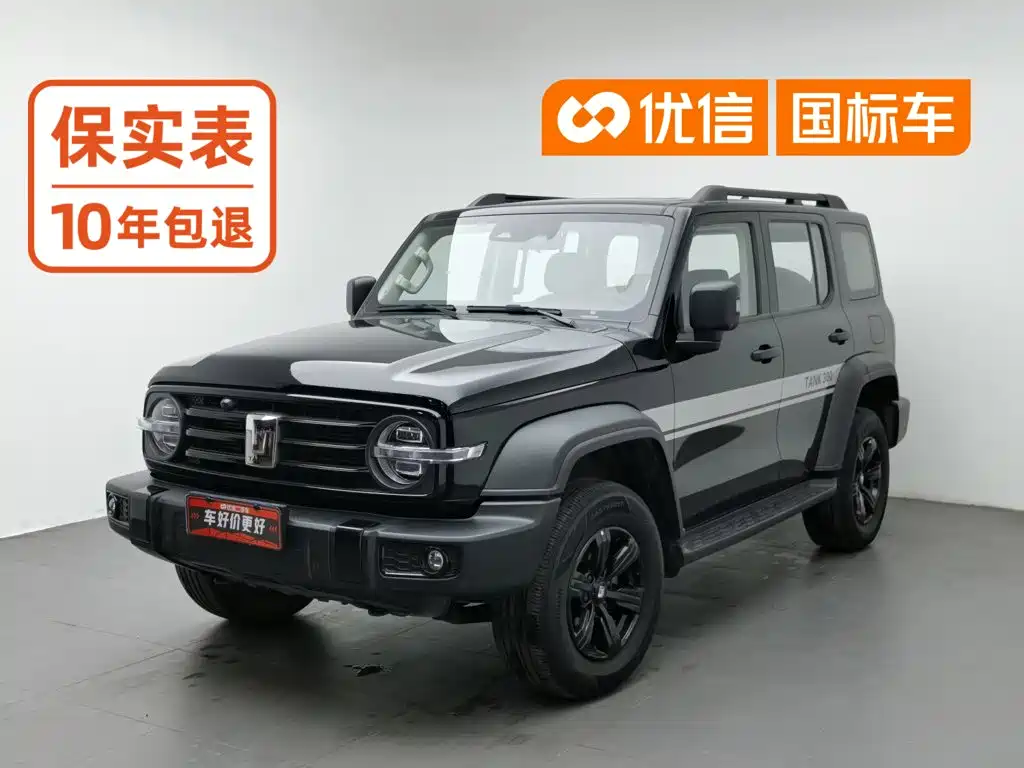
At a glance
- The Tank 300 combines body-on-frame 4x4 positioning with a comfort-oriented family SUV format.
- The range spans 2.0T petrol, 2.4T diesel, 3.0T V6 and Hi4-T plug-in-hybrid variants, subject to market.
- Off-Road and City trims serve different buyers, making VIN-level specification checks essential.
- New vehicles emphasise consistency, while used vehicles require careful history, condition and battery inspection.
- Export price and MOQ are quote-specific, so buyers should compare landed cost under one agreed Incoterm.
- Right-hand-drive availability and destination-country homologation must be confirmed before shipment.
Why the Tank 300 matters for export markets
The Tank 300 occupies a useful middle ground between a working off-road 4x4 and a road-oriented family SUV. Its body-on-frame architecture, four-wheel-drive layout and rugged trim names give importers an immediate product story, while the City Edition options show that buyers do not have to choose between trail capability and everyday comfort. That combination supports positioning in markets where outdoor recreation, regional travel and utility vehicles all matter. Dealers can therefore serve specialist off-road customers and comfort-focused buyers from one model family, provided the final specification is presented honestly rather than broadly.
Interest in the model in export markets is driven less by a single use case than by versatility. An off-road-focused dealer may emphasize the Conqueror and other Off-Road Edition naming, while a distributor serving urban and regional customers may prefer a City Edition or a higher-output configuration. For fleet buyers, the SUV format can suit staff transport, site visits or mobile-service operations, although payload, towing and local road approval must be checked before a purchase order is placed. The commercial point is that the 300 gives importers access to a distinctive product without moving into the full size of a traditional heavy-duty utility vehicle.
A Tank 300 wholesale or export programme can be built around a simple hierarchy: one brand hub for model discovery, a filtered live inventory for trim-level comparison and direct verification for every unit intended for resale. Dealers should avoid judging the vehicle by an attractive listing title alone. Instead, match the engine or hybrid version, steering position, equipment and homologation to the destination market, then price the unit on a landed-cost basis. This disciplined approach converts the model's broad appeal into a commercially manageable import decision. Documentation must remain the final control.
- Body-on-frame design supports both trail and road positioning.
- Off-Road and City names reveal the intended buyer.
- Destination-market suitability determines commercial value.
Model range, trims and powertrain variants: how the lineup is structured and how to choose
Tank 300 naming gives buyers a useful first map of the range. The model has been offered under names such as Off-Road Edition 2.0T Conqueror, Off-Road Edition 2.0T Challenger, City Edition 2.0T variants, 2.4T Diesel Version, 3.0T V6 entries and Hi4-T. These labels indicate the main decision axes: intended use, engine family and electrified drivetrain. However, trim names are not a substitute for a VIN-specific specification sheet, because equipment and naming can change between model years and destination markets. Always confirm the precise version, steering position and homologation on the selected unit before placing an order.
The 2.0T versions provide a clearly identifiable part of the lineup and are offered in both off-road and city-oriented forms. The 2.4T Diesel Version is relevant where diesel economics, fuel standards or operating patterns favour it, while 3.0T V6 versions serve buyers seeking a different engine character or greater output, subject to market availability. For an importer, the sensible choice starts with fuel availability and duty treatment at destination, then considers performance only after confirming that the exact configuration is homologated and supported. Local service capability should carry equal weight to the equipment list.
The Hi4-T version changes the buying equation because it combines an internal-combustion engine with a traction battery and electric drive. A listed Hi4-T 36.7kWh designation identifies the battery version, but it does not by itself establish usable electric range, charging time, fuel economy or emissions under a particular country's test cycle. Compare those homologated figures, charging provisions, tax treatment and after-sales support for the destination market. This is especially important for fleets, where duty incentives and real operating cost may matter more than trim image and practical depot charging access.
- 2.0T petrol options span off-road and city formats.
- 2.4T diesel and 3.0T V6 broaden engine choice.
- Hi4-T buyers must verify range, charging and local tax.
New vs used Tank 300: how export inventory is structured and how buyers choose
The export inventory for the Tank 300 can include both newer vehicles and previously registered examples, so the correct comparison is not simply new versus old. A new vehicle generally offers the cleanest documented configuration, a defined model-year specification and the most straightforward factory-warranty route, subject to that warranty being transferable in the destination country. A used vehicle may offer a more accessible entry point or a particular trim, but its value depends heavily on condition, remaining coverage and whether previous use affected the drivetrain or hybrid battery. Both routes require a landed-cost comparison.
For a used Tank 300, request the VIN, model-year details, maintenance records, inspection photographs and a clear history of modifications or accident repair. Inspect body panels, frame points, suspension, tyres and underbody rather than relying on cosmetic photos. For a Hi4-T, ask for battery state-of-health information and evidence of correct charging and servicing. Cross-check the seller's description against the live listing, and treat unresolved inconsistencies as reasons to pause rather than as minor negotiation points. A professional pre-purchase inspection should be treated as essential, not optional, for any high-value used import.
Choose new when consistency, warranty administration or a predictable factory specification matters more than the lowest acquisition outlay. Choose used when the buyer is comfortable with inspection risk, has a clear resale market for a particular year and trim, and has priced servicing, refurbishment and battery uncertainty into the deal. Neither category automatically offers better value. Compare equivalent vehicles on landed cost, expected downtime, parts support and residual value, and use the current Tank 300 listings to identify the exact unit and condition available directly for that enquiry at that time.
- New vehicles prioritise specification consistency and warranty route.
- Used vehicles demand VIN, history and mechanical inspection.
- Hi4-T used purchases require battery-health evidence.
How export pricing works: the factors behind a live listing price, and how to read one
A live Tank 300 export price is the output of several variables, not a fixed model-wide figure. Model year and trim affect the underlying vehicle and equipment; petrol, diesel, V6 or Hi4-T configuration can change the commercial equation; and mileage, condition, ownership history and repair quality matter most for used units. Seller location, production specification and the availability of a particular trim also influence what can actually be quoted. For this reason, two listings carrying similar names should never be treated as identical products until their details are compared directly.
Price comparison should happen at the same commercial boundary. Confirm whether the displayed amount is FOB, CIF, CFR, EXW or another basis, and identify what the seller includes. A meaningful landed-cost worksheet then adds or separates ocean freight, marine insurance, origin handling, documentation, destination charges, customs duty, taxes, registration and local delivery. Exchange-rate movements can also change the final figure, so confirm the invoicing currency, payment date and quote-validity period instead of treating a displayed amount as a permanent promise. Record who bears each cost and how adjustments are communicated.
Read each listing as a set of commercial terms rather than an isolated headline. Compare the model year, exact trim, engine or hybrid version, transmission, steering position, condition and equipment against the photos and stated description. Check whether the price includes export preparation, and note any stated availability and MOQ before discussing volume terms. The live Tank 300 inventory on ChinaCarDirect is the source for current per-unit pricing and availability; request a written quotation for the selected vehicle because only that quote should drive a purchase decision or final commitment.
- Compare equivalent vehicles under one Incoterm.
- Build landed cost from freight through local charges.
- Use live listings and written quotes for binding figures.
MOQ, ordering and payment: single units vs consolidating a container
MOQ for Tank 300 purchases is determined at the listing and seller level rather than being a universal product rule. Some offers may permit a single-unit transaction, while container-oriented sellers may set a batch requirement or conditions by model year, trim and destination. Buyers should read the MOQ field on each live listing and ask the supplier to confirm it in the quotation, pro forma invoice and final commercial invoice. Treat the number displayed for one offer as applicable only to that offer, not to every Tank 300 in the marketplace.
For an importer testing the model, a single-unit purchase can reduce exposure to an unfamiliar product, freight economics and local demand. It also creates disadvantages: unit freight can be high, spare-parts planning is limited, and the vehicle may arrive without the experience needed to market it effectively. Consolidating several units can improve freight efficiency and support a launch, but the mix should be deliberate. Off-Road, City and Hi4-T units serve different customers and may need different homologation, so capacity savings should not override specification control or the buyer's agreed launch plan.
Ordering mechanics should be milestone-based for both small and large transactions. Confirm the specification and price in a pro forma invoice, pay through the agreed method, and tie the balance to satisfactory pre-shipment inspection and release of the original export documents. The agreement should define the Incoterm, shipment window, insurance, document list, cancellation terms and treatment of a failed inspection. Do not rely on informal promises about allocation or loading; have the same details reflected in writing before committing funds. The buyer should also name the inspection and dispute-resolution contacts.
- MOQ is seller-, listing- and destination-specific.
- Pilot orders limit exposure to unfamiliar demand.
- Consolidation improves freight only with controlled specifications.
Shipping, homologation and market compliance caveats: LHD/RHD and import rules by country
Tank 300 units are suitable for ocean transport, but the best mode depends on unit size, urgency and consolidation. Roll-on/roll-off vessels can handle complete SUVs efficiently and reduce handling at origin, while a container requires correct dimensions, blocking, bracing and lashing to prevent movement. Importers should compare available sailings, port pairs, transshipment time and the cost of trucking, storage and customs clearance at destination. The booking should reflect the actual vehicle configuration, not only an assumed gross weight, and any dimensional or weight exception should be confirmed with the carrier.
Steering configuration is a make-or-break sourcing check. Tank 300 availability differs between left-hand-drive and right-hand-drive markets, and a unit built for one side should not be assumed suitable for the other. Buyers in right-hand-drive countries should request VIN and steering-position confirmation before shipment and verify local registration rules, visibility requirements and any model-specific restrictions. A conversion can add cost and complexity, so a native-market vehicle with the correct documents is usually the cleaner route for a first import programme. Do not rely on the trim name or photograph alone. Confirm both in writing.
Homologation is country-specific and cannot be inferred from the Tank 300 name or trim. The importer must confirm the applicable type approval, safety and emissions requirements, VIN and plate process, customs classification, duty and tax treatment, and local insurance or roadworthiness requirements. A petrol, diesel and plug-in hybrid can face different rules, so verify the Hi4-T configuration separately rather than assuming it inherits the approval of a combustion model. Original documents, a certificate of origin where applicable, export declaration, packing list and transport evidence should match the unit and the agreed transaction.
- Choose RoRo or container by unit and sailing.
- Confirm LHD or RHD before shipment.
- Complete homologation before releasing funds.
Who should buy the 300 — and who should pick a different vehicle
The Tank 300 is a strong fit for overseas dealers and importers seeking a compact, body-on-frame off-road SUV with a more road-focused presentation than a traditional utilitarian 4x4. It suits specialist 4x4 retailers, adventure-tour operators and fleet buyers that need occasional rough-road access without carrying the operating burden of a full-size commercial off-roader. The Conqueror and Off-Road Edition labels help buyers position the product clearly, while City Edition variants broaden the audience to customers who prioritise cabin comfort and daily usability. Local service capability should determine whether that positioning can be supported.
For fleet use, the decision should be operational rather than visual. Confirm permissible seating and load configuration, towing limits, fuel or charging arrangements, maintenance intervals, roadside support and expected downtime in the destination country. A 4x4 SUV may be valuable for remote-site work or outdoor-service businesses, but excessive specification can create higher acquisition, insurance and servicing costs than a simpler commercial vehicle. Build a total-cost case using local fuel, repair, parts and residual-value assumptions rather than relying on the vehicle's off-road reputation. A pilot fleet can validate those assumptions before scale.
It is less suitable for buyers whose priorities are minimal urban running costs, maximum commercial payload, a very low purchase envelope or established after-sales coverage in their home market. Those needs may point to a smaller electrified crossover, a pickup, a van or a model with a deeper local dealer and parts network. The 300 can still fit such a buyer, but only where lower operating costs, stronger residual demand or an exceptional use case offset freight, homologation and service complexity. Any large fleet order should be preceded by a pilot and a documented parts plan.
- Best for specialist 4x4 and lifestyle-SUV channels.
- Fleet buyers must validate payload, uptime and parts.
- Urban-cost or cargo-volume priorities favour alternatives.
Main rivals and how the 300 compares
The Jeep Wrangler is the closest global benchmark for buyers who want a recognisable off-road nameplate and a comparable four-wheel-drive concept. The Tank 300 generally presents a more road-oriented SUV format and, in markets offering them, a broader mix of petrol, diesel and plug-in hybrid choices. The Wrangler benefits from a long-established international dealer and accessory ecosystem, so Tank buyers should compare warranty support, parts lead times and residual demand locally rather than assuming the newer export proposition will be easier to service. Choice should follow the destination market's customer base.
The Ford Bronco is another credible alternative for importers targeting the modern body-on-frame off-road segment, particularly where its local dealer network is strong. Both vehicles balance trail-oriented positioning with everyday SUV packaging, but trim names, equipment, steering configurations and powertrain availability vary by country. A Tank 300 deal can be attractive when the required version, condition and landed cost are stronger, yet the buyer should still inspect local parts access and the ability to support warranty work before committing inventory. Neither should be purchased without a credible service plan in place.
The Toyota Land Cruiser 76 serves buyers who prioritise a proven utilitarian 4x4, fleet durability and a longstanding service reputation. It can be a better fit for commercial, aid or remote-work applications where rugged simplicity outweighs the Tank's road-oriented comfort and broader style options. The Tank 300 may offer a more contemporary passenger-car environment and additional powertrain choices, but neither vehicle removes the need for local compliance, spare-parts planning and conservative fleet residual assumptions. Compare the use case, not the badge alone because market availability can reverse the practical choice.
- Wrangler leads on global brand recognition.
- Bronco competes directly in body-on-frame SUVs.
- Land Cruiser 76 emphasises utilitarian fleet utility.
Live Tank 300 export inventory
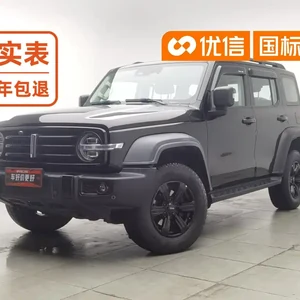
View all listings →Real units currently on ChinaCarDirect with per-unit asking prices and MOQ. Availability updates live from the catalogue.
How to buy a Tank 300 from China
-
1
Define the destination-market brief
Record the destination country, required steering position, fuel or charging preference, trim, intended use and compliance constraints. Separate mandatory requirements from preferred equipment before shortlisting vehicles.
-
2
Compare VIN-specific candidates
Use the live Tank 300 inventory to compare model year, trim, powertrain, condition and equipment. Treat similar trim names as different products until the underlying specifications have been checked.
-
3
Request documents and images
Ask the supplier for the VIN, specification sheet, service history where applicable, exterior and interior photographs, and details of modifications or repairs. For Hi4-T, request battery state-of-health information.
-
4
Build a landed-cost quotation
Request a written quote identifying the Incoterm, invoice currency, freight basis, insurance, origin charges, documentation and any destination costs excluded from the vehicle price. Use the same landed-cost format for every candidate.
-
5
Lock MOQ and payment terms
Confirm whether a single unit is accepted, what batch applies to a consolidated shipment and how MOQ changes by trim or destination. Record deposit, balance, inspection and document-release milestones in the pro forma invoice.
-
6
Plan shipping and homologation
Select RoRo or container transport after checking the actual unit and sailing options. Obtain written confirmation of steering configuration, customs classification, duties, taxes, type approval and the documents required for registration.
-
7
Approve inspection and shipment
Use an independent pre-shipment inspection to verify condition, VIN, options and export preparation. Release the balance and original documents only after the agreed inspection standard has been met.
300 vs rivals
| Jeep Wrangler | The Wrangler is the most direct global rival for an off-road-focused buyer, with a strong brand and parts ecosystem in many markets. The Tank 300 generally offers a more road-oriented presentation and potentially broader powertrain choice, so local support and residual demand should decide the outcome. |
|---|---|
| Ford Bronco | The Bronco competes directly in the body-on-frame lifestyle SUV segment and may benefit from stronger local recognition where it is established. The Tank 300 can be more attractive when the required trim, condition or landed quotation is more suitable, but both require credible warranty and parts support. |
| Toyota Land Cruiser 76 | The Land Cruiser 76 is the more utilitarian rival for commercial, remote-work and fleet use, supported by a long-standing reputation. The Tank 300 is generally more passenger-car oriented and offers broader style and powertrain choices, but payload and towing approvals must be checked by market. |
Frequently asked questions
How is Tank 300 export pricing determined?
The live price reflects the selected vehicle's model year, trim, engine or battery version, mileage and condition, seller terms, exchange rate and available freight. Current per-unit price and availability are shown on the Tank 300 live listings, but buyers should request a written quotation stating the Incoterm, included charges and quote validity.
Which Tank 300 engines and powertrains are available?
Variants include 2.0T petrol, 2.4T diesel, 3.0T V6 and Hi4-T plug-in-hybrid versions. The 36.7 kWh designation applies to the named Hi4-T 36.7kWh version; usable electric range, charging, outputs, transmission details and homologation must be confirmed for the exact listing and destination market.
Is a new or used Tank 300 better for export?
A new vehicle is generally easier to standardise and may offer a clearer factory-warranty route, subject to transferability in the destination country. A used vehicle can offer a suitable year, trim or lower entry outlay, but buyers should inspect its VIN history, condition, service record and, for Hi4-T, battery state of health.
What is the MOQ for a Tank 300 order?
There is no universal MOQ that applies to every seller or listing. Each live offer states its own terms, and buyers should ask whether a single unit is accepted, what batch applies to a container and how MOQ changes by trim or destination; the supplier's written quotation and invoice should confirm the binding requirement.
How long does Tank 300 shipping take, and what drives the cost?
Transit time and cost depend on origin and destination ports, vessel availability, transshipment, vehicle count, RoRo or container booking, fuel surcharges, insurance, terminal handling and inland delivery. The exporter or freight partner should provide a route-specific schedule and charge schedule, with responsibility for storage or demurrage stated in the contract.
Can exporters supply spare parts for the Tank 300?
Parts can normally be ordered for supported vehicle systems, but compatibility must be checked against the VIN, model year, trim and engine or Hi4-T version. An importer should establish a parts list, realistic lead times, warranty procedures and a local stocking plan before ordering vehicles; the supplier should confirm the scope of any parts shipment.
Is a right-hand-drive Tank 300 available?
Availability depends on the model year, trim and source market, so buyers in right-hand-drive countries should not assume every export listing is suitable. Confirm the VIN, steering position, equipment and registration eligibility before shipment, and verify local homologation. Any conversion can add cost and complicate parts, warranty and inspection planning.
How do I order a Tank 300 from China?
Start with the live Tank 300 listings, shortlist the model year, trim, powertrain, steering position and condition, then request a VIN-specific quotation. Confirm MOQ, payment milestones, pre-shipment inspection, Incoterm, freight, insurance, export documents and destination compliance in writing before approving the order.
Ready to source the Tank 300?
Request a VIN-verified Tank 300 quotation covering trim, condition, MOQ, Incoterm, freight and destination-compliance details.
Request a quote