
GWM Tank 500 Export Buying Guide for Overseas Buyers
Buy Tank 500 from China with confidence: compare trims, powertrains, pricing factors, MOQ, shipping, homologation and main rivals for overseas buyers.
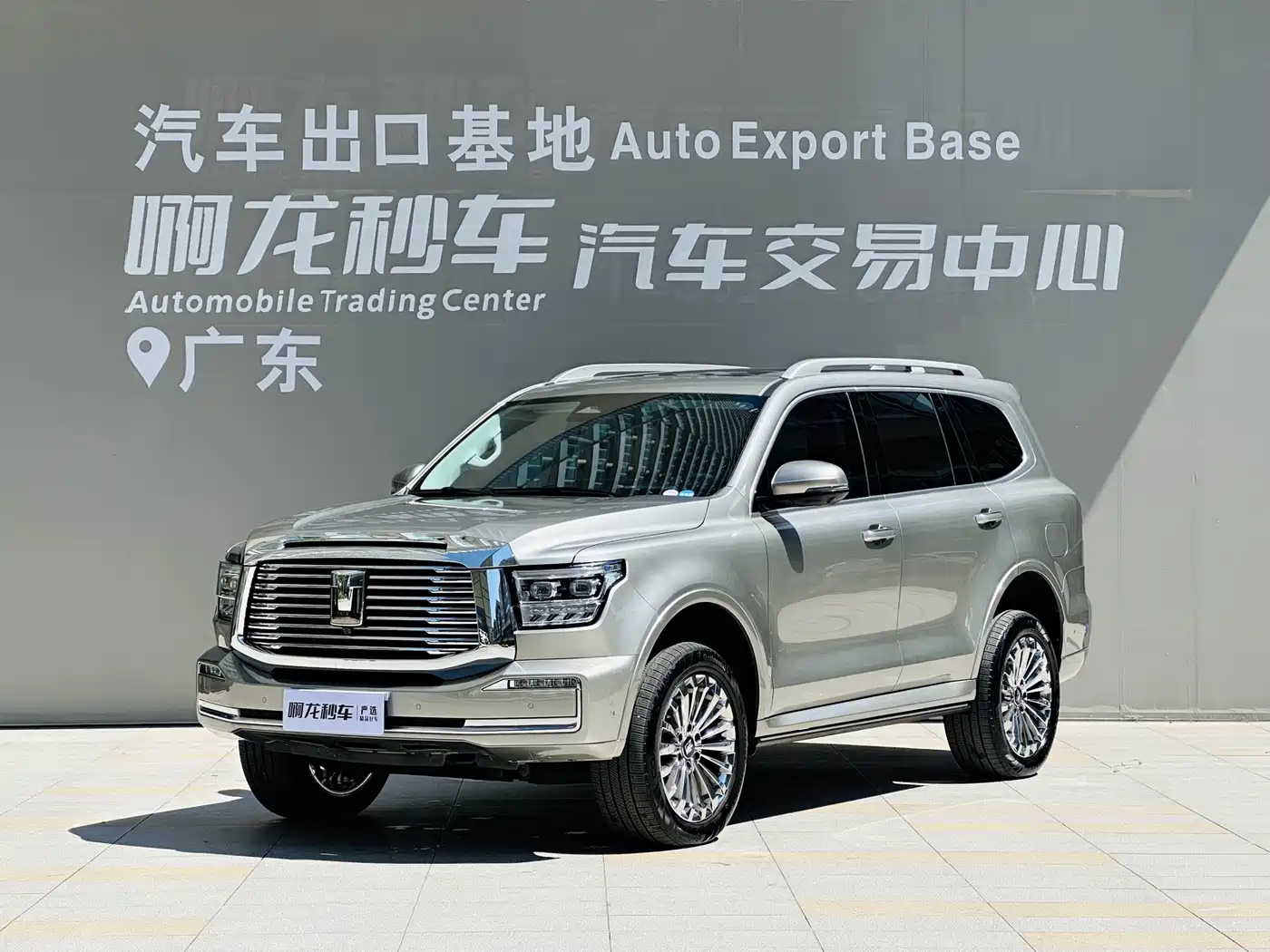
At a glance
- The Tank 500 combines a body-on-frame luxury SUV format with five- and seven-seat configurations.
- Buyers can choose 3.0T gasoline or Hi4-T and Hi4-Z plug-in-hybrid branches, with battery and range varying by version.
- New vehicles suit fleet standardisation, while used purchases require unit-level inspection and service-history checks.
- Export cost is shaped by configuration, condition, freight, Incoterms, exchange rates and destination charges.
- Current per-unit price and availability are shown in ChinaCarDirect’s live Tank 500 inventory.
Why the Tank 500 matters for export markets
The Tank 500 occupies a useful middle ground between a premium road SUV and a hardcore off-roader. It is a large, body-on-frame SUV associated with Tank, the off-road marque of Great Wall Motor, and it is aimed at buyers who want SUV space, a rugged platform and premium cabin presence without automatically choosing the largest or most expensive prestige model. That positioning makes it relevant to importers serving both urban business customers and regions where road access is less predictable. Its export appeal depends on fleet configuration, homologation and after-sales planning.
For an overseas dealer, demand is usually segmented rather than universal. Fleet and company buyers may prioritise seven-seat practicality, luggage capacity and operating confidence; private buyers in affluent markets may focus more on cabin finish, equipment and road presence. The Tank 500’s combination can serve both, but only if the importer avoids treating one export configuration as suitable everywhere. Local fuel quality, urban access, climate, security requirements and the availability of trained repairers should shape the final selection. A country unable to support the powertrain may not be a sensible destination.
For export planning, demand tends to be strongest where buyers want a commanding SUV that still feels distinct from conventional luxury products. When assessing Tank 500 for export, conversations should begin with the customer’s operating environment, not with a visual style alone. In markets with poor surfaces, long-distance routes, or a need for optional seven-seat layouts, the model can have a clear functional role. In urban jurisdictions with tight emissions, safety, or tax rules, compliance may outweigh styling and must be resolved before a vehicle is committed or shipped; otherwise costly rework is likely.
- Large, body-on-frame luxury SUV.
- Five- or seven-seat configurations.
- Market-specific homologation is essential.
Model range, trims and powertrain variants: how the lineup is structured and how to choose
Tank 500 specs should be read across three axes: 3.0T gasoline versions, Hi4-T and Hi4-Z electrified branches, and five- or seven-seat layouts. The 3.0T designation points to a turbocharged 3.0-litre gasoline powertrain, while Hi4-T and Hi4-Z identify plug-in-hybrid versions that pair combustion power with electric assistance. Business, Sport, Base, Custom, Smart and special-appearance editions are mainly market and equipment distinctions. Compare drivetrain, seating and equipment separately; the trim badge is not a complete specification. Confirm engine, gearbox, axle layout, battery version, seat count and factory equipment in the live record before the contract is formally confirmed.
Seating is the clearest practical divider. The 500 is offered in five- and seven-seat forms in the Tank portfolio, with different editions and body configurations available across markets. Five-seat versions usually favour passenger room, cargo capacity and executive use; seven-seat versions add flexibility for larger families, hotel or executive transport, and fleets that must carry occasional extra passengers. Neither layout is automatically more valuable. Choose based on the actual load plan, local seating rules and whether the third row is needed every day or only occasionally for the intended duty cycle.
The Hi4-T and Hi4-Z choices require a different decision from a 3.0T buyer. Electrified variants can suit buyers who want the operating format of a combustion SUV while using electric power for suitable everyday journeys, but the value depends on local electricity access, charging habits, tax treatment and the ability to service both systems. Hi4-T and Hi4-Z are not interchangeable labels for one battery specification. For each, request the exact battery version, usable capacity, certified range, charging method and real-world consumption, then verify the figures against the live listing and homologation papers.
- 3.0T: conventional turbocharged gasoline choice.
- Hi4-T and Hi4-Z: compare battery, range and charging.
- Five seats prioritises cargo; seven adds flexibility.
New vs used Tank 500: how export inventory is structured and how buyers choose
Export inventory can include Tank 500 vehicles described as new or used, with model years and trims varying by source. That structure gives buyers two distinct routes. New vehicles are generally more straightforward to standardise across a dealer group and may carry a more current factory specification; used vehicles can offer broader year and equipment availability, but each unit needs an individual condition assessment. The correct comparison is not new versus old in the abstract, but the expected lifecycle, service history and resale position of the actual vehicle being considered.
A used Tank 500 makes most sense when the buyer can verify maintenance, wear and original equipment at a unit level. Request interior and exterior photographs, underside images where available, tyre condition, accident or repair disclosures, warning-light status and service invoices. Check whether the vehicle has been used as an executive or fleet car, because high annual mileage can offset an attractive acquisition price. Also check whether keys, tools, documents and market-specific equipment are complete. A discount should not compensate for missing history or uncertain condition before freight is committed.
New inventory may be a better fit for fleet launch programmes, newly established importers and customers expecting a common specification. It can reduce the need to source individual used units and may make warranty, accessories and internal presentation easier to standardise. The buyer should still confirm whether the vehicle is unregistered, demonstration stock or previously sold, and whether the advertised equipment is factory-delivered rather than dealer-added. For used units, retain a vehicle-specific condition sheet in the contract; for new units, attach a factory specification and delivery checklist to the order.
- New vehicles suit fleet standardisation.
- Used vehicles require unit-level inspection.
- Confirm status, history, tools and equipment.
How export pricing works: the factors behind a live listing price, and how to read one
A Tank 500 export price guide should be read as a pricing model, not a fixed market quotation. The live asking price normally reflects the model year, trim, seat count, powertrain or battery version, mileage and condition for used units. It may also move with supplier terms, currency exchange, production timing and the number of vehicles ordered together. The practical method is to open the current Tank 500 listings, identify the exact configuration, and then build a landed-cost comparison using the same Incoterm for every candidate on a like-for-like basis.
Freight and Incoterms are often more important to an importer than the headline vehicle price. A quote on an ex-works basis can leave port handling, inland transport, export documentation, marine insurance, destination clearance and taxes to the buyer. A different term may bundle more of that journey into the supplier’s scope, but it does not remove the buyer’s compliance cost. Compare the vehicle price, transport scope, insurance, payment timing and local charges separately. This prevents a seemingly lower quotation from becoming more expensive after the vehicle reaches the destination.
Because freight, duty and tax are destination-specific, one exporter’s Tank 500 quote cannot be treated as another market’s final cost. Currency movements also affect the apparent value of an overseas purchase. Ask the seller for a written quotation that states the vehicle identity, condition, options, currency, payment schedule, production or dispatch window, Incoterm named location and warranty treatment. Then verify the exact current per-unit price and availability in the live Tank 500 listings on ChinaCarDirect; only the listing record and signed commercial invoice should drive a binding decision before funds are transferred or freight is booked.
- Compare like-for-like configurations.
- State the Incoterm and named location.
- Check live price and availability.
MOQ, ordering and payment: single units vs consolidating a container
MOQ should be treated as a negotiable commercial term, not a universal property of the Tank 500. Some sellers or platforms permit a single-unit order, while factory programmes may set lot requirements for colours, configurations or production slots. For a test-market importer, buying one unit can be sensible because it limits exposure to local demand, compliance cost and unsold stock. For a dealer group, several units may improve preparation economics and give staff familiarisation with the model. The important point is to confirm the minimum order and any unit-specific restrictions in writing.
Dealers sourcing Tank 500 wholesale can reduce some transport and handling costs per vehicle by consolidating a container, but concentration raises risk. A mixed container requires careful separation of new and used stock, protection of cabin and battery components, clear unit identification and contingency for a single damaged vehicle. Before committing, calculate the total cost of the vehicles, inland haulage, port charges, insurance, financing, demurrage exposure and local delivery. Compare that figure with a smaller first shipment. A larger volume only creates value if the importer can sell, register and service the vehicles without excessive working-capital pressure.
The ordering process should separate vehicle selection from payment and production instructions. Ask for a pro forma invoice or detailed quotation, then specify the exact trim, paint, interior, seat count, powertrain, steering position, accessories and destination in the contract. Clarify whether the balance is due before loading, against shipping documents or an agreed milestone, and what happens if the supplier cannot meet the configuration. Documentary credit, bank transfer or another protected payment method may be used where appropriate. Independent inspection is prudent before final payment, especially for a consolidated shipment.
- Confirm single-unit eligibility.
- Contract the build and payment milestones.
- Inspect before final payment.
Shipping, homologation and market compliance caveats: LHD/RHD and import rules by country
Steering configuration is one of the first checks for a Tank 500 export order. Left-hand-drive and right-hand-drive vehicles can have different market suitability, and steering availability should be confirmed for the exact unit rather than inferred from its origin. A buyer for the United Kingdom, Australia or another right-hand-drive market should establish that the ordered vehicle has the required configuration before production or shipment. Converting steering, instrumentation or controls after delivery may add cost and create a compliance issue, so it should never be the default answer to an unavailable configuration.
Import rules are determined by the destination country, not by ChinaCarDirect or by the vehicle’s Chinese origin. A buyer may need a Certificate of Conformity, emissions approval, roadworthiness testing, VIN verification, customs documentation, security or insurance requirements, and registration taxes. Electrified versions may also face rules based on battery declaration, charging equipment or local emissions treatment. None of these should be assumed complete from a catalogue photograph. Obtain the supplier’s documents early, then have a local customs broker or compliance specialist confirm what the exact vehicle needs before the shipment commences.
Shipping cost and lead time depend on origin and destination ports, vehicle dimensions and weight, container or roll-on/roll-off handling, sailing frequency, congestion, insurance, documentation and the chosen Incoterm. Secure the booking only after the vehicle identity and release documents are ready; otherwise delays can create storage or demurrage exposure. For a first shipment, ask the freight forwarder for a door-to-door or port-to-port comparison, including customs clearance and damage cover. Ensure the carrier and insurer are told the exact powertrain, particularly for an electrified unit, so any battery declaration is handled correctly, and arrange pre-delivery inspection and sufficient time for local registration.
- Verify LHD or RHD first.
- Confirm destination-country compliance.
- Quote freight, insurance and customs.
Who should buy the 500 — and who should pick a different vehicle
The Tank 500 is most suitable for an importer or dealer serving customers who need a substantial off-road-capable SUV, a premium cabin and flexible five- or seven-seat utility. It can work especially well where buyers want a distinctive model with a rugged image but do not need the brand status or size of the largest luxury off-roaders. It may also suit a mixed fleet: executive use with occasional towing or rough-road demands, provided the selected powertrain, seating and equipment align with local expectations and after-sales support is realistic and locally available.
A different vehicle is usually better when the buyer’s priority is a smaller urban footprint, the lowest routine operating cost, an off-road competition model, or a premium resale position in a regulated market. A compact or mid-size SUV may be easier to stock and service in cities, while a dedicated ladder-frame off-roader may offer more purpose-built capability. Electrified models with higher certified range may better suit routes with dependable charging. The Tank 500 should win on the buyer’s combined needs, not simply because it looks more rugged than every alternative.
Total cost of ownership should decide among close alternatives. For a 3.0T buyer, include fuel use, service intervals, parts stocking and likely residual values; for an electrified buyer, include charging access, electricity cost, battery-related warranty support and the resale effect of local incentives. Fleet operators should also test cargo loading, visibility, parking and driver fatigue. For a private importer, compare the available Tank 500 against the support network and brand familiarity in the destination market. Strong after-sales access can be worth more than a small equipment advantage at launch period.
- Best for rugged, premium, flexible use.
- Consider smaller or electrified alternatives.
- Assess local service and resale support.
Main rivals and how the 500 compares
The Toyota Land Cruiser 300 is the clearest global benchmark for a full-size, body-on-frame luxury SUV with serious off-road credentials. It offers a long-established reputation and broad international recognition, but the buyer should compare actual equipment, service reach and ownership cost rather than assume equivalence. The Tank 500 can provide a distinctive alternative with extensive modern styling and electrified options. For markets where Land Cruiser pricing, parts availability or local acceptance set the benchmark, the Tank 500 may appeal to importers seeking a different proposition rather than a direct replacement.
The Jeep Wrangler Unlimited is a trail-focused competitor. Its removable-roof and door design, enthusiast following and strong off-road identity can attract buyers who prioritise modularity and rugged character over the more road-oriented luxury presentation of the Tank 500. The comparison should include payload, towing equipment, ground clearance and the availability of local parts, while recognising that these are broad model-family differences rather than a substitute for the exact trim specification. A buyer wanting a luxury SUV may find the Tank 500 more cohesive; a serious trail buyer may prefer Jeep’s niche.
The Land Rover Defender 110 sits near the Tank 500 in its premium, off-road-oriented brief but takes a different design approach. Defender’s global identity and mix of petrol and electrified drivetrains give it relevance for buyers who value a distinctive utility format and established dealer support. Tank may offer a more conventional large-SUV silhouette, familiar 3.0T and Hi4 choices, and five- or seven-seat configurations. The decision should be made on after-sales coverage, homologation, interior utility and total ownership factors in the destination country rather than on badge prestige or social image.
- Land Cruiser 300: global luxury-4x4 benchmark.
- Wrangler Unlimited: more trail-focused.
- Defender 110: alternative premium off-roader.
Live Tank 500 export inventory
View all listings →Real units currently on ChinaCarDirect with per-unit asking prices and MOQ. Availability updates live from the catalogue.
How to buy a Tank 500 from China
-
1
Define the destination and operating requirement
List the destination country, steering position, seat count, powertrain and primary use before evaluating trim names. This keeps homologation and operating needs ahead of appearance.
-
2
Shortlist exact live configurations
When you plan to buy Tank 500 from China, open the live Tank 500 listings and compare vehicles with the same year, trim, seating and powertrain. Confirm the current per-unit price and availability on each record.
-
3
Request a written quotation
Ask the seller for a vehicle-specific quotation stating condition, options, currency, payment schedule, production or dispatch window and Incoterm. Ask for freight, insurance and destination charges to be shown separately.
-
4
Validate documents and compliance
Have a destination-country specialist review VIN, ownership, conformity, emissions, customs, tax and registration requirements. Obtain the supplier’s supporting documents before committing freight.
-
5
Lock the build, MOQ and payment milestones
Record the exact paint, interior, seats, powertrain, steering position and accessories in the contract. Confirm the MOQ, inspection rights, balance-payment trigger and remedy for an incorrect build.
-
6
Inspect before final release
Use an independent inspection for used vehicles, high-mileage units or consolidated shipments. Check condition, mileage, warning status, keys, tools, service records and export-release documents.
-
7
Ship, insure, clear and register
Book freight only after the vehicle and documents are confirmed, and specify insurance and handling coverage. Track customs clearance, pre-delivery inspection, local registration and the time allowed for any corrective work.
500 vs rivals
| Toyota Land Cruiser 300 | The Land Cruiser 300 is the closest full-size global benchmark, with strong international recognition and established off-road credentials. Choose it where brand recognition and proven local support dominate; consider the Tank 500 when a different design and electrified powertrain options create a clearer market proposition. |
|---|---|
| Jeep Wrangler Unlimited | The Wrangler Unlimited is more trail-focused and appeals to buyers who value modular open-air design and an enthusiast ownership culture. The Tank 500 better suits buyers wanting a more road-oriented, premium-composed SUV, although towing, payload and local parts support should be compared directly. |
| Land Rover Defender 110 | The Defender 110 uses a distinctive utility design and offers petrol and electrified drivetrains for premium off-road buyers. The Tank 500 may be more suitable for buyers wanting a conventional large-SUV profile, 3.0T or Hi4 choice and flexible five- or seven-seat layouts. |
Frequently asked questions
How is Tank 500 export pricing determined?
The price is influenced by model year, trim, seating, powertrain or battery version, mileage, condition, exchange rates, freight scope and the selected Incoterm. Destination duty, tax and compliance charges must then be added to calculate the landed cost. Check the live Tank 500 listings on ChinaCarDirect for the current per-unit price and obtain a written quotation for the exact vehicle.
What powertrain and range options should an overseas buyer consider?
The 500 is available in 3.0T turbocharged gasoline and Hi4-T or Hi4-Z plug-in-hybrid branches, depending on the market. The exact Hi4-T or Hi4-Z battery capacity, motor output, charging arrangement and certified range are version-specific, so use the live listing and homologation documents rather than relying on the badge alone.
Should I choose a new or used Tank 500?
New inventory is usually easier to standardise across a fleet, while a used vehicle can provide a more accessible entry point for an individual buyer. Used purchases require unit-level inspection of mileage, wear, accident history, service records and completeness. Choose based on lifecycle cost and resale expectations, not simply the vehicle’s age.
Can I order one Tank 500, or is there a container MOQ?
MOQ is a supplier and listing term rather than a permanent model rule. Some live offers may accept a single unit, while factory or colour-specific programmes can require a lot, so confirm the requirement for the selected listing in writing. Consolidating vehicles can improve logistics per unit but increases inventory, financing and market-risk exposure.
What determines Tank 500 shipping time and cost?
Origin and destination ports, vessel or carrier schedules, congestion, vehicle handling, insurance, documentation and the chosen Incoterm all affect the result. Used or mixed-container loading may require more preparation than a uniform shipment. Ask the freight forwarder for a written comparison with ports, transit routing, customs clearance, damage cover and potential storage charges stated.
How are spare parts sourced for an imported Tank 500?
Parts should be ordered through the seller’s authorised channel or a specialist importer, subject to the destination market. Before purchase, request a parts list for routine service items and confirm part numbers, lead times, packaging, warranty channels and cross-border shipping restrictions. Availability for an individual imported vehicle cannot be assumed from the model name.
Is a right-hand-drive Tank 500 available?
Availability depends on the exact vehicle, production run and destination market. Review the live listing and obtain written confirmation that the specified unit has the required steering configuration before placing the order. Post-delivery conversion of steering, instruments or controls should not be treated as an equivalent or automatically compliant alternative.
How do I order a Tank 500 from China?
Begin with the live Tank 500 inventory, identify a suitable unit and submit an RFQ stating the destination, trim, seating, powertrain and steering requirement. Review the written specification, landed-cost assumptions, MOQ, payment milestones, Incoterm and warranty terms before paying the balance. Complete inspection, export documentation, freight booking, customs clearance and local registration before commercial release.
Ready to source the Tank 500?
Request a tailored Tank 500 quotation with the exact build, MOQ, Incoterm, shipping options and destination-compliance checklist.
Request a quote