
Tank 400 Export Buying Guide for Dealers and Fleets
Compare Tank 400 trims, powertrains, export pricing, used vehicles, ordering, shipping and compliance before requesting a live quote for overseas buyers.
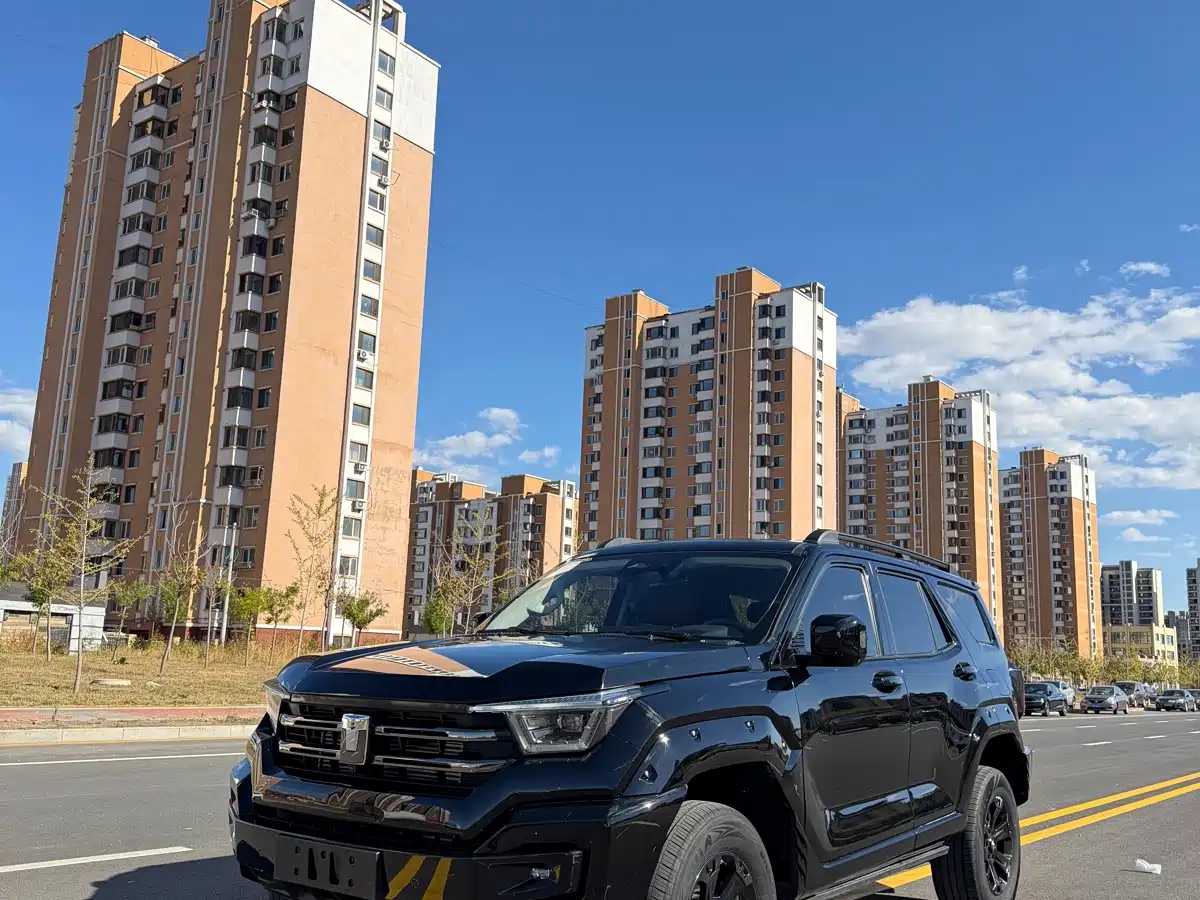
At a glance
- Tank 400 combines a body-on-frame, five-door SUV format with petrol, diesel and plug-in-hybrid choices for export buyers.
- The right trim depends on duty cycle, charging access, fuel availability, off-road hardware and local service support.
- Hi4-T and Hi4-Z offer different electrified-use propositions; battery and range data must be checked for each live unit.
- A used Tank 400 can suit budget-conscious buyers, but VIN history, condition, diagnostics and battery health require careful verification.
- Live Tank 400 listings provide current per-unit pricing and availability; landed cost also depends on freight, Incoterms, compliance and destination charges.
Why the Tank 400 matters for export markets
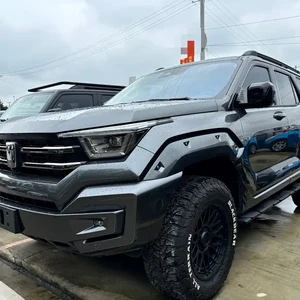
Tank 400 is a body-on-frame, five-door SUV from Great Wall Motor’s Tank brand, positioned between a daily-use 4x4 and a dedicated off-roader. That combination explains its export appeal: buyers can specify petrol, diesel or electrified powertrains while retaining a rugged platform and upright, practical cabin. Its boxy packaging supports cargo and visual presence, while off-road and comfort-oriented trims let importers tailor stock to different roads. The result is a configurable utility vehicle with relevance across work, leisure and mixed-use fleets without relying on a single narrow powertrain proposition for every market.
Demand is strongest where roads, weather or operating duties reward ground clearance, four-wheel drive and robust construction, including agriculture, mining, utilities, regional fleets and outdoor operations. At the same time, the Tank 400 for export proposition gives importers a China-origin alternative to the established global 4x4 category, appealing to buyers who want off-road credentials without a flagship badge. Electrified versions also attract interest where charging is available and local fuel-economy rules reward lower-emission operation. That versatility matters because it can support both commercial fleet proposals and retail programmes without requiring an entirely separate model strategy.
The positioning still demands discipline. Before buying Tank 400 from China, compare the exact export configuration against towing, payload, route speed, fuel or charging access, repair capability and parts/insurance costs; off-road credentials do not prove every variant suits every duty cycle. Dealers should also confirm whether the drive-away specification is left- or right-hand drive and whether its documents support registration in the destination country. In short, the Tank 400 combines specialization with choice, but trim, homologation and lifecycle support must be part of the vehicle decision for the overseas buyer.
- Best fit: off-road-focused dealers, specialist fleets and buyers needing a utility SUV with petrol, diesel or plug-in-hybrid options.
- Assess the actual duty cycle: payload, towing, route speed, charging access, fuel quality, service reach and parts supply.
- Export-market fit depends on destination approval, LHD/RHD configuration, safe delivery, insurance and a sustainable parts plan.
Model range, trims and powertrain variants: how the lineup is structured and how to choose
The core lineup spans 2.0T Gasoline, 2.4T Diesel, Hi4-T and Hi4-Z powertrains. Within those families, the Tank 400 range visible to export buyers includes Hi4-T Off-Road Edition, Hi4-T Super Edition, Hi4-T City Edition, Hi4-T Smart Enjoyment, Hi4-Z Smart Enjoyment, 2.0T Frontier Explorer and the 2.4T Diesel version. These names describe the product architecture, but they do not guarantee that every badge, equipment list or calibration is offered unchanged in every export market. Treat the trim on a live unit—not a general web article—as the controlling specification for destination-country use.
Buyers choosing among Tank 400 specs should begin with duty cycle. The 2.0T petrol fits markets with good petrol availability and conventional long-distance use, while the 2.4T diesel may suit operators who value diesel range, familiar service practices or high-load work; actual fuel economy and payload need confirmation for the exported configuration. Hi4-T plug-in hybrids suit mixed driving where drivers can charge regularly and want electric assistance around town, while the long-range Hi4-Z plug-in-hybrid concept merits examination where a larger electric-driving share and lower tailpipe emissions during electric operation are priorities.
Trim level then changes comfort, chassis equipment and off-road hardware rather than the basic role of the vehicle. Off-Road and Frontier Explorer versions generally emphasize trail readiness, Super and Smart Enjoyment versions tend to add comfort and technology, and City-oriented trim may favor road use; exact equipment should always be read on the individual listing. Before approving an order, verify battery version for a hybrid, drivetrain and axle details, locking differentials, recovery hardware, tow rating, payload, roof and cargo arrangements, plus the local warranty position. A visually similar unit with different mechanical equipment is a different commercial product.
- 2.0T Gasoline: familiar petrol operation for conventional long-distance use.
- 2.4T Diesel: relevant where diesel availability and sustained work duties favor that fuel.
- Hi4-T: mixed petrol-electric operation with regular charging.
- Hi4-Z: long-range plug-in-hybrid alternative with a stronger electric-driving focus.
- Off-Road, City, Super, Smart Enjoyment and Frontier Explorer labels indicate different priorities, but only the live unit confirms equipment.
New vs used Tank 400: how export inventory is structured and how buyers choose
A Tank 400 export inventory can include both new vehicles and previously registered examples, but the correct choice depends more on risk allocation than on a general new-versus-used rule. New inventory offers the clearest continuity between advertised specification, delivery condition and factory support, subject to confirming that the export version has the required approvals. Used inventory can provide a lower entry point and broader trim availability, yet each vehicle creates a separate condition, mileage, ownership and documentation history that must be evaluated. It is therefore unsuitable to assume one category is uniformly better across the market.
Inspecting a used Tank 400 starts with identity and provenance: reconcile the VIN, registration papers, import or export records, service invoices and seller history, then match them to the photos and stated equipment. Inspect tyres, brakes, suspension, underbody, corrosion, accident repairs, fluid leaks, cabin wear and electrical functions, and ask for cold-start and diagnostic evidence rather than accepting a polished presentation alone. For a Hi4-T or Hi4-Z, request documented battery state of health, charging history, fault-memory checks and confirmation that high-voltage work has been performed by qualified personnel. Document any exception to the seller’s stated condition.
Commercial buyers should compare a used unit with a new equivalent on total cost and delivery risk, not acquisition price alone. Account for repairs, battery uncertainty, residual value, warranty limits, homologation work and the chance that hidden defects consume the apparent saving. For wholesale programmes, define an inspection standard, acceptable mileage and mileage-age definition, repair-deduction process and document pack before selecting candidates. If guaranteed specification, delivery timing or fleet consistency matters, a new unit is easier to standardize; if the budget is constrained and the vehicle passes rigorous inspection, a used Tank 400 can be rational.
- New inventory: lower specification uncertainty, clearer warranty path and easier fleet standardization, subject to local approval.
- Used inventory: potentially lower entry cost, but condition, mileage, battery health and history must be independently checked.
- For hybrids, ask for high-voltage diagnostics, battery state-of-health evidence, charging records and qualified repair history.
- Set an inspection and documentation standard before selecting used wholesale candidates.
How export pricing works: the factors behind a live listing price, and how to read one
A Tank 400 export price guide should be read as a methodology, not a fixed valuation. The displayed vehicle price is shaped by model year, trim, petrol, diesel or hybrid configuration, battery version, mileage, condition, options, colour, seller terms and the currency exchange rate applied when the quote is prepared. Destination freight, insurance, documentation, port charges and the selected Incoterm can also change the commercial position, depending on what the seller has included. Use the live listing as the starting point for the actual unit, then build a separate landed-cost worksheet.
Read each live listing line by line. Confirm the vehicle identity, condition, powertrain, production or registration year, equipment inclusions, seller location and whether the quoted amount is an FOB, CIF or other delivery basis; a headline price is not automatically a duty-paid landed price. Check whether the quote is still valid, whether it excludes battery or documentation fees, and whether images show the exact unit being offered. Where a buyer needs Tank 400 wholesale terms for several units, request a written quotation that states the quantity, configuration, payment schedule and exclusions rather than extrapolating from one listing.
The landed-cost worksheet should add transport, cargo insurance where relevant, customs brokerage, duties and taxes, destination port and inland handling, registration, compliance work and an exchange-rate contingency. Incoterms matter because EXW leaves more tasks and cost uncertainty with the buyer, while a seller-arranged term may simplify coordination but can narrow visible price components. Confirm in writing whether local taxes, delivery, inspection and after-sales support are included. ChinaCarDirect’s live Tank 400 inventory shows current per-unit figures; request a written quote for the exact destination before treating any number as binding for the importer.
- Compare the live unit’s year, trim, powertrain, battery version, mileage, condition, options and included equipment.
- Confirm the Incoterm and whether freight, insurance, documentation, duties, taxes and inland delivery are included or excluded.
- Build a separate landed-cost worksheet and obtain a destination-specific written quotation before approving payment.
- Treat the per-unit price shown in live inventory as the current starting point, not a universal Tank 400 valuation.
MOQ, ordering and payment: single units vs consolidating a container
MOQ should be read as a transaction condition attached to a particular listing, not as a permanent rule for the Tank 400. Some sellers may accept a single vehicle, a sample order or a break-bulk shipment, while others may require several units or a full container; the live listing and written seller confirmation govern. A dealer testing demand can ask about one-unit purchasing and model-mix flexibility, but should seek written confirmation before building a retail plan around it. For fleet procurement, state the required quantity and delivery program before requesting a binding quotation.
Payment mechanics should mirror the risk sequence. A typical structure may use a deposit to reserve the unit, documentary or secure balance payment before release, and final settlement after inspection or shipment according to the agreed milestone; the actual sequence is set by the seller. Buyers should verify ownership, export-eligibility documents, invoice entity, beneficiary details, refund terms and the currency before transferring funds, while also checking payment, inspection and documentation fees. Never rely on a bank chat message alone for beneficiary changes, and tie every payment milestone to a specific VIN or accepted inspection report.
Consolidating a container can reduce per-unit freight and handling, but it requires accurate space planning and careful variant selection. Ask the freight provider to calculate loading by vehicle dimensions, weight, axle configuration, lashing requirements and destination restrictions rather than assuming nominal capacity fills with cargo units. Buyers may combine Tank 400 variants in one shipment, subject to seller capability, battery transport rules and importer approval, but mixed configurations can complicate insurance, customs and after-sales planning. The best wholesale order balances freight efficiency with keeping each VIN matched to the right customer.
- Read MOQ on each listing and confirm it in writing for the selected configuration and quantity.
- Tie deposits and balances to a specific VIN, inspection result, documents and agreed milestones.
- For container orders, verify dimensions, weight, loading plan, lashing, freight booking and battery-transport constraints.
- Keep one VIN sheet for each wholesale unit so payment, shipping, customs and after-sales records remain linked.
Shipping, homologation and market compliance caveats: LHD/RHD and import rules by country
Shipping method, route and season influence both cost and elapsed time. Tank 400 units may move by roll-on/roll-off vessel or container, depending on available equipment and the dimensions and weight of the selected configuration; specialist cargo handling can also affect the quote. Port congestion, carrier schedules, fuel surcharges, insurance, customs readiness and missed roll-on windows all matter. Ask for the origin and destination ports, planned sailing or departure, transshipment points, latest free time, securing arrangements and what happens if a unit misses the booked vessel. Electrified variants may also require battery-related declarations and carrier approval, so confirm those before booking.
LHD and RHD availability is a configuration choice, not a simple steering-wheel swap that can safely be ignored. Confirm the steering side, instrument cluster, lighting, mirrors, parking sensors, climate controls, door cards, number-plate position and market wiring, and ensure the conversion was done without compromising safety systems or emissions equipment. Buyers should also verify whether the destination accepts the VIN, emissions category and vehicle type in that configuration, and whether local inspection requires additional work. Where a market is not served in the required steering format, lead time may be longer, so include this question before agreeing a delivery schedule.
Local homologation is where many imported vehicles encounter the largest administrative risk. Depending on the country, the importer may need to address type approval, emissions, safety and cybersecurity, software updates, VIN identification, customs classification, taxes, insurance and local modification rules; a China-market plate is not evidence that all of those requirements are complete. Before dispatch, use a destination-country specialist or qualified vehicle inspector to confirm the exact checklist, and budget for testing, documentation, port holds or rectification. Also confirm where warranty claims, technical literature, high-voltage diagnostics and routine parts will be supported, because compliance without a credible service pathway can leave the importer carrying the operational burden.
- Confirm LHD or RHD, local equipment, VIN format and any conversion work before shipment.
- Engage a destination-country specialist on type approval, emissions, safety, cybersecurity, customs, tax and insurance.
- For electrified variants, confirm battery transport documentation, high-voltage diagnostics and qualified workshop support.
- Request the parts catalogue, maintenance schedules, software procedures and warranty workflow before finalizing.
Who should buy the 400 — and who should pick a different vehicle
The Tank 400 is most credible for buyers who value its off-road-oriented platform, upright utility and choice of combustion or electrified drivetrains. It suits specialist dealers, rental fleets working on rough roads, agricultural or utility operations with suitable payload expectations, and retail customers who want distinctive styling with genuine four-wheel-drive intent. Hi4-T and Hi4-Z variants can appeal to mixed-use customers who can charge and want reduced tailpipe emissions during electric driving, while petrol and diesel versions can be easier to deploy where charging networks or new-energy preferences are limited or policy incentives favor those fuels.
It is a poorer fit for buyers whose priorities are a compact footprint, low urban running cost, a quiet EV-only driving pattern or the most extensive global dealer and parts network. A heavy, off-road-focused SUV may also be inefficient for high-mileage motorway fleets, and buyers must not assume that an off-road badge substitutes for verified towing, payload, fuel-consumption or safety data. Fleet managers should model loading, parking, route access, tyres, insurance and residual values against the exact trim. If those operating demands dominate, a lighter crossover, a road-oriented SUV or a model with a more mature service network may be the better procurement decision.
A structured decision can prevent an expensive mismatch. First define the route and duty cycle, then shortlist petrol, diesel, Hi4-T or Hi4-Z, and only then compare equipment, condition and logistics for each candidate VIN. For a dealer, include replenishment of common wear parts, technician training, software support and residual-value assumptions in the business case; for a fleet, include charging or fuel infrastructure and whole-life operating responsibility. The right Tank 400 is the unit whose specification, documents, service pathway and delivered cost all remain aligned after the export journey, not simply the most heavily equipped example.
- Buy when off-road form, cargo utility and petrol, diesel or electrified flexibility align with the duty cycle.
- Consider another vehicle when compact size, lowest operating cost, mature global servicing or verified maximum-hauling performance dominates.
- For fleets, compare loaded payload, route access, charging or fuel infrastructure, downtime risk and residual value before selecting trim.
Main rivals and how the 400 compares
The closest global alternatives to the Tank 400 are the Jeep Wrangler, Ford Bronco and Toyota Land Cruiser, although each emphasizes a different part of the same broad market. The Wrangler is the most direct off-road-led comparison, with a similarly distinctive utility format and a strong global enthusiast following. The Bronco competes through modern SUV packaging, available off-road configurations and a mix of lifestyle and utility use. The Land Cruiser competes on rugged reputation, durability and established support in many markets, making it a particularly serious benchmark for fleet buyers who prioritize long-term reliability and parts familiarity.
Tank 400’s comparative strengths are the breadth of its powertrain choices, its modern electrified options and the breadth of its off-road, comfort and technology trims. It can appeal to buyers who want Chinese vehicle value and product freshness without accepting the smallest dimensions or simplest road manners of a conventional 4x4. Jeep may offer stronger brand recognition and easier familiarity for some international buyers, Ford may provide a broader dealer conversation in certain regions, and Toyota’s resale reputation and service ecosystem can remain persuasive. The right comparison is therefore not badge prestige; it is lifecycle suitability in the buyer’s country.
During a shortlist, compare each rival on the same basis: engine or hybrid operating pattern, off-road hardware, loaded payload, towing approval, fuel or charging access, safety and emissions approval, warranty, parts lead time and local service quality. Then obtain a destination-specific landed quote for the Tank 400 and an equivalent delivered quotation for the rival, making sure that taxes, documentation and dealer preparation are treated consistently. If off-road capability dominates, place the Wrangler and Land Cruiser high; for a broader lifestyle-SUV brief, include the Bronco; for buyers prioritizing electrified flexibility, the Tank 400’s Hi4-T and Hi4-Z choices deserve close attention. Do not finalize until every shortlisted vehicle is road-legal and supportable in the destination.
- Jeep Wrangler: the clearest direct rival for off-road identity and enthusiast appeal.
- Ford Bronco: a lifestyle-SUV alternative with modern packaging and a range of utility-oriented configurations.
- Toyota Land Cruiser: a durability and service-network benchmark for fleets, particularly where parts familiarity carries weight.
- Compare delivered cost, legal approval, equipment, payload, towing, warranty and local support—not badge appeal alone.
Live Tank 400 export inventory
View all listings →Real units currently on ChinaCarDirect with per-unit asking prices and MOQ. Availability updates live from the catalogue.
How to buy a Tank 400 from China
-
1
Define the operating requirement
Record the routes, payload, towing needs, speed, charging or refuelling access, destination and expected annual utilization before selecting a Tank 400 variant.
-
2
Shortlist the powertrain and trim
Compare petrol, diesel, Hi4-T and Hi4-Z against the duty cycle, then check the live trim’s equipment, drivetrain, battery version, dimensions and warranty treatment.
-
3
Verify each candidate vehicle
Reconcile the VIN, condition, mileage, service records, options and high-voltage diagnostics with the seller’s documents and photographs. For used units, document every defect and agreed deduction.
-
4
Request a destination-specific quote
Use the live Tank 400 listings to identify suitable units, then send the seller the exact configuration, destination, quantity and required Incoterm for a written quotation.
-
5
Lock the commercial terms
Confirm the listing-specific MOQ, payment milestones, inspection rights, refund conditions, documentation scope and shipment responsibility in writing before transferring funds.
-
6
Prepare compliance and shipping
Have a destination specialist confirm LHD/RHD suitability, homologation, customs, tax, insurance and battery-transport requirements. Book freight only after the vehicle and paperwork are approved.
400 vs rivals
| Jeep Wrangler | Jeep Wrangler is the most direct global rival for off-road-led buyers and has a well-established enthusiast and parts ecosystem. Tank 400 competes with a broader powertrain and trim mix, particularly for buyers considering petrol, diesel or plug-in-hybrid utility use. |
|---|---|
| Ford Bronco | Ford Bronco combines modern road-SUV packaging with off-road-oriented versions and broad lifestyle appeal. It may suit buyers who prioritize a familiar global-brand showroom experience more than the Tank 400’s distinctive China-origin positioning and electrified options. |
| Toyota Land Cruiser | Toyota Land Cruiser is a formidable benchmark for durability, resale reputation and service familiarity in many markets. Tank 400 can appeal where buyers want broader powertrain choice and newer electrified technology, while a Land Cruiser-focused buyer may prioritize proven fleet support. |
Frequently asked questions
How is the Tank 400 export price determined?
A live export price is based on the specific vehicle’s year, trim, powertrain or battery version, mileage, condition, options, seller terms and the exchange rate used when the quote is prepared. Freight, insurance, documentation, customs, taxes and inland delivery may sit inside or outside the displayed amount, depending on the Incoterm. ChinaCarDirect’s live Tank 400 listings show the current per-unit price; request a destination-specific written quotation for the exact vehicle and delivery basis.
Which Tank 400 powertrains and range figures should I expect?
Tank 400 has been offered with 2.0T petrol, 2.4T diesel, Hi4-T plug-in hybrid and Hi4-Z long-range plug-in-hybrid systems. Battery capacity, electric-only range, combined range, charging and output vary by market and trim, so use the live listing and manufacturer documents rather than borrowing figures from another Hi4-T or Hi4-Z vehicle. For a route with limited charging, compare the petrol or diesel versions against realistic refuelling access.
Is a used Tank 400 better than a new one?
A new Tank 400 generally provides clearer specification continuity, warranty support and fleet standardization, while a used unit can reduce the initial acquisition requirement. A used vehicle is only preferable after its VIN, condition, mileage, service history and, for a hybrid, battery health have been independently verified. Compare total expected cost and delivery risk rather than using age alone as the deciding factor.
What is the MOQ, and can I order a single Tank 400?
MOQ means the minimum quantity a seller will accept under the listing’s commercial terms. Some Tank 400 listings may permit a single vehicle, while others may require a multi-unit order or container consolidation, so read the live listing and obtain written confirmation for the selected trim. A dealer can request single-unit and mixed-variant options, but the seller’s written acceptance is what controls the order.
How long does shipping take, and what controls the cost?
Shipping time and cost depend on the selected vehicle, available carrier service, origin and destination ports, route, transshipment, vessel space, customs readiness and the agreed Incoterm. Port congestion, missed roll-on windows, fuel surcharges, insurance and destination handling can all change the final calculation. Ask the freight provider for the proposed schedule, latest free time, included services and the consequences of a missed booking.
Are spare parts and technical support available for the Tank 400?
Parts support depends on the destination, exact trim and seller or distributor network, so confirm common wear items, high-voltage components, service publications and diagnostic tools before ordering. Request a parts list against the VIN or model code, along with warranty procedures, software support and any import restrictions on individual parts. If no local technical pathway exists, include aftermarket supply and cross-border service planning in the operating budget.
Can the Tank 400 be supplied in right-hand drive?
RHD availability depends on the source configuration and the variants currently offered for the destination market. Check the live Tank 400 listings and ask the seller to confirm the steering side, equipment, VIN and lead time before placing an order. If only LHD inventory is available, do not assume a late conversion will satisfy local approval, insurance or inspection requirements.
How do I order a Tank 400 from China?
Start by defining the destination, duty cycle, powertrain, trim and quantity, then shortlist suitable vehicles from the live inventory. Request a written quote covering the unit, Incoterm, MOQ, payment milestones, documents and shipping plan. After confirming inspection, compliance and freight arrangements, follow the agreed payment and release process through ChinaCarDirect.
Ready to source the Tank 400?
Send your destination, required trim, quantity and delivery schedule to ChinaCarDirect for a live Tank 400 quotation.
Request a quote