
Tank 700 Export Buying Guide for Dealers and Importers
Plan a Tank 700 export purchase with guidance on Hi4-T and Hi4-Z trims, live pricing, ordering, shipping, compliance, rivals and parts for importers.
At a glance
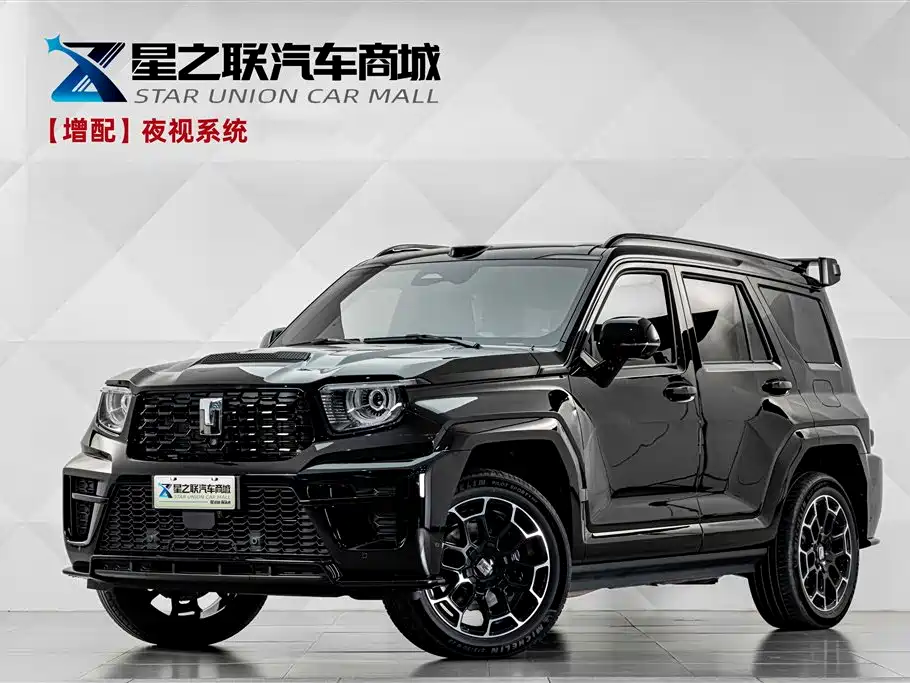
- The Tank 700 is a premium off-road plug-in hybrid SUV positioned for overseas dealers and specialist fleet buyers.
- Hi4-T and Hi4-Z should be compared as distinct powertrain families because their battery, range and equipment specifications can differ.
- New units offer configuration clarity, while used vehicles require provenance, condition and battery-health checks.
- Live export pricing changes with model year, edition, condition, currency, freight, taxes, duties and Incoterm.
- Factory LHD or RHD configuration, homologation, parts support and warranty must be confirmed before dispatch.
Why the Tank 700 matters for export markets
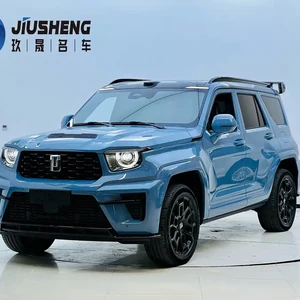
The Tank 700 occupies the space between a working off-roader and a premium road SUV. Its high-riding, rugged design attracts buyers who value toughness, while the Hi4-T and Hi4-Z plug-in hybrid families add the logic of electric daily driving to long-distance flexibility. That combination is relevant in export markets where buyers need presence, towing or remote-road capability without accepting the running costs and refueling constraints of a conventional diesel SUV. It gives export dealers a distinctive product for customers who find mainstream premium SUVs too road-focused and traditional off-roaders too inefficient.
For buyers considering Tank 700 for export, the model's appeal rests less on being the cheapest way to move people and more on delivering a premium off-road identity. Dealer groups in the Gulf, Central Asia, Africa, Australia and other regions can use it to address customers who want long-distance capability, a commanding cabin and electrified efficiency. Demand should be tested locally: fuel quality, charging access, parts support, insurance and regional preferences for right- or left-hand drive can determine whether that identity converts into orders. A focused importer test is more reliable than generic interest.
For export planning, the model also helps a dealer segment the market by use case rather than by badge alone. A buyer may prioritise low-speed control, ground clearance, wading hardware, a robust automatic drivetrain, or simply the visual impact of a premium utility vehicle. The Tank 700 can answer several of those needs, but no listing should be sold on appearance alone. Confirm the exact Hi4-T or Hi4-Z edition, its factory configuration, service provisions and destination-market approval before treating the SUV as a scalable export line for one target country.
- Distinct Hi4-T and Hi4-Z families.
- Validate charging and service access.
- Test local importer demand.
Model range, trims and powertrain variants: how the lineup is structured and how to choose
Tank 700 specs are easiest to read as two layers: the Hi4-T and Hi4-Z powertrain families, then the equipment grade carried by names such as Base, Premium, Ultimate, Extreme, Peak and Launch Limited Edition. The T and Z labels are not interchangeable cosmetic badges, so a buyer should begin with the hybrid system rather than the styling cue. Within each family, higher-sounding special editions may add exterior hardware, cabin equipment or off-road-oriented content, but the live specification, photographs and included options must define the actual difference for the exact vehicle.
When comparing Hi4-T with Hi4-Z, ask for the official battery, electric-only range, combined range, fuel-consumption and charging data for the destination specification. The practical choice is the balance between how often the vehicle can travel on electricity, how much luggage and equipment it carries, and how often it will rely on its combustion engine. Buyers with frequent long routes, cold conditions or limited charging should scrutinise range and thermal-management claims; urban operators should examine usable battery capacity rather than headline maximum. Real-world duty cycles matter more than brochure distance alone.
Edition choice should then follow the operating brief. Extreme, Ultimate, Peak, Premium and Base names can help organise the range, but they should not be interpreted as guarantees of the same equipment in every export batch. Compare seating, infotainment, climate controls, safety equipment, wheels, underbody protection, recovery hardware and warranty. For fleet use, standard equipment, parts commonality and repairability may matter more than a limited edition label; for an image-led importer, factory paint and presentation influence resale. The purchase decision should compare option sheets, not rely on trim names alone.
- Choose powertrain before equipment.
- Request destination-specific range data.
- Compare option sheets.
New vs used Tank 700: how export inventory is structured and how buyers choose
Tank 700 export inventory includes new and used vehicles serving different commercial jobs. New examples are relevant when a dealer wants a current listed configuration and a factory-warranty pathway. Used examples can widen sourcing choice and may suit buyers comfortable with prior ownership, depreciation and possible wear on high-mileage units. Neither condition label by itself tells you the vehicle's service history, battery health or commercial suitability. The buyer should therefore compare age, odometer, ownership, maintenance records and inspection findings as separate variables. This distinction matters for resale and fleet deployment.
A used Tank 700 deserves a more forensic purchase process because the listing age is only the first layer of evidence. Review the VIN, registration documents, import history, accident indications, paint condition, underbody and chassis condition, tyre wear, cabin wear and the completeness of service records. For a plug-in hybrid, request a battery state-of-health report and confirm that the high-voltage system, charging equipment and onboard electronics are operating as expected. A pre-purchase inspection should be treated as essential, not optional. This protects both the buyer and the downstream retail customer.
New inventory reduces some uncertainty but does not remove export risk. Check whether the vehicle is a current production unit, factory stock or another new-status category, and obtain the factory build sheet, warranty terms and delivery condition. Confirm that the charger, tools, manuals and market-specific equipment are present. Newness also does not guarantee immediate local compliance, so emissions, safety and charging standards still need checking for the destination. The best choice depends on residual-value priorities and how readily your importer can verify condition before committing funds to a large order.
How export pricing works: the factors behind a live listing price, and how to read one
A Tank 700 export price is a live transaction input, not a permanent model attribute. The same model can carry different amounts depending on model year, Hi4-T or Hi4-Z configuration, edition, production status, mileage and condition for used units, colour or option content, and the number of vehicles committed. Currency movements affect the quoted amount. A dealer should therefore compare like with like and confirm whether the displayed figure is the vehicle price, an asking price, or a landed estimate that already includes some logistics at the time of viewing.
To calculate a workable export budget, separate the vehicle price from the landed cost. Add the international freight or vehicle-carrier charge, marine insurance, export documentation, terminal and handling fees, inland haulage, port charges, customs duties, taxes and local registration. The applicable Incoterm determines where responsibility transfers, but it does not remove the importer's obligation to budget for charges beyond that point. Exchange-rate assumptions and payment timing should be recorded, because both can change before final settlement. A written quote with validity dates is more useful than a headline asking figure.
When reading a live Tank 700 listing, work from the unit record rather than the model headline. Confirm the model year, exact edition, powertrain family, condition, odometer reading, VIN or stock reference, equipment list and seller location. Open the photographs and compare them with the written description, looking for inconsistencies in wheels, trim, colour and accessories. Then ask the seller to recalculate the quote for your destination, named Incoterm and proposed payment method. Confirm exact price, MOQ and availability per unit in ChinaCarDirect's live inventory at the moment of enquiry.
- Match year, edition, condition, options.
- Separate price from landed costs.
- Require written quote validity.
MOQ, ordering and payment: single units vs consolidating a container
MOQ is a listing-level commercial term, not a universal promise about every vehicle in the Tank 700 range. Some importers may be able to place a trial order for one unit, while others build volume through a vehicle-carrier booking or a larger consolidated purchase. Read the minimum order quantity shown against the individual unit and ask whether mixed editions can share the same booking. For buyers seeking Tank 700 wholesale supply, a single-unit transaction can reduce exposure, but it may offer less freight efficiency and weaker negotiating leverage than a structured multi-vehicle order.
Consolidation has a constraint: complete Tank 700 vehicles are normally moved as vehicles on roll-on/roll-off or specialist vehicle carriers, not packed inside standard shipping containers. Consolidating a vehicle order means aligning compatible purchase commitments with the same carrier sailing or voyage and delivery window. Parts and accessories may travel by container or air freight and can be consolidated separately. Ask the freight forwarder whether loose vehicle options, battery-related restrictions, securing requirements and insurance rules affect the routing or the documents needed at origin and destination before the booking is confirmed.
A disciplined purchase sequence protects both the vehicle and the cash flow. First select a specific unit or agreed production specification; then obtain a written pro forma invoice showing the vehicle, options, Incoterm, payment milestones, validity period and lead-time assumptions. Verify the seller entity, beneficiary details and document names before paying a deposit. The balance should normally be linked to contract terms and shipment milestones, while payment methods, charges and refund conditions are confirmed in writing. Use a trade assurance or independently verifiable payment arrangement where available before shipment begins.
Shipping, homologation and market compliance caveats: LHD/RHD and import rules by country
Import rules differ by country, so left-hand-drive or right-hand-drive availability must be established before the order, not after it. The hand of drive affects steering, lighting, safety equipment and parts planning, and conversion is more than moving the steering wheel. Ask whether the selected unit is factory-built for the intended market, whether the seller can supply the correct configuration, and how the distributor will support warranty if the vehicle is converted. Some buyers may accept left-hand-drive import for private use, but commercial suitability and registration rules can differ from private import rules.
Market compliance is vehicle-, trim- and destination-specific. A dealer should obtain a homologation checklist covering emissions and exhaust, noise, crash and occupant protection, lighting, tyres, braking, electrical compatibility, radio or telematics approval, software requirements and local safety recalls. Plug-in hybrid approvals may depend on charging equipment, battery rules and tax treatment, so an electric drive does not bypass type approval. Use an importer or homologation specialist before committing, and make approval and document correction explicit responsibilities in the purchase contract to protect delivery timing and avoid unplanned charges at port.
Shipping planning should distinguish transit time from the full delivery timeline. Factory allocation, production or stock release, document preparation, port handling, sailing schedule, customs clearance, inland transport and homologation can each affect the calendar. Vehicle-carrier capacity, sailing frequency, route length, congestion, terminal charges, insurance, fuel surcharges and destination charges influence cost. The same vehicle can therefore reach different buyers at different landed totals. Do not treat a carrier booking as confirmation of clearance; build inspection, registration and customer-delivery steps into the schedule from the outset to protect promised launch dates.
- Confirm factory LHD or RHD.
- Plan homologation before dispatch.
- Distinguish sailing and clearance.
Who should buy the 700 — and who should pick a different vehicle
The Tank 700 is a strong fit for an importer serving premium off-road customers who need more presence and utility than a conventional crossover, yet want the daily usability of a plug-in hybrid. It can suit private buyers, company executives, remote-site operations and specialist fleets that value high seating, cargo flexibility and the ability to travel beyond paved networks. For a dealer, the model works best where the brand can support it: clear, practical technical training, parts planning, workshop references and a credible resale story tied to genuine capability in-market.
It is not automatically the right vehicle for every fleet. An urban transport operator focused only on energy cost may prefer a battery-electric SUV with simpler charging assumptions and no combustion system. A buyer whose core requirement is a compact, low-cost workhorse may find the 700 excessive. Organisations operating where PHEV incentives, charging networks or high-voltage repair support are weak should model total operating risk. A vehicle that looks rugged still needs towing limits, payload, duty cycles, local tax treatment and confirmed warranty support before it enters a procurement specification.
A buyer can score the Tank 700 against four alternatives: a comparable ICE or diesel off-roader, a plug-in hybrid crossover, a pure battery SUV and a smaller utility vehicle. Score long-route reliability, electric range, charging access, payload, ground clearance, service coverage, purchase exposure and resale. The 700 becomes compelling when its off-road positioning and premium equipment justify the total cost of ownership. If the duty cycle is mostly city commuting, prioritise efficiency and charging convenience over rugged capability and visual distinction. In every case, confirm the exact specification before contracting.
- Best for premium off-road use.
- Plan charging and high-voltage service.
- Reconsider for urban-only fleets.
Main rivals and how the 700 compares
Among the most credible global rivals is the Toyota Land Cruiser 300 Series. It shares the Tank 700's core appeal for durability, off-road credibility and long-distance ownership, and Toyota's international service footprint is a major advantage for buyers who prioritise parts access and residual confidence. The Land Cruiser is generally sold without a Tank-style plug-in hybrid proposition in many markets, so the comparison is often one of electrified flexibility versus a proven conventional drivetrain. Local model availability and specifications vary, so buyers should compare the exact destination-market derivative being considered.
The BYD Yangwang U8 is the closest technical and conceptual challenger: a full-size luxury off-road plug-in hybrid with an emphasis on advanced electric systems and dramatic design. It can appeal to technology-focused buyers and may give an importer access to a different premium-new-energy narrative. However, export support, homologation, service network and parts continuity can be less established than for globally established marques. Compare the U8's actual destination specification and after-sales package rather than assuming feature parity or equivalent ownership risk with Tank 700 after-sales provision in the destination market confirmed.
The Mercedes-Benz G-Class is the closest benchmark for prestige, cabin presentation and symbolic off-road status. It gives buyers an established luxury marque and a different ownership proposition, usually centred on combustion or conventional hybrid choices rather than the 700's plug-in hybrid families. The G-Class may command a stronger premium-brand service ecosystem, while the Tank can offer a more distinctive electrified and off-road-focused specification for the buyer. Dealer support in the importing country should be a decisive part of the comparison, especially for long-term resale and maintenance planning in that market.
Beyond badge-level comparisons, evaluate the ownership package each rival offers in your market. The deciding variables are charging and fuel availability, service reach, parts lead time, software support, tow rating, payload, water-fording equipment, warranty and resale liquidity. A Tank 700 that is well supported and correctly homologated may be more valuable to an importer than a nominally stronger rival with a weak local back-up network. Conversely, buyers who prize established global residual values may reasonably choose the Land Cruiser or G-Class even if the 700's hybrid format is more attractive.
- Land Cruiser: service benchmark.
- U8: electrified off-road challenger.
- G-Class: prestige alternative.
Live Tank 700 export inventory
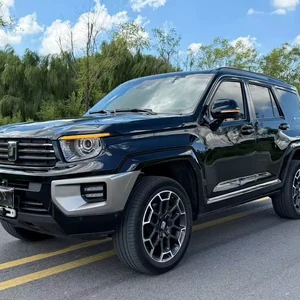
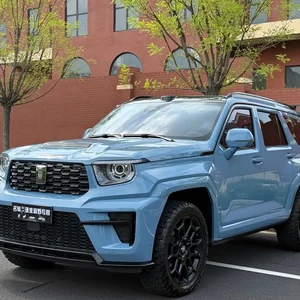
View all listings →Real units currently on ChinaCarDirect with per-unit asking prices and MOQ. Availability updates live from the catalogue.
How to buy a Tank 700 from China
-
1
Define the operating requirement
Record daily distance, towing needs, payload, route conditions, charging access and local fuel quality. These inputs determine whether Hi4-T or Hi4-Z and which equipment grade are appropriate.
-
2
Compare the live inventory
If your plan is to buy Tank 700 from China, compare each live unit's model year, edition, powertrain, condition, odometer, VIN and options. Check the current Tank 700 listings rather than relying on a model-level price.
-
3
Request documents and inspection
Ask for the factory build sheet, VIN, service history, warranty terms and equipment list. For a used vehicle, commission an independent inspection and request a high-voltage battery state-of-health report.
-
4
Build a landed-cost quote
Specify the destination, transport method, payment terms and Incoterm in the request. Ensure the quotation separates the vehicle price from freight, insurance, handling, duties, taxes and inland delivery.
-
5
Confirm drive side and homologation
Establish whether the vehicle is factory left-hand-drive or right-hand-drive before payment. Use a destination-market specialist to verify type approval, safety, emissions, electrical and charging requirements.
-
6
Agree the purchase terms
Review a written pro forma invoice showing the unit, options, Incoterm, payment milestones, lead time and refund conditions. Independently verify the seller entity, beneficiary details and shipment documents.
-
7
Ship and inspect on arrival
Release the vehicle only after the agreed payment and document milestones are met. Arrange pre-shipment and arrival inspections, then complete customs, registration and warranty registration without treating carrier arrival as final clearance.
700 vs rivals
| Toyota Land Cruiser 300 Series | It offers comparable full-size off-road intent and often the stronger global service proposition. The Tank 700's plug-in hybrid format is the key alternative for buyers prioritising electric-assisted daily use, while exact Land Cruiser powertrains and specifications vary by market. |
|---|---|
| BYD Yangwang U8 | This is the closest full-size luxury electrified off-road challenger. Both suit image-led buyers, but the U8's export homologation, dealer support and parts continuity must be verified market by market. |
| Mercedes-Benz G-Class | The G-Class is the benchmark for prestige, cabin presentation and symbolic off-road status. The Tank 700 offers a different blend of off-road utility and plug-in-hybrid flexibility, while G-Class ownership and service support depend on the importing market. |
Frequently asked questions
How is Tank 700 export pricing determined?
ChinaCarDirect's live Tank 700 inventory shows the current price, MOQ and availability for each unit. The export amount changes with model year, trim, Hi4-T or Hi4-Z version, condition, mileage, exchange rates, freight, insurance, taxes, duties and Incoterm. Request a written destination-specific landed quote and verify the unit's current figures before paying.
Is the Tank 700 a battery-electric vehicle, and what range do Hi4-T and Hi4-Z offer?
The Tank 700 new-energy versions represented for export are plug-in hybrids rather than pure battery EVs. Hi4-T and Hi4-Z are distinct powertrain families, and battery capacity, electric-only CLTC range, combined range and charging figures depend on the edition and destination specification. Check the live listing and request the official build or specification sheet.
Should an importer choose a new or used Tank 700?
New vehicles provide clearer configuration and warranty pathways but still require homologation and delivery-condition checks. A used Tank 700 can offer broader sourcing choice, but buyers should verify ownership, service history, accident indications, physical condition, battery health and high-voltage functionality before purchase.
What is the MOQ for Tank 700 vehicles?
MOQ is set at the listing and transaction level rather than acting as a universal catalogue rule. A single-unit trial may be possible for some offers, while larger orders can use consolidated vehicle-carrier bookings. Read the MOQ attached to each live unit and confirm how different editions or years can be combined before placing an order.
How long does Tank 700 shipping take, and what affects the cost?
The full delivery timeline includes allocation, document preparation, port handling, sailing, customs clearance, inland transport and any homologation work. Carrier capacity, route, sailing frequency, congestion, insurance, fuel surcharges, terminal fees, duties and taxes all affect landed cost. Ask the freight forwarder for a route-specific schedule and all-inclusive quotation.
Can spare parts be ordered with a Tank 700?
Parts can be ordered by VIN, model year and trim, but availability depends on the original configuration and the supplying channel. Confirm part numbers, drive side, regional equipment and whether the seller or distributor holds the required inventory. For fleet use, agree a service-parts list and replenishment plan before the first vehicle arrives.
Is a right-hand-drive Tank 700 available for export?
Right-hand-drive availability depends on the specific unit, factory configuration and destination market. Check each live listing for its drive-side information and obtain written confirmation before ordering. Do not assume that a steering-wheel conversion provides homologation, suitable safety equipment or warranty support.
How do I order a Tank 700 from China?
Start with the live inventory, select a unit or agreed production specification, and request a pro forma quote with the destination, Incoterm and payment terms. Verify the vehicle documents, homologation route, seller identity and payment milestones before paying a deposit. Final shipping should be released only after the agreed inspection and document checks are complete.
Ready to source the Tank 700?
Send ChinaCarDirect your destination, preferred trim, condition, quantity and Incoterm for a current Tank 700 export quote.
Request a quote