
Toyota Rav4 Export Guide for Dealers and Fleet Buyers
Plan a Toyota Rav4 export purchase with practical guidance on trims, hybrid options, live pricing, MOQ, shipping, compliance and rival comparison.
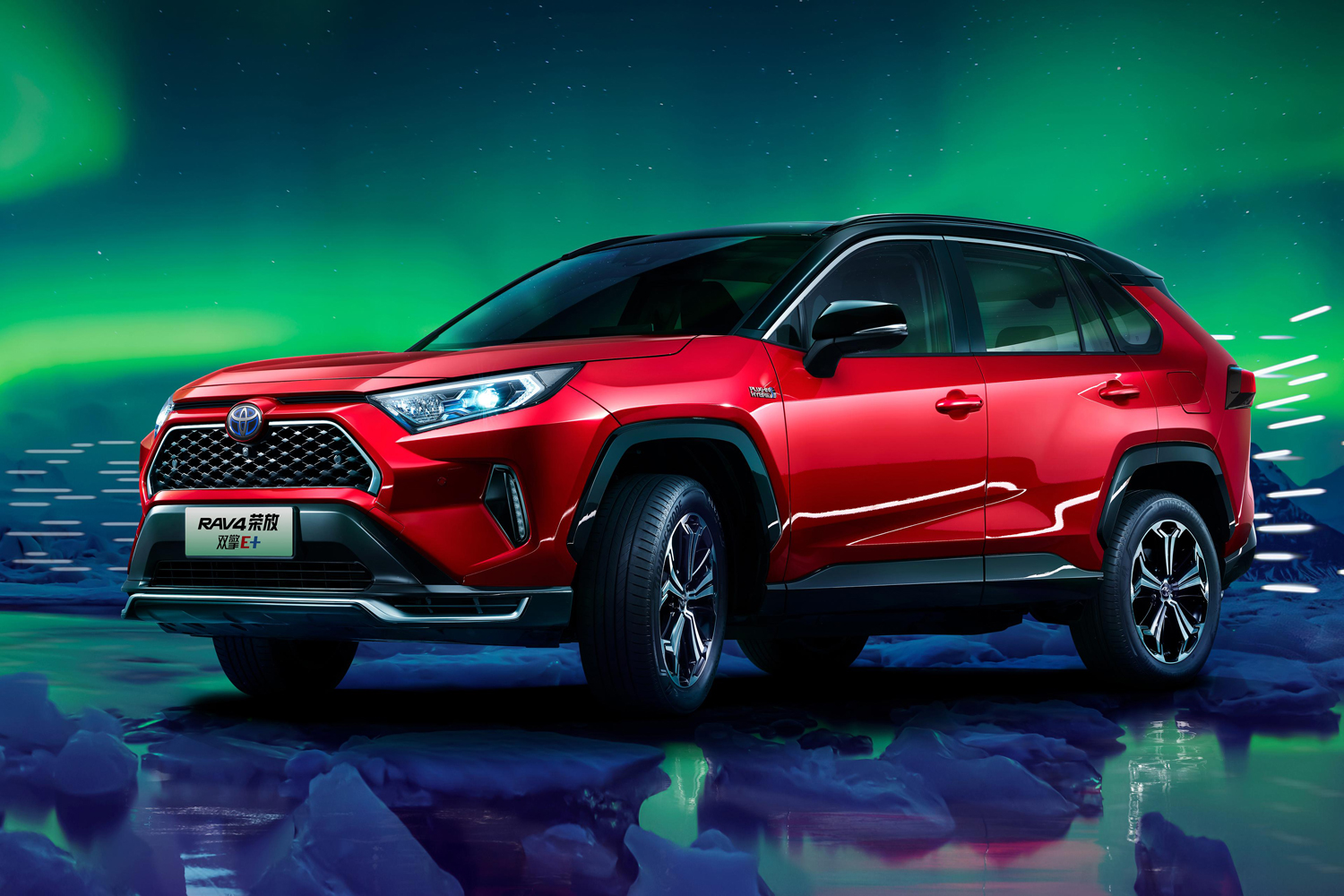
At a glance
- China-market choices include 2.0L and 2.5L petrol versions and a 2.5L Dual-Engine E-CVT hybrid.
- Buyers can match 2WD or 4WD layouts to the operating environment, subject to exact listing verification.
- New vehicles offer cleaner provenance; used vehicles require VIN, condition and hybrid-system checks.
- Live export quotes change with specification, condition, exchange rates, freight and Incoterm.
- MOQ, RHD availability, homologation and landed cost must be confirmed before ordering.
Why the Toyota Rav4 matters for export markets
The Toyota Rav4 occupies a strategically useful position in the global compact-SUV segment: it combines a recognizable Toyota badge with a body that is easier to drive and park than many larger SUVs, while offering the cargo space and raised seating position expected by families and commercial users. That combination gives overseas importers a mainstream product they can explain, compare and support without moving into premium or ultra-performance categories. For dealers, the value proposition is not novelty; it is a familiar model name applied to practical daily transport across many markets.
Chinese-market examples are listed under Toyota RAV4 and, in some records, the Rongfang designation. For an overseas buyer, the relevant strengths are practical rather than headline-driven: a 2.0L model can serve as a straightforward petrol option, while 2.5L petrol and 2.5L Dual-Engine E-CVT variants broaden the choice for buyers prioritizing a different drivetrain or hybrid operation. That breadth lets a distributor address city, regional and mixed-road demand without changing model family, while fleet managers can assess the same platform against familiar Toyota service and resale considerations in their own market.
Strong global recognition does not make a Chinese-market vehicle automatically export-ready. Grade content, emissions labeling, steering position, electrical equipment and equipment levels can differ from vehicles sold in the destination country. Buyers should therefore treat market demand as the reason to shortlist the Rav4, then use homologation, parts support and landed economics as the conditions for approval. This sequence matters especially for fleets: a model that is easy to sell at home may create friction at registration, inspection or maintenance if the imported specification was never designed for local use or resale.
- Recognizable mainstream compact-SUV positioning
- Multiple petrol and hybrid configurations
- Local homologation remains essential
Model range, trims and powertrain variants: how the lineup is structured and how to choose
The export-visible China-market lineup is organized around 2.0L and 2.5L petrol engines, with a 2.5L Dual-Engine E-CVT hybrid also represented. Within the 2.0L range, CVT applications are paired with 2WD or 4WD and appear under several Trend, Urban, Style Plus and Pioneer-style grade labels. The 2.5L versions use an automatic transmission and are shown with 4WD, including Elite, Luxury and Prestige-oriented grades. Because names and equipment can change across model years, buyers should verify the actual drivetrain, transmission and equipment list on each live record before placing a deposit or committing funds.
Choice should begin with the operating environment rather than the highest grade. The 2.0L CVT variants suit buyers whose priority is a compact petrol vehicle, straightforward operation and cost-conscious fleet use; 4WD versions provide an option for poorly surfaced roads or regions where weather affects traction. The 2.5L automatic and 4WD versions suit buyers who prefer the larger petrol configuration, more equipment or a higher price position. These are use-case judgments, not substitutes for specifications: payload, routes, fuel quality and expected resale should be checked before the drivetrain is fixed.
The Dual-Engine 2.5L E-CVT version should be treated as a self-chargenging petrol hybrid, not a battery-electric vehicle, and its case rests on electric assistance around a combustion engine rather than external plug-in charging. It can appeal to high-mileage users, urban traffic and fleets seeking a different powertrain without giving up petrol range. Fuel consumption varies with traffic, speed, load, climate and test cycle, so compare figures from the destination rather than assuming a Chinese rating transfers. Hybrid buyers should also obtain the battery warranty, service requirements and roadside-assistance terms in writing.
- 2.0L CVT: 2WD or 4WD choices
- 2.5L automatic: listed with 4WD
- 2.5L E-CVT hybrid: petrol-based hybrid
New vs used Toyota Rav4: how export inventory is structured and how buyers choose
Export inventory separates by condition and history. New vehicles may be current-production or age-stock examples sold before first registration; used vehicles have prior ownership, mileage and operating history that must be disclosed. Some Chinese-market listing titles use new and used plainly, while others describe trim, edition or ownership status in the title, so buyers should look for the condition field rather than infer status from photographs. The right question is which category matches the buyer’s risk tolerance, delivery timetable and need for standardized fleet specification in that market.
A new vehicle offers a clean transaction story: documented factory status, consistent specification and a defined warranty path, subject to age and storage. It is easier to standardize for fleet delivery and reduces uncertainty about repairs, although the buyer may wait for allocation or accept an older production date. A used vehicle can provide broader model-year choice and a lower acquisition entry point, but value depends on maintenance history, mileage, accident repair and prior use. Compare warranty, remaining useful life and expected resale together, rather than treating the purchase figure as decisive.
For a used Rav4, the inspection should be more than a short test drive. Obtain the VIN and title history, verify odometer records, review service invoices and scan the vehicle for diagnostic, airbag and electronic-control faults. Inspect tyres, brake condition, suspension, underbody exposure, fluid leaks and evidence of accident repair; for a hybrid, request documented checks of the high-voltage system and battery condition. Test cold starting, air conditioning, road noise and every driver-assistance function claimed in the listing. Then compare the vehicle’s condition with the price shown for that exact unit in the live inventory.
- New: cleaner history and easier fleet standardisation
- Used: broader choice, greater condition risk
- Inspect VIN, diagnostics and hybrid battery
How export pricing works: the factors behind a live listing price, and how to read one
A live Toyota Rav4 export price reflects multiple variables, not a fixed market rate. Model year, trim, 2.0L or 2.5L configuration, hybrid versus petrol, 2WD or 4WD, mileage, condition, optional equipment and production status influence commercial value. Exchange rates, freight, marine insurance, port charges, inland haulage and the selected Incoterm can move the landed cost. Taxes, duties and registration may sit outside the vehicle quote entirely. A buyer should therefore ask whether the displayed number is the ex-vehicle selling price or an estimate that already includes international transport and handling.
Read the live record carefully before using its number in a budget. Confirm the displayed currency, whether the quote is per unit, the exact grade, drivetrain, transmission, condition and whether several similar vehicles are grouped together. Review photographs for condition and equipment, request the VIN or production details for a specific vehicle, and check what the MOQ and quote validity mean. A seller’s requested Incoterm, payment schedule and document scope should be compared with the buyer’s own port, insurance and customs plan. Anything excluded must be added before the comparison is meaningful.
A useful comparison starts with like-for-like vehicles rather than the cheapest visible result. For a mixed fleet, build cases for a 2.0L 2WD unit, a 4WD petrol unit and a 2.5L E-CVT hybrid, then attach the same freight, tax and compliance assumptions. This exposes whether an apparent saving survives destination costs and whether the alternative powertrain has a support plan. Because exchange rates and freight quotations can change, request a written quote with an expiry date and ask how the price would be adjusted. Final approval should use the current ChinaCarDirect per-unit listing and refreshed landed-cost worksheet.
- Specification and condition drive vehicle value
- Freight, tax and FX shape landed cost
- Compare current per-unit live quotes
MOQ, ordering and payment: single units vs consolidating a container
MOQ is the smallest quantity a seller will accept per transaction; it is not universal across Toyota Rav4 listings. Some vehicle records are sold as single units, while new-production or container-oriented arrangements may impose a batch requirement. Buyers should open the live listing, read its MOQ field and confirm whether the quantity applies to one trim, one model year or mixed stock. If the requirement does not match the buyer’s plan, request a written single-unit quotation or ask whether equivalent units can be consolidated. Confirm exact price, MOQ and availability on the current live listing and again on the pro forma, because terms can change.
Single-unit buying is practical for test vehicles, small importers and buyers validating market demand before scaling. It reduces exposure to unsold stock and gives the purchaser a direct relationship with one vehicle’s history and documents. Consolidating several units into one container or shipment can improve freight efficiency, but it adds coordination risk: specifications may differ, deposits and titles must remain separated, and one delayed inspection can hold back the group. Buyers should model savings against demurrage, storage, handling and unsold inventory rather than assuming container consolidation automatically lowers total delivered cost.
Payment and title controls matter as much as unit count. Before funds are sent, verify the seller’s identity, business registration and payment beneficiary, then use a written pro forma or contract that identifies the vehicle, price, Incoterm, deposit, balance trigger, inspection rights, refund conditions and export-document responsibilities. For a new vehicle, tie the balance to agreed inspection and shipment milestones; for a used vehicle, tie it to the documented condition, title transfer and pre-shipment inspection. Payment terms should reflect custody at each stage rather than being accepted from a generic listing without verification.
- MOQ is set per listing
- Single units suit pilots and small importers
- Consolidation adds freight efficiency and coordination risk
Shipping, homologation and market compliance caveats: LHD/RHD and import rules by country
Shipping method should follow quantity, urgency, budget and cargo risk. A vehicle carrier can move individual RAV4s and may be practical when speed matters; containerized shipment can be more efficient for larger volume. Sea, rail and multimodal combinations have different routes, transfer points, insurance and customs requirements. Transit duration and cost vary with origin and destination ports, congestion, seasonality, insurance cover, terminal handling and inland delivery. Request an all-in freight quotation that names the Incoterm, route, container or carrier type, charge inclusions and the point at which risk passes.
Most China-produced examples are configured for left-hand-drive markets, but steering configuration is a vehicle-level fact and should never be assumed from the model name. Right-hand-drive availability depends on the actual production variant and live stock. For buyers requiring RHD, confirm the steering wheel, instrument cluster, pedal layout and market equipment before payment; do not assume a conversion is acceptable. A conversion can affect safety assessment, warranty, electrical compatibility, insurance and resale value. If no compliant RHD unit is available, importing an LHD vehicle may be prohibited, restricted or commercially unattractive in the destination country.
Homologation is a country-by-country process; a Toyota sold in China is not automatically accepted elsewhere. The importer should check VIN and type-approval requirements, emissions rules, safety and electronic equipment standards, customs classification, tariff treatment, VAT or GST, and local registration or inspection rules. A grade carrying a China V or China VI label should be documented but not treated as proof of destination approval. Used imports can face different age, emissions or roadworthiness rules from new vehicles. Obtain a written assessment from a destination-country customs broker or homologation specialist before committing the vehicle or paying non-refundable charges.
- Choose RoRo or container by volume and urgency
- Confirm LHD or RHD on the exact vehicle
- China V/VI labels do not prove local approval
Who should buy the Rav4 — and who should pick a different vehicle
The Rav4 is a strong candidate for importers seeking a mainstream compact SUV with a recognized Toyota nameplate and several petrol and hybrid configurations. It can fit urban distributors, mixed-route fleets and buyers who want 4WD availability without moving into a larger or more specialized off-road product. The 2.0L range supports straightforward fleet briefs, while the 2.5L automatic and E-CVT hybrid provide alternatives for buyers prioritizing powertrain type, equipment or operating profile. The decisive advantage is not one universal specification; it is the breadth of configurations against a recognizable product category.
It is a weaker choice for a buyer whose requirement is zero-emission electric operation, because the represented Rav4 versions are petrol or self-chargenging hybrid rather than battery-only. It may also fail a buyer seeking a premium cabin, large cargo capacity, towing capability or a left-hand-drive vehicle where that configuration is barred. Used purchases are unsuitable when the buyer cannot commission an inspection or verify title history and budget for uncertain maintenance. If destination homologation remains uncertain, local parts support is thin or residual-value evidence is weak, a more familiar rival may be easier to sell and maintain.
For a dealer, the sensible path is staged market entry: choose one destination and use case, shortlist configurations, confirm compliance and parts support, then source a pilot vehicle or limited batch. A fleet manager should test operating costs, uptime, driver comfort and real-world fuel use locally before standardizing a larger order. Compare the Rav4’s total delivered cost and ownership support with local alternatives, not just its purchase quote. If the Toyota proposition remains competitive after those checks, its familiar positioning and configuration choice make it a credible core vehicle rather than a speculative import.
- Best for mainstream compact-SUV distribution
- Useful for mixed-route and 4WD fleets
- Not a fit for battery-only or premium mandates
Main rivals and how the Rav4 compares
The closest alternatives depend on the market, but the Honda CR-V, Hyundai Tucson and Nissan X-Trail are natural comparison points. The CR-V competes for family and fleet buyers focused on hybrid ownership; a local example may be easier to support than an imported China-spec RAV4. The Tucson competes through contemporary styling and broad equipment choices, attracting buyers who prioritize design and perceived value. The X-Trail is relevant to distributors and fleets seeking a family SUV with regional recognition. None displaces the Rav4 automatically; each can be stronger after local pricing, certification and support are compared.
Against the CR-V, the Toyota’s differentiator is the breadth visible in Chinese export supply: 2.0L CVT applications with 2WD or 4WD, 2.5L automatic 4WD versions and a 2.5L E-CVT hybrid option. Against the Tucson, Toyota’s established brand perception and conventional SUV packaging may reassure conservative fleet operators, although the Tucson’s visual and interior presentation can win style-led buyers. Against the X-Trail, the Rav4 may appeal where a broader set of China-market drivetrain configurations is useful. These are buying-position comparisons, not universal rankings; destination-market versions, equipment and after-sales support can reverse the outcome.
A disciplined comparison should use the same vehicle brief for all four models: powertrain, drive layout, capacity, safety and driver-aid requirements, fuel use, warranty, parts access and expected resale. Then price each homologated option under the same Incoterm, freight, tax and insurance assumptions. If Toyota’s badge, configuration flexibility and China sourcing are priorities, the Rav4 is a serious candidate; if the buyer strongly values another rival’s local dealer network, a locally sourced alternative may be lower risk. A test drive and written landed-cost comparison are more useful than a model-level reputation or a low headline quote.
- CR-V: strong hybrid and ownership benchmark
- Tucson: design-led compact-SUV alternative
- X-Trail: regional family and fleet contender
Live Toyota Rav4 export inventory
View all listings →Real units currently on ChinaCarDirect with per-unit asking prices and MOQ. Availability updates live from the catalogue.
How to buy a Toyota Rav4 from China
-
1
Set the destination and operating brief
Specify the destination country, ports, required steering configuration, road conditions, fleet size and resale plan. These requirements determine which configurations and compliance checks are relevant.
-
2
Build a configuration shortlist
Compare 2.0L CVT 2WD, 2.0L CVT 4WD, 2.5L automatic 4WD and 2.5L E-CVT hybrid options against the intended use. Confirm the actual grade equipment rather than relying on the trim name alone.
-
3
Review unit-level live listings
Open the live Toyota Rav4 inventory and check each vehicle’s year, condition, grade, drivetrain, mileage, photographs, MOQ and unit-specific price. Request the VIN or production details before making a firm commitment.
-
4
Request a landed-cost quotation
Ask the seller to state the currency, Incoterm, freight scope, insurance, payment milestones, document list and quote-validity period. Add destination taxes, customs, port and inland charges to obtain the complete delivered cost.
-
5
Clear destination compliance
Have a local customs broker or homologation specialist review the exact vehicle specification, VIN, emissions labeling and steering configuration. Do not release non-refundable funds until import and registration requirements are understood.
-
6
Lock terms and secure documents
Use a written contract identifying the vehicle, condition, title transfer, inspection rights, refund conditions and payment beneficiary. Tie the balance payment to agreed inspection, document and shipment milestones.
-
7
Book freight and inspect before loading
Select the carrier or container method, confirm insurance and the Incoterm, then complete or commission the agreed pre-shipment inspection. Keep the contract, vehicle identification, inspection record, export documents and shipping records together through delivery.
Rav4 vs rivals
| Honda CR-V | The CR-V is a close benchmark for buyers focused on hybrid ownership and established local ownership familiarity. The Rav4’s advantage is its broader visible China-market drivetrain choice, while a locally available CR-V may be easier to support. |
|---|---|
| Hyundai Tucson | The Tucson is a strong alternative for design-led and equipment-focused compact-SUV buyers. The Rav4 may better suit conservative fleet operators who prioritize Toyota brand recognition and a broad selection of petrol, hybrid and 4WD configurations. |
| Nissan X-Trail | The X-Trail is a credible family-SUV and fleet competitor where it has strong regional recognition. The Rav4 can win when China sourcing and the available range of engine, drivetrain and hybrid configurations are central to the brief. |
Frequently asked questions
How is Toyota Rav4 export pricing determined?
Each live price reflects the seller’s assessment of model year, trim, engine, hybrid or 4WD configuration, mileage, condition, equipment and commercial terms. Freight, insurance, exchange rates, taxes and the Incoterm can change the landed total. Exact price, MOQ and availability are shown on the current ChinaCarDirect per-unit listing, and buyers should request a refreshed written quote before budgeting.
Which Toyota Rav4 engine and powertrain options can be exported from China?
The China-market range includes 2.0L petrol with CVT and either 2WD or 4WD, 2.5L petrol with automatic and 4WD, plus a 2.5L Dual-Engine E-CVT hybrid with 4WD. The hybrid is not battery-only and does not rely on external plug-in charging, so verified fuel consumption is more relevant than electric range. Confirm the exact powertrain on the unit-level listing because grade names and availability change.
What are the main trade-offs between a new and used Toyota Rav4?
A new vehicle generally offers cleaner provenance, consistent fleet specification and clearer warranty terms, subject to production date and storage. A used vehicle can provide broader model-year choice but requires verification of mileage, service history, accident repair, title status and mechanical condition. For a hybrid, request documented high-voltage and battery checks as part of the used-vehicle inspection.
How does MOQ work for a Toyota Rav4 wholesale order?
MOQ is set for the particular listing or sales arrangement, so check the quantity shown on each live record rather than assume a universal policy. Single-unit sale may be possible where the listing permits it; batch or container orders may carry different terms. Ask the seller to confirm the MOQ, whether units can be mixed by trim or model year, and the exact quantity on the pro forma.
What determines Toyota Rav4 shipping time and cost?
Shipping time and cost depend on the origin and destination ports, carrier or container method, cargo volume, route, congestion, seasonality, fuel surcharges, insurance, terminal handling and inland delivery. Individual vehicle carriers and consolidated shipments have different operational and cost characteristics. Request an all-in freight quotation that clearly states the Incoterm, route, inclusions and risk-transfer point.
Are spare parts available for an imported Toyota Rav4?
Parts support depends on the exact model year, grade and destination, and China-market RAV4 components are not automatically interchangeable with every local-market variant. Before ordering, ask the supplier to confirm VIN-based catalogue availability, sensible equivalents, warranty handling and expected parts lead times. Also verify local Toyota service coverage rather than assuming every maintenance item is immediately available.
Can I buy a right-hand-drive Toyota Rav4 from China?
RHD availability depends on the actual production variant and current unit-level stock because China-produced examples are commonly left-hand drive. Buyers requiring RHD should confirm the steering wheel, instrument cluster, pedal layout and market equipment before payment. Do not assume a steering conversion will be accepted for registration, insurance or warranty purposes.
How do I buy a Toyota Rav4 from China?
Start by defining the destination, quantity, trim, powertrain and drivetrain, then review the live Toyota Rav4 inventory. Send an RFQ for the selected vehicle or vehicles and request a written quote showing the price, MOQ, Incoterm, payment milestones, document scope and quote validity. After compliance approval, verify the unit, agree the contract and payment, complete inspection, and release the balance against the agreed shipment conditions.
Ready to source the Toyota Rav4?
Send ChinaCarDirect your destination, quantity, trim and Incoterm requirements for a current Toyota Rav4 export quote.
Request a quote