
Toyota Allion Export Buying Guide for Overseas Buyers
Buy a Toyota Allion from China with clear guidance on trims, live export pricing, MOQ, shipping, RHD availability, compliance and importer checks.
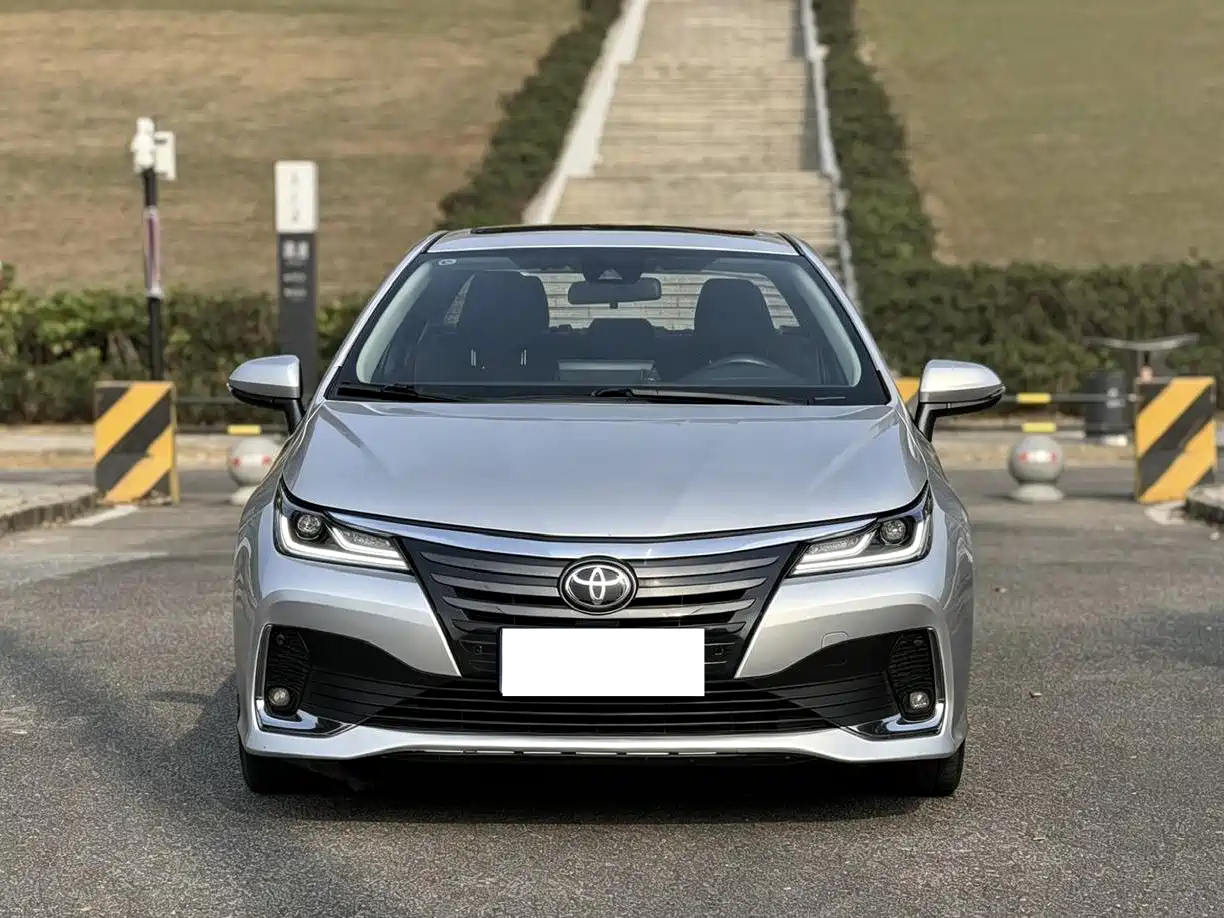
At a glance
- The Allion is a compact, gasoline-powered MPV suited to families, shuttles, and passenger-led fleets.
- Elite, Luxury, Pioneer, and Progressive define the trim choices; compare complete equipment sheets rather than names alone.
- The 2.0L configuration avoids charging dependence, but output, transmission, and emissions must be checked for each unit.
- China-origin Allions are commonly left-hand drive; right-hand-drive availability and lawful conversion require market-level confirmation.
- Live listings provide the current unit, price, and MOQ; a written quote should define the complete landed scope.
Why the Toyota Allion matters for export markets
The Toyota Allion is a compact, gasoline-powered multi-purpose vehicle (MPV) positioned between a family crossover and a people carrier. Its appeal for export buyers comes from a practical mix of passenger room, easier urban maneuverability, and a conventional fuel powertrain that does not depend on local charging coverage. That makes it relevant to importers serving families, private shuttles, and light commercial fleets. Unlike a body-on-frame work van, it is designed around passenger comfort and flexible luggage use, while its tall packaging can be more approachable for cross-border fleet procurement than a low sedan.
For many destination markets, the Allion’s strongest case is straightforward: it combines a recognizable Toyota model family with a space-efficient vehicle format. Overseas dealers can position it against compact MPVs and practical SUVs without claiming the off-road capability or commercial payload of either category. Buyers should assess the Allion against local regulations, fuel costs, service coverage, and passenger demand rather than assuming Japanese-market name recognition guarantees immediate sales. That discipline matters for wholesale programs because importer margins depend on realistic lead times, homologation costs and the ability to support each sold vehicle.
Export suitability is not a single specification. A private buyer importing for personal use will care about registration, steering configuration, parts access, and long-term reliability, while a dealer will care about homologation, residual values, and whether each trim has clear demand. Before buying Toyota Allion for export, define the destination use case and compare the model with vehicles already popular in that country. This prevents a good domestic-market MPV from becoming a slow-moving export purchase. Importers should also verify whether their business can manage pre-shipment inspection, shipping documentation, customs clearance, and after-sales parts supply.
- Passenger-focused family and fleet use.
- Space efficiency without charging dependency.
- Local demand, rules, and support.
Model range, trims and powertrain variants: how the lineup is structured and how to choose
The Toyota Allion range is organized around 2.0L editions, with the export-facing trim names Elite, Luxury, Pioneer, and Progressive. Those names help distinguish equipment and market positioning, but they should not be treated as a substitute for a full option list. Because ChinaCarDirect inventory can pair different model years and trims, compare each unit’s specification sheet, VIN, production details, and condition before assuming two similarly named examples are equivalent. A disciplined trim comparison also prevents buyers from paying for equipment that is unavailable for local registration, unnecessary for a fleet operator, or hard to support locally.
From a buyer’s perspective, trim selection should start with the operating brief rather than the badge. Elite, Luxury, Pioneer, and Progressive may reflect different equipment bundles, but the responsible comparison is against the destination’s tax class, preferred features, and customer expectations. Request the complete equipment list, confirm whether equipment is factory-installed, and check that any optional accessories remain usable under local rules. This is especially important when buying for resale, where an unfamiliar trim can require extra explanation and discounting in the local market. A clear option sheet reduces disputes after delivery and supports more accurate wholesale valuation.
The powertrain decision is more restrained. All versions in the described Allion range use a 2.0L gasoline engine designation; no battery-electric or plug-in hybrid version is identified in that range. For most importers, the practical questions are fuel economy under local conditions, engine output for laden trips, maintenance familiarity, and emissions compliance. Obtain the exact output, transmission, drivetrain, fuel type, and curb data from the unit listing; do not infer missing figures from a trim badge or from another model year, especially when calculating total operating cost at sea or roadside support.
- Compare complete equipment sheets, not names alone.
- Confirm output, transmission, and emissions per unit.
- Match equipment to tax class and buyer expectations.
New vs used Toyota Allion: how export inventory is structured and how buyers choose
Export inventory for the Toyota Allion can include new examples and, when sourced through the right channels, used vehicles. The mix changes with the seller, model year, and market, so current availability must be read from the [live Allion listings](https://chinacardirect.com/products?q=Allion&brands%5B%5D=5) rather than generalized from a catalogue. A new unit offers the most consistent specification and avoids uncertainty over wear, while a used unit can suit a buyer seeking a known configuration at a different acquisition point. Neither condition is inherently better without a use case and verified documents or genuine service history.
New Allions are attractive when resale presentation, warranty handling, and predictable factory specification matter. Buyers should still ask whether any remaining manufacturer warranty is valid in the destination and whether warranty repair networks are accessible. Used vehicles can offer a more established market history and easier parts identification, yet their value depends on mileage, service records, accident history, tires, fluids, corrosion, and whether the car has been used commercially. Request evidence for each material condition item. A pre-shipment inspection should cover those same points rather than relying on photographs alone.
For buyers searching for a used Toyota Allion, matching the exact year and trim is essential because equipment, software, homologation details, and spare-parts compatibility may differ. Compare VIN-level documents with the physical vehicle and ask for an export inspection that documents condition. For a new vehicle, focus on production date, delivery mileage, option consistency, and any transit or storage charging. In both cases, use the current unit listing and a written condition statement as the source of truth for the final specification, condition, and commercial terms before funds are committed.
- New: consistent specification; verify local warranty coverage.
- Used: inspect records, mileage, corrosion, and prior use.
- Match VIN, year, and trim before final payment.
How export pricing works: the factors behind a live listing price, and how to read one
A Toyota Allion export price guide should explain variables rather than publish a fixed number. The live unit price is shaped by model year, trim, engine specification, mileage and condition, equipment, production timing, seller terms, and the exchange rate used when the quote is issued. New-versus-used status can move the headline amount, but it is only one factor. For the same vehicle, freight method, destination, insurance, customs charges, port fees, and the selected Incoterm can change the total payable, especially when exchange rates or carrier schedules change before contracting again.
Read a live listing as a vehicle-level quotation, not as a complete landed cost. Confirm whether the displayed amount covers the vehicle only, or also includes export preparation, inland transport, documentation, ocean or roll-on/roll-off freight, insurance, and origin charges. Establish whether the seller, freight forwarder, or importer bears risk and responsibility at each stage. A binding quote should identify the VIN or SKU, trim, year, condition, currency, Incoterm, named place, validity period, and payment milestones. Compare like-for-like documents and total costs carefully, especially when two listings use different freight terms or cost boundaries.
The best way to read the live Allion inventory is to separate vehicle acquisition, transport, and destination compliance. First compare equivalent units by year, trim, condition, mileage, and equipment. Then request a written quote that adds every known logistics and regulatory charge, while flagging taxes or fees that can only be confirmed by the destination broker. Price validity matters because exchange rates, carrier space, and route conditions can move a quote. Always base the final decision on the current listing and the signed commercial terms, not on an earlier enquiry result.
- Compare equivalent year, trim, condition, and equipment.
- Separate vehicle price from landed and regulatory costs.
- Use the current unit listing and written quote.
MOQ, ordering and payment: single units vs consolidating a container
MOQ for a Toyota Allion depends on the seller’s listing and the agreed transaction, so buyers should not assume either a universal single-unit rule or a fixed container requirement. Some inventory may be released individually, while sellers may offer better shipment economics on multiple units. Check the MOQ attached to the specific unit or seller and obtain it in writing. Consolidation can help freight planning, but it should never force the buyer to take unwanted trims, model years, or quantities that do not match demand in the destination market there.
A single-unit purchase suits a test-market importer, a customer ordering for personal use, or a dealer validating trim demand before scaling. The process is usually straightforward: select the exact listing, request an RFQ, confirm vehicle and freight costs, agree the Incoterm and named destination, complete payment, pass inspection, and release for export. The buyer should verify the seller entity, invoice details, title or ownership documents, export declaration, and bank instructions before transferring funds. Clear milestones reduce the risk of documents and payment arriving out of sequence in the agreed order.
Container consolidation is a different purchasing strategy. A buyer may reserve several Allions across acceptable trims or model years, appoint one importer of record, and arrange one shipment under common documentation. This can simplify freight coordination, but it increases working-capital exposure and requires clearer allocation of inspection, damage claims, customs duties, and unsold stock. Model each tranche against expected local sales, keep serial numbers and specifications matched to contracts, and decide in advance who pays if a unit fails inspection or cannot be registered. Separate commercial terms from any physical grouping.
- Check the MOQ on the specific listing or seller.
- Single-unit orders suit market testing.
- Consolidate only trims and quantities you can sell.
Shipping, homologation and market compliance caveats: LHD/RHD and import rules by country
Shipping method should follow the vehicle, route, and urgency rather than a blanket rule. An Allion may be moved in a roll-on/roll-off vessel or, where loading conditions and economics permit, a container or consolidated shipment. Confirm actual dimensions, weight, ground clearance, securement needs, and port accessibility from the unit specification. Freight cost depends on origin and destination ports, routing, carrier allocation, insurance, fuel surcharges, terminal handling, customs brokerage, and delivery beyond the port. Ask for a door-to-door or port-to-port scope so charges cannot be mistaken unintentionally for vehicle acquisition cost.
Steering configuration is a critical first check. China-origin Allions are commonly supplied as left-hand-drive vehicles, while some destination markets require or strongly favor right-hand drive. A used listing may come from a different handedness than a new China-market example, so verify the VIN and physical configuration rather than assuming from the trim name. If a right-hand-drive vehicle is unavailable, a conversion is not automatically a simple cost line: local rules may restrict it, and safety, electrical, warranty, and insurance implications should be assessed with the destination authority before shipment in writing.
Import compliance is destination-specific, so the importer—not the exporter alone—must confirm the applicable process. This commonly includes VIN and customs documentation, roadworthiness or emissions standards, registration categories, taxes and duties, insurance, local inspection, and rules for used vehicles. Radio, software, language, lighting, and equipment requirements may also matter. Before release, use a written compliance checklist and a pre-shipment inspection covering bodywork, underbody condition, leaks, tires, fluids, brakes, and matching documents. Keep evidence with the vehicle file for customs and warranty claims and support any later registration query or dispute.
- Confirm dimensions, route, freight scope, and securement.
- Check LHD/RHD before payment and shipment.
- Make destination compliance the importer’s responsibility.
Who should buy the Allion — and who should pick a different vehicle
The Toyota Allion is a strong candidate for importers serving families, hotel and airport transfers, corporate shuttles, or other passenger-led fleet operations where one vehicle must carry several people and luggage. Its MPV format can make occupancy and loading easier to manage than a sedan, while the 2.0L gasoline powertrain suits markets with established fuel service. Buyers should model the duty cycle: daily mileage, passenger load, luggage volume, driver hours, and cleaning requirements determine whether the packaging creates real operating value rather than relying on appearance or badge alone there.
It is less suitable for buyers whose priorities are true off-road use, heavy-duty cargo work, minimalist running costs, or a premium electric drivetrain. An MPV’s road-focused design and passenger-first layout should not be marketed as equivalent to a body-on-frame utility vehicle or a commercial van. Likewise, a conventional Allion cannot provide battery range or bypass the need for charging infrastructure. Before a Toyota Allion wholesale commitment, verify payload limits, towing provisions where relevant, insurance categories, driver licensing rules, and any restrictions on carrying paying passengers in the destination jurisdiction and operating authority.
The buying decision should combine the vehicle with the support system around it. Confirm that the importer can source tires, fluids, brakes, lamps, filters, service manuals, and model-specific parts through lawful channels, and establish realistic repair times. Review fuel-network coverage, road conditions, parking constraints, and resale expectations in the target market. For a used Allion, compatibility across model years is especially important. A vehicle that fits the route and can be maintained predictably is usually a better export purchase than a better-equipped but poorly supported one after arrival in market.
- Best for families, shuttles, and passenger fleets.
- Poor fit for off-road, heavy cargo, or EV priorities.
- Prioritize local parts support and real duty-cycle fit.
Main rivals and how the Allion compares
The closest alternatives depend on how the Allion is positioned locally, but three useful comparisons are the Toyota Innova, Honda Odyssey, and Mitsubishi Xpander Cross. The Innova is the most direct Toyota-family benchmark because it competes in the same practical MPV segment under a different market name and equipment set. The Odyssey offers a larger, more premium-oriented family MPV, while the Xpander Cross is a smaller, more urban-oriented alternative. Compare dimensions, seating, powertrain, safety equipment, service support, and landed cost rather than badge alone on a like-for-like basis carefully.
Against the Innova, the Allion should be selected according to the destination’s recognition, homologated configuration, and parts network, because the two Toyota-badged MPVs can differ by market and trim. Against the Odyssey, the Allion may offer a more compact footprint and a different ownership proposition, while the Odyssey can have an advantage for buyers who prioritize maximum cabin room or a higher-grade family vehicle. Against the Xpander Cross, the Allion may be the better fit when passenger capacity and luggage flexibility outweigh urban dimensions and purchase-efficiency priorities in practice overall.
No rival wins automatically, because each market taxes, fuels, registers, and services vehicles differently. A useful dealer comparison sheet should show the same assumptions: destination legal status, drivetrain, seating, luggage with rows occupied, safety and comfort equipment, warranty handling, parts lead time, expected resale segment, and a total landed cost under the same Incoterm. The Allion is most compelling when its balanced passenger utility, Toyota positioning, and 2.0L gasoline configuration fit the customer. If those assumptions do not favor it, move to the rival that solves the local requirement better.
- Toyota Innova: closest Toyota MPV benchmark.
- Honda Odyssey: larger, more premium family alternative.
- Mitsubishi Xpander Cross: smaller, urban-focused competitor.
Live Toyota Allion export inventory
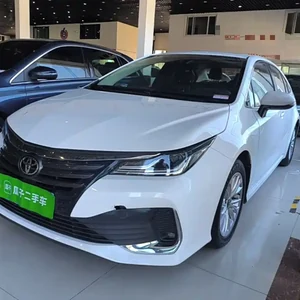
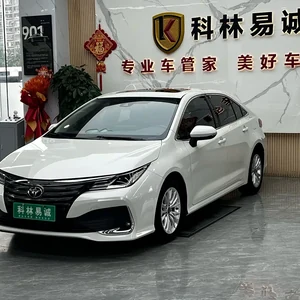
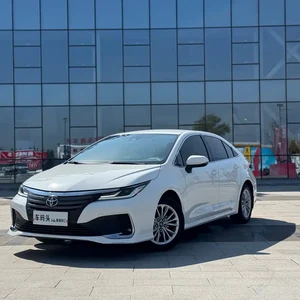
View all listings →Real units currently on ChinaCarDirect with per-unit asking prices and MOQ. Availability updates live from the catalogue.
How to buy a Toyota Allion from China
-
1
Define the destination and operating brief
Specify the destination country, steering requirement, buyer type, passenger load, luggage needs, and budget scope before selecting a vehicle.
-
2
Shortlist live Toyota Allion inventory
Review current unit details by year, trim, condition, mileage, equipment, and VIN or SKU. Save only vehicles whose advertised specifications match the market brief.
-
3
Request a comparable export quote
Ask for the vehicle amount, freight method, Incoterm, named place, document scope, insurance, origin charges, and separately identified destination costs.
-
4
Verify the vehicle and ownership documents
Reconcile the VIN, production details, engine specification, equipment list, ownership status, export declaration, and invoice with the physical Allion.
-
5
Confirm MOQ and payment milestones
Agree the quantity, seller entity, payment method, release conditions, and bank beneficiary in writing. Confirm how title, risk, and documentation transfer at each stage.
-
6
Approve inspection before release
Use an independent pre-shipment inspection covering bodywork, underbody, leaks, tires, fluids, brakes, engine condition, and document matching.
-
7
Plan freight and destination compliance
Select the vessel or cargo method, nominate the freight forwarder, and appoint a local broker to handle customs, registration, taxes, insurance, and delivery.
Allion vs rivals
| Toyota Innova | The closest Toyota-family MPV benchmark, with market-specific names and equipment that may differ. Compare local recognition, homologation, trim values, and parts support before deciding between them. |
|---|---|
| Honda Odyssey | A typically larger, more premium-oriented family MPV that may appeal where maximum cabin space is the priority. The Allion may suit importers seeking a more compact footprint with comparable passenger-led utility. |
| Mitsubishi Xpander Cross | A smaller, more urban-focused MPV that can suit compact operations and cost-sensitive buyers. The Allion may be the stronger choice when passenger capacity and luggage flexibility are more important than minimum footprint. |
Frequently asked questions
How is Toyota Allion export pricing determined?
Export pricing is determined per unit by model year, trim, 2.0L specification, condition and mileage, plus exchange-rate, freight, insurance, Incoterm, tax, and compliance factors. The current vehicle amount and seller-specific charges are shown on each live Allion listing; request a written quote that separates vehicle, origin, freight, and destination costs.
What engine and range does the Toyota Allion have?
The Allion lineup described here uses a 2.0L gasoline engine designation. It is not a battery-electric model, so electric range is not applicable; confirm the exact output, transmission, drivetrain, fuel type, and emissions version from the live unit listing.
Should overseas buyers choose a new or used Toyota Allion?
New units are generally easier to compare because their specification and condition are more consistent, while used units can suit buyers who accept wear and want a documented service history. The better choice depends on vehicle year, mileage, condition, warranty route, homologation, and resale plan, not on the condition label alone.
What is the MOQ for a Toyota Allion?
MOQ is set by the specific seller or listing and may differ between a single-unit transaction and a consolidated order. Check the live unit’s MOQ, ask for written terms, and negotiate before reserving vehicles; do not assume that one Allion can always be ordered individually or that a container quantity is compulsory.
How long does shipping take and what affects the cost?
Shipping time and cost depend on origin and destination ports, carrier schedule, vessel space, route, cargo method, insurance, surcharges, terminal handling, customs, and inland delivery. A freight quote should state the Incoterm, named place, route assumptions, and what is included so the vehicle price is not confused with landed cost.
Are Toyota Allion spare parts available for export?
Spare parts are usually easier to plan around Toyota’s established model and engine families, but local availability still depends on the exact year, trim, and VIN. Ask the supplier for parts references, identification numbers, and expected sourcing routes, and verify that common service items can be obtained lawfully for the destination.
Is a right-hand-drive Toyota Allion available?
China-origin Allions are commonly left-hand drive, and right-hand-drive availability should be checked on the live listing rather than assumed. Some markets accept LHD imports, others require or favor RHD, and a conversion may affect safety, registration, warranty, and insurance, so obtain local authority guidance before ordering.
How do I order a Toyota Allion from China?
Start with a live listing, select the exact vehicle or acceptable specification, and send ChinaCarDirect an RFQ with destination, quantity, preferred trims, and Incoterm. Verify the VIN, documents, inspection, price scope, MOQ, and payment milestones in writing, then use a qualified importer or broker for shipment, customs, and local registration.
Ready to source the Toyota Allion?
Send ChinaCarDirect your destination, preferred Allion trim, quantity, and Incoterm for a current unit-level quote and shipment plan.
Request a quote