
Toyota Crown Export Buying Guide for Overseas Dealers
Buy Toyota Crown from China with a clear view of trims, hybrid and turbo options, export pricing, MOQ, shipping, compliance and main rivals before ordering.
At a glance
- The Toyota Crown is a large, style-led executive sedan with a narrower global footprint than mainstream Toyota models.
- The core Chinese-market choices pair a 2.5L HEV focused on efficiency with a 2.0T focused on performance.
- Edition labels vary by year, so exact equipment, drivetrain and steering position must be checked on each unit.
- Live Crown listings provide the current unit-specific price, condition and availability needed for a valid comparison.
- A landed-cost and compliance review is essential because local taxes, freight, parts support and homologation can outweigh the vehicle price.
Why the Toyota Crown matters for export markets
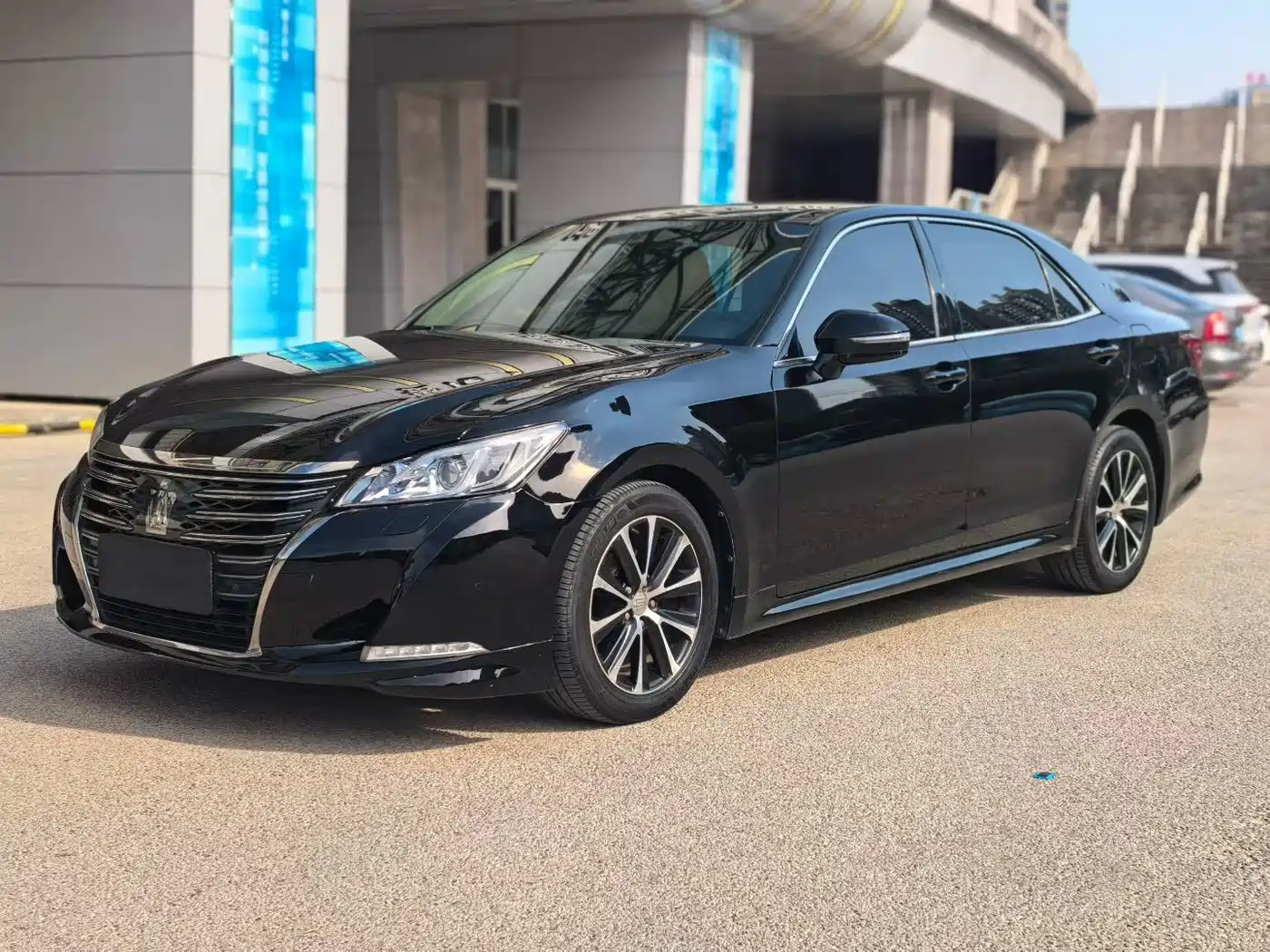
The Toyota Crown is a large executive sedan with coupe-influenced styling, a spacious cabin and a premium Toyota badge. It sits between the practical Camry and more formal luxury sedans, giving buyers prestige, rear-seat comfort and a high-grade powertrain without the size and ownership burden of many European-style flagships. That balance makes it relevant to overseas buyers seeking an executive car with a more individual image than a mainstream fleet sedan. Its official distribution, however, is narrower than Toyota’s global sedans. Local support, homologation paths and residual-value prospects therefore need careful destination-specific assessment.
The Crown is best known in Japan and China, so its export appeal is strongest where buyers already understand large Japanese sedans or want a chauffeur-driven vehicle with a distinctive badge. Private buyers in selected markets may value its rear-seat space, quiet hybrid operation and visual presence. Corporate, hotel and VIP-fleet buyers can also consider it where a prestigious passenger sedan fits local policy. Yet global demand should not be overstated: the model has a smaller market footprint than the Camry or Accord, and importing it does not automatically create a ready-made local customer base.
From an export perspective, the key question is not whether the Crown is desirable in isolation, but whether its configuration, paperwork and ownership costs are viable after arrival. A buyer should test demand with local private customers, executive operators and used-vehicle channels before committing to volume. Parts availability, technician familiarity and insurance classification can materially affect total cost. Use the ChinaCarDirect live Crown inventory to identify realistic configurations, then compare each candidate against locally sold alternatives rather than relying on the model’s prestige alone. A realistic landed-cost worksheet is more useful than a headline.
- Confirm local Toyota support.
- Test executive-market demand.
- Compare landed-cost alternatives.
Model range, trims and powertrain variants: how the lineup is structured and how to choose
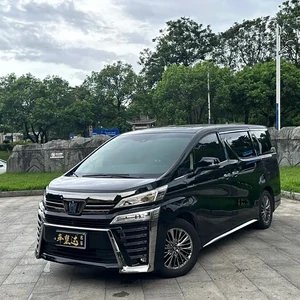
The China-market Crown sedan is structured around two core choices: a 2.5-liter gasoline-electric hybrid and a 2.0-liter turbocharged gasoline engine. Edition names differ across Premium, Luxury, Royal, Executive, Sport, Fashion, Supreme and Ultimate labels, so a familiar-sounding trim may not mean the same equipment across model years. Buyers should also separate the Crown sedan from related listings such as Crown Kluger and Toyota Vellfire, because those are SUVs and do not share the sedan’s packaging, seating or market positioning. Confirm the exact listing title, body style, drivetrain and equipment before comparing two quotations or placing a deposit.
The 2.5L HEV is the efficiency-led option for executive transport, urban traffic and buyers who prioritize smoothness and lower fuel consumption over outright performance. Its hybrid system and planetary-style electronic continuously variable transmission are designed to prioritize convenience and seamless delivery; depending on the edition, all-wheel or four-wheel drive can also be specified. This is not a plug-in or battery-electric vehicle, so there is no charging routine to plan. Actual fuel use still depends on driving style, load, climate and the applicable test cycle. Ask each seller for the certified figures relevant to that exact unit.
The 2.0T choice is more performance-oriented, with turbocharged response for buyers who prioritize effortless overtaking, heavy loading or a more engaging drive. It is normally paired with a conventional stepped automatic transmission and front-wheel drive, making its character and operating profile different from the HEV. Trim preference should follow use case rather than top-tier branding: an executive fleet may favor quietness and standard equipment, while a private buyer may prioritize handling-oriented hardware. Verify the engine, transmission, drive configuration and option sheet on the live unit before making a long-term ownership commitment.
- 2.5L HEV favors efficiency.
- 2.0T favors performance.
- Exclude SUV variants.
New vs used Toyota Crown: how export inventory is structured and how buyers choose
Export inventory should be read as a structure, not as a promise of uniform model-year uniformity. Across the market, stock can include current-production vehicles, unregistered older units and parallel-imported vehicles presented as new because they have not been used locally. Model years in the name may identify the vehicle’s production cycle rather than the age at export. Buyers should therefore classify every candidate by registration status, prior use, odometer reading, documentation and physical condition. Do not assume that a lower model year automatically means used, or that “new” proves a recent production date.
A new or unregistered Crown is usually easier to specify and budget. The buyer can select model year, edition, drivetrain, paint and factory options, while benefiting from undamaged bodywork and a clearer start to the warranty period. For a dealer building launch stock, standardized configurations also simplify photography, spare-parts planning and customer demonstrations. The trade-off is that the final delivered vehicle may already be an older production model, so age, warranty commencement and availability of discontinued options should be confirmed rather than inferred from the trim badge before contracting for the order.
A used Toyota Crown can suit a buyer seeking a specific older edition, established equipment set or a lower acquisition cost, but the saving must be weighed against uncertainty. Check body structure, paint, underbody, tires, hybrid-system condition, service history and all electronics, preferably through a comprehensive independent inspection. Confirm that replacement parts and diagnostic tools remain available in the destination market. For fleet use, choose the most supportable configuration rather than the cheapest unit; for private sales, provenance and condition can be more valuable than factory-new standardization in the local market.
- Verify registration status.
- Inspect used units independently.
- Confirm warranty commencement.
How export pricing works: the factors behind a live listing price, and how to read one
A Toyota Crown export price guide should explain variables rather than publish a misleading fixed amount. The base vehicle price changes with model year, edition, powertrain, drivetrain, mileage, condition, paint or factory options and whether a unit is locally registered or export-ready. At the transaction level, currency movements, inspection, documentation, inland transport, freight, insurance, duty and tax can all alter the landed figure. Two vehicles carrying similar trim names may therefore have materially different economics. Compare like with like and keep each cost layer visible before agreeing to any written order.
To read a live listing correctly, separate the seller’s vehicle amount from the amount required at your port. Check whether the quote includes export declaration, customs clearance, terminal handling, inland haulage, inspection and documentation; these may sit under different Incoterms or seller policies. Confirm the unit identity, production year, edition, engine, drive layout, odometer, condition, warranty and availability of matching parts. A binding quotation should state what is included, what remains payable by the buyer and the validity period of the offer. Treat only the final written terms as commercial commitments.
A disciplined comparison starts by defining a target specification, then reviewing current live quotes against that same specification. For each candidate, create a worksheet with vehicle condition, production year, exact edition, drivetrain, transport mode, Incoterm, insurance, port charges, duty estimate and expected commissioning cost. Ask for a photo-based condition review and an updated quotation if anything changes. This method reveals whether an apparently attractive vehicle is genuinely cheaper after arrival, and it prevents savings on the unit price from being consumed by freight, compliance or preparation costs at either endpoint before contracting.
- Compare matching configurations.
- Separate vehicle and landed costs.
- Request binding written quotes.
MOQ, ordering and payment: single units vs consolidating a container
MOQ is the seller’s minimum order quantity, not a universal property of the Toyota Crown and not automatically the number needed to fill a container. Some offers are available to individual buyers, while dealer programs may impose a batch minimum or offer a mixed-model consolidation option. Confirm the MOQ for the exact trim, production year and destination in writing. Also establish whether the minimum applies per SKU, per order or across a quotation. A one-unit purchase can be commercially sensible for a test vehicle, whereas a larger fleet order changes unit economics.
The normal ordering sequence is quotation, specification confirmation, reservation, payment, pre-shipment inspection, document release, balance settlement and dispatch. Ask for the vehicle identity and a condition report at every checkpoint, not only after deposit. Payment stages and accepted methods should be written into the contract, along with the event that triggers the balance and the party responsible for customs or port charges. Independent inspection is particularly valuable when the unit will travel a long distance or when the buyer cannot inspect it personally before the vehicle leaves the supplier yard. No balance should be released on an image alone.
Consolidating several Crowns can reduce per-unit freight and administration, but mixed editions, colors and production years can create a less uniform delivery. One customer may receive a higher or lower specification than another unless the allocation method is documented. Freight savings may also be offset by more handling, storage, insurance claims and slower parts planning. For a wholesale program, set a vehicle-allocation rule, retain serial-number records and ask the supplier to photograph each unit before loading. For a small order, prioritize configuration accuracy over filling space unnecessarily or adding handling costs.
- Confirm MOQ per quotation.
- Use milestone-based payment.
- Document consolidated allocations.
Shipping, homologation and market compliance caveats: LHD/RHD and import rules by country
Steering configuration is one of the first checks. China-built Crown examples are commonly left-hand drive, while vehicles sourced from Japan may be right-hand drive; a listing name alone does not prove either point. Confirm the handbrake, driver aids, instrument arrangement, lighting and physical controls against the destination market. If a right-hand-drive market is required, do not assume that a small RHD fleet will be available. Secure the origin and steering position in the contract, because converting the wrong configuration can be expensive and may create certification issues for that market.
Import compliance is jurisdiction-specific. Depending on the country, the vehicle may need customs valuation, duty and tax payment, emissions and safety checks, VIN verification, an age or condition assessment, and local type approval. The importer of record must confirm which documents establish identity, engine conformity, previous registration and roadworthiness. Rules can also distinguish a private import from a commercial dealer shipment, with different tax or documentation treatment. Engage a local customs broker or compliance specialist before committing, and treat homologation as a project rather than a formality in the destination market.
Shipping method affects cost, handling and delivery risk. Enclosed car carriers are common for finished vehicles, while roll-on/roll-off vessels or containers can suit different cargo strategies; the appropriate choice depends on origin, destination and available capacity. Compare freight against origin trucking, terminal charges, insurance, route risk, transshipment and port congestion rather than looking at sea freight alone. The Incoterm should define who arranges carriage, bears risk and handles export and import clearance. Insure the vehicle for the full agreed value and require documentary evidence that loading and securing followed accepted procedures.
- Confirm steering configuration.
- Check destination-country homologation.
- Define Incoterm and insurance.
Who should buy the Crown — and who should pick a different vehicle
The Toyota Crown fits a buyer who wants a large, prestigious Japanese sedan with a comfortable cabin, distinctive styling and either efficient hybrid running or turbocharged performance. It is especially relevant to private buyers, chauffeur operators, premium hospitality fleets and corporate transport programs in markets where large sedans have meaningful acceptance. A dealer can build a differentiated showroom range around the Crown’s badge and styling, especially if the buyer has a clear channel for used resale. The strongest business case comes from a defined customer segment, not from the assumption that prestige alone guarantees turnover.
A fleet needing a common global platform, high-volume spare-parts support and predictable residual values may be better served by a mainstream model already established in the destination country. The Crown’s narrower sales footprint can make sourcing, repairs and remarketing harder, especially outside East Asia. Operators should compare total cost per kilometre, downtime during repairs and depot standardization rather than acquisition price alone. A used Crown can work for an isolated executive pool, but it should not be treated as a low-risk substitute for a vehicle with deep, established aftersales coverage in the destination country.
The buyer should also reconsider the Crown if local fuel economics, emissions policy or tax treatment make its hybrid proposition commercially weaker, if road conditions favor a higher-riding SUV, or if the required load cannot be handled within the sedan’s stated payload and luggage limits. Those checks apply even when the vehicle looks attractive in a photograph. Before placing a wholesale order, validate the actual route, driver needs, service capability and resale channel. If the destination lacks a sustainable parts and technician base, select a more localized alternative even if the Crown offers a richer first impression.
- Prioritize defined buyer segments.
- Validate fleet support locally.
- Check payload and resale channels.
Main rivals and how the Crown compares
The Lexus ES is the closest conceptual rival because it combines a large sedan format with Toyota’s hybrid engineering and a premium-brand identity. The Crown generally offers a more distinctive, coupe-like design and a broader visible performance choice on the Chinese market, while the ES benefits from stronger recognition and broader dealer familiarity in many countries. For an overseas buyer, local Lexus support may outweigh those styling differences. Conversely, the Crown can create a stronger individualist proposition for private buyers who want something less conventional in showroom presentation and resale positioning.
The Nissan Teana is a useful direct-size comparison for fleets and chauffeur buyers because it is also a large Japanese sedan with hybrid offerings in relevant markets. The Crown tends to present a more performance-oriented and visually dramatic choice, including the 2.0T option, while the Teana may offer a more conventional ownership proposition where it is established. Availability of local parts, servicing and used-vehicle channels can decide the result. Neither model should be selected from badge image without checking payload, comfort requirements and long-term support in the destination country involved before ordering.
The Honda Accord is a more mainstream alternative with broader international recognition, generally simpler fleet logistics and a strong hybrid proposition in some markets. It usually carries less flagship character than the Crown and may not provide the same styling appeal to an executive buyer, but its established service network can reduce ownership risk. The decision should be framed as buyer fit: select the Accord for scale, familiarity and commonality; select the Teana for large-sedan value where supported; select the Crown for individuality and its distinct hybrid-or-turbo character. Confirm current local versions rather than assuming specifications travel unchanged between countries.
- Lexus ES: closest family rival.
- Teana: direct size alternative.
- Accord: broader support, less prestige.
Live Toyota Crown export inventory
View all listings →Real units currently on ChinaCarDirect with per-unit asking prices and MOQ. Availability updates live from the catalogue.
How to buy a Toyota Crown from China
-
1
Set the destination requirements
Define the destination country, steering preference, tax treatment, expected annual volume and intended use. This determines which Crown configurations can be imported and supported locally.
-
2
Search the live Crown inventory
Review current Toyota Crown listings by model year, edition, powertrain and condition. Confirm that a listing is the sedan rather than a Crown Kluger or Vellfire.
-
3
Request a unit-specific quotation
Submit the preferred VIN or listing, exact specification, quantity and Incoterm through an RFQ. Require the quote to state included charges, exclusions and its validity period.
-
4
Verify the vehicle and documents
Check the production year, engine, transmission, drivetrain, steering position, registration status and option list against the agreed specification. Obtain a condition report and all available title, registration and service records.
-
5
Agree inspection and payment milestones
Set the deposit, pre-shipment inspection, document release and balance-payment events in writing. Do not release the balance solely from photographs or an unverified condition description.
-
6
Calculate the complete landed cost
Combine the vehicle amount with inland transport, freight, insurance, port handling, customs, duty, tax and commissioning expenses. Use the same cost structure when comparing quotations.
-
7
Book shipping and import clearance
Select the transport mode, Incoterm and insurance treatment, then appoint a broker to confirm destination clearance. Track the vehicle identity and loading evidence through dispatch and arrival.
Crown vs rivals
| Lexus ES 300h | The Lexus ES is the closest Toyota-family rival for a premium large-sedan buyer. The Crown offers more distinctive styling and a visible turbo option, while the ES may benefit from stronger local recognition and service coverage. |
|---|---|
| Nissan Teana | The Teana is a direct large-Japanese-sedan alternative for fleets and chauffeur use. The Crown leans more toward visual drama and performance choice, whereas local Teana support can make ownership simpler in established markets. |
| Honda Accord | The Accord is the more mainstream, globally familiar alternative with potentially easier fleet logistics. The Crown provides greater flagship character, but buyers should weigh that against narrower local parts and resale support. |
Frequently asked questions
How is Toyota Crown export pricing determined?
The live vehicle price is shaped by model year, edition, engine, drivetrain, condition, mileage and factory options. Export charges such as freight, insurance, port handling, documentation, duty and tax depend on the route, Incoterm and destination. ChinaCarDirect’s live Crown listings show the current unit-specific quote; request a written landed-cost breakdown before paying.
Which Toyota Crown powertrains are available?
Chinese-market Crowns are principally offered with a 2.5L HEV or a 2.0T turbocharged gasoline engine. The HEV uses an e-CVT and does not require plug-in charging, so its range should be discussed as fuel range rather than EV battery range; selected HEV trims also offer AWD or 4WD. Confirm the transmission, drive configuration and equipment on the exact live listing.
Should I buy a new or used Toyota Crown?
A new or unregistered Crown is generally easier to compare, specify and support because its condition and warranty position are clearer. A used Toyota Crown may offer a desired older edition or lower acquisition cost, but it carries greater uncertainty around wear, service history, parts and local support. An independent inspection is essential before ordering a used unit.
What is the MOQ for a Toyota Crown order?
MOQ is set by the seller and the specific SKU or quotation rather than by the model universally. Some offers accept a single unit, while dealer programs may impose a batch minimum or offer consolidation; the number of vehicles that fit a container is a separate consideration. Check the live listing for current unit-level MOQ and availability, then confirm the terms in writing.
What affects Crown shipping time and cost?
Shipping time and cost depend on origin and destination ports, carrier schedules, transport mode, transshipment, port congestion, handling, insurance and the selected Incoterm. Route disruptions and seasonal capacity can also affect timing. Ask for a delivery estimate and a complete charge schedule tied to the actual unit and destination.
Can overseas buyers source Toyota Crown spare parts?
Parts support varies by market, so buyers should match the VIN, exact edition, model year and destination before assuming an item is available. Some components may be shared across Toyota products, but that does not guarantee local stock, catalogue access or diagnostic support. Obtain a parts list and supplier confirmation for the planned maintenance schedule.
Is a right-hand-drive Toyota Crown available for export?
Availability depends on the vehicle’s origin. Japan-sourced Crowns may be right-hand drive, while China-built examples are commonly left-hand drive. Check each live listing for its steering configuration and do not assume that a right-hand-drive quantity can be consolidated; origin and steering position should be stated in the contract.
How do I order a Toyota Crown from China?
Start with the live Crown inventory, select the relevant unit and send an RFQ with your destination, preferred powertrain, trim, quantity and Incoterm. Confirm the specification, landed cost, MOQ and payment milestones in writing before paying a deposit. The order should then proceed through inspection, document release, balance settlement, shipping and destination clearance.
Ready to source the Toyota Crown?
Send ChinaCarDirect your destination, preferred powertrain and trim, quantity and Incoterm for a unit-specific Crown quotation.
Request a quote