
Toyota Izoa Export Buying Guide for Dealers and Fleet Buyers
Buy a Toyota Izoa from China with clear guidance on trims, engine specs, export pricing, MOQ, shipping, homologation and ordering for dealers and fleet buyers.
At a glance
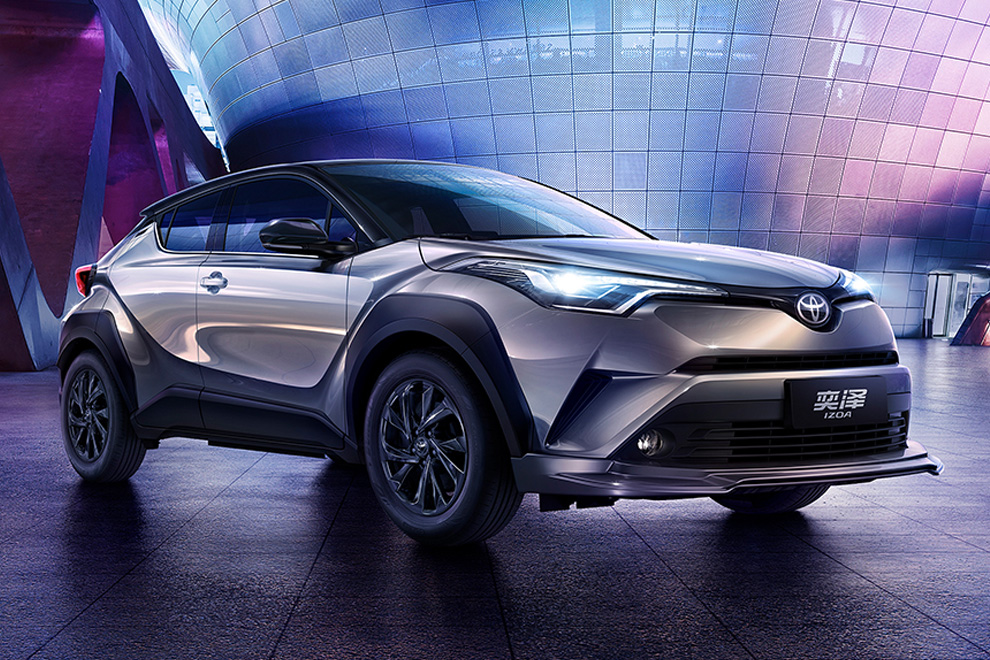
- The Toyota Izoa for export fits urban dealers and fleet buyers seeking a compact five-door crossover with conventional petrol refuelling.
- The export examples emphasize 2.0L gasoline Y-series trims, so engine and equipment must be verified for each unit.
- China V and China VI are domestic emissions labels, not substitutes for destination-market homologation.
- Use this Toyota Izoa export price guide to compare unit price, Incoterm and landed cost rather than a fixed benchmark.
- New Izoa units reduce wear uncertainty; used Toyota Izoa purchases need inspection, service-history checks and local age compliance.
- Confirm MOQ, payment, title, shipping and RHD availability in writing before paying a deposit.
Why the Toyota Izoa matters for export markets
The Toyota Izoa is a compact crossover for buyers wanting a practical Toyota SUV without moving into a larger class. Its export appeal is clear: the model combines a familiar Toyota badge, manageable footprint, five-door body and gasoline-powered versions suited to fleets that need simple refuelling. This positioning makes it relevant to urban dealers, regional distributors and company-car programmes where parking space, fuel use and maintenance planning matter as much as outright performance. It is not an off-roader or luxury flagship; its export case rests on everyday versatility and brand familiarity.
Demand for a China-sourced Izoa is strongest where the destination has a distributor-led compact-SUV segment but limited supply of an equivalent Toyota. Buyers can use it to broaden a range without importing a full-size SUV, while domestic Y-series naming gives access to several equipment levels. It is especially relevant to dealers serving mixed urban and regional roads, where a compact turning circle and passenger-and-cargo capacity matter more than maximum towing or track performance. Demand still needs local validation: strong Chinese-market recognition may not translate into strong residual-value data in the importing country.
That local-data point matters. The decision must account for servicing, parts, insurance and resale in the registration country. Toyota’s established brand can reduce perceived risk for fleet managers, but an importer still needs evidence of maintenance capability and a realistic handover plan. The Izoa therefore fits buyers who combine sourcing discipline with local preparation. Those willing to verify the exact vehicle, secure the paperwork and accept an initial ramp-up period may gain a compact crossover option; those requiring an immediately familiar global model with a deep parts network should look more carefully.
- Five-door compact crossover.
- Petrol fleet platform.
- Check local residuals.
Model range, trims and powertrain variants: how the lineup is structured and how to choose
The Izoa range should be read as a hierarchy of trim names rather than one interchangeable configuration. The 2.0L gasoline editions commonly listed for export include Yixiang, Yi Xiang, Yichi, Yidong, Yixing and CARE-labelled versions; some names identify China V or China VI emissions. Sport, sunroof and CARE wording may indicate equipment or branding differences, but a label alone does not tell an importer which safety, comfort or infotainment features are fitted. Start with the live unit’s specification, photographs and option list, then map those features to the fleet role.
Engine choice is the first practical filter. The 2.0L editions are prominent in export sourcing, so buyers can begin there, but should confirm displacement and output rather than infer performance from the badge. These 2.0L editions are gasoline-powered; battery capacity, charging time and electric range are irrelevant for these cars and should not be inferred from other Toyota electrified models. Automatic transmission, fuel type, drivetrain and emissions details should be verified for the specific listing. For a fleet, compare engine suitability, expected fuel consumption, service intervals and access to service parts.
Choose the trim by use case rather than a decorative-sounding name. A fleet managing company cars may prioritize durable upholstery, straightforward controls and servicing access; a distributor building a retail range may weigh sunroof, driver-assistance equipment, infotainment and appearance. China V and China VI designations are domestic emissions identifiers until the importing authority confirms otherwise. Likewise, CARE, Sport and other edition labels are not universal marketing equivalents abroad. Ask the seller for the equipment list, VIN or chassis identification, production date and service history, then compare the same equipment across units.
- 2.0L gasoline examples.
- Validate emissions labels.
- Compare equipment lists.
New vs used Toyota Izoa: how export inventory is structured and how buyers choose
New and used Izoa vehicles serve different buying strategies. A new Chinese-market example offers an unworn starting point and may be easier to present as fleet-ready, although its domestic equipment still needs assessment. A used example can make sense when the importer accepts normal wear, a known service history and future-repair risk, or when an existing vehicle must match a customer’s exact configuration. The important distinction is not simply age. It is whether condition, title, service records, emissions history and mechanical inspection support the intended use in the destination market.
Export inventory is organized around individual vehicle records, not generic model descriptions. A useful record identifies model year, trim or edition, engine, mileage where applicable, condition, photographs, chassis or VIN details, seller information and visible equipment. New units may carry showroom or delivery mileage; used units require closer scrutiny of wear, accident repair, tyres, fluids, 12-volt battery condition and maintenance stamps. Because one trim name can cover different equipment and condition, do not compare entries only by headline. Request a fresh inspection and document set; treat unclear discrepancies as reasons to pause.
The best choice depends on risk tolerance and speed of deployment. Dealers building a launch batch may prefer new units for consistent presentation, then introduce used examples later as their price architecture develops; fleet operators with a tight replacement timetable may accept a carefully inspected used car to ease acquisition pressure. Neither option is automatically compliant overseas. For either route, compare complete landed cost and expected downtime, not just the vehicle-side figure. Live availability changes, so confirm which units are available, their condition and the seller’s export terms before committing.
- New: lower wear risk.
- Used: inspect records.
- Confirm compliance either way.
How export pricing works: the factors behind a live listing price, and how to read one
Toyota Izoa export price is not a fixed model-level number. Model year, exact edition, engine, equipment, mileage and condition combine with exchange rates and freight. A live listing price represents the seller’s vehicle-side asking price for that unit, not the buyer’s final landed cost. Import duty, taxes, insurance, port charges, documentation, inland transport and compliance work may sit outside that figure. Two listings can therefore differ materially even when their names look similar. Treat the displayed amount as a starting reference and obtain a quotation showing what is included and what remains payable.
Read the listing as a specification document, not a price promise. Confirm year and production date, trim wording, engine, transmission, mileage or delivery distance, condition, photos, VIN or chassis number, documents, seller location, and whether the price is FOB, CIF or another Incoterm. Check whether the seller quotes one vehicle or a production allocation, and whether images, options and condition belong to that record. Ask the quotation to separate vehicle price, inland transport, export handling, freight, insurance and destination charges. This creates a consistent basis for comparing the Izoa with local rivals.
Price negotiation should follow evidence, not assumption. A buyer can strengthen a case by identifying a specification difference, a condition issue or a better Incoterm; asking for the lowest figure rarely clarifies what is included. Because exchange rates and port charges move independently of the car, preserve dated quotations and confirm currency or freight adjustments. Exact price and availability are shown per unit in the live ChinaCarDirect inventory, so use that page for current figures and request a refreshed quote before signing. A stale copied range is not a valid export budget.
- Price varies by unit.
- Landed cost differs.
- Request dated quotes.
MOQ, ordering and payment: single units vs consolidating a container
The minimum order quantity is a commercial term to confirm in the live listing and pro forma invoice. Some Izoa sellers may release one vehicle to a test buyer; others prefer multiples because they consolidate and export in batches. Do not assume either behaviour from the model name. State your destination, configuration and intended quantity early, then ask for the binding MOQ, allocation method and mixed-trim rules. If the live record omits the requirement, treat that as a point to clarify, not permission to place an order without written confirmation.
Single-unit purchasing suits a dealer testing demand, a fleet placing a limited replacement order, or a buyer securing a chassis and equipment combination. Its advantage is lower exposure to unsold stock and simpler consolidation; the trade-off is that the buyer may not receive the seller’s best terms and must absorb fixed logistics and compliance costs. Before paying, confirm that the seller will export that exact vehicle, that documents match its description, and that the delivery term remains available. A test order is sensible only when deposit, inspection and cancellation protections are documented.
Toyota Izoa wholesale purchasing works best when compatible units share a destination and sales plan, because consolidation can improve freight efficiency. Account for securing, insurance, chassis records and the risk that one unit’s paperwork delays the group. Decide whether to buy one trim for simpler aftersales or mix trims for retail segmentation, and obtain vehicle-level prices and show consolidation savings. Payment commonly follows a pro forma invoice, deposit, inspection or documentary release, and balance before shipment, but the sequence must be agreed in writing. Confirm title, export eligibility, payment security and dispute terms before sending funds.
- Confirm MOQ in writing.
- Batch freight can improve.
- Check title and payment.
Shipping, homologation and market compliance caveats: LHD/RHD and import rules by country
Left-hand drive versus right-hand drive is a check. Izoa examples sourced from China are commonly configured for left-hand-drive markets, while some importing countries require or strongly favour right-hand drive. Do not treat conversion as a preference: it can affect safety, electronics, instruments, warranty and type approval, while adding labour and parts cost. If a destination requires RHD, search live inventory for an RHD example first. If only LHD vehicles are available, ask a local conversion specialist and the relevant authority to assess feasibility before paying; a locally sold rival may be safer.
Homologation is country-specific. China V and China VI labels describe Chinese emissions categories; they do not automatically satisfy overseas approval rules. The importer may need to address VIN and type-plate records, emissions, lighting, safety equipment, noise, software and local requirements, followed by customs clearance, inspection and registration. Rules can depend on vehicle age, engine variant and whether used vehicles are permitted. Obtain an importability assessment from a customs broker or compliance specialist, and confirm the route in the pro forma invoice rather than relying on a statement that the car is exportable.
Shipping method and cost follow route and vehicle. Izoa units may move by roll-on/roll-off vessel, container or, in exceptional cases, air; quantity, dimensions, urgency, port infrastructure and cargo value influence the choice. Ocean freight suits batches but adds lead time and exposure to damage, moisture or corrosion; air freight can reduce transit time but is less economical for fleets. Arrange securing, export inspection, insurance and receiving checks. Transit time also depends on sailing schedules, inland connections, customs clearance and congestion, so obtain a route estimate and responsibility for each milestone.
- Check LHD or RHD.
- Validate local homologation.
- Use a compliance adviser.
Who should buy the Izoa — and who should pick a different vehicle
The Izoa is a sensible choice for a distributor or fleet buyer who values a compact, recognisable Toyota crossover and can manage the early stages of an import programme. It fits sales teams, regional travel, urban operations and moderate family transport, where a smaller footprint, five-door layout and petrol refuelling are priorities. It can broaden a dealer’s offer below larger Toyota SUVs without an immediate high-volume commitment. The strongest case is a market with a credible service plan, parts stocking and customers who accept Chinese-origin configuration and the handover process.
It is a weaker choice when operations depend on parts availability, residual-value confidence, seven-seat flexibility, heavy towing, serious off-road use or a model already covered by a mature local distributor network. Fleet managers should consider whether Chinese-market infotainment, driver-assistance features and service procedures meet local policy. A buyer needing one standard specification may find mixed Y-series equipment harder to reconcile, while an RHD-focused buyer faces a narrower search. Before ordering, calculate total cost per kilometre or per vehicle-month, including downtime, insurance, compliance and aftersales support rather than comparing only the vehicle-side quote.
A structured decision test prevents an attractive badge from leading to a poor import. List non-negotiable requirements first: legal destination configuration, seating and load needs, annual distance, safety policy, resale horizon and quantity. Test whether each candidate Izoa meets them and whether the seller can support handover. If candidates fail, compare locally sold rivals rather than compromising compliance or safety. If the Izoa passes, document the choice and the evidence behind each assumption. That record exposes the local assumptions and potential downtime that must be managed consistently after vehicles arrive.
- Suits urban fleet use.
- Weak for heavy workloads.
- Assess operating cost.
Main rivals and how the Izoa compares
The Honda HR-V is a relevant alternative for a buyer prioritising efficient packaging, a familiar global model and established local ownership. Depending on the destination, it may be easier to service and resell because it is sold through an established local channel. The Izoa counters with Chinese-market specification variety and the possibility of sourcing directly from China, but that advantage matters only if the importer can build compliance, parts and demand support around it. Choose the HR-V when local after-sales reach and immediate model familiarity outweigh the sourcing flexibility of an Izoa programme.
The Nissan Qashqai is a close benchmark for a conventional compact crossover, particularly where Nissan and Toyota have established dealer networks. Local-market versions can offer clearer residual-value evidence, standard equipment references and easier servicing than an imported China-only configuration. The Izoa may appeal when the buyer wants a Toyota product, specific domestic options or a batch sourced through ChinaCarDirect. Its case rests on sourcing fit and commercial structure, while the Qashqai’s rests more on local ownership familiarity. Availability and equipment differ by country, so compare actual models rather than global badges.
The Mazda CX-30 is useful when styling, driving character and a driver-focused compact-SUV experience matter. It can suit buyers wanting a model already positioned by an established importer, whereas the Izoa offers a pragmatic Toyota route and domestic-market features attractive to distributors. Neither should be chosen on badge alone: evaluate the same destination, safety equipment, service access, warranty, parts lead time and resale plan. The Izoa is most competitive when a buyer can manage import logistics professionally; the CX-30 is often the lower-risk retail choice where local distribution already solves those problems.
- HR-V: local familiarity.
- Qashqai: known ownership.
- CX-30: driver-focused choice.
Live Toyota Izoa export inventory
View all listings →Real units currently on ChinaCarDirect with per-unit asking prices and MOQ. Availability updates live from the catalogue.
How to buy a Toyota Izoa from China
-
1
Define the destination and operating requirement
Prepare a brief covering LHD or RHD requirements, road conditions, seating, load capacity, annual mileage, safety policy and the planned sales or fleet life. Separate mandatory legal requirements from preferred features before contacting sellers.
-
2
Verify Toyota Izoa specs and unit identity
Review the live inventory and request the year, trim, engine, transmission, equipment list, condition, photographs and VIN or chassis number for each candidate. Confirm that the listing represents the physical vehicle rather than a generic allocation.
-
3
Request a written landed quotation
Ask the seller to state the Incoterm and separate the vehicle price from inland transport, export handling, freight, insurance, duties, taxes and destination charges. Use dated quotations with an expiry or revision basis.
-
4
Complete compliance checks before paying
Ask a customs broker or local compliance specialist to review VIN records, emissions, lighting, safety equipment, vehicle age and LHD/RHD requirements. Do not treat China V or China VI as automatic overseas homologation.
-
5
Confirm MOQ, payment and title
Obtain the binding MOQ, allocation method, mixed-trim rules, deposit and balance schedule in a pro forma invoice. Confirm ownership, export eligibility, payment security and dispute terms before transferring funds.
-
6
Inspect and arrange transport
Use an independent pre-export inspection to verify condition, chassis identity and option consistency. Arrange export documents, securing, marine or transit insurance and the appropriate vessel, container or other transport method.
-
7
Plan arrival clearance and registration
Appoint a destination broker to handle customs, duties, taxes, inspection and registration. Inspect the vehicle after arrival, document any transit damage and establish a local parts and servicing plan before releasing it for use.
Izoa vs rivals
| Honda HR-V | A close compact-crossover alternative for buyers who prioritise established local service and resale familiarity. The Izoa is more compelling when direct China sourcing and specific domestic equipment levels fit the importer’s route to market. |
|---|---|
| Nissan Qashqai | A familiar global compact-crossover option with potentially stronger local ownership references in many markets. The Izoa offers a distinct Toyota route and may suit distributors seeking Chinese-market option levels and direct batch sourcing. |
| Mazda CX-30 | A close alternative for buyers who prioritise styling and a more driver-focused feel. The Izoa may be more practical for distributors focused on Toyota branding and domestic-market equipment, while local Mazda distribution can reduce import and service uncertainty. |
Frequently asked questions
How is the Toyota Izoa export price determined?
The displayed price is set for the specific vehicle and reflects factors such as year, trim, engine, equipment, mileage or condition, plus market and logistics considerations. It is not automatically the landed cost: ask for a dated quotation stating the Incoterm and separating freight, insurance, taxes, duties, port charges and inland transport. Current per-unit prices are shown in the live ChinaCarDirect listings.
What engine and range does the Toyota Izoa have?
The Izoa variants discussed here are gasoline models, and the common export trims use a 2.0L engine, so battery capacity, charging time and electric driving range do not apply. Confirm the exact engine, output, transmission and emissions version for the individual listing rather than inferring them from a trim name. The spec snapshot identifies which details remain listing-specific.
Should I buy a new or used Toyota Izoa?
New examples offer the cleanest condition baseline and a simpler launch presentation, while used examples can suit buyers comfortable with wear, prior repair and maintenance risk. Neither is automatically easier to import: age, title, service records, emissions and local rules still matter. Compare the inspected condition and complete landed cost for each live unit.
How does the MOQ work for Toyota Izoa orders?
MOQ is the seller’s commercial minimum, not a permanent model rule. Check the live listing and request the binding quantity, allocation method and mixed-trim conditions in the pro forma invoice. A single-unit test order may be possible where the seller accepts it; a batch order may improve freight efficiency but increases inventory exposure.
What determines Izoa shipping time and cost?
Shipping time and cost depend on quantity, route, vessel or carrier availability, port handling, inland connections, customs clearance, insurance and the Incoterm. Ocean transport is generally suited to batches, while faster modes can cost more; neither guarantees a fixed arrival date. Ask the forwarder or seller for a current route estimate and milestone responsibilities.
Can spare parts be obtained for an exported Toyota Izoa?
Confirm that the destination can service the exact Izoa model and obtain a parts list using the VIN or chassis number before shipment. Parts availability depends on the local Toyota network, model recognition and whether genuine or approved alternatives are acceptable. Stock fast-moving wear items and establish a lead-time plan for less common trim-specific components.
Is a right-hand-drive Toyota Izoa available for export?
Izoa units sourced from China are commonly left-hand drive, while some destinations require right-hand drive. Check the live listing for an RHD example; do not assume a conversion will be legally acceptable or cost-effective. Obtain advice from local conversion and compliance specialists before paying for an LHD vehicle intended for RHD use.
How do I order a Toyota Izoa from China?
Choose a live unit, request a written quotation and RFQ, verify documents and compliance, and confirm the binding MOQ, payment schedule and delivery term. After inspection, pay through the agreed secure channel and collect the vehicle, export, shipping and customs records needed for clearance. ChinaCarDirect can be used to review the live Izoa inventory and request a unit-specific quotation.
Ready to source the Toyota Izoa?
Request a unit-specific Toyota Izoa quotation from ChinaCarDirect and confirm the destination configuration, Incoterm, compliance route and payment terms before placing a deposit.
Request a quote