
Toyota Levin Export Guide for Overseas Dealers
Compare Toyota Levin trims, hybrid options and export pricing, then learn how overseas dealers verify availability, order units and arrange compliant shipping.
At a glance
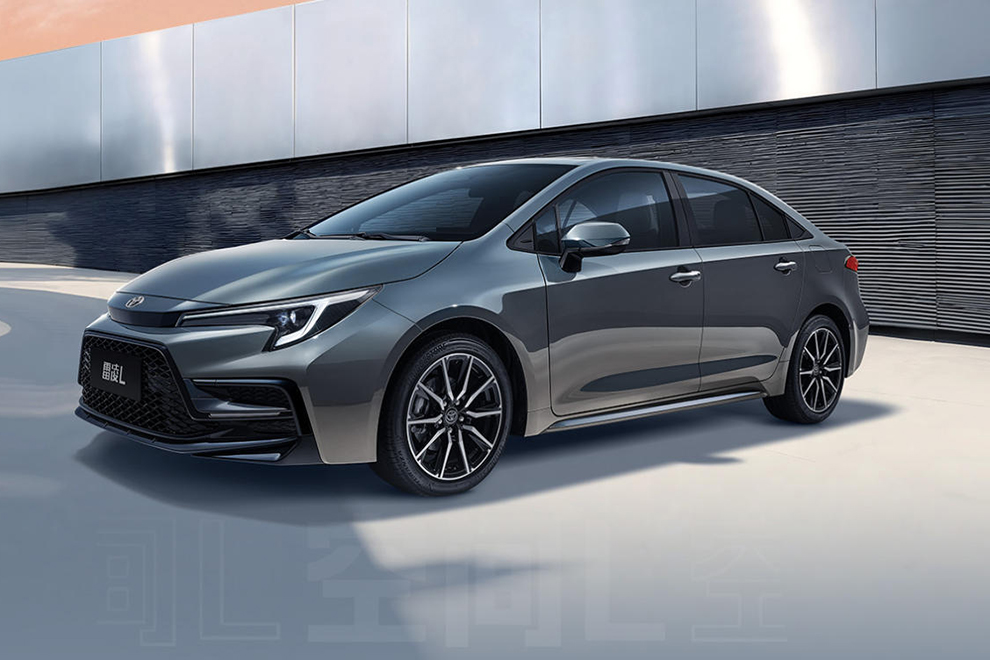
- The Levin is a compact four-door Toyota sedan offering conventional petrol CVTs and 1.8L hybrid alternatives.
- Trim choice should follow engine, gearbox, emissions marking, equipment and local tax treatment.
- Used examples can suit value-focused buyers, but condition, mileage, service history and hybrid battery health require close inspection.
- Export prices vary with model year, specification, condition, currency, freight and Incoterms; each live unit carries the current quote.
- Confirm MOQ, LHD or RHD status, destination compliance and landed cost before paying or booking shipment.
Why the Toyota Levin matters for export markets
The Toyota Levin occupies a practical middle ground in the compact-sedan export segment: it combines a familiar Toyota badge, a four-door body useful for passengers and luggage, and powertrain choices spanning conventional petrol CVTs and electrified 1.8L hybrid applications. For overseas dealers, that mix supports fleet sales, private buyers and company-car programmes without moving far outside the compact-car price tier. Its strongest export argument is therefore breadth of configuration rather than a single headline specification. Its domestic-market roots also mean buyers should scrutinise equipment localisation and destination-market certification before assuming every variant is interchangeable.
Global demand for compact sedans is driven by predictable operating costs, straightforward servicing and vehicles that remain practical on mixed roads. The Levin’s Toyota positioning can help reassure importers familiar with the brand, while its CVT and hybrid drivetrain themes offer alternatives for buyers prioritising convenience or fuel efficiency. Demand is not uniform, however: fleet managers may focus on duty cycles, private buyers may prioritise comfort, and distributors must judge resale prospects against locally dominant models. The right export proposition is thus not simply the lowest sticker, but a vehicle aligned with the importer’s customer mix, servicing network and realistic annual usage.
An overseas buyer should view the Levin as a platform with several distinct buyer propositions. The 185T CVT versions, for example, suit drivers who want a turbo-petrol character and conventional automatic convenience, while 1.2T, 1.5L, 1.6G and 1.8L variants address different price, performance and efficiency priorities. Hybrid versions extend the proposition for buyers seeking lower tailpipe emissions and improved efficiency, but they can involve greater servicing complexity and acquisition cost than a petrol car. Their suitability depends on local fuel prices, tax bands, fuel and electricity use, and expected resale. Compare the full hybrid package, including battery warranty terms and service requirements, not only the catalogue badge. Because China VI and China V labels may not translate directly into destination approvals, emissions and tax treatment also require local verification. That makes trim-level comparison, parts commonality and compliance work more important than choosing the model name alone when exporting.
Model range, trims and powertrain variants: how the lineup is structured and how to choose
The model range is organised around displacement, aspiration, transmission and equipment grade rather than one simple ladder. Listing names show 1.2T, 1.5L, 1.6G and 1.8L petrol applications, plus 185T CVT trims such as Luxury, Elite and Sport. TNGA Progressive, China VI labels and Smart Hybrid terminology further distinguish generation and specification. An importer should therefore match the exact Chinese trim name, not assume that two vehicles carrying the Levin badge are mechanically or materially equivalent. Confirming engine code, gearbox type, emissions marking and fitted equipment prevents a costly mismatch at dispatch and should be confirmed before contracting.
For petrol buyers, the decision starts with the intended duty cycle. The 185T CVT range offers a turbocharged route for buyers prioritising stronger performance feel and refinement, while the naturally aspirated 1.5L and 1.6G variants may appeal to fleets focused on straightforward operation. The 1.2T option offers another compact turbo choice. Exact output figures are not stated in the available model information, so buyers should request the live specification rather than infer power from the trim label. Engine output, torque, fuel-consumption ratings and homologated figures should be checked for the exact destination configuration.
Hybrid selection requires a more commercial calculation. The 1.8H E-CVT and Smart Hybrid 1.8L versions use an electrified drivetrain for buyers seeking lower tailpipe emissions and improved efficiency, often at a higher acquisition and servicing complexity than a petrol car. Their suitability depends on local fuel prices, tax bands, charging or electricity use, and expected resale. Compare the full hybrid package, including battery warranty terms and service requirements, not only the catalogue badge. Because China VI and China V labels may not translate directly into destination approvals, emissions and tax treatment also require local verification.
- Confirm engine, gearbox, emissions marking and exact trim.
- Compare hybrid warranty and battery support separately.
- Request live photos for every material equipment item.
New vs used Toyota Levin: how export inventory is structured and how buyers choose
Export inventory may include new cars from current or recent Chinese model years as well as used vehicles that entered the domestic fleet earlier. The distinction is commercially important: a new vehicle offers tighter model-year alignment and a clearer warranty path, while a used car can reduce initial acquisition cost and may suit a buyer comfortable with a known service history. Neither category automatically indicates better value; the correct comparison depends on depreciation, condition, documentation and the buyer’s ability to manage uncertainty. A disciplined inspection brief prevents the headline condition label from doing all the work.
Used Toyota Levin units commonly represent former fleet, company or rental cars rather than only privately owned vehicles. That can produce attractive mileage on some cars, but it may also mean intensive urban operation, repeated servicing, cosmetic wear or deferred maintenance. Buyers should request exterior and interior condition photos, odometer evidence, service records, tyre and battery condition, accident history, and a mechanical inspection. For hybrids, the traction-battery state of health and availability of diagnostic support deserve particular attention. Inspection should also confirm that the hybrid system, charging equipment and warning electronics operate correctly.
New inventory is generally more appropriate when consistency, warranty transfer and presentation matter, especially for fleet launches or dealership stocking. Used units become more attractive when the buyer’s priority is a specific configuration that is difficult to source new, when carrying out vehicles are acceptable, or when total landed cost is more important than factory condition. Compare like-for-like trims rather than mixing years and powertrains in one spreadsheet, because equipment, software, emissions documentation and repairability can change even when the model name remains the same within the destination market being sold.
- Inspect odometer evidence and service records.
- Check tyres, body condition and accident history.
- Assess hybrid battery health and diagnostics.
How export pricing works: the factors behind a live listing price, and how to read one
A Toyota Levin export price is not a fixed market rate. It is the result of several commercial variables interacting: model year, exact trim, petrol versus hybrid drivetrain, production specification, mileage and condition for used units, optional equipment, and the condition of the individual vehicle. Currency movements can also alter the displayed amount. A live listing price should therefore be treated as a vehicle-specific starting point for negotiation, not as a universal benchmark for every Levin. Open the current inventory, select the intended configuration, and verify what the quoted amount includes.
Buyers should read the listing as a set of commercial terms rather than a number alone. Check whether the displayed price is for the vehicle only, whether a unit carries a campaign price, and what documents accompany it. Then establish whether freight, insurance, export handling, port charges, customs duties, taxes and registration are excluded. For a true landed-cost comparison, convert each quote into the same destination, Incoterm and cost boundary, making sure one supplier’s complete offer is not being compared with another vehicle-only offer before asking for a firm quotation in writing.
The export price guide should be used as a method, not a dated price chart. Compare equivalent vehicles line by line and record what changes the quote: a facelift, a different edition, China V versus China VI marking, a hybrid battery version, mileage, paint condition, or delivery terms. Ask the supplier to identify any repair history, missing equipment, warranty limitation or pending payment that affects comparability. Current exact price, MOQ and availability for each unit are shown in the live Levin inventory and should be confirmed before budgeting or placing an order.
- Normalise all quotes to one Incoterm.
- Add freight, duty, tax and handling.
- Verify what the live vehicle quote includes.
MOQ, ordering and payment: single units vs consolidating a container
For dealers buying Toyota Levin from China, minimum order quantity is an important commercial field, but it should be checked on the selected live listing rather than inferred from the model. Some marketplace listings may support a single-unit purchase, while other shipments may involve a minimum batch, container consolidation or distributor quantities. A one-unit order can suit a test-car buyer or small importer; a larger programme may improve freight efficiency but increases exposure to mixed specification, slower stock rotation and more complex inspection requirements. The right MOQ is therefore operational, not merely promotional for that shipment; current terms must be read from the selected live listing before contracting.
Consolidating several units in one container can reduce per-vehicle freight and handling cost, but it should not be treated as a savings guarantee. The container may be shared, and savings can be offset by transport variance, destination charges, demurrage, detention, or a vehicle that is not ready when the booking closes. Ask for a written loading plan showing each vehicle’s model, VIN or chassis number, trim and condition. This prevents a preferred unit from being substituted and makes the handover record easier to audit against the purchase order and invoice for each vehicle.
A sound ordering sequence starts with a written specification, followed by a vehicle-level photo and document check, then a pro forma invoice that states the price, MOQ, payment schedule, Incoterm, delivery window and cancellation terms. Payment methods and timing can vary by supplier and transaction, so use the terms shown in the live quotation rather than relying on generic instructions. Before remitting funds, confirm in writing the beneficiary, documentary requirements, inspection rights, warranty scope and the process for resolving a mismatch between the agreed and delivered vehicle before the vehicle ships internationally.
- Check the MOQ on each selected listing.
- Match every loading slot to a VIN.
- Confirm payment milestones and refund terms.
Shipping, homologation and market compliance caveats: LHD/RHD and import rules by country
Chinese-market Levin vehicles are commonly encountered with left-hand drive, and the live export catalogue should be checked for right-hand-drive availability rather than assumed. A right-hand-drive conversion may be possible in some supply chains, but it adds cost, lead time and quality-control risk, particularly for safety, electrical and hybrid systems. A right-hand-drive market buyer should request photographs of the steering position and relevant model designation, then obtain a written conversion scope. If no genuine RHD or professional conversion option is available, reconsider the vehicle and sourcing route before paying a final balance.
Destination compliance must be assessed before dispatch, not discovered at the port. China V and China VI markings in vehicle names describe Chinese emissions generations, but they do not automatically satisfy another country’s type-approval, emissions, safety, noise or software requirements. The importing dealer or local authority should confirm registration eligibility, customs classification, duties, taxes, insurance and any model-year restrictions. Hybrid systems also need confirmation that local inspection and repair arrangements can support the powertrain safely and economically. Obtain professional advice from the destination’s customs broker or homologation specialist before contracting or booking freight.
Shipping method affects both cost and control. Ro-ro and enclosed-container arrangements have different handling characteristics, while consolidated LCL or shared-container services may improve efficiency for smaller orders but can increase transfer points. For a high-value fleet vehicle, a booked slot inside a container often simplifies security and damage responsibility. Freight quotations should state origin and destination ports, vessel or sailing schedule, insurance coverage, securing method, export documents, and whether charges include terminal, customs and destination handling. Transit duration is a variable, not a fixed promise; confirm any cut-off dates before booking.
- Verify LHD or RHD status before commitment.
- Check destination type-approval and tax rules.
- Price insurance, handling and destination charges.
Who should buy the Levin — and who should pick a different vehicle
The Levin is a strong candidate for overseas buyers who want a compact, four-door Toyota with a choice of petrol CVT and hybrid drivetrains, and who can support the brand locally. It works particularly well for mixed fleets where a sedan is more practical than a crossover and where buyers value predictable packaging over body-style drama. Dealers should also have a realistic plan for parts, diagnostics and hybrid servicing; a broad model range is an advantage only when the after-sales network can maintain it properly across the selected trim and region.
Private buyers may find the Levin attractive when they prefer a conventional sedan, want a broad equipment selection, and understand that China-market specification differs from familiar export trims. The hybrid can make sense where fuel efficiency and lower local emissions incentives matter, provided charging access, insurance and battery coverage are understood. It may be less suitable for buyers seeking a plug-in hybrid with long electric-only driving, or for markets where the exact hybrid system has limited service support. Confirm the hybrid warranty, battery support and local repair coverage before making a final decision.
Fleet buyers should also test the Levin against their own residual-value assumptions. A strong discount at acquisition does not create savings if the vehicle needs unfamiliar parts, misses service appointments or is difficult to remarket. Conversely, a Toyota-badged sedan with attractive fuel consumption can suit company-car users who value reliability perceptions and manageable dimensions. The Levin is less compelling for heavy-towing needs, rough off-road work or buyers requiring a large SUV, van or seven-seat layout. Match the body and powertrain to the task before comparing badges, purchase priorities and warranty assumptions.
Main rivals and how the Levin compares
The Toyota Corolla is the Levin’s closest conceptual rival because it occupies a similar compact-sedan position and is widely known to overseas buyers. Corolla can be the safer choice where Toyota dealer support, fleet familiarity and established hybrid resale channels are decisive. Levin has its own appeal through the variety of 185T, naturally aspirated and hybrid trims, but importing a China-market specification adds more market-specific planning. Choose Corolla for proven local recognition and Levin for configuration breadth and a deliberate China sourcing case where those differences are valued by the importer.
The Honda Civic is another credible rival, especially where the buyer values a more driver-focused sedan and has access to a mature Honda service network. Its local brand familiarity can shorten selling cycles and simplify parts planning compared with a less-established China specification. The Levin’s counterargument is its broad China-market trim structure and the possibility of obtaining a preferred configuration through direct export sourcing. Neither is automatically cheaper after freight, tax and compliance are included; compare delivered cost and operating cost on a like-for-like basis for the intended market rather than vehicle-only catalogue figures.
The Hyundai Elantra competes when fleet buyers prioritise a modern compact-sedan format, strong equipment value and efficient logistics from a large global manufacturing footprint. That can make it easier to source locally or through an established regional channel than a specific Chinese trim. The Levin remains relevant for buyers seeking Toyota branding, varied petrol and hybrid applications, and direct access to Chinese export inventory. The deciding factors should be local servicing, parts lead time, residual value and destination compliance, not badge preference after landed costs are included in the comparison carefully.
- Match Corolla and Civic on fleet support.
- Compare Elantra on equipment and sourcing.
- Include landed cost and residual value.
Live Toyota Levin export inventory
View all listings →Real units currently on ChinaCarDirect with per-unit asking prices and MOQ. Availability updates live from the catalogue.
How to buy a Toyota Levin from China
-
1
Define the destination and preferred specification
Confirm the country, steering position, body style, petrol or hybrid preference, acceptable emissions designation and the trim level required by your customers.
-
2
Review the live inventory
Open the Toyota Levin listings and check each candidate’s exact trim, model year, condition, photos, VIN or chassis details, current price, MOQ and availability.
-
3
Request documents and inspection evidence
Ask for registration documents, export paperwork, service history, accident information, odometer evidence and, for a hybrid, traction-battery health and diagnostic information.
-
4
Normalise the landed-cost quotation
Compare suppliers using the same Incoterm and cost boundary, itemising the vehicle, freight, insurance, export handling, port charges, duties, taxes and registration.
-
5
Confirm order and payment terms
Review the pro forma invoice, beneficiary details, deposit and balance schedule, inspection rights, warranty, cancellation terms and the process for resolving a vehicle mismatch.
-
6
Book and document the shipment
Agree the loading plan, VIN-to-slot matching, securing method, insurance, export documents, sailing window and responsibility for destination customs clearance.
Levin vs rivals
| Toyota Corolla | The Corolla is the closest global-market rival and often benefits from stronger local recognition and an established Toyota service network. Levin offers broader Chinese-market trim choice, including 185T and hybrid versions; select Corolla when local familiarity and parts simplicity outweigh that configuration benefit. |
|---|---|
| Honda Civic | The Civic is a strong alternative for buyers who prioritise a more driver-focused sedan, mature Honda support and straightforward local parts planning. Levin is more relevant when a specific Chinese-market configuration or direct export sourcing requirement outweighs the value of an established local model. |
| Hyundai Elantra | The Elantra competes through modern compact-sedan packaging, equipment value and established regional supply channels. Levin provides Toyota branding and more varied petrol and hybrid applications, while Elantra may be easier for some fleets to source and support locally. |
Frequently asked questions
How is Toyota Levin export pricing determined?
Each live quote reflects the specific vehicle and its model year, trim, petrol or hybrid configuration, battery version where applicable, mileage, condition, options and any campaign terms. Freight, insurance, export handling, exchange rates and the selected Incoterm can also change the final amount. Review the live Levin listings for the current unit price, then ask the supplier to itemise vehicle-only and landed costs.
Which Toyota Levin engines and transmissions are available?
The range shown in export listings includes 185T CVT petrol trims, 1.2T and 1.6G variants, a 1.5L TNGA CVT, and 1.8L hybrid versions using E-CVT or Smart Hybrid designations. Exact engine output, hybrid system output, battery capacity and destination-certified fuel figures are not uniform and should be checked on the selected live listing before ordering.
What are the main new versus used Toyota Levin trade-offs?
New cars generally provide clearer model-year alignment, factory warranty scope and presentation, while used units can offer lower acquisition cost and suitable configurations. A used unit demands stricter checks of mileage, service history, tyres, bodywork, accident history and, for hybrids, traction-battery health and diagnostics. Compare equivalent trims on a landed-cost and expected-resale basis.
How does the minimum order quantity work?
MOQ is transaction-specific rather than a universal Levin rule. A live listing may accept a single unit, while a distributor order or container consolidation may impose different quantities and conditions. Read the MOQ shown on the selected listing and confirm it in the pro forma invoice before paying a deposit or booking freight.
What determines shipping time and cost?
Shipping time and cost vary with origin and destination ports, sailing availability, vehicle count, container or Ro-ro method, transfer points, insurance, securing, export handling and terminal charges. A shared-container or LCL option can suit a small order, while a booked slot may simplify control for a larger consignment. The freight quotation should state the route, Incoterm, included charges and expected sailing window.
Are Toyota Levin spare parts readily available?
Parts availability depends on the exact Chinese trim and the importer’s local Toyota or hybrid-service network. Common wear items may be easier to support, while body parts, electronic modules, infotainment components and hybrid-specific parts can require longer sourcing. Confirm catalogue references, packaging, warranty terms and a realistic replenishment lead time before committing to a large fleet order.
Is right-hand-drive Toyota Levin availability confirmed?
Most China-market examples are left-hand drive, but genuine right-hand-drive availability must be confirmed in the live listing and in writing. A professional conversion may be possible, yet it can add cost, delay and technical risk. Do not assume a converted vehicle will satisfy local type approval until the importer or destination authority confirms it.
How do I order a Toyota Levin from China?
Start by defining the destination, steering position, body, powertrain and trim, then review the live inventory and request a vehicle-specific RFQ with photos, VIN or chassis details, documents, current price and MOQ. Normalise the quote to the same Incoterm and landed-cost boundary, then confirm payment milestones, inspection rights, warranty and cancellation terms before remitting funds. Finally, agree the loading plan, insurance, export documents and destination-clearance responsibilities.
Ready to source the Toyota Levin?
Send your destination, preferred powertrain, trim and required quantity through the RFQ form for a vehicle-specific export quotation and compliance checklist.
Request a quote