
Toyota Prado (import) Export Buying Guide
Buy a Toyota Prado (import) from China with expert guidance on trims, export pricing, MOQ, shipping, market compliance and rival models for dealers.
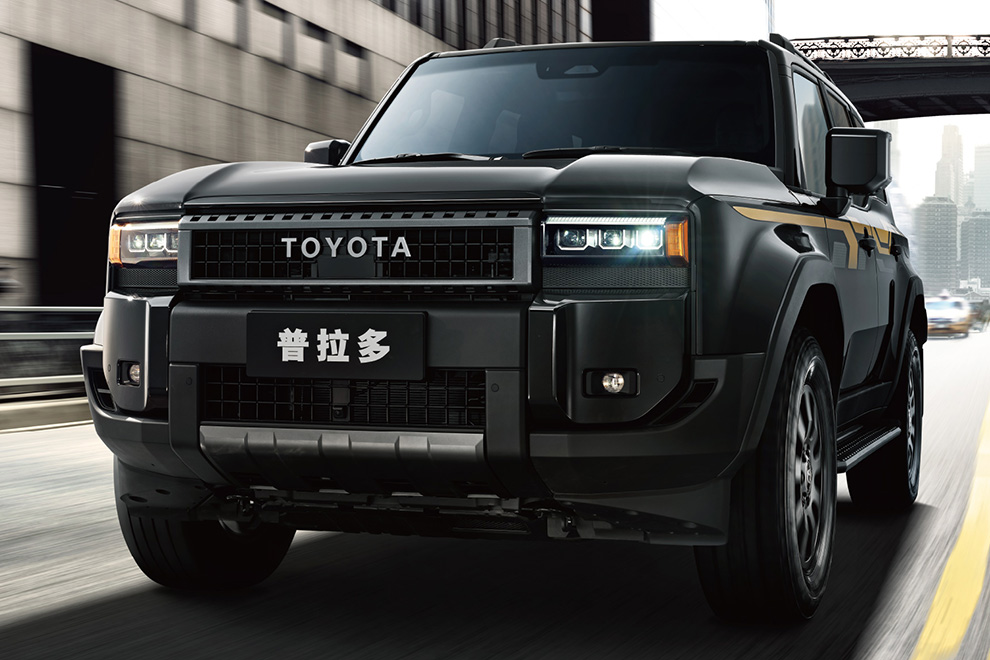
At a glance
- The Prado (import) targets fleet, NGO, construction and family buyers seeking a utility SUV with an automatic transmission.
- The line-up centres on 2.7-litre automatic grades, with a 4.0-litre VX branch and Standard, GX and Luxury positioning.
- Compare new and used units by condition, documents, service history and preparation needs rather than by category label alone.
- Live export pricing changes with model year, trim, engine, condition, exchange rates, freight, taxes and the Incoterm.
- Confirm steering side, destination homologation, parts support and landed cost before paying or booking freight.
Why the Toyota Prado (import) matters for export markets
The Toyota Prado (import) occupies a useful middle ground in export SUV purchasing: a rugged, utility-oriented platform combined with an automatic transmission, Toyota service expectations and equipment grades. For overseas dealers, that combination supports fleet, NGO, construction and family-resale programmes without moving into the smallest crossover class. The model is most relevant when the buyer values durability, road presence and configurable equipment more than urban efficiency, compact parking dimensions or the lowest acquisition cost. It also gives importers a broader brief than a bare commercial 4x4 without the bulk of specialist models.
Global demand for this nameplate is not limited to one use case. Government and humanitarian buyers value a body that can carry people, equipment and luggage over poor road surfaces, while private importers often focus on ride comfort, cabin equipment and long-term ownership confidence. In markets where Toyota parts and repair networks are established, the marque can reduce sourcing friction relative to an unfamiliar imported brand. That advantage still depends on local technician familiarity, parts stocking, support for the exact generation being bought, and workable warranty administration in that market.
Buyers should nevertheless avoid treating the Prado label as a promise of identical equipment in every country. Import versions may differ in engine tune, suspension, interior equipment, safety content and steering side, and a trim name alone does not confirm every item. The practical decision starts with the destination country and operating environment, then narrows to drivetrain, cabin capacity, fuel logistics and parts support. This approach turns the broad global appeal of the model into a defensible purchase specification rather than an assumption based on appearance or badge alone.
- Body-on-frame utility with automatic transmission.
- Relevant to fleet, NGO and family channels.
- Specification must match destination use.
Model range, trims and powertrain variants: how the lineup is structured and how to choose
The Toyota Prado (import) line-up is anchored by 2.7-litre petrol versions paired with an automatic transmission, with Standard, Standard Edition and Luxury configurations covering different equipment levels. The name GX is attached to a 2.7-litre automatic grade, while VX denotes the 4.0-litre branch. These labels are useful starting points, but they should not be treated as a universal equipment dictionary: exact options, axle or differential equipment, cabin features and steering side can differ by source vehicle. Request the unit-level specification before comparing two apparently similar trims before making a commitment.
For a commercial or fleet buyer, the 2.7-litre automatic model is usually the simpler procurement decision because it places emphasis on operating cost and familiarity rather than top-end performance. The 4.0-litre VX should be considered when buyers want the larger engine and higher-grade positioning, but the sensible comparison includes fuel use, availability of parts, insurance and whether the destination can support that specification. Neither engine choice removes the need to check local emissions rules. Since Prado units are combustion-powered, range planning depends on real-world fuel consumption and refuelling access, not battery capacity.
Trim selection should follow the people and equipment carried rather than a generic luxury preference. Standard grades may suit work fleets where uptime, easy replacement parts and lower specification complexity matter most. Luxury versions can suit executive, hospitality or premium family duties where cabin presentation and convenience equipment influence resale. The buyer should also check seat arrangement, luggage capacity, climate equipment, towing provisions, underbody condition and service history where visible. Those checks matter more than the trim badge because imported examples may have been configured for different markets and duties.
- 2.7L automatic: practical fleet default.
- 4.0L VX: larger-engine, luxury-led branch.
- Compare live unit specifications, not badges.
New vs used Toyota Prado (import): how export inventory is structured and how buyers choose
Export inventory should be read at unit level because condition, registration history and commercial status can vary even when the model and trim names match. A new designation normally means seller presents the vehicle as new, but this does not establish whether it is unregistered, ex-demo, parallel-imported or prepared for another market. A used Toyota Prado (import) may offer model-year choice or lower acquisition cost but brings wear, prior-repair and service-history questions. The correct comparison starts with the vehicle’s actual status, documents and declared condition, not the category label alone.
For a new or dealer-held unit, ask whether the odometer is consistent with its declared status, whether road tax and registration are current, and whether the seller can provide import and ownership documents without gaps. Also confirm whether the vehicle is intended for local registration, parallel import or re-export, because that changes the paperwork package and the eventual compliance burden. For a used unit, inspect tyres, brakes, suspension, fluids, glass, bodywork and electrical systems, and seek evidence of maintenance. A lower entry price is not value if downtime and parts uncertainty increase.
Dealers planning a Toyota Prado (import) wholesale programme should separate vehicle acquisition from preparation. Some units may be sale-ready, while others need transport preparation, inspection, cosmetic work, option installation or document regularisation. The same trim can therefore require different landed costs and lead times. Define an acceptance standard covering keys, tools, service records, electrical functions, paint, tyres and warning systems, and put it into the purchase contract. This is particularly important for used units, where a visual refurbishment can hide deferred maintenance and where unsupported options may be difficult to replace locally.
How export pricing works: the factors behind a live listing price, and how to read one
Toyota Prado (import) export price is not a fixed catalogue rate. It moves with model year, trim grade, engine version, mileage and condition, equipment, ownership-document status, supplier terms and the exchange rate used when the quote is issued. Freight, insurance, port charges, destination taxes and the chosen Incoterm can add materially different amounts to the final procurement cost. For an imported combustion SUV, the 2.7-litre and 4.0-litre versions should not be priced as equivalent merely because both are Prado models. A valid comparison starts from the live unit listing page.
When reading a live listing, separate the vehicle amount from the landed amount. Confirm whether pricing is FOB, CIF or another basis, what the seller includes and which charges remain with the buyer. Check engine, transmission, trim, steering side, condition, mileage where relevant, documents and required repairs. Do not infer compliance from photos. Request a written quotation identifying every charge and its validity period, especially if it will support retail pricing or fleet funding. The current, binding price, MOQ and availability for each vehicle appear in the live ChinaCarDirect listings.
Currency conversion needs equal attention because the quoted amount, bank fees and the buyer’s home-market budget may be exposed to exchange-rate movement. Dealers should preserve the original quote and reconfirm it before paying any balance. They should also model the total cost of ownership rather than chase the lowest headline figure: fuel choice, service intervals, tyre availability, insurance class and likely resale can outweigh an initial saving. This pricing method gives a buyer a clear audit trail and makes it easier to compare the Prado with alternative models on a landed, operational basis.
- Compare unit amount and landed cost separately.
- Confirm Incoterm, validity and omitted charges.
- Reconfirm currency before final payment.
MOQ, ordering and payment: single units vs consolidating a container
MOQ for a Toyota Prado (import) is a seller or transaction rule, not a promise about the model. Some suppliers will release one unit to an approved buyer, while others require several units, a mixed allocation or an agreed container plan. A single-unit purchase gives flexibility but may leave consolidation inefficient. A wholesale container can improve freight planning but increases capital exposure and the risk of the wrong mix. Confirm MOQ on the selected listing and in the pro forma invoice. Treat the written terms as controlling, not an informal sales promise.
Single-unit ordering suits a dealer testing demand, an importer building a mixed fleet, or a buyer needing a particular steering side and trim. Begin with buyer verification, specification confirmation, a written pro forma invoice, agreed payment method and balance terms. Before sending funds, independently verify the beneficiary, contracting entity and invoice references. Tie the balance to document readiness and inspection rights, not merely elapsed time. Include a refund or cancellation clause if the delivered vehicle materially differs from the accepted specification in the signed supply agreement and related payment terms.
For container consolidation, create a vehicle mix before asking for freight: target trim, engine, steering side, condition, colour and delivery window should be agreed first. The freight provider then needs the actual dimensions and weights, which must be taken from each unit rather than assumed for the model. Include spare-parts, document, protective and inspection requirements in the loading plan. Export packing can reduce damage and contamination risk, but it also adds handling and cost. The importer should decide which risks are transferred through the Incoterm and which remain with the buyer after arrival.
- Confirm MOQ on each selected listing.
- Tie final payment to inspection and documents.
- Plan the vehicle mix before booking freight.
Shipping, homologation and market compliance caveats: LHD/RHD and import rules by country
Shipping time and cost for a Toyota Prado (import) depend on origin and destination ports, sailing or road schedules, vehicle dimensions, available carrier capacity, fuel and handling charges, insurance and the Incoterm. Container or roll-on/roll-off transport may suit different buying patterns, while grouped consolidation can reduce per-unit handling when several vehicles move together. The vehicle must be secured correctly, and the booking must reflect its real dimensions and weight. Ask the forwarder for a shipment schedule, cost breakdown and insurance scope rather than relying on a generic transit estimate alone.
Steering side is a procurement gate, not a minor detail. The Prado (import) may be left-hand-drive or right-hand-drive depending on source, so availability cannot be inferred from the model name. A buyer needing RHD should state it in the RFQ, require it in the vehicle confirmation and reject a non-compliant substitute. Local rules may restrict steering configurations and separately govern imported age, emissions, safety equipment and registration. A vehicle can be mechanically suitable yet commercially unusable if its paperwork or steering side fails the destination regime or local permit rules.
Homologation should be handled before committing the vehicle to a route. Ask the importer or destination compliance specialist which approvals, modifications or supporting documents apply to that configuration and use case. Local rules may cover emissions, lighting, seat belts, child-seat anchorage, software restrictions, insurance classification, age limits and VAT or duty treatment. Used imports can face stricter age or evidence-of-condition tests than newer stock. Plan customs clearance, registration and inspection as separate steps, properly preserving original export, ownership, customs and conformity documents as importer records for audit and resale purposes.
Who should buy the Prado (import) — and who should pick a different vehicle
The Prado (import) is a strong candidate for buyers who combine people, equipment and occasional difficult-road travel in one vehicle. Fleet and NGO operators may prioritise durability, automatic transmission simplicity, luggage capacity and service familiarity, while family buyers may value ride refinement and luxury equipment. It suits importers seeking a body-on-frame SUV rather than a compact crossover. The fit weakens when the duty cycle is primarily urban fuel economy, low running cost, cargo payload or access to a newer electric drivetrain. An operating brief exposes whether its strengths are relevant.
Before ordering, rank non-negotiables: steering side, seat and load requirement, road surface, fuel availability, parts support, emissions status and budget for preparation. Then compare the 2.7-litre automatic with the 4.0-litre VX after those requirements are satisfied. A work vehicle carrying tools or emergency equipment may gain more from underbody condition, secure loading and uptime than from a luxury trim. Conversely, a buyer moving clients or a family over distances may justify climate, cabin and convenience equipment. This sequencing avoids paying for prestige features that do not improve the service outcome.
A different vehicle is better where the Prado’s size and traditional SUV architecture work against the mission. Urban fleets with kerbside use and tight parking may prefer a compact crossover; fleets focused on payload and fuel efficiency may prefer a purpose-built pickup or panel van; battery-electric buyers with charging may gain more from a modern EV. Importers without the right-hand-drive supply or parts support should not buy the wrong configuration and plan to modify it later. The alternative is the vehicle whose compliance, capacity and running economics meet the destination.
- Best for mixed passenger, load and rough-road duty.
- Prioritise compliance before trim preference.
- Choose alternatives for urban, payload or EV priorities.
Main rivals and how the Prado (import) compares
The Toyota-family alternative is the Fortuner, a pickup-derived SUV that competes on utility, automatic availability and fleet cost. Buyers accept a different cargo solution in exchange for a lower entry position or a work-oriented body, while Prado buyers tend to prioritise cabin refinement and the SUV-only layout. The Fortuner can be persuasive for commercial users who value the bed and positioning, but it may be less suitable where enclosed luggage capacity, rear-seat ambience or Prado-specific service familiarity is important. Compare the imported grades, not assumptions about which Toyota is more premium.
The Mitsubishi Pajero, sold under the Montero name in some markets, is a direct rival because it shares the traditional off-road SUV format and competes for work, government and family buyers. The Prado benefits from Toyota brand recognition and a service reputation, whereas Pajero sourcing may offer an equipment-and-price equation in selected markets. Neither model removes compliance, parts or resale risk, and the less common a configuration is in the destination, the more the buyer should scrutinise long-term support. Local fleet history can be as important as the vehicle badge.
The Ford Everest is relevant when the comparison expands to newer large family SUVs with passenger and luggage capacity. It can be a better fit for buyers prioritising three-row practicality, road presence and a newer model architecture, while the Prado import proposition suits buyers comfortable with an older imported generation and its established trim hierarchy. Everest availability, equipment and service support must be checked in the destination market, so comparison requires data on homologation, parts and resale. Ultimately, select on verified specification, landed cost and supportability rather than size alone.
- Fortuner: Toyota sibling with pickup-style utility.
- Pajero: direct traditional off-road SUV rival.
- Everest: larger, newer family-SUV alternative.
Live Toyota Prado (import) export inventory
View all listings →Real units currently on ChinaCarDirect with per-unit asking prices and MOQ. Availability updates live from the catalogue.
How to buy a Toyota Prado (import) from China
-
1
Define the destination specification
Record the destination country, steering side, engine and trim, seating and load requirements, fuel conditions and intended operating environment.
-
2
Review live Prado inventory
Compare current unit-level information in the live Toyota Prado (import) listings rather than relying on a general model summary.
-
3
Request an itemised landed quote
Ask for the vehicle amount, freight, insurance, taxes, port charges, Incoterm, payment schedule and quotation validity.
-
4
Verify condition and documents
Confirm ownership and import documents, registration status, odometer consistency, service history, physical inspection and the agreed acceptance standard.
-
5
Agree the pro forma and payment terms
Ensure the invoice identifies the exact unit or agreed mix, contracting entity, beneficiary, deposit and balance, inspection rights, cancellation terms and document conditions.
-
6
Arrange export and transport documents
Pay only through the verified contracting entity and agreed method, then obtain the commercial invoice, export declaration and transport documentation.
-
7
Book freight and complete local compliance
Confirm actual dimensions and weight, secure transport, insurance, customs, registration, homologation, steering-side requirements and destination inspection procedures.
Prado (import) vs rivals
| Toyota Fortuner | The Fortuner is a closer Toyota-family alternative for buyers wanting pickup-style utility or a different body layout. It can suit commercial users, while the Prado generally offers a more SUV-focused cabin and luggage solution. |
|---|---|
| Mitsubishi Pajero / Montero | The Pajero is a direct traditional off-road SUV competitor for fleet, government and family use. Toyota recognition and local service support may favour the Prado, but Pajero availability and pricing should be evaluated on the same landed basis. |
| Ford Everest | The Everest is a stronger option for buyers prioritising a newer large family SUV and three-row practicality. The Prado import proposition may suit buyers seeking its established trim hierarchy and lower-cost imported configurations. |
Frequently asked questions
How is Toyota Prado (import) export pricing determined?
Toyota Prado (import) export pricing reflects the selected vehicle’s year, trim, engine, condition, mileage where relevant, equipment and document status. Supplier terms, exchange rates, freight, insurance, port charges, destination taxes and the Incoterm can change the landed total. Review the current live ChinaCarDirect listings for the binding per-unit price rather than relying on a general model estimate.
Where can I see the current price, MOQ and availability?
The current per-unit price, MOQ and availability are shown on the live Toyota Prado (import) listings. These commercial terms can change with the unit and seller conditions, so request a written quote before budgeting or paying. The quote should state its validity, currency, Incoterm, included charges and destination costs outside the seller’s scope.
Which engines and powertrains are available?
The line-up centres on 2.7-litre petrol Prado versions paired with automatic transmissions, including Standard, Standard Edition, GX and Luxury grades. A 4.0-litre VX represents the larger-engine branch. These are combustion vehicles, so buyers should plan range around usable fuel consumption and refuelling access, and verify the exact engine, transmission, drive system and steering side on the unit listing.
Are new and used Toyota Prado (import) units worth comparing?
New or dealer-held units can reduce wear-related uncertainty, but the buyer should still verify odometer, registration, documents and preparation. A used Toyota Prado (import) may provide a different model-year and equipment choice, yet may require more inspection, maintenance or refurbishment. Compare accepted condition, history and total operating needs rather than category labels.
How does MOQ work for a Prado order?
MOQ depends on the seller, listing and purchase arrangement. A single-unit order may suit a trial or mixed fleet, while a wholesale container requires an agreed vehicle mix and more capital. Confirm the applicable MOQ in the live listing, quotation and pro forma invoice before allocating funds.
What affects shipping time and cost?
Shipping time and cost vary with origin and destination ports, carrier schedules, vehicle dimensions and weight, handling method, fuel, insurance and Incoterm. Consolidation can affect both freight efficiency and vehicle selection. Obtain a shipment-specific quote and schedule using the confirmed unit dimensions rather than a generic route estimate.
Can spare parts be ordered with the vehicle?
Spare-parts support should be checked before purchase, using the vehicle’s exact model and engine details. The seller may be able to include commonly requested parts, but buyers should confirm part numbers, condition, packaging and shipping treatment rather than assuming a generic service pack covers everything. Local Toyota or specialist support may shorten repair downtime if the imported configuration is well supported.
Is RHD available, and how should I order?
Right-hand-drive availability depends on the source vehicle and cannot be inferred from the Prado name. State RHD, destination, trim, engine and quantity in the RFQ, require the steering side on the written confirmation, then order against the selected live listing or agreed supply terms. Do not pay or book freight until the configuration and compliance position are confirmed.
Ready to source the Toyota Prado (import)?
Send your destination, steering-side requirement, specification and quantity to ChinaCarDirect for a live unit-level quote and RFQ.
Request a quote