
Toyota Previa Export Buying Guide for Wholesale Buyers
Compare Toyota Previa trims, engines and export pricing, then learn how overseas buyers assess condition, MOQ, shipping, compliance and live listings.
At a glance
- The Toyota Previa is a seven-seat petrol minivan suited to shuttle, group-travel, hotel, airport and family use.
- Toyota Previa specs include 2.4L and 3.5L petrol engines, with Standard and Luxury equipment grades.
- New and used examples require different document, condition, maintenance and residual-value checks.
- Export pricing depends on vehicle attributes, exchange rates, freight, insurance, Incoterms and destination charges.
- Check current per-unit prices, MOQ and availability in ChinaCarDirect’s live Previa listings before budgeting.
Why the Toyota Previa matters for export markets
The Toyota Previa occupies a useful middle ground between a passenger van and an SUV. Its seven-seat minivan format is designed around passenger access, a flexible cabin and the ability to switch between moving people and carrying luggage or cargo. That makes it relevant to airport and hotel shuttles, tour operators, executive fleets, dealerships and family-import buyers. For overseas markets, the appeal is not novelty but a proven Toyota-badged package that can serve several passenger-and-luggage roles without moving up to a much larger commercial van. Its value should be judged against operating and import costs.
Demand for the Previa is strongest where buyers need passenger capacity more than off-road capability or commercial load carrying. Across Asia, the Middle East, Africa, Latin America and other import markets, seven-seat MPVs can suit airport transfers, group travel, staff transport and household use. The vehicle mix sold under the Previa name varies by region and production year, so buyers should not assume that a Chinese-market listing matches a familiar home-market model. Steering configuration is an especially important sourcing criterion in right-hand-drive markets; confirm it before paying any final balance.
For an export buyer, the Previa’s strengths are packaging, familiar branding and a choice of two engine families. The trade-offs are equally important: it is a people carrier rather than a rugged utility vehicle, the rear seating may not suit every fleet duty, and equipment can differ sharply between “Luxury” and “Standard” descriptions. A disciplined purchase starts with passenger count, daily mileage, luggage volume, local fuel availability and service coverage before comparing stickers or reserve vehicles. Current Previa availability and per-unit terms should be checked in live listings rather than assumed from an older catalogue.
- Seven-seat shuttle specialist.
- Verify steering and compliance.
- Compare engine and equipment.
Model range, trims and powertrain variants: how the lineup is structured and how to choose
The export-facing Previa line-up is organized around a seven-seat body, two petrol engine displacements and different equipment grades. The names visible in export listings include 2.4L 7-Seater Standard Edition, 2.4L 7-Seater Luxury Edition, and 3.5L versions described as Luxury Version or Luxury Model. These labels are useful for initial screening, but they are not a substitute for the vehicle’s build sheet. Production year, market origin and equipment revisions can change what a seller means by “Luxury,” so compare the exact listing, photographs, options, identification numbers and any stated equipment omissions in writing.
Buyers focused on operating economy and engine-service cost will often start with the 2.4L option, while the 3.5L provides a larger-capacity alternative for buyers who want more performance reserve. Displacement alone does not establish consumption, acceleration, towing capacity or payload, because those results depend on the vehicle, test cycle, condition and load. Compare the seller’s stated fuel-consumption figures, then ask for service records and information about local fuel and parts availability. Where a destination taxes vehicles by engine size or classifies them differently for insurance, obtain a landed-cost assessment rather than extrapolating from another market.
Standard and Luxury versions should be evaluated by equipment rather than by the badge alone. Ask whether climate-control equipment, infotainment, reversing aids, seat materials, safety assists and convenience features are fitted and functional; the seller should also identify omissions or repairs. For fleet use, prioritize durable flooring, easy-clean upholstery, service access and the practicality of the seven-seat arrangement over cosmetic upgrades. A private buyer may place more weight on ride comfort, luggage space and driver assistance. The best choice is the documented vehicle that meets the operating brief, not automatically the highest-sounding trim.
- 2.4L or 3.5L petrol.
- Seven-seat layouts throughout.
- Verify trim equipment.
New vs used Toyota Previa: how export inventory is structured and how buyers choose
An export catalogue for the Previa can contain vehicles presented as new and used examples from earlier production periods. A “new” label describes the seller’s inventory status; it does not prove first registration, import eligibility or a factory-fresh operating history. This distinction matters because fleet buyers and private importers place different value on low use, uniform specification and predictable presentation. Begin by reading each live listing’s condition wording, then ask for registration documents, production or first-registration dates and an explanation of how the vehicle was stored or used before shipment preparation.
For a vehicle presented as new, verify the odometer reading, manufacturing and registration dates, invoice, VIN, equipment list and any prior fleet or demonstration use. A Previa may have been prepared for export while remaining unregistered, or it may have a complicated status; the documents and seller explanation establish which case applies. Inspect paint, panel alignment, tyres, underbody and interior condition as carefully as a used purchase. Ask whether the battery, fluids, belts, tyres and service intervals are current. A low-use description is valuable when the records and inspection agree.
Used Previa purchases call for a different risk assessment. Higher mileage can be acceptable for a shuttle vehicle if the engine, automatic transmission, suspension, brakes, air conditioning and sliding-door systems are maintained, but maintenance evidence should be traceable rather than assumed. Inspect for accident repair, corrosion, fluid leaks, overheating signs, irregular starts and mismatched wear. A workshop report and service history can justify a lower acquisition point, but a cheap vehicle can become expensive if fuel-system, cooling or transmission work is deferred. Compare total repair and downtime cost with a better-documented alternative.
- New: verify registration.
- Used: verify service history.
- Check VIN and mileage.
How export pricing works: the factors behind a live listing price, and how to read one
A Previa export price has several layers, not a fixed model-level rate. The vehicle’s year, trim, 2.4L or 3.5L engine, mileage, condition, history and equipment all influence its asking value. Market conditions add exchange-rate movement, supplier margin, inspection, documentation, inland transport, freight, insurance and destination-side charges. The Incoterm also changes what the quoted amount includes. A buyer comparing two offers should identify vehicle attributes first and check whether both quotes use the same commercial boundary. Treat the vehicle price and landed cost as separate lines until the seller clarifies them in writing.
When reading a live listing, look beyond the headline amount and identify what it represents: the vehicle alone, an export-ready vehicle, or a package that includes transport and documentation. Check the stated currency, whether the seller accepts that currency, the Incoterm and named place, the validity period, and which costs are excluded. Taxes, customs duty, registration, port handling, storage, inland delivery, insurance and inspection can otherwise turn the lowest visible amount into the highest landed cost. Ask for a written quotation with these items separated so the buyer can compare like with like.
Live prices are decision inputs, not future values or binding terms until confirmed in a quotation or pro forma invoice. A comparison should normalize currency, exclude or include the same services, and account for the vehicle’s condition rather than comparing a used example with a higher-grade one. Ask whether the amount changes after inspection, whether the quote remains valid, and who bears charges if the vehicle does not match the description. Live per-unit prices and availability appear in ChinaCarDirect’s Previa listings; treat them as current, then record the confirmed quote and terms in writing.
- Compare quote scope.
- Separate vehicle and landed costs.
- Use live unit prices.
MOQ, ordering and payment: single units vs consolidating a container
MOQ is a term set for each vehicle or seller and should be read from the listing rather than inferred from the model. Some offers can be arranged for one vehicle, while others may be structured around a batch or container quantity. A single-unit purchase lowers exposure and lets a buyer test the model before scaling, but spreads freight over fewer vehicles. Consolidation can improve economics for a dealer or fleet, yet increases capital, storage, unsold-stock and re-marketing risk. Wholesale buyers should confirm the minimum for a selected unit and ask whether configurations can share a shipment.
The ordering process should be controlled through a shortlist rather than a promise. Select candidate vehicles in live inventory, send the RFQ with destination, trim, engine, quantity and Incoterm requirements, and ask the seller to confirm unit identifiers, condition, documents and commercial terms. Request a pro forma invoice stating the vehicle, price, payment schedule, delivery scope and validity. If the order includes units, approve each against the same inspection and documentation criteria. This avoids treating a mixed batch as homogeneous and makes it easier to isolate a vehicle that does not meet the agreed specification.
Payment security depends on the transaction’s risk and the milestones agreed with the seller. The written agreement should identify the beneficiary, deposit and balance conditions, inspection right, document release, shipping deadline and treatment of a failed inspection; payment methods and schedules vary. Verify the beneficiary against the seller entity and retain every invoice, inspection report and communication. Releasing the balance before inspection or confirmation of required export documents creates avoidable exposure. An independent inspection and a clear contractual remedy are especially valuable for a used Previa, where concealed condition problems are harder to correct after loading.
- Read each listing’s MOQ.
- Use a formal invoice.
- Inspect before final payment.
Shipping, homologation and market compliance caveats: LHD/RHD and import rules by country
Previa shipping can move as a complete vehicle by roll-on/roll-off vessel, in a container, or through a consolidated cargo service, depending on the unit and the offered logistics. The relevant variables include route and transshipment points, port congestion, vessel space, vehicle dimensions and weight, securing equipment, insurance, fuel surcharges, customs clearance and destination delivery. Accurate dimensions and weight should come from the live listing or vehicle identification documents rather than memory. Any unusual repair, roof modification or missing standard equipment should be disclosed early because it can affect securing, inspection or the carrier’s acceptance.
Steering configuration is a sourcing issue, not a cosmetic preference. Buyers in right-hand-drive countries should identify whether a suitable RHD Previa is available, because an LHD vehicle may be more straightforward to import in some destinations but harder to register, insure or resell in others. A steering conversion can affect safety, homologation, warranty and value, so it should never be treated as an automatic solution. State the required side in the RFQ and verify the photographed dashboard, VIN details and registration papers. Where both sides are legally accepted, compare driving familiarity, parts support and expected resale demand.
Import and market compliance must be checked before payment, not after arrival. Depending on the destination, authorities may impose vehicle-age limits for used imports, emissions or safety rules, VIN and document requirements, customs valuation, duties, taxes, insurance, registration fees and type approval. Chinese-market equipment fitted to a Previa may differ from what a destination expects, and used vehicles can face tighter age or emissions treatment. Ask the importer or customs broker to review the VIN and specification against rules, and confirm which party handles compliance. No marketplace listing should be treated as automatic approval for a country.
- Specify LHD or RHD.
- Check local import rules.
- Confirm compliance first.
Who should buy the Previa — and who should pick a different vehicle
The Previa is a strong candidate for a buyer who prioritizes seven-seat flexibility, a Toyota service proposition and a vehicle that can alternate between passenger and luggage duty. It is relevant to shuttle operators, hotels, tour groups, expatriate households and small fleets that need more seats than a sedan without moving into a full-size van. The seven-seat layout can suit buyers carrying both passengers and bulky luggage. For a commercial operator, payload, duty cycle and local repair support matter more than family appeal. A route, load profile and service plan should therefore precede trim selection.
A different vehicle is better when the mission requires modern crash-safety and driver-assistance technology, battery-electric efficiency, a higher commercial payload, compact city maneuverability or off-road use. Older Previa examples may be difficult to support where the model has a small dealer network or replacement parts are slow to arrive. Buyers needing a plug-in hybrid or zero-emissions vehicle should not treat petrol efficiency as a substitute. Families should compare sliding-door access and third-row space with the latest minivans, while budget buyers should include repair and downtime in the decision. The Previa makes sense only when its strengths outweigh age-related compromises.
A comparison uses total cost of ownership over the time the vehicle will remain in the fleet. Include acquisition, financing, freight, duty, registration, fuel, insurance, maintenance, tyres, downtime and resale, then test each option against the passenger and luggage requirement. The Previa’s advantage may be strongest for an importer familiar with the model, a repair shop that can service it, and a market where used minivans have demand. If support conditions are absent—or safety and technology requirements have moved sharply—selecting a newer rival may reduce risk. Local inspection and registration advice beats generic model rankings.
- Best for passenger fleets.
- Weak fit for off-road.
- Compare ownership costs.
Main rivals and how the Previa compares
The Honda Odyssey is the closest conceptual rival: a large family MPV designed around passenger space, sliding-door access and family or fleet use. Compared with the Previa, an Odyssey available in the buyer’s market may offer a newer generation, more contemporary safety technology and a broader selection of current drivetrains, but those benefits can bring higher acquisition and maintenance costs. The Previa can be attractive when a well-supported example fits the budget and its simpler buying proposition is preferable. Match seating configuration, cargo volume, service history and steering side rather than comparing model names or badges.
The Kia Carnival, including the related Sedona name used in some markets, competes through a spacious minivan layout and family-focused practicality. Later examples can bring newer cabin technology and contemporary road manners than an older Previa, while the Previa may offer a straightforward used-vehicle selection and potentially lower entry costs. That does not make the comparison automatic: compare the generation, engine, condition and local parts support. The Carnival suits buyers prioritizing a newer family MPV; the Previa can suit operators whose priority is seven-seat utility and manageable ownership.
The Chrysler Grand Caravan is another direct North American minivan competitor, with strong recognition among family and group-transport buyers and a historical parts ecosystem in some markets. It generally emphasizes a large cabin and flexible passenger-and-cargo arrangement, much like the Previa, but age, trim and equipment can make two examples very different propositionally. A Previa may suit buyers seeking a Toyota-badged vehicle with global familiarity; a Grand Caravan may offer a different equipment mix and local support. Choose through condition, total cost, parts access and destination-market suitability rather than an assumed brand hierarchy.
- Odyssey: newer technology.
- Carnival: modern alternative.
- Grand Caravan: regional support.
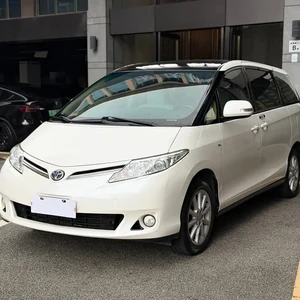
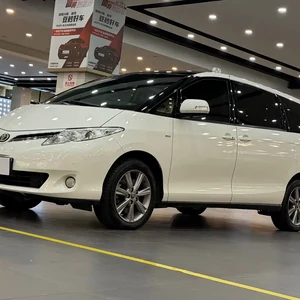
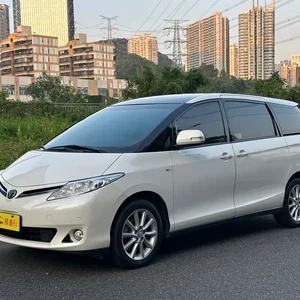
Live Toyota Previa export inventory
View all listings →Real units currently on ChinaCarDirect with per-unit asking prices and MOQ. Availability updates live from the catalogue.
How to buy a Toyota Previa from China
-
1
Define the operating brief
Record the destination, passenger capacity, luggage volume, daily mileage, fuel requirements, service coverage and required steering configuration before selecting a vehicle.
-
2
Review current inventory
Buyers looking to buy a Toyota Previa from China should filter the live listings by engine, trim, condition and location, then shortlist units that fit the brief.
-
3
Verify every candidate
Confirm the VIN, production or registration status, odometer, exact trim, equipment list, service history and disclosed condition against the seller’s records.
-
4
Request comparable quotations
Send an RFQ stating the destination, quantity, Incoterm and required services. Ask the seller to separate vehicle, freight, insurance, documentation and destination charges.
-
5
Inspect before approval
Use an independent inspection for a used example, covering the engine, transmission, cooling system, air conditioning, sliding doors, brakes, suspension, underbody and accident repair.
-
6
Confirm MOQ and payment terms
Read the minimum order for each selected listing and request a formal pro forma invoice. Verify the beneficiary, inspection rights, payment milestones and document-release conditions.
-
7
Complete compliance and shipping
Have the destination importer or customs broker confirm age, emissions, safety, registration and import requirements. Then finalize the carrier, route, insurance, Incoterm and delivery plan.
Previa vs rivals
| Honda Odyssey | The Odyssey competes directly in the large family-minivan segment and may offer newer safety technology and more contemporary drivetrains in some markets. The Previa can be a more straightforward purchase for buyers prioritizing established Toyota familiarity and manageable ownership. |
|---|---|
| Kia Carnival | The Carnival provides similar seven-seat family practicality, often with newer cabin technology in later examples. Choose between the Carnival and Previa using the actual generation, condition, equipment, parts support and destination-market resale prospects. |
| Chrysler Grand Caravan | The Grand Caravan is a close North American minivan rival with strong regional recognition and an established parts ecosystem in some markets. The Previa may suit Toyota-oriented importers, while Grand Caravan availability can be stronger in markets with deeper Chrysler support. |
Frequently asked questions
How is Toyota Previa export pricing determined?
Export pricing combines the vehicle’s year, trim, engine, mileage, condition and equipment with exchange rates, freight, insurance, documentation, destination charges and the agreed Incoterm. A visible listing amount may not include every landed cost, so ask the seller to separate them. Current per-unit prices and availability are shown in the live Previa listings on ChinaCarDirect; only the confirmed quotation or pro forma invoice is binding.
What engine and range does the Previa have?
The export versions represented here use 2.4L and 3.5L petrol engines, normally paired with an automatic transmission; confirm the exact unit in the live listing. They are not battery-electric vehicles, so battery capacity, charging time and electric range do not apply. Fuel consumption and performance depend on the precise version, condition, load and driving cycle.
Should an overseas buyer choose a new or used Previa?
A vehicle presented as new should come with clear registration, production, invoice and mileage records, plus an inspection confirming its physical condition. A used Previa may offer lower acquisition cost and established depreciation, but buyers should examine service history, accident repair, rust, cooling, transmission, air-conditioning and sliding-door condition. Choose from evidence: the better-documented vehicle that meets the budget and operating plan is usually the stronger purchase.
How does MOQ work for Toyota Previa orders?
MOQ is seller- and vehicle-specific rather than a fixed rule for the model. Read the minimum shown on the current listing, then ask whether the seller will accept one unit or combine several Previa configurations into a batch or container. Consolidation can spread freight more efficiently, but it also increases capital, storage and unsold-stock exposure.
What determines shipping time and cost from China?
Shipping time and cost depend on origin and destination ports, vessel or consolidated-cargo schedules, transshipment, port congestion, vehicle dimensions and weight, securing, insurance, fuel surcharges, customs clearance and inland delivery. Quoted transit time is not a delivery guarantee because compliance and terminal handling can add time. Ask for the route, Incoterm, charge inclusions and the latest milestone plan in writing.
Can buyers obtain Previa spare parts and service support?
Parts and technician availability vary by destination, so confirm support for the selected engine and model before committing. Ask for the VIN, engine code and exact trim when requesting quotations, and verify common wear items such as brakes, filters, belts, suspension parts and air-conditioning components. A vehicle with accessible local Toyota service is generally easier to own than one dependent on cross-border parts delivery.
Is right-hand-drive Previa availability for export?
Do not assume that a Previa offered for export has the steering configuration required by the destination. RHD availability can change by source vehicle and market, so state the required side in the RFQ and verify dashboard photographs, VIN and registration documents. A conversion may affect safety, homologation, insurance and resale value, so local approval should come before any commitment.
How do I order a Toyota Previa through ChinaCarDirect?
Start with the live Previa listings, shortlist suitable units, and send an RFQ stating destination, engine, trim, quantity, steering requirement and preferred Incoterm. Review the pro forma invoice, inspection terms, payment milestones and delivery scope before approving. Then complete destination-specific compliance and shipping arrangements; exact price, MOQ and availability must be confirmed for the selected unit.
Ready to source the Toyota Previa?
Send your destination, configuration and required quantity to ChinaCarDirect for a current Toyota Previa export quote.
Request a quote