
Toyota Vellfire Export Buying Guide for Overseas Dealers
Compare Toyota Vellfire trims, hybrid choices, export pricing, MOQ, shipping and compliance, then review live listings for current unit quotes.
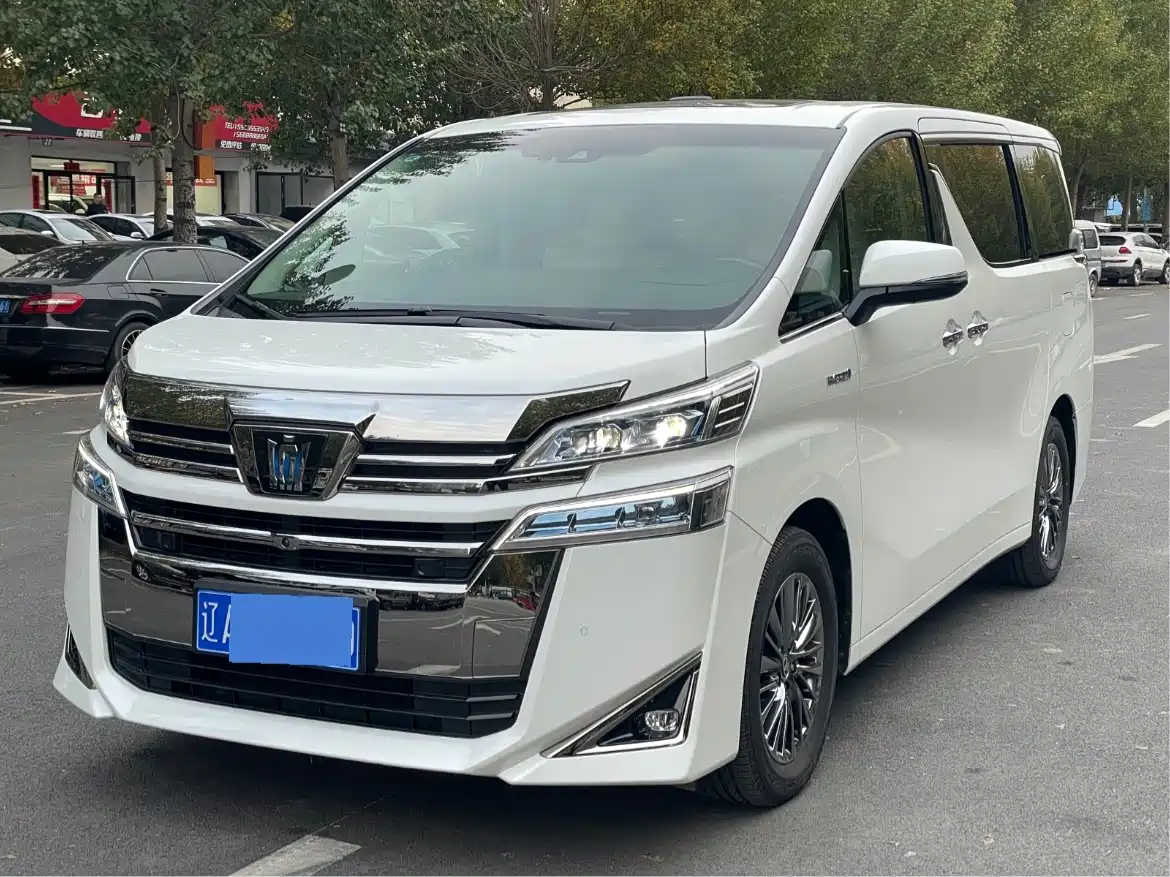
At a glance
- The Toyota Vellfire is a premium, multi-row MPV suited to passenger comfort, executive transport, hospitality fleets and family use.
- Its 2.5L gasoline-electric hybrid powertrain supports efficient operation without requiring plug-in charging infrastructure.
- Grade selection should follow confirmed equipment, drivetrain and destination-market demand rather than edition names alone.
- New and used Vellfire purchases involve different documentary, inspection, maintenance and risk considerations.
- Live per-unit pricing, MOQ, availability and freight must be confirmed for the selected listing and shipping route.
Why the Toyota Vellfire matters for export markets
The Toyota Vellfire sits in the premium multi-purpose vehicle segment, combining the space and access of a people carrier with the equipment expected by executive and family buyers. Its export relevance comes from that dual role: a dealer can serve customers who need flexible passenger space without moving into a full-size luxury van, while a fleet operator can consider it for executive transport, hotel movements or group travel. The 2.5L hybrid family is central to that proposition. It is therefore a proper specialist MPV choice, not an ordinary utility van.
For overseas buyers, the Vellfire's appeal is strongest where customers value cabin flexibility, quietness and polished presentation more than low purchase cost or rough-terrain capability. The hybrid powertrain can support efficient everyday operation without requiring the buyer to plan around charging infrastructure in the way a battery-electric MPV would. At the same time, it remains a substantial vehicle, so fleet managers should assess parking limits, fuel availability, duty treatment and resale prospects before committing to a programme. A successful importer also needs a realistic estimate of parts support and workshop familiarity in the destination market.
Demand should be treated as segment-specific rather than assumed from Toyota's global reputation alone. The Vellfire can compete in affluent urban and suburban markets, airport-transfer services, hospitality fleets and premium household use, but those buyers may compare it with the closely related Toyota Alphard, a mainstream family MPV or a luxury SUV. Its strongest export case is therefore built around a defined customer segment, locally verified homologation and realistic after-sales support. The Toyota model hub and live Vellfire inventory are useful starting points, not substitutes for destination-market research before launch.
- Premium MPV, not a cargo van.
- 2.5L gasoline-electric hybrid core.
- Segment demand needs local validation.
Model range, trims and powertrain variants: how the lineup is structured and how to choose
Vellfire grade names can look more complicated than the vehicle family. Export listings may use Hybrid 2.5L HV, Crown Hybrid 2.5L HV or Twin Engine 2.5L HV, followed by Premium, Luxury, Executive, Supreme or Ultimate. These labels identify grade and branding, but are not automatically identical to trim names used by an importer or retailer in another country. Read the complete model designation, not just a word such as Premium or Executive, and do not assume cosmetic edition names create a universal equipment hierarchy across model years in each market.
The practical way to choose is to translate the grade into the buyer's operating brief. A Premium or Luxury-oriented vehicle may suit customers prioritising comfort, convenience and appearance, while Executive, Supreme or Ultimate labels generally signal a higher specification hierarchy that should be verified item by item. Special-edition names such as Ink Gold or Black Gold are primarily useful for identification and resale matching. For a dealer, the best selection is the grade with the broadest local appeal and the clearest equipment story, rather than the most elaborate badge on paper.
The Vellfire variants represented in export listings use a 2.5L gasoline-electric hybrid rather than a battery-electric drivetrain, so the buyer should not expect a plug-in charging range or an externally charged battery specification. Selection should focus on the automatic hybrid transmission, the listed drivetrain, seating and cargo arrangement, fuel-consumption data, equipment and serviceability in the destination. Front-wheel drive and all-wheel drive may be offered depending on configuration. Exact applications, grade equipment and dimensions must be confirmed from the individual vehicle rather than inferred from a model-year label before contracting.
- Decode complete grade designations.
- Compare equipment, not badge wording.
- Confirm drivetrain in each listing.
New vs used Toyota Vellfire: how export inventory is structured and how buyers choose
Condition category should be separated before a buyer compares Vellfire options. New vehicles are generally easier to standardise around a model year, grade and factory specification, while used examples require closer scrutiny of age, mileage, service history and physical condition. The live inventory should be filtered by condition rather than assuming that every offer follows the same warranty or inspection standard. For a used Toyota Vellfire purchase, the important evidence is a current vehicle record, clear ownership documents and an inspection that supports the advertised grade and condition before shipment.
A new Toyota Vellfire is usually the cleaner choice for dealers that need consistent presentation, predictable option lists and straightforward comparison with the factory grade. Buyers should still verify production details, warranty coverage, market approvals and delivery documentation, because a new designation does not by itself guarantee suitability in another country. A used Vellfire can make sense where local demand is highly price-sensitive and the vehicle has documented history, but savings should be weighed against replacable wear, uncertainty over battery-system condition, deferred maintenance and the availability of model-specific parts in the importing country.
A practical choice depends on the commercial purpose. A dealer testing a new market may prefer a recent, documented unit for launch and customer demonstrations; an established importer may use a used vehicle to keep capital exposure lower while sourcing parts and confirming workshop capability. Fleet buyers should compare total operating assumptions, including downtime, insurance, maintenance and expected residual value, not just acquisition cost. Before paying, request the VIN or chassis identity, production and registration records, odometer evidence, maintenance records, photographs, inspection findings and the exact export documents included in the quote.
- Separate new and used evidence.
- Used vehicles need document review.
- Inspect hybrid-system condition.
How export pricing works: the factors behind a live listing price, and how to read one
A Vellfire export listing is a starting price for one vehicle, not automatically a landed cost in the buyer's country. The amount can move with model year, exact grade, hybrid system, drivetrain, production specification, mileage and condition for used units, colour or option preferences, and the availability of a particular vehicle. Currency exchange, export handling, insurance and freight also affect the final amount. Because those inputs change independently, a cheap vehicle price can still produce an expensive delivered cost if the quotation omits major charges or assumes an unsuitable shipping method.
To read a live quote correctly, first establish what is included and under which Incoterm. Separate the vehicle price from documentation, inland transport in China, export clearance, origin charges, ocean or vehicle-carrier freight, marine insurance and destination charges. Also state the quote currency, validity period, payment schedule, warranty scope and whether the seller or buyer arranges each stage. Import duty, value-added tax, registration and other local levies may remain the importer's responsibility, so the broker's estimate should be added before a vehicle is approved in writing.
Compare offers by building the same cost sheet for each candidate, rather than ranking the first displayed number. Start with an apples-to-apples grade and condition, then apply the same freight route, Incoterm and payment terms. Treat any discount as provisional until the seller confirms the chassis identity and final specification in the pro forma invoice. Exact prices and availability must be checked in the live Vellfire listings, where each unit carries the current binding quote. A separate RFQ can clearly cover documentation, freight, inspection and delivery needs not shown publicly.
- Compare like-for-like configurations.
- Read vehicle cost separately.
- Verify the final written quote.
MOQ, ordering and payment: single units vs consolidating a container
Do not treat MOQ as a fixed characteristic of the Vellfire model. It is a commercial field attached to a seller or listing; current price and MOQ are shown per unit in live inventory. Confirm the minimum quantity, grade mix and whether it changes between a sample and larger programme. A single-unit purchase can test demand or verify a vehicle before scaling. For wholesale planning, ask how many units can be released together, inspection speed, and whether payment and shipping schedules suit the importer's cash flow and local market risk.
Container consolidation improves freight economics when several compatible vehicles share a booking, but it concentrates risk and working capital. Define acceptable model years, grades, colours and condition before release, then reserve funds for multiple units, inspection delays, corrections and unsold stock. Consolidating an Ro-Ro or specialist vehicle-carrier shipment may be more appropriate than forcing vehicles into a standard container. Less-than-container cargo can reduce the commitment, yet it may carry a higher effective cost per vehicle and more handling. For the buyer, compare total delivered cost, risk and sell-through, not freight alone.
A controlled ordering sequence protects both parties. After agreeing the specification, request a pro forma invoice showing vehicle prices, MOQ, payment milestones, Incoterm and included documents. Verify the seller's legal identity and pay through a traceable, agreed method; never rely on account details from an unsolicited message. Before final payment, inspect or commission a third-party inspection and reconcile the VIN or chassis number, grade, options, condition, odometer, keys and accessories against the invoice. Release the balance only after inspection and confirmation that export documents are ready for the named consignee.
- MOQ is listing-specific.
- Consolidation can reduce unit freight.
- Inspect before final payment.
Shipping, homologation and market compliance caveats: LHD/RHD and import rules by country
Steering configuration is the first practical export check. Vehicles configured for left-hand-drive markets cannot simply be presented as right-hand-drive stock, and a conversion may not reproduce factory approval of safety systems, lighting, instruments or parking functions. Availability of a genuine right-hand-drive example depends on production and the seller's inventory. Buyers should ask for the steering position, VIN or chassis confirmation and homologation evidence. If the intended market requires the opposite configuration, verify a suitable vehicle before paying rather than assuming the model name guarantees availability in the destination country at delivery.
Import compliance is country-specific and should be settled before shipment. A broker may need to classify the vehicle, verify VIN or chassis and engine details, assess emissions and safety requirements, obtain a certificate of conformity, and calculate duty, value-added tax and registration charges. Used vehicles can face additional age, emissions or inspection restrictions. A Chinese-market homologation package may not be accepted elsewhere even when the mechanical specification is familiar. Rules and documentary standards can change, so obtain an assessment for the destination and VIN rather than relying on an import guide.
Shipping method should follow verified dimensions, weight and handling requirements. An Ro-Ro vessel, specialist vehicle carrier or flat rack may be appropriate, while a standard container is suitable only if the Vellfire and loading clearances meet carrier limits. Confirm origin and destination charges, securing, inspection points, insurance, booking lead time and missed cut-off liability. Coordinate inspection before loading, photograph the vehicle and cargo area, and seal the vehicle where applicable. Retain the bill of lading, export declaration, insurance record and other official shipping documents for customs, registration and any later audit.
- Confirm steering configuration first.
- Pre-clear VIN and homologation.
- Match carrier to dimensions.
Who should buy the Vellfire — and who should pick a different vehicle
The Vellfire fits importers and fleet operators that can profitably serve a premium, multi-row passenger segment. It is particularly relevant to businesses handling executive transfers, hotel guests, airport movements or premium group travel, and to dealers in markets where large family vehicles are practical rather than unusual. Buyers should have a credible customer base, access to fuel and servicing, and a plan for residual values. Its hybrid system and comfort-focused specification make it more relevant where smooth operation and fuel efficiency carry commercial value than extreme payload or minimum acquisition cost.
It is a poor fit for buyers prioritising a very low budget, commercial payload, off-road ability or easy parking in a crowded city. A conventional cargo van may offer more usable load space, while a compact SUV or smaller MPV may be easier to operate. A buyer requiring plug-in charging or battery-electric range should not treat this conventional hybrid Vellfire as an electric van. Nor should a dealer select it for badge prestige if aftersales support is weak or local demand for large premium MPVs is not yet clearly established.
Before ordering, score the Vellfire against alternatives on delivered cost, passenger space, grade appeal, fuel use, service access, parts lead time, compliance and resale. In a mixed fleet, one vehicle may suit a premium customer while another model serves a mainstream family. A pilot import can reveal whether the segment justifies a larger commitment, provided the importer does not mistake an enquiry for broad demand. The decisive question is not whether the Vellfire is a Toyota MPV; it is whether its grade, configuration and economics match the destination buyer segment.
- Best for premium passenger demand.
- Poor for low-cost cargo needs.
- Parts access determines viability.
Main rivals and how the Vellfire compares
The closest conceptual rival is the Toyota Alphard, because it addresses the same premium people-carrier use case with a closely related Toyota product identity. The Vellfire and Alphard should be compared by exact grade, hybrid system, drivetrain, cabin equipment, dimensions, safety features, local spare-parts support and expected resale rather than by badge alone. Alphard may have stronger recognition in some markets, while the Vellfire's edition range can provide a distinctive alternative. For an importer, the stronger business case is the model with clearer local demand and lower ownership friction over time.
The Honda Odyssey represents the mainstream family-MPV alternative. It is generally positioned around practicality, flexible family use and easier familiarity with mainstream MPV buyers, rather than the Vellfire's more premium and highly graded presentation. The Odyssey can be persuasive where buyers prioritise cabin versatility, operating simplicity and a lower-tier showroom proposition, although the live price, equipment and local rules must still be compared. Neither model is automatically cheaper to operate or easier to import; the deciding evidence should be the destination-specific total-cost calculation and the grades the importer can actually support.
The Kia Carnival offers another large-MPV comparison, with a design and equipment proposition for families and operators wanting generous passenger space and modern convenience without the most luxury-focused alternative. It may appeal where the Vellfire's premium visual identity and grade hierarchy feel excessive, while Vellfire buyers may prioritise Toyota hybrid positioning, brand recognition or executive-grade equipment. Neither vehicle should win by brochure comparison. Check live specifications, landed cost, homologation, parts support, service training and target-market resale evidence, then choose the model that creates the most sustainable business for the importer.
- Alphard: closest Toyota alternative.
- Odyssey: mainstream family focus.
- Carnival: modern large-MPV option.
Live Toyota Vellfire export inventory
View all listings →Real units currently on ChinaCarDirect with per-unit asking prices and MOQ. Availability updates live from the catalogue.

How to buy a Toyota Vellfire from China
-
1
Define the destination and buyer
Start with the destination's steering, import and registration requirements, then define whether the vehicle is for premium family, executive, hospitality or group travel. Match the intended customer to a confirmed grade and drivetrain.
-
2
Shortlist live Vellfire inventory
Use the live Vellfire listings to compare suitable model years, grades and condition categories. Read the displayed per-unit price, MOQ and availability for each candidate rather than relying on an older market summary.
-
3
Request a complete specification pack
Ask for the VIN or chassis identity, exact grade, drivetrain, dimensions, equipment list, warranty terms and included documents. Request photographs and records that support the advertised condition and ownership history.
-
4
Build a landed quotation
Specify the intended Incoterm, destination, payment schedule and desired inspection arrangements. Separate vehicle cost from inland transport, export clearance, freight, insurance, duties and other destination charges.
-
5
Pre-clear compliance
Have an importer or broker check VIN and chassis details, vehicle classification, emissions, safety requirements, conformity documents, duty and value-added tax. Resolve steering configuration and registration restrictions before shipping.
-
6
Inspect, pay and ship
Approve a written pro forma invoice, pay through a verified method and inspect the vehicle before final payment. Reconcile the vehicle with the invoice, release the balance after inspection, and retain shipping and export documents for customs.
Vellfire vs rivals
| Toyota Alphard | The closest direct rival is the Toyota Alphard, another premium multi-row MPV. Choose by confirmed hybrid system, grade, dimensions, parts support and local resale rather than assuming the Vellfire is automatically superior. |
|---|---|
| Honda Odyssey | The Honda Odyssey is a more mainstream family-MPV alternative, generally emphasising practicality and flexible household use over the Vellfire's premium grade hierarchy. It may suit buyers prioritising family utility and easier recognition in the mainstream MPV segment. |
| Kia Carnival | The Kia Carnival offers a modern large-MPV proposition with generous passenger space and contemporary equipment. It may appeal where the Vellfire's executive presentation feels excessive, so the final choice should follow landed cost, parts support and local demand. |
Frequently asked questions
How is Toyota Vellfire export pricing determined?
Live export pricing reflects the vehicle's year, grade, hybrid and drivetrain specification, condition, mileage where relevant, options and market availability. Freight, insurance, exchange rates, export handling and the selected Incoterm also affect the delivered cost. Compare like-for-like units and separate local duties and taxes from the vehicle quotation. Exact per-unit prices are shown in the live Vellfire listings.
What powertrain and range does the Toyota Vellfire have?
The Vellfire represented in export listings uses a 2.5L gasoline-electric hybrid with an automatic hybrid transmission. It is a conventional hybrid rather than a plug-in model, so there is no external charging range to quote; usable range depends on fuel and driving conditions. Confirm the final engine, transmission, drivetrain and fuel-consumption information in the individual listing.
Is a new or used Toyota Vellfire better for export?
A new Vellfire is generally easier to standardise by model year, grade and factory specification, making it suitable for market launches and fleet programmes. A used example can reduce capital exposure but requires stronger checks of mileage, service history, condition, ownership documents and hybrid-system condition. Choose according to the importer's risk tolerance, local demand and aftersales capability.
How does MOQ work for a Vellfire order?
MOQ is attached to the individual seller or listing rather than being a fixed model-wide rule. Confirm the applicable minimum, permitted grade mix and payment terms in the live inventory or written quotation. Where a single-unit order is permitted, it can serve as a pilot purchase before negotiating a larger wholesale programme.
What affects shipping time and cost for a Toyota Vellfire?
Shipping time and cost depend on verified vehicle dimensions, carrier availability, origin and destination ports, route, season, securing requirements, insurance and customs clearance. Ro-Ro, specialist vehicle-carrier, flat-rack and suitable container options each have different cost structures. Obtain a route-specific freight quote and confirm the booking and cut-off schedule before payment.
Are spare parts available for the Toyota Vellfire?
Parts support depends on the destination, model year and exact grade, with some components shared across related Toyota vehicles and others being grade-specific. Ask the supplier or importer to identify the local dealer network, catalogue parts and expected lead times before committing. For a market with limited Toyota coverage, maintaining a small critical-parts inventory may be necessary.
Is right-hand-drive Toyota Vellfire availability limited?
Right-hand-drive examples can be less available than left-hand-drive units because production and export configurations vary. Confirm the steering position, VIN or chassis evidence and destination-market homologation for every candidate. If no genuine right-hand-drive vehicle is available, investigate approved local conversion and safety implications rather than assuming the conversion is automatically acceptable.
How do I order a Toyota Vellfire from China?
Start with the live Vellfire listings, confirm the exact grade and condition, and request a written pro forma invoice with the Incoterm, MOQ, payment milestones and document list. Verify the seller's identity and inspect the vehicle before releasing the final payment. Then coordinate export clearance, freight, insurance and destination registration using the agreed consignee details.
Ready to source the Toyota Vellfire?
Request a current Toyota Vellfire specification review and landed export quote through ChinaCarDirect.
Request a quote