
Toyota Venza Export Buying Guide for Overseas Dealers
Plan a Toyota Venza import from China with clear guidance on trims, hybrid options, export pricing, MOQ, shipping and market compliance for overseas dealers.
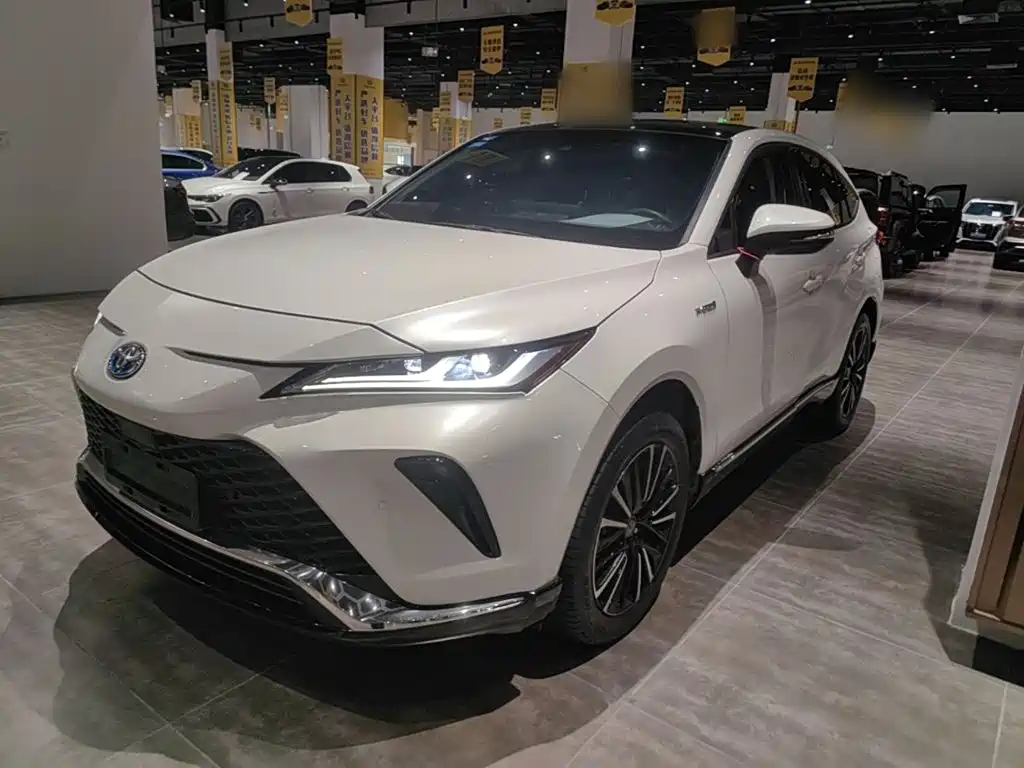
At a glance
- The China-market Venza is positioned as a five-seat compact SUV/crossover with comfort and efficiency priorities.
- The export range spans 2.0L CVT gasoline and 2.5L Dual Engine or Smart Hybrid variants.
- Front-drive layouts are common, while selected 2.0L Ultimate Edition configurations add all-wheel drive.
- Export pricing must be assessed as a landed-cost calculation, with live listings supplying current unit terms.
- Steering side, homologation, parts support and aftersales capability are as important as the purchase decision.
Why the Toyota Venza matters for export markets
The Toyota Venza occupies the useful middle ground between a conventional compact SUV and a larger family crossover. Its China-market positioning combines a relatively spacious cabin, a manageable exterior footprint and Toyota's hybrid engineering options. That balance makes it relevant to overseas dealers serving family-car buyers, company fleets and customers who want SUV presence without moving into a much larger, harder-to-manage vehicle. It is not a performance SUV or a commercial van, and buyers should assess it as a comfort- and efficiency-led crossover. The appeal therefore comes from packaging, powertrain choice and brand confidence rather than outright utility or off-road capability.
In markets where compact crossovers are established, the Venza can broaden a dealer's Toyota portfolio without requiring a move into the premium SUV segment. Fleet operators may value the choice between conventional gasoline power and hybrid assistance, particularly where traffic, stop-and-go routes or fuel-efficiency targets make operating costs important. Family buyers can focus on five-seat packaging, ride comfort, luggage capacity and ease of parking. At the same time, demand should be tested against local taxation, fuel prices and the availability of aftersales support, because imported appeal does not automatically overcome higher ownership costs.
A critical export detail is that the China-market Venza should not be treated as a badge-equivalent version of every Venza sold elsewhere. Production, grade names, equipment and powertrain presentation can differ by source market and model year. Overseas buyers should therefore match the exact vehicle name, VIN, axle layout and option list instead of relying on the Toyota badge or a translated trim label. The strongest commercial case is usually where that specification fits local preferences and where the importer can support parts, diagnostics and warranty work responsibly. That discipline protects both the buyer and the destination dealer.
- Five-seat compact-SUV format.
- Gasoline and hybrid choices.
- Verify local grade suitability.
Model range, trims and powertrain variants: how the lineup is structured and how to choose
The line-up combines three visible grade cues—Premium, Luxury and Ultimate Edition—with several propulsion and axle configurations. Premium forms the core naming level, while Luxury and Ultimate Edition indicate higher-grade positioning; Ultimate Edition appears on an AWD 2.0L configuration. These names help organise the search, but they do not replace a VIN-level specification check: model years can change content, and China-market equipment should not be assumed to match a similarly named trim in another country. Compare safety, infotainment, upholstery, driver aids and warranty terms directly.
Among the gasoline options, the 2.0L CVT is offered with front-drive layouts described in the export catalogue as FWD or 2WD, plus an AWD Ultimate Edition. For a buyer prioritising straightforward operation, predictable fuel logistics and the lowest complexity among the listed powertrains, the 2.0L can be a rational starting point. Drivetrain should still follow the route: two driven wheels may be sufficient for urban and highway use, while AWD adds hardware and may be relevant for wet climates, mountain roads or fleet policies that require it. Confirm the final axle decision with the vehicle specification.
The 2.5L Dual Engine and 2.5L Smart Hybrid entries add a hybrid proposition, with FWD or 2WD applications appearing in the available nomenclature. Buyers should not assume that those labels describe identical systems; request the exact engine, motor, battery, transmission and fuel-consumption data for the listing. Hybrid versions can suit urban fleets and efficiency-conscious drivers through electric assistance and energy recovery, but the most meaningful range and economy figures will be those approved for the destination market. Check battery condition or warranty terms on used examples and retain copies of the applicable documentation.
- Premium through Ultimate grade hierarchy.
- 2.0L front- or all-wheel drive.
- Verify hybrid battery and economy.
New vs used Toyota Venza: how export inventory is structured and how buyers choose
Export inventory may be presented as factory-new vehicles, demonstrator or low-registration units, and previously owned vehicles entering the market through trade channels. Each category answers a different commercial need. New examples reduce uncertainty around wear and make model-year comparison easier; used examples can make sense when a buyer deliberately accepts an older age or specification to improve the acquisition equation. Because the mix changes with sourcing cycles, do not assume a fixed category split. Use the live inventory filters and ask the supplier to state whether each unit is new, demonstrator or used.
For fleet and dealer launch programmes, a new Venza is usually easier to standardise because colour, trim and equipment can be specified more consistently. It also avoids the immediate need to assess previous repair history, wear, battery degradation or uncertain service records. The trade-off is the higher acquisition commitment and possible depreciation as the vehicle ages. Chinese-market warranty coverage and service entitlements should not be assumed to transfer automatically to an overseas operation, so require written confirmation of what protection remains after export and who can service the car locally.
Used Toyota Venza purchases can make sense for a dealer filling a proven demand with a known model year, or for a fleet buyer prioritising the vehicle over factory-new cosmetic condition. Evaluate each unit against its age, mileage, trim, accident history, ownership record and service invoices, not against the asking price alone. For a hybrid, inspect the high-voltage battery report, hybrid-system faults, charging or fuel data and recall completion. A pre-purchase inspection is more important when warranties are limited or local technical support is still being established.
- New units standardise specification.
- Used units target known years.
- Inspect hybrid batteries and records.
How export pricing works: the factors behind a live listing price, and how to read one
An export quote has two layers: the vehicle listing price and the landed cost created by transport, insurance, documentation, duties and local charges. The displayed amount may reflect only the seller's scope, so first establish what is included—inspection, export declaration, port handling, inland haulage, marine insurance and delivery. Incoterms define the handover point, but they do not replace a line-by-line cost sheet. Ask for both the unit price and the total payable through the requested destination or port; comparing the first figure alone can conceal the second decision for budget planning.
The value of a specific Venza can move with model year, grade, engine and hybrid version, axle layout, mileage or condition, production status, seller terms and exchange-rate movement. Freight also changes with the vehicle's destination, sailing route, carrier allocation, container or vessel type, insurance cover and delivery method. After import, registration taxes, duty, VAT, emissions charges and modification costs may sit outside the seller's quote. Treat these as variables to verify in the destination country rather than as a universal markup or fixed discount. The same vehicle description can therefore produce materially different totals for two importers.
Read each live listing as an itemised commercial record rather than a headline bargain. Confirm the SKU, model year, exact trim, powertrain, drivetrain, condition, mileage if used, seller location and the stated MOQ. Check whether the displayed price includes vehicle preparation, export documents and any shipping element. Then ask the seller to repeat those assumptions in a written quotation and identify what is excluded. Current per-unit prices and availability should always be confirmed in the live inventory, because the same trim can reprice or disappear when another buyer selects it.
- Landed cost includes more than vehicle price.
- Year, trim and powertrain drive variation.
- Freight, taxes and Incoterms affect totals.
MOQ, ordering and payment: single units vs consolidating a container
MOQ is a transaction rule, not a universal property of the Venza. A seller may offer a unit-level purchase while another may require several vehicles or a mixed-model consolidation, and the applicable minimum should be shown on each live listing. For a test-market importer, one-unit purchasing can reduce exposure to unfamiliar homologation, slow-moving trim or limited aftersales capacity. It also creates less freight efficiency per vehicle, so compare the vehicle-level discount with the additional fixed costs of moving a smaller consignment. Do not infer a blanket MOQ from another Toyota model.
Container consolidation can improve freight planning, but more vehicles do not automatically mean better economics. Group compatible trims, axle systems and destination requirements with similar commercial deadlines; preserve colour and specification choices that matter to local buyers; and avoid filling capacity with slow-moving inventory merely to reach a quantity. Each unit still needs a separate VIN, condition record, export document and sale allocation. Ask the consolidator to provide a packing list and loading plan, and confirm how mixed SKUs affect payment, insurance, customs declarations and delivery responsibility. This makes the final vehicle-level margin visible before loading begins.
A sound order begins with a written specification, followed by seller confirmation, an inspection, payment terms, documentary release and a freight booking. The purchase agreement should identify the exact vehicle or agreed production specification, total price, MOQ, deposit, balance trigger, title or ownership documents, inspection standard and remedy for a failed check. Payment methods, currency and refund terms should be agreed through verifiable company channels. Never treat a catalogue image or preliminary message as a binding commitment until the final invoice and contract match the selected SKU and any written amendments.
- MOQ is listing-specific.
- Single units suit market testing.
- Consolidate compatible, saleable SKUs.
Shipping, homologation and market compliance caveats: LHD/RHD and import rules by country
Vehicle shipping requires more than booking transport. The exporter must prepare the unit correctly, secure it for sea or rail movement, complete export declarations and provide the documents required by the destination broker. Car carriers or container vessels may be used depending on the route and vehicle dimensions. Hybrid consignments require accurate treatment of lithium-ion battery information under the carrier's rules; the shipper should supply the source data rather than improvise. Confirm lashing, drainage, insurance, container capacity and the exact handover point before loading. Also verify that the booking references the right VIN and destination port.
Steering configuration is a critical first filter. Chinese-market examples are commonly encountered as left-hand-drive vehicles, but a buyer must confirm each unit rather than infer the side from the country of origin. Some destinations permit only right-hand-drive vehicles for road registration, while others accept both under local rules. Changing the steering side is not a simple conversion and can affect homologation, safety systems and parts. State the required side in the purchase request, ask whether matching RHD examples are available, and treat a local demonstration and approval process as part of the import budget.
Local homologation can determine whether an otherwise suitable Venza can be registered and sold. Requirements may cover emissions, safety equipment, cybersecurity or connected systems, vehicle type approval, software language, lighting, noise and modifications; the exact list depends on the country. Import duty, VAT or equivalent taxes, registration fees and insurance also change the ownership case. Use a local vehicle-import specialist before committing to volume, and ask for a written eligibility opinion tied to the VIN and intended use. Dealer and fleet compliance may be stricter than private registration for commercial use.
- Confirm VIN, steering side and port.
- Hybrid battery data needs carrier approval.
- Local homologation can prevent registration.
Who should buy the Venza — and who should pick a different vehicle
The Venza is a strong candidate for overseas dealers that already serve the compact-SUV segment and want a Toyota product with both conventional and hybrid pathways. It suits fleet programmes where comfort, fuel-conscious operation and a five-seat layout matter more than off-road ability or maximum payload. Private buyers may prefer it for daily family use when its packaging, equipment and Toyota ownership proposition fit their market. The strongest case combines realistic local running costs, accessible servicing and enough parts support to sustain residual demand after the first vehicles enter service.
Buyers should choose another vehicle when budget discipline, not brand preference, is the priority; when the required road surface demands genuine off-road hardware; or when commercial payload and cargo-volume needs exceed a passenger crossover's limits. A battery-electric model is also more suitable where charging access is dependable and the buyer specifically wants zero tailpipe emissions, since the Venza range discussed here is gasoline or hybrid. Large families with substantial luggage may need a larger three-row SUV, while urban operators may prefer a smaller, more efficient crossover for easier parking and tighter consumption targets.
Before ordering, compare the Venza against the likely local alternatives on a five-year business case rather than on vehicle cost alone. Include taxes, fuel or energy, maintenance, insurance, depreciation, homologation, shipping and the cost of supporting parts and technician training. A hybrid version can look economical in theory yet lose its case if local fuel taxation, test routes or repair complexity alter the result. For fleets, run a pilot with local drivers, check payload and recovery arrangements, and verify that dealer residual-value expectations match the imported specification before a larger fleet commitment.
- Best for Toyota-focused compact-SUV dealers.
- Comfort- and efficiency-focused family or fleet use.
- Choose alternatives for off-road or pure EV.
Main rivals and how the Venza compares
The Honda CR-V is one of the closest mainstream alternatives for buyers who prioritise cabin space, road comfort and a widely understood family-SUV proposition. It can be compelling where the local Honda network offers strong servicing and where an efficient hybrid or conventional powertrain aligns with demand. The Venza's distinction in China-market exports is its separate hybrid and AWD choices and Toyota positioning, so compare the exact drive systems, equipment and aftersales package rather than assuming equivalent grade names. A CR-V may be easier to place if local parts and financing support are already mature.
The Mazda CX-5 competes for drivers who want a compact crossover with a more road-focused character and a typically gasoline-led model range, although electrified versions differ by market. It can be the better fit when the buyer values visual distinction, handling preference and a simpler fuel choice over Toyota hybrid consistency. The Venza generally presents a broader selection of hybrid-labelled configurations in the China export range, which can be useful for fuel-cost-sensitive fleets. Ultimately, local dealer capability and the availability of parts should carry more weight than badge-level positioning alone.
Toyota's RAV4 is the most obvious alternative for a buyer who wants the brand but prefers a different size, equipment strategy and market-established model family. Depending on the destination, RAV4 may be more familiar to local service departments and may offer a broader selection of hybrid and non-hybrid choices, making it easier to standardise a large fleet. The China-market Venza generally targets a roomier, more comfort-oriented crossover position, so rear-seat space, luggage usability and grade content should decide the fit. If local RAV4 supply is competitive, compare landed cost and parts lead time as well as the showroom proposition.
- CR-V: direct family-crossover rival.
- CX-5: road-focused electrified alternative.
- RAV4: closest Toyota sibling.
Live Toyota Venza export inventory
View all listings →Real units currently on ChinaCarDirect with per-unit asking prices and MOQ. Availability updates live from the catalogue.
How to buy a Toyota Venza from China
-
1
Define the destination and compliance profile
Record the destination country, port, required steering side, intended use and target quantity. These details determine homologation, transport options and the structure of the quotation.
-
2
Build a specification shortlist
Use the live inventory to compare model year, grade, engine or hybrid system, FWD/2WD/AWD layout, condition and equipment. Retain the SKU for every shortlisted vehicle.
-
3
Request a landed-cost quotation
Ask for vehicle price, preparation, documentation, freight, insurance, destination charges and inland delivery itemised separately under the named Incoterm.
-
4
Verify the seller and vehicle
Confirm company identity, ownership documents, VIN, service history, recall status and condition. Use an independent inspection for used vehicles or high-value consolidated orders.
-
5
Agree MOQ and payment terms
Put the MOQ, deposit, balance trigger, cancellation rights, warranty position and document handover in the contract. Ensure each amendment identifies the exact vehicle or agreed specification.
-
6
Inspect, document and ship
Release final payment only after the inspection and document review. Then use an experienced vehicle-logistics provider to confirm loading, insurance, customs requirements and vessel or carrier booking.
Venza vs rivals
| Honda CR-V | The CR-V is a direct family-crossover rival with a familiar space-and-comfort proposition. It may suit buyers better where Honda's local network, parts support and financing are stronger, while the Venza offers distinct China-market hybrid and AWD choices. |
|---|---|
| Mazda CX-5 | The CX-5 is a more road-focused alternative, generally with a gasoline-led range and market-dependent electrification. Choose it for driving preference and established local support; compare the Venza when hybrid configuration breadth is the priority. |
| Toyota RAV4 | The RAV4 is the closest Toyota alternative, with different size, equipment positioning and local fleet familiarity. The Venza may offer a roomier, more comfort-oriented package, but RAV4 supply and parts support can be decisive in established markets. |
Frequently asked questions
How is Toyota Venza export pricing determined?
Export pricing is built from the vehicle's year, trim, engine or hybrid version, drivetrain and condition, then affected by seller terms, exchange rates, freight, insurance, documentation and Incoterms. Local duty, VAT and registration can sit outside the seller's price. Check the live Toyota Venza inventory for the current per-unit figure and request a written landed-cost quotation.
What engine and hybrid options are available?
The export range includes 2.0L CVT FWD/2WD vehicles, an AWD Ultimate Edition and 2.5L Dual Engine or Smart Hybrid variants with FWD/2WD applications. Because these labels can describe different systems, ask for the exact engine, motor, battery, transmission, certified fuel economy and any electric-only range for the selected listing and destination homologation.
Are new or used Toyota Venza vehicles better for export?
Factory-new vehicles are easier to standardise by trim, condition and model year, while used vehicles can suit a buyer targeting a specific year or seeking a lower acquisition commitment. On used hybrids, inspect battery condition, system faults, service records and recall completion; on new vehicles, confirm what factory warranty remains after export.
What is the MOQ when buying a Toyota Venza from China?
MOQ is set by the seller and shown for the live listing rather than being a fixed rule for the model. A buyer may purchase a single unit where offered, or consolidate compatible SKUs into a larger consignment. Ask for the MOQ, deposit, balance trigger, inspection standard, documents and cancellation terms before paying.
What determines shipping time and cost?
Shipping time and cost depend on origin and destination ports, carrier schedules, vessel or vehicle-carrier capacity, insurance, documentation, customs clearance and inland delivery. Hybrid battery information, secure loading and customs work can affect planning. Freight cost also reflects the route, container type, surcharges and seller's Incoterm, so request a quote with every charge itemised.
Are spare parts available for an imported Toyota Venza?
Confirm that the importer can obtain Toyota service information, maintenance items, high-voltage hybrid parts and electronic diagnostic support for the exact China-market specification. Parts availability varies by market and production year, so compare local dealer support and lead times before ordering. For a used hybrid, also require battery condition documentation and known repair history.
Can I buy a right-hand-drive Toyota Venza for export?
Right-hand-drive availability is market- and listing-specific, so confirm the steering side before ordering and never assume a Chinese unit meets local registration rules. RHD examples may be available through other sourcing channels, but converting a left-hand-drive vehicle is not a routine production change and can affect approval, safety systems and parts. State the required configuration in every enquiry.
How do I order a Toyota Venza from China?
Start with the live Toyota Venza listings, shortlist by year, trim, powertrain, drivetrain and steering side, then send an RFQ with the destination and quantity. Request the selected SKU, total quote, MOQ, inspection, payment and delivery terms in writing. Complete payment and documentary release only after verifying the seller and vehicle, then arrange booking through an experienced export logistics provider.
Ready to source the Toyota Venza?
Send your destination, required steering side, preferred trim and target quantity to ChinaCarDirect for a current Toyota Venza export quote.
Request a quote