
Toyota Vios Export Buying Guide for Overseas Buyers
Buy a Toyota Vios from China with a clear view of trims, engines, pricing, MOQ, shipping, compliance and rivals for overseas dealers and fleet buyers.
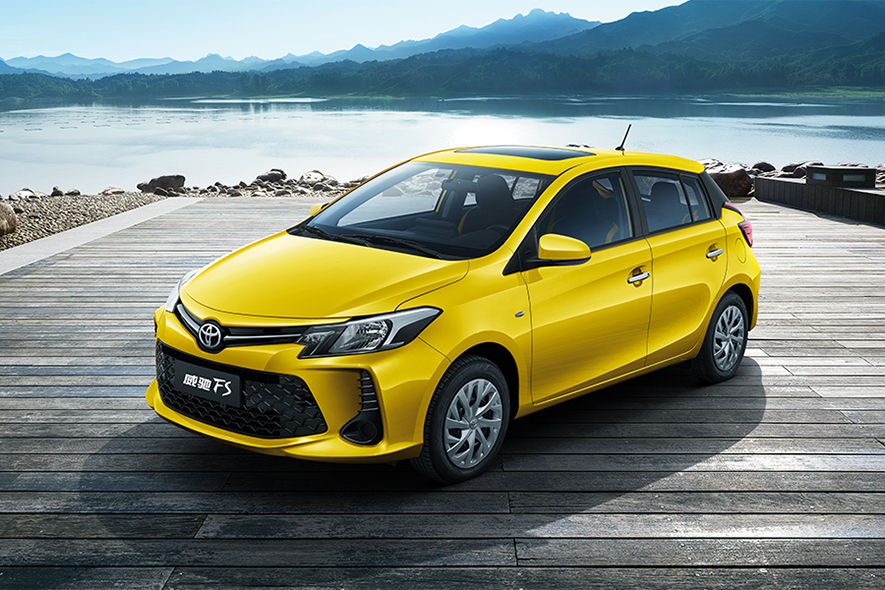
At a glance
- The Toyota Vios is a compact four-door sedan suited to mainstream dealer and fleet programs.
- The range includes 1.3L and 1.5L gasoline engines with manual, automatic or CVT transmissions, depending on year and trim.
- Named trims are market-specific, so the VIN and photographed vehicle should determine the final specification.
- Export pricing changes with the unit, exchange rates, freight and Incoterm; current figures must be checked on live listings.
- LHD/RHD, homologation, import rules and parts support need confirmation before an importer commits funds.
Why the Toyota Vios matters for export markets
The Toyota Vios occupies the compact four-door sedan segment, where buyers usually prioritize operating economy, straightforward servicing and a vehicle that is easier to justify than a premium model. For overseas dealers, that makes the Vios relevant to fleet sales, taxi or ride-hailing programs and mainstream retail channels. Its four-door layout also suits buyers carrying passengers or luggage without moving into the larger, more expensive sedan class. The model's long-running nameplate can help explain the proposition to customers, but specification, condition and local operating rules should carry more weight than badge recognition alone.
The Vios matters in export markets because it combines a familiar sedan format with a practical cost proposition. It is not positioned as a performance, luxury or off-road product; its appeal comes from repeatable transport work, manageable dimensions and a model family that many mechanics and buyers already recognize. That recognition can support easier spare-part identification and training, although the exact service network and parts catalogue must be checked for the destination country and vehicle generation. Buyers should not confuse domestic Chinese trim names with equipment available on Vios sold elsewhere.
Demand is strongest where compact sedans remain useful for urban passenger movement, company fleets and dealer volume programs. That makes the model relevant to importers seeking a broadening choice rather than a niche specialty car. It also creates a clear buying discipline: compare the exact engine, transmission, condition and approval requirements of each unit, because a recognizable Vios badge does not remove differences between model years, editions or left- and right-hand-drive configurations. The question is whether each listing can be homologated, supported and resold profitably in the intended local market.
- Mainstream fleet and dealer use.
- Exact unit specification matters.
- Confirm approval and parts support.
Model range, trims and powertrain variants: how the lineup is structured and how to choose
The export-facing range is organized around compact gasoline sedans with 1.3-litre and 1.5-litre engine choices. The 1.5-litre appears across several named Chinese-market editions, while transmissions include manual, conventional automatic and CVT units, depending on year and trim. Listings include names such as Fengchi, Chuangxing, Pioneer, Innovation and 20th Anniversary, as well as a 1.6-litre GL-i automatic special edition. These labels describe domestic configurations, not a universal global equipment list. Before comparing, confirm the production year, factory configuration, steering side and the equipment actually fitted to the VIN and photographed vehicle.
For fleet use, the engine/transmission decision should follow duty rather than trim prestige. A manual can suit buyers comfortable with a standard pattern and focused on purchase economy, while an automatic or CVT reduces driver workload in dense traffic. The 1.3-litre option may suit lower-load routes, whereas the 1.5-litre provides a more conventional choice for mixed city and regional use. Actual fuel consumption and towing limits should be taken from the specific vehicle, not inferred from engine size. Confirm the local fuel label, tax band and real-world operating profile before final approval.
Equipment varies across editions and model years, so buyers should treat the live specification as the controlling document. Compare safety equipment, infotainment, upholstery, climate control, wheels and service history against local fleet requirements rather than assuming that a higher-sounding trim is automatically better. Request VIN-level photos, the original build plate, option codes and a statement of any aftermarket changes. For resale, factory condition and documentation can matter as much as the headline edition. A tidy used unit with verifiable history may outperform a costlier example that has been repainted or poorly maintained.
- 1.3L and 1.5L engines.
- Manual, automatic or CVT.
- Verify trim equipment by VIN.
New vs used Toyota Vios: how export inventory is structured and how buyers choose
Export inventory sourced from China can include both new vehicles and previously registered used cars. The distinction matters because age, mileage and condition affect price, financing risk and expected service life. New units offer a cleaner ownership history and more consistent specification, while used Vios can make sense when a buyer wants a lower acquisition outlay or a particular model year. Neither is automatically cheaper after freight, tax, compliance and preparation costs. The useful comparison is therefore total expected cost over the intended service life, not the catalogue label or one isolated asking price.
For a new Vios, verify model year, manufacturing date, VIN, warranty terms and whether the vehicle has been prepared for export. Confirm that no dealer has used it as a demonstrator or display car and ask for PDI evidence, current mileage and photographs of every panel. Also check that all electrical systems, including lighting and climate-control functions, operate correctly and that the warranty can be honoured after export. Matching the exact trim to your market remains essential. Some accessories installed in the domestic market may not be homologated for your destination.
Used Vios vehicles require a condition-led inspection because the same trim can conceal different histories. Request service records, title and registration documents, an odometer check, accident and flood evidence where available, and photographs of the engine bay, interior, underbody and wheels. Inspect paint thickness, panel alignment, fluid condition, test every electronic function and review tire age. A well-supported used unit may offer better fleet economics, but the buyer should budget for immediate maintenance rather than relying on the model name. The inspection should occur before a non-refundable balance is released.
How export pricing works: the factors behind a live listing price, and how to read one
A Toyota Vios export price is built from several variable inputs, not from one fixed model rate. Model year, trim, engine, transmission, new or used status, mileage, condition and documented history all influence a seller's position. Exchange-rate movement can alter the base amount, while optional equipment or repair work can create further differences. The safest comparison is like-for-like: same year, powertrain, transmission, condition and destination, with every commercial term included. Do not compare an FOB unit with a delivered, insured and cleared vehicle as if they were equivalent to each other.
Freight method and Incoterm can change the economics as much as the vehicle itself. Ro-Ro shipping may suit smaller consignments and simplify handling, while container consolidation can reduce per-unit freight for a multi-vehicle program. Port charges, insurance, inland haulage, export documentation, destination duties, taxes and inspection fees may sit inside or outside the displayed figure. Ask for a written breakdown showing what is included, where responsibility transfers and which costs still need budgeted locally. A cheap vehicle with an incomplete delivery scope can be more expensive than a higher-priced, fully scoped offer.
Read each live listing as an item-specific offer, not a market-wide price promise. Check the displayed price basis, year, exact trim, transmission, mileage, condition, MOQ, seller information and photographs. Then request a written quotation for your destination and quantity so the seller can confirm the vehicle allocation, validity period, payment terms and freight assumptions. Current binding figures should always be taken from the live inventory and the supplier's final quotation, not from an old article or cached search. Compare several verified units before placing any funds or relying on vague replies.
- Compare like-for-like terms.
- Define freight and tax scope.
- Use live unit prices.
MOQ, ordering and payment: single units vs consolidating a container
MOQ must be confirmed for each listing and shipment plan. ChinaCarDirect shows the requirement on the relevant live unit rather than one permanent MOQ for the Vios range. Some offers may permit a single-vehicle purchase; others may be tied to a lot or container quantity. The buyer should open the live listing, review its MOQ field and ask how mixed configurations would be handled before treating a unit price as a wholesale total. This matters especially when the advertised price is per vehicle rather than the total for a Toyota Vios wholesale program.
To buy a Toyota Vios from China, begin with a written specification: year, engine, transmission, trim, condition, steering side, destination and quantity. The seller confirms whether a suitable unit or allocation is available, locks the commercial terms and provides the vehicle identity and supporting photographs. Payment, inspection, release and freight instructions should be separated clearly. A sample purchase can validate the process, while a multi-unit order should use a vehicle schedule so every VIN and option is assigned before loading. Do not let a generic group photograph replace unit-level identification during final inspection.
Payment risk should be managed through verifiable milestones and documented title ownership. Buyers should understand the deposit, balance trigger, accepted payment method, refund conditions and what happens if inspection or shipping documents differ from the agreement. Independent inspection is particularly valuable for used vehicles and for any unit with extensive cosmetic work. For container consolidation, separate the vehicle purchase from freight arrangements where possible, so late allocation at the consolidation warehouse does not obscure unit-level price changes. The RFQ should state these points rather than relying on verbal assurances or marketplace shorthand.
- Confirm listing-specific MOQ.
- Assign VINs and options.
- Document payment milestones.
Shipping, homologation and market compliance caveats: LHD/RHD and import rules by country
Chinese Vios exports may move by Ro-Ro vessel or container, and the choice depends on quantity, port handling and vehicle protection. Ro-Ro can simplify loading of finished vehicles; containers allow several cars to travel together but require careful securing and suitable dimensions. Transit duration, sailing frequency, port congestion, insurance and inland delivery all affect cost and timing. Shippers should ask for loading and discharge responsibilities, damage procedures and a realistic schedule rather than relying on a generic estimate. Any dents, fluid leaks or missing equipment should be documented and photographed before handover.
Steering configuration is a market-specific issue. Vehicles built for China are commonly encountered in left-hand-drive form, but a listing must be checked for the actual configuration; RHD availability cannot be assumed from the model name. Import rules also vary by destination and may cover VIN standards, emissions, safety, age limits, roadworthiness, parallel-import permissions and documentary requirements. Changing steering side or modifying equipment does not automatically create a compliant vehicle, so any conversion needs prior approval from the importer and relevant authority. Confirm local taxes, registration categories and fleet procurement rules before committing the stock.
Homologation is the importer's responsibility, not a label the exporter can settle with a photograph approval. Before contracting, engage a destination-market compliance adviser or broker to verify the exact vehicle against national and municipal rules. Obtain the factory consistency or conformity documents for that build, preserve VIN and import-plate consistency, and confirm that local inspection can be completed. Also assess whether spare parts, diagnostic software and workshop information will be supported in the destination market. Non-compliance can delay clearance, trigger charges or make the vehicle unsaleable for the intended use at retail.
- Verify steering configuration.
- Check destination import rules.
- Validate documents before payment.
Who should buy the Vios — and who should pick a different vehicle
The Vios is a strong candidate for importers, rental operators, ride-hailing fleets, company-car programs and independent dealers serving the compact-sedan segment. Its appeal is the combination of a familiar four-door body, manageable operating costs and a straightforward proposition for drivers and service teams. A buyer that values uptime, easy training and broad trim choice may find the model more useful than an upscale sedan, provided each vehicle’s mechanical condition and destination compliance are secure. It can work for a mixed fleet when one platform covers several driver skill levels and budget bands.
It is less suitable for buyers who prioritize premium cabin refinement, high performance, true off-road ability or a substantially larger passenger-and-luggage volume. A compact sedan also may not suit operations needing high payload, extensive towing or specialized utility equipment; those requirements should be checked against certified limits rather than judged by appearance. Drivers wanting battery-electric range, rapid charging or a hybrid system should not treat this gasoline-led lineup as a substitute for those powertrains. Fleets bound by strict emissions policy may need a newer or electrified local-market solution instead in that market.
The decision should be based on total cost and supportability over the planned holding period. Calculate acquisition, freight, taxes, insurance, registration, fuel, maintenance, downtime and likely resale together, then test the vehicle against local safety and procurement rules. Compare shortlisted Vios units with the direct rivals below on space, transmission, parts access and driver workload. If the operating plan is uncertain, a single-unit trial or mixed fleet can provide better evidence than a large speculative order. ChinaCarDirect's live listings and RFQ service can support that evidence-based shortlist for the destination market.
- Strong compact-sedan fleet fit.
- Poor fit for premium, utility or EV needs.
- Assess full life-cycle cost.
Main rivals and how the Vios compares
The Honda City is a close alternative for buyers seeking a compact sedan with manual or automatic choices. Depending on the destination, it may offer a different service-parts network, equipment set or local-brand recognition. Compare homologated cars in the same price and size class, because imported Chinese specification can diverge from the Honda sold in the buyer's home market. Direct test drives and verified part numbers are more useful than badge assumptions. For a taxi or ride-hailing program, comfort, air-conditioning performance and ease of parts matching often matter more than a fashionable interior.
The Nissan Almera, with the closely related Sentra sold in other markets, competes in the value-oriented sedan category. The Hyundai Accent is another benchmark where available, with market-specific engines, transmissions and safety content. Vios buyers should compare boot space, rear-seat comfort, fuel economy, warranty support and the real availability of service parts. A rival with a stronger local network can be better commercially even if the imported Vios has more attractive purchase terms. None is universally lighter on cost, so local taxes and operating conditions can often reverse the ranking.
The Vios often makes sense where Toyota recognition, the broad 1.3-litre and 1.5-litre choice, and manual or automatic availability align with the buyer’s fleet plan. Its strongest argument is not that it wins every specification table; it is that a well-chosen, compliant unit can combine familiar branding, practical sedan packaging and manageable ownership. Run a documented side-by-side of the shortlisted Vios, City and market-specific Nissan or Hyundai, then price the landed and operating cost for the intended country. That process produces a defensible purchase decision rather than a model-name default.
Live Toyota Vios export inventory
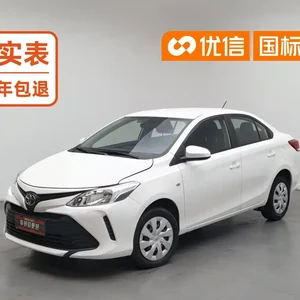
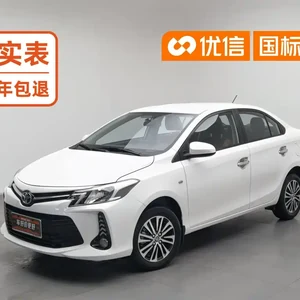
View all listings →Real units currently on ChinaCarDirect with per-unit asking prices and MOQ. Availability updates live from the catalogue.
How to buy a Toyota Vios from China
-
1
Define the operating requirement
Record the destination country, import rules, route profile, passenger and luggage needs, transmission preference and intended holding period. This prevents a low purchase figure from obscuring a poor operating fit.
-
2
Shortlist exact live units
Use the live Toyota Vios inventory to compare year, engine, transmission, trim, steering side, condition and seller information. Treat every listing as unit-specific rather than inferring availability from a model-level search.
-
3
Verify build and specification
Request the VIN, build date, option details, clear photographs, mileage, PDI or service evidence and any disclosed damage. Confirm that the documents match the vehicle being quoted.
-
4
Request a landed quotation
Specify the destination, quantity, Incoterm and required services. Ask for separate vehicle, freight, insurance, documentation and estimated local charges so all offers use the same comparison scope.
-
5
Inspect before final payment
Use an independent inspection for used cars or any vehicle with a repair history. Agree in writing on defect standards, remedies and the point at which the balance becomes non-refundable.
-
6
Lock the order and payment
Assign each VIN, trim and option in an order schedule, confirm title and payment milestones, and retain copies of every invoice and condition record. Clarify who owns the vehicle at each stage and handles claims.
-
7
Ship, clear and register
Agree loading, discharge, insurance and damage-reporting procedures with the forwarder. Before shipping, confirm destination homologation, customs documents, steering configuration, inspection and registration steps.
Vios vs rivals
| Honda City | The Honda City is the closest like-for-like sedan benchmark in many markets. Choose it where its homologated equipment, local parts network or landed package is stronger, and compare actual transmission and safety specifications rather than assuming parity with the Chinese-market Vios. |
|---|---|
| Nissan Almera/Sentra family | The Almera/Sentra family is a relevant alternative for value-focused fleets, particularly where its local parts and dealer support are established. Compare engine, transmission, safety equipment and landed operating costs with the exact imported Vios being considered. |
| Hyundai Accent | The Accent competes in the same compact-sedan category and may suit buyers who prioritize a different ownership-cost profile. The Vios can be preferable where Toyota familiarity and the available 1.3L or 1.5L configurations better match local fleet needs. |
Frequently asked questions
How is the Toyota Vios export price determined?
Export pricing is unit-specific and reflects year, trim, engine and transmission, new or used status, mileage, condition, repair history, seller terms, exchange rates and freight. The displayed figure may exclude destination taxes, registration, inspection or inland delivery, so ask for a written landed-cost scope. ChinaCarDirect’s live Vios listings show the current price and commercial terms for each available unit.
Which Toyota Vios engines, transmissions and range are available?
The export range represented includes 1.3-litre and 1.5-litre gasoline engines with manual, automatic or CVT transmissions depending on year and trim, plus a 1.6-litre special edition. These are internal-combustion vehicles, so battery capacity and electric driving range do not apply to the configurations discussed. Confirm the exact powertrain in the live listing because trim names and transmission types change by model year.
Is a used Toyota Vios better than a new one for export?
A used Vios can reduce the initial acquisition outlay and may be appropriate when a buyer wants an older, known model year, but mileage, service history and repair condition must be inspected. A new unit offers a cleaner history and more consistent specification, although its price can reflect factory-new status and preparation. Compare total expected operating cost, including early maintenance, freight, tax and downtime, rather than the catalogue label alone.
What is the minimum order quantity for Toyota Vios?
MOQ is set by the individual listing and seller terms, so there is no permanent model-wide quantity that can be assumed. Open the live unit to see its stated requirement, or request a written quote for one vehicle, a mixed lot or a consolidated container. Confirm how the MOQ changes if several trims, model years or steering configurations are requested.
How long does shipping take and what does it cost?
Transit time and cost depend on origin and destination ports, transport mode, vessel or container availability, port handling, season, insurance, inland delivery and the Incoterm. Ro-Ro and container consolidation have different handling and cost structures. Ask the forwarder for a destination-specific schedule and complete cost breakdown, and allow time for customs clearance and local inspection.
Can spare parts be sourced for an exported Toyota Vios?
Parts compatibility depends on the model year, engine, transmission and exact trim, so use the VIN and supplier part numbers rather than the model badge alone. Check that the destination has a realistic parts and diagnostic-support channel; domestic Chinese equipment may not match every exported market. For long-term fleet use, identify fast-moving service items before shipment and consider holding critical spares where lead times are uncertain.
Is a right-hand-drive Toyota Vios available from China?
Do not assume RHD availability from the model name; it depends on how the vehicle was built and whether a genuine market-compatible configuration exists. Ask the seller for steering-side photographs, the VIN and written confirmation, then have the importer verify homologation before paying. A steering conversion is not automatically compliant and can affect safety, registration, insurance and parts support.
How do I order a Toyota Vios from China?
Begin with the live Toyota Vios listings, shortlist units by year, trim, powertrain, condition and steering side, and send one RFQ stating the destination, quantity and Incoterm. Compare written quotes using the same payment, freight, documentation and inspection scope. After confirming identity, ownership, compliance and payment milestones, arrange independent inspection, shipping, customs clearance and local registration.
Ready to source the Toyota Vios?
Send an RFQ with your destination, preferred year, trim, transmission, quantity and Incoterm to verify suitable units and current per-vehicle export terms.
Request a quote