
Toyota Wildlander Export Buying Guide for Overseas Buyers
Buy a Toyota Wildlander from China with practical guidance on trims, 2.0L and 2.5L powertrains, hybrids, live export pricing, MOQ, compliance and shipping.
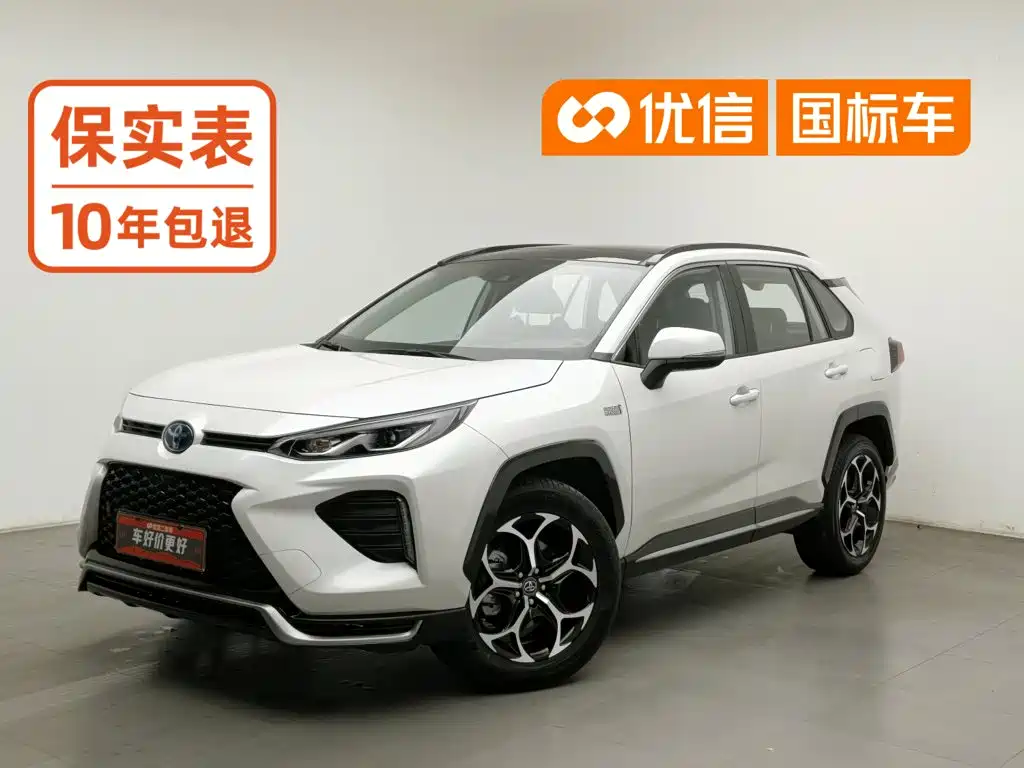
At a glance
- The Wildlander spans 2.0L CVT, high-performance 2.5L and 2.5L E-CVT hybrid configurations.
- 2WD/FWD and AWD/4x4-labelled variants address different road and fleet needs.
- New and used sourcing depends on VIN-level checks, documents and pre-shipment inspection.
- Live unit prices must be expanded into landed costs covering freight, insurance, duties, taxes and port charges.
- RHD availability, homologation and destination import rules must be confirmed before payment.
Why the Toyota Wildlander matters for export markets
The Toyota Wildlander gives overseas buyers a compact SUV that combines Toyota positioning with several conventional and electrified powertrain choices. Its export relevance is not tied to one niche: 2.0L CVT models suit general fleet use, 2.5L versions add a performance-oriented option, and 2.5L E-CVT hybrids target markets interested in fuel economy. That breadth makes the model relevant to distributors serving urban, regional and mixed-road customers. Importers can therefore match a single model to different tax, road and operating conditions without moving to a larger vehicle class or exceeding a tighter budget.
Demand is strongest where buyers want a manageable footprint, a higher seating position and the reassurance of an established Toyota name. The Wildlander is useful for importers and fleet operators needing multiple drivetrain configurations because the lineup includes entries described as 2WD or FWD, as well as AWD and 4x4-labelled versions. Demand still depends on local fuel costs, road quality, taxation and the availability of Toyota aftersales support. Before importing, compare market conditions with operating costs rather than treating the badge alone as proof of demand in the destination market.
The model also offers a practical entry point for buyers who want Toyota-related fleet consistency without automatically choosing the largest or most expensive SUV in the segment. Because Wildlander trims span Luxury, Luxury PLUS, Leading, Urban, Tech, LE and PRO-oriented versions, a buyer can separate equipment level from powertrain and axle choice. That three-part decision—trim, drivetrain and new-versus-used status—creates a clear sourcing brief and reduces the risk of comparing vehicles that are not genuinely equivalent. It also helps buyers request directly comparable units easily within one consolidated shipment.
- Compact-SUV importer and fleet fit.
- 2.0L, 2.5L and hybrid breadth.
- Road use and aftersales drive demand.
Model range, trims and powertrain variants: how the lineup is structured and how to choose
Start with the powertrain rather than the edition badge. The core export catalogue includes 2.0L gasoline engines paired with a CVT, offered across 2WD or FWD and AWD or 4x4-labelled configurations. It also includes a 2.5L high-performance family, represented by two-wheel-drive Power editions and an AWD Turbo example, plus 2.5L E-CVT hybrids with two-wheel-drive and AWD applications. Because domestic trim labels may be translated differently abroad, verify the mechanical description on the unit itself. Treat Luxury PLUS, Leading and Urban as equipment descriptors, not proof of engine output, axle type or homologation.
For fleet and family use, the 2.0L CVT is the straightforward starting point. Two-wheel-drive or front-wheel-drive versions can reduce mechanical complexity and may suit buyers focused on paved-road operation, while AWD or 4x4 versions provide a more conservative choice where wet surfaces, steep grades or poor roads are common. The choice should follow actual duty cycles: tyre budgets, fuel use, maintenance capability and resale expectations matter more than badge wording. Ask the seller to confirm axle designation and any market-specific equipment rather than infer axle type from the trim name.
The 2.5L high-performance versions are for buyers who deliberately prioritize response or need a particular AWD configuration, not simply for every fleet. The 2.5L E-CVT hybrid is a separate proposition: it combines a gasoline engine with an electric motor and suits markets with urban driving, fuel-price sensitivity or emissions strategy. It is not battery-electric, and “New Energy” wording does not by itself indicate external charging. Battery capacity, electric range and hybrid-system details should be checked against the listing. Do not assume any published battery-electric range from a hybrid listing.
- 2.0L CVT for mainstream fleets.
- 2.5L for performance applications.
- E-CVT hybrid, not plug-in EV.
New vs used Toyota Wildlander: how export inventory is structured and how buyers choose
China’s export channel for the Wildlander can present factory-new vehicles and previously registered examples in the same sourcing exercise. That does not mean every vehicle labelled new is equivalent: production date, first-registration status, import status, warranty commencement and delivery condition can differ. New units generally offer the cleanest paperwork trail and the latest model-year features, while used units can make a given trim and drivetrain more accessible. Classify each unit rather than infer condition from the seller’s category alone. Ask for the VIN, registration status, invoice and a dated condition report.
For a used Wildlander, the commercial value of the listing depends on what can be documented and what must be repaired. Check odometer reading against the dashboard and service records. Inspect closely for accident repair or repainting, and confirm that hybrid battery condition is described where applicable. Verify wear affecting tyres, brakes, suspension, fluids or electronic systems. A lower purchase quote can be erased by transfer, recommissioning, compliance work or parts delays if the history is incomplete. Request photographs of the VIN plate, engine bay, cargo area and wear patterns.
For a new vehicle, focus instead on production timing, factory specification and whether local warranty coverage will follow the unit into that market. Confirm that the VIN matches the invoice, that no vehicle has been used for demonstration or registration, and that battery or hybrid components are protected for the intended shipment. For both conditions, a professional pre-shipment inspection is valuable, but its scope should explicitly cover the engine, transmission, hybrid system, mileage and chassis condition. That creates a clearer handover record for customs, the carrier and the receiving dealer.
- New: verify VIN, production and warranty.
- Used: verify mileage, history and condition.
- Both: inspect before shipment.
How export pricing works: the factors behind a live listing price, and how to read one
A Toyota Wildlander export price is not a fixed figure. It reflects the unit’s model year, trim, engine and drivetrain, hybrid or battery specification where relevant, mileage, condition, ownership history and the seller’s commercial terms. Currency movements alter the value of a China-origin quote. Freight, insurance, export handling, documentation and port charges may sit outside the displayed vehicle price, while import duty, VAT or other local taxes depend on the destination and cannot be inferred from the listing. This distinction is essential when comparing a vehicle-only quote with a landed-cost estimate.
Read each live listing as a starting point, not a complete landed quote. Confirm the currency, Incoterm, whether the amount covers one vehicle, and what export documents are included. Ask whether the seller has a business licence, export declaration capability and VIN-level information for the unit shown in the photographs. Then compare like with like: two quotations are meaningful only when their trim, year, condition, axle system, warranty treatment and destination services align. An unusually low figure may reflect a different specification, a stricter cost boundary or an incomplete condition description.
For budgeting, build the total in layers: unit price, inland transport and export handling, freight, insurance, destination charges, then duty and taxes. If the listing uses an Incoterm such as EXW or FOB, understand where responsibility transfers; if it is CIF or a delivered basis, check what remains excluded at the destination. The current, binding price and availability for each unit are shown in the live ChinaCarDirect inventory, so use the listing as the source and request a written landed quotation for the decision before placing an order or committing funds.
- Compare equivalent year, trim and condition.
- Confirm currency, Incoterm and inclusions.
- Add freight, insurance, duties and taxes.
MOQ, ordering and payment: single units vs consolidating a container
For wholesale ordering, MOQ is the minimum quantity a seller accepts in one transaction, and should be read from the live unit and confirmed in the RFQ rather than assumed for every Wildlander seller. Some suppliers release one unit to serious buyers, while others set a lot, pallet or container export minimum. A one-unit purchase may be possible, but the terms can differ from a consolidated order. The relevant question is not simply “Can I buy one?” but whether the seller accepts one at the quoted specification and delivery terms.
When one unit is ordered, buyer and seller should define the vehicle, VIN, payment schedule, inspection rights, documents, delivery point and treatment of any discrepancy. A deposit followed by balance against agreed milestones is common in procurement, but the sequence and cancellation terms must be written down. Confirm who owns the vehicle during transit, which party insures it, and what happens if the VIN, condition or export paperwork does not match the agreement. Use the invoice and final inspection record to reconcile the physical unit with the agreed commercial description.
For a consolidated shipment, buyers can improve loading and freight planning by grouping comparable units, but consolidation should not override specification quality. Confirm dimensions and weight before calculating container or LCL options, and keep VINs matched to trim and drivetrain records. Compare handling and freight savings against demurrage, storage, insurance and VIN identification risk. ChinaCarDirect’s live listings show the applicable unit-level MOQ, while an RFQ can establish whether several units can be combined under one seller, shipment and payment schedule. That confirmation should precede any deposit to the supplier.
- Confirm listing-specific MOQ before ordering.
- One-unit terms differ from consolidated lots.
- Match VINs, documents and payment milestones.
Shipping, homologation and market compliance caveats: LHD/RHD and import rules by country
Destination-market compliance begins before the vehicle is booked. China-produced Wildlanders may be left-hand drive, while some importing markets require right-hand drive; RHD availability cannot be assumed from a general inventory search. Ask whether the vehicle is factory RHD or converted, and request evidence covering steering, instruments, lighting and equipment specification. A conversion can affect parts, warranty and inspection, so it should be disclosed rather than negotiated as a small finishing adjustment. The importing country’s type-approval, emissions, safety and software rules can also exclude an otherwise suitable Chinese specification from sale.
Import rules vary by country and may cover customs valuation, Harmonized System classification, emissions certification, age restrictions, inspections, taxes and the importer’s licensing or bonded-status requirements. Do not assume that a vehicle can enter because its VIN and commercial invoice are present. Have a customs broker or destination compliance specialist review the exact model year and powertrain before the vehicle ships, especially for hybrids, high-performance editions or modified steering configurations. Their findings should be written into the purchase and freight plan. This step protects against unscheduled modifications, storage and re-handling.
Shipping method should follow distance, urgency, quantity and cargo value. FCL may simplify handling for several vehicles, while vehicle-consolidated transport—or LCL where accepted—can suit smaller orders; choice depends on secure, ventilated carriage, lashing and the carrier’s vehicle rules. Marine transit duration, port congestion, insurance, destination terminal charges and inland delivery can move the final cost. Confirm the loading date, shipping documents, insurance coverage, destination free-time and receiving inspection before releasing the vehicle. Receiving should also verify VIN, exterior condition, fluid levels and warning systems against the pre-shipment inspection report.
- Verify factory RHD versus conversion.
- Check destination approval and customs.
- Compare FCL and consolidated vehicle transport.
Who should buy the Wildlander — and who should pick a different vehicle
The Wildlander fits importers and fleets that need a compact SUV, Toyota brand recognition and a choice between 2.0L efficiency-led, 2.5L high-performance and hybrid configurations. It is logical for commercial buyers whose customers want a higher-riding vehicle without moving into a costlier class. A dealer can use Wildlander equipment and service processes across several trims, provided that axle type, hybrid system and destination-market specification are clearly separated in its sales and workshop systems. That consistency helps when building a repeatable long-term procurement and remarketing plan rather than isolated vehicle deals.
It may be the wrong choice for a buyer who needs a proven plug-in hybrid, a seven-seat people carrier, a body-on-frame utility vehicle or a model with local aftersales support in a market where Toyota support is limited. The Wildlander’s domestic trim hierarchy does not translate into familiar equipment or warranty coverage abroad. Before committing, compare the actual service requirements, spare-parts lead times and residual-value expectations of the rivals considered in the next section. Buyers focused on total cost should also test assumptions about fuel, insurance, tyre replacement and workshop labour.
The purchase case combines a realistic delivery plan with the axle and powertrain for local use. Paved urban routes may favor a two-wheel-drive 2.0L or hybrid, while regional fleets may justify AWD or 4x4 hardware. High-performance variants make more sense where response, towing or load movement matters enough to justify the operating profile. If those needs are weak, a more conventional rival may offer simpler ownership, broader local familiarity or a powertrain choice better aligned with local rules. The final decision should be made on total operating and compliance cost.
- Strong compact-SUV importer and fleet fit.
- Select powertrain by duty cycle.
- Alternatives suit plug-in or seven-seat needs.
Main rivals and how the Wildlander compares
The closest Toyota alternative is the RAV4, another compact SUV that competes directly for hybrid, front-wheel-drive and all-wheel-drive buyers. The Wildlander differentiates through the domestic-market selection of 2.0L, high-performance 2.5L and E-CVT variants seen in the export catalogue. Whether it is the better-value choice depends on the exact destination specification, local Toyota inventory and the buyer’s aftersales access; model-year availability can change materially between markets. Do not compare a Wildlander trim name directly with a RAV4 grade without checking equipment, warranty and homologation for the model year being imported locally.
The Honda CR-V is a strong rival for buyers prioritising a proven compact-SUV package, hybrid availability and international familiarity. It can be compelling where local Honda service and used-car demand are stronger, while the Wildlander offers buyers access to different Chinese-market trim and high-performance choices. Neither has a universal ownership advantage: fuel consumption, parts pricing, insurance, homologation and resale support should be compared with local operating data rather than assumed from the badge. Include the cost of adapting a less familiar specification and the time needed to establish parts supply.
The Hyundai Tucson is a close competitor, offering compact-SUV packaging with multiple conventional and hybrid drivetrain strategies in many markets. It can appeal to distributors seeking a high-equipment catalogue or a visible international model, while Wildlander demand can benefit from Toyota recognition and the availability of 2WD, AWD, 4x4 and high-performance labels in the source market. The correct comparison is the specific Wildlander unit against like-for-like rivals, including landed cost, service support and compliance—not the cheapest trim of each nameplate. Local parts supply should carry weight for fleet purchases.
- RAV4: closest same-brand alternative.
- CR-V: mature hybrid rival.
- Tucson: broad global drivetrain choice.
Live Toyota Wildlander export inventory
View all listings →Real units currently on ChinaCarDirect with per-unit asking prices and MOQ. Availability updates live from the catalogue.
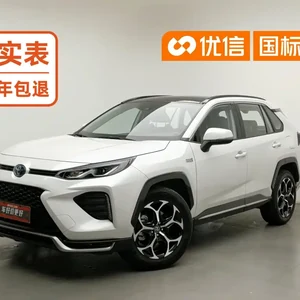
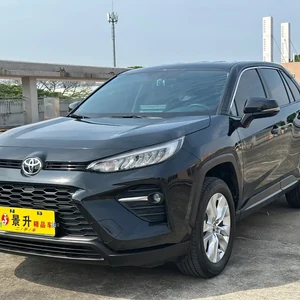
Toyota Wildlander New Energy 2023 High Performance 2.5L AWD Turbo Edition
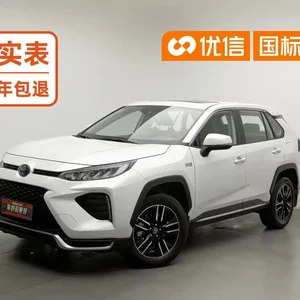
Toyota Wildlander New Energy 2021 High Performance 2.5L 2WD Power Edition
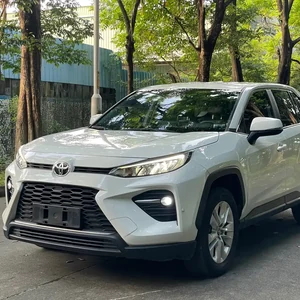
How to buy a Toyota Wildlander from China
-
1
Set the destination and vehicle brief
Specify the destination country, import scenario, passenger or fleet duty, preferred trim, 2WD/FWD or AWD/4x4 choice, and whether a 2.0L, 2.5L or hybrid is acceptable. Include RHD needs and any local emissions or safety constraints from the outset.
-
2
Search the live Wildlander inventory
Use the live Toyota Wildlander listings to shortlist matching year, trim, powertrain, drivetrain and condition. Treat each entry as a unit-specific candidate and confirm current price and availability directly on its page.
-
3
Verify the exact vehicle
Request the VIN, production or registration date, odometer, equipment list, photographs and available service or customs documents. For used units, request evidence of accident repair and wear; for hybrids, ask how battery condition is documented.
-
4
Request an itemised landed quote
Ask the seller to state the unit price, currency, Incoterm, MOQ, payment milestones and validity period. Request separate inland transport, export handling, freight, insurance, destination charges, duty and tax estimates so like-for-like quotes can be compared.
-
5
Complete compliance and title checks
Have a destination broker or compliance specialist assess type approval, emissions, VIN, customs classification, taxes and RHD requirements. Confirm who owns the vehicle before export and which documents accompany it.
-
6
Agree the order and payment schedule
Document the selected VIN or consolidated unit list, inspection rights, deposit and balance triggers, cancellation terms, warranty treatment and shipment responsibility. Do not pay until MOQ and the one-unit or consolidated order mechanics are confirmed in writing.
-
7
Book freight and inspect delivery
Confirm loading, carrier type, marine or route schedule, insurance, export documents, destination free time and receiving procedures. Compare the VIN, exterior, fluids and warning systems with the pre-shipment report and resolve discrepancies before release.
Wildlander vs rivals
| Toyota RAV4 | The closest same-brand alternative, with hybrid, front-wheel-drive and all-wheel-drive choices in many destination markets. The Wildlander stands out where Chinese-market 2.0L, high-performance 2.5L or 4x4-labelled specifications are required, but local Toyota support and homologation should decide the final choice. |
|---|---|
| Honda CR-V | A close segment rival with a well-established hybrid proposition and broad international familiarity. It may be easier to support where the local Honda network is stronger, while Wildlander buyers gain access to different high-performance and 2WD/4x4-labelled source-market choices. |
| Hyundai Tucson | A close compact-SUV rival offering conventional and hybrid drivetrain strategies across many markets. Tucson may provide a more visible high-equipment catalogue, while the Wildlander combines Toyota identity with a broad selection of 2.0L, 2.5L and hybrid source-market variants. |
Frequently asked questions
How is Toyota Wildlander export pricing determined?
Export pricing is set per unit according to year, trim, engine, drivetrain, hybrid or battery version where applicable, mileage, condition and commercial terms. Exchange rates, freight, insurance, export handling, duties and taxes can change landed cost. Current per-unit price and availability are shown in live ChinaCarDirect listings; request a written landed quote for current binding figures.
What engine, hybrid and range options are available?
The catalogue includes 2.0L gasoline CVT models, 2.5L high-performance variants and 2.5L E-CVT hybrids. The hybrids are gasoline-electric, not BEVs, and do not imply external charging. Exact hybrid battery capacity, electric-only range and unit configuration should be confirmed in the live listing because no single range applies across trims.
Should buyers choose a new or used Toyota Wildlander?
New units generally provide the latest features and a cleaner starting point, but production date, first-registration status and warranty coverage must be checked. Used units may offer better trim availability, but buyers should verify mileage, service history, accident repair, wear and hybrid battery condition where fitted. Compare the VIN-level condition report, not just the new or used label.
What is the MOQ for Toyota Wildlander wholesale orders?
MOQ is seller- and listing-specific; some may accept one unit, while others may require a lot or consolidated shipment. The live unit listing and written RFQ are the correct sources for the applicable minimum. Confirm whether the quoted price, documents and payment schedule apply to one vehicle or the full consolidation.
What affects Wildlander shipping time and cost?
There is no universal transit time or freight cost. Duration and cost depend on the origin and loading port, destination, carrier schedule, congestion, shipment size, cargo value, insurance, terminal charges and inland delivery. Compare FCL, vehicle-consolidated transport and LCL only where the carrier accepts the intended cargo, and define who bears risk at each Incoterm handover.
Can spare parts be ordered with a Wildlander?
Spare-parts support depends on model year, engine, transmission, hybrid system and trim, so use the VIN or confirmed equipment list when requesting parts. Ask whether parts can ship with the vehicle, which documents or approvals are required, and how long fulfilment should take. For fast-moving fleet needs, verify a local dealer or distributor channel before the order.
Is right-hand-drive Wildlander availability guaranteed?
No. Availability must be confirmed for the exact unit because inventory may be left-hand drive and any conversion should be disclosed. Verify whether RHD is factory-built or converted and check steering, instruments, lighting, warranty and destination type approval. Do not treat a converted vehicle as equivalent to a factory RHD specification without inspection.
How do I buy a Toyota Wildlander from China?
Start with the live ChinaCarDirect Wildlander listings, select a candidate unit and request an RFQ with destination, trim, drivetrain, condition, quantity and required Incoterm. Ask for the VIN, photos, documents, inspection, payment milestones, shipping plan and landed-cost breakdown before paying. The order should identify the exact vehicle and explain what happens if inspection, export documents or delivery do not match.
Ready to source the Toyota Wildlander?
Send your destination, trim, drivetrain, condition and quantity to ChinaCarDirect for a current unit-based quote, MOQ confirmation and landed-shipping options.
Request a quote