
Venucia D50 Export Buying Guide for Overseas Buyers
Buy a Venucia D50 from China with practical guidance on trims, manual and automatic options, export pricing, MOQ, shipping, compliance and rivals.
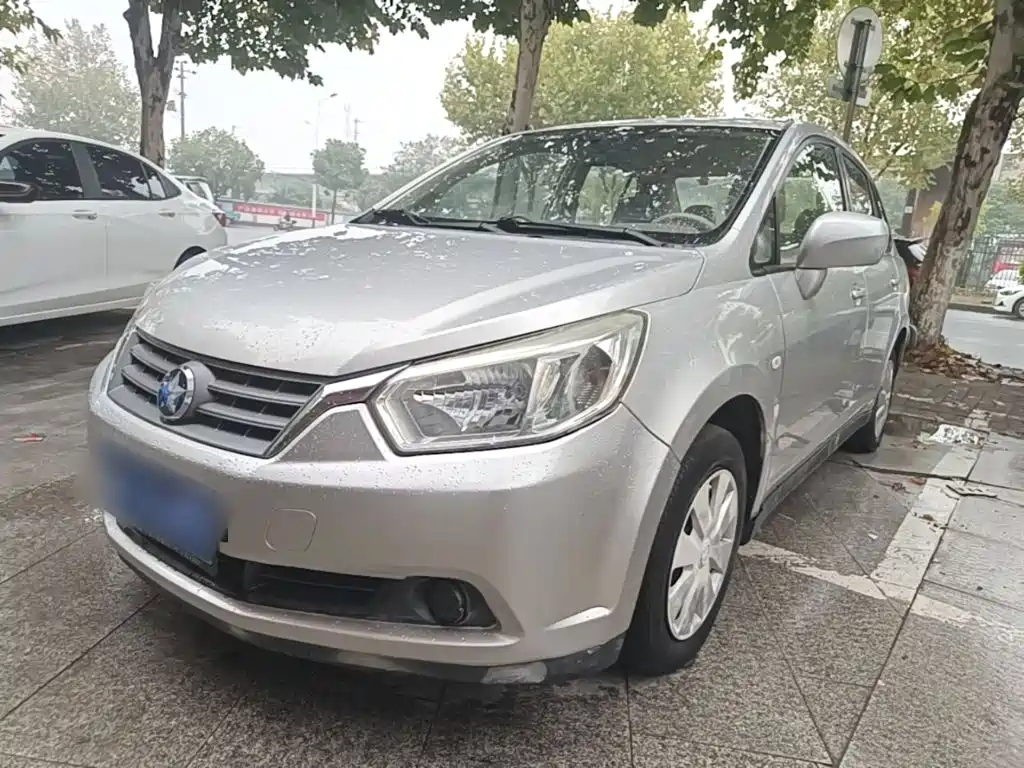
At a glance
- The D50 is a compact crossover aimed at value-conscious importers seeking practical SUV packaging.
- The export-relevant powertrain is a 1.6-litre petrol engine with manual or automatic transmission choices.
- Fashion, Comfort, Exciting, Elite and Luxury names define the trim ladder, but equipment must be verified by unit.
- New-category vehicles may represent older unregistered stock, so condition and model year need separate checks.
- LHD/RHD configuration, homologation, parts support and residual demand must be verified before importing.
Why the Venucia D50 matters for export markets
The Venucia D50 is a compact crossover built for buyers who want SUV packaging and everyday usability without moving into premium-brand budgets. Its value proposition for overseas dealers is straightforward: a 1.6-litre petrol vehicle, a choice of manual or automatic transmission, and several equipment-oriented trims that can be matched to different fleet roles. Global demand is segment-led rather than badge-led: the D50 can appeal where compact dimensions, straightforward ownership and accessible acquisition matter more than the latest technology or a strong residual-value badge. First-time importers should validate service support, parts access and local tax treatment before building the business case.
The D50 also serves as a useful bridge for first-time Chinese-vehicle importers because it combines a relatively conventional layout with a manageable product proposition. Dealers can compare entry-oriented Fashion cars against higher-specified Comfort, Exciting, Elite and Luxury variants, while manual cars may suit drivers or fleet operators prioritising purchase economy. Automatic examples may be easier to place with customers who prefer reduced drivetrain effort. Trim labels alone, however, do not prove which safety, comfort or convenience equipment is present, so the individual vehicle specification remains the decisive purchase document for every order.
For export strategy, the D50 makes most sense as a volume model with clear local positioning rather than as an unsupported lifestyle product. Before committing, map the intended customer, compare serviceable competitors and identify a realistic sales cycle for an older Chinese-market design. Its relevance should be tested against domestic rules, fuel expectations and aftersales capacity. A buyer that can maintain stock visibility, source parts and manage registration will extract more value from the model than one relying on badge recognition alone. This is especially important in cross-border sales.
- Value-led compact crossover
- 1.6-litre petrol powertrain
- Manual or automatic choices
Model range, trims and powertrain variants: how the lineup is structured and how to choose
The export-relevant D50 lineup is organised around a 1.6-litre petrol engine, with manual and automatic transmissions offered across different model and trim combinations. Names visible in export catalogues include Fashion, Comfort, Exciting Edition, Elite Edition and Luxury, sometimes preceded by “Model” or “Auto” in the listing title. Those labels are useful for identifying the commercial variant, but they are not substitutes for a full option list. Confirm engine output, gearbox type, equipment and condition on the selected unit before comparing it with another listing or before issuing any binding purchase order.
Manual models should be considered where purchase economy, driver familiarity and straightforward operation are priorities, while automatics can broaden appeal to fleets, chauffeurs and customers who do not want a manual gearbox. The choice should reflect the destination market rather than assumptions carried over from China: local driving habits, road conditions, driver availability and resale expectations all matter. Because a transmission conversion or replacement may cost more than the apparent price difference, verify whether the gearbox is original, whether the vehicle is LHD or RHD, and whether its drivetrain suits local expectations.
The safest selection method is to build a written requirement set before viewing vehicles: body style, transmission, trim, fuel, steering side, equipment, condition and documentation. Then compare each candidate against that brief and record any unverified item as a condition of sale. If a listing only says “Check live listing,” do not infer a feature from the model name. This disciplined approach prevents a nominally higher trim from being bought for equipment it does not have and makes comparison with competing Chinese crossovers much more meaningful across a mixed shortlist.
- Fashion-to-Luxury trim ladder
- Confirm each unit’s gearbox
- Request full equipment list
New vs used Venucia D50: how export inventory is structured and how buyers choose
In an export marketplace, “new” and “used” describe a vehicle’s commercial condition, not simply the age printed in its model year. An older Chinese-market D50 may be presented as new when it has remained unregistered, while a low-mileage example may be classified as used. Buyers should therefore read the condition label together with production year, registration history, odometer evidence, bodywork, interior state and any prior use. A listing photograph is a starting point, not proof that the vehicle is mechanically untouched or fit for immediate resale in the destination market.
The new-category route can suit importers who want a documented, previously unregistered vehicle and a more standardised preparation process. It may also expose the buyer to older production dates, meaning that “new” should not be interpreted as “recent.” The used route may offer broader model-year or specification choice and can be attractive where the vehicle will be repainted, re-equipped or adapted anyway. For either route, insist on a condition report, verified mileage where applicable, and disclosure of storage, flood, repair or registration history before the vehicle is committed to shipment.
A practical selection matrix should combine condition with local economics. Compare the likely preparation cost—transport, cleaning, repairs, inspection, registration and any steering conversion—with expected holding time and customer acceptance. For fleet use, prioritise serviceability and uptime over cosmetic perfection. For retail, inspect panel consistency, cabin wear and completeness of equipment more closely. Buyers purchasing through ChinaCarDirect should use the live listing and seller documentation to verify the status of each D50, rather than relying on a model-level assumption that all vehicles are identical before placing a deposit on any unit.
- Condition differs from age
- Verify registration history
- Inspect before final payment
How export pricing works: the factors behind a live listing price, and how to read one
An export price is not a fixed market value; it is the result of several negotiable or cost-linked inputs. The vehicle’s model year, trim, transmission, condition, mileage, equipment and originality affect its base value. The exporter’s preparation, document charge, warranty and margin also matter. Beyond the vehicle, exchange-rate movements, inland transport, port handling, insurance, ocean freight and the chosen Incoterm can materially change the landed cost. Therefore, compare quotes only when their scope and delivery terms are the same and ask for any excluded charges in writing before approval.
When reading a ChinaCarDirect listing, separate the quoted vehicle amount from the total acquisition budget. Check whether the seller’s price is an asking figure or a confirmed export quotation, whether it covers transport to a named port or only the vehicle, and whether payment is staged. Review the trim and gearbox title, year, condition, images and stated options for consistency. Ask the seller to refresh the quote because exchange rates, available shipping space and vehicle status can change before a contract is signed and identify the validity period in writing.
Buyers should also model destination charges separately rather than treating them as seller-defined costs. Import duty, value-added tax, customs processing, port fees, inland delivery, insurance and registration can be substantial and vary by origin, engine description, vehicle age and destination rules. Confirm the tariff classification with a licensed broker, and request a landed-cost worksheet that clearly lists pre-shipment, freight and post-arrival charges. Exact per-unit prices, MOQ and availability should always be taken from the live inventory, not from an old catalogue or an archived market average, before approving the purchase.
- Compare identical Incoterms
- Separate landed charges
- Use live binding quotes
MOQ, ordering and payment: single units vs consolidating a container
The minimum order quantity for a D50 should be confirmed for the seller, vehicle and shipment plan rather than assumed from the model name. Some export offers are opened to a single vehicle, while bulk arrangements may be subject to a stated MOQ, a mixed-model allowance or a container-volume condition. A one-unit purchase may carry a higher share of inspection, documentation and inland-handling costs, but it reduces unsold stock risk. For a first importer, a single-unit trial can be more prudent than filling a container before demand is proven locally.
Consolidating a container requires a different comparison method. Buyers should group vehicles by compatible specification, condition and destination requirements, then reserve funds for the total units, not simply multiply one advertised amount. Manual and automatic cars, different trims and mixed condition grades may create an uneven retail offering, even if they fit the same vessel. Ask for a packing plan, loading sequence and vehicle allocation by VIN or listing reference so the units arriving match the purchase order and can be tracked through customs without last-minute substitutions or omissions on arrival.
A sound transaction sequence starts with a written specification and pro forma invoice, followed by a clearly stated deposit and balance schedule. Confirm which party holds funds, how refunds are handled if inspection fails, and what triggers final payment. Use traceable bank or approved platform payment channels, verify the beneficiary details independently, and ensure the invoice names the exact vehicle, trim, condition and agreed Incoterm. The release of balance should follow satisfactory inspection and document checks, not merely the seller’s dispatch notice, and should be recorded in the sales contract.
- Confirm seller MOQ
- Pilot before bulk buying
- Match container specifications
Shipping, homologation and market compliance caveats: LHD/RHD and import rules by country
Compliance begins before the vehicle is shipped, not at the destination port. Confirm the steering-hand configuration, VIN, engine and gearbox details, model year, seat count and equipment against the buyer’s intended use and the destination country’s passenger-car rules. Do not infer a right-hand-drive configuration from Chinese origin; availability of an RHD example must be verified for each D50. Also do not assume a steering conversion is permitted, practical or homologation-neutral: it can affect parts, insurance, registration and the vehicle’s value to buyers in the local market at the intended retail margin.
Local homologation requirements can include type approval, emissions standards, safety equipment, noise limits, data or cybersecurity provisions, and proof of roadworthiness, depending on the country. Requirements differ for private, dealer and fleet imports, and an importer may need to complete testing or obtain exemptions before the vehicle can be registered. Ask the broker for the applicable route and a document checklist, then have the seller provide only documents it can legitimately issue. Customs classification and tax treatment should also be confirmed before loading, since engine description and vehicle age can affect the assessment.
Freight planning should match the vehicle and delivery obligation. Finished vehicles can move by roll-on/roll-off service or containerised transport, with the practical choice shaped by destination port, sailing frequency, cargo availability, security and total cost. Quote freight separately by origin and destination, and state whether it covers loading, export clearance, ocean carriage, destination terminal charges, insurance and final delivery. Build a realistic handover calendar around production, inspection, booking, customs and inland transport, and do not promise retail availability from vessel departure alone. Administrative delays can extend that timeline further substantially.
- Confirm steering side
- Check destination homologation
- Quote freight separately
Who should buy the D50 — and who should pick a different vehicle
The D50 best fits a budget-conscious importer or dealer that already understands the operating cost of an older Chinese-market compact SUV. It can suit a mixed fleet where manual vehicles serve cost-sensitive drivers and automatic variants serve customers seeking easier operation. It is also a practical candidate for a controlled market-entry trial, provided the buyer can source parts, maintain workshop capability and meet local registration rules. The strongest case is a transparent business plan with realistic margins, not an assumption that every available vehicle will sell quickly in the chosen segment.
It is a weaker fit for buyers who require the newest safety architecture, current emissions compliance, electrified powertrains, a modern infotainment standard or strong residual-value support. The D50’s age and Chinese-market origin can complicate parts identification, software support and public perception, even where operation is satisfactory. Heavy-duty users should also avoid choosing on purchase cost alone, because payload, duty-cycle durability and downtime can outweigh initial savings. Verify suitability for towing, load carrying, commercial licensing and high-utilisation fleet use before ordering with the vehicle owner and local authority where relevant.
Before choosing the D50 over a more familiar rival, run a total-cost comparison that includes acquisition, destination charges, expected preparation, service parts, insurance and the probable time to sell. Include realistic provisions for unsold stock and the possibility that a steering, trim or specification change will be needed. A small controlled purchase can provide useful market evidence, but it should be approved on the same landed-cost and compliance basis as a larger order. If parts support or registration cannot be demonstrated, select a vehicle with clearer local backing in the destination market.
- Best for value buyers
- Needs local workshop support
- Avoid for modern-only fleets
Main rivals and how the D50 compares
The closest alternatives to the D50 are other affordable compact crossovers rather than full-size SUVs or premium crossovers. JAC S3 and Chery Tiggo 3 compete most directly for entry-level fleet and distributor buyers seeking a Chinese-brand utility vehicle, while the Hyundai Creta represents a more established-brand alternative with stronger expectations for parts and resale. Availability, specification and local taxation can change the ranking. Compare each rival on the same destination-compliant basis rather than on brochure size or export-poster price or a temporary marketing incentive in one market at a time.
Against the JAC S3, the D50 should be judged mainly on documented condition, transmission choice, equipment and local service economics. Against the Chery Tiggo 3, brand familiarity and the availability of more recent derivatives may matter to conservative fleet customers. The Hyundai Creta can command attention where buyers value a recognised badge and established after-sales expectations, but it may sit in a different acquisition bracket. The D50’s rationale is value and configuration flexibility, so any saving should be measured after all import, preparation and resale costs rather than at the initial invoice total.
Final selection should be a scored exercise: compliance and registration first, total landed cost second, parts and workshop support third, then customer fit. Give the D50 credit for a straightforward petrol powertrain, manual availability and a broad trim ladder, while requiring evidence for durability, safety and residual demand. If the D50 scores well on acquisition and operating fit but poorly on homologation or aftersales, the alternative is the better commercial choice. If it scores well across all criteria, a mixed manual-and-automatic order can spread dealer and fleet demand, subject to current availability.
- JAC S3: direct budget rival
- Chery Tiggo 3: familiar alternative
- Hyundai Creta: stronger-brand option
Live Venucia D50 export inventory
View all listings →Real units currently on ChinaCarDirect with per-unit asking prices and MOQ. Availability updates live from the catalogue.
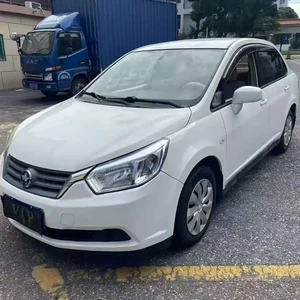
How to buy a Venucia D50 from China
-
1
Set destination requirements
State the destination country, required steering side, transmission, trim, intended use, quantity and preferred Incoterm. This prevents technically unsuitable vehicles from entering the shortlist.
-
2
Shortlist live D50 units
Review the live inventory and compare model year, trim, transmission, condition and stated equipment. Treat each listing as a separate vehicle until the seller confirms its specification.
-
3
Request a written export quote
Ask for the current per-unit price, MOQ, quote validity, payment schedule and included transport costs. Specify the destination and delivery term so quotations can be compared consistently.
-
4
Verify the vehicle and documents
Request the VIN, production date, condition report, applicable mileage information, equipment list and export documents. Check ownership or registration history and resolve every discrepancy before payment.
-
5
Agree payment and inspection
Use a pro forma invoice naming each vehicle and the agreed condition. Define the deposit, final-payment trigger, inspection standard and remedy if the vehicle or documents do not match.
-
6
Complete destination compliance review
Have a local broker confirm homologation, customs classification, taxes, insurance and registration requirements. Check LHD/RHD suitability and any conversion needs before authorising dispatch.
-
7
Book freight and release shipment
Select the transport method, named ports, Incoterm, insurance and delivery scope. Pay the balance only after satisfactory inspection and document checks, then track the vehicle through loading and customs clearance.
D50 vs rivals
| JAC S3 | An even closer budget-compact-SUV alternative in several export markets, with a similar focus on simple utility. Compare the D50 against it on documented condition, transmission, local parts availability and landed cost; neither badge should be treated as proof of better aftersales support. |
|---|---|
| Chery Tiggo 3 | Another direct Chinese compact-SUV competitor, often attractive where buyers recognise Chery or can access a broader local network. The D50 may offer a different manual-and-automatic trim mix, but compare the exact derivative, age, specification and service support. |
| Hyundai Creta | A more established-brand comparison point with generally higher expectations for resale and after-sales where those networks exist. It may require a different budget, while the D50 is more relevant to importers prioritising entry cost and a conventional petrol configuration. |
Frequently asked questions
How is the Venucia D50 export price determined?
A live export price reflects the vehicle’s year, trim, transmission, condition, mileage, equipment and seller preparation, plus any transport included in the stated Incoterm. Exchange rates, freight and destination charges can change the landed total. Review the current per-unit amount in the live D50 listings and request a written, destination-specific quotation for the binding figure.
What engine and transmission does the Venucia D50 have?
The export-relevant D50 listings center on a 1.6-litre petrol engine with manual or automatic transmissions, depending on trim. The listing title identifies the transmission and trim, but detailed output and mechanical data should be confirmed on the selected vehicle. Check the live listing and request the seller’s complete specification sheet before ordering.
How should buyers compare new and used Venucia D50 vehicles?
A new-category vehicle may be unregistered but still an older production model; a used vehicle may have a lower-mileage or different condition profile. Compare registration history, mileage, body and cabin condition, preparation needs and total landed cost. Do not equate “new” with recent or automatically assume it is better suited to every market.
Can I buy one Venucia D50 or must I order a container?
MOQ is set by the seller and shipment arrangement, not by the model name alone. Ask whether the selected listing permits a single unit and what additional charges apply; a container order may need compatible trims, transmissions and conditions. The live listing and written quote should state the current purchasing terms.
How long does shipping take and what affects the cost?
Transit time depends on origin and destination ports, sailing schedule, cargo space, customs, vehicle preparation and inland delivery. Freight cost also varies with transport method, route, insurance, terminal charges and Incoterm. Request a door-to-door schedule and cost breakdown; vessel departure is not the same as customs clearance or customer delivery.
Are spare parts available for the Venucia D50?
Parts availability and lead times must be checked for the destination market and the specific vehicle. Ask for a parts list with part numbers and identify a capable local repairer before importing. Fleet buyers should assess engine, transmission, brake, suspension and electrical support rather than assuming badge-level parts availability.
Is a right-hand-drive Venucia D50 available for export?
Do not assume RHD availability from a model listing. Ask the seller for the steering configuration of each unit and confirm whether it is factory RHD, LHD or already converted. If conversion is needed, assess homologation, parts, insurance, warranty and resale effects before ordering.
How do I order a Venucia D50 from China?
Shortlist units in the live D50 inventory, then submit your destination, configuration, quantity and Incoterm requirements through an RFQ. Review MOQ, payment milestones, document list, inspection, shipping terms and refund conditions. Verify the seller and invoice independently, and release the balance only after satisfactory inspection and documentation checks.
Ready to source the Venucia D50?
Submit a ChinaCarDirect RFQ for a current Venucia D50 export quote with destination-specific pricing, MOQ, shipping terms and compliance checks.
Request a quote