
Venucia D60 Export Buying Guide for Overseas Buyers
A practical guide to buying a Venucia D60 from China, covering petrol and EV trims, live export pricing, MOQ, shipping, compliance, and rival options.
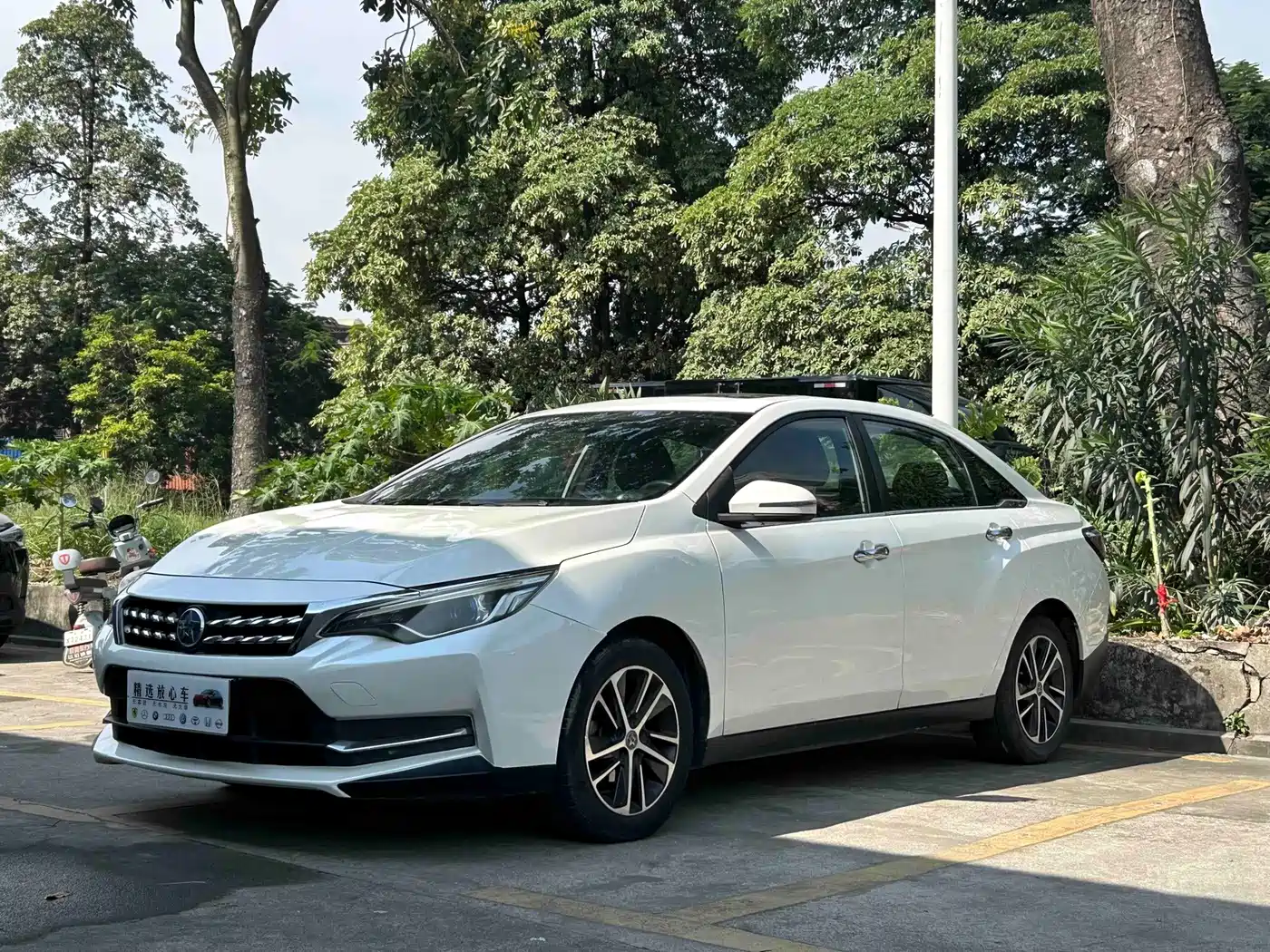
At a glance
- The D60 offers compact-crossover positioning with 1.6L petrol and battery-electric D60EV routes.
- Manual and CVT petrol editions serve different fleet duty cycles.
- Standard Range and Long Range EV labels require verified battery and range data.
- Live export pricing depends on the exact vehicle, condition, freight, and Incoterm.
- Steering side, homologation, parts support, and battery paperwork should be cleared before payment.
Why the Venucia D60 matters for export markets
The Venucia D60 is relevant to overseas buyers because it combines compact-crossover positioning with two distinct procurement routes: 1.6L petrol versions and battery-electric D60EV versions. That breadth lets an importer build a petrol fleet, an electric pilot fleet, or a mixed range from one model family. For distributors, the attraction is value-oriented Chinese manufacturing rather than premium badge equity, so the business case depends on equipment, compliance, and after-sales preparation rather than on the Venucia name alone. That makes it especially relevant to buyers who understand Chinese trim structures and can validate each unit before committing.
The model’s export appeal is strongest where compact dimensions, a practical SUV format, and lower operating costs matter more than resale prestige. Petrol derivatives with manual or CVT transmissions can suit destinations with broad refueling infrastructure, while the D60EV can support fleets that have reliable charging access and local incentives. Demand should nevertheless be assessed market by market: registration rules, electricity tariffs, fuel prices, parts logistics, and consumer recognition can matter more than the original factory specification. This avoids treating a China-market catalogue as proof of universal overseas demand across regions.
For a serious importer, the D60 should be positioned against value-oriented compact crossovers rather than headline premium vehicles. Its likely fit is with dealers seeking a differentiated, lower-cost product or fleet operators running controlled pilots where purchase price is only one part of total cost. The decisive work happens before shipment: verify steering configuration, homologation, battery documentation where relevant, and local repair support. Those checks turn an apparently inexpensive catalogue model into a bankable export program. The same discipline applies whether the chosen unit is petrol, battery-electric, manual, or automatic.
- Petrol and EV model routes
- Operating cost drives value
- Compliance precedes dispatch
Model range, trims and powertrain variants: how the lineup is structured and how to choose
The D60 line-up is easier to understand as a family of Chinese-market editions rather than a single global specification. Petrol listings use names such as Smart Elite, Comfort, Delight, Smart Luxury, and multiple PLUS grades, often paired with a 1.6L engine and either manual or CVT transmission. EV listings use the D60EV name and distinguish Standard Range from Long Range. These labels indicate hierarchy and range positioning, but they do not reveal every feature; overseas buyers should request the complete equipment sheet for the exact trim before final trim selection.
For petrol buyers, the first decision is the intended transmission and duty cycle. Manual editions can suit buyers who accept a more hands-on operating model and may simplify certain cost comparisons, while CVT editions are generally easier for large fleets, stop-start traffic, and drivers who prioritize convenience. The trim ladder then determines equipment, but translation is not always consistent. An ISS-marked edition, for example, indicates idle-stop-related content, yet that designation should not substitute for confirmation of the actual system and market equipment fitted to the vehicle being exported for the destination market.
The EV branch requires a different comparison method. Standard Range is the lower-cost or more capacity-constrained choice within the D60EV range family, while Long Range should carry a larger battery and greater rated distance, but neither label is a substitute for verified battery capacity, motor output, charging rate, and usable range. Exact D60EV specifications should be checked on the live listing. For fleet economics, calculate a conservative route-energy budget, include charging downtime and tariff assumptions, and remember that a Chinese test-cycle figure does not automatically predict local real-world performance there.
- Verify exact build sheets
- Match transmission to duty cycle
- Compare verified EV performance
New vs used Venucia D60: how export inventory is structured and how buyers choose
Export inventory should first be separated into genuinely new, unregistered catalogue vehicles and previously registered used cars. For a new D60, the key questions are production consistency, warranty commencement, PDI status, and whether the seller can document delivery history; a low mileage reading alone does not prove that status. A used D60 can make sense for a small trial or when a known vehicle is available, but its price should reflect condition, remaining service life, and whether the battery warranty or manufacturer warranty can transfer with the vehicle in the destination market.
Used-vehicle due diligence is especially demanding for the D60EV because battery health cannot be judged from a normal mileage figure. Request the state-of-health report, confirm whether the battery or pack has been repaired or replaced, inspect charging behaviour, and obtain service records. For petrol cars, inspect fluid leaks, transmission service evidence, tyres, suspension, and accident repair. In either case, an independent pre-shipment inspection is more valuable than photographs because export condition disputes are difficult and costly to resolve after the vehicle has left China, and carefully reconcile it with the signed condition record.
The practical choice is not simply new versus used; it is whether standardization or a known lower acquisition cost matters more. A new D60 is easier to standardize across a fleet and usually gives the buyer clearer PDI and warranty pathways, although the buyer still needs destination approval. A used unit can reduce depreciation exposure or fit a specific budget, but may increase maintenance and certification risk. For any mixed purchase, record condition, odometer, VIN, battery report, title, and warranty status separately so cost and compliance decisions are based on each unit rather than the model name.
- Classify vehicle condition
- Inspect EV battery health
- Document each warranty
How export pricing works: the factors behind a live listing price, and how to read one
A Venucia D60 export price is not a fixed value attached to the badge. The live asking price is shaped by model year, exact trim, petrol versus EV configuration, battery or range edition, mileage and condition for used vehicles, production or supply status, seller terms, and currency movements. Freight method, port, insurance, and the selected Incoterm can add materially to the landed cost even when the catalogue figure appears unchanged. Buyers should therefore compare like with like and avoid treating the cheapest visible listing as the cheapest delivered vehicle overall.
To read a live listing correctly, open the specific unit and record its SKU, model year, trim name, powertrain, transmission or range version, mileage, condition, seller location, MOQ, asking price, and stated terms. Check whether the photographs and description identify optional equipment, and ask for the build sheet if equipment is material to your use. ChinaCarDirect’s live D60 inventory is the authoritative place for current per-unit price, MOQ, and availability; those binding figures change and should not be replaced by a general article or an old enquiry response or cached quote.
A landed-cost comparison should go beyond the visible asking price. Request a written quotation that identifies the Incoterm, named place, freight basis, insurance, export documentation, payment schedule, validity period, and treatment of Chinese taxes or charges. Then model import duty, VAT or sales tax, customs processing, port and inland delivery, financing, and local registration separately. Exchange-rate clauses and the date of validity matter because a quoted amount can stop being commercially valid without any change to the physical vehicle. The same worksheet should include vehicle preparation, insurance, and dealer margin before approval.
- Compare like-for-like vehicles
- Use current unit-level listings
- Calculate landed cost separately
MOQ, ordering and payment: single units vs consolidating a container
MOQ is a commercial term that should be confirmed on the selected listing rather than assumed for every D60. A single-unit requirement may suit a dealer test, a spare-unit order, or a small fleet, but the vehicle’s freight, documentation, and handling costs can make one-unit buying uneconomic. Container consolidation can improve freight efficiency and give an importer more units, yet it raises inventory exposure and the risk of mixing incompatible trims or steering configurations. The right comparison is landed cost and sell-through by configuration, not unit count alone in isolation.
The ordering sequence should be precise: choose the exact vehicle, request a unit-specific quote, confirm MOQ and payment terms, reserve the matching unit, complete the agreed payment, and then move into inspection and shipping. Sellers may use a deposit with balance against specified milestones, but credit terms or letters of credit should be arranged only where the buyer and supplier can meet the documentary requirements. Ask how title, export declaration, PDI, keys, manuals, and warranty documents are included so the payment milestone corresponds to an identifiable vehicle and physical inspection.
For a consolidated order, create a unit manifest before payment rather than treating the shipment as one generic D60 lot. Record VIN, year, trim, powertrain, range edition, steering side, colour, agreed options, and condition for every vehicle, and flag any unit that would need conversion or reconfiguration. Confirm whether the container can mix related variants without confusing labelling, customs descriptions, or after-sales planning. One inspection visit can be efficient, but the inspection scope should cover every VIN and any discrepancies that could affect registration, especially where safety or emissions equipment differs.
- Confirm listing-specific MOQ
- Build a VIN-level manifest
- Use milestone-based payment terms
Shipping, homologation and market compliance caveats: LHD/RHD and import rules by country
Steering configuration is an early gating item. The Chinese-market D60 range should not be assumed to include a factory right-hand-drive version simply because some trims or advertisements omit the detail. A listed vehicle may be left-hand drive, while a right-hand-drive import may depend on a specialist source or conversion. Conversion can affect parts, electrical compatibility, warranty, and safety inspection. State the required side in the RFQ and require the seller to confirm it in the VIN-level record and photographs before payment for every vehicle in a mixed shipment being ordered.
Import eligibility is determined in the destination country, not by the D60’s Chinese origin or emissions wording. Depending on the market, the importer may need local type approval, emissions compliance, safety checks, customs valuation, import duty, VAT or sales tax, registration, insurance, and proof of roadworthiness. China VI labels in a trim name do not automatically satisfy a local emissions rule. Use a customs broker or homologation specialist early, and have the VIN, Certificate of Conformity, bill of sale, and other required documents checked against the specific model before committing to a sailing plan.
EV shipments add checks that do not apply to a petrol D60. Confirm the battery chemistry and declared capacity, charging equipment, electrical compatibility, and whether the seller can provide the battery test documentation normally requested for lithium-battery transport. The charging interface and onboard charger may not be suitable for the destination without an approved solution. Also verify local high-voltage service access and emergency procedures. These items affect both registration and residual operating cost, so they should be resolved before a fleet rollout rather than after the first vehicles arrive there.
- Confirm steering configuration
- Secure local homologation advice
- Prepare battery compliance documents
Who should buy the D60 — and who should pick a different vehicle
The D60 fits importers and fleet buyers who want a compact crossover with choice between petrol and battery-electric operation, provided they can support the brand locally. It is particularly relevant to distributors seeking a value product for fleet or working-vehicle use, and to operators running an EV pilot before scaling. The strongest case is where destination rules are clear, charging or fuel infrastructure is reliable, and the importer has planned parts, diagnostics, technician training, and residual-value assumptions rather than relying on factory positioning alone or headline purchase price alone there.
The D60 is a weaker choice for buyers who require a long-established resale brand, premium cabin materials, a specific high-performance powertrain, or advanced driver-assistance features that are verified for their destination. It may also be unsuitable where no factory right-hand-drive supply exists, local EV charging support is sparse, or spare-parts lead times make downtime unacceptable. A buyer focused on maximum electric range should demand the D60EV’s verified battery and cycle figures instead of inferring performance from a Long Range label alone before placing a large fleet order at the destination.
The decision should be made on total operating and compliance cost, not vehicle acquisition cost alone. For a petrol D60, compare fuel use, service intervals, tyre availability, expected downtime, and the availability of mechanics familiar with the transmission. For an EV, add charger installation, electricity tariffs, route planning, battery warranty, and high-voltage repair capability. When those factors favour the D60, its trim and powertrain flexibility can make it a strong value option; when they do not, a rival with better local service or a clearer homologation path may reduce total risk.
- Best for value-focused fleets
- Weak without RHD availability
- EV readiness limits adoption
Main rivals and how the D60 compares
The closest comparisons depend on whether the D60 is petrol or electric and on the destination’s approved model list. A BYD Yuan Plus is a direct compact-EV rival for buyers prioritising a widely recognised electric platform; a Chery Tiggo 4x4 competes in the value petrol-SUV segment; and the JAC JS4 is another Chinese compact crossover with overlapping fleet and private-buyer use cases. These are more useful benchmarks than a premium global SUV because they reflect the D60’s positioning, but each must still be compared on the exact local specification available.
For the D60EV, compare usable range after local homologation, charging compatibility, battery warranty, and high-voltage service rather than headline battery size. Against the BYD Yuan Plus, the D60 may offer a different value equation or specification, but brand familiarity and local EV infrastructure can influence resale and operating ease. For petrol versions, compare the D60’s 1.6L manual or CVT choice with competing engines and transmissions, then check equipment, safety content, boot utility, fuel economy, and parts support under real local conditions rather than brochure assumptions for the target operating market.
The JAC JS4 and Chery Tiggo 4x4 are useful petrol alternatives because they compete for budget-conscious crossover buyers, yet the D60’s 1.6L range, manual option, and CVT versions can still make it practical for fleets. The decision should use a common worksheet: the same destination, equivalent warranty assumptions, landed cost, verified dimensions, standard equipment, service network, and parts lead time. If the D60 wins on those operating criteria after compliance is cleared, it can be a sound wholesale choice; if another model has materially better local support, the lower purchase price may not compensate for that risk.
- Yuan Plus: direct EV benchmark
- Tiggo 4x4: petrol benchmark
- JS4: overlapping value rival
Live Venucia D60 export inventory
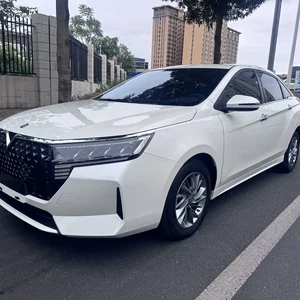
View all listings →Real units currently on ChinaCarDirect with per-unit asking prices and MOQ. Availability updates live from the catalogue.
How to buy a Venucia D60 from China
-
1
Define the required D60 variant
Choose between a 1.6L petrol manual or CVT and a D60EV Standard Range or Long Range edition. Base the decision on route demands, charging access, fleet policy, and destination approval rather than trim names alone.
-
2
Review exact live listings
Open the live D60 inventory and compare matching model years, trims, powertrains, condition, equipment, and current unit-level figures. Record the SKU, VIN where available, mileage, photographs, MOQ, and asking price for each candidate.
-
3
Request documents and a landed quote
Ask for the build sheet, title or ownership documents, PDI status, warranty terms, export documents, and a written quotation naming the Incoterm, freight basis, payment schedule, and validity period.
-
4
Clear destination compliance
Have a local broker or homologation specialist check type approval, emissions, safety, taxes, registration, and steering-side requirements. For a D60EV, also verify battery transport paperwork, charging compatibility, and local high-voltage support.
-
5
Agree the order and payment milestones
Confirm the selected unit, listing-specific MOQ, deposit, balance conditions, and treatment of any discrepancy. Tie significant payments to matching documents, seller confirmation, and an agreed inspection or shipment milestone.
-
6
Inspect before loading
Use an independent inspection to verify VIN, condition, tyres, fluids, accident repair, equipment, and document consistency. For a D60EV, request battery health information and test charging behaviour before shipment.
-
7
Plan shipment and local handover
Consolidate compatible units, secure suitable transport and insurance, and confirm export declarations. Prepare a parts list, technician plan, charging equipment where relevant, and local registration file before the vehicles arrive.
D60 vs rivals
| BYD Yuan Plus | The Yuan Plus is a direct EV-format benchmark for D60EV buyers, especially where buyers already recognise the BYD brand. The D60 may provide a different value equation or specification, so compare homologated range, charging, warranty, and local service rather than assuming a brand-level advantage. |
|---|---|
| Chery Tiggo 4x4 | The Tiggo 4x4 competes with the petrol D60 for value-conscious compact-SUV buyers. Compare the D60’s 1.6L manual or CVT choice, standard equipment, safety content, fuel economy, warranty, and local parts support under equivalent conditions. |
| JAC JS4 | The JS4 is an overlapping Chinese-brand compact crossover with similar dealer and fleet use cases. The D60 may appeal through its 1.6L range, manual option, and CVT versions, while the JS4 should be assessed for local recognition, service access, and parts availability. |
Frequently asked questions
How is Venucia D60 export pricing determined?
Each quote can move with model year, trim, powertrain, battery or range edition, condition, seller terms, exchange rates, freight, insurance, and Incoterm. ChinaCarDirect’s live D60 inventory shows the current price, MOQ, and availability for each unit. Treat that unit-level figure as the starting point for a landed-cost quotation, not as a universal model price.
What engine, transmission, and range options are available?
Petrol D60 variants in the export range are identified as 1.6L models with manual or CVT transmissions. The battery-electric D60EV branch includes Standard Range and Long Range editions. Exact battery capacity, motor output, charging specification, and certified range must be confirmed on the live unit listing.
Should I buy a new or used Venucia D60?
A new D60 is generally easier to standardise across a fleet and provides clearer PDI and warranty documentation, although destination approval is still required. A used unit may fit a specific acquisition budget but requires closer inspection, especially for EV battery health. Compare condition, service history, warranty transferability, and landed cost rather than mileage alone.
What is the MOQ for a Denucia D60 export order?
MOQ is confirmed at the listing and transaction level, so buyers should read it on the selected unit rather than assume it applies to every D60. Single-unit buying can suit a test or spare vehicle, while consolidation may reduce per-vehicle freight costs. Confirm the minimum, deposit, and mixed-model rules in writing before reserving vehicles.
How long does shipping take and what affects the cost?
Transit time depends on the origin and destination ports, sailing schedule, vessel space, customs clearance, congestion, and inland delivery. Freight cost is also affected by container type, chargeable weight, fuel surcharges, insurance, and the selected Incoterm. Obtain a written shipment quotation and schedule rather than relying on a generic estimate.
Can I order spare parts with a Venucia D60?
Ask the supplier to quote parts against the vehicle’s VIN, model year, trim, and powertrain before shipment. Common consumables and service items may be easier to plan than body or electronic components, but availability must be verified. Include a starter parts kit with fleet deliveries when local inventory is limited.
Is a right-hand-drive Venucia D60 available?
Do not assume that a China-market D60 is factory right-hand drive. Availability may depend on the specific source, trim, and whether an approved conversion specialist can supply the required version. Confirm steering side, electrical compatibility, safety inspection, and warranty implications for every unit before payment.
How do I order a Venucia D60 from China?
Start with the live Venucia D60 inventory and submit your destination, quantity, trim, and powertrain requirements through an RFQ. Compare the current unit-specific listing, request documents, and obtain a landed quotation with a stated Incoterm and payment schedule. After reservation and agreed payment, complete inspection and shipment preparation before the vehicle leaves China.
Ready to source the Venucia D60?
Send ChinaCarDirect your destination, required D60 variant, quantity, and Incoterm to request a unit-specific export quote and current availability.
Request a quote