
Venucia D60ev Export Buying Guide for Dealers
Buy Venucia D60ev from China with practical guidance on trims, range choices, export pricing, MOQ, compliance, shipping, rivals, and live unit availability.
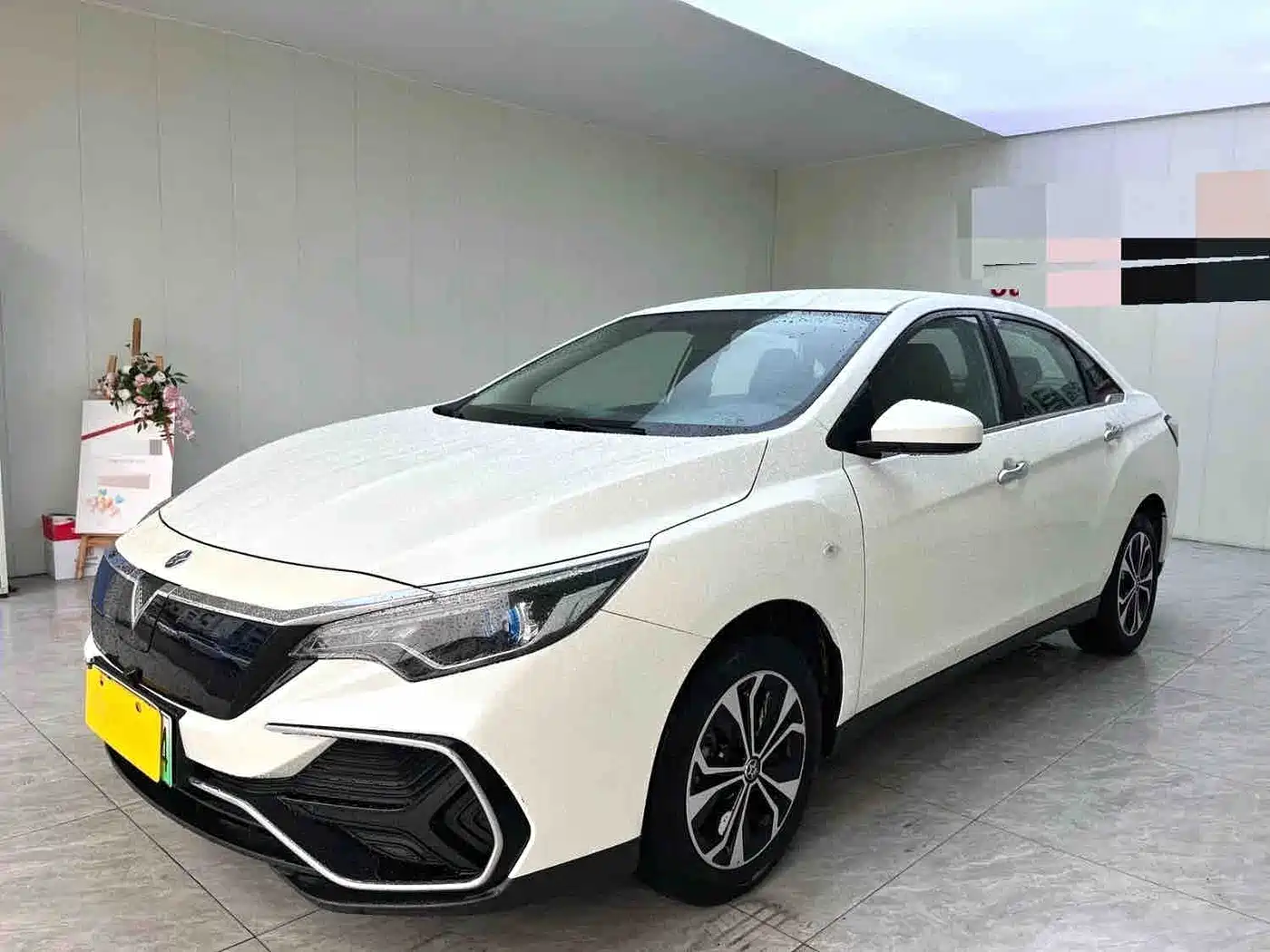
At a glance
- The Venucia D60ev is a compact battery-electric crossover aimed at value-led importers, dealers, and fleet operators.
- Standard Range and Long Range versions allow buyers to match equipment with charging access and route demands.
- PLUS, Smart, Comfort, Premium, SI, and RJ labels require VIN-level specification checks before comparison.
- New and used units demand different checks covering battery condition, operating history, warranty, and import eligibility.
- Current unit pricing, MOQ, and availability should be confirmed on live D60ev listings before payment.
Why the Venucia D60ev matters for export markets
The Venucia D60ev is a compact battery-electric crossover positioned for buyers who want SUV practicality without the fuel cost of a combustion vehicle. For overseas dealers and fleet operators, its relevance is less about global brand fame than value-led sourcing from China. The model offers a familiar five-seat format, while its electric drivetrain can suit urban service, company-car, and short-route fleet duties where local charging is available. Its range-badged versions also let a buyer prioritize driving capacity over equipment, although exact battery and range data must be confirmed for each export listing.
Global demand for the D60ev should be assessed market by market rather than through a global-sales assumption. Compact electric crossovers are relevant in places where imported Chinese vehicles are accepted, charging infrastructure is expanding, and operators recognize the lower routine running costs of an EV. The model can be persuasive to price-sensitive importers, but weaker recognition for the Venucia marque may require stronger aftersales planning and a clearer parts-supply strategy than an established volume brand. A dealer should also compare expected resale support, homologation effort, and service-part logistics before committing to a sizeable shipment.
For fleet and importer buyers, the D60ev’s export case rests on matching a relatively straightforward vehicle format to local operating conditions. A short daily route can make an urban EV easier to justify, while a buyer with frequent intercity travel should verify range under local temperature, traffic, load, and charging habits. In emerging EV markets, availability of the right hand-drive configuration, credible spare-part support, and a workable charging network may matter more than the broadest equipment list. This makes the model best viewed as a targeted export proposition rather than an automatic fit for every country.
Model range, trims and powertrain variants: how the lineup is structured and how to choose
The D60ev lineup is organized around Standard Range and Long Range, with additional PLUS derivatives. Standard Range examples include Comfort, Smart, Premium, and Smart Drive editions; Long Range examples include Comfort and Premium versions. PLUS names add Smart Drive SI and Comfort SI or RJ Type designations. These labels signal equipment propositions, but they do not reveal battery capacity, motor output, charging hardware, or standard equipment. Treat the edition as a starting point and request the VIN-level specification sheet rather than assuming that PLUS or Premium automatically means more range or power.
Standard Range versions are the starting point for urban buyers, high-utilization fleets, and routes where the vehicle can recharge between shifts. Long-range versions may better suit buyers who need additional margin between charging stops, but the decisive test is verified usable range in the destination rather than the badge. Consider how payload, weather, motorway speed, hills, and repeated air conditioning affect the route, and ask for the applicable test-cycle range and a charging plan. A higher range version can carry a cost and charging implication, so the quotation should be compared on a delivered-vehicle basis.
The PLUS, SI, and RJ Type variants appear to target buyers seeking a different equipment or technology emphasis, rather than defining one universally superior specification. Smart-oriented editions may appeal to fleet managers who value assistance and convenience, while Comfort and Premium naming can indicate simpler or more richly equipped cars. Since no single listing should be treated as representative, compare option sheets, display and software functions, safety equipment, wheel sizes, and service requirements across candidate units. Choose the trim that meets actual operational needs without paying for equipment a fleet will never use.
- Standard Range suits frequent charging.
- Long Range adds route margin.
- Verify VIN-level specifications.
New vs used Venucia D60ev: how export inventory is structured and how buyers choose
The D60ev inventory should be read as a mix of model years, range families, editions, and condition categories rather than a homogeneous product. Listings can present units described as new or previously owned, and the model-year label alone does not prove either status. Buyers should establish whether a car is unused, dealer demonstrator, ex-fleet, or private-used, then confirm title history, odometer disclosure, physical condition, and warranty transferability before comparing it with another unit. The same edition name can also cover different production periods, so a VIN-level check is the best way to prevent material mismatches.
A new or unused D60ev is easier to justify for fleet standardization because battery wear, service history, and cosmetic condition are not yet part of the operating history. It can simplify warranty administration if the buyer purchases through an authorized channel and receives the documentation. However, configuration and delivery timing should be verified: request the specification, battery warranty terms, charging accessories, and confirmation that the unit has not been registered or used for demonstration purposes. Do not assume that a seller’s use of the word “new” satisfies local customs or consumer-law definitions.
A used D60ev can make more sense where a tested battery and known service history create confidence, especially for a buyer with a lower purchase budget and modest route demands. Inspect battery state of health, remaining warranty, DC charging performance, tire condition, suspension noise, software behavior, and evidence of accident repair. Ask for a battery-health report tied to the VIN and compare the odometer with age, service records, and charger records. For import use, a used vehicle may also face different customs valuation or eligibility rules, which must be checked locally in advance.
- Confirm condition category.
- Review battery and service evidence.
- Check local used-import rules.
How export pricing works: the factors behind a live listing price, and how to read one
A D60ev export price is a commercial calculation, not a fixed model-level rate. The current starting vehicle price changes with model year, range family, edition, battery and motor configuration, mileage, condition, and whether the car is unused or previously owned. Currency movements also matter when a Chinese supplier quotes in renminbi and the importer settles in another currency. For that reason, a quote should carry a validity period and identify which exchange rate or conversion basis was used. It should also state whether taxes, transport, insurance, and applicable destination charges are included.
The listing price may not be the cost of placing the car in your warehouse. Depending on the Incoterm, it can exclude inland transport, export clearance, ocean or air freight, insurance, terminal handling, destination duty, VAT or sales tax, registration, and local delivery. Ask whether the amount is EXW, FOB, CIF, or another basis, and request separate charges for every stage. A higher quote can produce a lower landed cost if it includes documentation or transport that another listing leaves to the buyer. This is why a low headline price can be misleading.
To read a live D60ev listing, check the model year, exact edition name, range badge, odometer reading, condition description, and included equipment before looking at the price. Confirm whether the displayed amount is a unit price, whether it is a promotion, and what payment and delivery assumptions apply. Then compare candidate vehicles on the same landed-cost basis. ChinaCarDirect’s live D60ev inventory is the binding source for current per-unit prices, terms, and availability, so obtain a written quotation before placing funds. Treat a screenshot or enquiry as an indication, not a binding offer.
- Compare EXW, FOB, CIF, and landed cost.
- Verify year, range, condition, and options.
- Use live listings and written quotes.
MOQ, ordering and payment: single units vs consolidating a container
The minimum order quantity is a field on each offer, not an attribute of the D60ev. Some sellers may accept a single vehicle, while others may set a batch requirement for a production lot or discount tier. Read the MOQ clearly stated on the live listing and confirm it in the proforma invoice; do not infer flexibility from the model or a distributor-style description. If a container cannot be filled from one lot, the seller may combine eligible vehicles, but compatibility of year, edition, colour, and specification must be resolved in writing.
For a full-container program, consolidation can improve freight efficiency, but it should not mix vehicles without control. Define whether all units must be one model year and edition, whether colours may vary, how battery versions will be allocated, and whether the seller or a third party will complete the loading plan. Confirm the gross-weight and envelope constraints with the forwarder, because combining more cars does not guarantee that the container can be loaded safely or within road limits at destination. A written packing list prevents substitutions from being treated as agreed orders.
Payment and title documents should be settled before dispatch. A normal workflow may involve a deposit, inspection evidence, payment of the balance, and release against original invoice and shipping documents; the exact sequence belongs in the contract. Verify the seller’s legal identity, the vehicle identification number, ownership or customs-release documents, and the beneficiary account on the proforma invoice. Have an independent inspection performed, specify who bears inspection and demurrage costs, and make release conditional on matching the vehicle and documents rather than merely on shipment before the final balance becomes irrevocable.
- Check each live offer’s MOQ.
- Define container compatibility.
- Condition payment on inspection.
Shipping, homologation and market compliance caveats: LHD/RHD and import rules by country
EV shipping cost and lead time depend on origin and destination ports, container or LCL consolidation, battery-related handling, booking availability, carrier service, insurance, port charges, customs work, and the delivery mode beyond the port. Because a vehicle is a rolling, high-value, battery-equipped good, a forwarder should confirm whether it can accept the model in the planned shipping mode and provide compliant battery-transport documentation, such as an UN 38.3 test summary. Quote door-to-door and port-to-port options separately, and state who is the importer of record before any non-refundable freight booking is made.
Hand-drive configuration is a sourcing check, not an assumption. Chinese-market production is commonly left-hand drive, while some export destinations require or prefer right-hand drive. Do not accept a converted steering position as equivalent without checking the conversion, wiring, instruments, safety systems, warranty, and local type approval. Confirm whether the live unit is factory LHD, factory RHD, or a documented conversion; if no suitable configuration is available, the model may be unsuitable for that market or require a specialist conversion. Have the seller state the configuration in the final invoice and inspection report.
Import approval is country-specific and should be closed before a firm order. Check VIN and title documentation, customs classification, tariff and tax treatment, used-vehicle restrictions, charging-socket and voltage compatibility, local safety or emissions rules for electric vehicles, and any dealer licensing or registration requirements. Confirm whether emissions-tailpipe rules are the only approvals or whether lighting, crash, noise, software, charging, or local-conversion requirements also apply. Use a customs broker or market-entry specialist to identify the permit sequence; homologation in one country does not automatically authorize sale in another destination without any prior review.
Who should buy the D60ev — and who should pick a different vehicle
The D60ev best fits importers, dealers, and fleet operators seeking a compact electric crossover for repeatable urban or regional duty where charging can be planned. It is attractive when acquisition value, predictable energy use, and a conventional SUV body format matter more than premium branding or the broadest global service network. Standard Range examples may suit frequent in-facility charging, while Long Range versions can offer more route margin. The correct trim should follow the duty cycle, payload, and charging plan—not simply the highest equipment badge for the specific intended operating environment.
It is a weaker choice for buyers requiring extensive long-distance autonomy without dependable charging, a large seven-seat cabin, heavy-towing capability, or a mature international aftersales network already covered by local contracts. It may also be unsuitable where right-hand-drive supply, homologation, charging standards, or import eligibility cannot be resolved. Dealers in markets with strong resale expectations should also test demand for an unfamiliar marque and avoid basing volume forecasts on purchase value alone. Fleet buyers should retain a funded repair, battery, and residual-value plan before scaling the model and local workshop capacity.
A structured pilot is usually the most responsible route for a new brand in an unfamiliar market. Run a mixed group of LHD and RHD vehicles where relevant, across duty routes and seasons, and measure energy consumption, charging time, uptime, service parts, technician training, and residual performance rather than brochure range. Compare total cost against a similarly equipped combustion alternative and a Chinese EV. If the pilot reveals predictable duty, reliable parts supply, and a workable sales story, the D60ev can scale into a focused fleet niche rather than an unsupported volume assumption.
- Best for planned urban EV use.
- Unsuitable without charging or approvals.
- Pilot before fleet scaling.
Main rivals and how the D60ev compares
In the compact electric-crossover segment, the D60ev should be compared directly with the BYD Yuan Plus, GAC Aion Y Plus, and Chery Omoda 5 EV. These vehicles target overlapping buyers in different ways: the Yuan Plus balances EV familiarity and brand recognition, the Aion Y Plus emphasizes value and practical packaging, and the Omoda 5 EV leans toward a more design-led equipment proposition. The D60ev’s strongest alternative case is often commercial value and model-level choice rather than a universally stronger specification. Exact versions, batteries, warranties, and homologation still determine the real contest.
Against the BYD Yuan Plus, the D60ev may appeal to a buyer seeking a less conventional badge and a broad set of range and equipment labels. The Yuan Plus can be the safer commercial comparison where buyers recognize BYD, expect a wider established support network, or want an established export-sales channel. Against the GAC Aion Y Plus, the D60ev should win only if its exact version offers comparable cabin, range, warranty, and service terms; otherwise Aion’s value positioning may be more persuasive. Compare verified options and actual landed costs, not headline trims.
Against the Chery Omoda 5 EV, the D60ev may be more practical for a buyer prioritizing conventional utility and value, while the Omoda can attract design-conscious fleets and buyers wanting a more overtly modern presentation. Chery’s international footprint may carry more weight for some distributors. The final choice should be made using a scorecard covering destination approval, real-route range, battery warranty, service-part lead time, residual outlook, software support, unit economics, and the availability of multiple compatible trims for the program. Treat the D60ev as the value-led option only when its terms match.
- BYD Yuan Plus: stronger market recognition.
- GAC Aion Y Plus: value-focused rival.
- Chery Omoda 5 EV: design-led alternative.
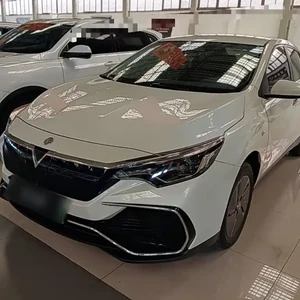
Live Venucia D60ev export inventory
View all listings →Real units currently on ChinaCarDirect with per-unit asking prices and MOQ. Availability updates live from the catalogue.
How to buy a Venucia D60ev from China
-
1
Define the duty cycle and destination market
Identify daily mileage, route type, payload, charging access, sales model, and destination country. These inputs determine which range family and equipment level deserve priority.
-
2
Shortlist live D60ev inventory
Compare live listings by model year, range family, edition, condition, odometer reading, hand-drive configuration, and seller location. Treat the listing as a starting point rather than a final specification.
-
3
Request VIN-level specifications
Ask for battery capacity, applicable range figures, motor output, charging hardware, standard equipment, warranty terms, and production details. The trim badge alone is not sufficient for a final comparison.
-
4
Check LHD/RHD and market approval
Confirm whether the unit is factory LHD, factory RHD, or converted, then have the destination’s import and type-approval requirements checked. Do not place a firm order before both issues are resolved.
-
5
Build a landed-cost quotation
Request an itemized quote showing the vehicle price, Incoterm, freight, insurance, export handling, destination charges, tax treatment, and payment schedule. Compare all candidates on the same delivery basis.
-
6
Agree MOQ, payment, and inspection
Confirm the minimum quantity, compatible configurations, title documents, warranty transfer, inspection party, and staged-payment conditions. Release the balance only after the vehicle and documents match the agreement.
-
7
Book freight and release documents
Use an experienced vehicle forwarder to confirm battery documentation, loading, booking, insurance, and delivery arrangements. Maintain inspection evidence and original shipping documents until the transaction is completed.
D60ev vs rivals
| BYD Yuan Plus | The D60ev offers a less familiar brand and a broad choice of range and equipment labels that may appeal to value-led buyers. The Yuan Plus generally carries stronger recognition and may offer a more established support proposition for distributors prioritizing low-risk resale. |
|---|---|
| GAC Aion Y Plus | The Aion Y Plus is a direct value-oriented alternative for compact-EV fleet and dealer programs. The D60ev is the stronger proposition only when its exact version provides comparable range, equipment, warranty, and aftersales terms at the landed cost. |
| Chery Omoda 5 EV | The Omoda 5 EV leans toward a more design-led and technology-conscious image, while the D60ev emphasizes conventional utility and value. Chery’s international footprint may carry more weight for distributors, so support and homologation should be weighed alongside acquisition economics. |
Frequently asked questions
How is the Venucia D60ev export price determined?
Export pricing starts with the vehicle’s year, range and trim, battery and motor version, condition, mileage, and the seller’s commercial terms. Exchange rates, freight, insurance, port charges, duty, tax, and the selected Incoterm affect landed cost. Check the current per-unit amount on the live D60ev listings, then request a written quote with a validity period and clearly stated inclusions.
What powertrain and range options does the Venucia D60ev have?
The D60ev is a battery-electric crossover, with Standard Range and Long Range versions and additional PLUS derivatives represented in the range. A trim badge does not reveal battery capacity, motor output, charging rates, or real-world range by itself. Request those specifications for the exact VIN, including the applicable test-cycle range, charging interface, and battery warranty.
Should an overseas buyer choose a new or used Venucia D60ev?
New or unused units simplify fleet standardization and may make warranty administration easier, provided the seller’s status and documentation are valid. Used vehicles can offer a lower acquisition cost and known operating history, but battery state of health, charging performance, mileage, accident repair, and remaining warranty need closer inspection. Decide from lifecycle cost and verified condition, not model year alone.
What is the MOQ for a Venucia D60ev wholesale order?
MOQ is set on each live offer and can differ between sellers, batches, and commercial programs. A single-unit purchase may be available where the listing permits it; a container order may require a larger batch or approved consolidation. Confirm the MOQ, compatible configuration, and any discount condition in the proforma invoice before payment.
How long does Venucia D60ev shipping take, and what does it cost?
Shipping time and cost vary with port pair, booking space, container or LCL plan, battery handling, insurance, terminal charges, customs work, and inland delivery. Vehicle and battery transport requirements can also affect carrier acceptance and documentation. Quote port-to-port and door-to-door scenarios separately, with the importer of record and charge responsibility stated.
Can spare parts be ordered for an exported Venucia D60ev?
Spare-part planning should start with the exact model year, edition, motor and battery configuration, and VIN. Ask the supplier for commonly required service items, electronic modules, body parts, and expected lead times, and confirm whether aftermarket, remanufactured, or original parts are available. For a fleet launch, a minimum parts list and technical support channel are more useful than a generic parts promise.
Is a right-hand-drive Venucia D60ev available for export?
Right-hand-drive availability depends on the actual source unit and the destination market; it should never be inferred from the model name. Ask whether the vehicle is factory LHD, factory RHD, or converted, and obtain documentation for any conversion. Confirm local type-approval requirements and charging compatibility, because a right-hand-drive car may still be unsuitable for import.
How do I order a Venucia D60ev from China?
Start with the live D60ev listings, shortlist units by range, trim, condition, and location, then request a specification sheet and landed quote. Submit an RFQ naming the destination, expected quantity, Incoterm, and required documents. Before releasing final payment, complete seller verification, market-compliance checks, inspection, and agreement on MOQ, payment stages, title documents, and shipping release terms.
Ready to source the Venucia D60ev?
Request a current Venucia D60ev wholesale quotation with VIN-level specifications, landed-cost options, MOQ, and an export compliance checklist.
Request a quote