
Venucia Dav Dd-i Export Guide for Dealers and Fleets
Export Venucia Dav Dd-i buyers: compare electric trims, range choices, ordering, compliance, rivals and live pricing before buying from China.
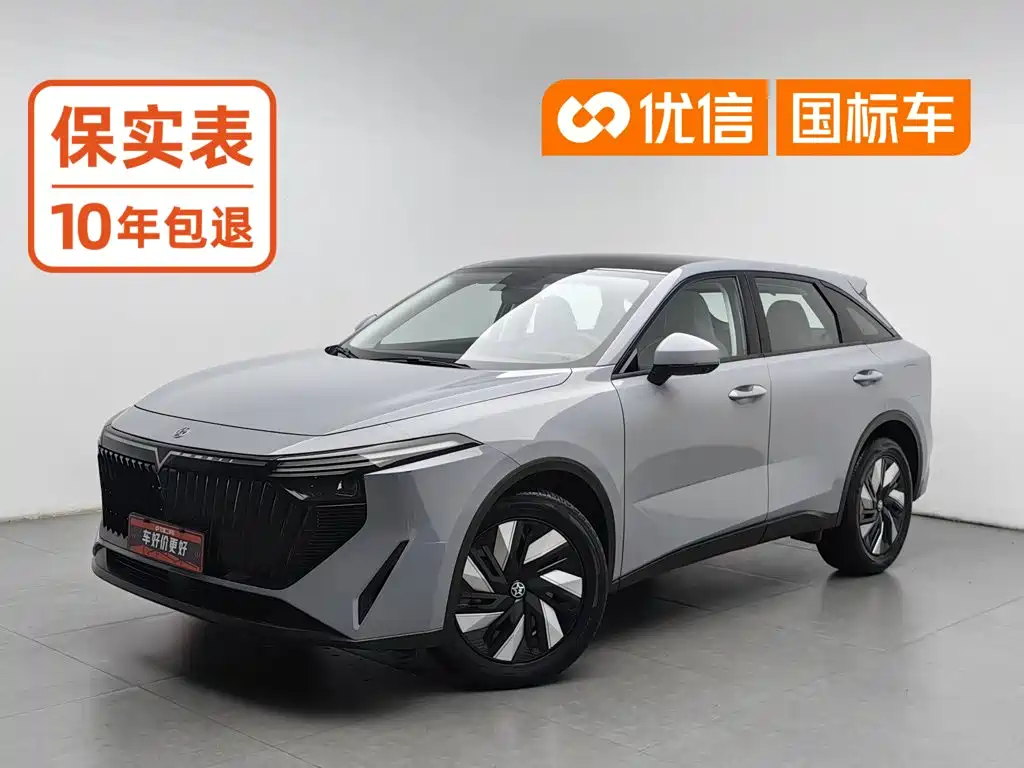
At a glance
- The Dav Dd-i is a compact battery-electric crossover suited to urban dealers and controlled fleet pilots.
- The export lineup uses 60km iD, 110km iE, 110km iT and Orca 150km Deluxe labels, but their measurement basis must be confirmed.
- Range decisions should use destination-certified figures, charging access and real duty cycles rather than trim-name numbers alone.
- New vehicles offer clearer specification and warranty histories; used vehicles require title, condition and battery-health checks.
- Exact per-unit price, MOQ and availability must be checked in live ChinaCarDirect listings or a written RFQ.
Why the Venucia Dav Dd-i matters for export markets
The Venucia Dav Dd-i is a compact battery-electric crossover aimed at the increasingly crowded urban EV segment. For overseas dealers, its relevance is not simply that it is electric: the model targets buyers who want crossover packaging, manageable urban dimensions and a practical alternative to conventional compact vehicles. That combination can suit city launches, ride-hailing pilots, municipal or corporate fleets, and importers building an EV category before wider electrification demand is proven. Its value proposition must still be tested against local charging access, import duties, insurance categories and after-sales support, because overseas suitability depends on operating conditions rather than badge or body style alone.
Demand for this type of vehicle is strongest where dense cities, short-to-medium duty cycles, tightening emissions policy and growing public charging make a small EV commercially relevant. It can also attract customers who want the seating and loading versatility associated with an SUV without moving into a larger, costlier platform. For distributors, however, a low-noise product still needs a credible path to registration, parts supply, battery diagnosis and warranty service. Those capabilities often matter more than brochure range when a fleet or dealer commits to multiple units. Local execution determines commercial credibility.
For an export manager, the Dav Dd-i should be positioned around operational fit rather than treated as a single global specification. Climate, road quality, daily mileage, charging habits and passenger loads all influence which variant makes sense. A short urban pilot can establish residual demand before larger commitments, while an importer with a mature service network can support a broader retail rollout. The model therefore matters most as a disciplined segment entry, provided homologation and after-sales planning are completed before vehicles are shipped to the destination market. That discipline protects margin and customer trust.
- Urban EV and short-route fleet use.
- Validate charging, service and demand.
- Pilot before scaling orders.
Model range, trims and powertrain variants: how the lineup is structured and how to choose
The export naming identifies the Dav Dd-i through four recurring edition labels: 60km iD Edition, 110km iE Edition, 110km iT Edition and Orca 150km Deluxe Edition. These labels are useful for locating the right SKU, but they should not be treated as a substitute for the homologation sheet. In particular, a number embedded in an edition name may not represent the same cycle, protocol or usable-distance measure used by an overseas regulator. Ask the seller to map every label to battery, motor, charging and equipment specifications before comparing quotations in writing.
Range choice should begin with duty cycle rather than the largest headline number. A buyer covering predictable urban routes can calculate energy needs from actual mileage, stopping time, climate and charging access, then ask for certified range under the destination cycle. Fleet operators should also model opportunity charging and spare-vehicle policies. For private buyers, consistency of charging at home or work usually matters more than a small nominal advantage on paper. The same discipline applies when comparing 60km-, 110km- and 150km-labelled editions: establish the measurement basis before drawing conclusions about suitability.
Equipment should be compared by operating and ownership priorities. Fleet managers may prioritize cabin durability, range consistency and serviceability; private buyers may place greater weight on comfort, infotainment and driver assistance. The iE, iT and Deluxe labels alone do not prove which features are included, so request a dated specification sheet and photographs of the exact vehicle. Confirm battery warranty terms, software functions, charging equipment and replacement-part support before selecting the trim. The best choice is therefore the edition whose documented specification matches the duty cycle and after-sales package locally.
New vs used Venucia Dav Dd-i: how export inventory is structured and how buyers choose
Export inventory can include new vehicles held by manufacturers, dealers or parallel exporters, as well as used examples entering the market through local trade-ins, fleet disposal or private sales. New vehicles generally offer clearer title history, more consistent specification and the strongest factory warranty position. Used cars may carry visible cost advantages, yet condition, remaining battery life and repair history require evidence rather than assumptions. Buyers should therefore assess each unit as a separate asset. Do not assume that a used EV has the same residual value as a comparable new vehicle.
For a fleet buyer, consistency can outweigh the lowest headline purchase cost. Matching battery and range versions simplifies charging planning, spare-parts stocking, driver familiarization and residual-value marketing. A mixed fleet may still be sensible when route profiles differ, but it should be intentional and supported by service documentation. For a dealer testing demand, a selected used vehicle can reveal customer reaction at lower initial capital exposure, provided its condition report is convincing. A battery-state-of-health report and independent inspection should precede any used-unit commitment at the agreed delivery point.
The live listing should disclose whether a vehicle is new or used, its model year, trim label, VIN, mileage or declared condition, title status and warranty start. For a new vehicle, verify that the declared specification is the one being produced and that no undisclosed substitutions will be made. For a used vehicle, inspect panel condition, cabin wear, software status and battery health, and confirm whether the warranty is transferable. These checks matter more than the age label alone. A dated inspection and allocation of repair risk protect the buyer.
- Verify VIN and warranty.
- Inspect battery condition.
- Document each unit.
How export pricing works: the factors behind a live listing price, and how to read one
A Dav Dd-i export listing is a starting quotation, not automatically a landed cost. The amount payable for a particular unit can move with model year, edition, range or battery specification, mileage and condition, production timing and the availability of a matching vehicle. Currency movements also affect a China-origin purchase, while freight, insurance, inspection, documentation and the chosen Incoterm determine which costs the seller includes. Compare offers only on the same commercial and vehicle basis. Ask for the quotation currency, payment date, validity period and any unit-specific discount in writing.
Start with the live ChinaCarDirect inventory because the exact unit, its condition and its current asking price are shown there. Confirm whether the displayed figure is an EXW, FOB, CIF or another basis, and identify what is excluded from taxes, port charges, insurance, registration and inland delivery. A cheaper vehicle under one Incoterm can be more expensive once handling and risk are added. Request a pro forma invoice that separates vehicle price, freight, insurance and charges so the buyer can approve a clear final landed-cost budget before issuing any binding deposit payment.
Dealers should also calculate the business case beyond the purchase invoice. Working capital, finance costs, expected residual value, charging-installation expenses, staff training and warranty exposure can outweigh a small difference between otherwise equivalent listings. Ask how long the quote remains valid, whether the VIN is reserved, and what happens if the selected vehicle is sold. Exact per-unit price, MOQ and availability are shown in the live ChinaCarDirect inventory and should be confirmed in writing for the selected SKU. A general guide cannot replace those current, transaction-specific figures before any deposit.
- Match trim and Incoterm.
- Check quote validity.
- Calculate landed cost.
MOQ, ordering and payment: single units vs consolidating a container
MOQ is a commercial term that should be confirmed for the selected vehicle, trim and destination rather than inferred from a marketplace category. Some sellers may accept a single-unit pilot, while others set a higher batch requirement for export packing, homologation or container loading. Ask the seller to state the MOQ in the quotation and explain any mixed-model conditions. The important point is to obtain a written rule for the exact order, destination and payment method, not to assume every listing can be bought on the same terms without checking.
A single unit can be sensible for market testing, a demonstration vehicle or a dealer validating local service capability. The buyer should clarify who arranges export declarations, which documents accompany the car, how the battery is protected during transit and whether the seller or importer handles destination charges. For a larger wholesale order, consolidating compatible editions may reduce per-unit handling, but mixed specifications can complicate loading plans, spare-parts stock and delivery sequencing. Consolidation should follow a confirmed sales or fleet plan, not an attempt to fill space blindly without a clear purpose.
Payment terms should be tied to verifiable milestones. A typical sequence may reserve the unit and VIN, pay a deposit, complete inspection, settle the balance against a verified export document, and then release shipment. The exact sequence depends on the seller and payment method, so obtain written terms covering refunds, documentary discrepancies, storage, demurrage and cancellation. International transfers can expose the buyer to intermediary-bank charges and currency risk; state who bears those charges. Never treat a general listing image as a substitute for the selected unit's condition report before payment.
- Confirm MOQ and refunds.
- Pilot or consolidate to demand.
- Tie payment to documents.
Shipping, homologation and market compliance caveats: LHD/RHD and import rules by country
Chinese-origin vehicles are commonly supplied in left-hand-drive form, so destination market and configuration must be settled before production or shipment confirmation. A right-hand-drive buyer should ask whether a genuine RHD example is available or whether a conversion is permitted under local rules. Conversion affects steering, controls, safety components, documentation and residual value; it should never be assumed homologation-ready. For either configuration, confirm that the VIN, steering position, lighting, mirrors and restraint systems match the importing country's type approval. Request evidence for every alteration before accepting delivery in the destination country.
Homologation is country-specific and should be treated as a project, not an administrative afterthought. The importer needs to establish the vehicle type approval, customs classification, emissions or electric-vehicle rules, safety requirements, cybersecurity and software provisions, radio approval, local labelling, VAT or GST treatment and any incentive conditions. The exporter can provide vehicle identification and supporting documents, but the importer remains responsible for confirming what the receiving authority accepts. Build regulatory lead time into the schedule before committing to non-refundable deposits or announcing availability to customers early in the destination market.
Shipping choice affects cost, lead time and vehicle condition. Ro-ro, container and specialist vehicle-carrier options each have different handling patterns, space economics and exposure to delay. For an EV, ask how the battery is isolated, monitored and protected during handling, and whether the carrier requires any charging or state-of-charge procedure. Sea freight is often the economic choice for regular shipments, while higher-value or urgent lots may use faster services. Quote freight, insurance, port charges and inland haulage separately, and allow for inspection, congestion and customs variability at the destination port.
- Confirm LHD or RHD.
- Check local approvals.
- Quote freight separately.
Who should buy the Dav Dd-i — and who should pick a different vehicle
The Dav Dd-i is most logical for an importer or dealer that can support compact EVs and has realistic charging access for its customers. Urban retailers can use it to test demand without moving into a larger EV platform, while short-route fleets may benefit from predictable energy use and lower operating complexity. It can also suit a company seeking a practical fleet pilot where charging depots are controlled. These advantages depend on disciplined route analysis and a service plan for batteries, tyres, high-voltage items and routine maintenance from launch onward.
It is a weaker choice for buyers who need verified long-distance range, rapid charging across an inconsistent public network, high payload, extensive towing or a large seven-seat cabin. A dealer without battery diagnostics, high-voltage training or dependable parts support may also struggle to protect the warranty and resale value. Do not assume a vehicle will be eligible for local EV subsidies; eligibility can depend on origin, homologation, local production content, price bands or local registration status. Select another model when those operating constraints clearly outweigh the Dav Dd-i's urban strengths.
A used Dav Dd-i may suit a budget-conscious dealer with the skills to condition and support it, but the purchase decision should include expected battery replacement risk, tyre age, software support and repair parts. A different Chinese EV may be easier if it has a stronger local distributor network, a clearer warranty or a more attractive residual-value story. Conversely, the Dav Dd-i may be preferable where the importer has already solved parts access, charger compatibility and homologation for the model. The right choice is operational fit, not badge recognition alone locally.
- Best for urban fleets.
- Avoid unsupported use cases.
- Verify local incentives.
Main rivals and how the Dav Dd-i compares
The closest alternatives depend on whether the buyer values crossover shape, global familiarity or lowest acquisition cost. BYD Dolphin is a relevant compact BEV comparison because it addresses similar urban EV buyers, although its hatchback layout and established international support may appeal to a different retail brief. Dongfeng Box is a more direct small-electric-crossover alternative from China, so buyers should compare its destination specification, charger compatibility and local service network. The Dav Dd-i should win only when its documented equipment and landed economics fit better for the target market and duty cycle.
Wuling Bingo represents the value-led, small-city-EV end of the set. It may appeal to buyers focused on urban mobility and purchase outlay, but the Dav Dd-i's broader crossover proposition may be more suitable where luggage, passenger comfort and a conventional SUV silhouette matter. Because the editions and homologated equipment vary by market, compare like with like: battery version, certified range, safety equipment, warranty and charging access. A visually similar rival is not necessarily a like-for-like commercial alternative. The decision should follow duty cycle and total operating support rather than styling.
There is no universal winner across these rivals. An importer with a strong BYD service footprint may reduce support risk; a dealer already familiar with Dongfeng sourcing may simplify compliance and parts; and a price-sensitive urban operator may prefer the Wuling proposition. The Dav Dd-i is most persuasive when its exact trim provides the required range and equipment and when the importer can document charger compatibility, battery warranty, spare-parts access and resale demand. Review live specifications and unit-level quotes before making a final commitment to the selected importer or distributor.
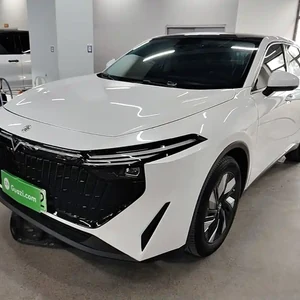
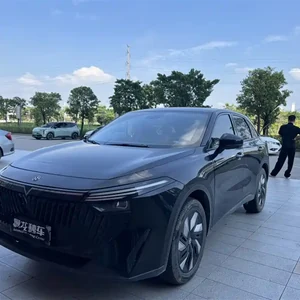
Live Venucia Dav Dd-i export inventory
View all listings →Real units currently on ChinaCarDirect with per-unit asking prices and MOQ. Availability updates live from the catalogue.
How to buy a Venucia Dav Dd-i from China
-
1
Define the destination and duty cycle
Specify the country, LHD or RHD requirement, typical route length, charging locations, passenger loads and expected annual demand. This establishes which certification and trim comparisons are relevant.
-
2
Match the homologated trim
Review the 60km iD, 110km iE, 110km iT and Orca 150km Deluxe labels against a dated specification sheet. Confirm certified range, battery, motor, charging, equipment and warranty rather than interpreting the label alone.
-
3
Review live unit inventory
Open the live Dav Dd-i listings and compare the selected vehicle's year, edition, VIN, condition, mileage or declared status, warranty and current asking price. Treat each listing as a separate unit-level offer.
-
4
Request a landed-cost quotation
Ask for the vehicle price, freight, insurance, documentation, port charges, inland delivery, taxes and Incoterm to be separated clearly. Confirm the quotation currency, validity period and whether the VIN is reserved.
-
5
Agree MOQ and payment terms
Confirm whether a single-unit pilot is accepted or whether a batch is required. Record the deposit, balance, inspection milestone, refund rules, documentary requirements and responsibility for bank or currency charges in writing.
-
6
Complete destination compliance review
Confirm type approval, customs treatment, EV incentives, charging compatibility, safety requirements, software provisions and local labelling with an experienced importer. Complete this work before non-refundable shipment commitments.
-
7
Reserve, inspect and release
Verify the VIN and physical condition, including battery state and transport preparation, before releasing the balance. Retain the export documents, warranty information and delivery records for registration and after-sales support.
Dav Dd-i vs rivals
| BYD Dolphin | A compact battery-electric hatchback that competes for urban buyers and may offer broader brand familiarity. Choose it where hatchback practicality and established support outweigh the Dav Dd-i's SUV-style presentation; compare the actual destination variant, range and warranty. |
|---|---|
| Dongfeng Box | A small Chinese-origin electric crossover and the closest body-style benchmark for many urban importers. The Dav Dd-i may be preferable if its exact edition, dealer support and landed economics are stronger, but local service access must be checked for both. |
| Wuling Bingo | A value-focused small electric crossover for city-mobility buyers. It can fit buyers prioritizing purchase outlay and simplicity, while the Dav Dd-i may better suit those seeking a broader crossover proposition and an established importer support structure. |
Frequently asked questions
How is Venucia Dav Dd-i export pricing determined?
Export pricing is calculated per unit from the vehicle's year, trim, battery or range version, condition, mileage, availability, exchange rate, freight, insurance, documentation and Incoterm. Some costs may be included in the listing while others are added at destination, so ask for a written pro forma showing inclusions and exclusions. Exact current per-unit prices are shown in the live ChinaCarDirect listings and should be confirmed before payment.
What powertrain and range does the Dav Dd-i use?
The Dav Dd-i is a battery-electric crossover with no combustion engine in this version. Its export edition names include 60km, 110km and 150km references, but the seller must confirm what each number represents and which test cycle applies. Check the live listing and destination homologation file for certified range, battery capacity, motor output and charging before relying on a range-dependent business case.
Are used Venucia Dav Dd-i vehicles available?
New vehicles generally provide more consistent specification, clearer title history and better warranty clarity; used vehicles may cost less initially but require closer inspection. For a used EV, request battery state of health, mileage, service history, title documents and an independent inspection. Availability is unit-specific, so use the condition and documentation shown in each live listing rather than assuming a standard stock profile.
What is the MOQ for the Dav Dd-i?
MOQ is set by the seller, selected SKU, destination, packing method and payment plan; it is not a permanent property of the model. Some sellers may accept a single-unit pilot while others require a batch, so ask for MOQ in the written quotation for the exact order. Consolidation may reduce handling but should follow a confirmed fleet or retail plan, and the current MOQ must be checked on the live listing or RFQ.
How long does shipping take and what drives the cost?
Shipping time and cost depend on origin and destination ports, transport mode, season, congestion, documentation, insurance and battery-handling procedures. Sea freight is often the economic choice for regular shipments, while faster services may suit urgent or higher-value lots. Request separate vehicle-freight, insurance, port and inland-haulage quotations rather than assuming one all-in figure.
Are spare parts available for the Dav Dd-i?
Spare-parts support depends on the seller's stock and the importer's local technical capability. Before ordering, request a model-specific parts list, lead times, shipping route, diagnostic support and a plan for common service items such as tyres and high-voltage components. The vehicle should not be approved unless the importer can support it after delivery.
Is a right-hand-drive Dav Dd-i available?
China-origin examples are commonly left-hand-drive, but RHD availability is unit- and market-specific. Ask the seller whether a genuine RHD vehicle exists or whether conversion is technically and legally possible, then confirm approval with the destination authority. Never assume that a converted steering position automatically satisfies local type approval.
How do I order a Venucia Dav Dd-i from China?
Browse the live Dav Dd-i listings, select a candidate unit and request an RFQ quote stating the vehicle specification, Incoterm, MOQ, payment milestones, documentation, freight and delivery terms. After approval, verify the VIN and condition, complete destination compliance checks, inspect the vehicle before release and settle the balance against the agreed documents. The RFQ desk can provide the current unit-level commercial details for the order.
Ready to source the Venucia Dav Dd-i?
Send your destination, trim preference, quantity and required Incoterm to the ChinaCarDirect RFQ desk for a current, unit-level export quotation.
Request a quote