
Venucia T60 Export Buying Guide for Dealers and Fleets
Buy a Venucia T60 from China with practical guidance on trims, used units, export pricing, MOQ, shipping, compliance and rival models for dealers.
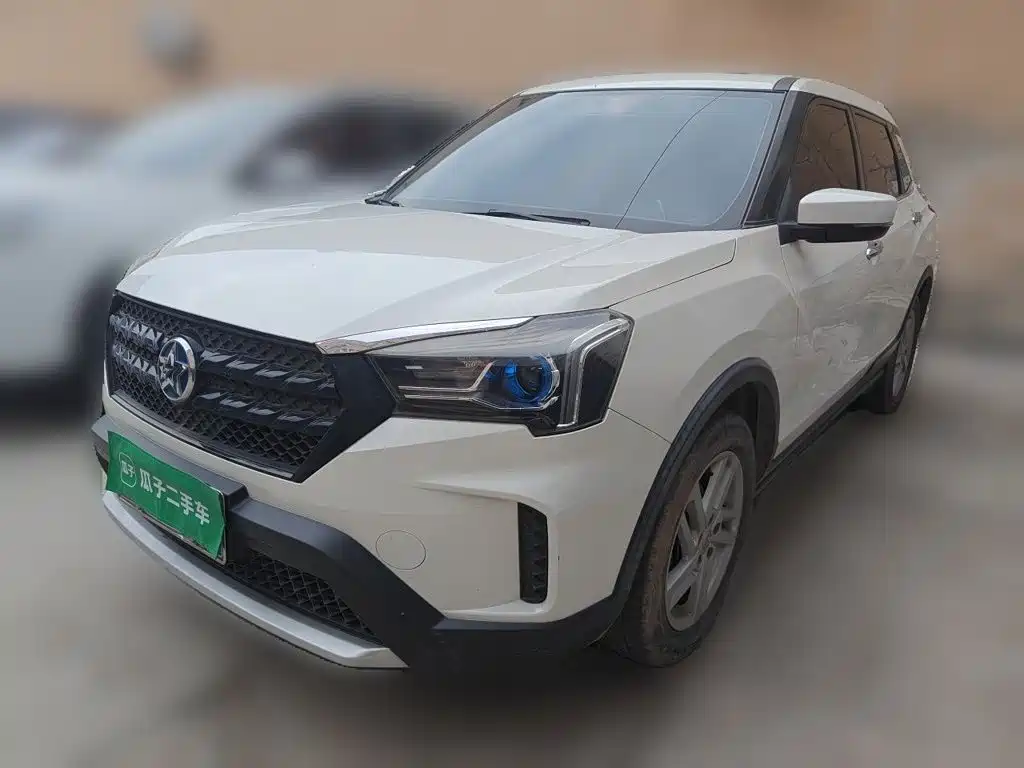
At a glance
- The T60 is a compact gasoline SUV combining a 1.6-litre engine with a CVT for value-focused importers and fleet buyers.
- China V and China VI labels are visible in the trim structure, but neither is automatic homologation in another country.
- Used Venucia T60 vehicles can widen trim and model-year choice, while making unit-level inspection essential.
- Export pricing responds to specification, condition, age, mileage, freight, exchange rates, insurance and Incoterm.
- Current price, availability and supplier MOQ should be confirmed on live listings or in a written RFQ.
Why the Venucia T60 matters for export markets
The Venucia T60 sits in the compact SUV segment, combining a 1.6-litre gasoline engine with a CVT in a package aimed at buyers who prioritize practicality over premium branding. For overseas dealers, it can be relevant as an affordable alternative to newer mainstream crossovers, particularly where used vehicles are acceptable and local homologation permits a China-sourced car. The Venucia T60 for export proposition is operational rather than aspirational: straightforward transport economics, familiar fuel-service requirements, and a broad enough trim family to compare. It is not positioned as a performance SUV.
Assess demand at the trim level rather than by model badge alone. China V and China VI versions appear in the T60 lineup, and domestic names such as Smart Drive, Zhixing, Zhiyue, Zhi Xuan and Smart & Fun indicate different equipment levels. Those labels do not map neatly to European, Middle Eastern or other export grades, so importers should translate features into their market’s safety, equipment and emissions expectations. For fleet buyers, the strongest case is likely a well-equipped, serviceable example with clear paperwork; for private buyers, the CVT, fuel use and parts support may matter more than trim naming.
The T60 also needs to be considered in the context of local alternatives. A Chinese domestic SUV can offer useful acquisition value, but the importing country may impose taxes, emissions restrictions or certification costs that narrow the advantage. Dealers should compare the landed cost of each exact vehicle against a compliant used competitor, including registration, warranty and resale preparation. That discipline turns cheap China vehicle thinking into a sound wholesale decision: the relevant question is not the lowest asking figure, but which T60 can be registered, supported and resold profitably in the destination market.
- Compact gasoline-SUV positioning.
- 1.6L engine with CVT.
- Trim-level export assessment.
Model range, trims and powertrain variants: how the lineup is structured and how to choose
Within the Venucia T60 specs available for export, the consistent technical theme is a 1.6-litre engine and CVT. The range is differentiated mainly by trim naming and China V or China VI emissions designation. Smart Drive, Smart Edition, Smart & Fun, Zhixing, Zhiyue, Zhi Xuan and Smooth Ride labels identify a vehicle, but they are not an internationally standardized equipment ladder. Ask for a photo-backed feature list covering infotainment, cameras, climate control, upholstery and driver-assistance functions, because similar Chinese names do not guarantee the same specification across export markets or trims.
Choose the trim by use case and compliance, not by the most elaborate-sounding name. A fleet operator prioritizing low acquisition cost and predictable service may favor a simpler specification, provided it has the required safety equipment. A dealer serving retail customers may prefer a higher-feature China VI example with better presentation, provided differences can be demonstrated in its market. For used purchases, verify that the actual equipment survives inspection: trim names alone do not reveal condition. For new purchases, confirm warranty coverage, service intervals, manual availability and the exact equipment list before a firm order.
Because this is a gasoline T60 rather than an electric derivative, range planning should be based on usable fuel range, not a battery-capacity table. Actual consumption can vary with load, speed, climate, tires and driving style, so ask for engine output, curb weight, tire sizes and approved consumption figures before calculating fleet budgets. Those measurements should come from the exact listing because specifications are not uniform across trims. Confirm whether the vehicle is front- or rear-wheel drive, or uses another drivetrain arrangement, rather than inferring it from the model name.
- China V and VI trims.
- Domestic names need translation.
- Verify features and drivetrain.
New vs used Venucia T60: how export inventory is structured and how buyers choose
ChinaCarDirect’s export catalogue can contain both new and used Venucia T60 vehicles, but the categories solve different buying problems. New units offer a more coherent factory history and easier specification comparison, while used units broaden the selection of model years, trims and individual vehicles. Condition is not defined by the badge alone, so treat every used example as a separate purchase candidate rather than accepting a generic fleet description. Ask for VIN or chassis identification, production year, mileage evidence and photographs of the body, cabin, underbody and odometer before evaluation.
A used Venucia T60 can make sense for a dealer seeking a known configuration at a lower acquisition cost, or for a fleet that accepts wear and has refurbishment capability. The decision should turn on service history, engine and transmission condition, accident repair, corrosion, tire age, fluid condition and the completeness of keys and manuals. Request an independent inspection where possible and compare repair evidence with the asking terms. A lower purchase figure can be offset by maintenance, compliance work or warranty risk, so model the operating requirement rather than treating age alone as decisive.
New inventory is generally the cleaner route when consistency matters, especially for corporate fleets that want one specification, a predictable handover process and a clearer warranty chain. It is also preferable if a buyer expects the owner manual, service records and equipment to align from the start. However, “new” does not remove the need to verify production year, emissions version, options, prior registration history and delivery status. Dealers should define acceptance criteria in the purchase contract, including how discrepancies in paint, mileage, transport damage or accessories will be resolved in writing.
- New cars favor consistency.
- Used cars require unit inspection.
- Check ownership and mileage evidence.
How export pricing works: the factors behind a live listing price, and how to read one
A Venucia T60 export price guide should explain variables rather than publish a single figure that may quickly become misleading. The live listing price starts the vehicle’s commercial terms, but the amount payable can move with trim, model year, condition, mileage, emissions designation and negotiation scope. Currency conversion matters because the vehicle cost and international transaction may use different currencies. Ask whether the displayed price includes export documentation, inland transport, inspection and marine insurance, or only the vehicle and named services. Confirm the current, binding number on the live unit page or in a written quotation.
Freight is one of the largest variables outside the vehicle. A compact SUV may fit differently from a large SUV in a container or roll-on/roll-off operation, affecting cost per unit. Shipping method, ports, carrier space, season, route disruption, fuel surcharges and insurance influence landed cost. Incoterms determine which party organizes and pays for each stage. For a Venucia T60 wholesale comparison, hold freight method and destination constant, then compare specifications and condition; otherwise quotes may not describe equivalent purchases. This matters when consolidating vehicles or comparing China VI with earlier China V examples.
To read a live listing properly, separate the vehicle description from the commercial offer. Confirm model year, exact trim, engine/transmission, mileage, condition, VIN, equipment, seller location and visible damage. Then check the quote’s currency, payment stages, validity, Incoterm, named port, documentation, inspection and warranty, including what happens if the unit sells before payment. Use the live inventory as the current source for price and availability, rather than an old catalogue or remembered promotion. For a fleet, request the same fee structure across proposed vehicles so savings are genuinely comparable across destinations.
- Vehicle condition sets the base.
- Freight and Incoterms alter totals.
- Live quotes are binding references.
MOQ, ordering and payment: single units vs consolidating a container
MOQ means the minimum quantity a seller will accept in one order, and it is negotiated rather than guaranteed by the model name. ChinaCarDirect may facilitate single-unit purchases as well as multi-vehicle orders, but the minimum for a seller or listing must be checked live. A used vehicle may effectively be a one-off unit, while a fleet order can be assembled from individually approved vehicles. Do not infer a permanent T60 MOQ from a temporary catalogue mix: ask what quantity the supplier will release together, whether trims can be mixed, and how payment and shipping are allocated.
Consolidating several T60 vehicles into one shipment can improve freight planning and simplify arrival handling, but it should not be done before units are individually approved. First select each vehicle by condition and specification, then confirm acceptable documentation, compatible keys and manuals, and a coherent handover plan. Mixed model years or trims can work, but dealers should explain price differences, prepare separate retail or fleet information, and reserve spare parts against the actual selection. Where several dealers buy together, define who owns each unit, pays duties, handles damage claims and sells on arrival.
A sound ordering process moves from specification to identity, then from commercial terms to secure payment and shipment. Obtain the VIN or chassis number, signed sales contract, inspection report, clear photographs and a pro forma invoice showing the vehicle, services, port and Incoterm. Confirm deposit and balance stages, payment currency, beneficiary, refund triggers and balance-payment deadline. Before release, agree on documentary checks, export authorization, loading evidence and insurance. For a wholesale order, request a consolidated packing list and serialised unit list so no vehicle is substituted without written approval before shipment.
- MOQ is supplier-specific.
- Inspect before consolidating.
- Contract every vehicle.
Shipping, homologation and market compliance caveats: LHD/RHD and import rules by country
Shipping the T60 from China normally involves export preparation, origin handling, international carriage, destination clearance and local registration. Depending on the vehicle and route, the shipment may use a container or specialist vehicle carrier, but the method must be confirmed for the consignment. Compare freight cost with loading, securing, discharge, brokerage, port charges, insurance and inland delivery. Transit duration can vary with schedules, transshipment points, congestion, customs inspections and weather. Treat delivery dates as estimates and agree milestone updates in the contract. Border releases and weather disruption can alter the planned sequence at either end.
Steering configuration is a critical sourcing question. The T60 is primarily associated with left-hand-drive China-market production, so do not assume that a right-hand-drive conversion is available or that a converted vehicle will satisfy local registration rules. State the required configuration before selecting a unit, then ask the supplier to evidence the steering position, pedals, lighting, instruments and any local certification. A market that accepts only RHD may need a different vehicle or a professionally approved conversion, but that route can add cost, warranty limitations and resale uncertainty. Live availability should always be confirmed rather than inferred from the model.
China V and China VI labels identify domestic emissions versions, but they are not automatic approval for Europe, the UK, Australia or other jurisdictions. Import rules can cover emissions, roadworthiness, safety, VIN or chassis identification, customs valuation, duties, taxes, insurance and local type approval. Used cars may also face age restrictions or separate used-vehicle rules. Before contracting, provide the destination and proposed vehicle details in writing to a qualified customs broker or local compliance adviser. Obtain written confirmation of eligibility before paying a balance, and keep the contract conditional if approval is material.
- Confirm steering before deposit.
- Domestic emissions are not homologation.
- Use a local compliance adviser.
Who should buy the T60 — and who should pick a different vehicle
The Venucia T60 is most suitable for value-focused importers, small-to-medium dealers and fleet operators that need a practical compact SUV and can manage Chinese-market sourcing and after-sales support. It particularly fits buyers comfortable with a 1.6L gasoline powertrain and CVT who prioritize straightforward parts and servicing over a premium badge or the newest technology. For a rental or staff fleet, standardization is valuable, so selecting one trim and retaining comparable service histories is sensible. The vehicle also lets importers develop a niche for well-equipped used models rather than competing only on the newest retail SUV.
It is a weaker choice for buyers who need a specific homologated powertrain, high towing capacity, proven advanced-driver-assistance performance, extensive export-dealer support or guaranteed long-distance electric range. The T60 name does not guarantee a battery-electric version; this line-up is gasoline-powered, and its China V or China VI designation will not automatically satisfy a stricter destination regime. Buyers needing a factory-warrantied EV, a seven-seat vehicle, a commercial-duty derivative or a model with an established nationwide service network should look elsewhere unless the importer can independently build that support, including parts supply.
The best purchasing test is whether the business has a realistic resale or utilization plan in the destination country. Model the vehicle’s acquisition, homologation, freight, insurance, registration, servicing and remarketing costs, then compare them with a compliant used alternative. Review parts lead times, technician familiarity, software or diagnostic-tool needs and warranty handling before committing. For a dealer test, one carefully inspected unit may be more informative than a large speculative shipment. For a fleet, calculate cost per kilometre under real duty cycles and reserve a maintenance budget rather than relying on the catalogue description alone.
- Best for value-focused fleets.
- Weak for EV mandates.
- Serviceability drives resale.
Main rivals and how the T60 compares
Among actual alternatives, the Chery Tiggo 4x4 is a useful value-oriented compact-SUV comparison because it targets a similar practical, price-sensitive buyer. Depending on model year and specification, its engine, equipment and compliance history can differ from the T60, so the comparison must be made at exact-variant level. The T60’s 1.6L/CVT format is straightforward for familiarizing technicians, but buyers should compare safety equipment, parts support, fuel-service arrangements and landed cost rather than assume one brand has an automatic advantage. An approved Tiggo 4x4 may be easier to place in markets with stronger Chery distribution.
The JAC JS3 competes in the same Chinese-origin value-SUV territory and is useful when the T60’s domestic naming and specification hierarchy do not align with local demand. Both require verification of the exact engine, emissions version, dimensions, equipment and destination after-sales network. Consider the JS3 when its importer support or available equipment is stronger; prefer the T60 where its 1.6L CVT configuration, trim availability or inspection package is more suitable. Neither should be shortlisted on badge recognition alone, because registration and resale support can outweigh small equipment advantages in practice.
The Hyundai Creta represents a more internationally established compact-SUV alternative, often with stronger brand recognition and potentially deeper service support in some markets. It may command a different acquisition and total-ownership profile, particularly for buyers who prioritize warranty confidence, parts availability and straightforward retail positioning over the value of a China-sourced used T60. The comparison should focus on the same destination rules, vehicle age, mileage, condition and landed-cost assumptions. If the T60’s lower acquisition path remains meaningful after compliance and support costs, it can be viable; if not, the Creta may reduce commercial risk.
- Compare exact variants.
- Include landed ownership costs.
- Favor proven local support.
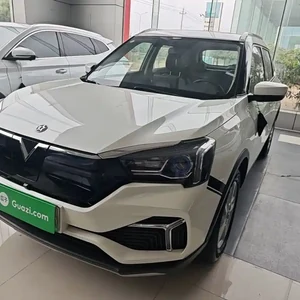
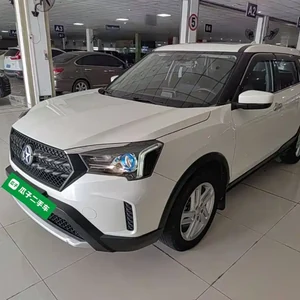
Live Venucia T60 export inventory
View all listings →Real units currently on ChinaCarDirect with per-unit asking prices and MOQ. Availability updates live from the catalogue.
How to buy a Venucia T60 from China
-
1
Define the destination requirement
Identify the destination country, required steering configuration, emissions rules, intended use and budget for registration, compliance, freight and after-sales support before selecting a vehicle.
-
2
Review live T60 inventory
To buy a Venucia T60 from China, open the live listings and filter by the practical criteria that matter: new or used condition, model year, trim, China V or China VI designation and available equipment.
-
3
Verify the exact unit
Request the VIN or chassis number, mileage evidence, service history, clear photographs and a physical inspection report. Confirm that the 1.6L CVT configuration and listed equipment match the intended use.
-
4
Request and normalize the quote
Ask for a written quotation naming the vehicle, currency, port, Incoterm, documentation, inspection, warranty, payment stages and shipping scope. Compare like-for-like vehicles using the same destination and freight terms.
-
5
Complete the compliance review
Give the destination and exact vehicle details to a qualified customs broker or local compliance adviser. Obtain written eligibility confirmation before releasing the balance if homologation is material to the purchase.
-
6
Contract and control payment
Use a signed sales contract and pro forma invoice that identify each vehicle and the agreed payment milestones. Make the balance conditional on satisfactory inspection, correct documents and export authorization.
-
7
Track shipment and arrival
Agree loading evidence, insurance, documentary handover, milestone updates and arrival responsibilities. Check the vehicle again after discharge, especially where transit damage or handling conditions were a concern.
T60 vs rivals
| Chery Tiggo 4x4 | The Tiggo 4x4 is a close China-brand value-SUV alternative for budget importers, but the chosen engine, safety content and local Chery support must be better aligned to justify switching. |
|---|---|
| JAC JS3 | The JS3 is a closer Chinese-market value alternative when its available equipment and importer network fit local demand. Compare its exact specification and compliance route against the T60’s 1.6L CVT configuration. |
| Hyundai Creta | The Creta offers stronger international recognition and potentially better parts support in some markets. It may be the safer commercial choice where the T60’s compliance, service or resale gap proves too large. |
Frequently asked questions
How is the Venucia T60 export price determined?
Live pricing starts with the exact unit and then reflects trim, model year, condition, mileage, emissions version, currency movement and negotiated scope. Freight, insurance, documentation, duties and the selected Incoterm can change the landed total. See the current unit price in live Venucia T60 listings and require a written pro forma quote for binding terms.
What engine and transmission does the Venucia T60 use?
The export-focused T60 is a gasoline vehicle with a 1.6-litre engine and a CVT; it is not a battery-electric derivative. China V and China VI versions occur across different trim names. Check the live listing for exact output, consumption, drivetrain and equipment because specifications can differ by trim.
Are used Venucia T60 vehicles a better value?
Used vehicles can reduce acquisition cost and offer a wider mix of model years, but they also carry condition, wear and warranty uncertainty. New units generally provide a more coherent history, yet still require checks of production year, registration, mileage and delivery status. Inspect each used candidate and compare total maintenance and compliance needs.
What is the MOQ for a Venucia T60 order?
MOQ is set by the seller and transaction, not permanently by the T60 model. A one-off used vehicle may be sold singly, while fleet orders can combine approved units; ask the supplier what they will release together and whether trims can be mixed. Check the live listing or RFQ terms for the applicable minimum.
How long does shipping take and what drives the cost?
Cost and timing depend on container or carrier method, origin and destination ports, route, transshipment, season, congestion, customs inspections, insurance and inland delivery. Delivery dates are estimates until loading and export documents are complete. Ask for a landed-cost breakdown under the intended Incoterm rather than relying on freight alone.
How are Venucia T60 spare parts ordered?
Order spare parts using the VIN or chassis number, model year and trim, and confirm compatibility before shipment. Lead time depends on the part, the selected supplier and destination distributor, so confirm availability before promising a vehicle. For common service items, verify local equivalent parts and fitment rather than assuming interchangeability.
Is a right-hand-drive Venucia T60 available for export?
China-market T60s are generally left-hand-drive, so do not assume factory RHD availability or accept a conversion without approval. State the destination and required configuration before selecting a unit, then ask the seller for evidence. Availability must be confirmed live, and a converted car may carry added cost, warranty and resale limitations.
How do I order a Venucia T60 from China?
Start with the live Venucia T60 listings, choose a specific vehicle, and request an RFQ covering the port, Incoterm, inspection, documentation, payment and shipment. Review the VIN, trim, China V or VI designation, condition, service history and contract before paying. Release the balance only after the agreed documentary and compliance checks are complete.
Ready to source the Venucia T60?
Request a live Venucia T60 quotation with the exact trim, unit condition, destination port, Incoterm and compliance scope.
Request a quote