
Venucia T70 Export Buying Guide for Dealers and Fleets
Explore Venucia T70 exports with guidance on trims, 1.6L and 2.0L options, live pricing, MOQ, shipping, compliance and suitability for dealers and fleets.
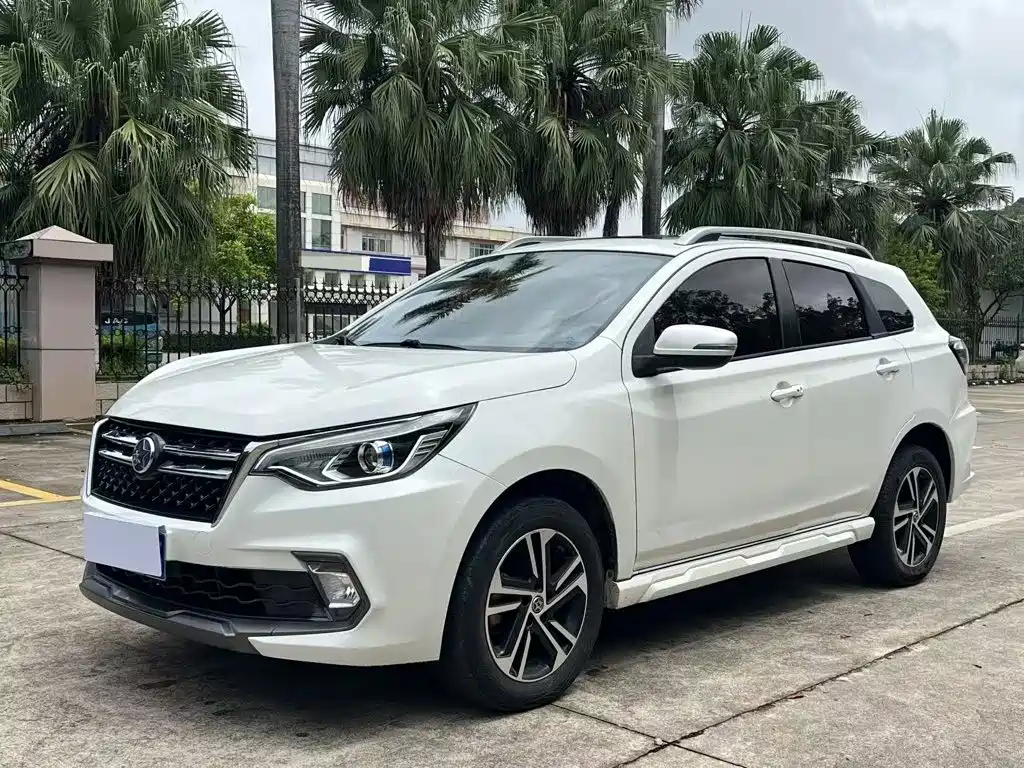
At a glance
- The Venucia T70 is a compact gasoline SUV with 1.6L and 2.0L engine options.
- Manual and CVT transmissions allow buyers to match powertrain choice to fleet use and local driving conditions.
- New-in-stock labels require verification because they may not represent the latest production year.
- Export value depends on trim, condition, freight, Incoterms and destination compliance, not the model name alone.
- Current per-unit price, availability and MOQ should be confirmed through live listings and written quotations.
- Right-hand-drive availability must be confirmed by VIN and steering configuration before ordering.
Why the Venucia T70 matters for export markets
The Venucia T70 is a compact, gasoline-powered SUV positioned for buyers who want a practical crossover without moving into the premium or electric-vehicle segment. Its relevance in export markets comes from the combination of 1.6L and 2.0L engine options, manual and CVT choices, and a format suited to everyday commercial use. It can suit a distributor building an accessible SUV range, a fleet operator prioritising purchase simplicity, or a dealer serving customers who need more upright utility than a sedan. The model should be evaluated as a value export product, where operating simplicity and parts planning matter as much as headline equipment.
In markets served by independent importers, the T70 can fill a useful gap between a small hatchback and a larger, higher-cost SUV. The upright cabin and SUV presentation improve passenger and cargo flexibility, while a combustion engine avoids the charging-network and battery-import questions attached to electric fleets. That makes the model relevant where petrol stations are already dependable and buyers need straightforward operation. It is less persuasive where charging is mature and local incentives strongly favour zero-emission vehicles. Importers should still test demand with the right trim and realistic landed economics.
Buyer interest should be grounded in the vehicle’s ability to be supported after delivery. Dealers should investigate whether local mechanics understand the powertrain, whether common service parts can be sourced, and whether the model’s age and emissions configuration meet destination rules. A T70 may be commercially attractive as an affordable used vehicle, yet an unsupported model creates warranty and residual-value problems. For this reason, the best export candidates are not simply the lowest-cost examples; they are units with clear identification, maintainable specifications, and a credible route to parts and homologation.
- Compact SUV format for passenger and cargo use
- Gasoline operation supports established refuelling networks
- Parts support and compliance decide export viability
Model range, trims and powertrain variants: how the lineup is structured and how to choose
When reviewing Venucia T70 specs, the range is organized around two gasoline engine sizes: 1.6L and 2.0L. The documented export configurations pair 1.6L versions with a manual and 2.0L versions with either a CVT or manual, depending on edition. A manual appeals to drivers who prefer direct control and simple mechanical interaction, whereas a CVT reduces driver workload in dense traffic. Always confirm the engine, gearbox, steering position and VIN on the selected unit. That verification prevents costly assumptions about performance, fuel use and maintenance.
Chinese edition names such as Rui Xing, Ruixing, RuiXiang, Rui Qu and Smart variants appear across the line-up. The spelling differences may represent distinct trims rather than simple punctuation changes, and buyers should not equate similarly translated names with identical equipment. Because equipment can vary by edition and market, compare a written specification sheet covering engine, transmission, air-conditioning, safety and infotainment equipment, plus any options that affect parts or repairability. A livery or translation explanation helps identify trim-specific hardware before ordering several units. It also prevents an unsuitable fleet specification from entering a larger shipment.
For an importer, the 1.6L manual is usually the simpler specification to evaluate for markets where drivers are familiar with manuals and operating costs are closely monitored. The 2.0L CVT can be more attractive where ease of use, stop-and-go traffic and a more relaxed driving process are priorities. These are use-case judgments, not guarantees of economy or performance. The correct decision comes from comparing the live specification, expected duty and fuel treatment, service arrangements and resale audience rather than choosing solely by displacement or trim badge. Test a representative unit before committing to fleet volumes.
- Confirm 1.6L or 2.0L on the VIN-linked listing
- Match manual or CVT to fleet driving conditions
- Compare written equipment, not translated names alone
New vs used Venucia T70: how export inventory is structured and how buyers choose
The used Venucia T70 and “new” catalogue category should not be treated as opposites without inspection. In some export catalogues, “new” describes a vehicle sold as new-in-stock and may not mean the current model year. A T70 can therefore be newer in condition while carrying an older production designation. Conversely, a used vehicle may have lower mileage, a better history or a more suitable specification. Buyers should ask for the production date, VIN, registration status, odometer reading and a clear definition of the condition label before comparing examples. This distinction is essential for an import business.
Choosing between a new-in-stock and used T70 is largely a risk decision. New-in-stock examples may reduce uncertainty about prior fleet use, cosmetic wear or incomplete maintenance records, but age can still affect depreciation, parts availability and regulatory eligibility. Used examples can offer a more attractive acquisition basis, especially for budget operators, provided the buyer can verify service history, inspect for structural repairs, and assess corrosion, wear and mechanical condition. A pre-purchase inspection should cover the engine, transmission, cooling, brakes, steering and electrical systems. It should also establish whether repairs were professionally completed.
For Venucia T70 wholesale planning, create a stock matrix rather than assuming one condition band will suit every channel. Separate units by production age, trim, transmission, mileage where relevant, condition grade and destination suitability. This makes it easier to match a nearly new vehicle to fleet buyers and a lower-cost used example to price-sensitive resale channels, while protecting the buyer from false like-for-like comparisons. The live inventory is the only reliable place to see which condition categories, trims and units are currently offered; request current binding details for every candidate. Availability should never be inferred from an old catalogue record.
- New label may indicate older production
- Verify used-unit history and condition
- Match condition to the resale channel
How export pricing works: the factors behind a live listing price, and how to read one
An export price is the result of several variables, not a permanent value assigned to the T70 name. Model year, exact trim, engine and transmission, mileage, condition, paintwork and equipment can move a vehicle’s value. The seller’s location, exchange-rate movement, payment terms and the volume or consolidation arrangement also matter. For the buyer, the important distinction is between the vehicle price and the landed cost, which can additionally include inland transport, export documentation, freight, insurance, destination charges, taxes and dealer preparation. This is why two displayed listings may not be directly comparable.
Read each live listing line by line rather than treating the search page as a fixed price list. Confirm the displayed amount is for one vehicle and identify the stated Incoterm, destination assumptions, validity period and what is excluded. Check whether freight, insurance, export clearance, port charges, taxes and registration are included. Ask for a pro forma invoice and a separate landed-cost estimate using the actual destination. That comparison prevents a lower vehicle figure from masking a higher total procurement cost and gives procurement teams a document they can compare consistently.
Currency and commercial terms can change between an initial enquiry and a confirmed order, especially when a vehicle is held for a period or freight space is booked later. Quote validity should therefore be recorded, and payment milestones should match inspection and shipping milestones. A buyer using a fixed exchange-rate budget should ask whether the supplier can hold a price or currency, what happens if the rate moves, and whether a deposit is refundable. Current exact prices and availability should always be taken from the live ChinaCarDirect unit listing and written quote, not from an earlier article or saved search.
- Compare like-for-like units and specifications
- Confirm the Incoterm and quote exclusions
- Model landed cost separately
MOQ, ordering and payment: single units vs consolidating a container
MOQ means the minimum quantity a seller will accept for a particular offer. It should be read on the live listing and confirmed in the quotation, because terms can differ between a single vehicle, a mixed shipment and a dedicated container order. One-unit purchasing can suit a test import, a dealer restocking a slow-moving trim or a fleet pilot. A larger commitment may improve purchasing efficiency, but only if the selected configuration, condition and resale demand are sufficiently clear before stock is committed. Never infer a universal MOQ from one saved listing.
Container consolidation can combine compatible vehicles from several suppliers, but it increases coordination work and creates shared responsibility for condition, documentation and delivery timing. Agree the final packing list before payment, identify each vehicle with its VIN and listing reference, and state who bears the cost of loading, securing, customs paperwork and destination handling. Mixed configurations may reduce freight cost per unit, yet they can also complicate resale if the buyer needs a uniform fleet specification. The quotation should separate vehicle cost, consolidation charges, transport and any terminal or customs fees.
The safest ordering sequence is sequential and document-led: select the unit, obtain a written specification and condition statement, request a pro forma invoice, complete the agreed payment process, arrange inspection, confirm export documents, and only then release the final balance against agreed milestones. Verify the seller’s legal identity and payment beneficiary against the invoice and contract; do not send funds solely in response to a chat message. Clarify title or ownership status, invoice fields, tax treatment, cancellation terms and the party responsible for export clearance before money changes hands. Keep every approval in one transaction file.
- Check each listing’s MOQ
- Pilot before fleet duplication
- Link payment to inspection milestones
Shipping, homologation and market compliance caveats: LHD/RHD and import rules by country
Shipping begins with defining the Incoterm, origin and destination responsibilities rather than selecting a carrier in isolation. The vehicle may move by roll-on/roll-off, containerised or specialist vehicle carrier, and the appropriate method depends on route, quantity and urgency. Obtain freight quotations using the actual vehicle description, pickup location, port or terminal, and destination. Also price inland haulage, export clearance, storage, insurance, destination handling and possible demurrage. Lead time can move with port congestion, sailing schedules, customs inspection, document problems or vehicle availability, so the supplier should provide a current milestone estimate rather than a generic transit promise.
Steering configuration is a critical compatibility item. A Chinese-market T70 should not be assumed to have the steering position required by the destination, and a listing’s model name does not prove LHD or RHD availability. Ask for the VIN, steering-wheel position, dashboard and lighting configuration, and photographs if an RHD example is required. Some markets permit limited conversion or require the conversion to be completed by an approved workshop, while others require the vehicle to be imported in the correct configuration. Confirm this before committing funds or paying conversion and registration costs.
Import rules vary substantially by country and can disqualify an otherwise affordable vehicle. Buyers should check VIN and title documentation, customs classification, duties and taxes, minimum vehicle age, emissions standards, safety requirements, local type approval, lighting, noise and emissions testing where applicable. European, Gulf, African and Asian markets each apply different frameworks, and an approval valid in China does not automatically transfer abroad. Older T70 examples deserve particular care because regulatory expectations may have moved on since production. Use a local customs broker or compliance specialist before shipment, and retain original documents that prove ownership and specification.
- Confirm steering position before payment
- Check age, emissions and type approval
- Separate freight, tax and handling costs
Who should buy the T70 — and who should pick a different vehicle
The T70 is best suited to importers, independent dealers and fleet buyers that value a compact SUV, gasoline operation and straightforward transmission choices. It can make sense for a regional distributor establishing a value-oriented crossover line, or for a fleet that prioritises purchase simplicity, familiar mechanical servicing and a uniform body format over premium branding. A pilot order is advisable because trim translation, parts support and local operating costs can materially affect the business case. The strongest buyers are those who can support the model after the vehicle enters service.
It may not suit buyers who require a current electrified powertrain, a modern battery warranty, or a vehicle with documented advanced driver assistance. It is also a weaker choice where stringent emissions rules make an older combustion platform difficult to register, where buyers demand established premium-brand residual values, or where long-term parts availability cannot be verified. Performance-focused buyers should not infer capability from displacement alone. Commercial users should also compare load requirements, towing needs and duty cycles with the actual specification; a passenger-oriented compact SUV may not match a heavier work-purpose vehicle.
Use a scored comparison when deciding whether the T70 fits a planned shipment. Score landed cost, expected resale or fleet uptime, parts access, homologation certainty, driver acceptance, fuel or tax exposure and the ease of replacing a failed unit. A lower acquisition amount can be outweighed by delays, conversion work or unsold inventory. Conversely, a vehicle that meets destination rules, is easy to service and matches a defined customer profile can justify a stronger commercial case. Ask each supplier to document how its T70 answers the same criteria, making the decision auditable rather than brand-led.
- Strong fit: value dealers and gasoline fleets
- Conditional fit: approval and parts dependent
- Weak fit: EV, premium or heavy-duty needs
Main rivals and how the T70 compares
The closest alternatives to the Venucia T70 are other Chinese compact crossovers sold to value-conscious importers. Chery Tiggo 4, JAC JS3 and GAC GS3 provide useful comparison points because each competes for buyers seeking a practical SUV with combustion powertrains rather than a premium badge or an electric-only proposition. The right benchmark depends on the destination: manufacturer support, available parts, local homologation and model age often influence the decision more than brochure equipment. Compare like-for-like vehicles and landed costs, since a different export programme can change the apparent value of each model.
Against the Chery Tiggo 4, the T70’s export attributes include its 1.6L and 2.0L choices and manual and CVT configurations, subject to trim. Chery may be the safer choice where its dealer and parts network is stronger in the destination, so buyers should compare actual support rather than assume model identity. Against the JAC JS3, the decision becomes a balance between powertrain choice, equipment, condition and service-part access. The T70’s configuration variety can help a mixed-channel importer, but only if it avoids an over-complicated stock plan before committing to a mixed fleet order.
With the GAC GS3, buyers should focus on the exact variant available for export, because similarly named compact SUVs can differ substantially in transmission, equipment and homologation. A T70 buyer may prioritise a lower-complexity specification, a manual for a particular fleet or a CVT for ease of operation; the rival should be judged on whether it delivers a better total proposition in that same market. If the T70 has clearer VIN documentation, suitable condition and a realistic spare-parts route, it can remain competitive. If not, a rival with stronger local support is the rational choice.
- Chery Tiggo 4: compare local support
- JAC JS3: compare powertrain and condition
- GAC GS3: compare variant and homologation
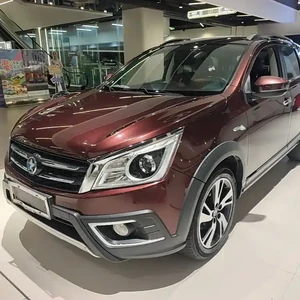
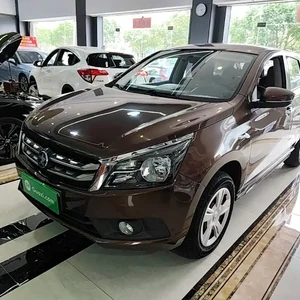
Live Venucia T70 export inventory
View all listings →Real units currently on ChinaCarDirect with per-unit asking prices and MOQ. Availability updates live from the catalogue.

How to buy a Venucia T70 from China
-
1
Define the market and vehicle brief
Record the destination country, port, import rules, intended use, passenger or load requirement, and preferred engine and transmission. This prevents a locally unsuitable T70 from entering the order.
-
2
Screen the live T70 listings
Compare the exact edition, engine, gearbox, production year, condition and seller terms across live listings. Confirm the current per-unit price and MOQ from each listing rather than relying on a saved catalogue summary.
-
3
Verify the selected unit
Request a VIN-linked specification, production date, odometer and condition statement, ownership documents, service history and photographs. Verify steering position and destination eligibility before paying.
-
4
Request a landed-cost quotation
Ask for a pro forma invoice and a destination-specific landed estimate identifying the Incoterm, freight basis and excluded charges. Separate vehicle cost from clearance, insurance, taxes, terminal and destination charges.
-
5
Review contracts and payment terms
Check the seller’s legal identity, payment beneficiary, ownership status, invoice fields, cancellation terms and deposit conditions. Record agreed payment milestones and the circumstances under which the balance becomes payable.
-
6
Inspect before final settlement
Arrange an independent inspection covering the engine, transmission, body, chassis, brakes, steering, electrical systems and fluids. Resolve discrepancies against the written condition statement before releasing the balance.
-
7
Book freight and customs support
After inspection and document approval, book the agreed transport method and provide the customs broker with the VIN, ownership documents, vehicle value and Incoterm. Coordinate export clearance, destination handling and registration before the vehicle departs.
T70 vs rivals
| Chery Tiggo 4 | The Chery Tiggo 4 is a close Chinese compact-SUV benchmark, while the T70 offers a distinct mix of 1.6L and 2.0L configurations with manual or CVT choices. Choose Chery where its local dealer and parts network is stronger; choose the T70 when the quoted unit, condition and documentation better match the destination. |
|---|---|
| JAC JS3 | The JAC JS3 competes in the same value-oriented compact-crossover channel. The T70 may appeal where its engine and transmission choices are useful, while the JS3 may be preferable for a simpler specification or stronger local support; compare landed cost and service access rather than badges. |
| GAC GS3 | The GAC GS3 is another compact Chinese SUV alternative for value-focused importers. Compare the exact export variant, equipment, compliance route and spare-parts support; the T70 is the stronger choice only when its VIN, condition and serviceability create a better total proposition. |
Frequently asked questions
How is the Venucia T70 export price determined?
The live amount reflects the individual vehicle’s year, trim, engine and transmission, mileage and condition, plus commercial factors such as currency, payment terms and seller location. Freight, insurance, export clearance, destination charges and taxes may sit outside that figure unless the Incoterm includes them. Check the live T70 inventory on ChinaCarDirect for the current unit price and request a written landed-cost quotation for your destination.
What engine and transmission options does the T70 have?
The export range includes 1.6L and 2.0L gasoline engines, with manual and CVT transmissions depending on the edition. The T70 is an internal-combustion vehicle, so there is no battery capacity or electric range to evaluate for this model. Confirm the engine, gearbox, fuel type and VIN-linked equipment on the selected listing before ordering.
Should I buy a new or used Venucia T70?
A new-in-stock label can reduce some condition uncertainty but may still represent an older production year. A used Venucia T70 can suit budget operators when mileage, service history, title status and structural repair checks are satisfactory. Compare each unit’s production date, VIN, odometer, condition report and destination eligibility rather than relying on the condition label alone.
What is the MOQ for a ChinaCarDirect T70 order?
MOQ is set by the seller and offer, so read the requirement on the live unit listing and repeat it in the pro forma invoice. A single-unit pilot can be useful for testing demand, while a container order or mixed consolidation may suit larger fleet or dealer programs. Ask the seller to confirm whether the quoted MOQ applies to identical vehicles or can include compatible variants.
How long does shipping take and what drives the cost?
Transit time depends on origin and destination routing, carrier capacity, port handling, customs clearance, document readiness and vehicle availability. Cost is driven by the transport method, pickup and terminal fees, freight, insurance, storage, customs brokerage and destination charges. Ask for a route-specific estimate and milestone schedule, and clarify which charges are excluded from the vehicle quotation.
Are spare parts available for the Venucia T70?
Parts support depends on the exact Chinese-market edition, VIN and the supplier’s access to the relevant parts catalogue. Before ordering, request common service-part numbers, consumables, wiring or control-module information and an estimate of likely maintenance items. For a mixed fleet, confirm that parts can be ordered against the VIN rather than assuming every Rui-series trim is mechanically identical.
Is a right-hand-drive Venucia T70 available?
Right-hand-drive availability must be confirmed for the specific vehicle because model names and export records do not guarantee the steering configuration. Review the VIN, steering-wheel position, lighting equipment and photographs before payment. If a conversion is required, establish whether the destination permits it, which approved workshop can perform the work and how that affects registration.
How do I order a Venucia T70 from China?
Start with the live Venucia T70 listings, select a unit by body, engine, transmission, condition and destination suitability, then submit an RFQ with quantity and port details. Request a specification sheet, condition report, pro forma invoice, Incoterm, payment milestones and required export documents. After verifying the seller and beneficiary, complete payment under the agreed terms, inspect the vehicle and release the balance when conditions are met. Finally, confirm customs and local compliance before booking freight and completing import formalities.
Ready to source the Venucia T70?
Send a Venucia T70 RFQ with your destination, preferred powertrain, condition and quantity for a current unit-level quote and MOQ confirmation.
Request a quote