
Volkswagen Lavida Export Buying Guide for Overseas Dealers
Plan a Volkswagen Lavida export purchase with clear guidance on trims, engines, new and used options, pricing factors, shipping and market compliance.
At a glance
- Overseas dealers can buy Volkswagen Lavida from China when the individual unit, paperwork and destination compliance are verified.
- Volkswagen Lavida specs span 1.5L, 1.6L and TSI engines, with manual, automatic and DSG choices depending on trim.
- New cars offer the cleanest specification story; used cars require mileage, service-history and inspection checks.
- Export pricing changes with the vehicle, condition, freight, exchange rates, taxes and the selected Incoterm.
- Chinese emissions labels, steering side and destination-country homologation must be checked before shipment or registration.
Why the Volkswagen Lavida matters for export markets
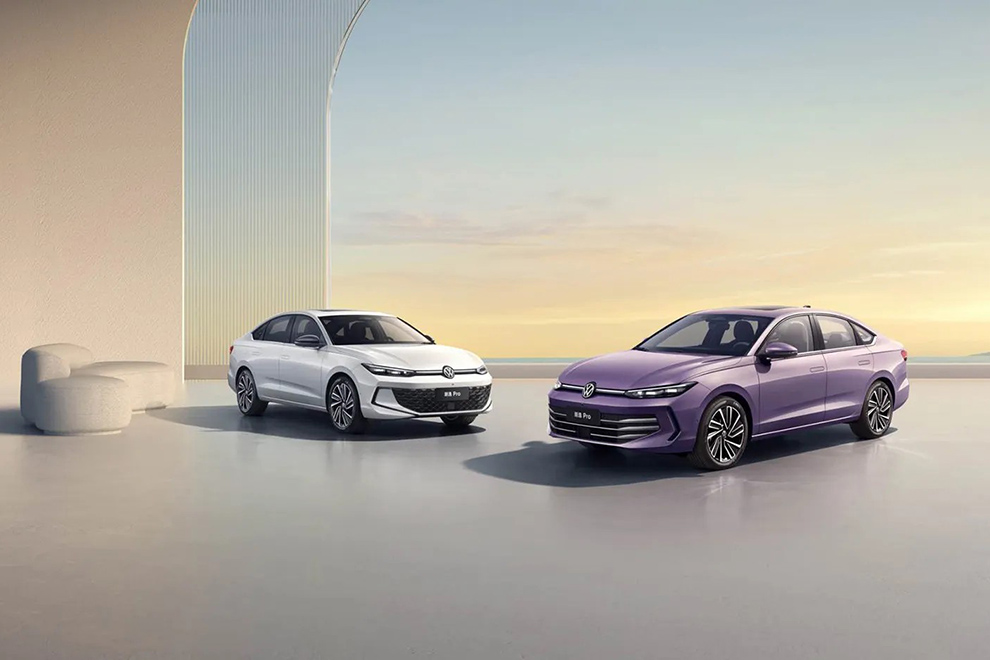
The Volkswagen Lavida is a compact four-door sedan built for buyers who value the Volkswagen nameplate, practical packaging and a choice of conventional powertrain layouts. For export markets, its relevance is strongest where compact sedans support taxi, ride-hailing, company-car or general fleet use. It is not a battery-electric model, so the decision centers on engine output, transmission, fuel economy, serviceability and local operating cost rather than charging range or battery degradation. A Chinese-market vehicle also requires careful adaptation to local tastes, regulations and spare-part channels before that badge can translate into easy resale.
Lavida variants have appeared with 1.5-litre and 1.6-litre engines, turbocharged TSI designations and manual, automatic or DSG transmissions. That breadth gives overseas buyers more choice than a single specification might offer, but it also means trim names cannot be translated across borders by assumption. A listing called Comfort, Luxury, Trend or Full Comfort may combine different engines, gearboxes, equipment and China V or China VI emissions labels. The exact title must therefore be decoded before comparing two supposedly similar cars or treating them as equivalent to a local-market Volkswagen trim.
For dealers, the Lavida’s export case is strongest when it can be sourced in the body style, gearbox and equipment grade demanded by the destination, with service support and homologation already planned. It is less compelling when the buyer assumes every Chinese Volkswagen carries the same safety, software or emissions specification as a European-market model. A disciplined purchase treats the model name as the starting point, then validates the individual vehicle’s technical identity, paperwork and total cost of ownership before committing to volume or promoting it broadly without market-specific checks.
- Compact-sedan fleet and dealer fit.
- Engine and gearbox breadth requires trim checks.
- Chinese specifications are not automatically homologated.
Model range, trims and powertrain variants: how the lineup is structured and how to choose
The Chinese Lavida line-up is organized around several familiar powertrain families. Conventional versions use 1.5-litre or 1.6-litre gasoline engines and may pair them with a manual or conventional automatic, depending on trim. More recent or higher-positioned listings use TSI badges, including 200TSI, 230TSI, 280TSI and 300TSI designations, commonly paired with a DSG in the names shown. Those figures identify engine families, but they do not establish that every badge delivers the same power, torque or equipment level in every model year. Confirm the exact build from the vehicle identification and seller documents.
Trim naming reflects a mixture of equipment tiers and technical packages rather than one global hierarchy. Listings include Start, Trend, Comfort, Luxury, Full Comfort, Starlight Comfort and other edition names, plus facelift or special-edition descriptions. Some title combinations also identify a hatchback rather than the standard sedan body. Buyers should read the complete vehicle name, not isolate one attractive word, because “Comfort Edition” can otherwise hide a manual-versus-automatic difference, a different engine family or a distinct body style from another export market or model year as shown in the complete listing title.
A sensible selection method starts with the operating scenario. Choose manual or automatic around driver familiarity, duty-cycle and local fuel use; evaluate DSG only after confirming service arrangements and the seller’s gearbox condition. Then match engine family to the buyer’s performance requirement rather than paying for a badge alone. Finally, compare equipment, dimensions, safety provisions and emissions documentation for the destination market. This sequence prevents attractive trim names from obscuring the more important differences in drivetrain suitability and running cost for each specific vehicle across the buyer’s intended destination market.
- Match engine family before trim badge.
- Verify manual, automatic or DSG.
- Confirm sedan or hatchback body.
New vs used Volkswagen Lavida: how export inventory is structured and how buyers choose
Export inventory can include both newer cars and used examples, so the buying question is not simply which category is cheaper. New vehicles may offer a more coherent factory specification, newer safety and infotainment equipment and clearer delivery history, although the actual warranty and equipment still need confirmation. Used Lavidas can provide a lower entry cost and stronger value for a planned fleet replacement, but their value depends on mileage, condition, service records, previous use and whether wear items are close to replacement. A pre-purchase inspection can test that assumption.
For a used car, ask for a vehicle identification number, production or registration details, odometer evidence, service invoices, photographs of the engine bay and interior, and a recent independent inspection. Inspect paint, tyres, brakes, suspension, transmission behavior, air-conditioning and fluid leaks, especially if the car was used intensively or has completed substantial mileage. A lower asking figure does not compensate for missing history: unresolved mechanical issues can erase the apparent saving after freight, duty, repair and delayed-delivery costs are added and may also complicate vehicle registration in some destination markets.
For new inventory, confirm whether the vehicle is unregistered, has delivery mileage, or has already been used as a demonstrator, and compare that status with the intended retail positioning. A dealer may rationally mix recent ex-stock cars with selected used units to create a tiered offer, but each unit should have its own condition report and price. Fleet buyers should also compare total cost over ownership: purchase price is only one line, alongside fuel use, insurance, downtime, maintenance and expected resale for the planned service life in the destination market.
- New does not always mean unregistered.
- Used value depends on history and inspection.
- Compare ownership cost, not price alone.
How export pricing works: the factors behind a live listing price, and how to read one
A Volkswagen Lavida export price is not one fixed manufacturer-style number. The live vehicle price is built from the unit’s identity and commercial context: model year, trim, engine and transmission, mileage, condition, and any history such as fleet use or ex-demonstration status. Market conditions then matter, including the relevant exchange rate, supplier location, inland handling, port charges, insurance and the level of service included. Because these inputs differ, comparing only headline figures can be misleading. A buyer should therefore separate the seller’s vehicle figure from freight, duties, taxes, broker fees and inland delivery.
Read each live listing line by line. Confirm the year, exact trim wording, powertrain, gearbox, body style, mileage, condition label, seller location and available photographs. Then determine what the displayed price includes: vehicle only, export preparation, documentation, inland transport or a broader Incoterm. The same car can be shown under different commercial assumptions, so ask for a written quotation with the currency, Incoterm, named place, validity period and every excluded charge identified before comparing offers. Also check whether the displayed figure is negotiable and whether the seller permits a hold or inspection before the balance becomes due.
The most useful landed quote extends beyond the listing amount. It should identify freight method and route, insurance, export or customs charges, destination taxes and duties, port or terminal fees, inspection, storage and delivery. Exact tax treatment depends on the importing country, vehicle age, engine configuration and supporting documents. Use the live ChinaCarDirect inventory for the current vehicle price and availability, then request a destination-specific quote; the current per-unit figure shown there is the operative listing reference, while a written quote confirms the final commercial terms and payment conditions before approval.
MOQ, ordering and payment: single units vs consolidating a container
MOQ means the minimum quantity a seller will accept for a particular offer, and it should be confirmed on the chosen listing or in a written quotation rather than inferred from the model. A Volkswagen Lavida wholesale order may include a single vehicle, while a consolidated container order can involve several units or trim grades. A fleet buyer should compare the economic benefit of volume with the added exposure: more units can improve freight efficiency, but it also concentrates capital in one market, model and compliance decision at one point in time.
Single-unit buying is often practical for dealers testing demand or importers filling a mixed shipment. The process should remain formal: identify the exact vehicle, place it on hold through an agreed channel, confirm deposit and balance terms, specify documents and inspection requirements, and record the delivery basis. For a container, ask whether the seller can combine different Lavida configurations, who controls vehicle selection, how deposits are allocated, and what happens if a unit fails inspection or becomes unavailable. A lower unit cost does not protect the buyer from those procedural risks.
Payment terms deserve the same care as technical selection. Before remitting funds, confirm the legal seller identity, payment currency and method, ownership documents, refund conditions, inspection period and the point at which title or risk transfers. Ask whether the deposit is refundable and whether the balance is due before loading, at the port or against documents. For larger orders, consider milestone payments tied to evidence rather than one premature transfer. A complete RFQ should also state whether the buyer wants vehicle-only pricing or a fully delivered, import-ready cost and delivery timing.
Shipping, homologation and market compliance caveats: LHD/RHD and import rules by country
Chinese-market Lavidas are generally built with left-hand drive, so steering configuration is a critical sourcing check rather than a footnote. A right-hand-drive requirement may call for a market-specific source or a professionally executed conversion, but neither should be presumed available from a standard Chinese listing. Ask the seller for the steering position and evidence of any prior conversion. After conversion, verify wheel, pedals, dashboard, lighting, wiper, climate-control and safety functions; an altered vehicle may also affect insurance, registration, parts availability and resale value, as well as buyer confidence in the completed vehicle.
Import rules are determined country by country and can include emissions limits, safety and type approval, VIN checks, customs valuation, duty, VAT or sales tax, age restrictions, port examinations and local registration. A China VI label on a Lavida identifies the Chinese emissions version and does not by itself prove compliance with Euro, Middle Eastern, African or local standards. Buyers should obtain a written conformity assessment from an importer or vehicle-compliance specialist before contracting, and allow time for testing, modification or refusal if the exact variant cannot be legally approved.
Shipping choice depends on the vehicle, route, urgency and cargo rules. Enclosed transport generally offers better protection for a new car, while RoRo or other specialist handling can reduce handling steps; a used vehicle’s condition, age, value and destination regulations may influence the method. Obtain freight quotations for more than one route and include origin charges, destination port charges, insurance, customs brokerage, storage and inland delivery. Use a forwarder familiar with used vehicles and confirm in writing that the VIN, condition and declared value all correctly match the shipping documents.
- Confirm steering side before ordering.
- China VI is not export approval.
- Separate route, duty and delivery charges.
Who should buy the Lavida — and who should pick a different vehicle
The Lavida fits dealers and fleet operators seeking a practical compact sedan with recognizable Volkswagen branding and several drivetrain choices. It is particularly relevant where a buyer wants a lower-cost replacement programme, a mixed specification order or vehicles suitable for everyday passenger duty. Manual and automatic alternatives can serve regions with different driver expectations, while turbo TSI versions may suit buyers who prefer newer downsized powertrains. None of these advantages removes the need to price fuel, maintenance, residual value and local rules for the intended operating country over the ownership cycle.
It is a weaker fit for buyers whose core requirement is battery range, fast charging or a zero-emission fleet, because this Lavida generation is powered by a gasoline engine. It may also suit buyers poorly if they require a specific right-hand-drive factory build, a performance-oriented model, a seven-seat vehicle or a commercial body. For premium buyers, the Volkswagen badge alone does not create a premium alternative: local-market Lavida trims may lack the finish, software and aftersales support expected at a higher price tier in their destination market or local service standard.
Before deciding, model the use case over several years. A taxi or ride-hailing operator should examine fuel economy, tire size, brake wear, repair intervals, downtime and dispatch suitability. A dealer should test likely resale against locally common sedans and ensure parts can be sourced. An importer should compare a supported local Volkswagen model with a China-only Lavida variant. If parts support, homologation or residual-value assumptions are weak, choosing a more familiar rival may reduce risk even when the Lavida’s purchase terms appear more attractive before the purchase order is committed.
- Strong fit: value-focused dealers and fleets.
- Weak fit: EV, premium and niche needs.
- Check parts support and residual value.
Main rivals and how the Lavida compares
The closest alternatives depend on how the Lavida is sold in the destination market, but three useful benchmarks are the Toyota Corolla, Hyundai Elantra and Changan Eado. The Corolla is a globally familiar compact sedan with a strong reputation for efficient, durable fleet use; it is compelling where local dealer support and standardized parts are priorities. The Elantra competes on equipment value, powertrain breadth and modern styling, with availability varying by country. The Eado is a closer China-market value comparison and may be easier for some buyers to evaluate alongside domestic Lavida variants.
Compared with the Corolla, the Lavida’s strongest differentiator is access to China-specific trims, including manual, automatic and TSI/DSG combinations that may not mirror local Corolla specifications. The trade-off is greater due diligence: China emissions labels and market-specific equipment do not automatically transfer, while Corolla variants may be easier to homologate and support. Against the Elantra, the Lavida offers the Volkswagen marque and a similarly broad selection, but the buyer should compare equipment, warranty, parts pricing and resale rather than infer superiority from the badge or from a single export listing.
The Eado provides the most directly relevant China-based price-and-specification benchmark, particularly for buyers comfortable with domestic engineering and service arrangements. The Lavida may benefit from stronger brand recognition and a broader gearbox mix in some export channels, but availability, condition and parts support can vary by individual unit. No rival wins every scenario: select the model whose local homologation, fleet economics, parts network and resale prospects fit the destination better, and use the Lavida only when that total case is stronger locally rather than focusing on the purchase badge alone.
- Corolla: benchmark for fleet familiarity.
- Elantra: compare equipment and powertrains.
- Eado: close China-market value comparator.
Live Volkswagen Lavida export inventory
View all listings →Real units currently on ChinaCarDirect with per-unit asking prices and MOQ. Availability updates live from the catalogue.
How to buy a Volkswagen Lavida from China
-
1
Define the destination and duty cycle
Specify the importing country, left- or right-hand-drive requirement, passenger or fleet use, body style, engine preference and transmission before selecting vehicles.
-
2
Shortlist the live Lavida inventory
Compare the complete vehicle titles, model year, powertrain, gearbox, mileage, condition and registration status shown in the live listings.
-
3
Verify each shortlisted vehicle
Request the VIN, engine and gearbox details, emissions version, service records, photographs and an independent inspection report for used vehicles.
-
4
Request a destination-specific landed quotation
Ask for the vehicle price, freight route, insurance, customs or broker charges, duties, taxes, port fees, inland delivery and applicable Incoterm to be itemized separately.
-
5
Confirm MOQ and payment terms
Put the minimum quantity, deposit, balance trigger, refund conditions, inspection period, title transfer and substitution policy in writing before remitting funds.
-
6
Arrange inspection and shipping
Use a pre-shipment inspection and a forwarder familiar with the selected vehicle type, ensuring the VIN, condition and declared value match the transport documents.
-
7
Complete clearance and delivery
Work with an importer or broker on homologation, customs, duties, taxes and registration. Confirm delivery, local servicing and a parts plan before releasing the vehicle to operations.
Lavida vs rivals
| Toyota Corolla | The Corolla is a close compact-sedan benchmark for fleet buyers who prioritize global familiarity, efficient powertrains and established parts support. It may be easier to serve in markets where locally homologated variants and broad dealer coverage outweigh access to China-specific Lavida trims. |
|---|---|
| Hyundai Elantra | The Elantra competes through equipment-rich trims, modern styling and, in some markets, hybrid or efficient powertrain choices. Compare it with the Lavida on warranty, parts pricing, equipment and residual value rather than assuming either badge guarantees lower fleet cost. |
| Changan Eado | The Eado is a close China-market compact-sedan comparator for buyers focused on domestic design and price positioning. The Lavida may offer stronger international badge recognition and a broader visible mix of manual, automatic and DSG versions, but parts support and homologation should drive the final choice. |
Frequently asked questions
How is Volkswagen Lavida export pricing determined?
The live price for a specific unit reflects year, trim, engine and transmission, mileage, condition and commercial terms. Exchange rates, freight, insurance, duties, taxes, broker or port fees and the selected Incoterm can change the landed total, so compare written quotes on the same basis. Check the current unit-level figures in the live Lavida listings and request a destination-specific quote before approving the purchase.
Is the Lavida an EV, and what powertrain options are available?
This Lavida generation is gasoline-powered, so battery capacity, electric range and charging specifications do not apply. Available listings span 1.5-litre and 1.6-litre versions and 200TSI, 230TSI, 280TSI and 300TSI families, with manual, automatic or DSG depending on trim. Exact output, torque and gearbox must be confirmed from the complete listing and vehicle documents.
What are the main new versus used Volkswagen Lavida trade-offs?
New cars generally offer a more consistent factory specification and clearer usage history, but delivery mileage, warranty and equipment still need verification. Used cars can offer stronger fleet economics when service records and independent inspection support their condition. Match the vehicle to the buyer’s holding period and risk tolerance rather than choosing by category alone.
How does MOQ work when ordering a Lavida?
MOQ is set by the particular seller and offer, so confirm it in writing for the selected listing or container quotation. Some sourcing routes accommodate a single vehicle, while a multi-vehicle order may allow mixed trims and better freight utilization. Ask about unit allocation, deposits, substitutions and what happens if a selected car fails inspection.
What determines shipping time and cost for a Lavida export?
Shipping time and cost depend on the origin and destination, transport method, route congestion, transshipment, customs clearance, cargo rules, insurance and delivery scope. Used vehicles can also face extra handling or age-related restrictions. Obtain a written freight quote and realistic schedule from a forwarder, then include port, broker, customs and inland charges in the landed total.
How should an importer plan Lavida spare-parts supply?
Parts compatibility depends on the engine, gearbox, trim and production period, so use the exact vehicle identifiers when ordering. China-specific variants may not map directly to every local Volkswagen parts catalogue, and dealer support can vary by market. Build a parts plan around local availability and commonly serviced wear items before committing a fleet order.
Are right-hand-drive Volkswagen Lavida vehicles available from China?
Chinese-market Lavidas are generally left-hand drive, and a standard listing should not be assumed to include a right-hand-drive conversion. For RHD requirements, ask for a factory RHD source or have the conversion assessed and carried out by a competent specialist. Confirm steering, pedals, lighting, controls, safety systems, registration and insurance implications before shipment.
How do I order a Volkswagen Lavida from China?
Start by defining the destination market, body style, engine, gearbox, condition and intended quantity, then shortlist the live Lavida inventory. Request a per-unit or landed quotation, verify documents and inspection, agree MOQ and payment milestones, and nominate a forwarder or broker for shipping and clearance. Use the RFQ channel to put the required specifications and delivery terms in writing before placing an order.
Ready to source the Volkswagen Lavida?
Request a destination-specific Volkswagen Lavida quotation for the exact engine, gearbox, condition and shipping terms you require.
Request a quote