
Volkswagen Passat Export Guide for Overseas Buyers
Buy a Volkswagen Passat from China with clear guidance on trims, powertrains, export pricing, MOQ, shipping, compliance and the risks of importing.
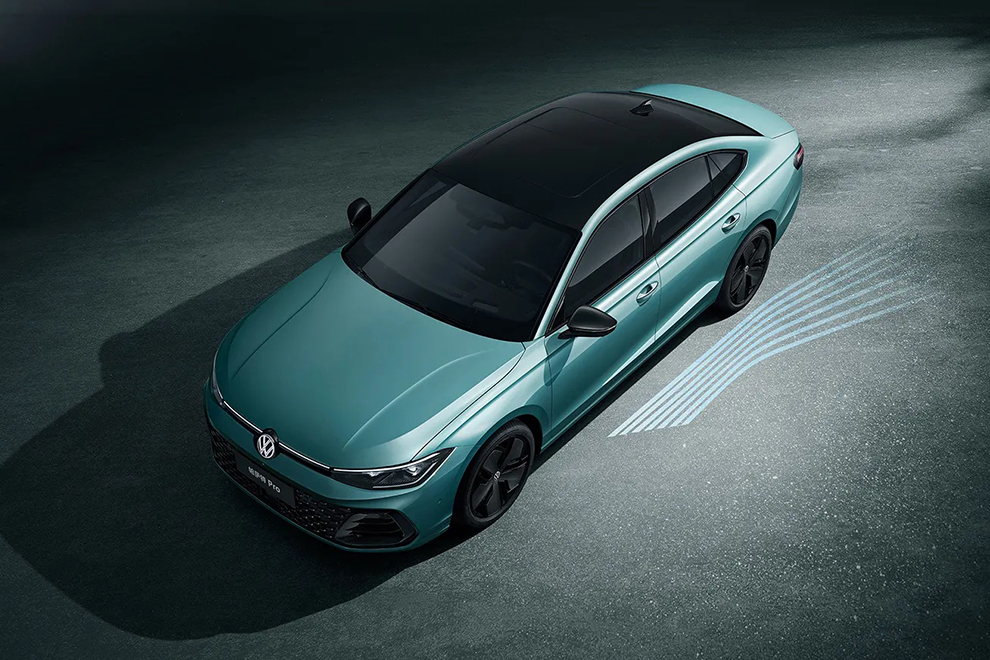
At a glance
- For export, the Volkswagen Passat is positioned as a midsize family sedan, with selected wagon and performance-oriented variants.
- The export range spans 280TSI, 330TSI and 380TSI petrol models plus 430 PHEV versions.
- Trim labels include Business, Comfort, Elite, Prestige, Luxury, Flagship and R36.
- There is no battery-only variant in this range, so charging strategy matters for PHEV buyers.
- Export pricing varies with specification, condition, currency, freight, Incoterms and destination charges.
- Current per-unit prices, MOQs and availability should be confirmed in the live listings before ordering.
Why the Volkswagen Passat matters for export markets
The Volkswagen Passat occupies a useful middle ground in the global midsize-car segment: it offers more passenger and luggage room than a compact executive sedan without the cost and footprint of a full-size luxury saloon. Its appeal comes from restrained design, a practical family-car layout and a reputation for stable road manners. For overseas dealers, that supports company-car programs, executive transport, airport services and family fleets. The China-built Passat should be treated as a market-specific product, rather than a drop-in version of every overseas Passat sold in another market.
Demand is strongest where buyers value cabin space, ride comfort, automatic transmission and a recognizable premium marque at a sensible fleet cost. The sedan format is easier to stock and transport commercially than a wagon, while estate versions can appeal to hotels, road-service fleets and buyers who need flexible load capacity. China-origin examples also reflect local design and equipment requirements, including China VI-labelled powertrains and familiar DSG gearboxes. Those local adaptations may be useful in their intended market, but they do not guarantee approval or resale value in another country.
For an export buyer, the Passat provides a familiar premium-name proposition without the image risk of a luxury brand, while offering fuel and trim paths within one model family. It can be a practical alternative to mid-size Japanese sedans or electrified family models, especially where petrol infrastructure is established and charging access is uneven. The decisive question is whether the Chinese specification, service support and compliance package suit the destination. Local homologation and parts reviews should precede volume commitment. Brand recognition alone is not enough for long-term ownership.
- Space-conscious fleets are the core fit.
- Sedan and wagon serve distinct uses.
- Destination approval is vehicle-specific.
Model range, trims and powertrain variants: how the lineup is structured and how to choose
The export Passat range is structured around trim grade and powertrain rather than one equipment list. Petrol models are identified by the 280TSI, 330TSI and 380TSI designations, which identify different engine and equipment grades within the Chinese range. Business Edition, Comfort, Elite, Prestige, Luxury, Flagship and related names describe the customer-facing hierarchy, while facelifted and China VI-labelled versions indicate configurations. Because those labels can move between model years and markets, buyers should treat the individual listing—not the badge alone—as the source of truth for engine output, gearbox, equipment and emissions specification.
The 430 PHEV branch adds a plug-in hybrid option for buyers comparing the Passat with electrified executive sedans. Its appeal is the ability to cover journeys electrically while retaining a petrol engine for longer travel, subject to the real-world charging pattern and the listing's certified test figures. PHEV economics should be assessed against fuel and electricity prices, company-car taxation, charging availability and expected battery condition. The catalogue includes several PHEV grades, including Business, Luxury and Elite formulations, so equipment should be compared line by line rather than inferred from the PHEV name.
For selection, begin with the duty cycle. Choose a petrol model where economy, simplicity and predictable servicing matter; evaluate the PHEV where charging is dependable and the fleet can exploit electric driving. The 380TSI petrol grade may suit drivers prioritizing performance, while other TSI grades may reduce acquisition pressure. DSG-equipped cars appeal to professional users, but maintenance assumptions should be checked against the transmission, service history and technician access. An R36 Wagon has a performance-led brief and should not be judged like a conventional family estate model in normal use.
- TSI grades span performance priorities.
- PHEV value depends on reliable charging.
- Verify equipment trim by trim.
New vs used Volkswagen Passat: how export inventory is structured and how buyers choose
A new Volkswagen Passat from China is the cleaner choice when the buyer wants current design, listed equipment and a condition narrative. It appeals to company fleets, airport operators and dealers seeking a model that is easy to present without explaining age-related wear. A used Passat can make more economic sense for a budget-conscious importer or used-car dealer, provided the buyer accepts available mileage records, ownership pattern and condition. New does not mean imported and compliant in the destination, and used does not mean uninspected; in both cases, documentation remains decisive.
Used-car selection should be based on more than age alone. Review the VIN, registration documents, engine and gearbox condition, service records, accident indications, paint, interior, tyres and underside. Ask whether the car was fleet-operated, recently imported, refurbished or privately sold; use that context to judge how mileage was accumulated and whether maintenance was deferred. Chinese-market vehicles may carry details that differ from local expectations, so an independent pre-shipment inspection is especially valuable. For a used Passat, lower acquisition cost can be offset by repair uncertainty, shorter remaining life or slower resale.
The best new-versus-used decision is a total-cost comparison over the holding period. For a high-utilisation fleet, reliability, downtime, fuel consumption and warranty handling may outweigh the initial saving from an older car. For short private or trade use, a used example can deliver the same platform for less. Whichever route is chosen, align the year, trim, powertrain and condition with what the destination dealer can service and resell. Avoid ordering solely from a thumbnail or trim badge: request the VIN, listing sheet, clear images and condition answers before paying a balance.
- New cars favor fleet presentation.
- Used cars need condition scrutiny.
- Independent inspection protects either choice.
How export pricing works: the factors behind a live listing price, and how to read one
A Volkswagen Passat export price is not a fixed market value because it sits inside a larger landed-cost calculation. The live asking price responds to model year, trim, petrol versus PHEV configuration, mileage and condition for used vehicles, equipment value and order quantity. Currency movements also matter: a Chinese supplier's local cost can change against the buyer's currency before the vehicle is ready. The correct comparison is therefore the cost per vehicle at the agreed trade term, not an isolated headline number that appears to promise the lowest delivered vehicle.
Freight is one of the largest variables after the vehicle itself. A complete-car shipment, vehicle count, route distance, port handling, fuel surcharges, insurance and security requirements can move final cost materially. Incoterms define where responsibility transfers: under an FOB-style term the buyer typically arranges main carriage after loading, while a CIF-style term may include carriage and minimum insurance to the named port. Destination charges—duty, VAT or GST, customs brokerage, port fees, registration, road tax and inland delivery—may remain outside the export quote and must be added to the business case.
When reading a live Passat listing, check whether the amount is a unit price, asking price or sale price, and which trade term is stated. Confirm whether freight, export documentation, insurance, taxes and destination charges are included. Build a worksheet covering vehicle price, inland transport, origin charges, freight, insurance, duty, VAT or GST, port handling, customs clearance, delivery and registration. Ask for a pro forma invoice identifying the VIN or SKU, specification and obligations. On ChinaCarDirect, current binding figures for each vehicle are available in the live Passat listings and should be checked before purchase.
- Compare only matching Incoterms.
- Add destination charges.
- Check live listings.
MOQ, ordering and payment: single units vs consolidating a container
MOQ means the minimum number of vehicles a seller will release in one transaction. It should not be confused with container capacity: a buyer can purchase one unit, several non-containerized units or a consolidated shipment, provided the seller accepts the quantity and logistics plan. The MOQ displayed for each Passat unit is a starting point for negotiation, not a permanent rule for every order. Before placing funds, confirm the quantity in the pro forma invoice, whether mixed trims can share one shipment, and which units are reserved for the buyer.
For a single-unit dealer purchase, the main advantage is inventory flexibility and testing demand before a larger commitment. A buyer may accept higher per-vehicle logistics cost, but should confirm effects on the trade term, insurance or release schedule. For a container order, quantity planning matters more and is central to a wholesale programme. Confirm the usable capacity for the body style, loading plan and vehicle specification rather than relying on a slot count. Decide in advance how differing trims, colours and production years will be allocated, documented and handled if one vehicle is delayed.
Payment structure should follow risk allocation. A common sequence is a deposit to reserve the specified unit, followed by a balance after inspection and before release; the exact sequence and methods must be confirmed in writing. Use a contract or pro forma invoice stating the VIN or SKU, specification, quantity, price, Incoterm, payment deadline, inspection standard, documents and cancellation or replacement terms. Verify the seller's legal identity and company details independently. Keep correspondence and payment records together, and avoid treating a chat message or deposit receipt as a substitute for a purchase contract.
- Confirm unit MOQ.
- Separate freight costs.
- Link payment to inspection.
Shipping, homologation and market compliance caveats: LHD/RHD and import rules by country
China-built Passats are generally left-hand-drive because China drives on the right. A buyer requiring right-hand drive should identify that before selecting an export car because availability is narrower and conversion is not automatically equivalent to a factory RHD model. Conversion can affect safety equipment, controls, certification, insurance and warranty, and some authorities require approval for imported modifications. Ask for the steering position, VIN, build specification and homologation evidence, and disclose all changes. For fleets in mixed-side-drive markets, separately approved LHD and RHD vehicles are usually cleaner than converting after shipment.
Import compliance is determined by the destination country, not the China VI label. Customs authorities may assess tariff classification, engine displacement, emissions, vehicle age, value, documentation and approvals or exemptions. Tax treatment can vary with electric range, local registration rules and fleet use. A vehicle may be legally importable yet expensive to register, or compliant for one market but restricted in another. Obtain an assessment from a customs broker or homologation specialist using the VIN, engine details, emissions documents and intended use. Do not assume another market's Passat approval carries over.
Shipping method affects both cost and condition. Complete-car carriage is used for homogeneous batches, while roll-on/roll-off and services may suit smaller or mixed shipments. Sea transit is often more economical for larger movements, but routes, carrier schedules and transshipment affect timing; air or expedited options may suit urgent purchases. Before loading, agree inspection standard, photograph the vehicle, verify fuel and battery state for a PHEV, check documents and secure export release. On arrival, complete customs clearance, inspections, registration and delivery promptly. Compliance delays can create storage charges and should not be treated as normal lead time.
- Specify drive side.
- Validate using the VIN.
- Clear vehicles promptly.
Who should buy the Passat — and who should pick a different vehicle
The Passat fits organizations needing a comfortable, credible midsize vehicle with useful interior and luggage space. Dealers can position it against mainstream Japanese sedans; fleet managers can use it for staff transport where a premium badge, automatic gearbox and predictable fuel options matter; hotels may appreciate the room and wagon availability. It is particularly relevant where charging networks are limited and petrol is operationally easier than plug-in hybrid. For overseas buyers, the Volkswagen name aids recognition, but resale value still depends on local service capability, parts availability and running costs.
It is a weaker choice for buyers whose brief centers on battery-only power, because the Passat range here uses petrol and plug-in hybrid rather than a battery-electric model. It may also fail to suit buyers needing a commercial load, heavy-duty towing, off-road clearance or a utility body. PHEV buyers should proceed only if charging is reliable; otherwise system complexity and fuel consumption may not deliver the benefit. Very strict emissions restrictions or high import duties can erase the advantage of a competitively priced Chinese example, so compliance economics must be settled before sourcing.
The right decision also depends on buyer category. A dealer can justify one vehicle as market testing, whereas a fleet should compare total cost per kilometre and residual assumptions across brands before scaling. Used-car traders should focus on vehicles with clear history, manageable specification overlap and locally available parts; R36 variants may need specialist support. For private buyers importing directly, the process can be unfamiliar and the saving may be outweighed by compliance, transport and repair complexity. In those cases, a local-market Passat or an established importer's service package may offer better risk control.
- Comfort fleets are the fit.
- Other buyers need alternatives.
- Local support reduces risk.
Main rivals and how the Passat compares
The closest segment comparison is with the Toyota Camry Hybrid, Honda Accord hybrid or plug-in hybrid, and Nissan Teana. All compete for midsize family and business buyers, but their strengths differ. The Camry is recognised for fuel efficiency, durability and hybrid familiarity, reducing behavioural risks associated with new charging hardware. The Accord offers an executive-car proposition with electrified options that vary by market. The Teana, common in China and several Asian export markets, is a direct large-family sedan competitor with a serviceable layout. Selection should follow the destination's fleet benchmarks.
Against the Camry and Accord, the Passat's main distinction is its European-style premium image, DSG-equipped petrol versions and 430 PHEV availability. The Camry hybrid may be easier for a fleet to fuel economically and often has a resale reputation in established markets. The Accord's hybrid and plug-in hybrid options can be attractive where charging and tax systems support them, but availability varies by country. A Passat can win on equipment, space or acquisition terms, yet buyers should compare real fuel use, insurance, servicing and residual expectations rather than badge prestige.
Against the Teana, the Passat has a performance-oriented, premium-laddered range, including higher TSI grades, DSG trims and the R36 estate. The Teana may offer conventional value where dealer support and ownership experience are straightforward. Rivals such as the Skoda Superb are relevant in Europe but cannot be treated as direct substitutes where parts, certification or model-year continuity differ. The practical choice is a like-for-like total-cost sheet: same use case, similar age and mileage, equivalent warranty assumptions, destination taxes, fuel or charging profile and realistic resale. That exposes the better option for the local market.
- Camry and Accord benchmark hybrids.
- Teana is the direct comparator.
- Compare total ownership cost.
Live Volkswagen Passat export inventory
View all listings →Real units currently on ChinaCarDirect with per-unit asking prices and MOQ. Availability updates live from the catalogue.
How to buy a Volkswagen Passat from China
-
1
Define the destination and use case
Set the destination country, required drive side, expected annual mileage, charging access and intended role for the vehicle. This determines which trims and powertrains deserve further review.
-
2
Filter the live inventory
Review the live Passat listings and compare body style, year, trim, powertrain, mileage, condition and equipment on a like-for-like basis.
-
3
Request a specification-backed quote
Ask for the VIN or SKU, production details, exact equipment, Incoterm, freight basis and current per-unit figures. Do not rely on the trim badge alone.
-
4
Build the landed-cost worksheet
Separate vehicle cost from origin handling, freight, insurance, duty, VAT or GST, customs clearance, port charges, registration and inland delivery.
-
5
Confirm MOQ and payment terms
Check the unit-specific MOQ and document the quantity, deposit, balance deadline, inspection standard, documents and cancellation terms.
-
6
Inspect before release
Use an independent pre-shipment inspection covering exterior, interior, tyres, underside, engine, gearbox and service records. For a PHEV, verify battery and fuel state.
-
7
Arrange freight and market approval
Use a suitable vehicle carrier, confirm insurance and shipping documents, and obtain destination-specific customs and homologation advice before loading.
Passat vs rivals
| Toyota Camry Hybrid | The Camry Hybrid is a direct midsize fleet competitor, often appealing where fuel efficiency and established hybrid resale are priorities. The Passat differentiates through its DSG petrol range, 430 PHEV option and equipment-led premium positioning. |
|---|---|
| Honda Accord Hybrid / Plug-in Hybrid | The Accord competes for business and family buyers with electrified choices in relevant markets. Choose it where local hybrid acceptance is stronger; choose the Passat for its particular trim, DSG and PHEV equipment mix. |
| Nissan Teana | The Teana is a close China-origin midsize sedan competitor with a conventional fleet proposition. The Passat offers a broader performance and trim ladder, including R36 and PHEV choices, but may need more specialist servicing. |
Frequently asked questions
How is Volkswagen Passat export pricing determined?
Export pricing responds to the vehicle's year, trim, engine or PHEV version, condition, mileage and the agreed Incoterm. Freight, insurance, exchange rates, duties, VAT or GST and inland delivery can change the landed cost. Check current per-unit figures in the live Passat listings and request a written quotation before paying.
What engine, transmission and PHEV range should I expect?
The range includes 280TSI, 330TSI and 380TSI petrol versions, with DSG on relevant trims, plus 430 PHEV plug-in hybrids. Exact engine output, battery capacity, electric range and test cycle vary by vehicle, so check the live listing rather than relying on model-level information.
Should I buy a new or used Volkswagen Passat for export?
A new car provides current design, listed equipment and a clearer condition narrative. A used car can reduce acquisition cost but adds uncertainty around wear, repairs and residual value. Choose through total holding cost, documentation and independent inspection rather than age alone.
What is the MOQ for a Volkswagen Passat order?
MOQ is shown per unit and can vary by seller, vehicle and shipment plan. Single-unit and multi-unit purchases may be possible, but seller acceptance determines the final arrangement. Confirm the quantity, allocation and payment terms in the written order.
How long does Passat shipping take and what does it cost?
Shipping time and cost depend on the route, carrier, shipment size, port handling, insurance, customs requirements and Incoterm. Sea transport is often economical for larger movements, while air or expedited services may suit urgent purchases. Request a written freight and landed-cost estimate for the actual destination.
Can I obtain spare parts after importing a Passat?
Parts availability depends on the VIN, engine, transmission, electronics and whether the vehicle uses Chinese-market trim components. Before importing, request fast-moving parts numbers, expected lead times and the authorized service or distributor channel in the destination country.
Is a right-hand-drive Volkswagen Passat available for export?
China-market Passats are generally left-hand-drive, while factory right-hand-drive availability is narrower. Buyers requiring RHD should specify it before sourcing and obtain an approved vehicle rather than assuming a later conversion will be homologated. Conversion can affect safety systems, insurance, certification and warranty.
How do I buy a Volkswagen Passat from China?
Begin with the live listings, select the closest vehicle and request a written quotation identifying the exact unit, specification, Incoterm, MOQ and payment milestones. Verify the contract and seller identity, arrange pre-shipment inspection, then confirm freight, insurance, export documents and destination-market clearance before release.
Ready to source the Volkswagen Passat?
Request a written Volkswagen Passat quotation with the exact unit, specification, Incoterm, MOQ, payment milestones and shipping estimate.
Request a quote