
Volkswagen Sagitar Export Guide for Overseas Buyers
Buy a Volkswagen Sagitar from China with guidance on trims, export pricing, MOQ, shipping, homologation, rivals, and the checks importers should complete.
At a glance
- The Sagitar is a China-specific Volkswagen compact sedan with several TSI petrol and DSG configurations.
- Different model years use different engines, transmissions and equipment levels, so trim badges must be checked against the VIN.
- Used units can suit budget fleets, but require documented mileage, service history and a full condition inspection.
- Export pricing should be assessed as landed cost, including freight, duties, documentation and local charges.
- LHD or RHD availability and destination-market homologation must be confirmed before contracting.
Why the Volkswagen Sagitar matters for export markets
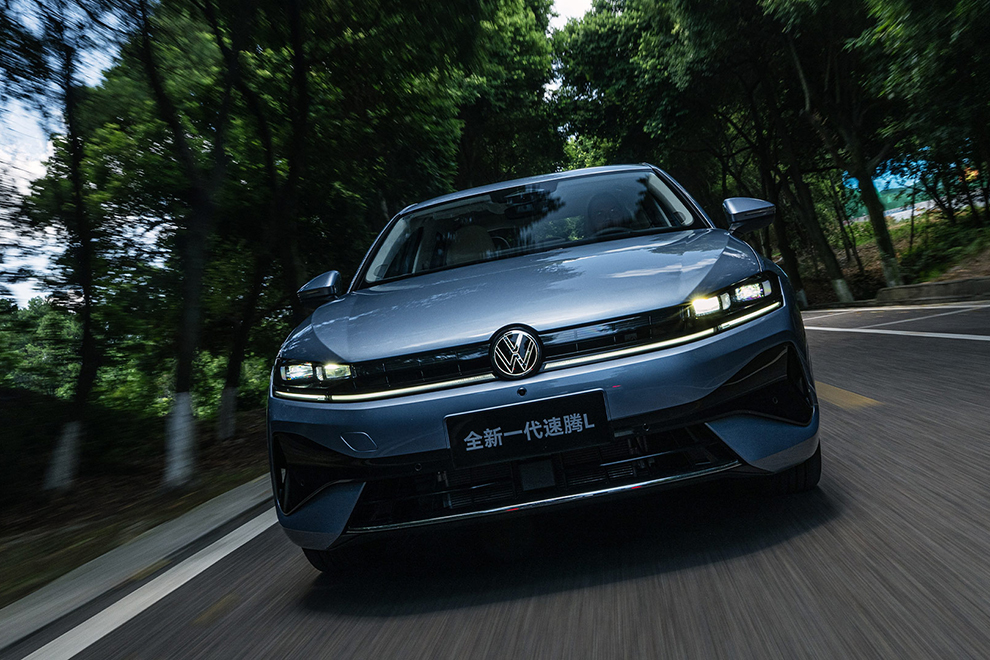
The Sagitar is Volkswagen’s China-market compact sedan, offering an established global brand with a vehicle sized for private buyers, company fleets and distributors that need practical transport rather than a premium product. Its appeal lies in familiar design, a useful five-seat cabin and a conventional boot, while its China-specific trim names and equipment separate it from Jetta specifications sold in other markets. For export, buyers should treat it as a regional model rather than assuming every feature or service procedure matches an overseas Jetta. That distinction matters for parts, software and destination-market compliance.
Demand for this type of vehicle comes from its balance of running costs, familiar VW identity and fleet-friendly dimensions. The TSI engine and DSG combinations found on many Sagitar trims suit buyers who prefer modern petrol performance and convenient automated shifting, while manual and older automatic versions broaden the low-mileage fleet option. This combination helps explain why the model attracts importers serving dealerships, ride-hailing or company-car channels: it offers a recognizable nameplate without moving into the cost and after-sales complexity of a luxury sedan. It permits easier comparison with mainstream compact sedans.
Global demand should not be confused with universal homologation. A Sagitar sourced from China may differ from vehicles sold under related Volkswagen names in steering position, infotainment, emissions labeling, suspension tuning and equipment standards. Those differences affect registration, resale expectations and parts planning in the destination country. The export case is therefore not simply “a new Volkswagen,” but a China-market Sagitar whose specification, paperwork and service support have been checked against the market before purchase. This discipline protects dealer margin and reduces delays after a vehicle has been paid for and transported.
- China-specific compact sedan
- Familiar VW brand identity
- Destination compliance still essential
Model range, trims and powertrain variants: how the lineup is structured and how to choose
The lineup changes across model years, but the listings can be decoded by separating the powertrain label from the edition. Visible designations include 200TSI, 230TSI, 280TSI and 300TSI, together with explicit 1.4TSI, 1.6-litre and 2.0TSI versions. These badges indicate different engine families or tuning levels, not a single standardized specification. The same named edition can therefore appear in different model years with revised engines, gearboxes, styling and equipment, making the year and VIN essential when comparing units. Do not infer output, compression, gearbox type or emissions compliance from the trim badge alone.
For a buyer, the first split is between naturally aspirated, turbocharged and higher-output TSI applications, followed by the intended transmission and duty cycle. A lower-output petrol version may suit fleet procurement where purchase cost and operating simplicity dominate. A higher-output TSI and DSG combination better fits buyers who prioritize acceleration, highway stability and driver comfort. Exact output figures should be taken from the unit’s model-year specification, because the numerical TSI hierarchy and engine used for a given badge have changed over time. Do this before comparing equipment or operating costs.
Transmission choice can be important to an importer. Many TSI versions pair with a DSG dual-clutch automatic, while certain 1.6-litre cars use a manual or conventional automatic, depending on year and edition. DSG suits mixed traffic and professional drivers who want consistent automated shifts; manuals can suit budget fleets where purchase economics dominate. Feature trims such as Comfort, Spark, Smart Connect, Surpassing and special editions add levels of infotainment, convenience and comfort, but their contents are not uniform across generations. Request a photo-backed equipment sheet to avoid paying for assumed equipment.
- Match TSI badge to year
- Compare DSG, manual, automatic
- Edition names vary by generation
New vs used Volkswagen Sagitar: how export inventory is structured and how buyers choose
China export inventory can include new cars, low-mileage ex-fleet vehicles and older used examples, but these categories should be assessed individually rather than as a uniform pool. New units generally offer the cleanest condition, current model-year equipment and the simplest ownership narrative. Used vehicles can widen the sourcing options for budget-conscious fleets, yet age, mileage, service history and repairs become central to valuation. Availability and the mix shown in the live catalogue change continually, so buyers should filter for the condition and year that fit the brief before requesting binding quotes.
The new-versus-used decision is largely a balance between acquisition cost, expected downtime and the value of newer technology. A fleet buyer prioritising predictable uptime and administrative simplicity may favour a new vehicle, while a short-duration rental, replacement car or secondary-market dealer may accept more depreciation in exchange for a lower entry cost. For used Sagitar, ask for the VIN, registration history, odometer evidence, maintenance records and photographs of the engine bay, tyres, interior and accident-prone body areas before treating the listing as comparable. A full inspection should confirm mechanical condition.
A useful selection method is to write the minimum acceptable year, transmission, mileage ceiling, equipment list and destination before opening individual listings. New vehicles should then be checked for factory status, delivery documents and whether their equipment suits local resale; used vehicles require condition reports and a clearer sense of remaining life. Because two listings with similar names can represent different generations or specifications, compare the VIN-level details rather than the marketing title. The live listing should remain the source for current condition, location and commercial terms at the point of purchase.
- New units simplify ownership history
- Used units require full inspection
- Compare VIN-level details
How export pricing works: the factors behind a live listing price, and how to read one
An export price is not one fixed catalogue figure; it is the result of several vehicle and transaction variables. Model year, trim, engine and transmission, mileage, condition, colour, optional equipment and the location or readiness of the car all influence the seller’s asking price. Commercial variables also matter, including currency movements, freight method, insurance, port charges, taxes, documentation and the selected Incoterm. Buyers should therefore read the live unit price as an acquisition input, not as the final cost of putting the vehicle on the road in the destination country.
When reviewing a listing, first establish whether the displayed figure covers the vehicle only, or whether a supplier has included preparation, export documentation, inland transport or shipping. Then list what remains: customs duty and taxes, marine insurance, terminal and handling fees, port-to-door delivery, registration and local compliance work. For a comparison, use the same Incoterm and destination across otherwise similar Sagitar units. A lower asking price can still produce a higher landed cost once administration and freight are added, so the quote must be read line by line in detail.
A disciplined price comparison uses a worksheet rather than a headline number. Enter the live vehicle price, every quoted freight and accessorial charge, the applicable tax and duty assumptions, and estimated local registration or preparation costs. Compare units with the same model year, engine badge, gearbox, condition and equipment level, then recalculate if the exchange rate or shipping scope changes. ChinaCarDirect’s live inventory is the place to verify the current per-unit price, while a written RFQ should confirm what that price includes and how long the commercial offer remains valid.
- Compare like-for-like vehicles
- Separate asking price from landed cost
- Request written Incoterm quotation
MOQ, ordering and payment: single units vs consolidating a container
Minimum order quantity is a listing-level commercial term, not a fixed universal rule for the Sagitar. Some offers may permit a single vehicle; others may require a batch, a full container or a minimum mix of models. The live unit page and a written quotation should be checked for the applicable MOQ before payment or transport plans are committed. A single-unit purchase can suit a test-market importer or fleet pilot, while a consolidated shipment may improve freight efficiency for a distributor, provided the sales pace and capital can support that commitment.
The ordering sequence should be controlled rather than improvised. Define the destination, specification and quantity; request a written quote; verify documentary requirements; agree payment milestones; complete a pre-shipment inspection; and confirm the bill of lading, export declaration and vehicle documents before release. Payment should follow the agreed contract and be made through the sales channel, with the buyer retaining the inspection report, photographs, VIN list and shipping documents. No deposit should be sent merely because a vehicle looks suitable in a listing or without written terms and identity checks.
Container consolidation needs a different calculation from a ready-to-load single car. Estimate the number of vehicles that can fit the chosen equipment, add required lashing space, compare container freight with Ro-Ro or dedicated vehicle carriage, and include port, handling, insurance and destination delivery charges. Mixed-model loading can improve utilisation, but it increases inventory, damage and customs-document complexity. Before ordering a group, model the sales-absorption period, carrying cost and downside if a buyer resells a specific trim more slowly than planned. This protects cash flow before the vehicles begin earning revenue.
- Confirm listing-level MOQ
- Agree payment milestones in writing
- Model container cash-flow exposure
Shipping, homologation and market compliance caveats: LHD/RHD and import rules by country
Steering configuration is the first market-specific check. Sagitar vehicles built for the Chinese market are predominantly left-hand drive, while some destination countries permit or require right-hand drive. An overseas buyer should not assume a steering conversion is available, mechanically practical, legal or accepted by local inspection authorities; alternatively, the supplier may have a genuine right-hand-drive source. State the required configuration in the inquiry and obtain VIN-level confirmation. Conversion expenses, altered controls and certification can otherwise turn an apparently cheaper vehicle into an unviable project for the importing company and broker.
China VI markings on some Chinese-market trims describe the vehicle’s emissions classification at the point of local production; they do not constitute approval for another country. Import rules may require a type approval, VIN and documentation, emissions compliance, safety equipment, local tax payment or a certificate of conformity. Exact duties can depend on engine capacity, age and emissions category. Buyers should ask a customs broker in the destination market to review the vehicle before contracting, and obtain written confirmation of registration eligibility rather than relying on the trim badge or seller assurance.
Shipping choice affects both cost and risk. Container carriage suits planned, consolidated shipments; Ro-Ro or specialist vehicle transport may be more practical for a single unit or an urgent movement. Compare the origin terminal, sailing route, carrier, transit time, insurance, lashing, destination charges and delivery window, and ask whether the quote is port-to-port or door-to-door. Cars need secure wheel chocks, straps and protection from movement, while a pre-shipment inspection should check fluids, tyres, glass, panel condition and the VIN against the paperwork before the vessel departs or vehicle is released.
- Confirm steering configuration early
- China VI is not import approval
- Compare port and door scope
- Inspect and secure every vehicle
Who should buy the Sagitar — and who should pick a different vehicle
The Sagitar is a strong fit for importers and fleet operators seeking a mainstream VW compact sedan with manageable dimensions and broad trim choice. Dealers can use the range to cover budget, mid-range and higher-equipped customers without changing to an entirely different model family. Its established badge can help with consumer recognition, while petrol powertrains avoid the charging-network dependency of electric fleets. The best candidates are buyers who have checked local parts support, fuel-standard compatibility and registration rules, and who value straightforward transport over premium cabin materials or performance branding.
A used Sagitar can suit budget fleets, replacement-car businesses and dealers able to manage the risks of ageing vehicles. The strongest used candidate has documented mileage, a clear service history, matching VIN records, recent tyres and brakes, and no evidence of structural repair. It also needs a reserve for maintenance and downtime, especially if parts must be sourced from China rather than a nearby Volkswagen network. Conversely, buyers seeking hybrid efficiency, an EV for zero-emission mandates, a performance model or right-hand-drive availability should look elsewhere rather than force the model into the brief.
The decision should be based on total cost of ownership and resale rather than acquisition cost alone. Compare fuel use, expected service intervals, insurance class, parts lead time, residual demand and the cost of homologation or steering conversion. For fleet tenders, test one vehicle or batch before committing to a larger order, and define acceptance criteria for mileage, condition, keys, documents and delivery. This staged approach is especially sensible for a China-sourced model because local buyer preferences, tax changes and homologation can materially alter the economics after shipment begins.
- Suits mainstream dealer and fleet demand
- Used units carry maintenance risk
- Alternatives fit EV and premium briefs
Main rivals and how the Sagitar compares
The closest comparison depends on the market being targeted. The Volkswagen Lavida is a direct rival because it shares the brand, platform family and Chinese manufacturing context, with related engines and equipment, making it the relevant internal benchmark. The Toyota Corolla competes on reputation, fuel economy and broad global service familiarity. The Nissan Sylphy is a practical value-oriented alternative in Asian and emerging markets. Buyers should compare the China-sourced Sagitar with locally sourced equivalents, because domestic versions of these rivals may have materially different hybrid systems, safety content and tax positioning.
Against the Lavida, the Sagitar should be selected on the engine, gearbox, dimensions, equipment and local aftersales support rather than badge hierarchy alone. The two Volkswagen models can feel familiar, but sourcing, specification and service parts may differ. The Corolla offers a stronger proposition where buyers prioritise established global residuals, fuel efficiency and a broad service network; the Sagitar may instead provide the preferred VW specification or a workable acquisition equation. The Sylphy competes on cabin space and value, so it deserves consideration when fleet users prioritise practicality over brand choice.
There is no winner because the importing country determines which costs and capabilities count. In a market with a VW network and suitable emissions rules, the Sagitar’s brand familiarity and TSI/DSG choices are persuasive. Where local hybrids dominate, a Corolla or an electrified rival may reduce operating and tax exposure. Where price-sensitive fleet buyers value cabin volume and simple ownership, the Sylphy may be more rational. The comparison should use a common landed-cost basis, destination-specific running costs and verified parts support, then test whether the Sagitar specification meets the buyer’s resale requirement.
- Lavida: closest VW benchmark
- Corolla: global familiarity focus
- Sylphy: value and space alternative
Live Volkswagen Sagitar export inventory
View all listings →Real units currently on ChinaCarDirect with per-unit asking prices and MOQ. Availability updates live from the catalogue.
How to buy a Volkswagen Sagitar from China
-
1
Define the market and operating requirement
Set the destination country, required steering position, model year, powertrain, transmission, seating and equipment priorities before shortlisting vehicles.
-
2
Search the live Sagitar inventory
Use the live listings to identify suitable new or used units, then compare the displayed vehicle details, condition, location and current commercial terms.
-
3
Verify the exact vehicle
Request the VIN, build sheet, engine and gearbox codes, equipment list, mileage, service history and photographs for the specific unit.
-
4
Request a landed-cost quotation
Ask for a written quote covering the vehicle, documentation, inland movement, freight method, insurance, Incoterm and any destination charges.
-
5
Clear destination compliance
Have a local customs broker review import eligibility, type approval, emissions, taxes, safety requirements and registration before paying a non-refundable deposit.
-
6
Inspect and complete payment
Use a documented pre-shipment inspection and written payment milestones, retaining the VIN list, photographs, inspection report and vehicle records.
-
7
Arrange transport and documentation
Confirm the shipping scope, securement, insurance, bill of lading, export declaration and delivery arrangements before releasing the vehicles.
Sagitar vs rivals
| Volkswagen Lavida | The Lavida is the closest internal benchmark because it shares Volkswagen’s brand, platform family and Chinese manufacturing context. The Sagitar should be preferred where its particular engine, gearbox and equipment fit the importer’s market, but the two models should not be assumed to be interchangeable in parts or homologation. |
|---|---|
| Toyota Corolla | The Corolla is often more compelling where buyers prioritise fuel efficiency, established resale reputation and a broad international service network. The Sagitar offers a distinct China-market Volkswagen alternative, particularly where its selected configuration and local VW support are stronger than the available Corolla. |
| Nissan Sylphy | The Sylphy is a practical value-oriented competitor for fleet buyers who prioritise cabin space and ownership economics over brand preference. The Sagitar may suit importers seeking a VW-backed alternative, but its higher equipment and service expectations should be justified by expected resale value and total operating cost. |
Frequently asked questions
How is Volkswagen Sagitar export pricing determined?
The live price reflects variables such as model year, trim, engine, transmission, condition, mileage, equipment, currency conditions and the supplier’s commercial terms. Freight, insurance, taxes, documentation and the selected Incoterm determine the additional landed cost. Check the current per-unit figure in the live inventory and request a written quotation defining exactly what is included.
What engine and range does the Volkswagen Sagitar use?
The export Sagitar variants are petrol cars, so battery capacity and electric driving range do not apply. Listings can include 1.4TSI, 1.6-litre and 2.0TSI applications, while the 200TSI, 230TSI, 280TSI and 300TSI badges are model-year-specific. Confirm displacement, output, gearbox and emissions details against the particular VIN.
Should an importer choose a new or used Sagitar?
A new vehicle generally offers cleaner condition, newer equipment and a clearer ownership history, which can reduce operational risk. A used vehicle may suit a budget fleet or replacement-car business, but buyers should demand service records, odometer evidence, a VIN check and a full inspection. The better choice depends on acquisition budget, downtime tolerance and local resale expectations.
How does MOQ work for a Volkswagen Sagitar order?
MOQ is a commercial term shown or confirmed for the particular listing, not a universal catalogue rule. Some units may be sold individually, while other offers may require a batch or container. Confirm the current requirement in the live listing and in a written quotation before arranging payment or shipping.
What determines Sagitar shipping time and cost?
Origin terminal, vehicle-carrier or vessel schedule, route, consolidation, fuel surcharges, insurance, handling and destination customs clearance all affect the result. A single vehicle may travel by specialist carrier, while planned groups can be consolidated. Obtain a port-to-port or door-to-door quotation with the transit assumptions clearly stated.
Are spare parts readily available for the Sagitar?
Parts availability depends on model year, engine, transmission and the destination’s Volkswagen network. Chinese-market Sagitar parts should not automatically be assumed to fit Jetta sold elsewhere, so use the VIN and original part numbers when sourcing. Buyers entering a new market may also carry a basic service and consumable kit for early operation.
Is a right-hand-drive Volkswagen Sagitar available for export?
China-origin Sagitar vehicles are predominantly left-hand drive, and a genuine right-hand-drive source may not be available. Do not assume a steering conversion is technically or legally acceptable in the destination market. State the required configuration early and obtain VIN-level confirmation and broker approval before contracting.
How do I order a Volkswagen Sagitar from China?
Start with the live inventory, shortlist a unit and send an RFQ with the destination, specification, quantity and preferred Incoterm. Review the written quotation, compliance advice and inspection terms before paying. Complete the agreed payment milestones, release the vehicle only after verification, and retain the invoice, VIN list, inspection report and shipping documents.
Ready to source the Volkswagen Sagitar?
Send ChinaCarDirect your destination, required year and trim, quantity and preferred Incoterm for a current unit-level quotation.
Request a quote