
Volkswagen Beetle Export Buying Guide for Overseas Buyers
Buy a Volkswagen Beetle from China with an export guide covering trims, pricing, MOQ, shipping, homologation and selection for overseas dealers.
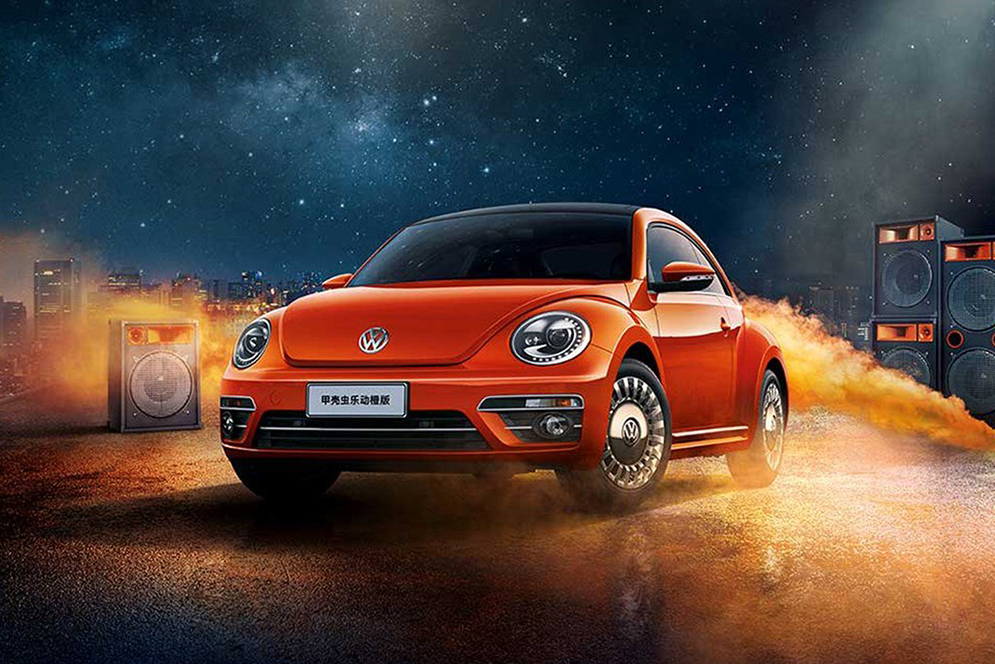
At a glance
- The Volkswagen Beetle is a distinctive three-door petrol hatchback for style-led urban retail rather than maximum cargo utility.
- The export range spans 1.2TSI, 1.4TSI, 180TSI, 280TSI, 380TSI and named special editions, but every vehicle still requires specification confirmation.
- New inventory can represent earlier production, while used Beetles can reduce acquisition cost and add condition risk.
- Export quotes move with trim, condition, mileage, exchange rate, freight route, Incoterm and destination charges.
- Buyers should settle drive side, homologation, MOQ, inspection, payment milestones and importer responsibilities before releasing funds.
Why the Volkswagen Beetle matters for export markets
The Volkswagen Beetle is a style-led compact three-door hatchback that gives overseas dealers a recognizable alternative to anonymous fleet cars. Its rounded design, upright glass area and strong Volkswagen identity can attract urban, lifestyle and design-conscious buyers, while the modern model is easier to operate than a classic retro-themed vehicle. For export planning, the Beetle competes on character and compact packaging, not maximum load capacity or all-terrain utility. Buyers should assess whether their market rewards visual appeal enough to offset the ownership and compliance costs of a relatively sporting compact car.
Volkswagen’s global marque identity can help an importer explain parts, servicing and financing more easily than with an unfamiliar premium badge. That makes the Beetle relevant to metropolitan dealerships, online retailers and selected lifestyle fleet programs where styling can support resale. It is not automatically a low-cost fleet choice, because sporty appearance may mean higher insurance, fuel use or tire wear. The prudent approach is to validate the proposition through local test drives, competitor feedback and a clear resale plan. Dealers should also compare total operating cost with mainstream compact hatchbacks.
Compact dimensions suit crowded streets, but the Beetle’s three-door layout and smaller rear compartment narrow the pool of family and fleet customers compared with a five-door hatchback. Operating costs may also sit above those of an economy model, depending on local fuel prices, insurance categories and tire sizes. Buyers considering the Volkswagen Beetle for export should treat demand as a segment hypothesis rather than guaranteed sales volume. The prudent dealer position is to source selectively, verify each car and demonstrate a clear reason to choose the Beetle over a mainstream alternative in that market.
- Three-door style suits urban retail.
- Assess local running costs.
- Confirm drive side early.
Model range, trims and powertrain variants: how the lineup is structured and how to choose
A trustworthy Volkswagen Beetle specs comparison starts with the export lineup using petrol engines rather than electric. Available trim names include 1.2TSI Fashion, 1.4TSI Fashion Edition, and 180TSI, 280TSI and 380TSI grades, plus special editions such as Easy Joy, Dune Off-Road, Trend Joy, Enjoy, Pink, Emerald Classic and Free Joy. These names help identify equipment and positioning, but they are not a substitute for a specification sheet. Production date, engine code, output, gearbox and options must be confirmed for the car before freight booking or payment commitment is authorized in writing.
Entry-oriented 1.2TSI and 1.4TSI naming points to buyers prioritizing purchase cost, fuel use and urban running, while the 180TSI, 280TSI and 380TSI hierarchy suggests progressively higher output. That hierarchy should not be treated as a universal performance promise because engine applications can differ by market and production run. Compare the homologated power, torque, gearbox and consumption data, then translate those figures into the taxes, insurance classes and fuel prices of the destination. A more expensive grade is not automatically the better business choice for a given importing market and duty class.
Edition names such as Dune Off-Road or Pink should be read as trim and appearance labels, not proof of off-road capability or a materially different platform. They may change wheel design, roof treatment, paint, upholstery or equipment, so compare the option list rather than relying on the badge. The core buyer checks are the same: production date, body condition, engine and transmission, infotainment compatibility, safety equipment and service access. Request photographs of the VIN plate, cabin, luggage compartment and underside before reserving a vehicle or paying a balance.
- Match TSI grade to usage.
- Edition badges do not prove capability.
- Verify gearbox, output and equipment.
New vs used Volkswagen Beetle: how export inventory is structured and how buyers choose
New and used are condition categories, not reliable indicators of age. Export inventory may combine factory- or dealer-held new vehicles with used cars sourced from the domestic market, so “new” does not necessarily mean recent production. A new-car buyer should still ask for the manufacturing date, VIN, mileage reading, warranty commencement, fluids, electrical battery condition, cosmetic expectations and any period in storage. A used Beetle may have a clearer service history and lower acquisition cost, but neither label should replace a vehicle-specific condition report supported by inspection evidence before contracting.
A used Volkswagen Beetle can suit a dealer seeking accessible entry into the model or a buyer comfortable with normal wear. The savings should be weighed against tire age, suspension condition, paintwork, cabin wear, service history and the likelihood of near-term repairs. An older car may also have a different warranty position from a new vehicle, while regional support for its exact engine and electronic systems may vary. For fleet use, insist on documented maintenance and inspect every car individually because condition variation is central to long-term resale and profitability.
The better choice depends on the business model. A dealer building a repeatable retail program may prefer a new vehicle for warranty clarity, presentation and standardized handover checks, especially when selling to first-time Beetle buyers. A used example can be more rational for a price-sensitive customer, but the dealer must disclose condition and budget for preparation. The decisive question is whether the vehicle’s acquisition, preparation and compliance costs leave an acceptable margin after transport, tax and warranty provisions. Test the proposition with a small, controlled purchase before scaling the order.
How export pricing works: the factors behind a live listing price, and how to read one
A Volkswagen Beetle export price guide should separate the seller’s vehicle price from the cost of getting that car legally delivered and retail-ready. The vehicle-side factors are year, trim, engine application, mileage, condition, paint, options and whether the unit is described as new or used. External variables then add exchange-rate movement, inland handling, freight, insurance, destination charges and applicable taxes or duties. Because these inputs vary by transaction, no static export-price range can represent a binding offer. Buyers should use the methodology to compare like-for-like cars on a landed basis.
Read a live listing as a configuration record, not merely a marketing headline. Check the year and trim against the images, VIN, production date, odometer disclosure, condition notes, options list, seller identity, stated quantity and any repair or export caveats. Then ask for a written quotation that identifies the Incoterm, destination, included transport, inspection, documentation, insurance and payment conditions. Incoterms decide where responsibility transfers; they do not remove local import obligations. A quote without these boundaries may look lower while shifting costs or risk back to the buyer in full.
Current price and availability are binding only when tied to a specific live unit and refreshed quote. The displayed amount can change with the car’s condition, trim, exchange rate, freight routing or commercial terms, and parallel units may not be identical. Exporters commonly negotiate vehicle-level adjustments, so ask for written validity rather than assuming a displayed figure is guaranteed. Use the live Beetle inventory to select candidates, normalize them to the same specification and destination, and obtain final quotations for those exact units. Exact figures should come from those current listings, not from an evergreen article.
- Separate vehicle price from landed cost.
- Normalize year, trim and condition.
- Confirm quote validity.
MOQ, ordering and payment: single units vs consolidating a container
Minimum order quantity is a listing and supplier term, not a universal Beetle term. Some offers are structured for one vehicle, while others require several units or a vehicle consignment; read the quantity field and ask the seller to confirm it in writing. For an overseas importer buying a Volkswagen Beetle from China, the choice is between a single test unit, a mixed-model consolidation or a full container of Beetles. Mixed consolidation can reduce freight and handling exposure per car, provided each model has comparable documentation, specification and destination eligibility.
For a Volkswagen Beetle wholesale order, ordering should run through a documented sales sequence: vehicle selection, specification approval, written quotation, pro forma invoice, deposit, inspection evidence, balance payment, release and shipping. Sequence and percentages depend on the seller’s terms, so never infer a payment schedule from the image alone. Buyers should verify the contracting entity, beneficiary details, invoice currency, refund conditions and the party responsible for export customs. A clear pro forma invoice should reconcile the selected VIN or vehicle description, quantity, price, Incoterm and expected payment milestones in writing.
Container planning is more than counting cars. The buyer should confirm safe load capacity, packing method, securing points, vehicle protection, lashing, marking and the stow plan proposed by the carrier or freight forwarder. Mixed consignments can improve utilization but may complicate inspection if one defect holds up the entire group. Before the balance is released, agree on inspection timing, photographic evidence, corrective work, replacement rights and who bears charges if the carrier identifies damage. Also align the shipping date with insurance, registration, customs capacity and port appointment requirements, including handling.
Shipping, homologation and market compliance caveats: LHD/RHD and import rules by country
Vehicle shipping commonly moves on roll-on/roll-off carriers, although container or other specialist arrangements may suit a particular consignment. The freight quotation depends on origin and destination ports, sailing frequency, carrier space, handling, insurance, documentation, route disruption and the delivery scope. A dealer asking for “door-to-door” should identify which inland legs, customs steps, terminal fees and delivery appointment are included. Request both the charge and the expected sequence, because a low ocean leg can be offset by expensive inland handling. Transit timing is variable, so avoid promising a launch date from sailing time alone.
Drive side is a sourcing filter. Left-hand-drive cars suit many markets in the Americas, continental Europe and parts of Asia, while right-hand-drive specifications are relevant to the United Kingdom, Australia, New Zealand, Japan and other markets that use that configuration. Do not assume a Beetle imported from China is supplied in the required orientation; confirm steering position and all relevant equipment on the actual unit. Some RHD cars may come from different source markets or involve conversion, each with different homologation consequences. Local type approval must be checked before shipment, not after arrival.
Import compliance extends beyond the steering wheel. Regulators may assess VIN and title documents, emissions, noise, lighting, radio or connectivity, safety systems, software and periodic inspection requirements. Customs classification, duty, value-added tax, excise, environmental fees and used-vehicle age rules can change the landed case, and each destination applies its own process. The importer of record should confirm eligibility before committing funds and retain the homologation evidence with the vehicle file. Warranty coverage, insurance and parts support may also be geographically limited even when the car itself is mechanically sound for sale.
- State destination and drive side.
- Check homologation before balance payment.
- Name the importer of record.
Who should buy the Beetle — and who should pick a different vehicle
The Beetle fits importers serving urban consumers, boutique dealers, lifestyle customers and small fleets that value design, a recognized badge and a manageable footprint. It is particularly credible where compact cars are popular but the offer otherwise consists of anonymous sedans and basic hatchbacks. Volkswagen’s dealer and servicing network can support the proposition where local representation is established. For such buyers, the Beetle’s appeal is emotional and visual, balanced by sensible running costs, straightforward parts identification and an uncomplicated handover process for each carefully prepared vehicle at the point of sale.
The Beetle is a poor fit where maximum rear-seat access, luggage volume, towing, serious ground clearance or the lowest possible operating cost drives the decision. Its three-door body can complicate family transport and fleet loading, while sporty trim or tire choices may raise insurance and replacement costs. A buyer in a market with strict zero-emission policy should not treat the petrol Beetle as a long-term fit, especially where charging infrastructure is irrelevant but future operating rules are not. Buyers prioritizing cargo and efficiency should compare the Mini Cooper, Volkswagen Golf or a mainstream subcompact.
Make the decision with a total-cost scorecard rather than a style-first purchase. Include acquisition, preparation, freight, insurance, taxes, registration, fuel, tires, servicing, warranty, residual value and compliance work, then compare them with the likely gross margin. Ask the local Volkswagen network whether it supports the relevant engine and electronic systems, and obtain written answers about warranty administration and parts lead times. A test-drive and pre-purchase inspection should confirm that the particular car suits its intended driver. If the business case depends on volume, start with a controlled order and refine the specification from real customer feedback.
- Best for design-led urban buyers.
- Unsuitable for maximum cargo utility.
- Compare full ownership cost.
Main rivals and how the Beetle compares
The MINI Cooper is the closest rival for style-led buyers because it also combines a premium badge, distinctive design and compact dimensions. Its cabin presentation and brand image may appeal to customers who consider the Beetle too mainstream, but the choice depends on local dealer support, equipment and total ownership cost rather than styling alone. The Beetle’s relative strengths are its familiar Volkswagen identity and TSI-oriented lineup; the MINI’s are its more overtly premium positioning. Neither model should be imported without confirming service access and expected resale in the destination market.
The Volkswagen Golf is the rational same-marque alternative for buyers who need easier rear access, more luggage flexibility and a broader range of practical configurations. It sacrifices some of the Beetle’s distinctive three-door image for a more conventional hatchback proposition, but may simplify family sales and fleet use. Because Volkswagen service familiarity can transfer between the two models, a dealer can compare them on equipment and running costs without changing brand strategy. Where the Beetle’s styling creates showroom appeal but the Golf satisfies the actual use case, the Golf is usually the more functional choice.
The Ford Fiesta represents the mainstream driving-focused alternative: a compact hatchback designed around efficiency, affordability and everyday usability rather than emotional design. It may be more logical where fleet volume and operating costs dominate, while the Beetle offers greater visual differentiation for retail buyers. Availability, specification and after-sales support vary by country, so compare the exact imported versions rather than a global model badge. In short, choose the Beetle for character and compact style; choose a rival when utility, cost or service certainty is the stronger requirement for the importing dealer.
- MINI Cooper: closest design-led rival.
- Volkswagen Golf: more practical alternative.
- Ford Fiesta: mainstream driving-focused alternative.
Live Volkswagen Beetle export inventory
View all listings →Real units currently on ChinaCarDirect with per-unit asking prices and MOQ. Availability updates live from the catalogue.
How to buy a Volkswagen Beetle from China
-
1
Define the destination requirements
Specify the destination country, port, required drive side, intended customer and relevant tax or emissions rules. This prevents unsuitable cars from being quoted or shipped.
-
2
Shortlist the live inventory
Use the live Volkswagen Beetle listings to compare production date, trim, mileage, condition and equipment. Shortlist individual vehicles rather than relying only on the model name.
-
3
Verify specification and condition
Request the VIN, manufacturing date, odometer reading, engine and gearbox details, option list and photographs. Arrange an independent inspection for the selected unit.
-
4
Request a destination-specific quote
Ask for a written vehicle-level quotation stating the Incoterm, freight route, included services, exclusions and validity period. Separate the vehicle price from insurance, duties and other landed charges.
-
5
Confirm MOQ and payment terms
Confirm the listing’s MOQ, whether mixed models can share freight, the contracting entity and all deposit and balance milestones. Check refund, correction and replacement conditions before paying.
-
6
Approve inspection and export documents
Agree on pre-shipment inspection timing, photographic evidence and corrective work. Verify ownership, VIN, maintenance and export documents before authorizing release.
-
7
Book freight and complete handover
Use a qualified freight forwarder, confirm insurance and appoint the importer of record. Track customs, registration, delivery and the retained vehicle records for after-sales support.
Beetle vs rivals
| MINI Cooper | The MINI Cooper is the closest design-led alternative, matching the Beetle’s premium, character-focused compact-hatchback appeal. Choose it for stronger brand cachet and a more upscale cabin image; choose the Beetle for Volkswagen familiarity and TSI-oriented service access, subject to local support. |
|---|---|
| Volkswagen Golf | The Golf trades the Beetle’s three-door styling for easier rear access, more flexible cargo use and a more conventional family or fleet proposition. It is usually stronger when practicality dominates, while the Beetle better serves buyers who prioritize visual identity. |
| Ford Fiesta | The Fiesta is a mainstream compact alternative focused more on affordability, efficiency and everyday driving. It may be easier to place in volume-led retail programs, but the Beetle offers stronger visual differentiation for lifestyle-focused dealers. |
Frequently asked questions
How is Volkswagen Beetle export pricing determined?
Export pricing is calculated from the selected vehicle and transaction conditions. Year, trim, engine application, mileage, condition, options, exchange rate, freight route, insurance, Incoterm and destination charges can all change a quote; the amount shown on a live unit should be treated as the current vehicle reference, not a guaranteed landed cost. Review the current Beetle listings and request a written, destination-specific quotation for the exact unit.
What powertrain and range does the Volkswagen Beetle use?
The export-relevant Volkswagen Beetle is petrol powered and uses TSI engine grades, including 1.2TSI, 1.4TSI, 180TSI, 280TSI and 380TSI naming. There is no battery-electric Beetle in this lineup, so buyers should evaluate official fuel-consumption data, fuel availability and emissions rules rather than electric range. Confirm the exact engine, output, gearbox and consumption figures on the live listing for the selected trim.
Is a new or used Volkswagen Beetle better for export?
New inventory can include earlier production that remained unsold, so check production date, VIN, mileage, warranty start and storage history. A used Volkswagen Beetle may cost less to acquire but can carry more wear, deferred servicing and tire or suspension risk; inspect each car and verify records. Choose based on the buyer’s demand for warranty certainty, presentation, operating cost and expected resale.
What is the MOQ for a Volkswagen Beetle order?
MOQ is set within each listing and confirmed by the seller; it may allow a single-unit order, several units or a consignment requirement. Do not assume the MOQ shown in one listing applies to another trim or seller, and ask whether mixed models can share freight. For a first import, a controlled single-unit or small consolidation can limit exposure, subject to the supplier’s written terms.
How long does shipping take and what does it cost?
Shipping time and cost depend on the origin and destination ports, sailing schedule, carrier space, vehicle handling, insurance, documentation, customs clearance and inland delivery scope. Roll-on/roll-off is common for vehicles, while the best method depends on the consignment. Ask for a door-to-door quotation with a stated route and expected sequence, and avoid treating ocean transit alone as the total delivery time.
Are Volkswagen Beetle spare parts readily available?
Spare-parts support depends on the destination’s Volkswagen dealer network and the exact engine and electronic systems fitted to the car. Parts such as body panels, lamps, infotainment modules, sensors and service items may not all be stocked locally, so lead time and price can vary. Before ordering, ask for part numbers, compatibility guidance and a realistic maintenance schedule, and check that independent repair support is available where the car will be used.
Is a right-hand-drive Volkswagen Beetle available for export?
Right-hand-drive availability should be checked on the actual listing because Chinese-market vehicles are not automatically supplied in every drive-side configuration. A car sourced for an RHD market may come from another origin or involve a conversion, and local type approval must accept its steering, lighting, emissions and safety configuration. State the destination and required drive side before requesting a quote to avoid importing a car that needs costly rework.
How do I order a Volkswagen Beetle from China?
Start with the live Beetle inventory, shortlist cars by drive side, trim, production date and condition, and ask for a written quote tied to each VIN or vehicle description. Confirm MOQ, Incoterm, payment milestones, inspection, documents, shipping and after-sales support before paying a balance. Once the pro forma invoice and sale documents are approved, use the agreed freight and customs process and retain all inspection and handover records.
Ready to source the Volkswagen Beetle?
Request a current unit-level Volkswagen Beetle export quote with live price, MOQ, specification and freight scope.
Request a quote